
For most bird flu exposure scenarios, an N95 respirator (or its international equivalents, FFP2 or KN95) worn with a proper face seal is the best practical choice. If you work on or visit a farm with infected birds, handle sick or dead poultry, or clean up droppings in a potentially contaminated area, a well-fitted N95 or higher-rated respirator is what public health agencies actually recommend. Cloth masks and surgical masks filter far less of the airborne particles that carry avian influenza viruses, so they are not the right tool for real exposure risk. The sections below walk through exactly which mask fits which situation, how to wear one so it actually works, and when masking is genuinely necessary versus optional.
Best Masks for Bird Flu: N95 FFP2 Fit and When to Wear

Maya Chen
20 May 2026
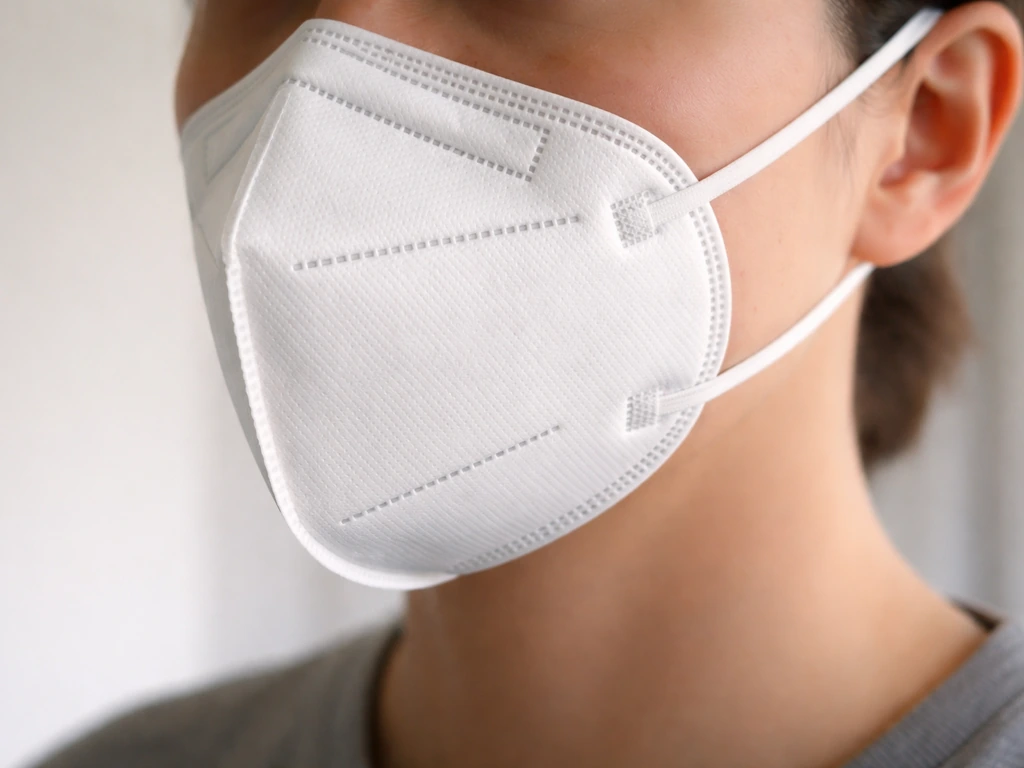
How bird flu spreads and what masking can (and can't) do
The CDC is clear that most people who get bird flu had close, unprotected exposure to infected birds or animals without respiratory or eye protection. The virus reaches your body through your nose, mouth, or eyes, either by inhaling contaminated droplets and particles or by touching a contaminated surface and then touching your face. On farms and in dairy settings, exposure pathways include inhaling airborne droplets from infected animals and direct contact with contaminated environments. Critically, there is currently no confirmed human-to-human spread of H5N1 bird flu, which means the risk profile for most people is very different from a seasonal flu scenario.
A mask addresses one of those exposure routes: inhalation. It does not protect your eyes, so eye protection matters too in higher-risk settings. And no mask compensates for unnecessary contact with sick or dead birds in the first place. Think of masking as one layer of a protection strategy, not a complete shield on its own. The WHO frames risk reduction around reducing your overall exposure to infected animals and their environments, with respirators as part of a broader personal protective equipment (PPE) package.
Choose the right mask type: cloth, surgical, or respirator
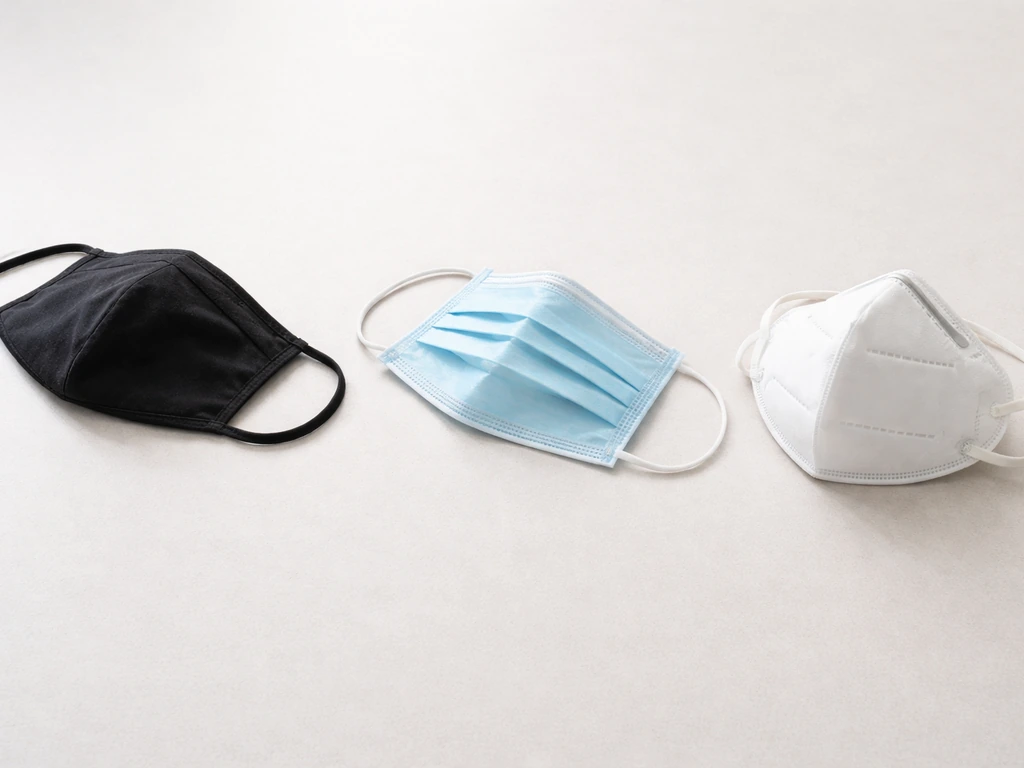
Not all masks are equal, and the difference matters a lot here. Here is a plain-language breakdown of the three main categories and what the evidence says about each. In practice, this means an N95 or better like a KN95 with a reliable seal is what you would consider when asking whether it protects against bird flu exposure three main categories.
| Mask Type | Filtration Level | Fit/Seal | Bird Flu Protection | Best Use Case |
|---|---|---|---|---|
| Cloth mask | Low (varies widely) | Poor, gaps at edges | Not recommended for exposure risk | Not suitable for bird flu scenarios |
| Surgical/procedure mask | Moderate (fluid barrier) | Loose, no seal | Minimal for inhalation risk | Source control only, not protection |
| N95 respirator (NIOSH-approved) | At least 95% of airborne particles | Tight-fitting, seal required | Recommended for exposed workers and others at risk | Farm visits, bird handling, cleanup, healthcare |
| FFP2 respirator (EU standard) | At least 94% filtration | Tight-fitting, seal required | Recommended by ECDC and WHO | Same as N95, widely used outside North America |
| FFP3 / N99 / N100 respirator | 98-99.97% filtration | Tight-fitting or powered | Highest available protection | High-risk cleanup, confirmed outbreak environments |
| KN95 respirator (Chinese standard) | At least 95% (when legitimate) | Tight-fitting, seal required | Acceptable alternative to N95 if fit is good | When NIOSH N95s are unavailable |
Cloth masks and loosely fitting surgical masks leave too many gaps for meaningful inhalation protection against fine respiratory droplets and particles. Both the WHO and ECDC specifically recommend particulate respirators at FFP2/N95 equivalent or higher for people with possible exposure to infected birds or contaminated environments. The CDC likewise recommends any NIOSH-approved particulate respirator for workers in bird flu exposure settings. That language is specific for a reason: fit matters as much as filtration rating.
Best mask for each exposure scenario
Your actual risk level depends heavily on the situation you are in. Here is practical guidance matched to the most common scenarios.
Farm workers and people visiting farms with infected or suspected birds
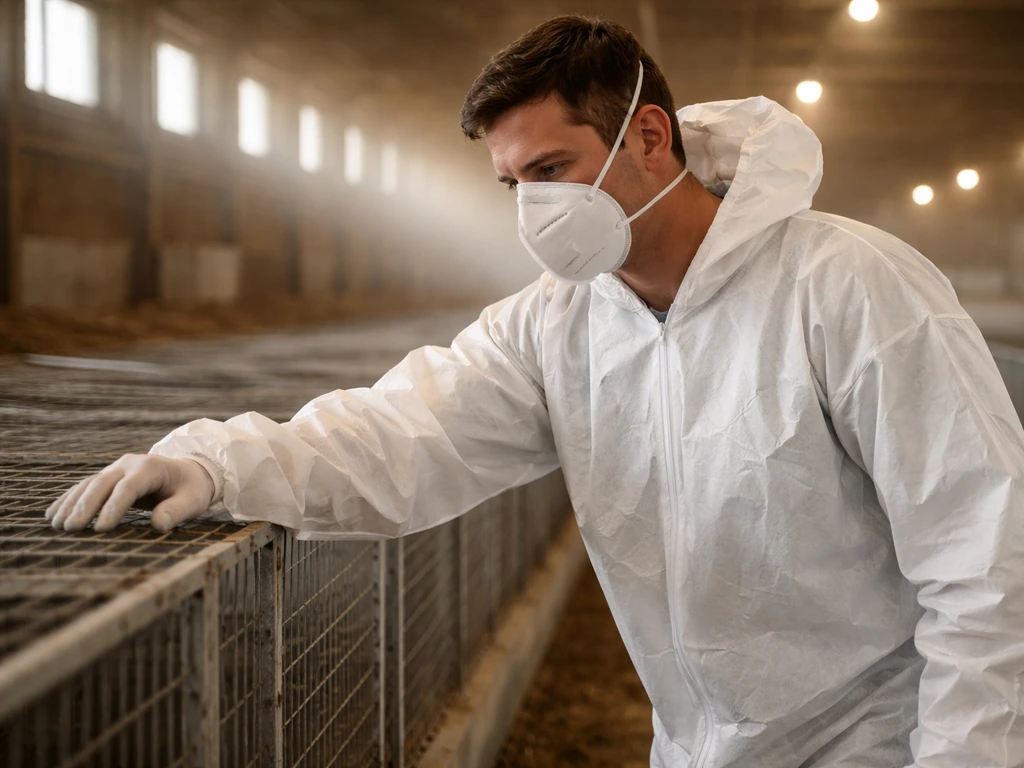
This is the highest-risk everyday scenario. If you are working on a poultry or dairy farm with confirmed or suspected H5N1 activity, you should be using a NIOSH-approved N95 (or FFP2 equivalent) at minimum, paired with eye protection (goggles or a face shield), gloves, and protective clothing. Some high-exposure tasks like depopulation of infected flocks warrant upgrading to an N100 or powered air-purifying respirator (PAPR) if available. The CDC's workplace PPE guidance points employers toward OSHA respiratory protection requirements, which include fit testing for tight-fitting respirators. If you are a farm visitor rather than a full-time worker, an N95 with a proper seal check is the practical go-to.
Backyard flock owners and wild bird hunters
The ECDC specifically calls out backyard farmers and wild bird hunters as groups who may have possible exposure to infected poultry or wild birds, and recommends well-fitting FFP2 respirators as part of their PPE. If you keep backyard chickens, ducks, or geese in an area with known HPAI activity, wear an N95 or FFP2 whenever you are cleaning the coop, handling birds, or dealing with sick or dead animals. The same applies if you are a hunter handling wild waterfowl, which are known carriers. An N95 with fresh gloves and good hand hygiene after the task is a sensible and straightforward routine.
Cleaning up droppings or contaminated areas
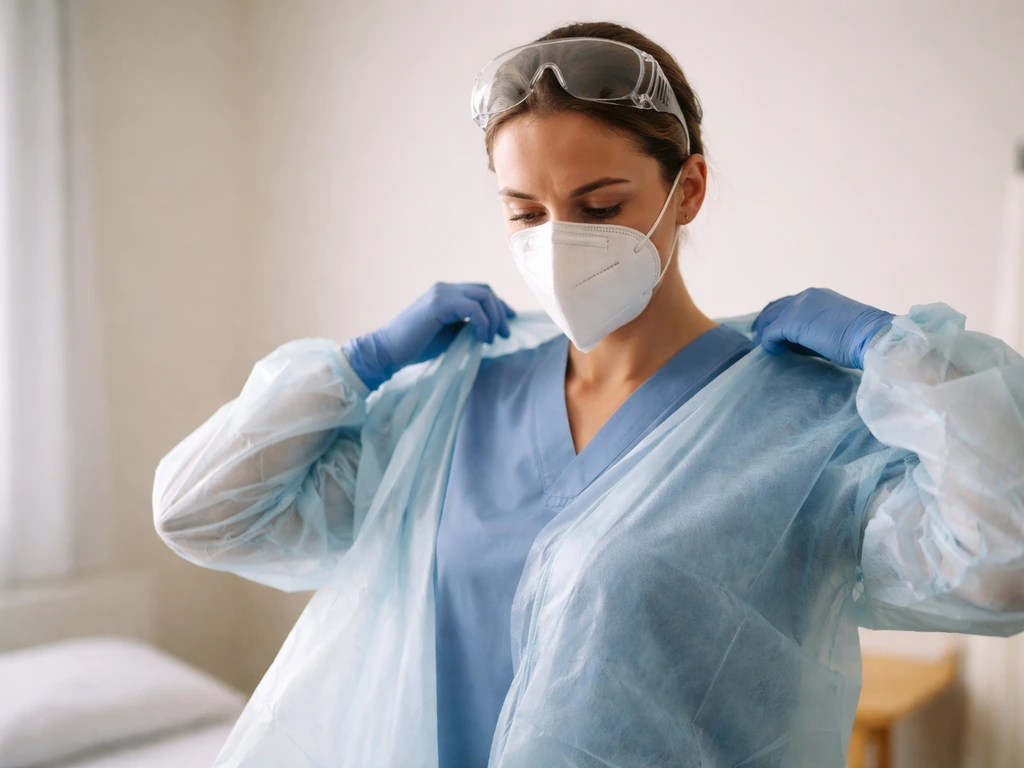
Cleaning is actually one of the riskier tasks because it can aerosolize dried droppings. Do not sweep dry droppings without respiratory protection. Use an N95 minimum, wet down the area first with water or disinfectant to reduce aerosolization, wear disposable gloves, and wash your hands thoroughly afterward. If the contamination is extensive or involves a confirmed outbreak site, step up to an N99 or FFP3 if you can get one.
Healthcare or caregiving settings
If you are a healthcare worker caring for a confirmed or suspected human bird flu patient, follow your facility's airborne/droplet precaution protocols, which will typically call for a fitted N95 or higher, eye protection, gown, and gloves. This is a different context from farm exposure but the respirator standard is the same: N95 or better, properly fitted.
General public and low-exposure community settings
If you are not directly handling birds, visiting farms, or cleaning contaminated spaces, your personal risk from bird flu is currently very low. do kn95 masks protect against bird flu. There is no human-to-human spread, so walking through a park where waterfowl are present does not put you in a mask-required situation. Masking is not recommended or necessary for routine community settings without direct animal exposure.
How to wear a respirator so it actually protects you
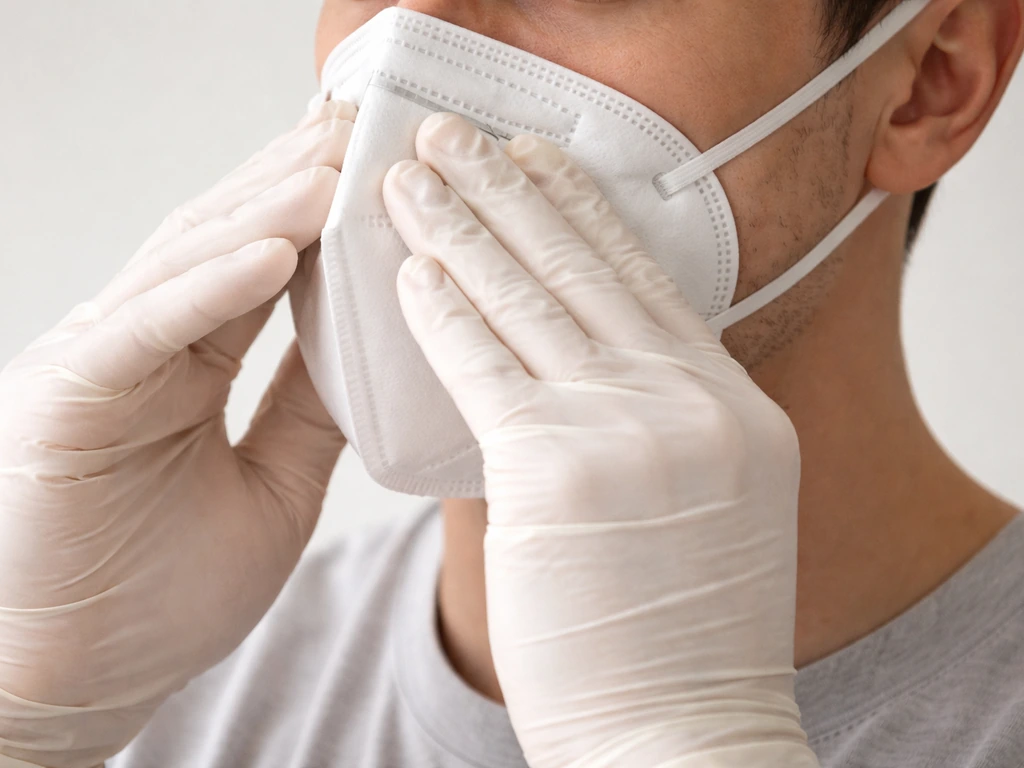
A properly rated respirator that fits badly is not much better than a surgical mask. The CDC and NIOSH are emphatic: for an N95 to deliver its rated protection, you need a successful fit test and you must perform a user seal check every single time you put it on. Here is how to do it right.
Donning (putting on) correctly
- Wash or sanitize your hands before touching the respirator.
- Cup the respirator in your hand with the nosepiece at your fingertips.
- Position it under your chin with the nosepiece up.
- Pull the top strap over your head and place it high on the back of your head. Pull the bottom strap over your head and place it around your neck below your ears.
- Use both hands to mold the nosepiece to the shape of your nose by pushing inward while moving your fingertips down both sides. Do not pinch with just one hand.
- Perform the seal check (see below) before entering the exposure area.
User seal check (every single time)
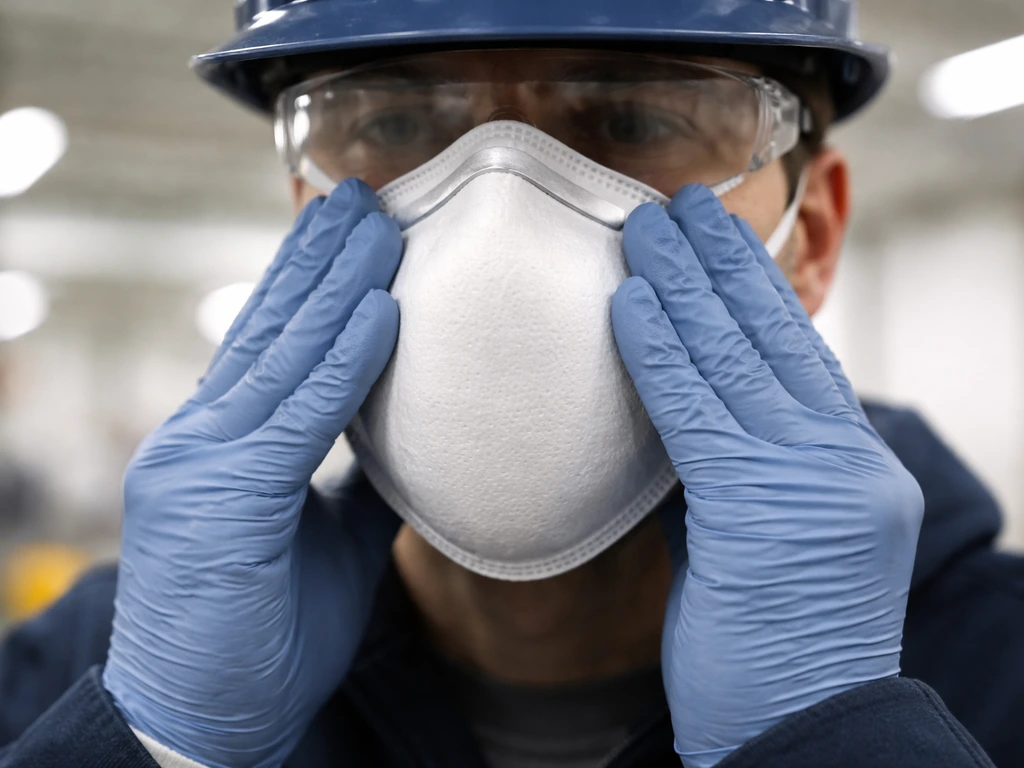
The positive pressure check: cup both hands over the respirator and exhale sharply. You should feel air pressure build inside the mask. If air escapes around the edges, readjust and try again. The negative pressure check: inhale sharply and hold your breath. The facepiece should collapse slightly toward your face and hold that shape. If air leaks in around the seal, the fit is not good. OSHA notes that anything between the respirator seal and your face, including facial hair, hair that comes between the seal and the skin, or a beard, will break the seal. N95 respirators require a smooth, clean-shaved face to seal properly.
Doffing (taking off) safely
- Do not touch the front of the respirator, which is the potentially contaminated surface.
- Remove by handling the straps only: lift the bottom strap over your head first, then the top strap.
- Dispose of single-use respirators in a closed waste bin immediately.
- Wash or sanitize your hands again right after removal.
When to replace your respirator
N95 and FFP2 respirators are designed for single use or limited use. Replace yours if it is visibly soiled or damaged, if breathing resistance increases noticeably, if the seal check fails, or after you leave a high-exposure area. Do not reuse a respirator that has been used in an area with confirmed bird flu contamination. In shortage situations, the CDC has published extended-use guidance, but for personal use in farm or cleanup scenarios, fresh is better.
When masking is actually recommended vs when you can skip it
Public health guidance on bird flu masking is more targeted than what most people assume. It is not a universal recommendation. A common question is whether a flu shot can protect against bird flu, and the short answer is that standard seasonal flu vaccines are not designed to prevent H5N1. Here is a straightforward breakdown based on current CDC and WHO guidance.
| Situation | Masking Recommended? | Mask Level |
|---|---|---|
| Working with confirmed/suspected infected poultry or livestock | Yes, required | N95/FFP2 minimum, full PPE |
| Cleaning coops or areas with droppings in outbreak zone | Yes, strongly recommended | N95/FFP2 minimum |
| Backyard flock owner in area with HPAI activity | Yes, recommended | N95/FFP2 |
| Wild bird hunting (waterfowl) in HPAI-active area | Yes, recommended | N95/FFP2 |
| Handling any sick or dead wild bird | Yes, recommended | N95/FFP2 or surgical if N95 unavailable |
| Visiting a farm with no known outbreak, low contact | Precautionary, optional | Surgical at minimum if indoors near birds |
| Walking in a park, casual proximity to wild birds | Not recommended/necessary | None required |
| General community setting, no animal contact | Not recommended | None required |
The core principle: if you are having direct or close contact with birds, poultry, or their environments (especially in an area with known HPAI activity), wear a properly fitted respirator. If you are not in that kind of contact, the current epidemiology does not support masking as a necessary precaution.
Other prevention steps that work alongside your mask
Masking alone is not enough. The WHO and CDC both frame bird flu risk reduction as a package of measures, and the other pieces genuinely matter, especially since the virus can reach you through your eyes and via hand-to-face contact that a mask cannot block.
- Avoid unnecessary contact with sick or dead birds: do not handle them without gloves and respiratory protection, and if you do not need to handle them, do not.
- Wash your hands thoroughly with soap and water after any contact with birds, poultry, their droppings, or contaminated surfaces. Hand hygiene is one of the most effective things you can do.
- Wear eye protection (goggles or a face shield) in any setting where you are also wearing a respirator for bird flu protection. The CDC notes that unprotected exposure includes lack of eye protection as well as respiratory protection.
- Use gloves and cover exposed skin when handling birds or cleaning contaminated areas. Dispose of gloves safely and wash hands after removal.
- Ventilate enclosed spaces: if you work in poultry barns or enclosed coops, maximizing airflow reduces airborne particle concentration.
- Do not eat, drink, or touch your face while in a potentially contaminated environment.
- Follow local and national public health alerts about HPAI outbreaks in your area so you know when risk levels change.
- Keep birds separated if you suspect illness in your flock and contact your vet or local agriculture authority promptly.
What to do if you had an exposure or start feeling sick
If you have had direct or close contact with sick, dead, or suspected HPAI-infected birds or their contaminated environments, the CDC recommends monitoring yourself for illness for 10 days after your last exposure. This means watching for fever, cough, sore throat, runny nose, muscle aches, eye redness or discharge, and in some cases gastrointestinal symptoms. These are the symptoms that should prompt you to act quickly.
If you develop flu-like symptoms after an exposure, do not wait to see if they resolve on their own. Contact a healthcare provider or your local public health department right away and tell them about your exposure. The CDC recommends oseltamivir (Tamiflu) for treatment of bird flu, and the guidance is to start it as soon as possible. For people who had a high-risk exposure and were not wearing recommended PPE (or had a PPE failure), healthcare providers may offer oseltamivir as post-exposure prophylaxis even before symptoms appear, so the circumstances of your exposure are worth describing in detail when you call.
If you are hospitalized with confirmed or suspected bird flu, antiviral treatment with oseltamivir is recommended as soon as possible regardless of how long symptoms have been present. The bottom line: early contact with a healthcare provider gives you the best options. Do not downplay the exposure history when you call.
One more thing worth noting: if you were exposed but were wearing full recommended PPE correctly (fitted N95, eye protection, gloves) and had no breaches, your risk is substantially lower. The monitoring guidance still applies, but context matters when talking to your provider about next steps.
FAQ
Can I use a KN95 or FFP2 instead of an N95 if it has a good seal?
Yes, for bird flu exposure scenarios an equivalent particulate respirator is a practical substitute if it seals well on your face. Check that the product is genuinely certified for particle filtration in your country, then do a user seal check every time. If you cannot consistently get a reliable seal, switch to a fit-tested N95 style.
What if I have facial hair, hair covering my face, or glasses that shift?
Tight respirators need a direct seal against skin, facial hair (even a short beard) can break the seal, and any hair that gets between the respirator and your face can reduce protection. If you wear glasses, choose eye protection that does not push the respirator out of position, and re-run the seal check after putting goggles or a face shield on.
Is an N95 enough on its own, or do I need eye protection too?
For higher-risk farm, cleanup, or occupational situations, eye protection matters because exposure can occur through the eyes, not just inhalation. If you are handling sick or dead birds, cleaning droppings, or working in dusty, contaminated areas, use goggles or a face shield with the respirator rather than relying on the mask alone.
How should I handle putting on and taking off the mask during a task at a farm or while cleaning?
Minimize contact with the front of the respirator. Put it on before entering the contaminated area, confirm the seal once it is positioned, and avoid adjusting it repeatedly. When removing it, use the straps, keep the front facing away from your face and clothing, and perform hand hygiene immediately after removal and before touching your eyes or mouth.
Can I reuse an N95 for multiple days if it looks clean?
In general, treat N95s as single-use or limited-use, replace them if they get soiled, damaged, or if breathing resistance increases noticeably, and fail the seal check. Also replace after leaving a confirmed high-exposure area. Extended-use guidance exists for shortages, but for personal farm or cleanup use, fresh is the safer default.
Is it safe to sweep or blow debris if I wear an N95?
Avoid dry sweeping and dust-raising methods because aerosolized droppings are a key concern during cleaning. Wet down the area first with water or appropriate disinfectant, then clean while wearing the respirator and disposable gloves. If you must deal with heavy contamination, step up protection and consider local guidance or supervised PPE protocols.
What should I do if my seal check fails while I am already in the exposure area?
Exit the exposure zone if you can do so safely, re-adjust the respirator straps and position, and repeat the user seal check before re-entering. Do not continue the task if you still feel air leaking around the edges. In ongoing high-risk work, a fit-tested replacement can be necessary to prevent repeated failures.
If there is no human-to-human spread, do I still need to mask after visiting a park with birds?
In routine community settings without direct animal handling or exposure to contaminated droppings, masking is generally not recommended. Focus on avoiding contact with sick or dead birds, keep distance, and wash hands after outdoor exposure. Masking becomes relevant when you have close contact with birds, poultry, or contaminated environments.
Should I disinfect or wash an N95 after use?
Do not wash or disinfect a tight-fitting respirator in a way that changes its filtration or fit. Instead, discard it when it becomes contaminated, damaged, or no longer meets seal checks. If you need to manage waste, follow local disposal guidance for contaminated PPE.
What symptoms mean I should contact a clinician after bird exposure, even if I wore PPE?
Monitor for fever, cough, sore throat, runny nose, muscle aches, and eye redness or discharge, and be alert for gastrointestinal symptoms. If symptoms appear after direct or close exposure, contact a healthcare provider or local public health department right away, tell them about the exposure, and do not rely on the fact that you wore a respirator to delay evaluation.