Freeze-dried chicken sold for human consumption is very likely safe to eat, because the commercial supply chain is designed to keep infected birds out of it entirely and because the CDC confirms that properly handled and cooked poultry kills bird flu viruses. The more complicated answer applies to freeze-dried raw pet food, including freeze-dried dog treats and cat food: freeze-drying reduces pathogens but does not eliminate them, real H5N1 contamination events have occurred in commercial raw pet food products, and the CDC actively recommends against feeding pets raw or freeze-dried raw food precisely because of this risk. So the short version is: human food, very low risk when handled properly; raw-style freeze-dried pet products, a genuinely different and higher category of concern.
Is Freeze-Dried Chicken Safe From Bird Flu? Facts and Steps

How bird flu actually spreads through food (and how it usually doesn't)
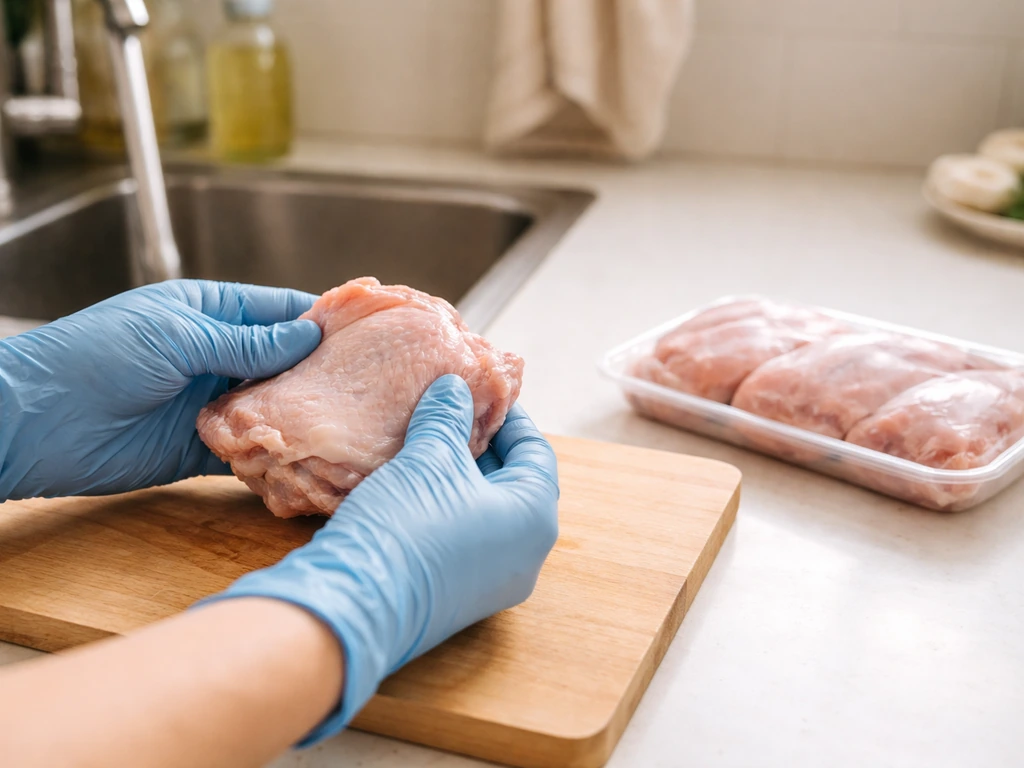
H5N1 avian influenza spreads primarily through direct contact with infected birds or contaminated environments, things like backyard flocks, live poultry markets, or farms during an active outbreak. The WHO is clear that sustained human-to-human transmission has not been identified, and the EFSA states there is currently no convincing evidence that bird flu can be transmitted to humans through eating contaminated food. That framing matters: the food-chain risk for people is considered low, not because the virus is harmless if consumed, but because the safeguards built into food production are designed to stop infected animals from reaching your plate.
In the U.S., USDA inspection rules mean that federally inspected birds confirmed to be infected do not enter the human food supply. That is a meaningful structural protection. The story is different for pet food, especially raw or minimally processed products, which can use sourcing channels and processing methods that do not apply the same kill steps that cooked human food undergoes. This is why the two categories, human food and raw pet food, deserve to be treated separately rather than lumped together.
What freeze-drying actually does to bird flu (and what it doesn't)
Freeze-drying, also called lyophilization, removes moisture from food by freezing it and then drawing out the ice under a vacuum. The process does affect viral survival because moisture is one of the things that helps viruses remain stable and infective. Research into influenza virus stability under dried conditions shows that low residual moisture does affect infectivity. But here is the critical point: affecting infectivity is not the same as eliminating it. Freeze-drying is not a validated kill step for H5N1 or any influenza virus.
blank" rel="noopener noreferrer">The CDC is direct about this: freeze-drying, dehydrating, and freezing raw protein only reduce the amount of germs present. For freeze-dried minnows, the same principle applies: freeze-drying reduces germs but does not guarantee the virus, so you still need careful handling and appropriate cooking if you plan to eat them freeze-drying, dehydrating, and freezing raw protein only reduce the amount of germs present. They do not eliminate the risk.
Separately, research on influenza viruses in frozen environments shows that viable virus can persist under cold and frozen conditions, which is part of why simply freezing or freeze-drying cannot be treated as equivalent to cooking. Heat is the intervention that actually works. The CDC confirms that cooking poultry to the correct internal temperature kills bacteria and viruses including avian influenza A viruses, and that 165°F is the target for poultry products.
Human risk vs. pet risk: these are not the same question
For people eating freeze-dried chicken from the human food supply, the risk is very low for the reasons already described: inspected birds do not enter the chain if infected, and cooking eliminates any residual risk. The EFSA's assessment that there is no convincing evidence of foodborne transmission to humans reflects the current epidemiological picture. If you are eating freeze-dried chicken jerky, freeze-dried chicken strips, or using freeze-dried chicken pieces in a meal, you are working within a supply chain that has multiple protective layers.
For pets, the situation is genuinely more concerning. CDC states that [cats and dogs could become infected if they go outside and eat or are exposed to sick or dead birds, infected dairy cows, or other infected animals](https://www. cdc. gov/bird-flu/risk-factors/bird-flu-in-pets.
html), and that many cat infections in the U. S. have been linked to A(H5N1)-affected farms and some to commercially produced raw pet food. The FDA has warned that H5N1 can be deadly to cats and notes risk to dogs as well, and it explicitly encourages consumers to carefully consider the risk before feeding pets any uncooked meat or uncooked pet food product.
This is not theoretical. Because this is a freeze-dried raw pet-food question, it is vital to rely on current FDA guidance and recalls when deciding if a specific brand is safe from bird flu.
The FDA notified pet owners of confirmed H5N1 contamination in specific lots of a raw cat food product, and the Oregon Department of Agriculture reported a voluntary recall of Northwest Naturals raw and frozen pet food after samples tested positive for H5N1, connected to the death of a house cat that consumed the product. These are documented, real-world contamination events in commercial products, not hypothetical risks.
The FDA has also required certain cat and dog food manufacturers to formally reanalyze their preventive controls to include H5N1 as a known or reasonably foreseeable hazard when using uncooked or unpasteurized poultry or cattle materials. That regulatory step signals how seriously the agency treats this risk in the raw pet food category. If you are feeding your pet a freeze-dried raw chicken product, you are in a different risk tier than someone eating cooked chicken. is kibble safe from bird flu.
| Product Type | Primary Consumer | Kill Step Applied? | Documented H5N1 Events? | Overall Risk Level |
|---|---|---|---|---|
| Freeze-dried chicken (human food) | People | Cooking (165°F recommended) | No documented cases from cooked/inspected supply | Very low with proper handling/cooking |
| Freeze-dried raw pet food (chicken) | Dogs and cats | None (freeze-drying only) | Yes, confirmed contamination events and recalls | Higher; CDC recommends against feeding raw |
| Freeze-dried cat treats (raw-style) | Cats | None typically | Possible (same supply chain concerns) | Elevated; treat same as raw pet food |
| Commercially cooked freeze-dried pet food | Dogs and cats | Heat treatment before freeze-drying | Lower risk, but verify with manufacturer | Lower than raw, higher than human food |
How to handle, store, and prepare freeze-dried products safely
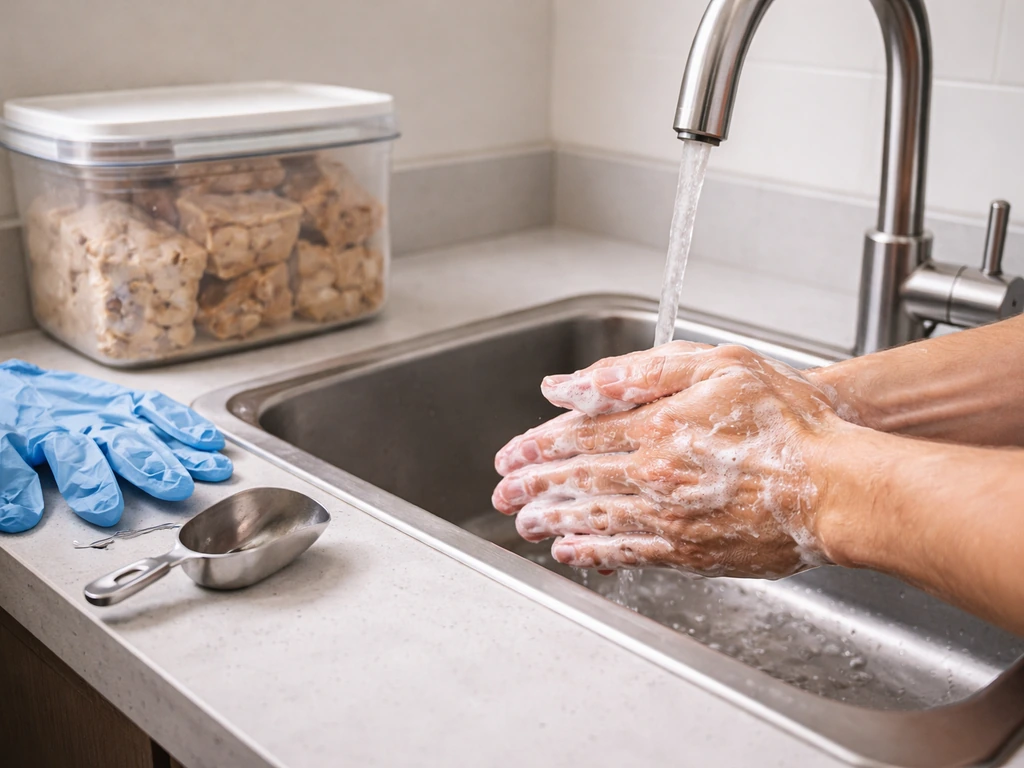
Regardless of whether the product is for you or your pet, hand hygiene is the most consistently recommended practical step across the CDC, FDA, and WHO. The FDA advises washing hands for at least 20 seconds with soap and hot water before and after handling pet food and treats. The WHO's five keys to safer food emphasize keeping clean, separating raw and cooked items, cooking thoroughly, keeping food at safe temperatures, and using safe water. These principles apply whether you are handling freeze-dried chicken for dinner or portioning freeze-dried raw cat food.
- Wash hands for at least 20 seconds with soap and water before and after handling any freeze-dried poultry product, for people or pets.
- Keep freeze-dried raw pet food separate from human food preparation surfaces and utensils.
- For human consumption, cook freeze-dried chicken pieces to an internal temperature of 165°F before eating, especially if the product is intended to be rehydrated and cooked rather than eaten as a shelf-stable snack.
- For pet food, store freeze-dried products in sealed containers away from areas where food for humans is prepared or stored.
- Discard packaging promptly and do not leave rehydrated raw pet food sitting out at room temperature.
- Clean and disinfect pet food bowls, scoops, and prep surfaces regularly using soap and water followed by an EPA-approved disinfectant effective against influenza A viruses.
- Do not let children handle raw-style freeze-dried pet treats without adult supervision and immediate handwashing afterward.
What to check before you buy or keep feeding a product
Sourcing and manufacturing controls matter more than they used to. Because the FDA now requires raw pet food manufacturers to treat H5N1 as a known hazard in their food safety plans, you can reasonably ask whether your brand has updated its preventive controls to reflect this. A manufacturer that tests incoming ingredients for H5N1, works with suppliers who have outbreak monitoring in place, or applies validated processing steps beyond freeze-drying alone is operating at a different safety level than one that does not.
- Check the FDA's recall database for your brand and lot number before feeding a product, especially if you have not used it recently. The FDA's Recalls and Withdrawals page is searchable and updated regularly.
- Look at the ingredient sourcing on the label. If the product uses U.S.-sourced poultry from USDA-inspected facilities, that offers more traceability than unlabeled or imported sources.
- Contact the manufacturer directly and ask whether they test for H5N1 in incoming raw materials and what kill-step validation their process includes. A reputable company should be able to answer this.
- For freeze-dried products marketed as raw (meaning no heat treatment was applied), pay closest attention to these checks. For products where cooking or pasteurization occurs before freeze-drying, ask for documentation of that process.
- Watch for voluntary recalls from state agriculture departments, not just the FDA. The Northwest Naturals recall, for example, was reported first through Oregon's ODA.
When to take the risk more seriously
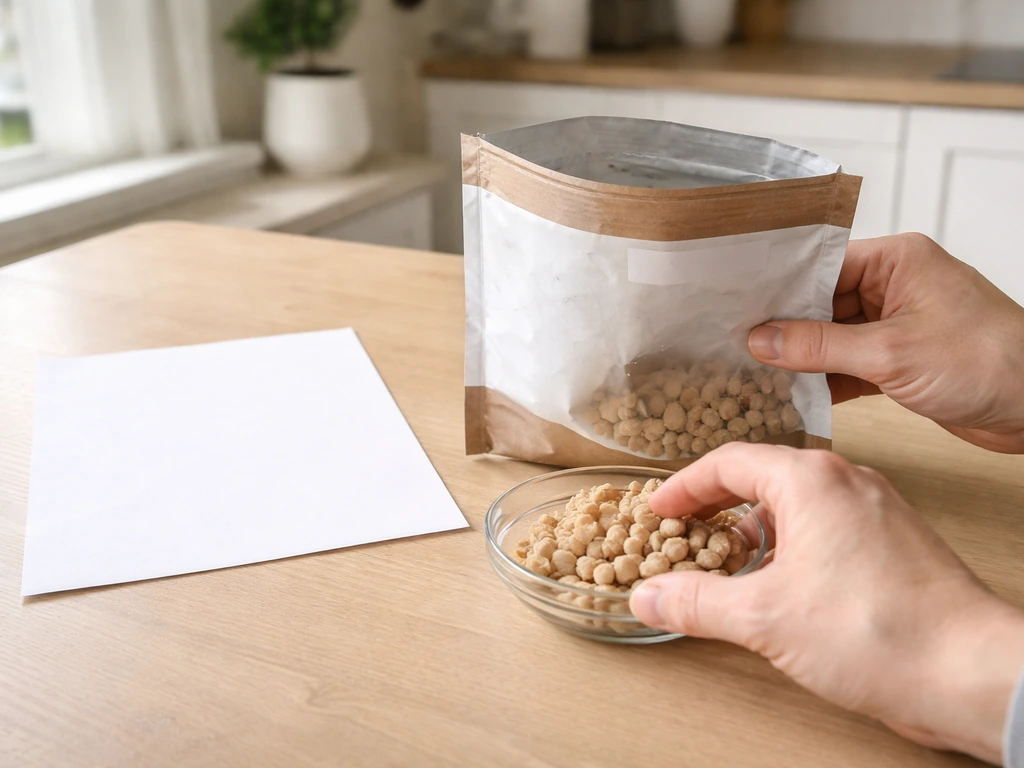
Most people feeding their pets a commercial freeze-dried chicken product today do not need to panic, but there are situations where the risk calculation shifts and you should act more cautiously or seek advice.
- Your pet has eaten a product that has since been recalled for H5N1 contamination: contact your veterinarian immediately even if the animal seems healthy, because cats in particular can develop serious illness and early intervention matters.
- Your cat or dog shows signs of respiratory illness, lethargy, neurological symptoms, or sudden decline after eating a raw or freeze-dried raw poultry product: these are reasons to call a vet today, not wait.
- You live with immunocompromised individuals, elderly family members, young children, or pregnant people: the CDC's general advice is to avoid raw pet food in these households, and freeze-dried raw is included in that recommendation.
- You handle large quantities of freeze-dried raw pet food regularly (for example, if you run a pet daycare, shelter, or rescue): increased handling volume increases exposure risk, and you should use gloves, wash hands rigorously, and ensure your facility protocol addresses influenza A virus disinfection.
- There is an active, confirmed H5N1 outbreak in poultry flocks in your region: during active outbreaks, the supply chain risk is higher, and this is a good time to pause feeding raw-style products and check for recalls proactively.
- You personally have had close contact with infected poultry or raw pet food and develop flu-like symptoms within 10 days: contact your healthcare provider and mention the exposure. This applies to farm workers, pet owners, and anyone handling raw poultry.
If you have questions about a specific product's safety today, the FDA's recall database and your state's department of agriculture are the fastest places to check. For pet health concerns, a call to your veterinarian is always the right move rather than waiting. For your own health after a possible exposure, your primary care provider or local public health department can assess whether testing or monitoring is appropriate. None of this needs to be alarming in most everyday situations, but knowing the lines between low risk and elevated risk lets you act confidently and proportionally.
It is also worth knowing that freeze-dried chicken is not the only product in this category worth thinking about. Similar questions apply to other freeze-dried raw pet products, including those made from quail, fish, and other poultry-adjacent ingredients. The same framework applies: what species, what sourcing, what processing, and what the current outbreak landscape looks like all factor into a realistic risk assessment.
FAQ
Does freeze-dried chicken for humans stay risky if I do not cook it again after rehydrating?
If the freeze-dried chicken is labeled for human consumption and you plan to prepare it as directed (for example, rehydrating and then cooking in a meal to the poultry target internal temperature), your remaining risk is mostly about normal foodborne safety practices, not bird flu. The key decision point is whether it will be eaten as cooked poultry versus as raw or minimally processed add-ins for people who do not heat it afterward.
How can I tell if a freeze-dried raw chicken treat for my dog or cat is actually low risk?
For pets, “safe” depends on whether the product is truly raw-style freeze-dried and whether the brand has current controls for H5N1 in its preventive program. A practical check is to look for lot-specific recall or alert history and confirm the company’s risk-management steps go beyond “freeze-drying only,” because that process reduces germs but is not a validated kill step.
Isn’t freezing or freeze-drying enough to make raw pet food safe?
Freezing helps with some aspects of shelf stability, but it is not a substitute for the kill effect of heat. If you handle freeze-dried raw pet food, treat it like raw meat for hygiene, because viable pathogens can persist when not destroyed by validated processing steps.
Can bird flu risk spread from handling freeze-dried pet chicken to my kitchen?
Yes, you can end up increasing risk through cross-contamination even if the food itself came from a legitimate supply chain. Keep raw freeze-dried pet food, rehydration water, and any containers separate from surfaces used for human food, then wash hands and sanitize utensils after feeding.
What should I do if my pet ate from a recalled freeze-dried chicken lot?
If you accidentally gave your pet a product that was later recalled, stop using that lot and contact your veterinarian. They may ask about timing, amount consumed, symptoms, and whether you can preserve packaging or lot numbers, since those details help interpret risk and decide on any monitoring.
What cooking approach is most protective for freeze-dried chicken in meals?
Heat matters, but timing and method matter too. For human meals, reheating to the correct internal temperature during preparation is the relevant control, not just warming, soaking, or brief microwave heating that might not bring the center of the food to target temperature.
Why is the risk so different between human freeze-dried chicken and freeze-dried raw pet food?
Residual risk is lower for people eating human-labeled freeze-dried chicken because food inspection and standard cooking steps are designed around preventing infected birds from reaching consumers. For pets, the main caveat is that raw-style feeding bypasses the same validated heat treatment, so the safety bar for sourcing and preventive controls is higher.
Does this apply only to chicken, or also to freeze-dried treats made from other birds?
Yes, the same freeze-dried “raw-style” logic applies to other poultry-adjacent ingredients like quail-based products, but the specific risk can change based on the ingredient source, outbreak dynamics, and the manufacturer’s hazard controls. Use the same framework: check brand updates, recall status, and whether the product is handled and marketed as raw-style.
What is the fastest way to verify a specific product’s bird flu status today?
A useful next step is to check recall databases and your state’s agriculture department, then compare what you find to the product’s lot number and ingredient details. If there is no recall, you can still reduce risk by using good hygiene and not feeding raw-style products to pets with higher vulnerability if your veterinarian advises caution.
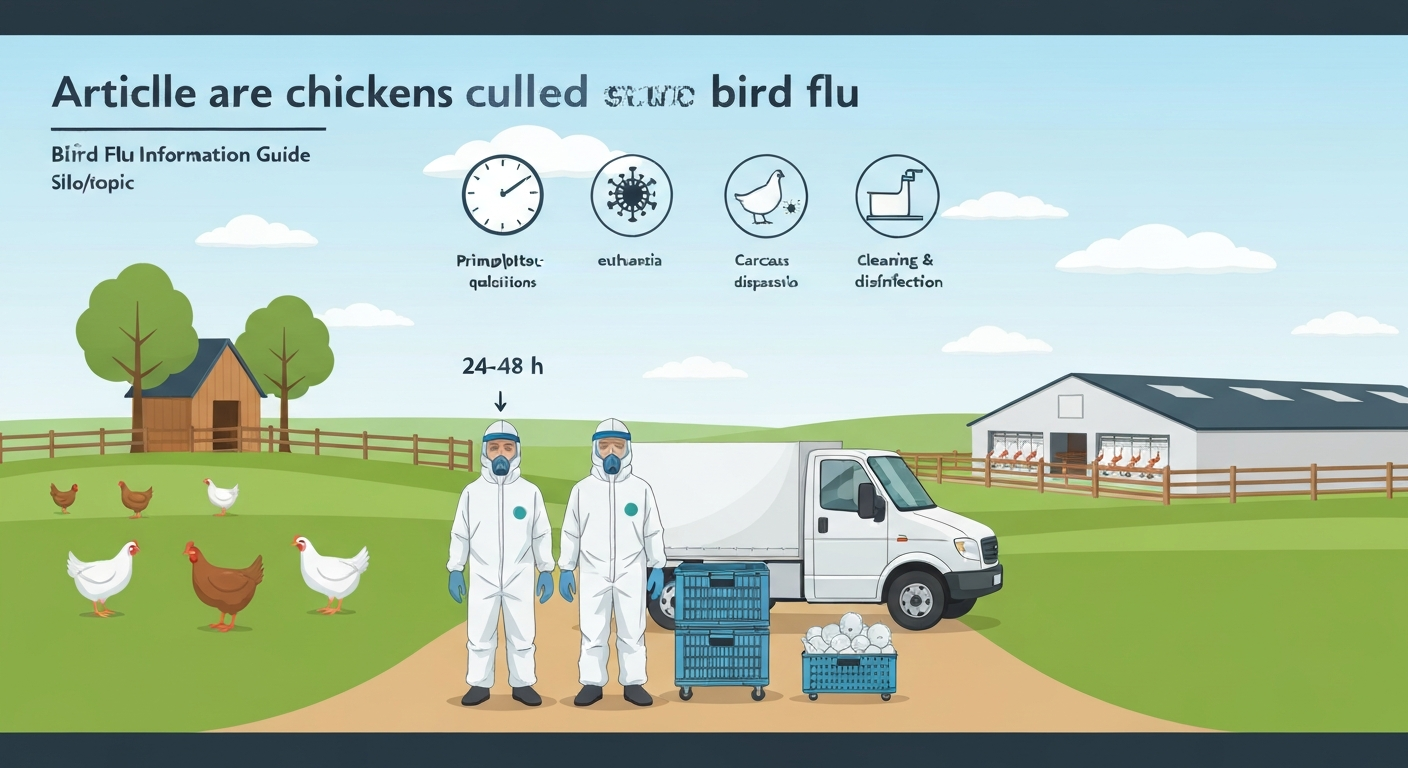
How Are Chickens Culled Bird Flu: Methods, Reasons & Steps
How are chickens culled during bird flu: why it’s done, humane methods, disposal, biosecurity, and next steps