
Dogs can get avian influenza, but it is rare and the risk to most pet dogs is low. If your dog has had recent contact with wild birds, dead waterfowl, or a bird-flu-affected farm and is now showing respiratory or neurological symptoms, take it seriously: isolate your dog from other pets and people, call your vet today, and mention the bird exposure upfront. There is no specific cure, but prompt supportive care can make a real difference, and your vet may need to alert public health authorities depending on your location and the strain involved.
How to Treat Bird Flu in Dogs: Symptoms, Steps, and Biosecurity

Maya Chen
29 Apr 2026
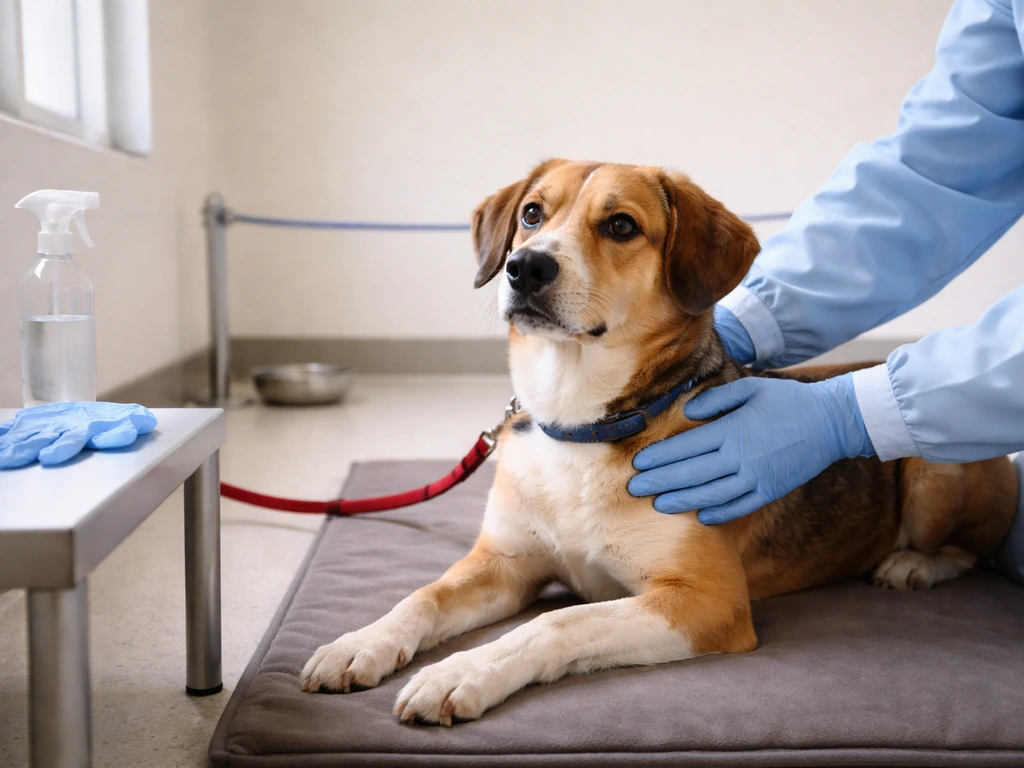
Can dogs actually get bird flu?
Yes, though it is uncommon. Highly pathogenic avian influenza (HPAI) H5N1 is primarily a bird disease, but it has been documented crossing into mammals including domestic dogs. A 2008 experimental study showed dogs could be infected with an H5N1 strain, and a real-world survey published by the CDC found antibodies to H5N1 components in 4 out of 194 hunting and retrieving dogs tested in Washington State in spring 2023.
That is a 2% seroprevalence rate, and importantly, none of those seropositive dogs showed signs of illness. The researchers also found no evidence of dog-to-dog transmission within shared households. A 2023 review confirmed that HPAI H5N1 can infect companion animals including dogs and cats, and the World Organisation for Animal Health actively encourages monitoring of influenza A in non-bird species for exactly this reason.
So what does this mean practically? Most pet dogs will never encounter HPAI. The dogs at highest risk are those with direct exposure to infected birds or contaminated environments: hunting dogs that retrieve waterfowl, farm dogs with access to poultry barns, or any dog that scavenges dead birds. If your dog fits none of those descriptions, the baseline risk is very low. But if it does, this is worth knowing about.
Symptoms to watch for in your dog
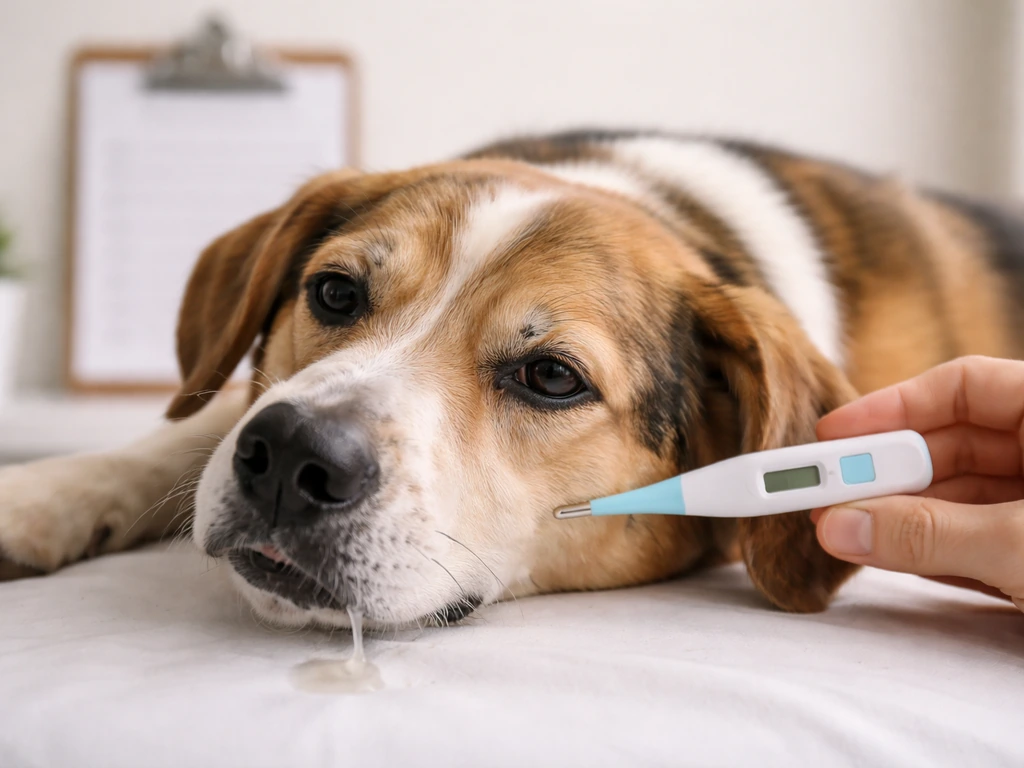
There is no single symptom that screams bird flu in a dog, which is part of what makes it tricky. Based on what has been documented in experimentally infected dogs and in naturally exposed cases in other mammals, the signs can look a lot like several common illnesses. That is why exposure history matters just as much as the symptoms themselves.
Symptoms that have been associated with influenza A infection in dogs include:
- Fever (often the earliest and most consistent sign)
- Lethargy and loss of appetite
- Coughing, sneezing, or nasal discharge
- Eye discharge or conjunctivitis
- Difficulty breathing or rapid breathing
- Vomiting or diarrhea (less common but reported in some cases)
- Neurological signs such as disorientation, seizures, or loss of coordination (more common with highly pathogenic strains in severe cases)
The red flags that mean go to the vet now, not tomorrow, are breathing difficulty, neurological symptoms, unresponsiveness, or a dog that collapses or cannot stand. These suggest severe systemic involvement and require emergency attention. A high fever combined with recent waterfowl or poultry exposure is also enough reason to call your vet immediately rather than waiting to see if things improve.
What to do right now if you suspect bird flu
Do not wait and watch. The moment you have a sick dog with a plausible bird exposure history, there are a few things you should do in parallel, not in sequence.
- Isolate your dog immediately. Keep it away from other pets, especially birds, cats, and other dogs. Confine it to a single room or a crate if needed.
- Limit your own contact and wash your hands thoroughly after any handling. HPAI H5N1 can infect humans, though the risk from a single sick dog is considered low. Still, wear gloves if you need to handle secretions, and avoid having your dog cough or sneeze directly in your face.
- Call your vet before you show up. Tell them about the bird exposure specifically. This allows them to prepare appropriate precautions before you arrive and to flag it to public health authorities if needed.
- Do not let your dog roam outside. Keep it contained to prevent any secondary spread to wildlife or neighborhood birds.
- If you found a dead bird your dog interacted with, note the location but do not handle the bird with bare hands. Your vet or local animal health authority may want to know.
If your vet is unavailable and your dog is in respiratory distress or having seizures, go to an emergency animal hospital and again, mention bird flu exposure as soon as you walk in. They need that information to handle the case safely.
How vets diagnose avian influenza in dogs
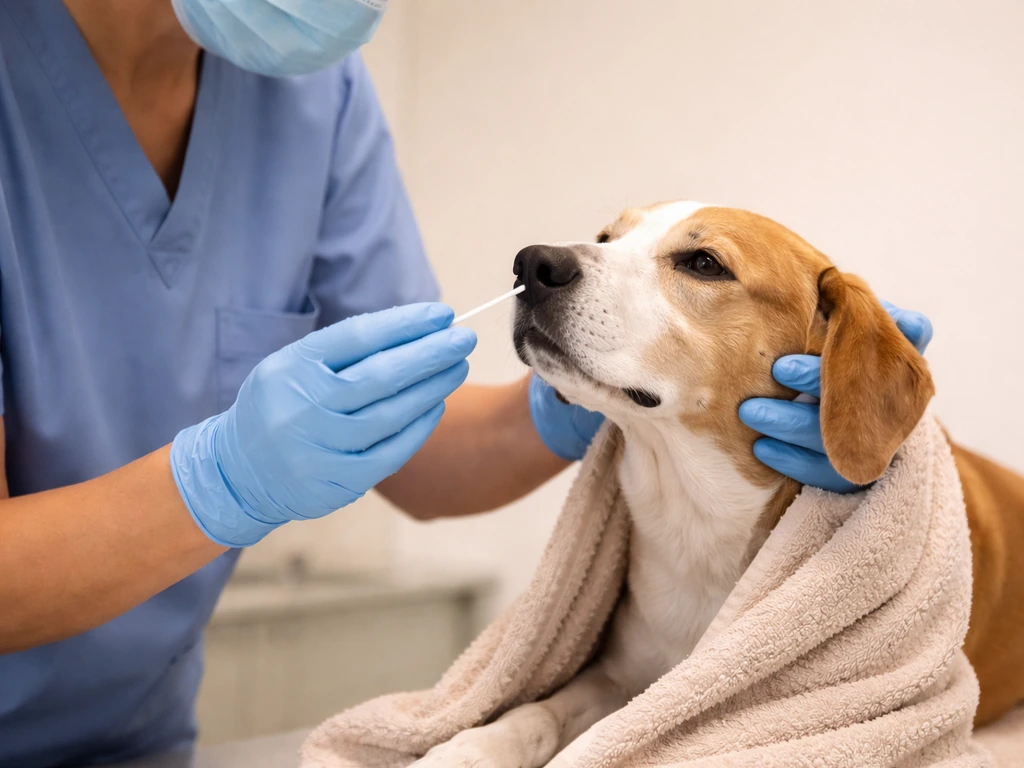
Your vet cannot diagnose HPAI in the clinic based on symptoms alone. The USDA APHIS H5N1 HPAI guidance explains that confirming HPAI diagnosis requires lab confirmation, including confirmatory testing in domestic and wild animals and monitoring across species definitive diagnosis requires laboratory testing. The clinical picture overlaps too much with canine influenza (H3N8 or H3N2), kennel cough, pneumonia, and other respiratory infections. Definitive diagnosis requires laboratory testing, and in most cases, samples will need to go to a state or federal veterinary diagnostic lab rather than a standard commercial lab.
Here is what the diagnostic process typically looks like:
- History and exposure assessment: Your vet will want a detailed account of what your dog was exposed to, when, and where. This is genuinely the most important part of the initial evaluation.
- Physical exam: Temperature, respiratory rate, mucous membrane color, and neurological status are all assessed.
- Nasal, oropharyngeal, or conjunctival swabs: These are the primary samples for PCR testing for influenza A and subtyping to identify H5N1 specifically.
- Blood work: A complete blood count and chemistry panel can reveal systemic inflammation, organ stress, or secondary infection, which guides supportive care even if they do not confirm bird flu on their own.
- Serology: Antibody testing (like what was used in the Washington State hunting dog study) can confirm past exposure but is less useful acutely since antibodies take time to develop.
- Chest radiographs: May be taken to assess pneumonia severity and guide treatment decisions.
PCR remains the gold standard for confirming active infection. Your vet will likely coordinate with your state veterinarian's office or the USDA if HPAI is genuinely suspected, since this is a reportable condition. Turnaround from state labs is usually 24 to 72 hours, though emergency protocols can speed that up. In the meantime, treatment decisions are made based on the clinical picture.
Treatment: what is actually available for dogs with bird flu
There is no approved antiviral specifically licensed for avian influenza in dogs. Oseltamivir (Tamiflu) is sometimes discussed in this context because it has been used in cats and other mammals exposed to H5N1, and it is occasionally considered on a case-by-case basis in veterinary medicine when HPAI is strongly suspected and a vet determines the benefit may outweigh the risks. But it is not a standard treatment, it is not something you should give your dog without direct veterinary guidance, and it is not a cure. The backbone of management is supportive care.
Supportive care is genuinely meaningful here and not just a hand-wave. What it looks like in practice:
- IV or subcutaneous fluids to manage dehydration and support organ function
- Nutritional support, including assisted feeding if the dog is not eating
- Oxygen therapy for dogs with respiratory compromise
- Anti-nausea or anti-diarrheal medications if GI symptoms are prominent
- Antibiotics to treat or prevent secondary bacterial pneumonia (not for the virus itself, but secondary infections are a real risk when the immune system is fighting something like HPAI)
- Anti-seizure medications if neurological signs are present
- Fever management and close monitoring
In severe cases, especially if there is extensive lung involvement or neurological damage, treatment may become primarily palliative: keeping the dog comfortable, managing pain, and making quality-of-life decisions. That is a hard conversation, but it is an honest one your vet may need to have with you. Severity varies enormously depending on the specific viral strain, the dog's age and immune status, and how quickly care was started.
One thing to be clear about: there is no home remedy, no supplement, and no over-the-counter treatment that addresses HPAI in dogs. Do not delay veterinary care trying to manage this at home.
How bird flu spreads and what that means for your household
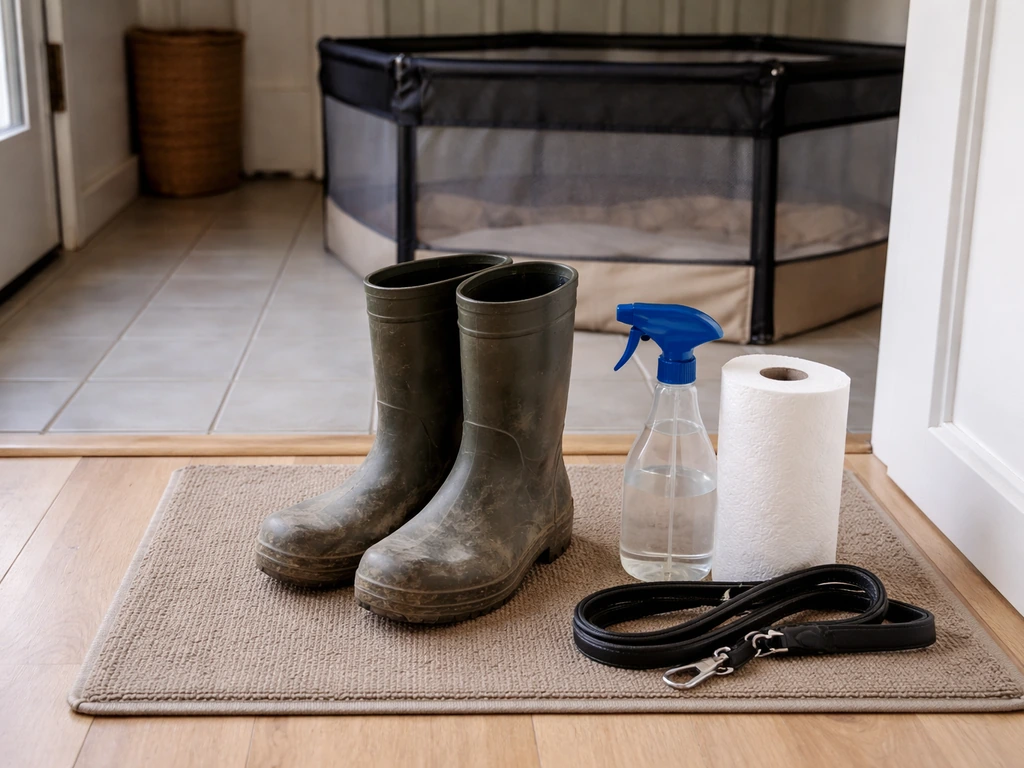
Understanding how your dog likely got exposed helps you protect the rest of your household and prevent it from happening again. Dogs contract HPAI primarily through direct or close contact with infected birds or their secretions, particularly feces, respiratory droplets, and the carcasses of dead birds. Contaminated water sources (ponds or puddles where infected waterfowl have been) are another potential route. Dogs do not appear to spread the virus efficiently to other dogs, based on current evidence, but the possibility of dog-to-human transmission, while not well-established, cannot be fully ruled out when viral loads are high.
Practical biosecurity steps while your dog is sick or suspected to be infected:
- Keep the dog isolated from all other pets, including cats (who are more susceptible to HPAI than dogs) and any birds you keep at home
- Wear disposable gloves when cleaning up the dog's waste, bedding, or food bowls, and bag and seal waste before disposing
- Wash your hands with soap and water for at least 20 seconds after any contact with the dog or its environment
- Avoid kissing the dog or letting it lick your face while it is ill
- Disinfect surfaces the dog has been in contact with using an EPA-registered disinfectant effective against influenza A
- Keep children and immunocompromised household members away from the dog until it has been cleared by a vet
- Alert your vet if anyone in the household develops fever or respiratory symptoms within 10 days of close dog contact
If you keep backyard poultry or other birds, do not allow your sick dog anywhere near them. Transmission from an infected mammal back to birds is a documented concern with HPAI, and it is something wildlife and agricultural health authorities take seriously.
What to expect going forward: prognosis and prevention
Prognosis for dogs with HPAI depends heavily on the viral strain, the speed of intervention, and the severity of illness at presentation. The 2023 hunting dog study found seropositive dogs that had no signs of disease at all, which suggests some exposures result in mild or subclinical infection. But HPAI H5N1 can cause severe, rapidly progressive illness in other mammal species, and there is not enough data on dogs specifically to predict outcomes reliably. Early veterinary care almost certainly improves the odds.
Follow-up after recovery should include a recheck exam and potentially repeat testing to confirm viral clearance before the dog returns to normal activity or contact with other animals. Your vet will guide the timeline based on lab results and clinical recovery.
For prevention going forward, here is what actually reduces risk: The FDA provides owner guidance on reducing HPAI (H5N1) risk to pets, and notes that H5N1 can be deadly to cats as well as dogs For prevention going forward, here is what actually reduces risk:.
- Keep dogs away from dead wild birds. If you see a bird carcass on a walk, redirect your dog immediately and do not let it mouth or carry the bird.
- Hunting dog owners should be especially alert during active HPAI outbreak periods. The CDC and USDA publish outbreak maps, and you can check these before hunting seasons in areas with known waterfowl activity.
- If your dog has access to ponds or wetlands, be aware that these can be contaminated by infected waterfowl feces even when no sick birds are visible.
- Keep backyard chickens, ducks, or other poultry separated from your dogs during outbreak periods.
- After any hunting session involving waterfowl retrieval, rinse your dog off, wash your own hands, and monitor the dog for any signs of illness over the following week.
- There is currently no commercially available HPAI vaccine for dogs. Canine influenza vaccines (for H3N8 and H3N2) do not protect against H5N1.
Bird flu in dogs is genuinely rare, and for most pet owners, it will never be a concern they face directly. But for those whose dogs hunt, retrieve, or spend time near waterfowl and poultry, knowing the signs and the response pathway is genuinely useful.
If you want to go deeper on the public health side of H5N1 in humans, or on how to protect your dog proactively during active outbreaks in your area, those are worth reading alongside this guide. If you are looking for the human side, this is the same reason bird flu in people needs urgent medical evaluation and public health guidance.
And if your concern extends to other animals in your care, the picture in species like cattle and other mammals has its own distinct features worth understanding separately. If you are dealing with cattle, read up on how to treat cows with bird flu so you know what steps to take with a veterinarian right away.
FAQ
If my dog was exposed to wild birds but seems fine, should I still call the vet or quarantine?
If your dog has no symptoms, routine quarantine is usually not necessary, but you should still call your vet if the exposure involved dead waterfowl, heavy contact with feces, or a known local poultry outbreak. Ask what monitoring window they want you to follow (often at least 5 to 10 days after the last exposure) and what changes in breathing or behavior should trigger an urgent visit.
Can I give human antiviral medicine like oseltamivir to my dog at home “just in case”?
No. Even when avian influenza is suspected, antivirals in dogs are not standard and dosing depends on body weight, kidney function, timing, and risk assessment. Giving it without veterinary guidance increases the chance of side effects and can delay proper supportive care and diagnostic testing.
What should I tell the vet when I call, beyond “bird exposure”?
Include the exact exposure details: date and type (hunting, scavenging, contact with dead birds, backyard poultry, contaminated puddles), what symptoms started first and when, current temperature if you have it, and whether any other pets or people have respiratory symptoms. This helps the vet decide how urgently to collect samples and whether to involve state public health or veterinary authorities.
Is it safe for family members to stay in the same home with a sick dog?
Generally, isolate the sick dog from other pets and limit close contact with people until the vet advises otherwise. Use separate bowls, avoid shared bedding, and wash hands after touching your dog. If the dog is having severe coughing or neurological episodes, consider additional protection for caregivers (for example, a well-fitting mask) and follow your vet’s instructions.
How long does the dog remain contagious, and when can my dog go back outside?
Because dogs can have viral shedding that is hard to predict from symptoms alone, many vets base “return to normal activity” on recovery plus recheck testing. Ask whether they recommend repeat PCR and what timing they use, especially if your dog has high-risk contact (hunting, waterfowl areas, other animals).
Should I collect samples at home or bring anything from the environment to the vet?
Do not attempt to self-collect respiratory or fecal swabs unless your vet specifically provides instructions and supplies. If you can, bring a brief written timeline and, if relevant, photos of the exposure source (for example, dead birds) or information about nearby outbreaks. The lab sample process usually needs correct handling and packaging.
If the vet suspects bird flu, will commercial labs be enough for diagnosis?
Often, the workup involves coordination with state or federal veterinary diagnostic labs because avian influenza is reportable and may require specific testing protocols. Ask whether your vet is sending specimens to a designated diagnostic lab and what the expected turnaround time is in your region.
What are the most common mistakes during the first 24 hours?
Waiting to see if symptoms improve, skipping the exposure history when you call, and trying home remedies or leftover antibiotics. Another common issue is delaying emergency care when the dog has breathing difficulty, collapses, or neurologic signs, which should be treated as time-sensitive.
Will other pets in my household need testing if my dog is sick?
They might, depending on exposure intensity and symptoms. Ask your vet whether to monitor or test other dogs or cats, especially if they had the same contact with dead birds, contaminated water, or poultry barns. If anyone in the home becomes ill, separate evaluation may be needed as well.
If my dog recovers, how should I disinfect areas the dog used?
Because viral persistence can vary, focus on removing contaminated material first (bedding, bowls, and any feces), then disinfecting surfaces according to your vet’s or local guidance. Use dedicated cleaning tools for the sick dog’s area, launder soft items thoroughly, and avoid reintroducing the dog to hunting or bird-contact settings until your vet clears them.
Next Articles
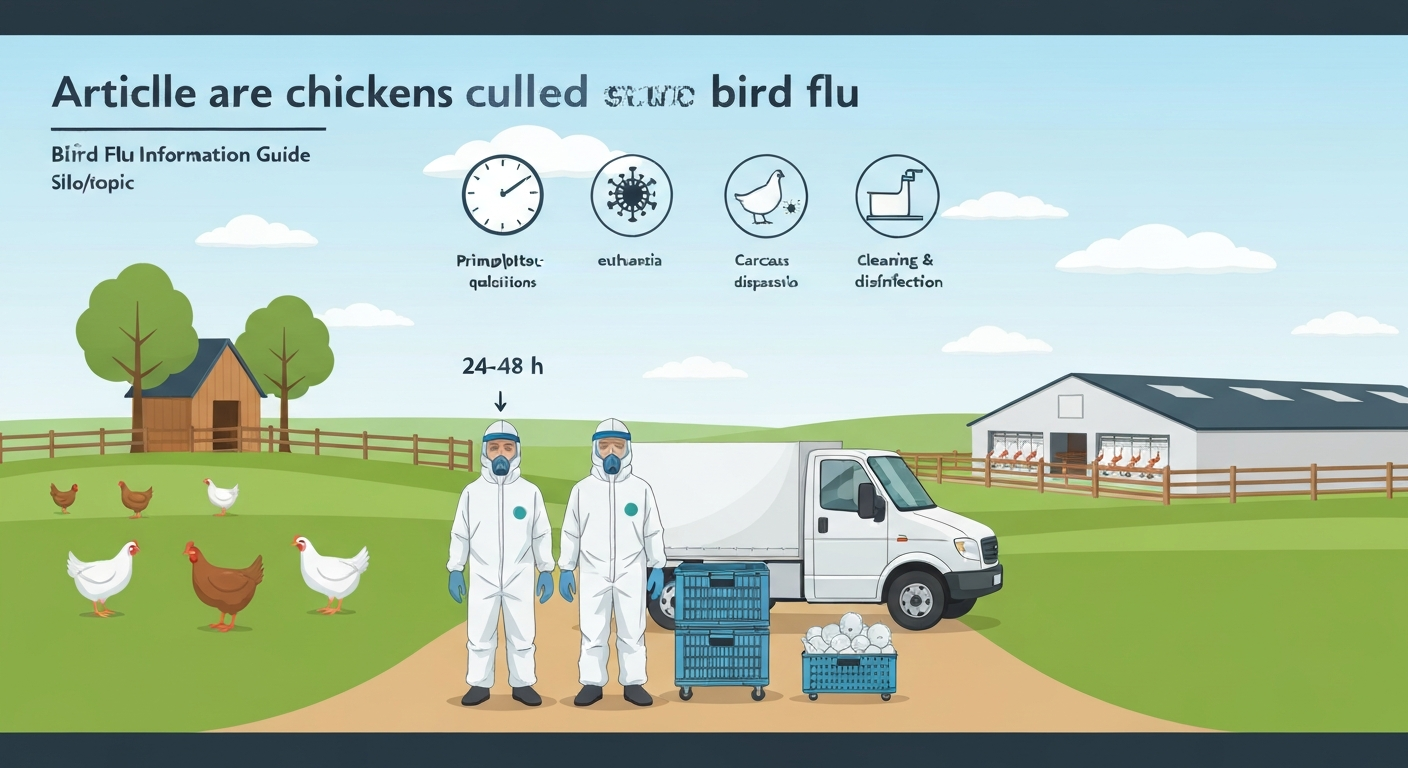
How Are Chickens Culled Bird Flu: Methods, Reasons & Steps
How are chickens culled during bird flu: why it’s done, humane methods, disposal, biosecurity, and next steps
Do Cows With Bird Flu Have to Be Killed? What Happens
Explains whether cows with bird flu must be killed, and what happens for confirmed vs suspected cases, isolation and nex
Does Bird Flu Kill Cows? What’s Known and What to Do
Can bird flu infect and kill cows? What’s known, mortality risk, symptoms, and farm biosecurity steps to take now.