
Yes, bird flu can and does kill birds, often with devastating speed. Highly pathogenic avian influenza (HPAI), particularly the H5N1 strain currently circulating worldwide, carries a mortality rate in domestic poultry that approaches nearly 100%. Wild birds are also affected, with hundreds of mortality events reported across the US in recent years. That said, not every bird flu strain is equally deadly, and wild birds sometimes carry the virus without showing obvious signs of illness. Whether a bird survives depends largely on which strain it encounters, what species it is, and how quickly it was exposed to a high viral load.
Does Bird Flu Kill Birds? How It Kills and What to Do

Maya Chen
30 Apr 2026
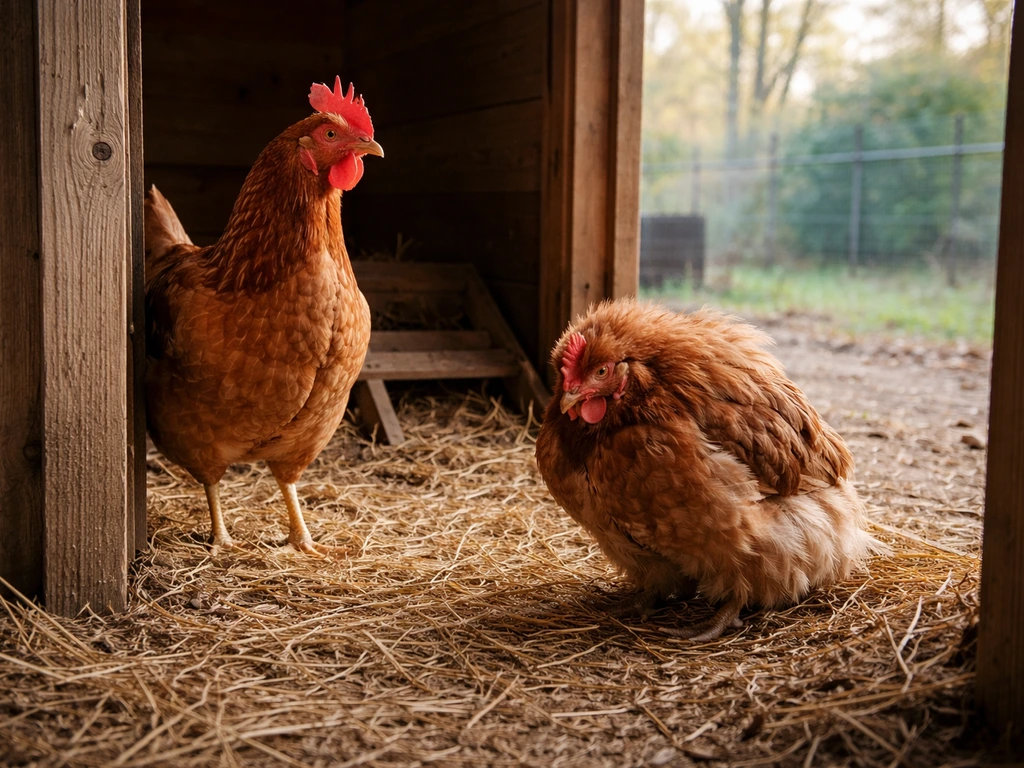
How deadly is bird flu, really?
The answer depends on which type of bird flu we're talking about. Avian influenza viruses are classified into two categories: low pathogenic avian influenza (LPAI) and highly pathogenic avian influenza (HPAI). The difference isn't just semantic. LPAI infections are typically mild, sometimes causing only a slight uptick in flock mortality or no visible illness at all. HPAI, on the other hand, can tear through a poultry flock in days, and the current H5N1 strain is among the most lethal strains ever recorded in birds.
The Congressional Research Service has described the mortality rate of H5N1 in domestic poultry as approaching nearly 100%, and the FAO confirms that HPAI causes high mortality rates in both wild and domestic bird populations. Since 2003, HPAI outbreaks have led to the culling of hundreds of millions of birds worldwide as a containment measure, which gives you a sense of just how seriously animal health agencies treat it. Some people wonder whether rescue and cleanup efforts, including culling, can contribute to bird flu spread or harm, but the evidence shows the main goal is rapid containment does rescue kill bird flu. This isn't a mild illness that birds usually shake off.
For wild birds, the picture is more nuanced. Some species, particularly waterfowl like ducks and geese, can carry HPAI and show no obvious signs of illness. Others, including raptors, shorebirds, and many songbirds, tend to get severely sick and die quickly after exposure. Between September 2025 and January 2026 alone, wildlife agencies across 28 US states reported 241 mortality events involving more than 126,000 wild birds. USGS’ National Wildlife Health Center also reports tracking significant HPAI mortality events in wild birds across all four U.S. flyways tracking significant mortality events across U.S. flyways. That's not a background level of natural bird death. That's an outbreak.
How bird flu actually kills birds
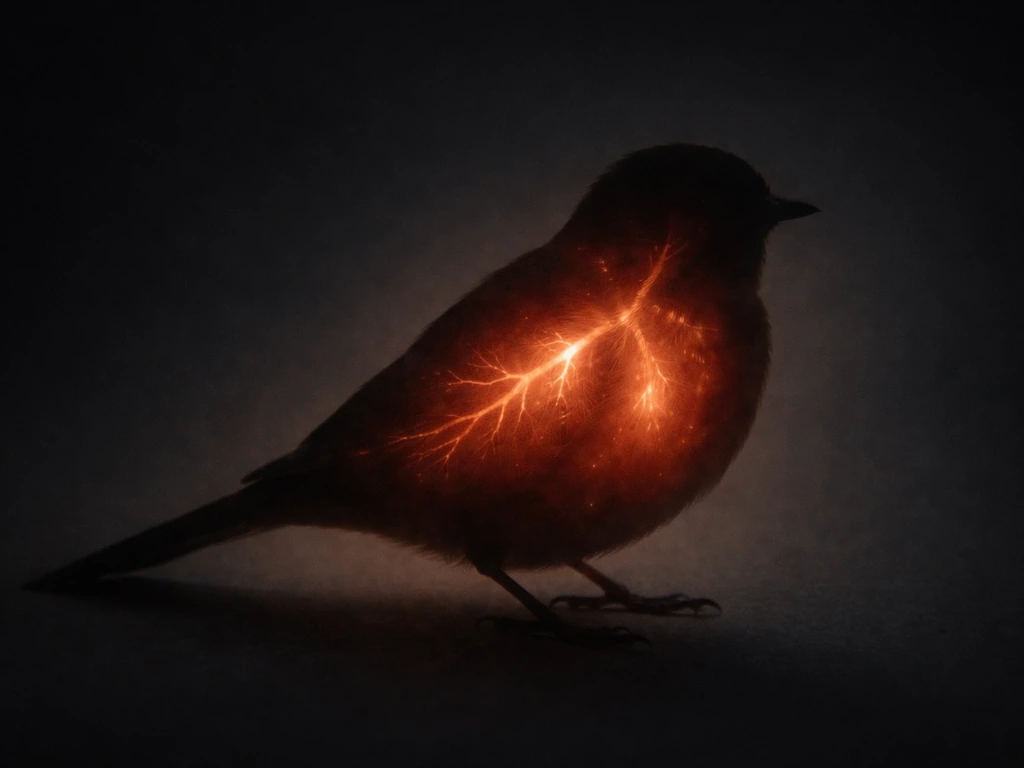
HPAI viruses are classified based on genetic features that determine how widely the virus replicates inside a bird's body. In low pathogenic strains, replication is mostly confined to the respiratory and digestive tracts. HPAI strains, by contrast, spread systemically, meaning the virus replicates in multiple organ systems simultaneously, including the brain, liver, heart, and lungs.
What this means in practice is that an infected bird's body is fighting a full-system viral assault. Bird flu kills birds primarily through widespread infection and organ failure driven by the immune response what kills bird flu. The immune response triggers severe inflammation, organs begin to fail, and neurological function breaks down. Birds can go from appearing healthy to dead within 24 to 48 hours. In backyard flocks, owners sometimes report finding birds dead with no prior warning signs at all. That's not unusual with HPAI. The disease can outpace any visible symptom progression, especially in chickens and turkeys.
In wild birds, the speed and severity vary by species. Dabbling ducks and some other waterfowl have evolved mechanisms that allow them to tolerate HPAI infection longer, which is part of why they serve as a natural reservoir. Raptors that eat infected prey, or colonial waterbirds like pelicans and cormorants, tend to suffer much higher mortality. The neurological damage is often what you see in dying wild birds: tremors, loss of coordination, seizures, and an inability to hold their head upright.
Warning signs to watch for in backyard poultry and wild birds
Knowing what bird flu looks like in the field helps you act quickly. In backyard flocks, the most concerning signs are sudden, unexplained deaths across multiple birds in a short window, especially combined with any of the following:
- Swollen or discolored head, combs, and wattles (often purple or dark red)
- Watery or bloody diarrhea
- Labored breathing, nasal discharge, or coughing
- Dramatic drop in egg production or soft-shelled/misshapen eggs
- Sudden loss of coordination, tremors, or twisted neck (torticollis)
- Complete loss of appetite or lethargy across the flock
For wild birds, Washington's Department of Fish and Wildlife lists the key signs as eye swelling, respiratory distress, gastrointestinal problems, neurological symptoms like tremors and seizures, and sudden death. If you see multiple dead birds of the same or different species in a localized area, that's a red flag worth reporting, especially during an active outbreak period.
What to do today if you find sick or dead birds
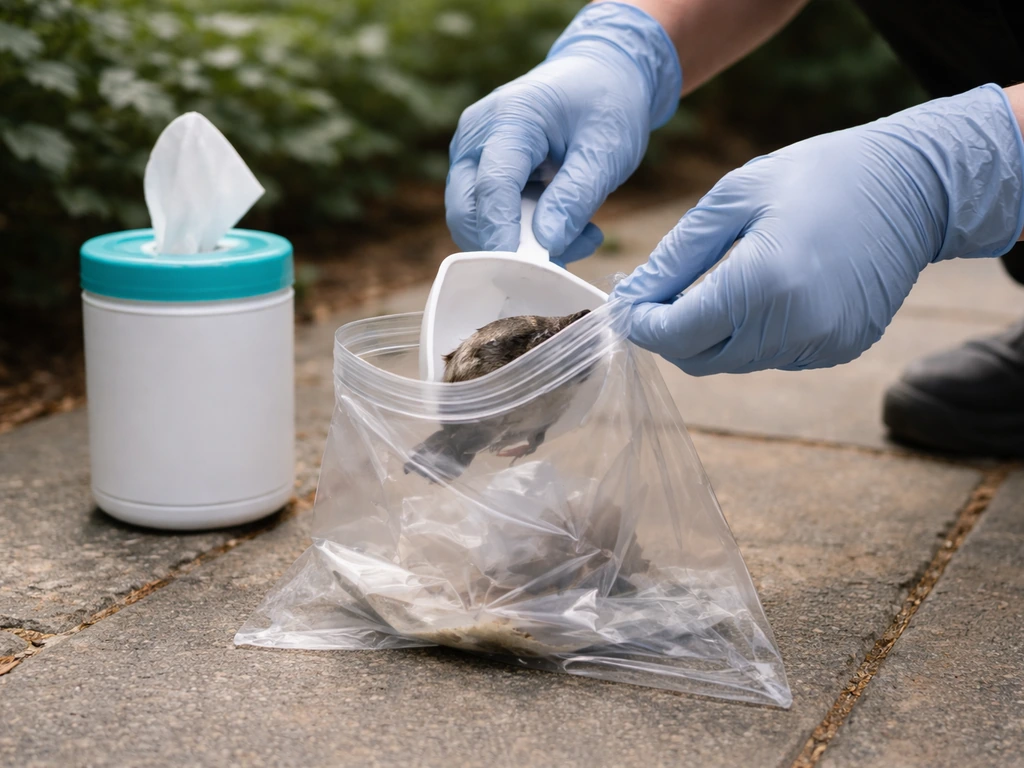
This is where practical action matters most. The first rule is: don't touch birds with your bare hands. That applies whether you're finding dead wild birds in the yard or dealing with a sick bird in your backyard flock. Heat can help, but bird flu is usually not something you can rely on heat alone to eliminate, so focus on safe handling and biosecurity does heat kill bird flu. Here's exactly what to do, step by step: Temperature also matters for control, which is why many people ask what temperature kills bird flu when disinfecting and cleaning.
- Don't handle the bird bare-handed. Put on disposable waterproof gloves before touching anything. If you don't have gloves, use an inverted plastic bag over your hand as a barrier.
- For a single dead wild bird with no known disease concern, place it in a thick plastic trash bag using your gloved hands, seal it, and dispose of it in your regular trash.
- For groups of dead wild birds (especially five or more), contact your state wildlife agency or state health department before removing anything. They may want to collect samples for testing.
- If you suspect HPAI in your backyard flock, call your state veterinarian or USDA APHIS immediately. Do not wait to see if more birds die. HPAI is a nationally reportable disease.
- After handling any sick or dead bird or its environment, wash your hands thoroughly with soap and water, even if you wore gloves.
- If you develop flu-like symptoms within 10 days of handling dead birds or contaminated materials, contact your local health department and mention the exposure.
On the personal protective equipment front: if you're cleaning a coop after a suspected HPAI event, or working closely with sick birds, the CDC recommends appropriate PPE including gloves, eye and face protection, and respiratory protection. This isn't overkill. While the risk to humans remains low at this time according to the CDC, the exposure risk increases significantly with direct, unprotected contact with infected birds, their feces, or contaminated surfaces and water sources.
Ultraviolet (UV) light can help inactivate some viruses on surfaces, but it is not a reliable way to treat or “kill” bird flu inside infected birds UV light. Properly cleaning and disinfecting contaminated surfaces is also key to reducing spread what kills bird flu on surfaces.
Protecting your backyard flock and slowing the spread
HPAI is extremely contagious among birds. You might wonder, does sunlight kill bird flu, but the safest approach is still to rely on biosecurity and hygiene rather than assuming UV or weather will eliminate the virus. USDA APHIS frames it plainly: the virus is often deadly to domestic poultry, and biosecurity is your best tool. Wild waterfowl are the primary reservoir for HPAI, so the goal is to reduce any contact between your flock and wild birds. That means keeping feed and water sources inside or covered, using netting or covered runs, and not letting your birds free-range in areas where wild birds congregate.
Biosecurity also applies to what you bring in and out of your property. USDA APHIS guidance includes disinfecting vehicles and equipment before they enter or leave your property, avoiding sharing feed, water, or equipment between groups of birds, and cleaning and disinfecting any tools or surfaces that come into contact with your flock regularly. During an HPAI outbreak, [USDA APHIS response planning materials describe cleaning and disinfection practices intended to reduce virus presence](https://direct. aphis.
usda. gov/sites/default/files/hpairesponseplan. pdf) on contaminated tools and surfaces. Those disinfecting efforts also matter for reducing what kills bird flu on surfaces, especially when contaminated equipment touches feed areas or housing disinfecting vehicles and equipment.
The virus can travel on boots, clothing, tires, and equipment, so treating your property as a controlled zone during an outbreak is a reasonable and effective step.
Other practical prevention steps worth building into your routine:
- Change clothes and wash boots before and after visiting other flocks or farms
- Quarantine any new birds for at least 30 days before introducing them to your existing flock
- Report unusual illness or mortality in your flock to your state vet promptly, don't try to diagnose it yourself
- Keep records of flock health so you can spot changes in egg production, behavior, or mortality rates early
- Limit visitors to your flock area, especially anyone who has been around other birds recently
A quick note on human risk
Bird flu is devastating to birds, but the risk to humans remains low, according to the CDC. That's worth saying clearly so the severity of the situation in bird populations doesn't translate into unnecessary alarm for people. Human infections do occur, primarily in people who have had direct, close contact with infected birds or heavily contaminated environments. The guidance above (wear gloves, avoid touching sick or dead birds bare-handed, wash hands) covers the practical steps that reduce your personal exposure risk. The bigger public health concern right now is controlling the outbreak in bird populations, which is exactly why reporting, biosecurity, and proper handling matter so much.
HPAI vs. LPAI at a glance
| Feature | LPAI (Low Pathogenic) | HPAI (High Pathogenic) |
|---|---|---|
| Mortality in poultry | Low to minimal | Up to nearly 100% |
| Mortality in wild birds | Minimal or none | Variable; can be very high |
| Speed of illness | Gradual or subclinical | Rapid, often within 24-48 hours |
| Organ systems affected | Respiratory and digestive tracts | Multi-system (brain, liver, lungs, heart) |
| Common strains | Many H subtypes | Primarily H5 and H7 subtypes |
| Reportable to authorities? | Yes (H5/H7 subtypes) | Yes, mandatory reporting |
| Current outbreak concern | Low | High (H5N1 ongoing globally) |
If you're dealing with a suspected bird flu situation in your flock or neighborhood right now, the most useful things you can do are report it to the right authorities, use basic protective equipment when you have to handle birds or their environment, and take biosecurity seriously to prevent further spread. The virus is genuinely serious for birds, but with the right response, you can limit how far it goes.
FAQ
If bird flu kills birds, will my backyard birds die too after one sick bird appears?
Not automatically, but HPAI can progress fast, so treat the first sick bird as an outbreak risk. The key decision point is exposure history and spread within your flock, if multiple birds die within 24 to 48 hours or you see neurologic signs, assume HPAI until a veterinarian or animal health authority says otherwise and tighten biosecurity immediately.
Can birds recover from bird flu if they survive the first day?
Sometimes, especially with lower pathogenic strains, but with HPAI survival is uncommon and delays can still be fatal. If a bird looks stable, still avoid contact, isolate the bird, and follow reporting guidance, because shedding can continue even when symptoms lessen.
How can I tell HPAI versus low pathogenic bird flu in the field?
You cannot reliably confirm based on symptoms alone. As a practical cue, sudden cluster deaths across multiple birds, especially with neurologic signs, are more consistent with HPAI, while mild respiratory or digestive changes without rapid collapse can fit LPAI. Confirmation requires testing through the appropriate animal health channel.
Do clean waterers and feeders fully prevent bird flu on their own?
Cleaning helps but does not fully block transmission. The bigger risk is contamination from wild birds and indirect transfer through boots, tools, and hands, cover feeders and water, keep them inaccessible to wild birds, and prevent splashing and standing water that wild birds use.
What should I do if I find a dead wild bird, can I bury it?
Avoid handling with bare hands and do not move it around. Instead, contact local wildlife or public health reporting channels and follow their collection or disposal instructions, in many areas they want the carcass left in place or handled by trained personnel to reduce spread and enable testing.
Should I put dead birds in my trash or compost?
Do not compost and do not bag it for regular household disposal without guidance, because improper handling can spread virus via contaminated surfaces. Seal material (if you must touch near it, use PPE per guidance) and follow local instructions for disposal or pickup during an outbreak.
Does disinfecting everything guarantee I eliminated bird flu on my property?
It greatly reduces risk, but it does not guarantee eradication if contaminated items continue to enter the area. Focus on the full pathway, boots and clothing changes, dedicated tools, and disinfecting high-touch areas, if you had shared equipment with other flocks, that is often the weak point.
How long can bird flu remain infectious on surfaces outdoors?
It can persist, especially in protected or shaded environments and in organic material like manure, but the exact duration depends on temperature, humidity, and sunlight exposure. Plan as if contamination is present until cleaned and disinfected properly, and remove manure and wet bedding safely.
Does washing hands after touching birds fully protect me?
Handwashing is necessary, but it is not the only step. If you touched birds, feces, or bedding, also remove contaminated clothing or gloves before going inside, disinfect any reusable PPE, and clean frequently touched surfaces like doorknobs and vehicles.
Can my pets spread bird flu to my flock?
They can mechanically. Dogs and cats can carry virus on fur or paws if they contact carcasses or contaminated areas, so restrict pets from poultry areas during outbreaks and keep them from investigating dead birds.
If I disinfect, what common mistakes reduce effectiveness?
Using disinfectant incorrectly is a frequent issue, for example spraying without pre-cleaning (organic material can block disinfectants), using the wrong concentration, or wiping off before the required contact time. Pre-clean visible dirt, then apply disinfectant and keep the surface wet for the labeled duration.
Should I stop reporting if I think it is “probably” bird flu?
No, reporting is most valuable when there is uncertainty. Animal health and wildlife agencies can decide whether testing is warranted, and early reporting helps trigger containment steps that protect other flocks and species.