Yes, cooking kills bird flu virus. This is one of the clearest answers in food safety: heat inactivates influenza A viruses, including highly pathogenic strains like H5N1, and cooking poultry or other meat to a safe internal temperature eliminates that risk. The CDC, USDA, FSIS, and OSHA all agree on this point, and there is no documented case in the U.S. of anyone getting avian influenza from eating properly handled and fully cooked poultry. So if you are worried about eating chicken right now, the short answer is: cook it to 165°F (74°C) all the way through, and you are safe.
Does Cooking Kill Bird Flu Virus in Chicken or Meat?

Maya Chen
22 Apr 2026
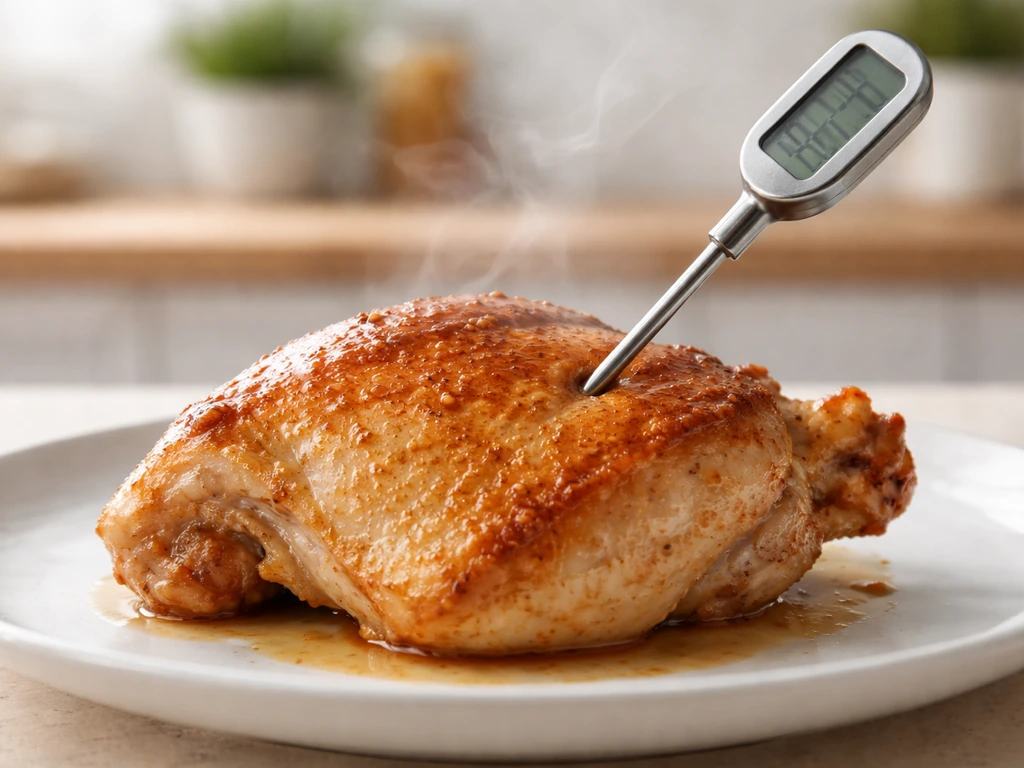
The temperatures that actually kill bird flu virus
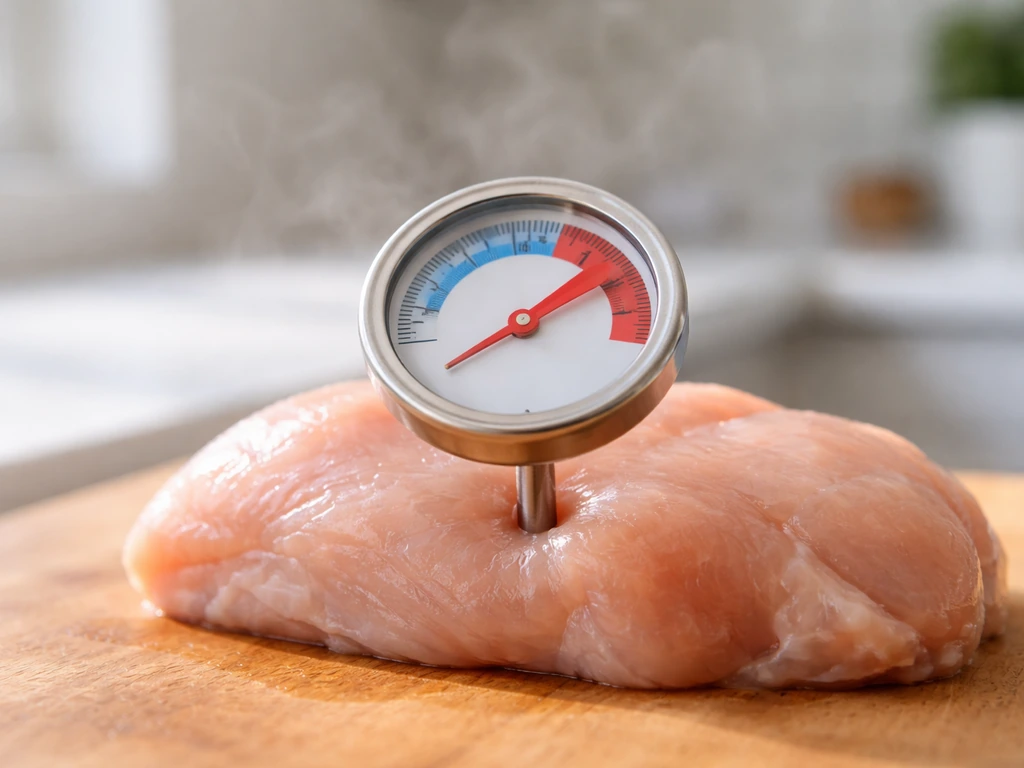
Influenza viruses are not especially heat-resistant. Research on H5N1 in naturally infected chicken meat found that the virus is inactivated almost instantly at cooking temperatures. At 70°C (158°F), the D-value (the time needed to reduce the virus by 90%) was just 0. Research based on naturally infected chicken meat reports D-values of 0.28 seconds at 70°C and 0.041 seconds at 73.9°C for H5N1 thermal inactivation D-value (the time needed to reduce the virus by 90%) was just 0.. 28 to 0.50 seconds. At 73.9°C (165°F), that dropped to 0.041 to 0.073 seconds. In practical terms, by the time chicken reaches 165°F throughout, the virus has been dead for a while. That is why the USDA and CDC both land on 165°F as the magic number for poultry.
The key phrase there is "throughout." The internal temperature at the thickest part of the meat is what matters, not the surface temperature or how long it has been in the pan. A chicken breast that looks golden brown on the outside can still be undercooked at the center. That is why a food thermometer is not optional if you want real assurance. Guessing by color or texture is not reliable.
| Food | Safe Minimum Internal Temperature | Notes |
|---|---|---|
| Whole poultry (chicken, turkey, duck) | 165°F (74°C) | Measure at thickest part, away from bone |
| Poultry pieces (breasts, thighs, wings) | 165°F (74°C) | Check the center of the thickest piece |
| Ground poultry | 165°F (74°C) | Check multiple spots in the patty |
| Eggs and egg dishes | 160°F (71°C) | Cook until yolk and white are firm |
| Ground beef and pork | 160°F (71°C) | USDA recommendation for ground meats |
| Beef steaks and roasts | 145°F (63°C) | With a 3-minute rest time |
Does this apply to chicken, beef, and other meats?
Chicken is the main concern when it comes to bird flu, but the question comes up for beef too, especially given the H5N1 detections in dairy cattle that made headlines in 2024 and 2025. USDA's Animal and Plant Health Inspection Service (APHIS) and ARS researchers specifically studied whether FSIS-recommended cooking temperatures inactivate H5N1 in ground beef patties inoculated with a very high viral load. The conclusion was consistent with what we know from poultry: cooking to safe internal temperatures kills the virus. Does HPP kill bird flu? For ground beef, that means 160°F (71°C). For whole beef cuts, the USDA recommends 145°F with a three-minute rest time.
The same heat-inactivation principle applies across meat types. Bird flu is an influenza A virus, and influenza viruses do not have special heat resistance that varies dramatically by the meat matrix they are in. What does vary slightly is the product type. Research on egg products, for example, shows that inactivation times can differ depending on whether you are dealing with liquid eggs versus dried egg whites, which is relevant for pasteurization protocols at an industrial scale. For home cooks, the practical answer stays simple: cook eggs until both the yolk and white are fully set, or use pasteurized egg products for dishes that call for raw eggs.
Frying, roasting, grilling, and baking all work equally well as long as you hit the target internal temperature. High-heat methods like deep frying can actually get the surface of food above 350°F, but again, what matters is the center of the meat reaching the safe minimum temperature, not the cooking method itself.
Does cooking fully eliminate every risk?
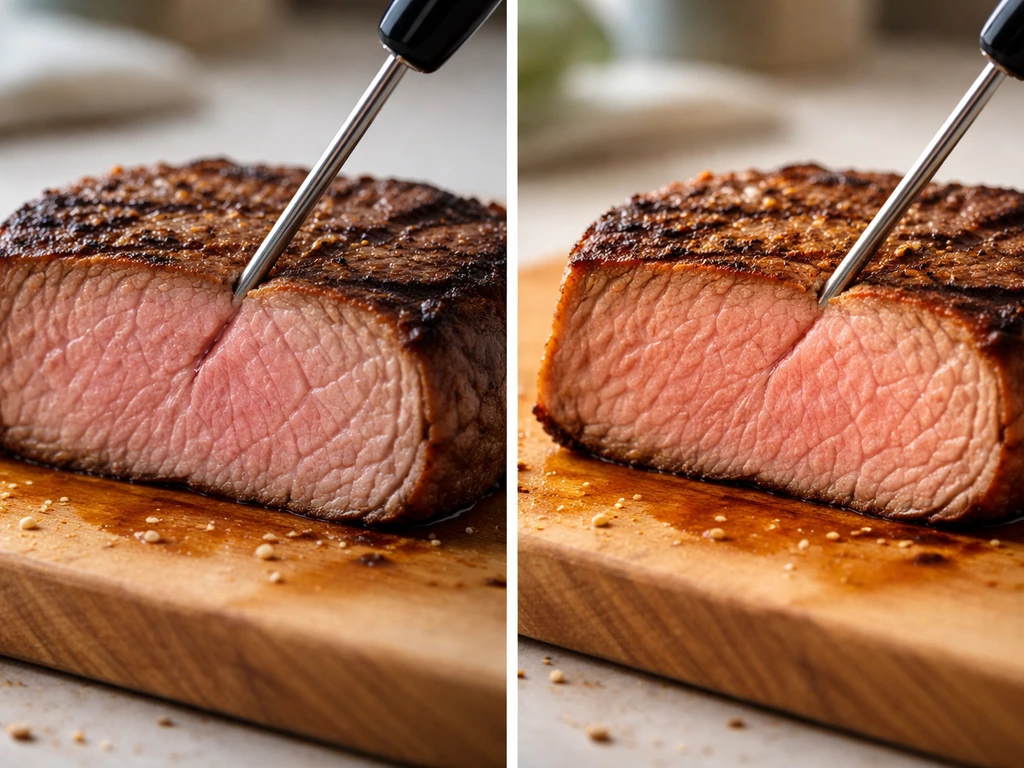
Cooking to the right internal temperature does eliminate the virus from the food itself. But there are two common ways people inadvertently create residual risk, and neither of them is about the virus surviving the heat. They are about what happens before and after cooking.
The first is uneven cooking. If part of the meat does not reach 165°F, that part may still carry viable virus. This is a real concern with large cuts, stuffed poultry, or thick pieces where heat penetrates slowly. A thermometer inserted into the thickest part of the meat (away from bone) solves this. Do not skip this step and assume it is done.
The second risk is cross-contamination, which is how raw juices or surfaces that touched raw meat come into contact with food that will not be cooked further. This is how foodborne illness happens in a kitchen even when the main dish is cooked perfectly. The virus does not survive cooking, but if raw chicken juice gets onto a salad or a cutting board that then touches cooked food, you have potentially re-contaminated something that is no longer getting heated. That is worth taking seriously.
It is also worth knowing that freezing does not kill bird flu virus. OSHA's food handler guidance explicitly states that avian flu virus survives indefinitely while frozen. So a frozen piece of chicken that was contaminated before freezing is still contaminated after thawing. Cooking is what makes it safe, not freezing or thawing it.
Handling raw meat safely before and after cooking
Safe cooking temperatures handle the virus in the food. Safe handling practices handle everything else. Here is what actually matters in a home kitchen.
- Use a food thermometer every time. Do not rely on color, texture, or timing estimates alone. Insert it into the thickest part of the meat.
- Keep raw poultry and its juices away from foods that will not be cooked. Use separate cutting boards, or wash the board thoroughly with hot soapy water between uses.
- Never place cooked food on a plate or surface that previously held raw meat without washing it first. This is one of the most common cross-contamination mistakes.
- Do not wash raw chicken under running water. It does not reduce bacterial or viral load, and it spreads contaminated droplets around your sink and nearby surfaces. If you feel you need to rinse it, do so carefully and sanitize the area afterward.
- Wash your hands thoroughly with soap and water after handling raw meat or its packaging, before touching anything else in the kitchen.
- Thaw frozen poultry in the refrigerator, in cold water (changing the water every 30 minutes), or in the microwave (and cook immediately after). Never thaw at room temperature on the counter, which can expose the outer layers to unsafe temperatures while the center is still frozen.
- Wash all utensils, knives, and dishes that contacted raw meat with hot soapy water before using them with cooked food or produce.
When to seek medical or public health guidance
If your concern about bird flu is purely about eating commercially sold, properly cooked chicken or beef in the U.S., the risk is extremely low and cooking to safe temperatures is your complete action step. There is no documented case of a U.S. consumer getting avian influenza from properly handled and cooked poultry products.
The picture is different if you have had direct exposure to infected birds or contaminated environments, like working on a poultry or dairy farm during an outbreak, or handling sick or dead birds. In that scenario, the risk pathway is not through eating cooked food but through direct contact with infected animals or their secretions. If you have had that kind of exposure and then develop symptoms including fever, cough, difficulty breathing, eye redness (conjunctivitis), or other unexplained flu-like illness within 10 days of the exposure, the CDC and WHO both recommend seeking medical care immediately and telling the provider about your exposure history. CDC’s signs and symptoms page also notes that eye symptoms such as redness or irritation can occur after exposure to avian influenza A(H5) eye redness (conjunctivitis).
For anyone in a high-risk occupational setting, the 10-day monitoring window after last exposure is the standard CDC guidance. Isolating yourself and getting tested for influenza A(H5) is the recommended step if symptoms appear during that window. Do not wait or assume it is just a regular cold.
For general consumers worried about grocery store purchases, though, the math is simple: heat kills this virus efficiently, and the food safety system in the U.S. is built around exactly these risks. Cook your meat to the recommended internal temperature, handle raw poultry carefully to avoid cross-contamination, and you have done everything that needs to be done. Questions about related food processing methods, like whether pasteurization, ultra-pasteurization, or high-pressure processing eliminate bird flu in dairy or other products, follow the same basic principle that sufficient energy input inactivates the virus, but those processes have their own specific parameters worth understanding separately. High-pressure processing can also be effective against viruses, but whether it kills bird flu depends on the specific conditions used in the process.
FAQ
If I cook chicken until the outside is done, but I do not measure the internal temperature, is that still safe for bird flu?
Not reliably. Color and texture can be misleading, especially for thick breasts, thighs, stuffed poultry, and bone-in cuts. Use a food thermometer and check the thickest part reaches the safe minimum throughout.
Does resting the meat after cooking help kill bird flu further?
Resting mainly helps juices redistribute, it does not replace the need for the center temperature to be reached during cooking. If the thickest section has not reached the target temperature, resting alone will not make it safe.
Is bird flu killed in ground meat even if I cook it to the right temperature?
Yes, when the entire patty or loaf reaches the recommended internal temperature. Ground products have more surface area, so the temperature requirement is based on inactivating the virus throughout the mass, not just on the outside.
What should I do if I thaw chicken on the counter, does that increase bird flu risk?
Bird flu is not the main issue in thawing, but improper thawing can increase other foodborne illness risks and can spread raw juices. Thaw in the refrigerator or use safe thawing methods, and keep raw poultry separated from ready-to-eat foods.
Can bird flu survive if I microwave chicken or reheat leftovers?
Microwaving can be safe only if it heats evenly and the center reaches the correct internal temperature. Microwaves often create hot and cool spots, so stir or rotate where applicable and measure the thickest area before eating.
Does cooking kill bird flu on the cutting board and utensils too?
No, cooking only addresses the food itself. You still need to prevent cross-contamination by washing hands, utensils, and surfaces that touched raw poultry, then sanitizing them before contact with foods that will not be reheated.
If the chicken is “pre-cooked” or “fully cooked” from a store, do I still need to reach 165°F?
Often no, but it depends on how it is labeled and whether you are reheating it. If the product is ready-to-eat, follow package instructions. If you are reheating and want maximum assurance, heat until steaming hot throughout and, when unsure, use a thermometer.
Does boiling, stewing, or making soup kill bird flu better than frying?
All these methods can work if they bring the food’s center to the safe internal temperature. Boiling helps with heat penetration, but thick chunks can still be undercooked, so thermometer checks matter for large pieces.
Can freezing protect me by making bird flu inactive before cooking?
Freezing does not reliably kill bird flu virus. Frozen meat can still contain viable virus after thawing, so you should treat it as potentially contaminated and rely on cooking to safe internal temperatures.
How soon after exposure or after handling potentially infected animals should someone seek medical care?
If someone had direct exposure to infected birds or contaminated environments and then develops flu-like symptoms within about 10 days (for example fever, cough, breathing difficulty, or eye redness), medical evaluation is recommended promptly. Tell the clinician about the exposure history.
Next Article
How Are Chickens Culled Bird Flu: Methods, Reasons & Steps
How are chickens culled during bird flu: why it’s done, humane methods, disposal, biosecurity, and next steps