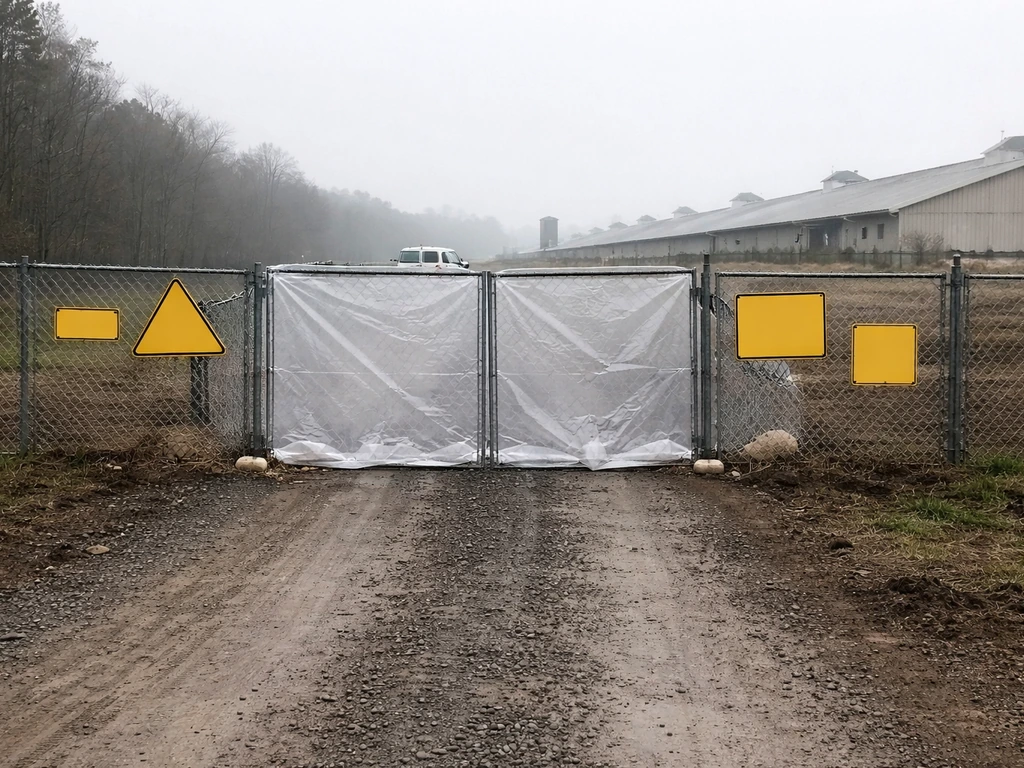
Yes, bird flu outbreaks can push chicken prices higher, but the effect is much less dramatic and less consistent than what you have probably seen with egg prices. As of May 2026, confirmed HPAI cases in commercial poultry flocks in states like Pennsylvania, Indiana, and Georgia are active, but chicken meat prices at the grocery store have not spiked the way egg prices did during earlier outbreak waves. Whether that changes in the coming weeks depends on how many broiler flocks get hit, how quickly USDA can contain spread, and how retailers respond. Here is what the supply chain logic actually looks like, why prices sometimes stay flat even during outbreaks, and what you can do right now.
Is Bird Flu Affecting Chicken Prices? What to Expect Now

Maya Chen
29 May 2026
How bird flu outbreaks ripple through the poultry supply chain
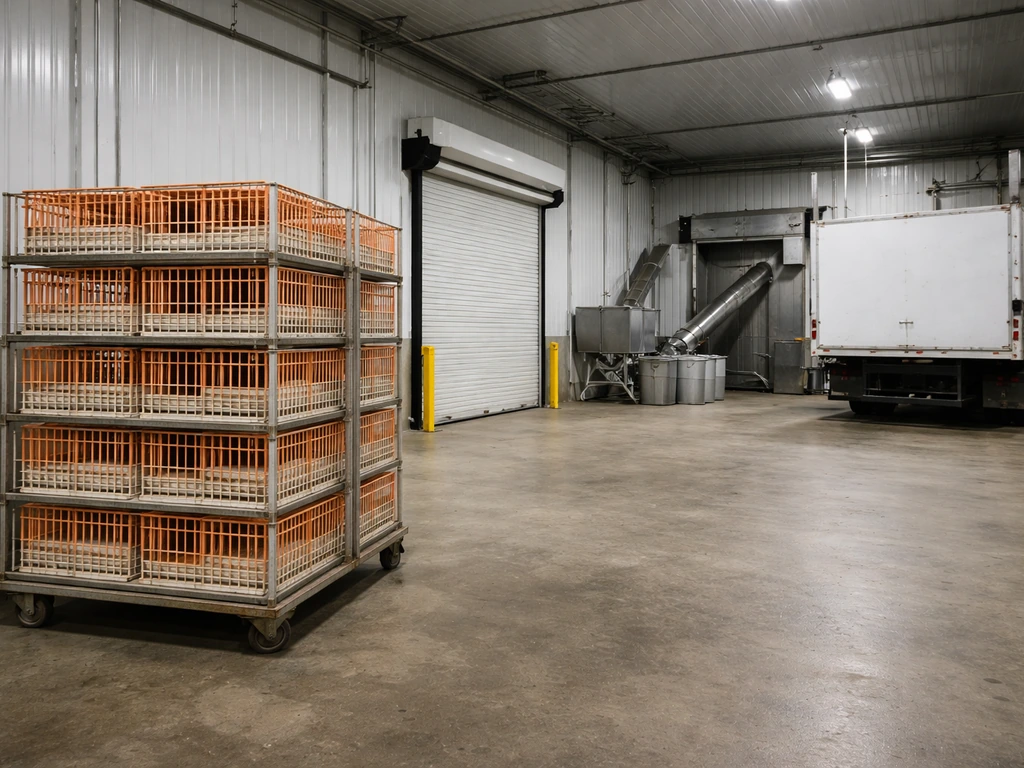
When USDA APHIS confirms HPAI in a commercial flock, the entire flock is depopulated (culled) to stop the virus from spreading. That flock never reaches the market. Movement restrictions then go up around the control area, which can slow or halt the transport of live birds and even eggs from nearby farms, even if those farms test negative. The result is a localized reduction in supply: fewer birds processed, fewer pounds of chicken moving through the wholesale system.
The size of that supply reduction matters enormously. The U.S. produces roughly 9 billion broiler chickens per year. A single flock depopulation, even a large commercial one, removes a fraction of a percent of national supply. For egg-laying hens, the math is brutal because each hen represents a year or more of future egg production, which is a big reason egg prices spike so sharply and so fast. For broiler chickens, the cycle is shorter (roughly 6 to 8 weeks from chick to processing), so the industry can partially restock faster. That biological difference is one of the main reasons you tend to see a bigger, faster price signal in eggs than in chicken meat.
Chicken price impact: what to expect in the short term
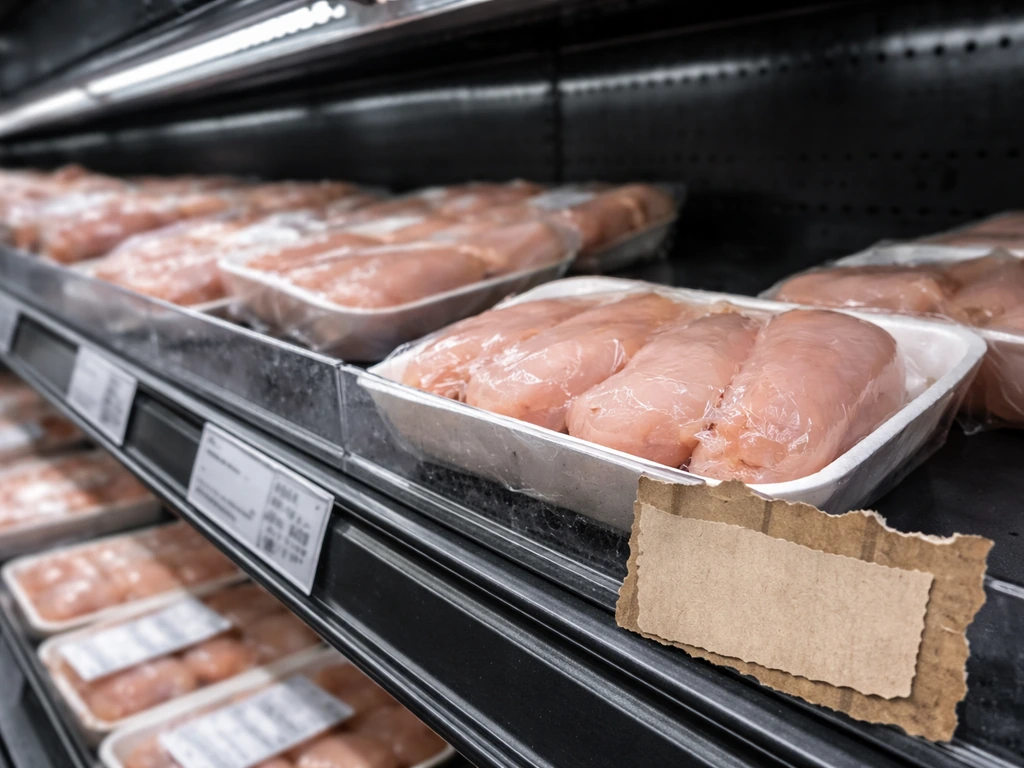
If HPAI detections stay limited to a handful of commercial flocks in specific states, you probably will not feel it at the grocery store checkout. Prices may tick up modestly at the wholesale level (what processors charge retailers), but retailers often absorb small cost increases rather than pass them on, especially for a staple protein like chicken. If detections accelerate, particularly in major broiler-producing states like Georgia, Arkansas, Mississippi, or North Carolina, the calculus changes quickly.
Georgia's confirmation of HPAI in a second commercial flock in Walker County in 2026 is worth watching closely, because Georgia is one of the largest broiler-producing states in the country. Pennsylvania and Indiana detections matter too, but those states are less central to broiler production. Think of it this way: a house fire on your street is alarming, but a fire at the city's main water treatment plant affects everyone. State-level outbreak geography is genuinely predictive of national price impact.
The realistic short-term scenario, assuming outbreaks do not escalate dramatically, is a 5 to 15 percent increase in wholesale broiler prices in affected regions, with retail prices lagging behind by several weeks and potentially not moving much at all. If the outbreak scale approaches what was seen in 2022 to 2023, when tens of millions of birds were lost, retail prices could rise more noticeably, perhaps 10 to 20 percent above baseline.
Why prices may not rise despite bird flu
Several real structural factors keep chicken prices from rising even when outbreaks are confirmed and covered heavily in the news. Understanding these helps you separate actual price risk from media noise.
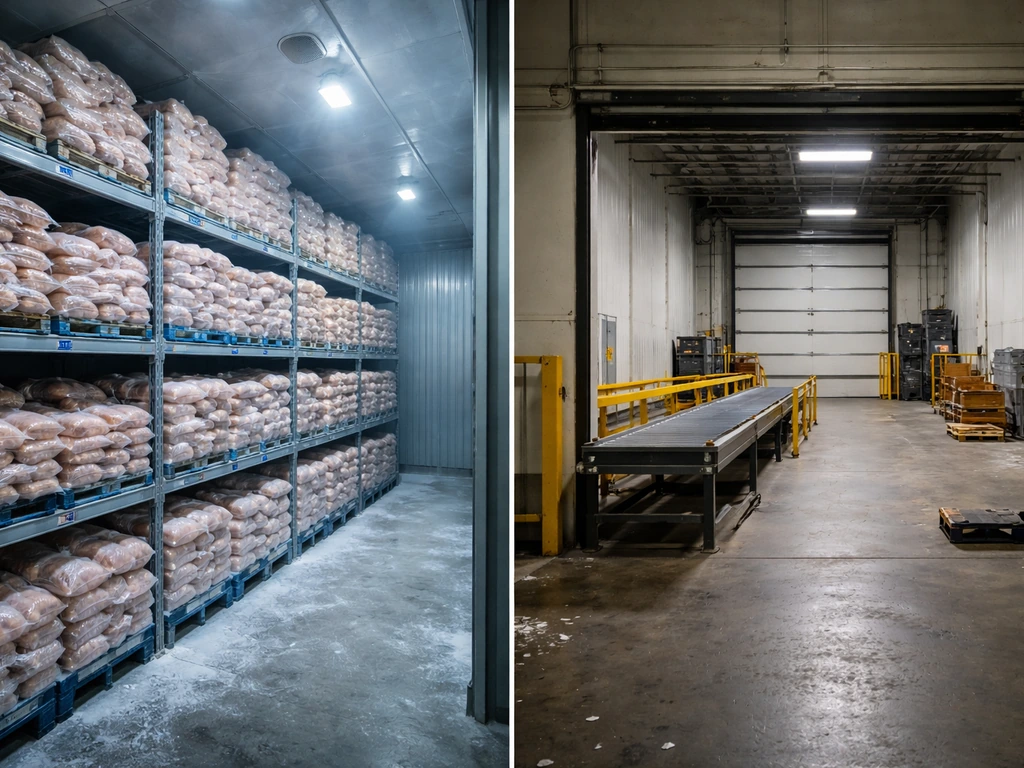
- Existing inventory: Processing plants carry frozen and chilled inventory that buffers short-term supply losses. A week or two of disruption can often be covered without any retail price change.
- Contract pricing: Large retailers like grocery chains typically purchase chicken through contracts set weeks or months in advance. Those locked-in prices do not immediately reflect spot market changes.
- Protein substitution: When chicken gets more expensive, both consumers and food service buyers shift toward pork, beef alternatives, or plant proteins. This demand-side flexibility acts as a natural price ceiling.
- Regional vs. national outbreaks: HPAI detections in one or two states may create localized price pressure without affecting national averages. National price indexes can look flat while prices in affected regions rise.
- USDA response speed: APHIS has improved its response protocols significantly since 2022. Faster detection and containment reduces the size and duration of any supply disruption.
- Retailer margin absorption: Grocery stores often choose to absorb small cost increases on staple items rather than risk losing customers to competitors. Chicken is a loss-leader category at many chains.
The gap between alarming news headlines and what you actually see on the shelf is real and common. An outbreak can be scientifically significant from a public health and animal welfare standpoint while having a negligible effect on your grocery bill. That is not spin, it is supply-chain math.
Wholesale vs. retail: where the price signal actually shows up first
If you want to know whether chicken prices are genuinely moving, watch wholesale first. Retail always lags. The USDA Agricultural Marketing Service (AMS) publishes weekly broiler market reports that show prices at the processor level, and those numbers move faster than anything you will see at a grocery store. A meaningful wholesale price jump, sustained for two or more weeks, is the clearest early signal that retail prices are likely to follow.
At the retail level, price changes tend to appear in boneless skinless chicken breasts first, because they are the most price-transparent product. Bone-in thighs and drumsticks often see less movement because they appeal to different buyer segments and carry lower base prices. Whole chickens are somewhere in between. If you are trying to manage your food budget around this, thighs and drumsticks are almost always the most cost-stable cut during a supply disruption.
| Metric | Wholesale (Processor Level) | Retail (Consumer Level) |
|---|---|---|
| Price reaction speed | Days to 1-2 weeks after outbreak | Several weeks to months after outbreak |
| Volatility | Higher | Lower (buffered by contracts and margins) |
| Best tracking source | USDA AMS weekly reports | BLS Consumer Price Index or store comparison apps |
| Most affected cut | Boneless breast (highest value) | Boneless breast first, then whole birds |
| Typical lag from outbreak | 1-3 weeks | 4-8 weeks or more |
What you should actually do right now
From a practical standpoint, here is the action plan that makes sense today given what we know about the current outbreak situation.
- Do not panic-buy. Hoarding chicken in response to outbreak news almost always precedes any actual price increase and can itself contribute to temporary local shortages.
- Stock up modestly if you have freezer space. Buying a few extra pounds now at current prices is reasonable insurance if you cook chicken frequently. Frozen chicken holds quality for up to 9 months at 0°F.
- Watch the cut, not just the category. If boneless breasts start climbing at your store, shift to thighs or drumsticks. The nutritional profile and cooking versatility are excellent, and they almost always stay cheaper longer.
- Keep an eye on Georgia and Arkansas news specifically. Those states are the heart of U.S. broiler production. Significant detections there will move national prices more than outbreaks elsewhere.
- Handle and cook chicken normally. USDA and CDC both confirm that properly handled and cooked chicken is safe. Cook poultry to an internal temperature of 165°F, wash hands and surfaces after contact with raw meat, and you have nothing to worry about from a food safety standpoint.
- Do not conflate egg news with chicken meat news. The egg market is much more volatile in response to HPAI for structural reasons related to hen lifecycles and production timelines. Chicken meat pricing follows a different, generally more muted pattern.
On the food safety question specifically: the CDC states clearly that there is no evidence anyone in the U.S. has been infected with avian influenza by eating properly handled and cooked poultry. The risk profile described in Southeast Asia involves uncooked or undercooked poultry in settings with very different food handling norms. Cooking to 165°F eliminates the virus. Your roasted chicken, grilled breast, or rotisserie bird from the deli counter poses no HPAI risk.
Where to track outbreak status and prices in real time

You do not need to rely on news headlines to stay informed. A handful of official sources give you the ground truth, and checking them takes about five minutes.
- USDA APHIS Confirmed Pathogenic Avian Flu in Commercial and Backyard Flocks page: this is the most current, official count of HPAI detections in U.S. poultry. It is updated as confirmations come in and breaks down commercial vs. backyard flocks by state.
- USDA APHIS HPAI Resources and Guidance hub: for understanding the policy and response actions tied to active outbreaks, including control area information and movement restrictions.
- USDA Agricultural Marketing Service (AMS) Poultry Reports: search 'USDA AMS poultry market news' for weekly broiler price reports at the wholesale level. This is where real price movement shows up first.
- CDC Bird Flu Current Situation page: focused on human and public health information rather than animal case counts, since USDA now maintains the primary poultry detection data. Useful for understanding any human exposure events.
- Bureau of Labor Statistics (BLS) Consumer Price Index: the monthly CPI report includes food at home categories including poultry. It lags real-time by about a month but gives you the authoritative retail price trend.
- Your state's Department of Agriculture website: for state-specific flock confirmation details. Georgia's Department of Agriculture, for example, has been actively posting updates on Walker County commercial flock confirmations.
One important timing note: there is almost always a lag of four to eight weeks between an HPAI confirmation and any retail price response. If you see an outbreak confirmed today and rush to the store tomorrow expecting empty shelves or doubled prices, you are likely to be disappointed (in a good way). The supply chain does not respond that fast. Use the USDA AMS wholesale data as your two-to-four week leading indicator, and treat retail prices as the lagging confirmation.
If you have been following the egg price story closely, you already have a mental model for how this works. If you have been following the egg price story, the same kind of bird flu-driven supply shock can also show up as chicken prices adjust over time. Because HPAI can cull egg-laying hens, it can reduce egg supply and lead to egg shortages, especially during widespread outbreaks egg price story. Eggland's Best bird flu coverage can help you understand how outbreaks translate into real price effects over time. If you are specifically wondering whether bird flu is affecting egg prices, the timing and scale of HPAI outbreaks are the key drivers bird flu affecting egg prices. The egg situation developed over months, not days, even as the underlying flock losses were dramatic. Chicken meat follows an even slower and more muted pattern. Stay informed, buy smart, and cook to temperature. That covers both your budget and your health.
FAQ
Why can chicken prices stay flat even if bird flu is confirmed in commercial flocks?
Because a single depopulated flock removes only a tiny fraction of national broiler supply, processors and retailers often absorb short-term wholesale increases. You typically see retail movement only if detections expand across major broiler states and persist through multiple weeks.
When should I expect chicken prices to change after USDA confirms an HPAI case?
Retail effects usually lag the confirmation by about four to eight weeks. The earliest practical signal is sustained movement in weekly wholesale broiler processor prices, especially if it continues for two or more weeks.
What’s the fastest indicator that chicken prices are about to rise versus staying stable?
Track wholesale, not shelf labels. If processor-level broiler pricing moves meaningfully and holds across consecutive weekly reports, retail price changes are more likely to follow. One-week spikes can reverse as supply logistics normalize.
Does bird flu affect all chicken products the same way?
No. Boneless skinless breasts are usually the first cuts to show noticeable pricing changes because they are more price-transparent. Thighs and drumsticks are often more stable, and whole birds can land in between depending on demand and contract pricing.
Should I worry about buying chicken frozen or in bulk during an active outbreak?
Frozen and contracted inventory can delay what you see in stores, since products may have been produced before the latest culls and movement restrictions. However, if wholesale prices keep rising for several weeks, replacement inventory later can still raise prices.
Can local bird flu outbreaks cause big price swings even if other states are unaffected?
Yes, at least regionally. Movement restrictions around the control area can reduce transport and increase costs even if neighboring farms test negative. The biggest national impact usually comes when multiple major broiler-producing states are affected.
If I see prices rising in chicken, could it be something other than bird flu?
Absolutely. Feed costs, seasonal demand, labor and packaging costs, and general inflation can also move chicken prices. That is why it helps to compare shelf changes to wholesale broiler market trends, since bird flu impacts show up there first.
Does bird flu ever lead to empty shelves or shortages for chicken meat?
It is less common than with eggs because broiler cycles are shorter and the market can restock more quickly. Still, sharp regional disruptions can cause temporary gaps, especially for specific cuts, if processing capacity is disrupted and movement restrictions tighten.
Is it risky to eat properly cooked chicken during an HPAI outbreak?
Food-safety risk from eating properly handled and cooked poultry in the U.S. is considered effectively addressed by normal cooking practices. The key step is cooking to the safe internal temperature, and avoiding cross-contamination of raw juices to ready-to-eat foods.
What should I do if I want to budget for chicken during a potential outbreak escalation?
Consider planning around cost-stable cuts, like thighs and drumsticks, and watching wholesale prices for an early warning signal. If wholesale trends are rising for multiple weeks, that is the best time to buy extra if your freezer space and storage practices are solid.
Next Article
Why Do They Kill Chickens With Bird Flu? What Happens
Learn why bird flu outbreaks trigger culling, what happens to infected flocks, and how to report and protect birds today