
Yes, bird flu is a major driver of higher egg prices right now. Outbreaks of Highly Pathogenic Avian Influenza (HPAI) have forced the culling of tens of millions of egg-laying hens across the U.S., shrinking supply while demand stays roughly the same. That imbalance pushes prices up at both the wholesale and retail level. As recently as May 25, 2026, three new HPAI detections were confirmed in commercial egg-layer operations in northern Indiana, which means this is an active, ongoing situation, not a past event. That said, bird flu is not the only factor in egg prices, and there are real steps you can take right now to track what's happening and shop more smartly.
Is Bird Flu Affecting Egg Prices? Timing and What to Do

Maya Chen
30 May 2026
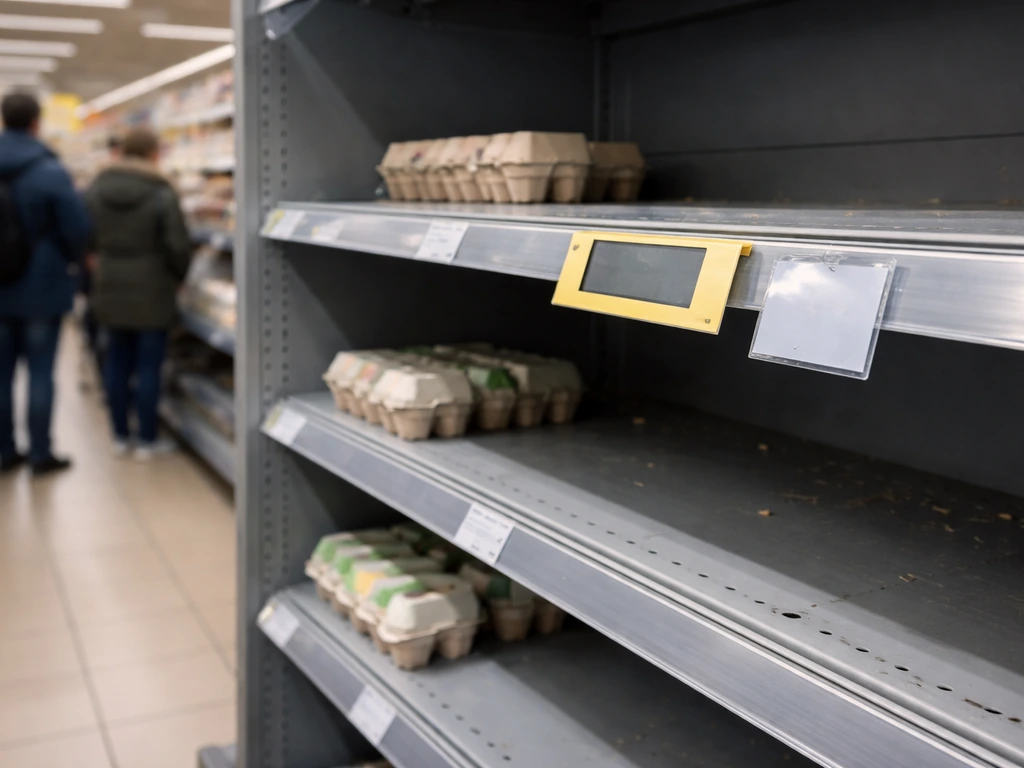
How bird flu actually drives egg prices up

The mechanism is straightforward. When HPAI is confirmed on a commercial egg-layer farm, the entire flock has to be culled (killed) to prevent the virus from spreading. There is no treatment option, and biosecurity rules require full depopulation. One large commercial egg operation can house millions of hens, so a single confirmed case can remove a significant chunk of regional supply almost overnight.
After culling, the farm cannot simply restock the next week. Under USDA rules updated in March 2025, every affected farm must complete a mandatory biosecurity audit before it is allowed to bring in new birds. That process, combined with the time it takes to raise pullets (young hens) to laying age, means a farm can be out of production for months. Multiply that across dozens or hundreds of affected operations, and you end up with a meaningful, sustained drop in the national egg supply.
USDA has been explicit about the link. In February 2025 the agency announced a strategy specifically designed to "lower egg prices" while combating HPAI, including up to $1 billion in investments targeting biosecurity and faster flock repopulation. By June 2025, USDA was reporting that egg prices had begun falling and that the drop in egg prices was a measurable contributor to broader food deflation in the April 2025 Consumer Price Index. The fact that the government's own press releases frame HPAI control as an egg-price intervention tells you everything about how tightly connected these two things are.
When did bird flu start affecting egg prices?
The current HPAI wave in the U.S. has been building for years, but the season that drives today's prices kicked off around October 2025, according to WOAH's (World Organisation for Animal Health) HPAI Situation Report 81, published in March 2026. That report marks October 2025 as the start of the "new HPAI season" and confirms outbreaks were still active through March 2026. With the new Indiana detections in late May 2026, the season has clearly continued.
There is always a lag between when an outbreak is confirmed and when you feel it at the grocery store. Here is why: wholesale egg contracts are typically negotiated for spot delivery within 14 days, so a farm-level disruption takes a couple of weeks to ripple through to wholesale prices. Retail prices move even more slowly because stores lock in prices through weekly ad cycles and existing supplier contracts. On average, expect a 2 to 6 week delay from a confirmed outbreak cluster to visible retail price movement, though that gap can compress when multiple outbreaks hit at once.
Historically, the price impact of earlier HPAI waves (notably the 2022 to 2023 outbreak that caused record egg prices) showed up in consumer prices roughly 4 to 8 weeks after peak culling events. The 2025 to 2026 season followed a similar pattern, with prices spiking in late 2025 through early 2026, partially easing in spring 2025 as repopulation efforts took hold, and now showing renewed pressure tied to ongoing detections.
Bird flu is not the only thing pushing egg prices
It is worth being honest that egg prices are shaped by several forces at once. Bird flu is currently the dominant factor, but these others contribute too:
- Feed costs: Corn and soybean meal make up most of a hen's diet, and their prices are tied to fuel costs, weather events, and global commodity markets.
- Energy and transportation: Running climate-controlled poultry houses and refrigerated transport is energy-intensive; fuel price swings flow directly into egg production costs.
- Cage-free transition costs: Many states have passed cage-free requirements, and converting or building new facilities adds cost that gets passed to consumers.
- Seasonal demand: Egg demand spikes predictably around Easter and the holiday baking season, temporarily lifting prices even without any supply shock.
- Restaurant and food-service demand: Eggs are an ingredient in enormous quantities of processed food; shifts in food-service demand can tighten or loosen retail supply.
- Opportunistic pricing: During high-profile shortages, some retailers or distributors widen their margins, adding cost beyond what the supply disruption alone would justify.
None of these other factors are close to bird flu in their current impact on prices. But they explain why prices can stay elevated even after a specific outbreak cluster is resolved, and why prices sometimes vary significantly from one store or region to another.
How to check what is actually happening right now
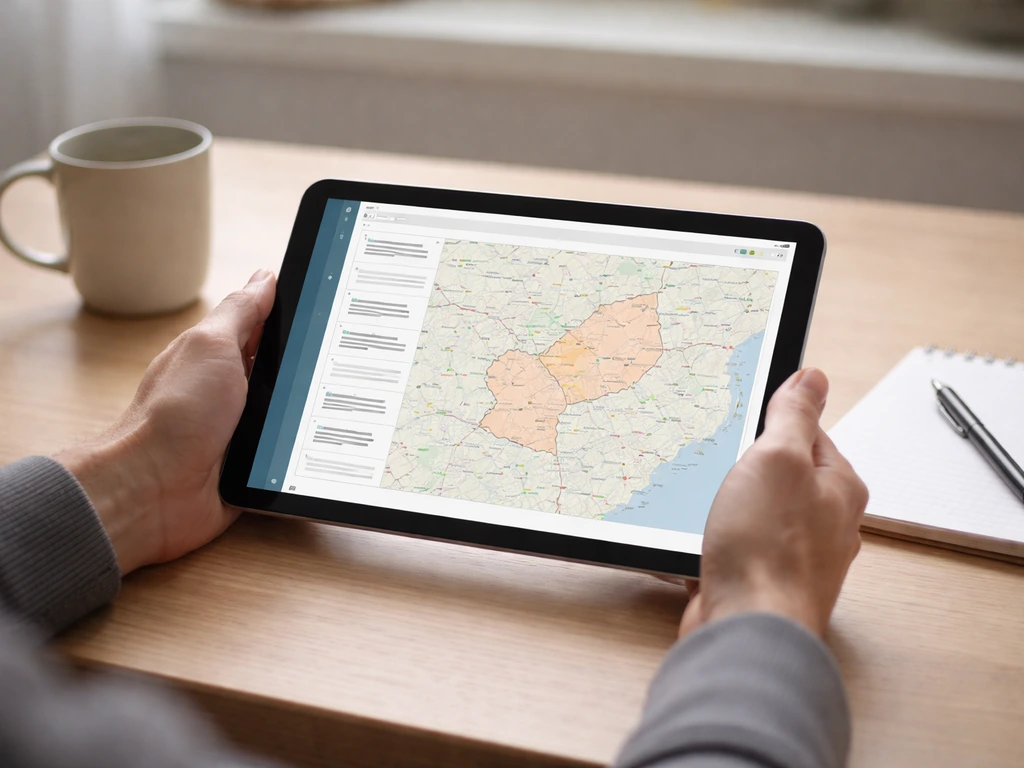
Rather than relying on news headlines (which often lag or sensationalize), here are the primary sources to check for current, authoritative data:
For outbreak status
- USDA APHIS "HPAI Confirmed Cases in Livestock" page: Updated every weekday with a map and table showing new cases in the last 30 days and cumulative cases by state. If you are not seeing fresh data, the page recommends refreshing your browser to load the latest version.
- USDA APHIS "HPAI in Poultry" overview: Provides broader context on which types of flocks (commercial layers, broilers, backyard flocks) are affected and links to confirmed case lists.
- CDC "A(H5) Bird Flu: Current Situation" page: Tracks both the animal and human health sides of the outbreak with ongoing updates.
- WOAH HPAI Situation Reports: Published periodically, these give a global view including U.S. data and are useful for understanding whether this is a localized or international supply issue.
- State-level dashboards: For regional detail, state animal health agencies (such as the Indiana Board of Animal Health's HPAI Dashboard) often have faster, more granular updates than federal summaries.
For egg price trends
- USDA AMS Daily National Shell Egg Index Report (report code AMS_2843): Published on MyMarketNews with a 5-day rolling average, this is the closest thing to a real-time wholesale egg price tracker. The May 29, 2026 edition, for example, showed last-reported prices through May 28, 2026, giving you near-current wholesale data.
- USDA AMS Egg Markets Overview (AMS_3725): Bridges wholesale and retail by including the national average advertised retail price per dozen alongside wholesale figures. Good for seeing whether farm-level price swings are reaching store shelves.
- BLS Consumer Price Index releases: The monthly CPI report includes a dedicated "Eggs" line item under its expenditure category tables (visible in the April 2026 CPI release, for example). This is the official measure of what consumers are actually paying and is the data USDA references when it talks about egg price relief.
Bird flu vs. chicken prices: a quick note
If you are also noticing higher chicken prices at the store, the dynamics are related but not identical. Because bird flu can also disrupt broader poultry supply chains, it can affect chicken prices at the same time, though the causes can differ from eggs. Egg-layer hens and broiler (meat) chickens are different breeds raised in different operations. HPAI outbreaks in egg-layer flocks do not automatically reduce broiler supply by the same amount. That said, both markets are affected when HPAI spreads widely, and feed cost increases hit both sectors equally. The price drivers are worth thinking about separately.
What to do today as a shopper
Buying strategies
- Compare stores rather than brand loyalty: During supply disruptions, price variation between retailers can be $1.50 or more per dozen. A quick check of weekly ads (in-store or via store apps) is worth doing.
- Look at store-brand and large-volume options: Premium branded eggs (including some brands that have been specifically highlighted in HPAI coverage) can carry higher price premiums right now; store-brand eggs from the same supply chain often cost less.
- Buy what you will use: Hoarding eggs is not useful. Egg supply is uneven but not zero, and panic buying creates artificial scarcity in specific store locations.
- Check the AMS Egg Markets Overview for a sense of where prices are heading: If wholesale prices have started dropping, retail prices usually follow within 2 to 4 weeks.
- Consider egg alternatives for non-essential uses: For baking, products like flax eggs, aquafaba, or commercial egg replacers work well in many recipes if you want to reduce spend while prices are high.
Are the eggs at the store safe to eat?
Yes, eggs in retail stores are safe. FDA states that the likelihood of eggs from HPAI-infected poultry reaching the retail market is low, because the federal inspection system, flock testing, and the rapid onset of visible illness in infected birds all act as filters before eggs leave the farm. Beyond that, the standard food-safety guidance fully covers any residual risk: cook eggs and poultry to an internal temperature of 165°F, which CDC confirms kills avian influenza viruses. There is no documented case of anyone in the U.S. getting HPAI from properly handled and cooked eggs or poultry. The risk to you as a consumer is the higher price, not a health threat from the egg itself.
OSHA, FDA, CDC, and USDA all align on this point: HPAI poses minimal risk to the general public from food consumption. The human health concerns around HPAI are primarily for people in direct contact with infected birds, such as poultry workers and farmworkers, not for consumers buying cartons at a grocery store. If you want reassurance grounded in actual epidemiological data rather than headlines, the FDA's Q&A on egg safety during HPAI outbreaks and CDC's food safety guidance are the clearest sources available.
The bottom line right now
Bird flu is genuinely affecting egg prices as of late May 2026. Active HPAI detections in commercial egg-layer flocks (including as recently as May 25, 2026 in Indiana) continue to put pressure on supply. The pricing impact of this season's outbreaks started building from around October 2025. Prices partially eased in mid-2025 as recovery efforts took hold, but renewed detections suggest continued volatility. Use the USDA APHIS weekday outbreak maps and the USDA AMS daily egg price index to track both sides of the equation. The USDA AMS2843 daily national shell egg index report is published as a PDF and shows category-level pricing along with a “Last Reported” date blank" rel="noopener noreferrer">USDA AMS daily egg price index. For the most up-to-date context on egg market conditions during the eggland's best bird flu situation, keep watching those indices alongside official HPAI updates egg price index. Eat your eggs without worry, compare prices across stores, and keep an eye on the wholesale index as the leading indicator of where retail prices are likely to go next.
FAQ
How can I tell if the bird flu price spike is local or already “baked in” to my store’s pricing?
Yes, but it usually shows up as timing and not as a simple one-to-one link. If your local retail prices stay high even after a state’s detections decline, it often reflects contract timing (stores using earlier wholesale pricing) and the lag created by repopulation taking months, not days. Check the USDA AMS daily egg price index to see whether wholesale has actually eased in your region yet.
What price pattern should I expect if bird flu is affecting eggs in my area?
Look for sudden volatility rather than gradual drift. Bird-flu disruptions tend to move egg prices in steps when new commercial detections trigger additional culling, then prices flatten for a bit while contracts and retail cycles catch up. If your store’s price changes are happening in sharp jumps within a couple of weeks, it is more consistent with HPAI-driven supply shocks.
If I see eggs on sale, does that mean bird flu is no longer affecting egg prices?
Be careful with “cheap” eggs right after a news headline. A lower tag at a single store can come from promotions, private-label pricing, or short-term inventory management, while the broader wholesale index is still elevated. For smarter decisions, compare the store’s current price against the latest USDA AMS egg price index trend for the same week.
What are practical ways to save money on eggs during a bird flu price surge?
If you are trying to reduce cost, prioritize buying in categories that move with eggs but are easier to store. For example, compare the price per unit (egg counts) across carton sizes, and consider freezing certain prepared egg products like hard-boiled eggs or scrambled eggs (cool, portion, freeze) if you expect prices to rise again. Eggs themselves can be frozen for baking, but texture changes, so plan for cooking uses rather than eating raw.
Should I change how I handle or cook eggs because of HPAI?
No, the risk is not primarily about a contaminated egg reaching you. The larger consumer-facing concern during HPAI waves is higher prices, not getting sick from eggs. If you want the cleanest process, follow standard kitchen food-safety habits: keep eggs refrigerated, wash hands after handling, and cook egg dishes to 165°F internal temperature, especially for casseroles and egg-heavy meals.
Do bird flu price impacts affect all egg types equally, like organic or cage-free?
Yes, but only certain eggs are more “price sensitive” at the grocery level. Large-format eggs and store brands can be priced differently depending on contracts, while specialty eggs (like organic or cage-free) may react faster or slower depending on their supply network and sourcing rules. That means bird-flu-driven volatility may be more visible in some product lines than others.
What’s the best “leading indicator” to watch so I can time egg purchases?
If you buy eggs infrequently, watch for leading indicators rather than daily headlines. Since wholesale typically moves ahead of retail by about 2 to 6 weeks, you can make better timing choices by tracking the USDA AMS daily egg price index and any new confirmations on USDA APHIS maps, then buy larger quantities only when the index trend is clearly downward.
If chicken prices are up, does that automatically mean eggs will keep rising as well?
Not necessarily. If chicken prices are rising too, it can be related, but the egg and poultry markets do not always move together because the farming systems differ (egg-layer operations vs broiler operations) and outbreaks can impact them unevenly. Use separate checks: egg prices via the egg price index, and chicken prices via their own retail and wholesale indicators, instead of assuming one problem automatically explains both.
Why do egg prices sometimes jump one week but stay flat for a while after new outbreaks are reported?
Yes, but you need to think in terms of supply chain hours and contract windows. If there are new detections, the effect on wholesale can show up within weeks, then retail may take longer due to weekly ads and existing supplier agreements. A sudden local jump can also be retailer-specific, so confirm whether wholesale is trending up by checking the egg price index.
Next Articles
Is Bird Flu Affecting Chicken Prices? What to Expect Now
See if bird flu is driving up chicken prices, why some outbreaks do not, and how to track local price changes.
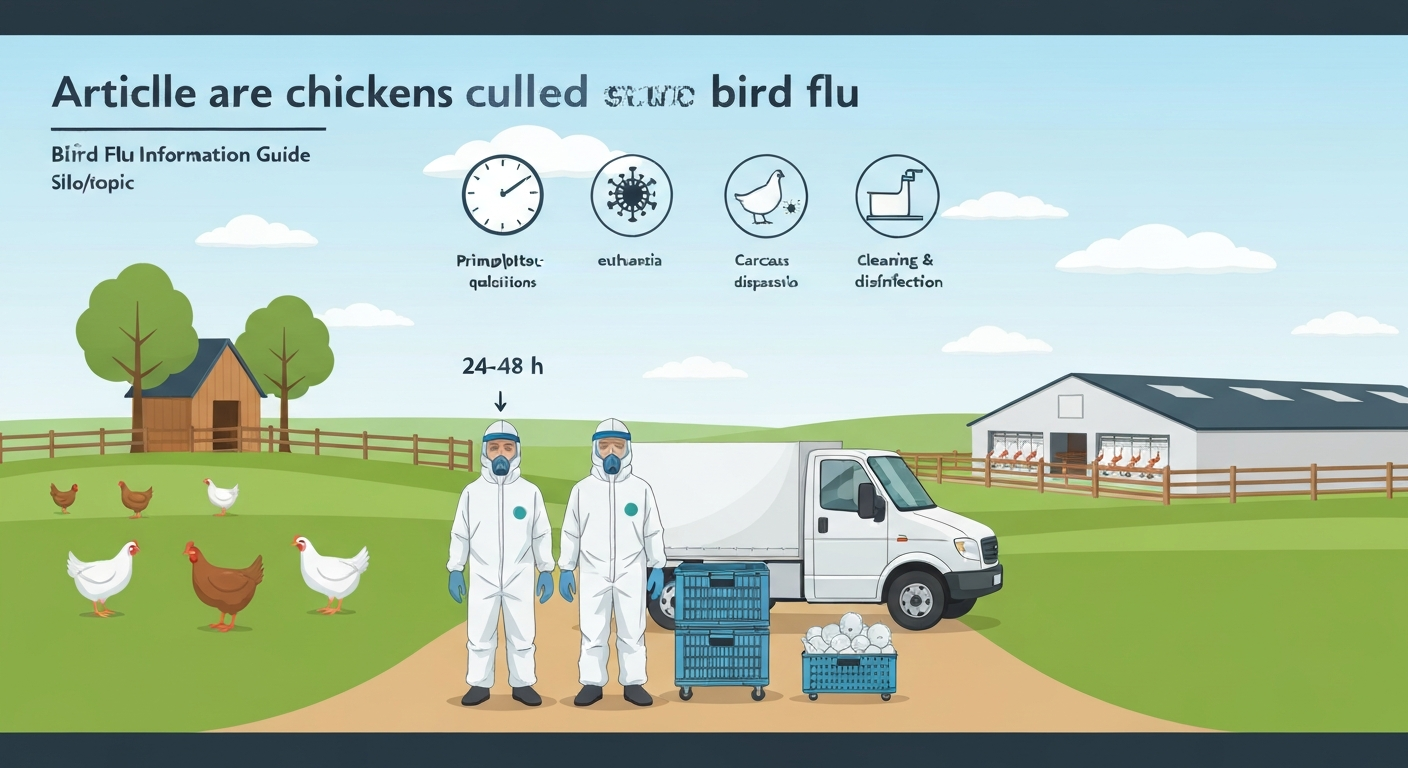
How Are Chickens Culled Bird Flu: Methods, Reasons & Steps
How are chickens culled during bird flu: why it’s done, humane methods, disposal, biosecurity, and next steps
Do Cows With Bird Flu Have to Be Killed? What Happens
Explains whether cows with bird flu must be killed, and what happens for confirmed vs suspected cases, isolation and nex