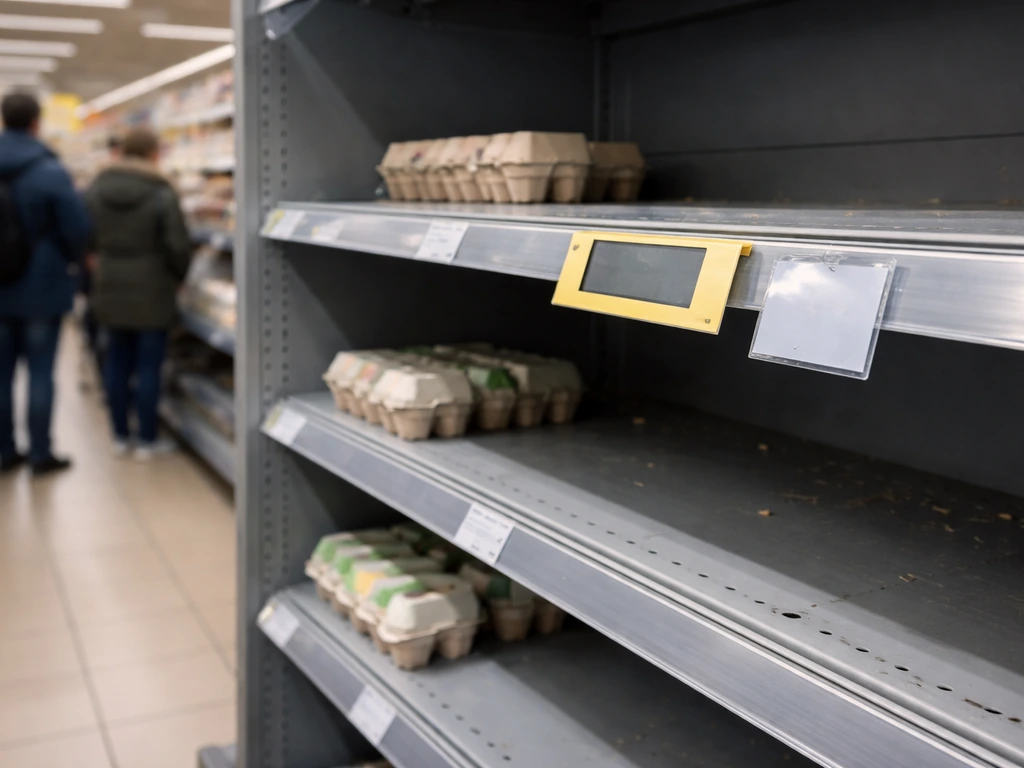
Yes, bird flu is a real and significant driver of today's egg shortage. Highly pathogenic avian influenza (HPAI) outbreaks have forced the culling of tens of millions of egg-laying hens across the U.S. over the past few years, and when that many hens disappear from the supply chain at once, fewer eggs reach store shelves. That's the core of it. But bird flu isn't working alone, and understanding the full picture helps you make smarter decisions at the grocery store right now.
Is Bird Flu Causing an Egg Shortage? What to Expect

Maya Chen
9 Jun 2026
How bird flu actually shrinks egg supply
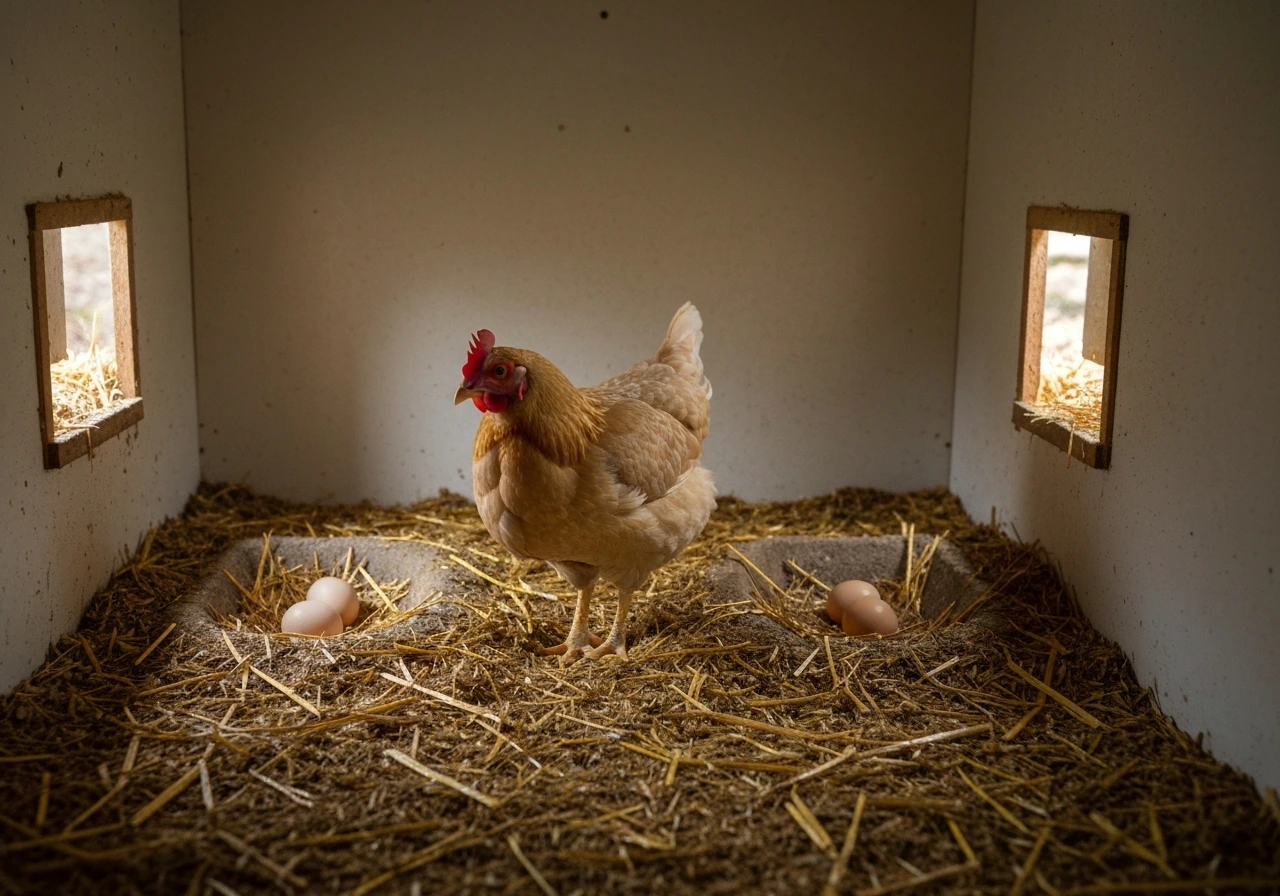
HPAI hits laying hens hard. According to USDA's Animal and Plant Health Inspection Service (APHIS), infected birds show decreased egg production, along with soft-shelled or misshapen eggs. That means even hens that survive an outbreak aren't producing at normal rates. The virus spreads fast through flocks, so when it gets into a commercial egg facility, the impact isn't limited to a few birds.
The bigger supply hit comes from how regulators and farmers respond. Once HPAI is confirmed on a farm, the standard response is depopulation, which means all the birds on the affected premises are culled to stop the virus from spreading further. This is not optional. It's the established containment protocol, and it's why a single outbreak on a large commercial operation can remove millions of hens from production in a matter of days.
After depopulation, the farm doesn't just flip a switch and restock. Facilities go through strict cleaning, disinfection, and testing before new birds can be brought in. Then those replacement hens have to grow to laying age, which takes roughly five to six months. That recovery gap is why even after an outbreak is contained, the supply shortage tends to linger well beyond the outbreak itself.
Other factors that pile on and make things worse
Bird flu is the headline cause, but it's interacting with other pressures that amplify the shortage and price impact. Feed costs (primarily corn and soy) have been elevated, which raises the cost of production for every egg that does make it to market. Distribution bottlenecks, labor costs at processing and packing facilities, and retailer purchasing decisions all play a role in how shortages actually feel to consumers.
Seasonal patterns matter too. Egg demand rises around certain holidays and baking seasons. When a supply crunch from HPAI culls coincides with a seasonal demand spike, the shelf gaps get worse and prices climb faster. Some retailers also respond to shortages by limiting purchase quantities per customer, which creates the impression of a worse shortage than the raw numbers suggest.
It's also worth knowing that the U.S. egg market is heavily dominated by a relatively small number of large commercial producers. That concentration means a cluster of outbreaks at a few big operations can move national supply numbers more than you might expect. A diversified market would be more resilient, but that's not where things stand today.
Where to check for current outbreak and supply information
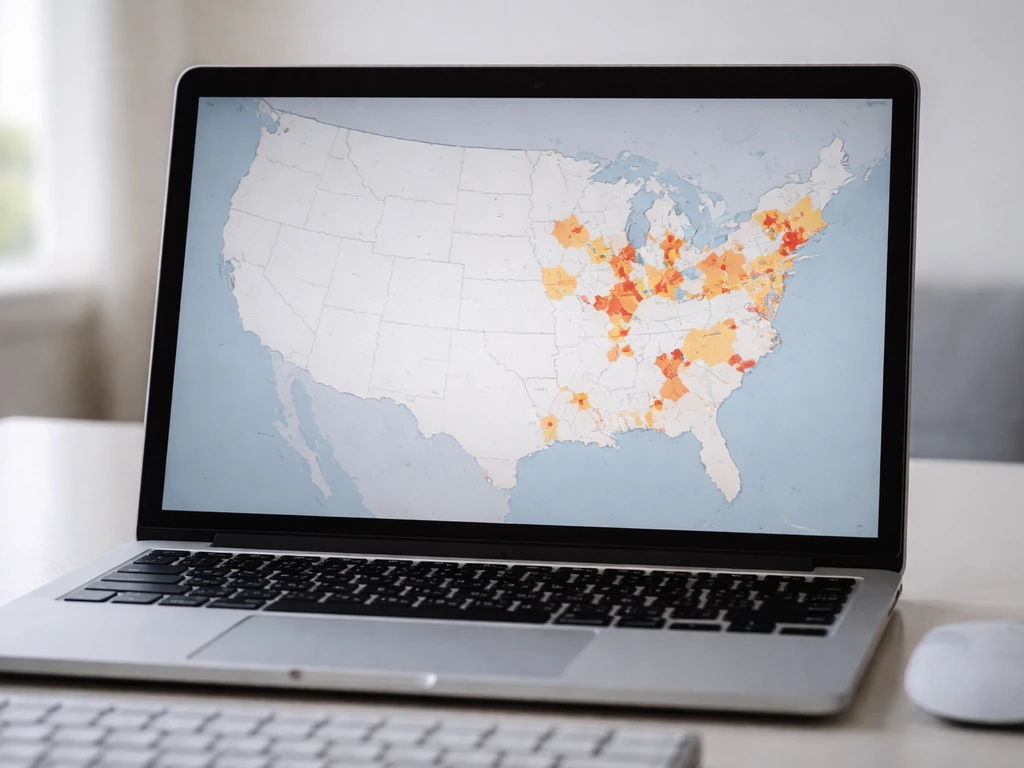
If you want to know what's happening right now, these are the places worth bookmarking. USDA APHIS publishes regularly updated maps and tables showing confirmed HPAI detections by state, flock type, and number of birds affected. That data tells you whether active outbreaks are near major production regions or in your state specifically. APHIS also maintains a dedicated HPAI emergency response page that includes a Secure Egg Supply section, which outlines how egg producers in buffer zones can continue operating safely during an outbreak. APHIS also includes a “Secure Egg Supply” section on its HPAI emergency response page, describing how egg producers in buffer zones can continue operating safely during an outbreak.
- USDA APHIS HPAI Detections page: updated outbreak maps by state and flock type
- USDA APHIS HPAI Resources and Guidance: includes the Secure Egg Supply plan and producer guidance
- USDA Economic Research Service (ERS): tracks egg price data and supply trends
- Your state's department of agriculture website: often has region-specific flock loss data and producer alerts
- CDC Bird Flu Current Situation page: useful for understanding whether human cases are connected to any active outbreak areas
Avoid drawing conclusions from individual news headlines alone. Outbreak reporting is often lagged by days or weeks, and a single story about a new detection doesn't tell you much about whether supply in your region is recovering or worsening. The cumulative flock loss numbers from APHIS give a much clearer picture of actual supply impact.
Are eggs safe to eat during a bird flu outbreak?
This is the question a lot of people have quietly in the back of their minds, and the evidence here is reassuring. The FDA and USDA's Food Safety and Inspection Service (FSIS) conducted a joint risk assessment on HPAI in poultry, shell eggs, and egg products, and found no evidence that the virus can be transmitted to humans through properly prepared food. The CDC states clearly that cooking poultry products, including eggs, to the appropriate internal temperature kills avian influenza A viruses, and that the agency is not aware of anyone in the U.S. getting sick from eating properly handled and cooked poultry products.
The practical takeaway from FDA guidance: refrigerate eggs promptly, cook eggs until yolks are firm, and make sure any dish containing eggs is cooked thoroughly. Those are the same food safety basics that apply year-round, outbreak or not. You don't need to avoid eggs out of health concern. The shortage is a supply and economic issue, not a food safety reason to change what you eat.
What to do when eggs are hard to find or too expensive

If your store is consistently out of stock or the price makes a dozen eggs feel like a luxury item, you have real options. The best substitute depends on what you're making, so here's a practical breakdown.
| Use Case | Best Substitute | Notes |
|---|---|---|
| Baking (binding) | Flax egg (1 tbsp ground flax + 3 tbsp water, rested 5 min) | Works well in muffins, quick breads, dense cookies |
| Baking (leavening/rise) | 1/4 tsp baking soda + 1 tbsp apple cider vinegar | Best for cakes and pancakes that need lift |
| Scrambled egg substitute | Silken tofu, crumbled and seasoned | Closest texture match; add turmeric for color |
| Custards and quiches | Silken tofu blended smooth | Use 1/4 cup per egg; texture holds well when baked |
| Egg wash for pastry | Milk, cream, or aquafaba (liquid from canned chickpeas) | Aquafaba gives closest sheen and browning |
| Breakfast protein | Cottage cheese, Greek yogurt, legumes, tofu scramble | Calorie and protein-comparable alternatives |
If you can find eggs but the price is high, buying in bulk when they're available and storing them correctly extends your supply. Fresh eggs in their carton, stored in the coldest part of the fridge (not the door), stay good for 3 to 5 weeks past the pack date. Hard-boiled eggs keep up to a week refrigerated. If you find a surplus, you can also freeze beaten whole eggs or separated yolks and whites in an airtight container for up to a year, though texture changes make them best suited for cooking and baking rather than eating straight.
It's also worth checking smaller grocery formats, ethnic grocery stores, and local farms or farmers markets. Commercial egg supply disruptions don't always hit smaller regional producers the same way, and you may find consistent availability and better pricing outside the major supermarket chains. The egg price and availability picture varies a lot by region, so what's true nationally may not match what you're seeing locally.
Bird flu versus other causes: the honest picture
It's fair to ask whether bird flu is being overstated as a cause. The honest answer is that HPAI is the primary structural driver of reduced supply, but pricing and availability at the store level get amplified by market dynamics, retail behavior, and demand patterns. So if eggs in your area seem more expensive than the outbreak numbers would suggest, that's real, and it reflects how interconnected the pricing system is. Related questions worth exploring include how bird flu is affecting chicken prices broadly and the longer-term trajectory of egg prices during HPAI outbreaks, because the egg and chicken markets are deeply linked. Bird flu can also affect chicken prices broadly because it can tighten overall poultry supply and raise production and feed costs how bird flu is affecting chicken prices broadly.
The bottom line: yes, bird flu is causing the egg shortage, and it has been the dominant factor through recent outbreak cycles. For a quick look at how the current situation is playing out in the market, Eggland's Best bird flu updates can help you track what producers are saying and what might affect availability. The mechanism is straightforward: outbreaks kill laying hens, culling removes more, recovery takes months, and the shortage lingers. Knowing that, you can plan around it rather than just feeling frustrated by empty shelves. If you want specifics on how outbreaks are changing egg pricing near you, look at the latest reporting on current HPAI detections and supply impacts egg prices during HPAI outbreaks.
FAQ
If bird flu is causing the shortage, why do some stores have eggs while others don’t?
Not always. Even with confirmed outbreaks, the impact can be uneven by state and by farm type, and some regions may rely on replacement supply that is already in the pipeline. Checking APHIS’s flock-level totals for your state is more useful than relying on national headlines.
Why are stores sometimes limiting how many eggs I can buy?
Retail limits usually happen for two reasons, inventory caution (fewer cases of product flowing in) and demand surges (baking, holiday prep). If you see limits, expect faster shelf depletion and wider price swings, even if the overall national shortage is improving.
How can shelves stay empty even after the outbreak is “over” in the news?
Yes, culling can remove hens quickly, but egg production recovery is slower because replacement birds must reach laying age (often months). Also, older birds may not be reintroduced immediately after cleaning and testing, which extends the gap.
What should I do to prevent eggs from going bad when prices are high and availability is inconsistent?
If you are buying at the peak of a shortage, you can reduce waste by choosing the freshest available carton, keeping eggs in their carton in the coldest part of the fridge, and using a “first in, first out” approach. For hard-cooking, boil and refrigerate within a couple of days to maximize quality.
Do I need to avoid eggs because of bird flu risk from food?
Food safety is not about avoiding eggs, it is about handling and cooking. Refrigerate promptly, keep eggs cold, wash hands after cracking, and cook dishes containing eggs until the yolk and any custard-like portion are fully set.
Will bird flu affect all egg products the same way, like liquid eggs and egg mixes?
A key difference is “grocery eggs” versus other egg-related products. Shell eggs may be more directly affected by farm culls, while processed egg products can sometimes show delayed or less dramatic changes depending on how processors source and inventory.
Why do egg prices stay high longer than egg availability improves?
Sometimes the price you see includes short-term costs like higher feed, disrupted packing schedules, and distribution inefficiencies. Even when hatch rates and production start improving, retailers may continue pricing high to rebuild margins and manage uneven supply flow.
If my neighbor’s store has eggs, does that mean the shortage is “made up”?
Yes. If you see sustained shortages in one store but not nearby, it can be due to local allocation, retailer purchasing choices, and delivery routes, not just the presence or absence of outbreaks. Compare both price and stock patterns over a few weeks.
Do eggs from shortage periods or affected farms mean eggs are unsafe or spoiled?
Be careful with “soft shell” or “misshapen” claims as a signal of personal risk. Those egg-quality issues are mainly about production impact from infected flocks, not a guarantee that the egg itself is unsafe when handled normally. Quality defects are more likely to show up as grading or packaging outcomes than as a reason to discard food.
Can I freeze eggs to stock up during a bird flu egg shortage?
If you cook eggs often, freezing can help. Freeze beaten whole eggs or separated yolks and whites in airtight containers, use within about a year, and plan to thaw in the refrigerator. Expect texture changes, so aim for use in baking, scrambles, and cooked dishes.
Next Article
Is Bird Flu Affecting Egg Prices? Timing and What to Do
Find out if bird flu is driving egg price hikes, when impacts start, and how to track reliable outbreak updates and pric