
Yes, eggs are safe to eat during a bird flu outbreak, as long as you cook them properly. The CDC, USDA, and FDA all agree: cooking eggs until the yolk and white are firm, or reaching an internal temperature of [165°F](https://www. fsis. usda.
Egg Prices Have Climbed Due to Bird Flu: What to Do

Maya Chen
19 Jun 2026
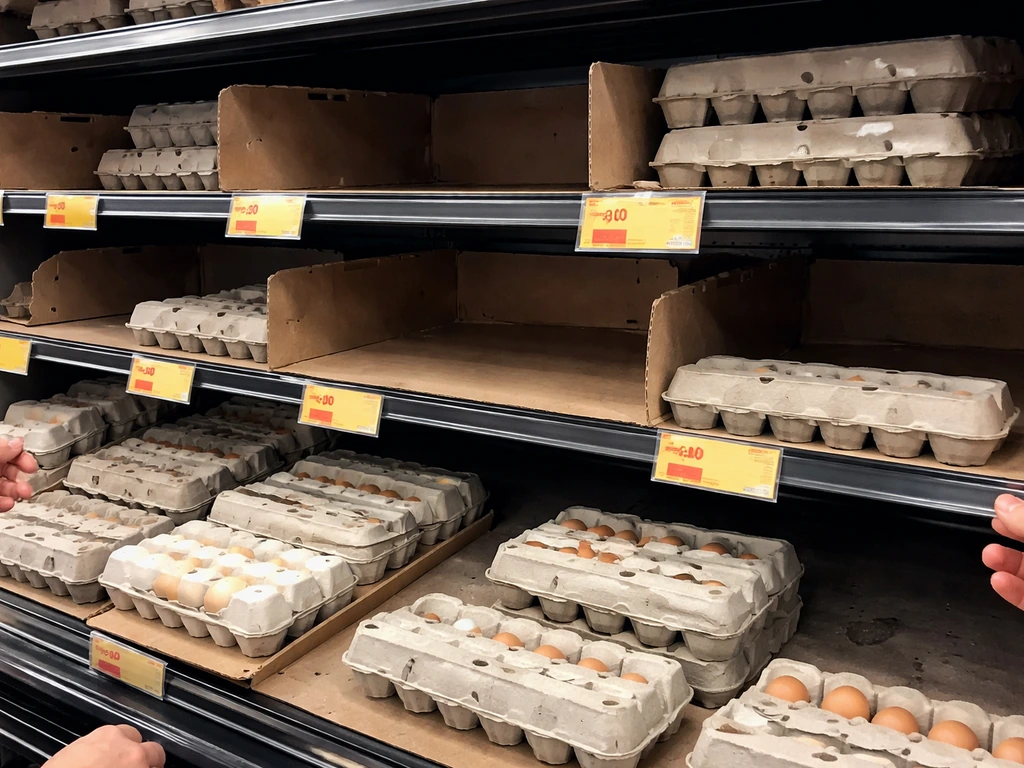
gov/food-safety/safe-food-handling-and-preparation/food-safety-basics/safe-temperature-chart) for egg dishes, kills bird flu viruses and the bacteria that usually concern food safety experts. There is no evidence that anyone has gotten bird flu from eating properly cooked eggs or poultry. The reason prices are climbing has nothing to do with eggs being unsafe to sell, it's purely a supply problem.
When HPAI (highly pathogenic avian influenza) hits a commercial flock, the entire operation gets shut down fast, millions of hens are lost almost overnight, and it takes many months before production comes back online. Less supply plus steady demand equals higher prices at the store.
Why egg prices jump during bird flu outbreaks
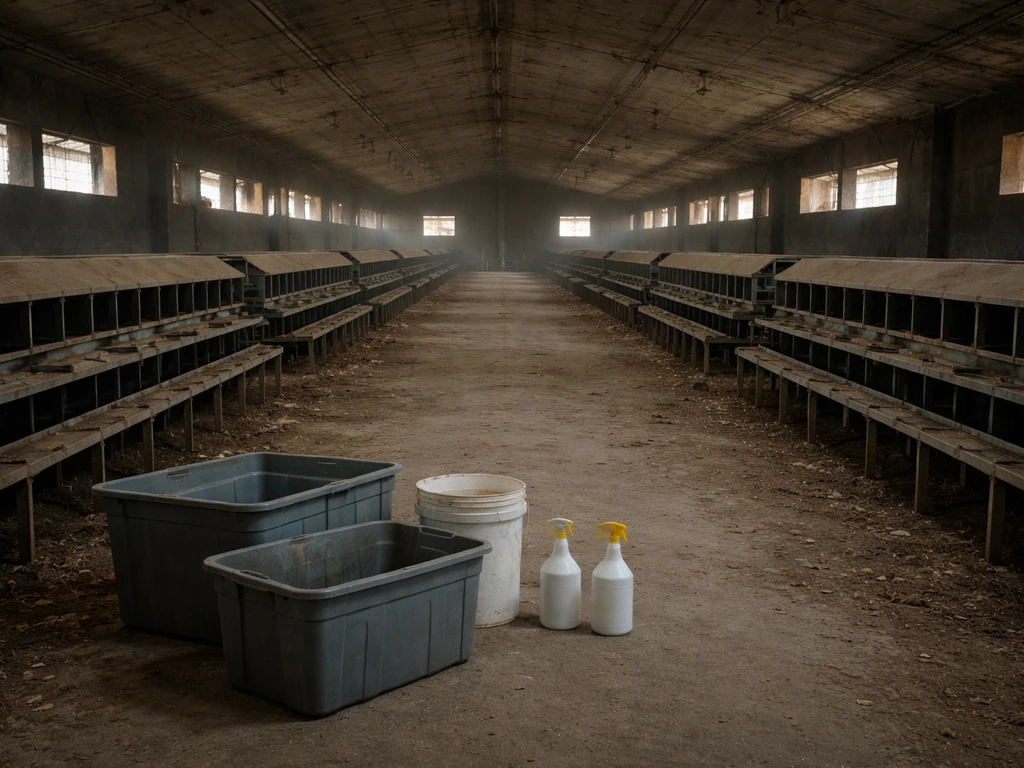
The price spike follows a pretty straightforward economic chain, but the scale of it can still be shocking. When HPAI is detected in a commercial laying flock, USDA policy requires rapid depopulation, meaning the entire flock is culled, sometimes within days of detection. The rationale is that HPAI spreads so quickly and is so fatal to birds that delays in depopulation would allow the virus to shed further into the environment and infect neighboring operations. There's no option to quarantine a portion of the flock and keep the rest producing eggs. It's all or nothing.
That creates sudden, large-scale production losses. During the 2014–2015 HPAI outbreak, USDA Economic Research Service data showed that benchmark egg prices in New York were about 61% higher from May through December 2015 compared with the same period the prior year. In 2022, when the deadliest HPAI outbreak in U.S. history hit, egg prices climbed from roughly $1.79 per dozen in December 2021 to about $4.25 per dozen by December 2022. In the more recent outbreak wave, USDA reported a New York wholesale benchmark price peaking at $8.53 per dozen before declining to $4.08 as of March 2025, still more than double what most shoppers were used to paying.
Trade restrictions compound the problem. During outbreaks, importing countries often restrict U.S. poultry and egg products out of precaution, which reduces the export market and creates further pricing pressure domestically. So the price you see at the store reflects both fewer eggs being produced and a disrupted global trading environment.
How bird flu affects egg production and supply chains
The production side of this problem is more complicated than it might seem, because recovery isn't quick. After a farm is depopulated, the premises go through a mandatory downtime period that includes environmental testing and USDA sampling before restocking is approved. Then, once replacement pullets are brought in, you're waiting for those young birds to mature. Commercial laying hens typically don't start producing eggs until they're about 18 to 22 weeks old. According to industry estimates, full recovery from an HPAI detection can take nine months to more than a year, sometimes up to two years to return to pre-outbreak production levels at the farm level.
At the supply chain level, this plays out as a rolling shortage. Outbreaks tend to ebb and flow with wild bird migration patterns, because wild waterfowl are the primary natural reservoir for HPAI viruses. When migratory birds pass through, virus pressure on commercial flocks increases. A new detection triggers another depopulation cycle.
That's why egg shortages during major outbreaks aren't a one-time event, they can stretch across multiple seasons as different farms are hit at different times. This is why many people ask, is bird flu causing egg shortage, especially during major HPAI waves. Retail prices tend to lag slightly behind wholesale swings because retailers smooth out short-term fluctuations, but eventually the wholesale price movements filter through to what you pay.
Egg and food safety: what risk is (and isn't) involved

This is where a lot of the confusion happens, so let's be direct about what the science actually says. The risk from eating eggs during a bird flu outbreak is not from the eggs themselves being infected, commercial egg processing already includes mass scanning for cracked shells and other defects. The theoretical food-safety risk that the CDC and FDA flag is from consuming undercooked or raw eggs that might somehow come from an infected bird. The practical solution is simple: cook your eggs thoroughly.
The FDA says to cook eggs until the yolk and white are firm, and to cook egg-containing dishes (casseroles, quiches, frittatas) to an internal temperature of 165°F. blank" rel="noopener noreferrer">The CDC confirms that cooking poultry products to 165°F kills bird flu viruses. For microwave cooking, FDA guidance specifies reaching 165°F throughout the dish and letting it stand covered for two minutes before serving. These are the same food safety basics you'd follow for any egg dish, bird flu or not. If you use pasteurized egg products, those are also considered safe for preparations where fully cooking isn't possible.
The USDA and FDA jointly assessed the human health risk from HPAI in shell eggs and egg products, and the conclusion for properly handled and cooked eggs is reassuring: they are safe to eat. The exposure risk for the general public comes from direct contact with infected animals or their materials, not from eating eggs that went through normal commercial processing and were cooked properly.
How to check outbreak status and trustworthy updates
The best way to stay informed without getting swept up in alarming headlines is to go directly to official sources. For outbreak status, USDA APHIS maintains two key dashboards: one for confirmed HPAI detections in commercial and backyard flocks, and a Wild Bird Avian Influenza Surveillance Dashboard that functions as an early warning system based on detections in migratory wild birds. APHIS notes that commercial flock counts can ebb and flow with virus levels and wild bird movement seasons, so checking periodically (not daily) gives you a better picture of overall trends than any single news story.
- USDA APHIS: Confirmed HPAI in Commercial and Backyard Flocks (dashboard updated as detections are confirmed)
- USDA APHIS: Wild Bird Avian Influenza Surveillance Dashboard (early warning indicator)
- CDC Bird Flu page: Current risk assessment for the general public, human case updates, and food safety guidance
- USDA ERS Charts of Note: For tracking egg price trends and production data over time
- Your state's department of agriculture: For local flock detections that might affect regional supply
When you read news coverage, pay attention to whether the story is about detections in wild birds, commercial flocks, or backyard flocks, these have very different implications for egg supply and price. If you are also wondering whether is bird flu affecting chicken prices, the same outbreak dynamics can ripple across poultry markets egg supply and price. A wild bird detection near your area doesn't automatically mean local egg prices will spike. A large commercial laying operation being depopulated in a major egg-producing state, however, will show up in wholesale prices within weeks.
At-home precautions for buying, storing, and cooking eggs
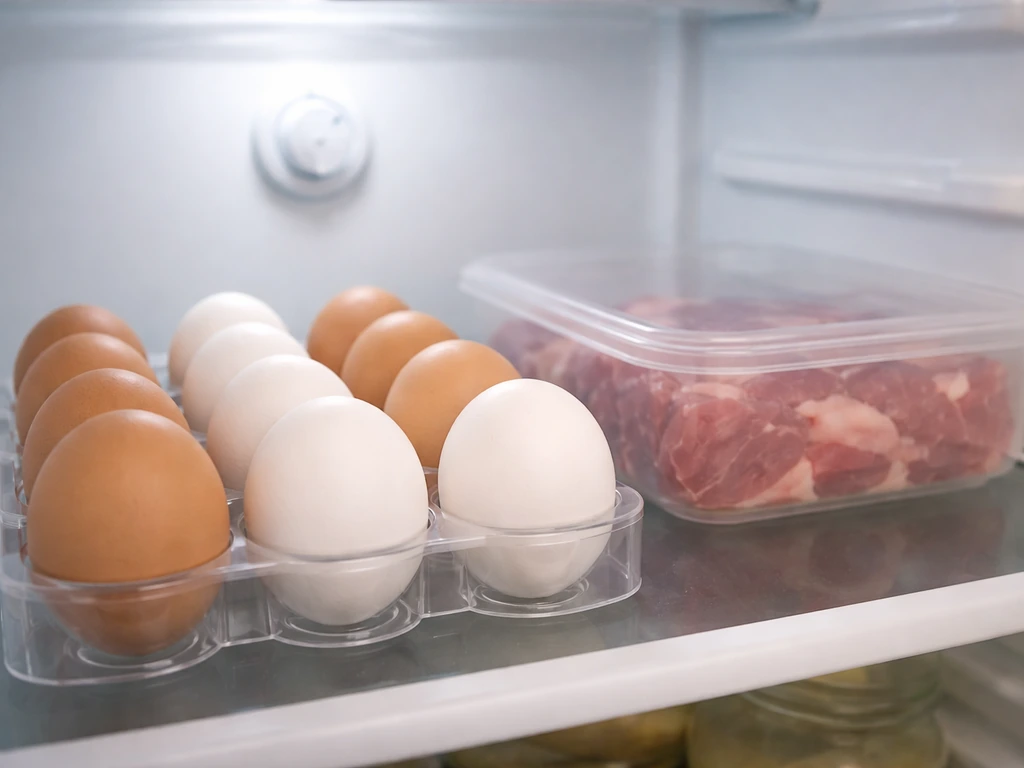
The good news is that the safe egg-handling steps during a bird flu outbreak are the same ones food safety experts recommend year-round. You don't need a separate bird-flu protocol, you just need to follow the basics consistently.
- Refrigerate eggs promptly at 40°F or below, and keep them in their original carton to avoid absorbing odors and to track the sell-by date.
- Cook eggs until both the yolk and white are completely firm. Avoid runny yolks, sunny-side-up preparations where the white isn't fully set, or dishes using raw egg (Caesar dressing made with raw egg, tiramisu, etc.) unless you're using pasteurized eggs.
- Cook egg dishes like casseroles, quiches, and frittatas to an internal temperature of 165°F — use a food thermometer, not a visual guess.
- Wash hands, surfaces, and utensils after handling raw eggs. Use the USDA's CLEAN, SEPARATE, COOK, CHILL framework.
- Use hard-cooked eggs within one week of cooking.
- Don't wash eggs before storing — commercial eggs have a protective coating applied during processing, and washing removes it.
- If you keep backyard chickens, check your state's APHIS guidance on flock biosecurity, because backyard flocks can be infected by wild birds and are not subject to commercial processing controls.
Shopping and budget strategies when eggs get expensive
When egg prices double or triple, it helps to think about eggs as an ingredient with alternatives, not an irreplaceable staple. Here are strategies that actually work when prices are high.
Reduce waste first
The fastest way to lower your egg spending is to stop wasting the eggs you already buy. Use eggs that are getting close to their date in baked goods, frittatas, or scrambles before moving on to fresher cartons. Hard-cooked eggs keep for a week in the fridge, batch cook them and use them throughout the week as quick protein.
Compare formats and stores
During price spikes, the difference between store-brand conventional eggs at a warehouse club versus a specialty grocery can be substantial. Liquid pasteurized egg products (sold in cartons) are often priced differently than shell eggs and are convenient for baking, scrambles, and omelets. They're also fully safe for any preparation since they're pasteurized. Frozen whole eggs and egg whites are another option for baking that can be bought in bulk when prices dip. Check multiple stores rather than defaulting to your usual one.
Protein substitutes when eggs are just too expensive
| Substitute | Best Use | Protein per Serving | Notes |
|---|---|---|---|
| Canned legumes (beans, lentils, chickpeas) | Breakfast scrambles, salads, soups | ~15g per 1/2 cup | Cheapest protein option; shelf stable |
| Canned or fresh tofu | Scrambles, baked dishes | ~10g per 1/2 cup firm tofu | Scrambles well with turmeric and salt; absorbs flavors |
| Cottage cheese | Baking, bowls, high-protein breakfast | ~14g per 1/2 cup | Can replace eggs in some baked goods |
| Greek yogurt | Baking (1/4 cup replaces 1 egg in many recipes) | ~8-10g per 1/2 cup | Works in pancakes, muffins, quick breads |
| Aquafaba (liquid from canned chickpeas) | Baking, meringues | Negligible protein | 3 tbsp replaces 1 egg in most baking recipes |
| Flaxseed or chia egg (1 tbsp ground seed + 3 tbsp water) | Baking | ~2-3g | Adds binding, works in muffins and pancakes; make ahead |
If you bake frequently, it's worth keeping a couple of these substitutes on hand during prolonged price spikes. You don't need to replace every egg in your diet, just shift your most egg-heavy recipes to use substitutes and save real eggs for the dishes where they're hardest to replace (like fried eggs or egg salad).
When to worry more: human risk factors and symptoms to watch
The CDC's current public health risk assessment for the general public in the U.S. remains low for H5N1 bird flu. For most people buying eggs at the grocery store and cooking them at home, the risk of contracting bird flu from eggs is effectively zero when proper cooking is followed. But there are specific situations where the risk picture changes, and it's worth knowing them.
The people at higher risk are those with direct exposure to infected animals or contaminated environments: poultry farm workers, people who handle sick or dead birds, and those who work in live bird markets. Backyard flock owners are also in a higher-exposure category than the general public. If you fall into any of these groups, the CDC recommends taking additional precautions including wearing appropriate protective equipment when handling birds, and being vigilant about monitoring for symptoms after potential exposure.
Symptoms of bird flu in humans typically appear within 2 to 5 days of exposure and can include fever, cough, sore throat, muscle aches, eye redness or discharge, and in severe cases, respiratory distress. If you have had direct contact with sick or dead birds and develop these symptoms, contact your healthcare provider and mention the potential exposure, that context matters for how your doctor evaluates and reports your case.
For everyone else, the clearest risk reduction steps are already covered above: cook eggs thoroughly, avoid raw or undercooked preparations from non-pasteurized eggs, and don't handle sick or dead wild birds. If you see a large number of dead wild birds, report it to your state's wildlife agency rather than handling the birds yourself. The risk from eating properly cooked eggs at your kitchen table is not a reason to cut eggs out of your diet, it's just a reason to cook them all the way through, which you probably should have been doing anyway.
FAQ
Do egg prices mean eggs are less safe right now?
No, the price jump is driven by production shutdowns after highly pathogenic avian influenza detections in commercial flocks, not by eggs becoming unsafe to sell. Safety is about how eggs are handled and cooked, especially avoiding raw or undercooked preparations.
Can I eat runny yolks or “soft-set” eggs during a bird flu outbreak?
Runny yolks are generally the opposite of the recommended approach. For outbreak-related risk reduction, cook until the yolk and white are firm, or use an egg dish internal temperature target of 165°F. That gives the same virus-killing assurance regardless of headline levels.
What about foods like Caesar salad, mousse, or homemade eggnog that use raw or lightly cooked eggs?
If a recipe uses raw or only lightly warmed eggs, the safe switch is to use pasteurized egg products, buy a version made with pasteurized eggs, or cook the mixture to a level that reaches proper doneness for egg dishes. The key is avoiding preparations where egg temperature never reaches the recommended threshold.
Are store-bought pasteurized shell eggs enough if I want to keep some recipes runny?
Pasteurization helps, but it does not replace the need to avoid raw or undercooked egg dishes. If a recipe is designed to be uncooked or only barely set, use pasteurized egg products specifically intended for that preparation, or choose a fully cooked version so the overall dish meets the doneness guidance.
How should I handle eggs if I have a carton with cracked shells?
Cracks increase the chance of contamination after purchase. Discard cracked eggs or use them quickly and cook thoroughly. If you do use them, skip any recipe that relies on raw egg in the final dish.
Is there a difference between eating shell eggs and liquid pasteurized eggs during an outbreak?
Liquid pasteurized egg products are a good option for baking and scrambling because they are already pasteurized, which adds a layer of safety for recipes that require full cooking. Still, follow package instructions and avoid preparing anything that calls for raw egg if your goal is maximum risk reduction.
What’s the safest way to microwave an egg dish?
Microwaves heat unevenly. Use guidance that targets 165°F throughout the dish, then cover and rest for about two minutes before serving. Stir or rotate if the recipe allows, to reduce cold spots.
Do I need to change how long I boil eggs?
You do not need a special bird-flu-specific timing rule. Use your usual method, but make sure the eggs are fully cooked to your preference (for example, firm yolks for hard-cooked eggs). If you’re adjusting to be extra cautious, slightly longer cooking is fine.
I heard processing already scans for cracks. Why do I still need to cook eggs thoroughly?
Scanning helps with physical defects and general food safety, but the primary concern for bird flu risk is what happens if eggs are contaminated and then not cooked enough to inactivate virus. Cooking to the firm-do-neness or 165°F target is the step that directly addresses that concern.
What if my neighbor reports many dead wild birds nearby. Will my local egg price jump automatically?
Not automatically. Wild bird detections can be an early warning sign, but egg prices are most directly affected when commercial laying flocks are depopulated in major egg-producing regions. Check whether the news is about wild birds versus commercial flocks, and look for wholesale signals rather than assuming immediate retail spikes.
Where can I check outbreak status without overreacting to day-to-day headlines?
Use official dashboards from USDA APHIS and pay attention to trends by category (wild birds, commercial flocks, backyard flocks). The article recommends checking periodically rather than daily, since commercial counts can vary with virus levels and migration timing.
How can I reduce egg spending if the shortage lasts months?
Focus on substitution where eggs are easiest to replace, not on eliminating them. The most practical approach is to reduce waste, use eggs approaching their date in baked goods or frittatas, and switch some recipes to liquid pasteurized egg products or frozen eggs while saving whole-shell eggs for dishes that truly require them.
If I’m high-risk because I handle birds or work around poultry, what should I watch for and do differently?
The added precautions are beyond kitchen cooking. If you have direct exposure to sick or dead birds or live bird markets, monitor for symptoms typically starting within about 2 to 5 days after exposure, and seek medical care promptly, mentioning the exposure so clinicians can interpret the risk appropriately.
Should backyard flock owners stop using eggs they collect?
Backyard owners are in a higher exposure category than the general public due to direct animal contact risk. The article’s general guidance still applies for safe handling: cook eggs thoroughly and avoid raw or undercooked uses. In practice, take extra care with biosecurity and consult public health or veterinary guidance for local risk.