Yes, you can eat chicken during a bird flu outbreak, provided it is properly cooked and handled. The CDC, WHO, USDA, and the UK Food Standards Agency all agree on this: cooking poultry to an internal temperature of 165°F (73.9°C) kills avian influenza viruses, including H5N1. There is no evidence that anyone in the United States has gotten bird flu from eating properly cooked poultry products. That is the short answer. The longer answer involves understanding why cooking matters, what the real risk actually looks like, and a few practical steps that make a genuine difference in your kitchen.
Can You Eat Chicken With Bird Flu? Safety and Cooking Tips

Maya Chen
21 Apr 2026
How bird flu actually spreads to humans
Bird flu, or avian influenza, spreads to humans almost entirely through direct, close contact with infected birds or their environments, not through eating cooked food. The people who get infected are typically those with job-related or recreational exposure: poultry farm workers, backyard flock owners handling sick or dead birds, and people in parts of the world where live bird markets are common. CDC data from Cambodia, for example, shows that most human H5N1 cases there were linked to direct contact with sick or dead poultry, not to sitting down and eating a cooked chicken meal.
Eating chicken is a fundamentally different exposure pathway than touching an infected bird. When you handle a sick bird, you can breathe in viral particles from feathers, droppings, or respiratory secretions, and the virus can enter your body through your eyes, nose, or mouth. A properly cooked chicken breast on your dinner plate does not present that kind of exposure. The ECDC, WHO, and EFSA all frame the primary infection route as contact-based, not food-based. Understanding this distinction is what makes the guidance reassuring rather than dismissive.
Where food has been implicated in a small number of cases internationally, it involved uncooked or undercooked poultry and products like raw blood, particularly in Southeast Asian countries where handling and preparing birds outside of regulated food systems is common. That is a very different situation from buying chicken at a grocery store in the United States or UK and cooking it at home.
Does cooking kill bird flu? The temperatures that matter
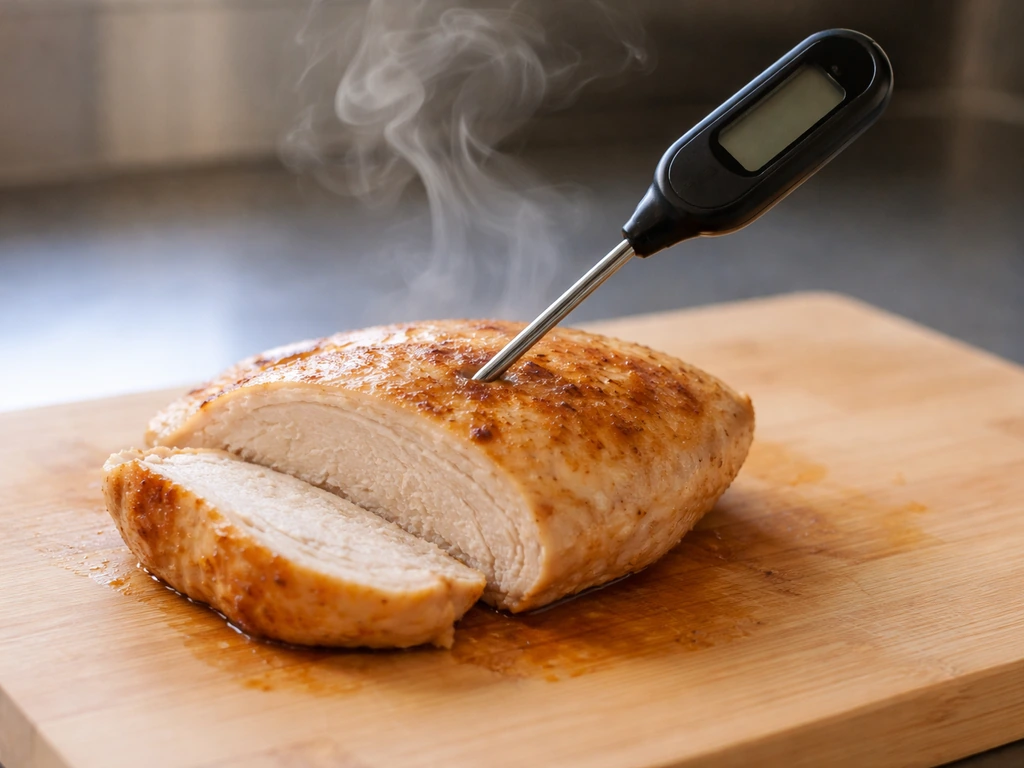
Cooking absolutely kills avian influenza viruses. The CDC confirms that cooking poultry to 165°F (73.9°C) inactivates avian influenza A viruses. The USDA's Food Safety and Inspection Service sets 165°F as the safe minimum internal temperature for all poultry, covering whole birds, breasts, legs, thighs, wings, ground poultry, giblets, sausage, and stuffing cooked inside a bird. The FAO has described the risk of foodborne H5N1 transmission as negligible when meat and eggs are properly cooked.
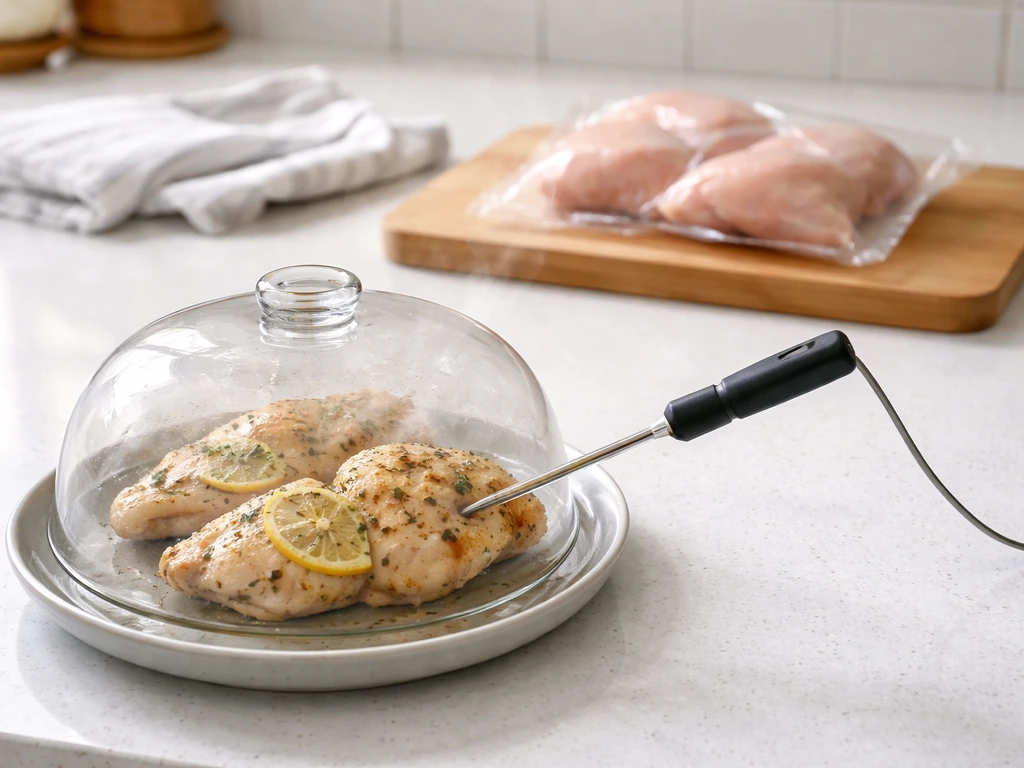
The most reliable way to confirm you have hit that temperature is to use a food thermometer inserted into the thickest part of the meat, away from bone. Color alone is not a safe guide. Chicken can look done on the outside while the interior is still below the safe threshold. A thermometer removes the guesswork entirely, and it is the single most effective tool you have for food safety with poultry.
| Poultry Type | Safe Minimum Internal Temp | Notes |
|---|---|---|
| Whole chicken or turkey | 165°F (73.9°C) | Measure in thickest part of thigh, not touching bone |
| Chicken breasts, legs, thighs, wings | 165°F (73.9°C) | Check the thickest section |
| Ground poultry / sausage | 165°F (73.9°C) | Measure in center of patty or sausage |
| Stuffing cooked inside poultry | 165°F (73.9°C) | Must reach temp even if bird already does |
| Giblets | 165°F (73.9°C) | No exceptions for organ meats |
| Eggs | Firm yolk and white | Cook until both are firm, not runny |
What actually happens if you eat undercooked or contaminated chicken
Undercooked poultry is genuinely risky, though for most people in developed countries the primary concern from undercooked chicken is Salmonella or Campylobacter rather than bird flu. That said, the CDC notes that uncooked poultry and raw poultry products, including blood, have been sources of a small number of avian influenza infections in Southeast Asia. These were not cases of someone getting sick from eating a slightly pink chicken breast in an otherwise regulated food environment. They involved direct exposure to raw, contaminated material during home slaughter or in markets where infected birds were being handled.
In practical terms: if you are buying chicken from a standard retail store in the United States, the risk of that chicken carrying a live, active bird flu virus is extremely low. Mississippi's public health authorities have noted that infected poultry entering the U.S. food supply is highly unlikely because of import restrictions, disease surveillance, and federal and state inspection. Farms with confirmed HPAI outbreaks are quarantined, and those birds do not enter commerce. So the scenario of eating infectious chicken from your grocery store is not something you realistically need to plan for. The cooking guidance still applies as a consistent safety practice, not because the risk is high, but because it is the right habit regardless.
Can you eat wild birds or backyard chickens that might have bird flu
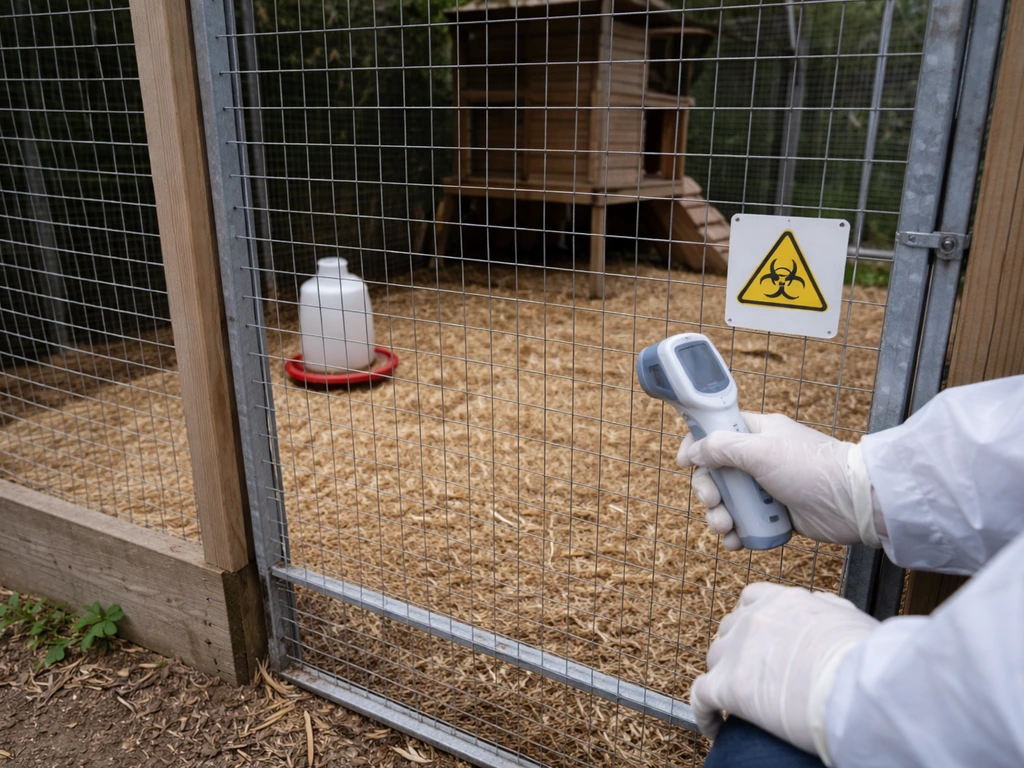
This is where the answer gets more cautious. If you raise backyard chickens or you hunt game birds, and there is a known outbreak in your area or your birds are showing signs of illness, the guidance changes meaningfully. The CDC explicitly advises backyard flock owners to avoid contact with sick or dead birds and to avoid eating or drinking in areas where poultry live or roam. The risk of exposure during handling, slaughtering, and preparing a bird that may be infected is real, because the danger is in the contact process, not just in the eating.
For wild birds, the UK FSA notes that game birds sold for private domestic use may have less regulatory oversight than commercially processed poultry, which introduces more uncertainty about whether proper biosecurity and defeathering controls were applied. If you are hunting waterfowl or other birds during an active outbreak, you should wear gloves when handling carcasses, avoid contact with your face, and thoroughly wash your hands and equipment afterward. You should not butcher birds that appeared sick or died on their own. If you do cook a wild bird, the same 165°F rule applies and is your main protection at the cooking stage.
The question of whether you can eat a duck or other waterfowl with bird flu follows the same logic as chicken. If you want a direct answer for ducks, you can generally eat duck from a safe source as long as it is cooked to the right temperature and handled carefully whether you can eat a duck or other waterfowl with bird flu. The cooking temperature is the deciding factor, but the handling risk before the bird hits the pan is higher with wild or backyard birds than with retail poultry. That distinction matters a lot.
Safe handling steps that actually reduce your risk
Cross-contamination is the main kitchen risk with raw poultry in any context, and it is worth taking seriously. When raw chicken juices spread to countertops, cutting boards, utensils, or other foods, any pathogens in those juices can transfer to surfaces or foods that will not be cooked again before you eat them. The FDA and FSIS are clear about this, and the guidance is straightforward.
- Use a dedicated cutting board for raw meat and poultry, separate from the one you use for vegetables and ready-to-eat foods.
- Do not rinse raw chicken before cooking. Washing spreads bacteria and potentially viral particles in splashed water across your sink and surrounding surfaces.
- Wash your hands thoroughly with soap and water for at least 20 seconds after touching raw poultry.
- Clean and sanitize all cutting boards, knives, countertops, and utensils that contacted raw chicken before using them again.
- Store raw chicken in sealed packaging on the bottom shelf of your fridge so juices cannot drip onto other foods.
- When thawing chicken, do it in the fridge, in cold water (with frequent water changes), or in the microwave, not on the counter, and make sure juices do not drip on other items.
- Use a food thermometer every time. Confirm 165°F at the thickest point.
- Let cooked meat rest for at least three minutes before carving, which helps redistribute heat and ensures even cooking throughout.
These steps apply whether or not there is an active bird flu outbreak. They are good food safety practice that protects against a range of pathogens, and they are exactly what the CDC and FDA point to as the consumer's main line of defense.
When to reconsider eating chicken, and who to contact
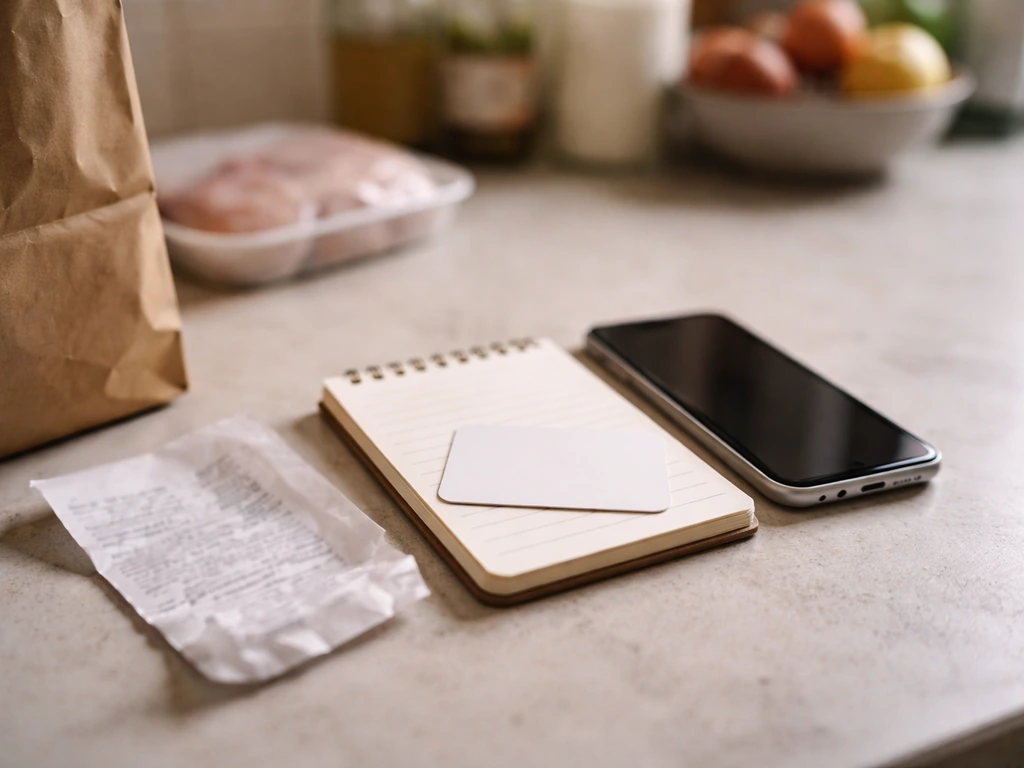
For the vast majority of people buying commercially produced chicken, nothing about a bird flu outbreak in the news should change your purchasing or eating habits, as long as you follow standard safe cooking and handling practices. The U.S. food supply has extensive safeguards that make it extremely unlikely you would encounter infected poultry at a grocery store.
However, there are specific situations where you should pause and seek guidance. If you own backyard poultry and birds in your flock are showing signs of illness (sudden death, respiratory distress, swollen heads, blue discoloration of combs, dramatic drop in egg production), stop handling those birds and contact your state or local agricultural or animal health authority immediately. Do not process or eat birds from a sick flock without guidance from public health officials. Similarly, if you are in a region with an active HPAI outbreak and you have been involved in responding to it (on a farm, in a poultry facility, or handling wild bird carcasses), monitor yourself for symptoms: fever, cough, sore throat, shortness of breath, muscle aches, conjunctivitis (red eyes), and gastrointestinal symptoms. Contact your healthcare provider and mention your exposure.
For consumers in general: check your local public health department or state department of agriculture for outbreak-specific guidance, especially if you hunt or raise your own birds. The CDC's bird flu website is updated regularly with current risk assessments and guidance. If you ever feel unsure about whether a specific product is safe, a quick check with local food safety authorities will give you a current, location-specific answer.
The bottom line is consistent across every major food safety authority: properly cooked chicken is safe to eat during a bird flu outbreak. The risk to consumers comes from how you handle raw poultry and how thoroughly you cook it, not from whether there are headlines about bird flu in the news. blank" rel="noopener noreferrer">Cook to 165°F, prevent cross-contamination, and wash your hands. That is genuinely all you need to do.
FAQ
If I can’t tell by color, how do I confirm my chicken is cooked enough for bird flu safety?
Use a thermometer and check the thickest part after the bird is fully cooked (breast, thigh, wing). If you hit 165°F in one spot but the rest is lower, keep cooking and recheck, because “look done” skin can still hide a colder interior.
Does thawing chicken improperly change the bird flu risk?
Thawing is about food safety, and it also affects cooking reliability. Thaw in the refrigerator (not on the counter), then cook promptly, because uneven thawing can leave cold centers even if the outside looks cooked.
Is the guidance different for backyard chickens or wild game birds compared with grocery store chicken?
Yes, the safety step is the same, but the practical risk can rise. If the bird is from a backyard flock or a private hunt, you also need to manage higher uncertainty about contamination during slaughter and defeathering, so treat it as higher handling risk even if you cook it to 165°F.
Can I eat chicken dishes that include raw or barely cooked poultry (like rare meat or raw blood products) during an outbreak?
Avoid eating raw poultry blood or dishes that include undercooked or raw poultry components. Even if bird flu is unlikely through properly cooked meat, raw or undercooked products are the situations where bird flu has been implicated internationally.
After cooking, how should I store and reheat chicken to stay safe during a bird flu outbreak?
If you keep it below the safe temperature for too long, you increase the chance of other foodborne infections. Cook to 165°F, cool leftovers quickly (for example, within a couple of hours), and reheat leftovers until steaming hot throughout.
Can I cook chicken safely in a microwave during bird flu concerns?
Do not rely on microwave cooking unless you stir and let it stand, because microwaves often create cold spots. Use a thermometer after microwaving to confirm the internal temperature reaches 165°F.
What if someone in my household is sick or immunocompromised, can they still handle raw chicken?
If you are sick, don’t process the bird, and use extra caution with any household member who handles raw poultry. Keep sick people away from raw poultry cleanup and wash hands thoroughly after handling, because cleaning up is where cross-contamination frequently happens.
How should I clean cutting boards, utensils, and my thermometer to avoid cross-contamination?
For a kitchen thermometer, sanitize after use and before reuse on other foods. Use separate utensils or wash utensils and boards with hot soapy water, then sanitize, because juices can spread to foods that won’t be reheated.
Should I throw away chicken from the grocery store when there is bird flu in the news?
In a general grocery-store setting, you usually do not need to discard chicken just because there is bird flu news. Discard only if it is spoiled (off smell, slimy texture), damaged packaging, or you cannot cook it safely, but always cook to the correct internal temperature.
What should I do if my backyard birds look sick or die suddenly during an outbreak?
If you raised chickens and your flock shows signs of illness, do not process or eat those birds without guidance. The article’s key difference is that handling sick or dead birds creates a real exposure route, so you need local animal health or public health direction before continuing.
If I helped respond to an outbreak or handled wild birds, when should I seek medical advice?
Yes, you can monitor yourself for symptoms after active exposure (like handling wild bird carcasses during an outbreak). If you develop fever, cough, sore throat, shortness of breath, red eyes, or GI symptoms, contact a healthcare provider and mention your bird exposure so they can assess you appropriately.
Next Article
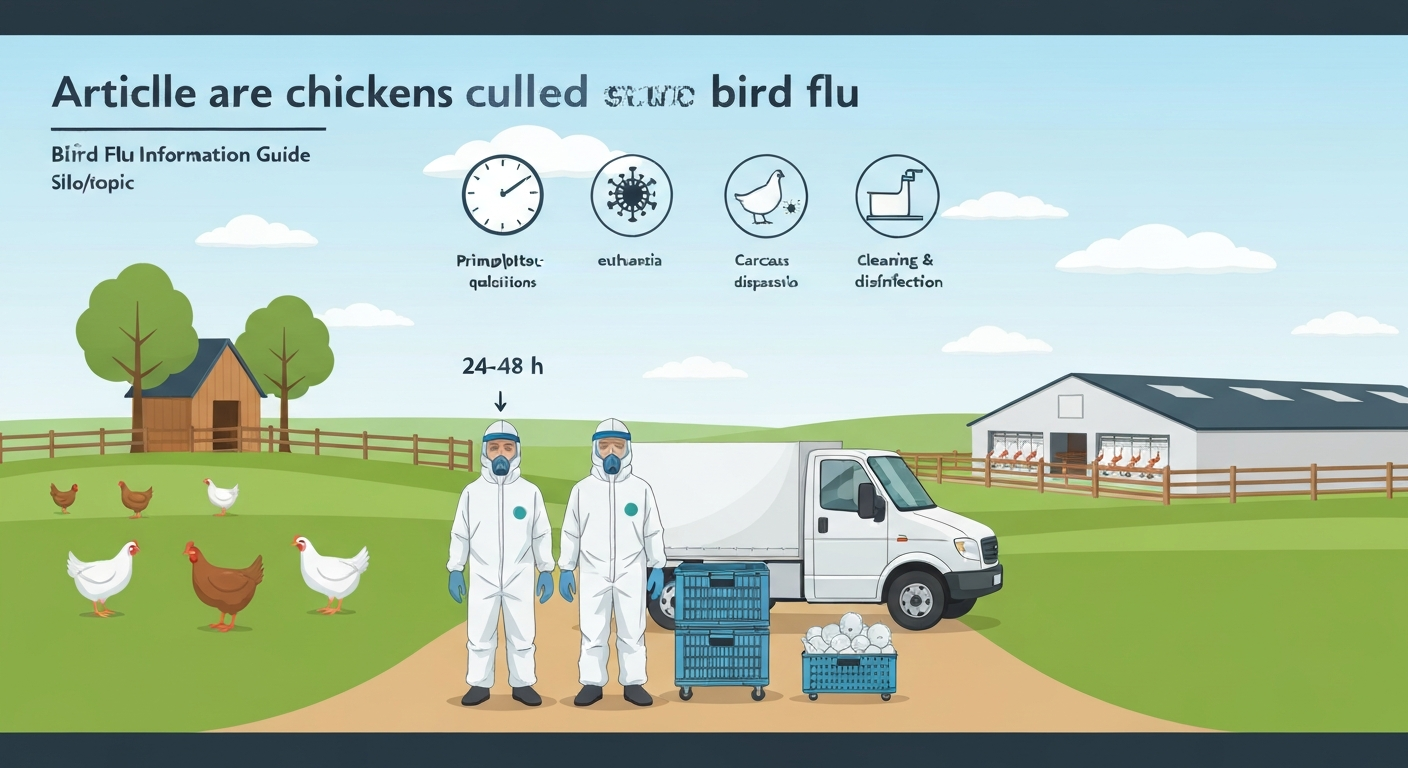
How Are Chickens Culled Bird Flu: Methods, Reasons & Steps
How are chickens culled during bird flu: why it’s done, humane methods, disposal, biosecurity, and next steps