
Yes, bird flu can absolutely kill chickens, but how deadly it is depends entirely on which strain is involved. Highly pathogenic avian influenza (HPAI) is the one to fear: it can kill 90 to 100 percent of an infected flock, sometimes within 48 hours of the first visible signs. Low pathogenic avian influenza (LPAI), on the other hand, usually causes only mild illness, things like a drop in egg production or mild respiratory symptoms, and blank" rel="noopener noreferrer">rarely kills birds outright. So when people ask whether bird flu kills chickens, the honest answer is: HPAI absolutely does, fast and at devastating scale, while LPAI mostly just makes birds sick for a while.
Does Bird Flu Kill Chickens? What to Know and Do

Maya Chen
26 Apr 2026
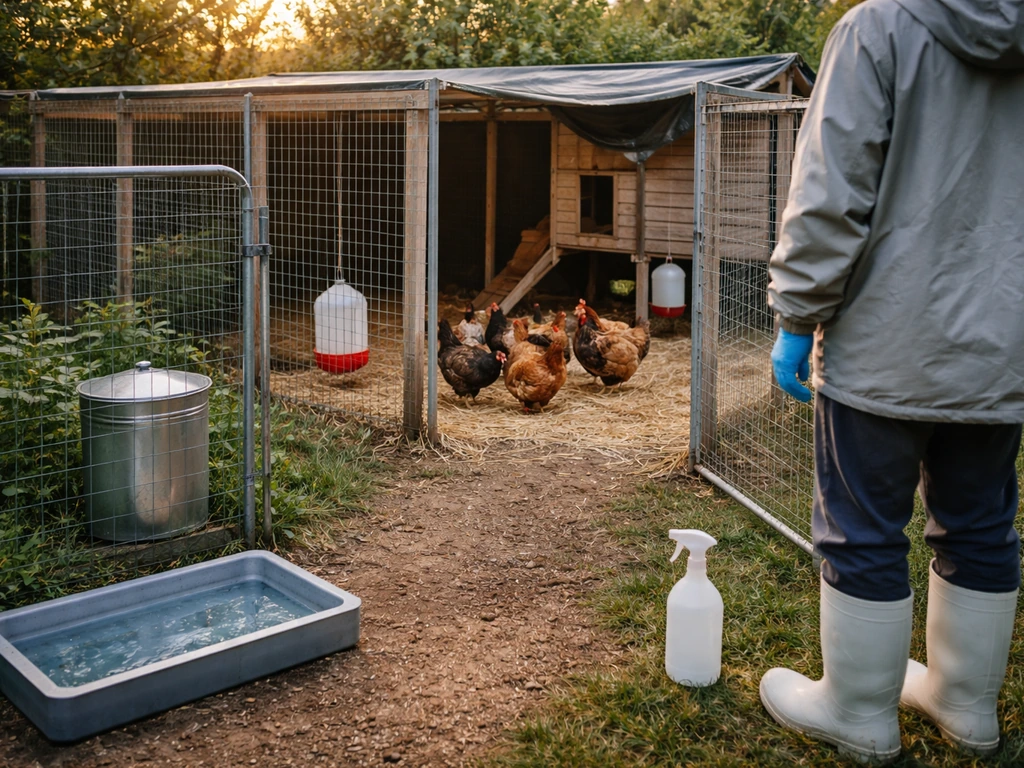
HPAI vs. LPAI: Why the strain makes all the difference
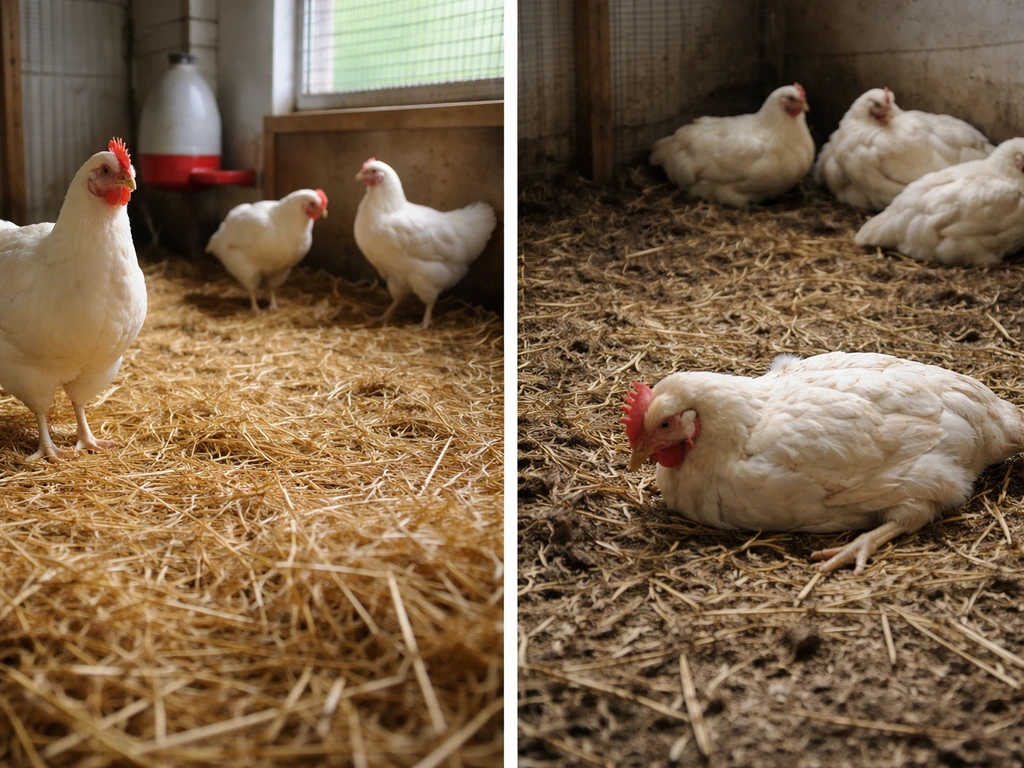
Not all avian influenza viruses behave the same way. LPAI strains are far more common and cause what researchers describe as only mild disease in chickens and turkeys. You might see some sneezing, watery eyes, reduced feed intake, or a noticeable dip in egg production. Birds generally survive. HPAI strains are a completely different situation. The USDA ARS notes that death rates in chickens infected with HPAI can approach 100 percent. USDA APHIS puts typical HPAI morbidity and mortality in domestic poultry at between 90 and 100 percent. That is not a disease that gives you much time to act.
The most significant HPAI strain currently circulating is H5N1 (clade 2.3.4.4b), which has been responsible for mass die-offs and culling events across commercial and backyard flocks in the United States and globally since 2022. When you hear news reports about millions of chickens being lost to bird flu, this strain is almost always the culprit. Understanding what it looks like on the ground is the first step to protecting your flock.
How to spot bird flu in your flock before it's too late
The hardest part about HPAI is how fast it moves. Birds that looked perfectly normal the night before can be dead or dying by morning. That said, there are warning signs you can watch for, especially in the hours before a full collapse.
Behavioral and physical signs to watch
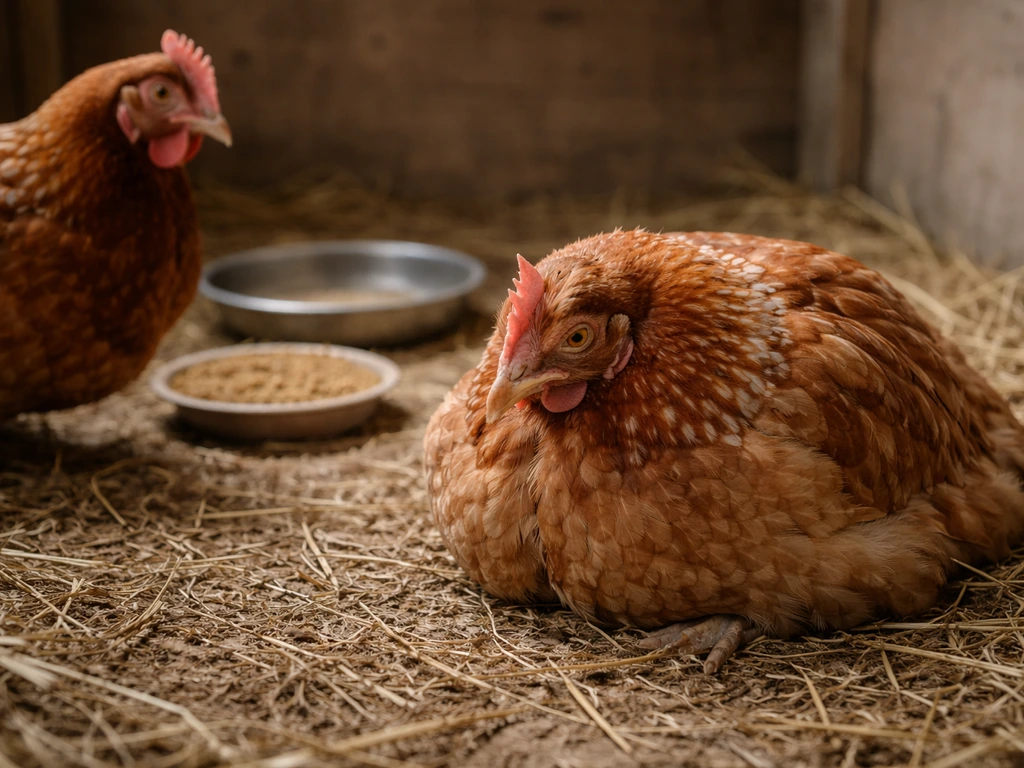
- Sudden, unexplained death in multiple birds at once, especially without obvious injury or trauma
- Severe lethargy: birds sitting hunched, refusing to move or eat
- Neurological symptoms: twisted necks (torticollis), loss of coordination, tremors, or birds walking in circles
- Swollen head, face, eyelids, or wattles, sometimes with a bluish discoloration (cyanosis) of the comb and wattles
- Rapid, labored breathing or nasal discharge
- Sudden sharp drop in egg production, or soft-shelled and misshapen eggs
- Green or white watery diarrhea
One important thing to note: with HPAI, you may see very few sick birds before you see dead ones. The virus can kill so quickly that the behavioral warning window is extremely short. If you find multiple dead birds in a short period and can't identify an obvious cause like a predator attack, bird flu should immediately be on your list of possibilities. Other diseases like Newcastle disease or infectious laryngotracheitis can look similar, which is exactly why laboratory testing matters. You can't diagnose HPAI by eye alone.
What bird flu killing a flock actually looks like
At the farm level, HPAI outbreaks rarely unfold slowly. In commercial operations, the pattern is typically: a single barn or house shows unusual mortality, then within one to three days the deaths multiply rapidly across the affected housing unit. In backyard flocks, the progression can feel similarly alarming: a few dead birds one morning, many more the next, with surviving birds visibly ill and declining. Egg-laying operations often see production fall off a cliff before or alongside rising deaths.
When HPAI is confirmed, the response at farm level involves culling the entire flock. This is a regulatory requirement in the United States and most countries, not a choice left to the producer. USDA APHIS classifies HPAI as an extremely dangerous disease for domestic poultry, and depopulation is the primary containment tool.
The logic behind that decision, and the methods used, is a broader topic worth understanding separately, but the short version is: leaving infected birds alive creates ongoing risk of spread to neighboring flocks and wild birds. When bird flu appears in a flock, authorities may require culling to stop the virus from spreading further. Do cows with bird flu have to be killed as well, or can they be handled differently?
Bird flu can also infect other animals like cows, but the key point is that infection is not the same as widespread animal death.
In large commercial outbreaks, the numbers become staggering quickly. A single affected turkey or egg-layer facility can involve hundreds of thousands of birds. Across the 2022 to 2026 HPAI wave in the U.S., tens of millions of birds have been lost to either the disease itself or mandatory depopulation. That context matters if you're trying to understand headlines about "chickens being killed due to bird flu," because the deaths you're reading about are often a combination of virus-caused mortality and intentional culling to stop spread.
What to do right now if you think your chickens have bird flu
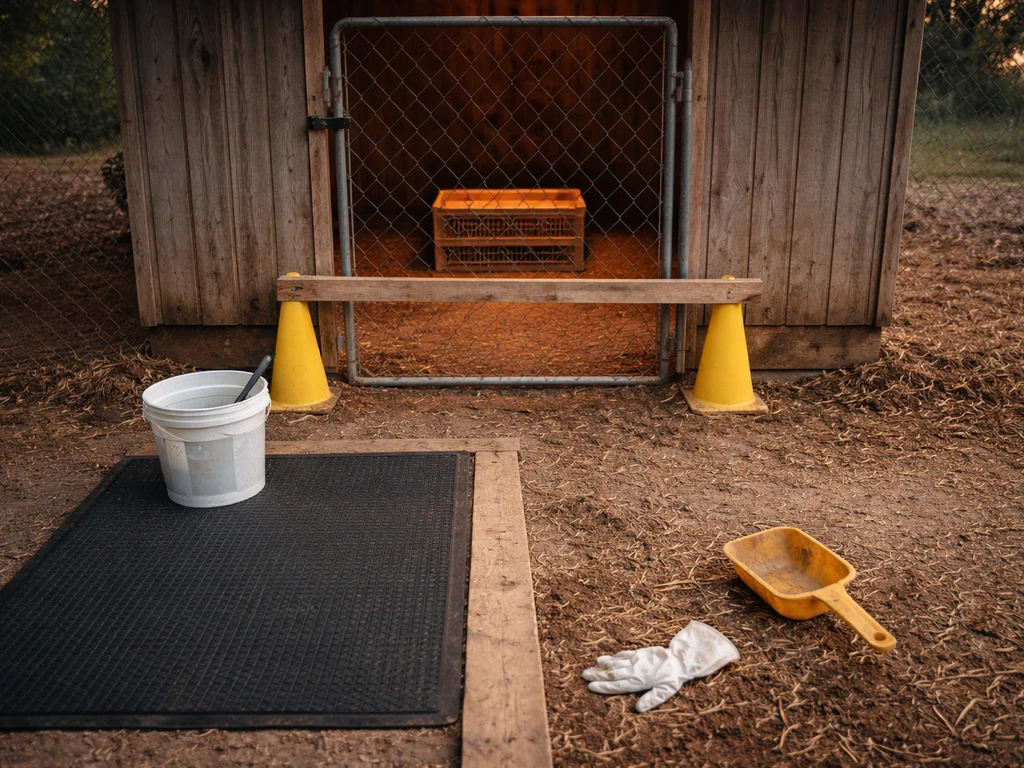
If you're seeing unexplained deaths or sudden severe illness in your flock, don't wait to see if things improve. Speed is everything with HPAI. Here's the order of operations:
- Stop all movement immediately: Do not move birds in or out of your property. Do not sell, give away, or transport any birds, eggs, or equipment until you have guidance from a vet or animal health official.
- Isolate sick and dead birds: Keep affected birds away from healthy ones as best you can. Do not handle dead birds with bare hands. Use gloves and wash thoroughly afterward.
- Call your state veterinarian or USDA APHIS: In the U.S., you can reach the USDA APHIS emergency line at 1-866-536-7593. Your state department of agriculture also has a reportable disease hotline. HPAI is a federally reportable disease, meaning you are legally required to report suspected cases.
- Avoid spreading contamination off your property: Change footwear and clothing before leaving, and do not let visitors enter your bird areas. Equipment, vehicles, and even wild birds can carry the virus between properties.
- Document what you're seeing: Note the number of dead and sick birds, when symptoms started, and any recent changes like new birds arriving or wild bird contact. This information helps investigators move faster.
- Keep children and pets away from affected birds: This is about limiting exposure while the situation is assessed.
A licensed veterinarian or state animal health official will arrange for samples to be collected and sent to a National Animal Health Laboratory Network (NAHLN) lab for testing. Results for a presumptive positive can come back within 24 hours. You should not attempt to treat birds yourself or wait this out. There is no approved antiviral treatment for HPAI in poultry, and the window for containing spread is narrow.
Protecting your flock from avian influenza
Biosecurity is the single most effective tool you have against bird flu. There is no approved HPAI vaccine currently available for commercial use in the U.S. (as of April 2026, research and limited field trials are ongoing), so prevention comes down to management practices. The good news is that most of these steps are practical and don't require significant investment.
Core biosecurity practices for backyard and small-scale flocks
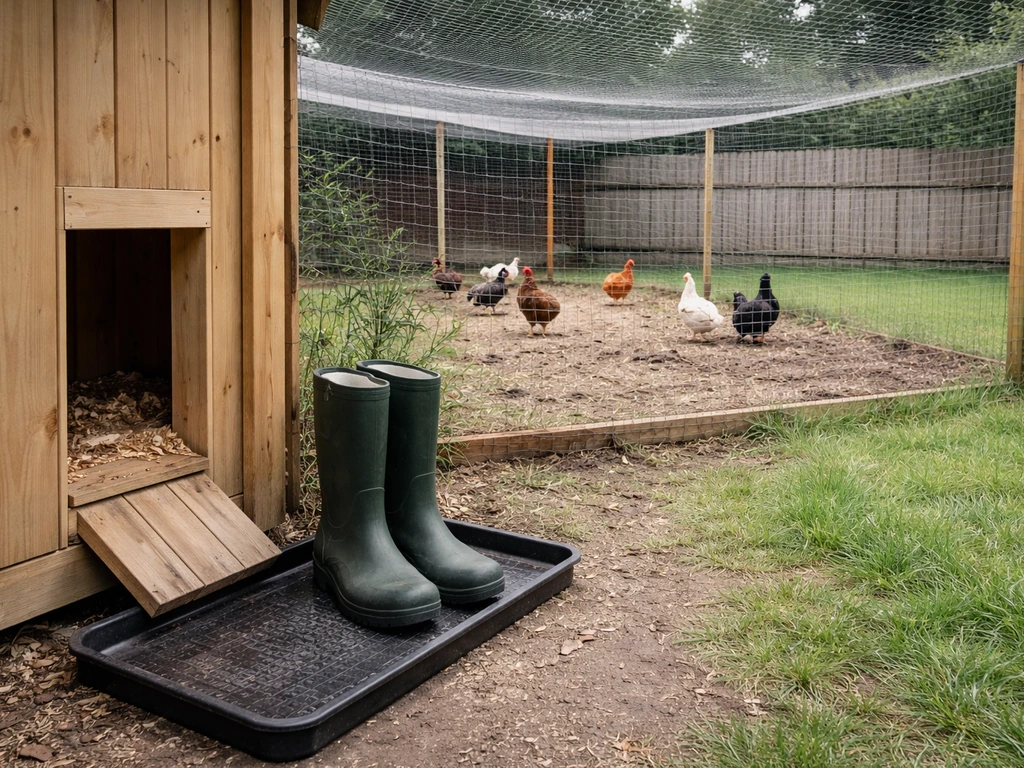
- Keep birds housed or netted away from wild birds, especially waterfowl like ducks and geese, which are the primary reservoir for HPAI viruses
- Use a dedicated pair of shoes and clothing only worn in the bird area, and wash hands before and after contact with birds
- Do not share equipment, feeders, or waterers between flocks or borrow them from other bird owners without thorough disinfection
- Quarantine new birds for at least 30 days before introducing them to an existing flock
- Keep feed and water covered to avoid attracting wild birds
- Avoid visiting other poultry operations, poultry swaps, or live bird markets during active outbreak periods, and if you do, shower and change clothes before returning to your birds
- Rodent-proof your coop: mice and rats can carry contaminated material into housing
One practical question that comes up a lot during active outbreaks: should you keep your chickens confined indoors? A good general rule is that during periods of elevated risk, confining your flock can lower their chance of coming into contact with virus-carrying wild birds should i keep my chickens in because of bird flu. During periods of elevated HPAI risk or active outbreak in your region, housing your flock is strongly recommended. Wild waterfowl shed the virus in feces and respiratory secretions, and free-ranging birds that share ground or water sources with wild birds are at significantly higher risk. It's one of those biosecurity calls that feels restrictive but genuinely reduces exposure.
Human health and food safety during bird flu outbreaks
For most people reading this, the relevant human health question is: am I at risk from my chickens, or from eating eggs and poultry? The answer to both is nuanced but ultimately reassuring for the general public.
Human infections with HPAI H5N1 are rare and typically occur only after direct, close contact with infected birds or heavily contaminated environments. Casual exposure to a backyard flock or commercial poultry is not considered a meaningful risk pathway for most people. That said, anyone who handles sick or dead birds should use basic precautions: gloves, eye protection if there's a risk of splashing, and thorough handwashing with soap and water. If you develop fever, respiratory symptoms, or conjunctivitis (eye redness) within 10 days of handling sick or dead poultry, contact your healthcare provider and mention the exposure.
On the food safety side, properly cooked chicken and eggs remain safe to eat. Cooking poultry to an internal temperature of 165 degrees Fahrenheit (74 degrees Celsius) kills avian influenza viruses. Eggs should be cooked until both the yolk and white are firm. The USDA, CDC, and WHO all maintain that the commercial poultry supply in the United States is safe, both because of rigorous flock surveillance and because cooking eliminates the virus. There is no evidence that anyone has contracted bird flu from eating properly cooked poultry or eggs.
| Risk factor | General public risk level | What to do |
|---|---|---|
| Eating cooked chicken or eggs | Negligible | Cook poultry to 165°F, eggs until yolk and white are firm |
| Handling healthy backyard flock | Very low | Normal handwashing is sufficient |
| Handling sick or dead birds | Low to moderate | Use gloves and eye protection, wash hands thoroughly |
| Direct exposure to confirmed HPAI flock | Moderate (occupational) | Follow USDA/CDC PPE guidance, monitor for symptoms for 10 days |
| Contact with wild waterfowl | Low | Avoid handling sick or dead wild birds; report to wildlife authorities |
The bottom line on human risk is that the people most at risk are those with prolonged, direct exposure to infected birds, primarily poultry workers and responders during culling operations. For backyard flock keepers, the risk is real but manageable with sensible precautions. The greater concern for most small flock owners is protecting their birds, not themselves.
Quick reference: HPAI vs. LPAI at a glance
| Feature | HPAI (e.g., H5N1) | LPAI |
|---|---|---|
| Mortality in chickens | 90–100% in affected flocks | Low; most birds survive |
| Speed of progression | Can kill within 24–48 hours of signs | Slower, milder course |
| Key symptoms | Sudden death, neurological signs, swollen head, cyanosis | Mild respiratory signs, egg production drop |
| Regulatory response | Mandatory flock depopulation | Monitoring, possible restrictions |
| Human health risk | Low but present with direct exposure | Very low |
| Current outbreak concern (U.S., 2026) | Yes, active surveillance ongoing | Endemic, lower concern |
If you're watching your flock right now and something feels wrong, trust that instinct and make the call to your state vet or USDA. If you need the after-hours/weekend Foreign Animal Disease Hotline number, USDA APHIS lists 866-536-7593. The worst-case scenario of reporting a false alarm is a few hours of inconvenience. The worst-case scenario of not reporting a real HPAI outbreak is losing your entire flock and potentially contributing to spread in your area. The math on that decision is pretty clear.
FAQ
If my chickens suddenly die, does that automatically mean bird flu killed them?
No. Other diseases can cause rapid death and look similar early on, so the only reliable answer comes from lab testing of collected samples (swabs and tissue from affected birds). If you cannot rule out other causes right away, treat it as a potential HPAI event and report promptly.
How quickly can HPAI spread through a backyard flock?
HPAI can escalate very fast, sometimes with only a short period between the first noticeable problems and widespread deaths. That is why you should isolate any sick-looking birds immediately and contact your state vet the moment you see a cluster of sudden deaths without an obvious cause.
Can low pathogenic avian influenza (LPAI) kill chickens like HPAI does?
LPAI can make birds sick, but outright death is uncommon compared with highly pathogenic strains. In practice, you still need testing if mortality is high or the illness pattern is unusual, because fast kill events raise concern for HPAI.
What should I do with dead birds before testing or a vet visit?
Do not compost, dump, or drag carcasses around the yard. Use gloves, place the birds in sealed bags or leak-proof containers, keep them cool if possible, and call your state vet or animal health official for instructions on sample collection and transport.
Is it safe to euthanize sick birds at home if I suspect HPAI?
Follow your local guidance. In many regions, authorities will require an official response once HPAI is suspected or confirmed, including specific handling and sample procedures, so DIY euthanasia can interfere with containment and testing.
Should I stop feeding, watering, or cleaning the coop immediately?
Do not keep moving between coops or sharing equipment. Continue basic care only if instructed by officials, but prioritize biosecurity steps like restricting access, keeping birds confined (if advised), and sanitizing tools after use. Avoid washing manure or contaminated water into shared drains where it can spread contamination.
Can humans bring bird flu into my flock on clothing or shoes?
Yes, that is a common pathway. If you visit other farms, poultry shows, or areas with wild birds, change clothes and wash hands before entering your chicken area, and consider using dedicated footwear for your flock area.
Should I keep chickens outdoors if bird flu is in my region?
During periods of elevated risk or active detections nearby, confining birds and reducing contact with wild birds is strongly recommended. Focus on preventing access to shared water and ground where wild waterfowl may have shed virus.
Do I need to test my chickens every time I see egg production drop?
Not every dip in laying equals bird flu. Egg production changes can come from many non-infectious issues or milder infections. Testing becomes urgent when you see sudden deaths, severe respiratory signs, neurologic symptoms, or a rapid deterioration pattern.
If authorities confirm HPAI, will all birds have to be culled?
Often, yes. For confirmed HPAI, depopulation of the entire flock is commonly required to stop spread, even if some birds seem outwardly healthy. The exact rules vary by jurisdiction, so rely on instructions from state animal health officials.
Does cooking chicken or eggs make bird flu risk go away completely?
Proper cooking eliminates avian influenza viruses for food safety purposes, but handling raw products still matters. Use safe food handling practices, wash hands and surfaces after handling raw poultry or cracking eggs, and avoid cross-contamination with ready-to-eat foods.
What symptoms in me should make me worry after handling a sick or dead bird?
Be alert for fever, respiratory symptoms, and conjunctivitis (red eye), particularly within about 10 days of exposure. If those symptoms occur, contact a healthcare provider and mention direct contact with sick or dead poultry.
Is there a vaccine I can use to protect chickens during an outbreak?
In the U.S., there is no broadly available HPAI vaccine for commercial flock use as of the timeframe discussed, so prevention relies on biosecurity and management. If you hear about vaccination options, confirm with your veterinarian whether it is authorized for your situation.