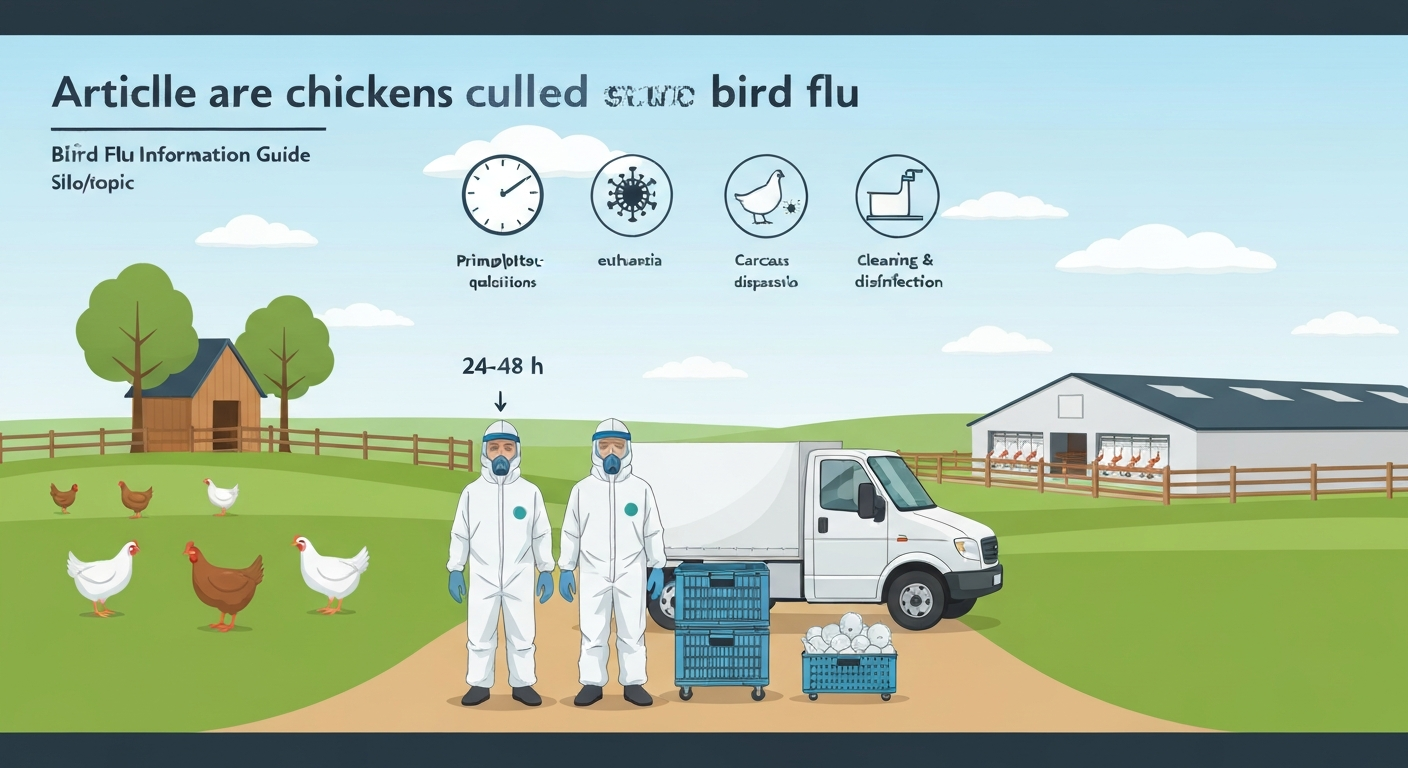
Yes, Canada has bird flu right now. As of May 2026, the Canadian Food Inspection Agency (CFIA) is actively responding to avian influenza detections in domestic birds across multiple provinces, with Primary Control Zones (PCZs) in place where the disease has been confirmed. In wild birds, detections are ongoing as well. On the human side, Canada's total confirmed human cases sit at just 2 since 2003, with the most recent confirmed case in November 2024. For the vast majority of people in Canada, the personal risk remains low.
Does Canada Have Bird Flu Now? Human and Bird Cases

Maya Chen
16 May 2026

Human vs bird cases: what the numbers actually mean

When news reports say 'Canada has bird flu,' they're almost always talking about detections in birds or poultry, not infections in people. These are two very different things, and it's worth separating them clearly.
Bird flu in Canada refers to avian influenza circulating in flocks of domestic poultry (chickens, turkeys, ducks) and in wild bird populations. The CFIA tracks this through a system of Primary Control Zones, which are geographic areas established when the disease is confirmed at a premises. The number of active PCZs changes regularly as new detections are confirmed and old ones are resolved. These detections are counted per premises or zone, not per individual bird, so a single PCZ entry can represent thousands of affected animals.
Human cases are tracked separately by the Public Health Agency of Canada (PHAC) and reported internationally to the WHO. According to WHO data through March 31, 2026, Canada has recorded a cumulative total of 2 confirmed human H5N1 cases since 2003, with 1 death. The most recent confirmed human case was reported on November 13, 2024. There is currently no evidence of the virus spreading between people in Canada.
The distinction matters because people often hear 'cases are rising' and assume that means human infections. In practice, a spike in Canadian bird flu 'cases' almost always means more poultry premises have been affected, not that more people are getting sick.
Current status and where to check today
The situation in Canada changes frequently, especially during active outbreak periods, so it's worth knowing exactly where to look for the most current picture. These are the two most reliable official sources to bookmark:
- CFIA's 'Latest bird flu situation' page: This is the federal hub for ongoing response in domestic birds and poultry. It tells you whether CFIA is actively responding to detections, which provinces are affected, and the status of control zones.
- CFIA's 'Detections of avian influenza in Canada' page: This lists the actual Primary Control Zones with dates and province labels, giving you a near-real-time breakdown of where detections are occurring.
- PHAC's 'Avian influenza A(H5N1): Canada's response' page: This is the human health side. It covers confirmed human cases, current risk assessment, and what PHAC is monitoring.
- CFIA/ECCC Avian Influenza Dashboard (hosted on ArcGIS): This interactive map tracks HPAI detections in wild birds and other wildlife across Canada, which is especially useful if you're near migratory bird habitat.
Avian influenza is a federally reportable disease in Canada for all animal species, which means every confirmed detection must be reported to the CFIA. That's actually good news for transparency: the data is systematically collected and publicly posted, rather than being pieced together from voluntary reports.
How many human cases has Canada had?

Canada has had 2 confirmed human cases of H5N1 avian influenza in total, covering the period from 2003 through March 2026, according to WHO cumulative data. One of those cases resulted in death. The second confirmed case was announced by PHAC on November 13, 2024. At the time, PHAC was clear that the risk to the general public remained low and that there was no evidence of human-to-human spread.
It's also worth noting that PHAC has confirmed no cases of H5N1 have been detected in dairy cows in Canada, which distinguishes Canada's situation from what played out in the United States in 2024 and 2025, where dairy herd infections became a significant driver of human exposure risk.
Human infections in North America are almost always the result of sustained, close, unprotected contact with infected live or dead birds or contaminated poultry facilities. Some of the same factors, like how outbreaks move through poultry and how vaccination is evaluated for feasibility and risk, help explain why the US has not broadly vaccinated chickens against bird flu. Casual contact, such as being near a backyard with birds or walking through a park where wild birds are present, does not represent meaningful risk for most people.
How many bird and poultry outbreaks are there in Canada?
This number fluctuates, sometimes significantly, depending on the season and how actively migratory birds are moving through Canada. The CFIA's PCZ list is the most granular public record of active detections. Each Primary Control Zone entry corresponds to a premises where the disease was detected, and the zones include province identifiers and creation dates so you can track how the situation is evolving.
Avian influenza comes in two broad categories: low pathogenic avian influenza (LPAI) and highly pathogenic avian influenza (HPAI). HPAI is the more serious type, particularly H5N1, which causes high mortality in poultry flocks and is the strain monitored most closely for human health implications. Some countries also use vaccination programs for poultry to help reduce bird flu outbreaks in flocks such as chickens. Both types are reportable under Canadian federal rules.
For wild bird detections specifically, the CFIA/ECCC dashboard mentioned above gives a geographic view of HPAI in wildlife. Wild bird detections don't get listed as PCZs the same way poultry premises do, so if you're concerned about a specific area near wetlands or migratory routes, that dashboard is the right tool to use.
Canada has culled large numbers of birds at affected premises in response to outbreaks, which is the standard approach used across North America. If you're curious about the scale of that response and how it compares historically, the culling data is tracked alongside the detection records on the CFIA site.
What's the actual risk to you?
For most people living in Canada, the risk of getting bird flu is genuinely low. PHAC says this clearly and repeatedly: the risk of H5N1 infection to most people remains low, and there is no current evidence of the virus spreading among humans in Canada. PHAC provides specific handling guidance for potentially infected animals, including disposal of potentially contaminated disposable materials and infection-prevention measures. Reports about other countries' bird flu responses, including Mexico's actions affecting poultry, can help explain where the virus has been detected and how officials respond. That assessment is consistent with the fact that only 2 human cases have been confirmed in Canada over more than two decades of surveillance.
That said, risk is not equal across all groups. Some people have meaningfully higher exposure than the average Canadian:
- Poultry farmers and agricultural workers who have direct, repeated contact with birds at affected or potentially affected premises
- Veterinarians and CFIA inspectors working in outbreak response zones
- Wildlife rehabilitators and researchers handling wild birds
- Hunters who handle harvested waterfowl, particularly during active HPAI detection periods
- Anyone who has had unprotected, close contact with visibly sick or dead birds
If you fall into any of those categories, PHAC recommends self-monitoring for symptoms following potential exposure, and your provincial health authority may conduct a local risk assessment. Virus transmission happens when it gets into the mouth, nose, or eyes, typically through contact with infected birds, their secretions, feces, or contaminated surfaces.
What to do if you find a sick or dead bird
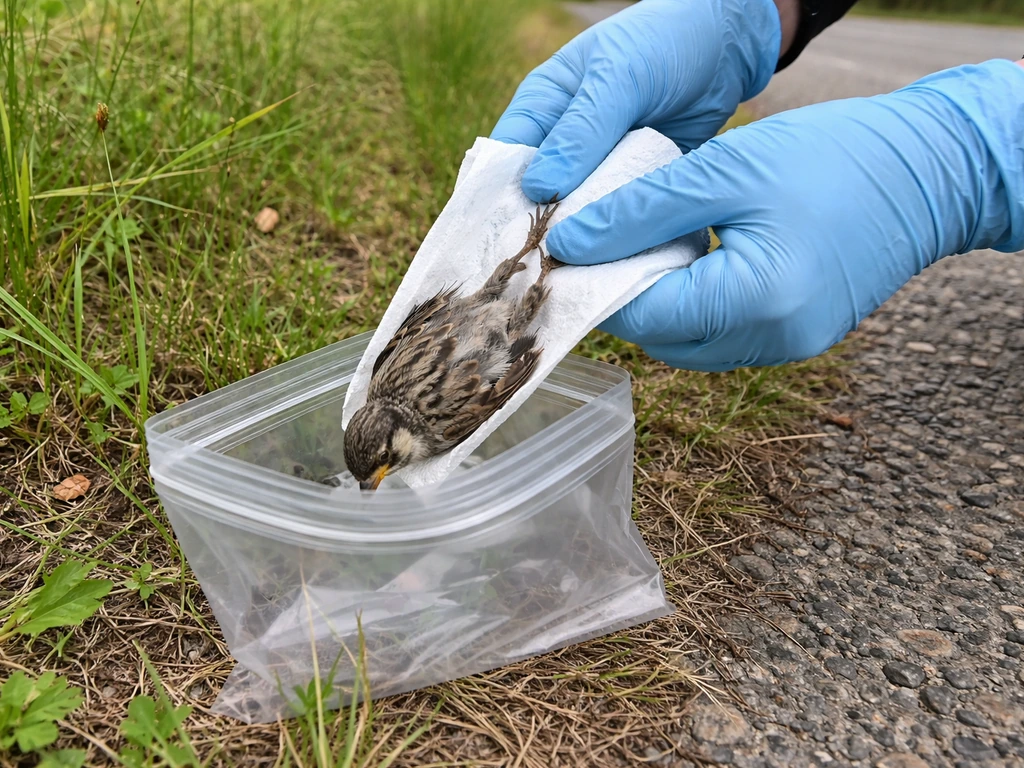
Finding a dead bird doesn't mean you're at risk, but it's worth handling the situation correctly. Here's the practical guidance from CFIA and Environment and Climate Change Canada (ECCC):
- Do not touch the bird with bare hands. If you must handle it, wear gloves or use a doubled plastic bag turned inside-out over your hand.
- Avoid contact with blood, body fluids, or feces.
- After any handling, wash your hands thoroughly with soap and warm water, or use hand sanitizer if soap isn't available.
- Report sick or dead wild birds to your provincial or territorial wildlife authority or to the Canadian Wildlife Health Cooperative (CWHC). The CFIA's 'Report a sick bird' page has direct links to the right contacts by region.
- If you find sick or dead birds on a poultry premises, report immediately to CFIA and your provincial Chief Veterinarian. In BC for example, both CFIA notification and provincial reporting are required by law.
- Dispose of any gloves or materials that contacted the bird carefully, following PHAC's guidance on disposing of contaminated disposable materials.
If you work with poultry or have had unprotected exposure to sick birds and then develop flu-like symptoms (fever, cough, difficulty breathing, conjunctivitis), contact your provincial health authority or call 811. Mention the exposure so health workers can assess the situation properly.
Putting it all in perspective
Canada's bird flu situation is real and ongoing in the animal population, but the human health picture remains very different from what that might suggest at first glance. Two confirmed human cases in over 20 years, no evidence of human-to-human spread, and a federal surveillance and response system that is actively tracking and containing outbreaks in birds: that's the accurate summary as of May 2026.
The right move isn't panic, it's staying informed through the CFIA and PHAC pages listed above, taking basic precautions around sick or dead birds, and knowing who to call if something concerns you. You might be wondering about Mexico specifically, and the short answer is that country-by-country surveillance and reporting matter as much as the presence of the virus in birds Mexico bird flu.
Researchers are also exploring gene editing approaches that could help make chickens resistant to bird flu gene editing can make chickens resistant to bird flu.
FAQ
When I hear “bird flu is in Canada,” does that mean humans are infected too?
The “Canada has bird flu” headline usually refers to confirmed avian influenza detections in birds or poultry premises, not human infections. To check the human picture, you need the Public Health Agency of Canada (PHAC) updates, not the CFIA poultry outbreak alerts.
Why do bird flu “case counts” look high in Canada if the human risk is low?
“Cases” for birds are typically counted by affected premises or zones, so one confirmed detection can represent many birds. That means you cannot compare the number of poultry “cases” directly to the number of human infections when judging risk.
Can I catch bird flu from someone else in Canada?
No. The article notes PHAC has confirmed no evidence of virus spreading between people in Canada. If you are concerned about exposure, focus on close, unprotected contact with sick or dead birds, their secretions, or potentially contaminated environments.
What should I do if I had contact with a dead or sick bird and then get flu-like symptoms?
If you handle sick or dead birds (or have unprotected exposure to them) and develop fever, cough, breathing difficulty, or conjunctivitis, you should contact your provincial health authority or call 811 and explicitly describe the bird exposure so clinicians can assess appropriately.
Is it risky to be around wild birds outdoors in Canada?
Casual contact is generally not considered a meaningful risk. Examples include walking in parks or being near wild birds where there is no direct, unprotected handling of sick or dead animals, and no exposure to bird secretions or feces.
Who in Canada has higher exposure risk than the general public?
The risk guidance differs by job and exposure, so “at higher risk” is not just about where you live. People with ongoing close exposure, such as certain workers around poultry or individuals with unprotected exposure events, may be advised to self-monitor and get a local risk assessment.
Has bird flu been detected in dairy cows in Canada?
Dairy cows are specifically mentioned as a point of comparison, and the article states PHAC has confirmed no H5N1 detections in Canadian dairy cows. That difference affects how clinicians and public health officials think about human exposure routes.
Does culling of birds affect human risk, and where can I see how much was culled?
Culling is a standard response to outbreaks and is tracked alongside detection data, but it is separate from human health surveillance. If you want outbreak scale and activity in animals, look at the CFIA records and related response information.
If I’m worried about bird flu near my local wetlands, should I check PCZ zones or a wild-bird map?
PCZ listings are meant for confirmed poultry premises. Wild bird detections are presented differently and are better checked via the CFIA and Environment and Climate Change Canada (ECCC) wildlife dashboard mentioned in the article.
Does it matter whether it’s low pathogenic or highly pathogenic bird flu in Canada?
Canada tracks low pathogenic and highly pathogenic avian influenza, with highly pathogenic types (especially H5N1) monitored closely for human implications. Risk messaging for people is tied to the specific strain and the evidence of transmission potential, not just “bird flu” in general.
Next Article
How Are Chickens Culled Bird Flu: Methods, Reasons & Steps
How are chickens culled during bird flu: why it’s done, humane methods, disposal, biosecurity, and next steps