Bird flu can devastate a chicken flock with alarming speed. In its most severe form, high pathogenicity avian influenza (HPAI), chickens can go from apparently healthy to dead within 24 to 48 hours, sometimes with no visible warning signs at all. In milder low pathogenicity strains, you might just notice a dip in egg production or some sneezing and lethargy before things resolve on their own. The difference between those two outcomes is enormous, so understanding which type you're dealing with, what the disease actually does inside the bird, and what you should do next matters a great deal.
What Bird Flu Does to Chickens: Symptoms, Spread, and What to Do

Maya Chen
3 May 2026
How bird flu infects chickens (and why they're so vulnerable)
Avian influenza viruses are influenza A viruses that have evolved primarily to infect birds. Chickens are particularly susceptible because their respiratory and digestive tracts carry receptors that these viruses bind to efficiently. Wild waterfowl, especially ducks and geese, often carry the virus without getting seriously sick and shed it in their feces, saliva, and nasal secretions. When that material reaches chickens, either through direct contact, contaminated water, shared equipment, or even wind-blown dust and litter, infection can take hold quickly.
It's worth clearing something up: bird flu doesn't only affect chickens. It infects a wide range of birds and has also crossed into mammals, including dairy cattle, sea lions, and occasionally humans. Chickens just happen to be both highly susceptible and kept in large concentrations, which is why outbreaks in poultry make headlines. The virus enters a bird through its eyes, nose, or mouth, replicates in the respiratory and digestive tracts, and in HPAI strains, spreads systemically to organs throughout the body.
The flock-level incubation period for HPAI is recognized by the World Organisation for Animal Health (WOAH) as up to 14 days. That means a flock can be exposed and infected without showing any signs for up to two weeks, which is one reason outbreaks can spread before anyone realizes there's a problem. The virus persists in the environment too: H5N1 has been shown to survive in poultry feces for up to 5 days at room temperature (around 24°C) and for up to 8 weeks when temperatures drop to around 4°C. That environmental persistence is a big part of why biosecurity matters so much.
Clinical signs and what happens inside the flock
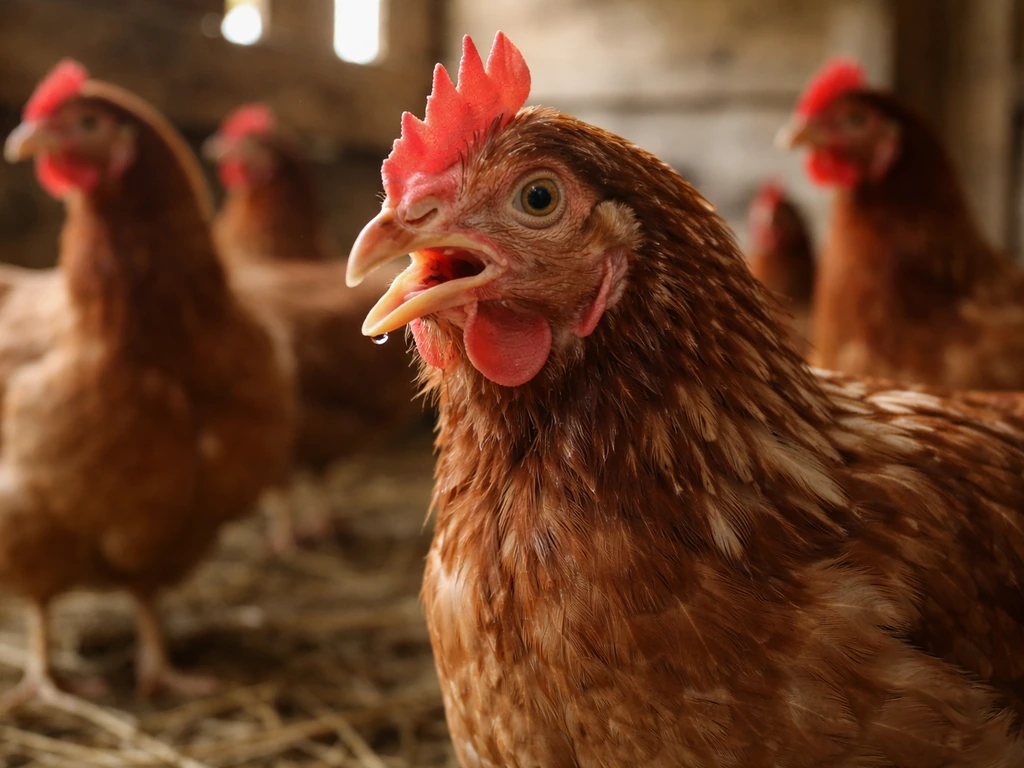
The clinical picture depends heavily on whether you're dealing with a low pathogenicity avian influenza (LPAI) or high pathogenicity avian influenza (HPAI) strain. LPAI typically causes mild disease: some sneezing, nasal discharge, watery eyes, reduced feed and water intake, and a dip in egg production. Death rates are usually low. Most backyard and commercial flocks recover, though production losses can still be economically significant.
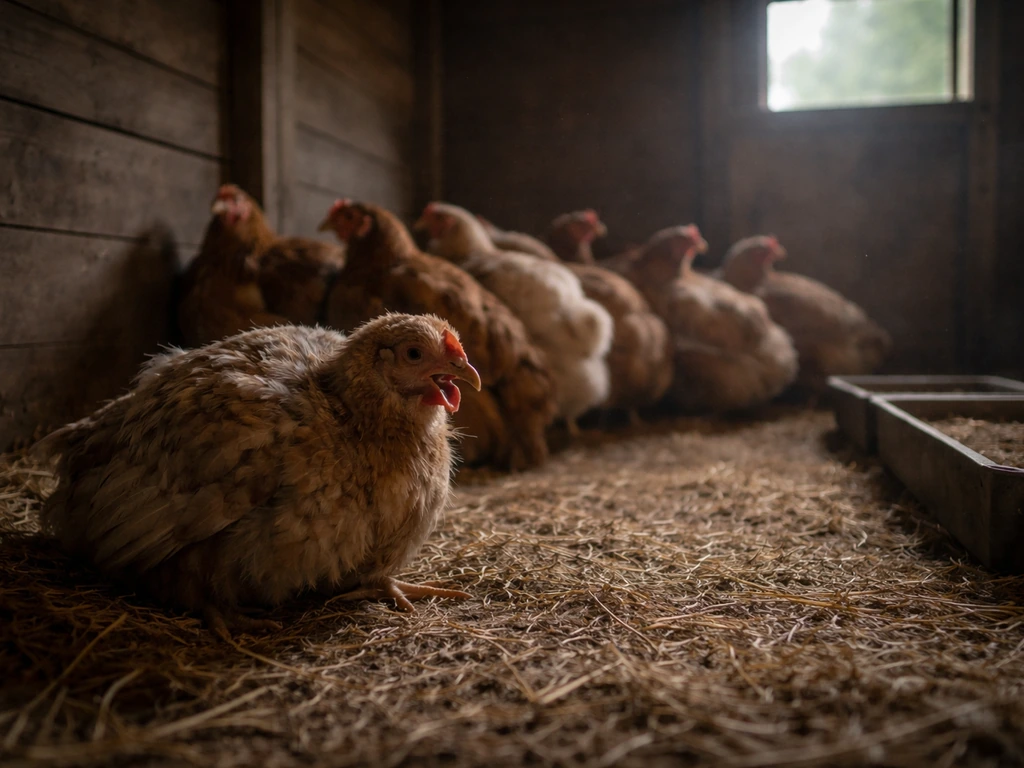
HPAI is a completely different story. The virus attacks multiple organ systems at once. You'll often see swelling of the head, neck, and eyelids, along with purple-blue discoloration of the comb and wattles caused by poor circulation. Chickens may show neurological signs like loss of coordination, tremors, or an inability to hold their heads upright. Diarrhea is common, and birds often become extremely lethargic, sitting hunched with ruffled feathers. In some cases, birds die so quickly that the flock appears fine in the morning and multiple birds are dead by afternoon.
- Sudden, unexplained death with no prior signs
- Swollen head, comb, wattles, and eyelids
- Purple or blue discoloration of the comb and wattles
- Neurological signs: twisted neck, circling, tremors, loss of balance
- Watery or bloody diarrhea
- Severe lethargy and loss of appetite
- Nasal discharge and labored breathing
- Sharp drop in egg production and abnormal eggs
Short-term impacts on egg production and behavior
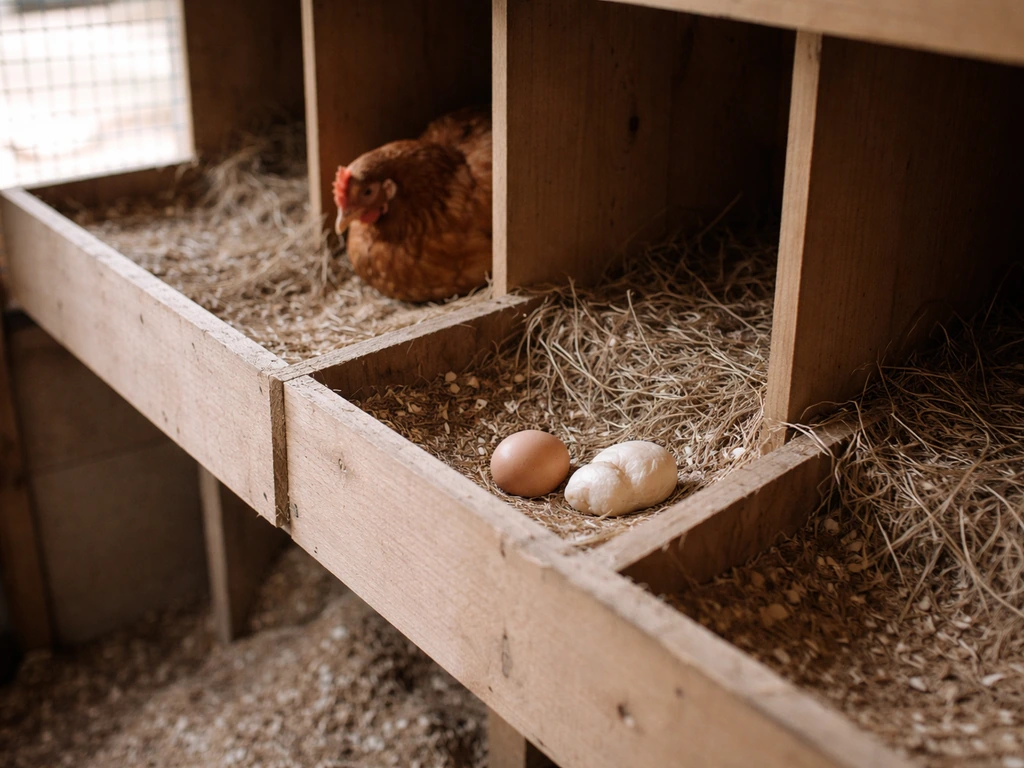
Even before birds start dying, a flock under stress from avian influenza often signals something is wrong through changes in egg production. One of the earliest signs producers notice is a sudden, unexplained drop in the number of eggs laid. The eggs themselves may also change: soft-shelled, thin-shelled, or misshapen eggs are a recognized sign flagged by USDA APHIS. This happens because the virus disrupts the reproductive system, interfering with the hormonal and physiological processes that control egg formation.
Behaviorally, infected chickens tend to become quieter and less active. They may cluster together or stand apart from the rest of the flock. Feed and water consumption drops noticeably. If you're checking your flock daily, which you really should be, these subtle behavioral shifts are often the first red flag, appearing a day or two before more obvious physical symptoms show up. Don't dismiss a flock that seems "off" but hasn't started dying yet.
Mortality and severity: what to expect in an outbreak
With HPAI, mortality rates in unvaccinated domestic chicken flocks can reach close to 100% within a few days of the first signs appearing. This is not an exaggeration. The pathogenicity difference between LPAI and HPAI is one of the starkest in veterinary medicine. LPAI strains typically cause low death losses, and the flock often recovers with supportive care. HPAI strains, particularly H5N1 and H5N2 subtypes that have driven major outbreaks in the US and globally, are catastrophic for chickens in a way that very few other poultry diseases are.
Because the mortality can be so extreme and so fast with HPAI, and because the virus spreads easily between birds through respiratory secretions and feces, the standard response from animal health authorities when HPAI is confirmed is depopulation of the affected flock. This is a difficult reality, but it's done to stop the virus from spreading further. Because stopping bird flu from spreading fast often involves culling infected flocks, authorities may act quickly once HPAI is suspected or confirmed how are chickens culled bird flu. Because HPAI spreads so rapidly, controlling it often involves culling infected birds, so you may hear questions like do cows with bird flu have to be killed stop the virus from spreading further. If you're wondering why that decision gets made so quickly, it comes down to how rapidly this disease moves through a flock and how devastating spread to neighboring farms can be.
| Factor | Low Pathogenicity AI (LPAI) | High Pathogenicity AI (HPAI) |
|---|---|---|
| Typical mortality rate | Low (usually under 5%) | Can approach 100% in chickens |
| Speed of death | Gradual decline over days to weeks | Can be sudden, within 24-48 hours |
| Egg production impact | Moderate drop | Severe or complete cessation |
| Systemic disease | Mainly respiratory/digestive | Multi-organ failure |
| Neurological signs | Rare | Common |
| Regulatory response | Monitoring and movement controls | Mandatory depopulation |
How to tell it from other chicken illnesses
The symptoms of avian influenza, especially HPAI, can overlap with several other serious poultry diseases. Newcastle disease causes many of the same neurological signs and respiratory symptoms. Infectious laryngotracheitis (ILT) causes severe respiratory distress. Marek's disease produces neurological symptoms. Egg drop syndrome causes exactly the kind of production disruption that LPAI does. None of these can be reliably distinguished from avian influenza based on clinical signs alone. That's the honest truth, and it's why laboratory testing is essential.
The combination of signs that should immediately raise suspicion for HPAI specifically is: rapid and high mortality with minimal warning, swelling and discoloration of the head and face, neurological symptoms, and a sudden egg production crash, especially if wild birds have had access to the area or there are known outbreaks nearby. Any one of those things alone might point elsewhere. Multiple signs together in a flock with potential wild bird exposure should be treated as a suspected HPAI case until testing proves otherwise.
Here's a practical way to think about it: if birds are dying fast and you can't explain it, don't wait to see what happens next. The cost of being wrong about Newcastle disease versus HPAI and waiting a day or two is potentially your entire flock and your neighbor's flock. Report first, confirm later.
Next steps: reporting, biosecurity, and protecting your other birds (and yourself)
What to do immediately if you suspect bird flu
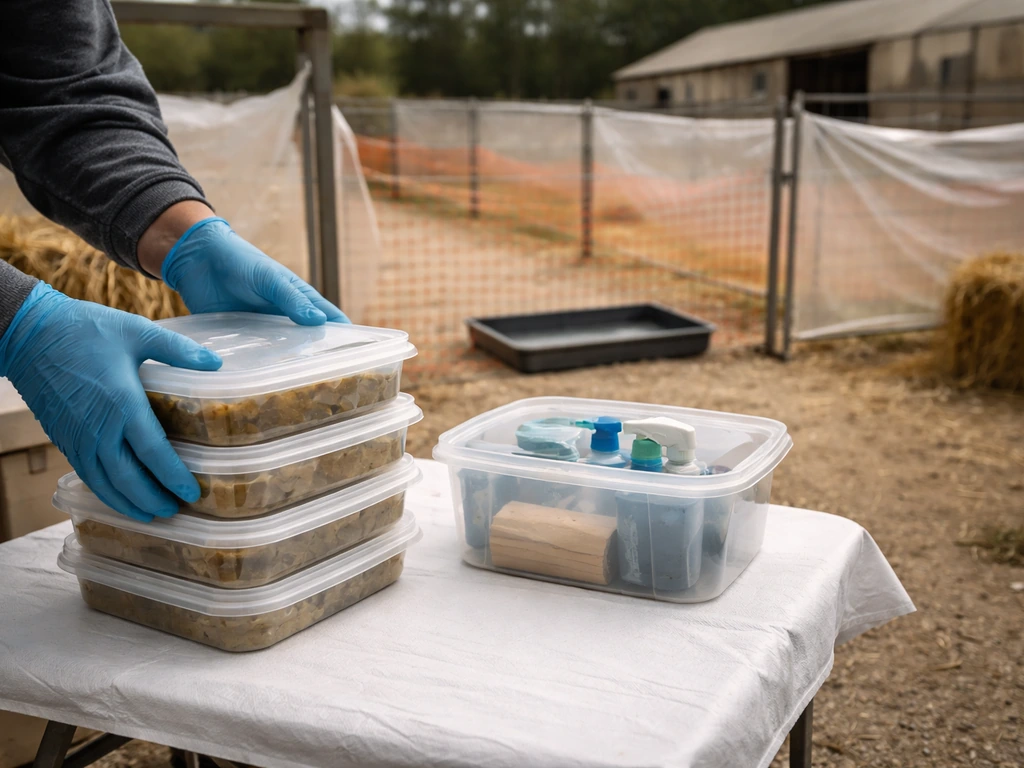
- Stop all movement of birds, equipment, litter, and eggs off your property immediately.
- Isolate the affected birds from the rest of your flock if you can do so safely without creating additional exposure.
- Do not try to move or sell sick birds.
- Contact your state veterinarian or USDA APHIS (1-866-536-7593 in the US) right away. Reporting suspected HPAI is legally required and gets you official testing and support.
- Keep detailed records of which birds are sick, when symptoms started, how many have died, and any recent visitors or deliveries to your property.
- If you keep records of egg production, note when the drop started.
Biosecurity steps to limit spread
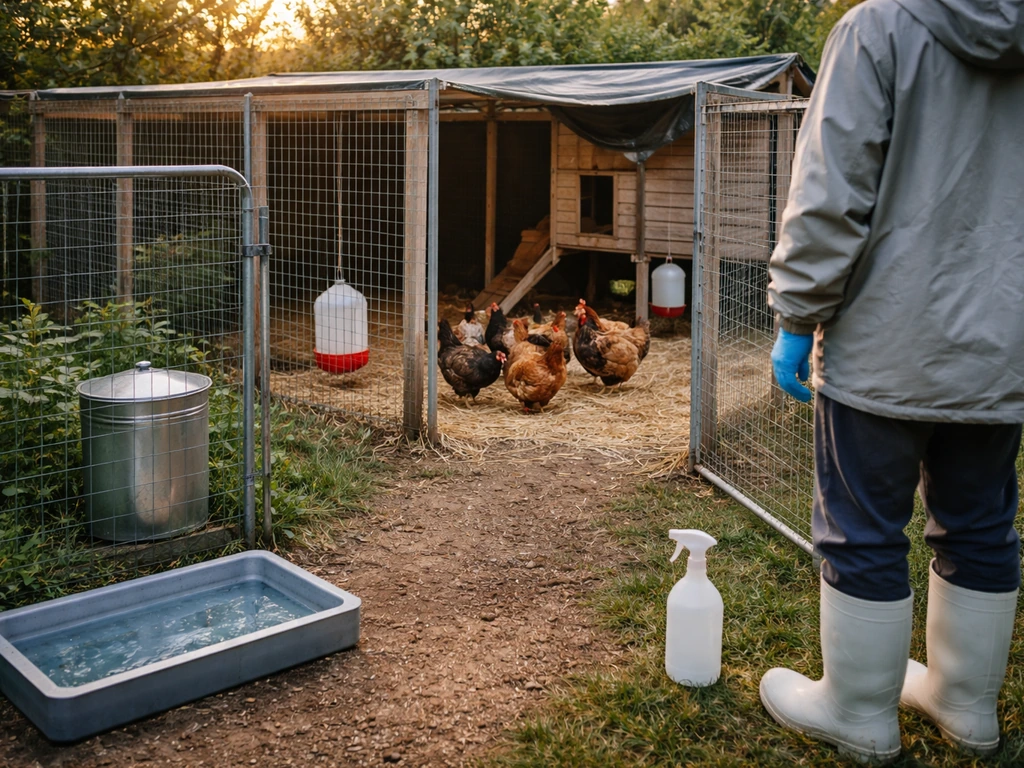
While you wait for official guidance, there are practical steps you can take to slow potential spread. If you’re wondering should I keep my chickens in because of bird flu, limiting contact with wild birds is one of the most important ways to reduce risk while you wait for official guidance keep my chickens inside because of bird flu. Change your clothes and disinfect your footwear before and after entering any bird area. Don't share equipment between different areas of your property or with neighboring farms. Keep feed and water in covered containers to prevent wild bird access. Restrict visitors from entering bird housing. Remember that H5N1 can persist in feces and environmental materials for days to weeks depending on temperature, so anything contaminated with fecal material from sick birds should be treated as potentially infectious.
Human health and food safety: what you actually need to know
Human infections from chickens with avian influenza are uncommon, but they have occurred, almost always in people with very close, direct, unprotected contact with sick or dead birds. If you're handling birds you suspect have HPAI, wear gloves, eye protection, and ideally an N95 respirator or better. Wash your hands thoroughly with soap and water after any contact. Avoid touching your face. If you develop fever, respiratory symptoms, or eye irritation within 10 days of contact with sick birds, contact your healthcare provider and mention the bird exposure specifically.
From a food safety standpoint, properly cooked chicken and eggs from commercial supply chains remain safe to eat. Commercial flocks are subject to surveillance and any HPAI-positive flock is removed from the food supply. Cooking poultry to an internal temperature of 165°F (74°C) and eggs until both yolk and white are firm eliminates any influenza virus that could theoretically be present. There's no evidence that people have gotten bird flu from eating properly cooked poultry products.
The most important thing to take away is this: bird flu in chickens is a serious animal health emergency, especially when HPAI is involved. Early reporting, strict biosecurity, and not moving birds or equipment off your property are the actions that matter most in the first hours and days. The disease itself is devastating to flocks, but most of the long-term damage from outbreaks comes from delayed reporting and inadequate containment. If something seems wrong with your birds, trust that instinct and make the call.
FAQ
How do I know if what I’m seeing is bird flu versus something else that also causes neurological symptoms?
Look for the pattern, not any single symptom. Bird flu, especially HPAI, is more suspicious when you have multiple clues together, such as rapid high mortality (minimal warning), facial/head swelling with discoloration, neurological signs, and a sharp egg production crash. If the pattern fits but you still only have a “feels like” diagnosis, assume it could be HPAI and get lab testing, because several other poultry diseases look similar early on.
Can backyard chickens survive HPAI, or is it always fatal?
In unvaccinated domestic chickens, HPAI can be near catastrophic, but “always fatal” isn’t accurate. Individual birds can sometimes live longer, especially if exposure dose is lower or signs are caught very early, but the flock outcome is often severe. Even if some birds look okay, you still need official testing and guidance, because surviving birds can remain a source of virus.
If my flock has a sudden egg drop, does that mean they have bird flu?
Not necessarily. Egg production changes can occur with multiple issues, including stress, other infections, and management problems. Bird flu becomes more likely when egg drop happens alongside respiratory signs, lethargy, and or rapid flock decline, particularly after wild birds had access. Also note that soft-shelled or misshapen eggs raise suspicion, but lab confirmation is still required.
How fast can bird flu spread through a flock after the first bird gets infected?
With HPAI, spread can be extremely fast, and mortality may rise within a few days of the first signs, sometimes with very little warning. Incubation at the flock level can also be up to about two weeks, meaning birds can be infected before you see anything obvious. This is why moving slowly or “waiting to see” can accelerate the problem.
Should I isolate my chickens and stop moving them if I suspect bird flu, even before test results?
Yes. Treat a suspected case as real until testing proves otherwise. Keep birds confined to your property area, stop sharing equipment, limit access to the coop, and do not transport birds to shows, farms, buyers, or shelters. Do not move litter, bedding, feed bins, or tools between flocks, because contaminated materials can carry virus.
Is it safe to keep feeding birds or cleaning coops as usual during a suspected outbreak?
During suspicion of HPAI, change routine to reduce spread. Cover feed and water to prevent wild bird contact, and minimize aerosolizing dust when cleaning, for example avoid dry sweeping. If you need to clean or handle potentially contaminated bedding, do it after you have taken protective steps (gloves, eye protection) and follow official biosecurity guidance for what can be disposed of versus disinfected.
What protective gear should I use when handling chickens that might have HPAI?
At minimum use gloves and eye protection. If you must be in close contact with sick birds or their droppings, use a respirator at least at N95 level if available. Wash hands thoroughly with soap and water afterward, avoid touching your face, and keep children and anyone who is not needed out of the area.
Can I still sell eggs if there’s suspected bird flu on my farm?
Do not distribute eggs or birds off the property until authorities clear you. Even if eggs seem normal, suspected HPAI requires containment steps to prevent spread, and guidance may include temporary suspension of egg movement. If any birds are dying quickly or you see head swelling and a major egg crash, treat it as a reportable emergency rather than a “wait it out” situation.
Does bird flu in chickens affect food safety if I already have eggs or chicken in my kitchen?
For people, properly cooked poultry and eggs from the commercial supply are considered safe, and cooking to an internal temperature of 165°F (74°C) will inactivate influenza virus. However, eggs you collected from a flock you suspect is infected should not be treated as “safe by default.” If you are under official restrictions, follow the state or local instructions for what to do with home-produced eggs and feed remaining from the period of risk.
Why do authorities often depopulate flocks instead of just treating them?
Because HPAI can spread quickly and repeatedly between birds, treatment doesn’t reliably stop transmission. Depopulation removes infected birds and reduces the chance the virus continues to circulate. Authorities may also require additional measures like disinfection and restrictions on movement of people and equipment to protect nearby farms.
Next Article
Does Bird Flu Kill Chickens? What to Know and Do
Yes, avian influenza can kill chickens. Learn signs, typical severity, and immediate steps to protect your flock and rep