
No, a seasonal flu shot does not protect against bird flu. The CDC is direct about this: seasonal flu vaccines are not designed or intended to protect against avian influenza A viruses. They target the human influenza strains expected to circulate each season, not the H5N1 or H7N9 subtypes that occasionally infect people from animals. That said, there is some genuinely interesting science showing partial immune overlap, and getting your annual flu shot still makes sense for other reasons. But if you're worried about bird flu exposure specifically, a flu shot alone is not your answer.
Does the Flu Shot Protect Against Bird Flu?

Maya Chen
22 May 2026
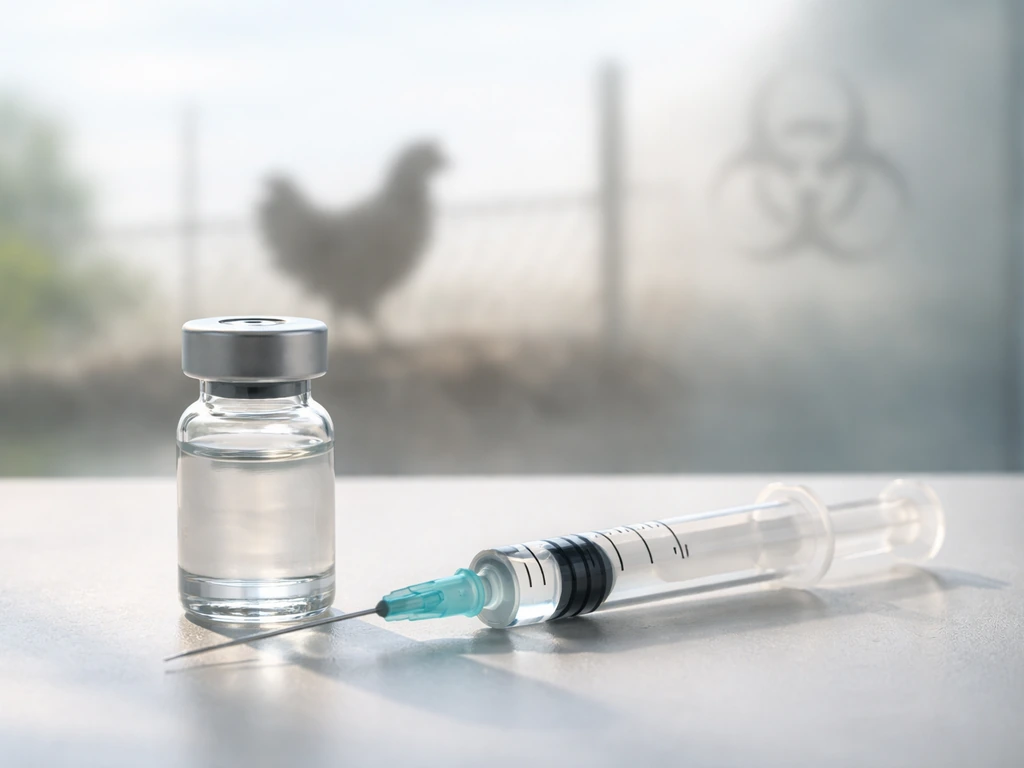
How flu shots work (and what 'flu' they actually target)

Standard flu shots are inactivated (killed) influenza vaccines. They come in egg-based or cell-based versions, and there's also a recombinant option (like Flublok) that skips the egg-based process entirely. The nasal spray version, FluMist, uses a live attenuated virus instead. All of these are built around the same core idea: expose your immune system to specific influenza strains so it can recognize and fight them later.
Every year, the WHO's global surveillance network (GISRS) tracks which influenza viruses are circulating in humans around the world. Based on that data, the WHO recommends a vaccine composition for both the Northern and Southern Hemisphere flu seasons. Modern vaccines are either trivalent (covering three strains: one H1N1, one H3N2, and one influenza B) or quadrivalent (four strains, adding a second B lineage). The 2024-2025 Northern Hemisphere formula, for example, included specific H1N1 and H3N2 components, and dropped the B/Yamagata lineage since it appears to no longer be circulating.
None of those components are avian influenza viruses. The H5N1 clade 2.3.4.4b strain currently causing concern in U.S. dairy cattle and sporadic human cases is a completely different virus from the H1N1 and H3N2 strains in your flu shot. Think of it like this: a vaccine designed for the common cold wouldn't protect you from measles, even though both cause respiratory symptoms. The genetic distance between seasonal flu strains and bird flu strains is real and significant.
What the evidence actually says about flu vaccines vs. bird flu
Here's where it gets more nuanced. Researchers have found some intriguing signs of partial immune overlap between seasonal flu vaccination and bird flu viruses, but the evidence is not strong enough to call it meaningful protection.
On the cellular immunity side, one study published in the CDC's Emerging Infectious Diseases journal found that blank" rel="noopener noreferrer">seasonal influenza vaccination boosted the frequency of H5N1-reactive CD4 T cells in recently vaccinated people. That's a measurable immune response to bird flu antigens, which is interesting. Another human study found transient humoral (antibody-based) protection against H5N1 challenge after seasonal vaccination. And UK research found that a commercially available quadrivalent seasonal vaccine generated cross-reactive neutralizing antibodies against H5N1. These are real findings.
The animal data is a bit stronger. Ferret studies, which are a standard model for influenza research, show that seasonal influenza vaccines confer partial protection against H5N1 clade 2.3.4.4b disease. A systematic review and meta-analysis of ferret challenge studies specifically examined this question. This systematic review and meta-analysis of ferret lethal H5N1 challenge trials is the first quantitative synthesis evaluating how seasonal influenza vaccines perform against lethal H5N1 in ferrets A systematic review and meta-analysis of ferret challenge studies specifically examined this question.. But the researchers themselves are careful to note that what happens in ferrets does not reliably translate to what happens in humans, and the direction and magnitude of cross-protection in people remains unclear.
The honest summary: there may be some background immune priming happening after a flu shot that could theoretically influence how your immune system responds to bird flu exposure. But this is not established protection, it is not the reason you get a flu shot, and you should not treat it as a bird flu prevention strategy. The CDC's position stands.
If you've already been exposed to bird flu, a flu shot won't help

Some people searching for 'does the flu shot help with bird flu' are really asking what to do after a possible exposure. The answer here is clear: vaccination is not a treatment for an active infection, and getting a flu shot after exposure to H5N1 will not protect you. The immune response from a vaccine takes one to two weeks to develop, which is far too slow to matter once you've already been exposed.
What actually matters after a potential bird flu exposure is antiviral medication, specifically oseltamivir (Tamiflu). If you are diagnosed with bird flu or have a high-risk exposure, Tamiflu (oseltamivir) is the antiviral clinicians use because it can work when started promptly. The CDC recommends that anyone who develops bird flu symptoms after exposure be evaluated and treated with oseltamivir as soon as possible. Earlier treatment is associated with better outcomes. For people with documented high-risk exposures who haven't developed symptoms yet, the CDC also supports post-exposure prophylaxis with oseltamivir, combined with symptom self-monitoring. This is a decision to make with your doctor or local health department, not something to self-prescribe.
Who should get vaccinated vs. who needs bird-flu-specific prevention
These aren't mutually exclusive groups. Most people should do both. But the priority and reasoning differ.
| Who you are | Should you get a flu shot? | Do you need bird-flu-specific prevention? |
|---|---|---|
| General public (no animal exposure) | Yes, for standard seasonal flu protection | Low priority unless exposure occurs |
| Poultry/dairy farm workers | Yes, reduces co-infection risk and diagnostic confusion | High priority: PPE, exposure avoidance, monitoring |
| Veterinarians and wildlife workers | Yes, same reasons as farm workers | High priority: follow CDC/USDA protocols |
| Hunters or backyard flock owners | Yes | Moderate: avoid sick/dead birds, use gloves and masks |
| People with recent known H5N1 exposure | Yes, but get evaluated for antivirals first | Immediate: contact health department, monitor symptoms |
The reason farm and wildlife workers are encouraged to get seasonal flu shots isn't because those shots stop bird flu. It's to reduce the chance of being infected with both seasonal flu and bird flu at the same time, which could complicate diagnosis and, theoretically, create conditions for genetic mixing between human and avian viruses. Reducing that co-infection risk is a public health priority. It's also just good personal protection during flu season.
How bird flu actually spreads to people

Understanding your actual risk requires understanding how transmission works. Bird flu does not spread easily to humans. Most documented human infections have followed unprotected, direct contact with infected animals or heavily contaminated environments. Think about people cleaning out infected poultry barns without respiratory or eye protection, or workers on dairy farms with confirmed H5N1 in the herd.
The CDC is clear that there is currently no evidence of human-to-human transmission of H5N1 in the United States. Some older H7N9 cases and rare historical H5N1 clusters showed what's been described as probable limited, non-sustained human-to-human transmission, but nothing like the sustained chains of transmission you see with seasonal flu or COVID-19. That's an important distinction. Your neighbor who works on a poultry farm is not a meaningful transmission risk to you.
Eating properly cooked poultry and eggs is safe. The WHO is explicit that there is no evidence avian influenza viruses can be transmitted through properly prepared and cooked poultry or eggs. The risk comes from live contact with infected animals, their secretions, or heavily contaminated surfaces, not from your supermarket chicken breast cooked to 165°F.
- Direct contact with sick or dead birds (wild or domestic)
- Exposure to infected animal secretions (saliva, feces, nasal discharge)
- Working in or near infected poultry barns or dairy operations without PPE
- Touching your eyes, nose, or mouth after handling contaminated materials
- Close, unprotected exposure to confirmed H5N1-positive animals
Symptoms to watch for and when to get help fast
If you've had an exposure, you need to monitor yourself for 10 days from your last contact with infected animals or a contaminated environment. If you're re-exposed during that window, the 10-day clock resets.
Eye redness (conjunctivitis) has been the most common symptom among recent U.S. H5 cases and can appear within one to two days of exposure. That's worth knowing because a lot of people wouldn't immediately connect pink eye to a potential flu virus. Beyond that, watch for fever or feeling feverish, cough, sore throat, runny or stuffy nose, muscle aches, headache, fatigue, and shortness of breath or difficulty breathing. Gastrointestinal symptoms have also been reported in some cases.
If any of these symptoms develop within 10 days of a known or suspected exposure, don't just go to an urgent care without calling ahead. Stay home, call your local health department, and let them know about the potential exposure before seeking in-person care. That way the clinical team can prepare and avoid inadvertently exposing other patients. The CDC instructs exposed persons to specifically mention the animal contact history to their clinician, because bird flu looks like regular flu on presentation and the exposure history is what triggers appropriate testing.
Your practical prevention plan starting today
Here's what to actually do, based on where you stand right now.
- Get your annual flu shot if you haven't. Not because it stops bird flu, but because it protects you from seasonal influenza, reduces diagnostic confusion if you do get sick near an exposure, and may offer some background immune benefit that researchers are still studying.
- Assess your real exposure risk. Are you a farm worker, veterinarian, backyard flock owner, or hunter? Do you live near a confirmed H5N1 outbreak in poultry or dairy cattle? If yes, your risk level is meaningfully higher than the general public.
- Avoid contact with sick or dead birds. This applies to wild birds too. Do not pick up a dead bird with bare hands. If you need to handle one, use gloves and wash your hands thoroughly afterward.
- Follow basic food safety. Cook poultry and eggs thoroughly. Separate raw poultry from other foods during prep. Wash hands and surfaces after contact with raw poultry.
- If you work with animals in affected areas, use appropriate PPE. The CDC recommends respiratory protection (including fit-tested N95 respirators), eye protection (goggles or face shield), gloves, and protective clothing for workers with direct animal exposure. Masks are a meaningful part of the protection equation here, and the type matters.
- If you've had a high-risk exposure in the last 10 days, contact your local or state health department today, even if you feel fine. They can advise on monitoring, testing, and whether antiviral prophylaxis is warranted.
- If symptoms develop after a known exposure, call ahead before going to a clinic. Tell them about the exposure and what you were doing. Ask about oseltamivir and what testing they can offer. Early antiviral treatment makes a real difference.
The bottom line is this: keep your seasonal flu vaccination current, but do not lean on it as bird flu protection. If you want practical protection, choosing the best masks for bird flu can help reduce the risk when you might be exposed. Your real protection from bird flu comes from avoiding exposure, using proper protective equipment when exposure is unavoidable, knowing the symptoms, and moving quickly toward antiviral treatment and public health guidance if something goes wrong.
If you're wondering whether do n95 masks protect against bird flu, the key is using proper protective equipment to reduce exposure risk, especially in settings with contaminated environments or infected animals. If you do need to be around potentially infected birds or contaminated areas, a well-fitting respirator like a KN95 can reduce your inhalation exposure risk KN95 masks. Those steps are what the evidence actually supports.
FAQ
If I get symptoms after an exposure, will my recent seasonal flu shot help me recover or reduce severity?
No. If you develop symptoms after a possible bird flu exposure, the key step is urgent medical evaluation and testing, and clinicians may start oseltamivir promptly. A flu shot does not function as post-exposure treatment, and it takes about one to two weeks for vaccine immunity to build, so it cannot “cover” an infection that may already have started.
I got a flu shot this year, do I still need to monitor after a possible bird flu exposure?
A flu shot does not change what you should do if you had direct animal contact or contact with contaminated environments. You should still follow the 10-day symptom monitoring window (resetting if you are re-exposed), and you should contact your local health department and your clinician rather than assuming vaccination protects you.
If seasonal flu symptoms overlap with bird flu, how do doctors decide which virus I might have?
It could complicate self-assessment, but it should not change your testing and treatment threshold. Bird flu symptoms can look like regular influenza, so clinicians rely heavily on exposure history to decide about bird flu testing, rather than on whether you were vaccinated.
When should I ask about oseltamivir if I’m worried about bird flu?
For bird flu risk after exposure, antivirals are time-sensitive, so the relevant decision is usually how soon treatment can start based on symptoms and exposure details. If you are concerned about bird flu, discuss with a clinician or your local health department, because they can advise whether evaluation and oseltamivir are appropriate.
Does the type of flu vaccine I get (egg-based, cell-based, recombinant, or nasal spray) affect bird flu protection?
In general, an inactivated seasonal flu shot (egg-based, cell-based, or recombinant) is not expected to prevent bird flu infection. The vaccine might produce limited cross-reactive immune signals in some studies, but that is not the same as proven protection, and you should not substitute it for exposure control.
If I’m going to be around farm animals, does getting my flu shot reduce the need for masks and eye protection?
If you already had a seasonal flu vaccine, it should not be used to justify delaying protective steps like proper respirators or avoiding high-risk contact. The practical approach is still to reduce exposure and use correct protective equipment in situations involving potentially infected animals or contaminated environments.
Can I take Tamiflu on my own for possible bird flu exposure, just in case?
Generally, people should not self-medicate with oseltamivir for bird flu prevention. Post-exposure prophylaxis, when used, is a clinician or public health decision based on the specific exposure risk and timing, plus consideration of your health status and potential contraindications.
If I had seasonal flu recently, does that help protect against bird flu?
Even if someone recently had seasonal flu, that does not guarantee protection against bird flu. Your next steps after a bird flu exposure still depend on the exposure details, symptom monitoring timing, and whether evaluation or antiviral treatment is warranted.
Is there a test to confirm my flu shot protects me against bird flu?
No, “proof of immunity” from a flu shot is not something you can reliably check for bird flu at home. Bird flu risk management is based on preventing exposure, recognizing symptoms quickly, and coordinating with clinicians or local health authorities for testing and treatment decisions.
Next Articles
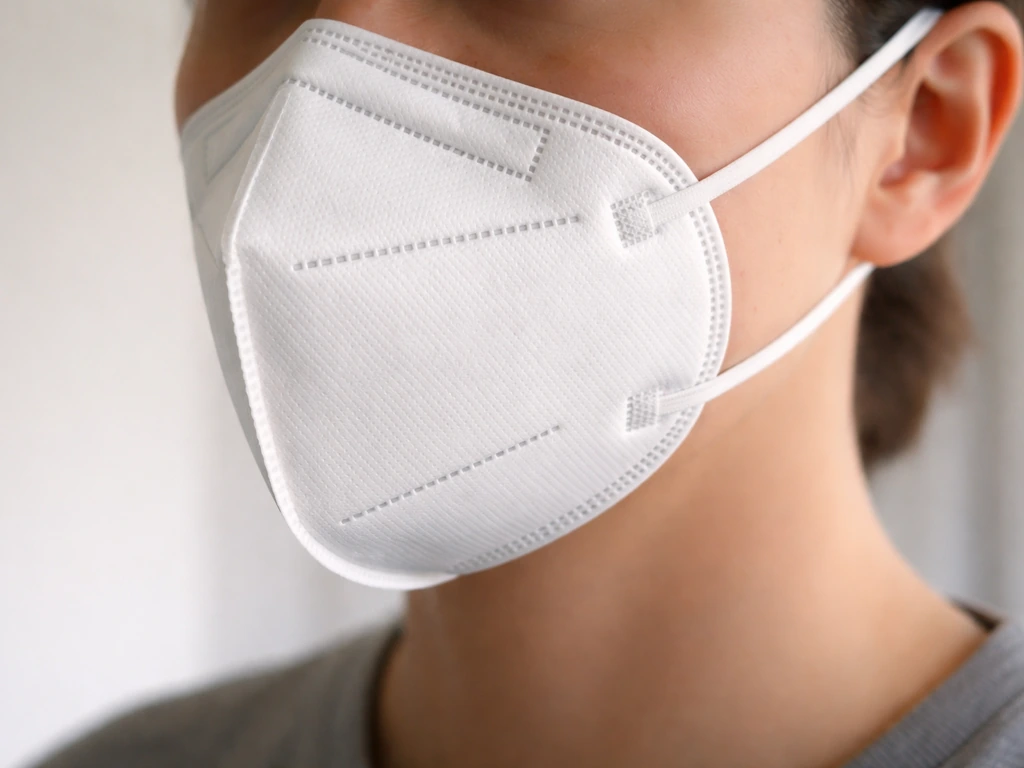
Best Masks for Bird Flu: N95 FFP2 Fit and When to Wear
Best masks for bird flu: choose N95/FFP2 with tight fit, wear safely, and know when masking is necessary.
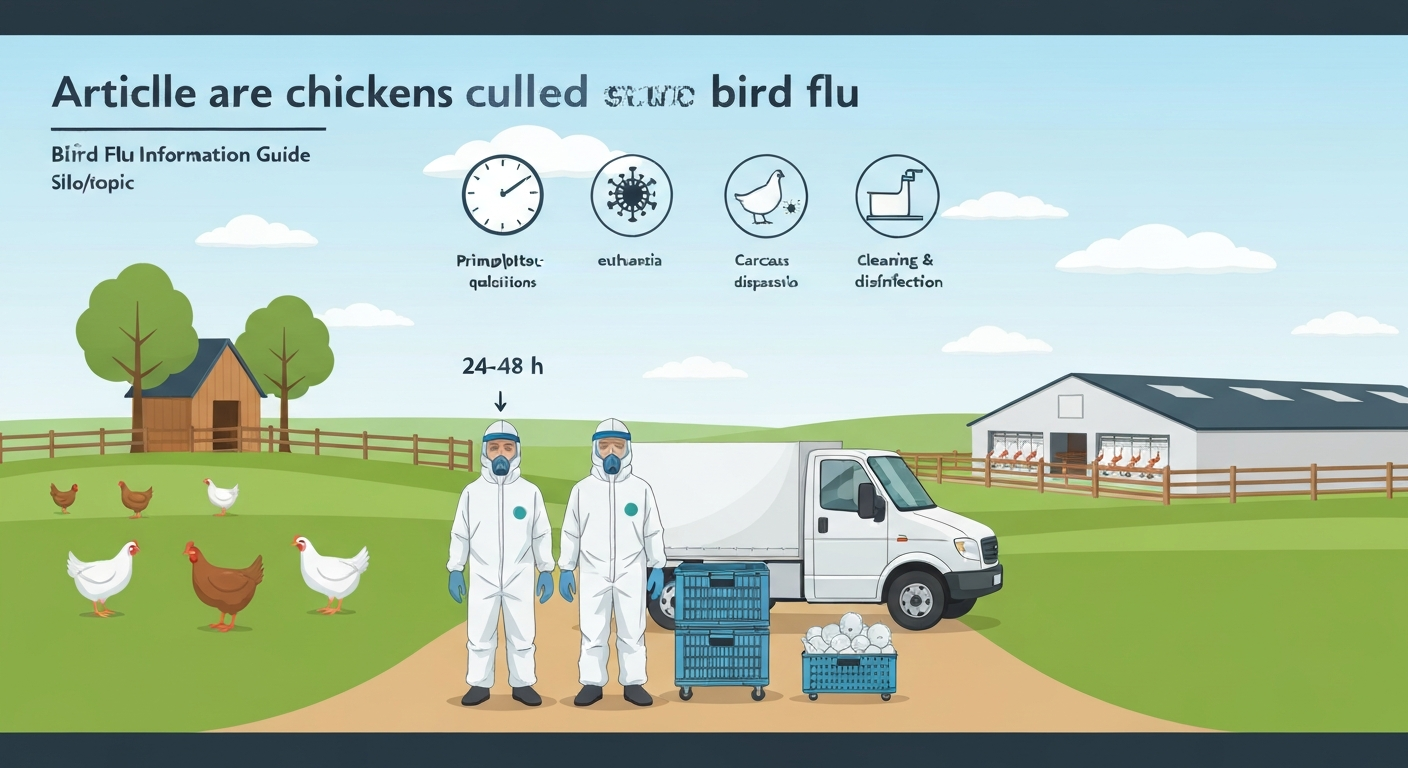
How Are Chickens Culled Bird Flu: Methods, Reasons & Steps
How are chickens culled during bird flu: why it’s done, humane methods, disposal, biosecurity, and next steps
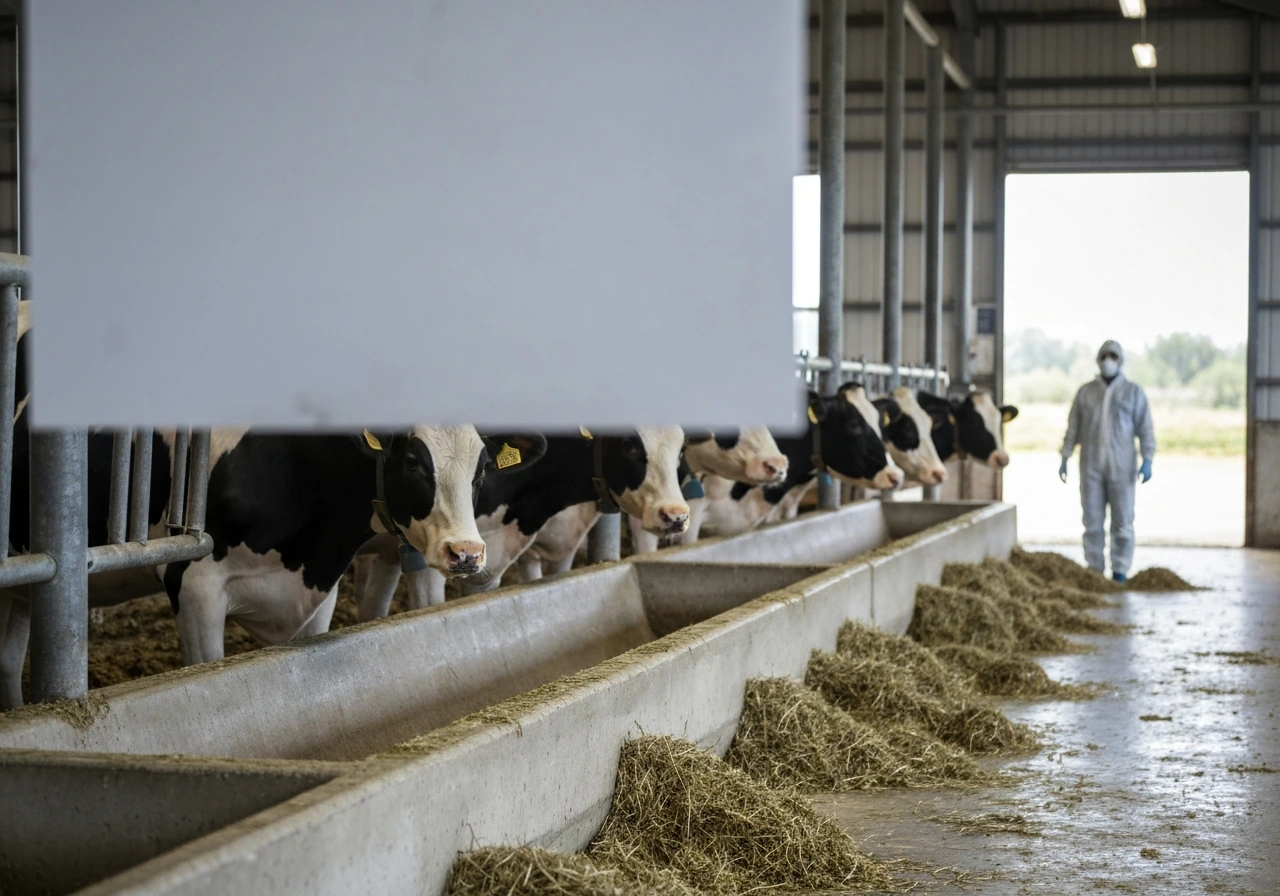
Do Cows With Bird Flu Have to Be Killed? What Happens
Explains whether cows with bird flu must be killed, and what happens for confirmed vs suspected cases, isolation and nex