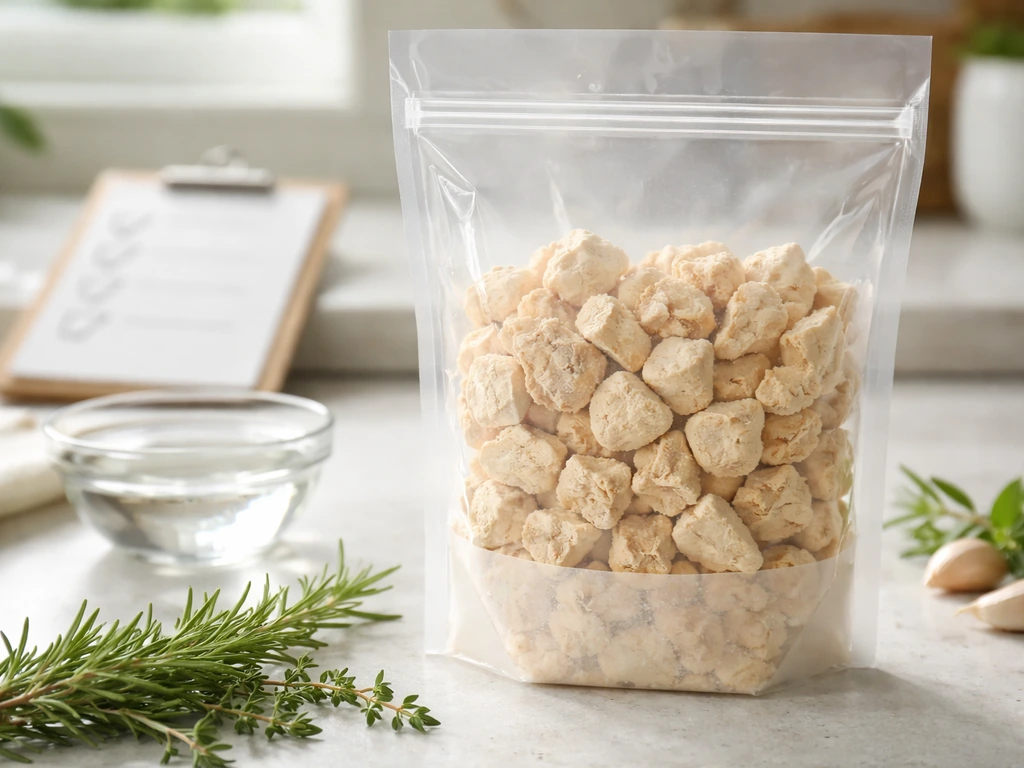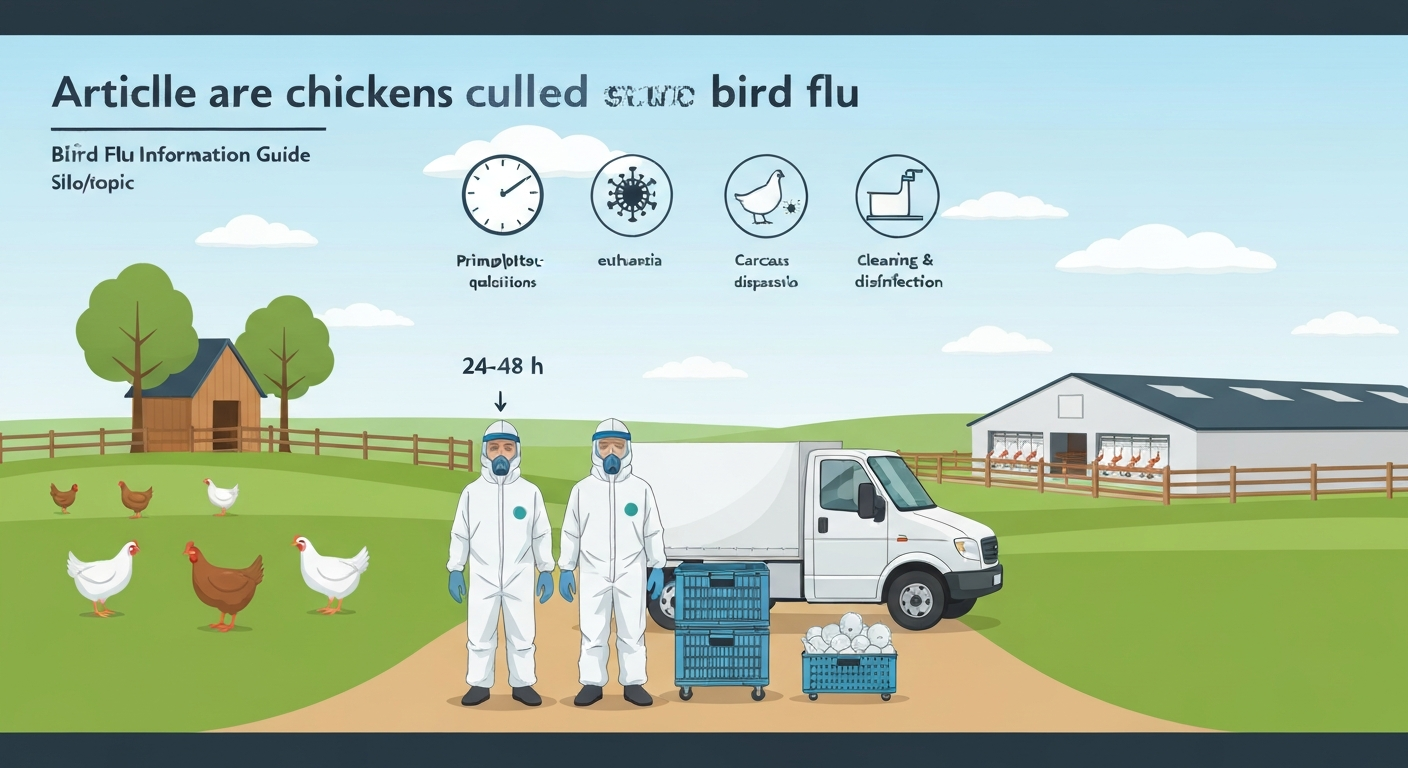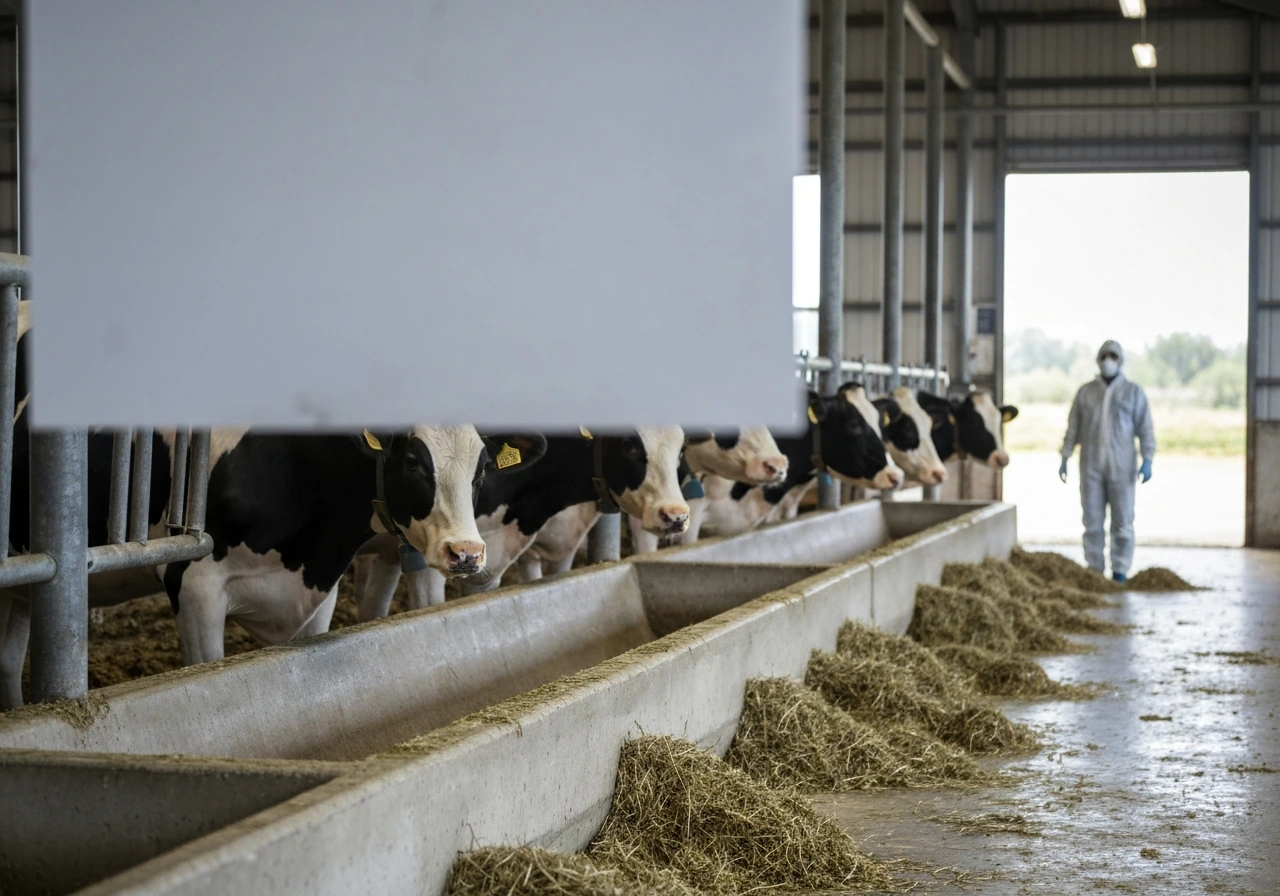
Vital Essentials is a pet food brand, not a human food or supplement, so the bird flu risk calculation here is a bit different from what most people expect when they search this question. For pet owners feeding Vital Essentials raw frozen or freeze-dried products to their dogs or cats, the realistic bird flu concern is not about your own health from eating the product directly.
Is Vital Essentials Safe From Bird Flu? Practical Risk Check

Maya Chen
4 Jul 2026
It is about handling raw animal-derived pet food, particularly poultry-based varieties, at a time when H5N1 avian influenza has been linked to a small number of raw pet food-associated infections in cats. The brand itself has not been implicated in any bird flu-related recalls as of mid-2026, and its sourcing and manufacturing practices give reasonable grounds for confidence. That said, there are still smart handling steps worth taking, and certain higher-risk households should know what to watch for.
What Vital Essentials actually is, and why bird flu comes up
Vital Essentials is a pet food company based in Green Bay, Wisconsin. Their product line is built around raw frozen and freeze-dried single-ingredient animal proteins for dogs and cats: think whole prey-based patties, toppers, treats, and chubs made from proteins like chicken, turkey, duck, rabbit, and beef. The brand positions itself on minimal processing and whole-animal ingredient philosophy, which is exactly why bird flu questions arise.
When you are feeding a raw or minimally processed poultry product to your pet, the question of whether H5N1 or another avian influenza strain could be present in the ingredient is genuinely worth asking. The concern picked up traction in 2024-2025 when the CDC confirmed that some cat H5N1 infections in the US were tied to commercially produced raw pet food, making this a real, documented pathway rather than a hypothetical one.
How bird flu spreads, and what transmission through a product would actually look like
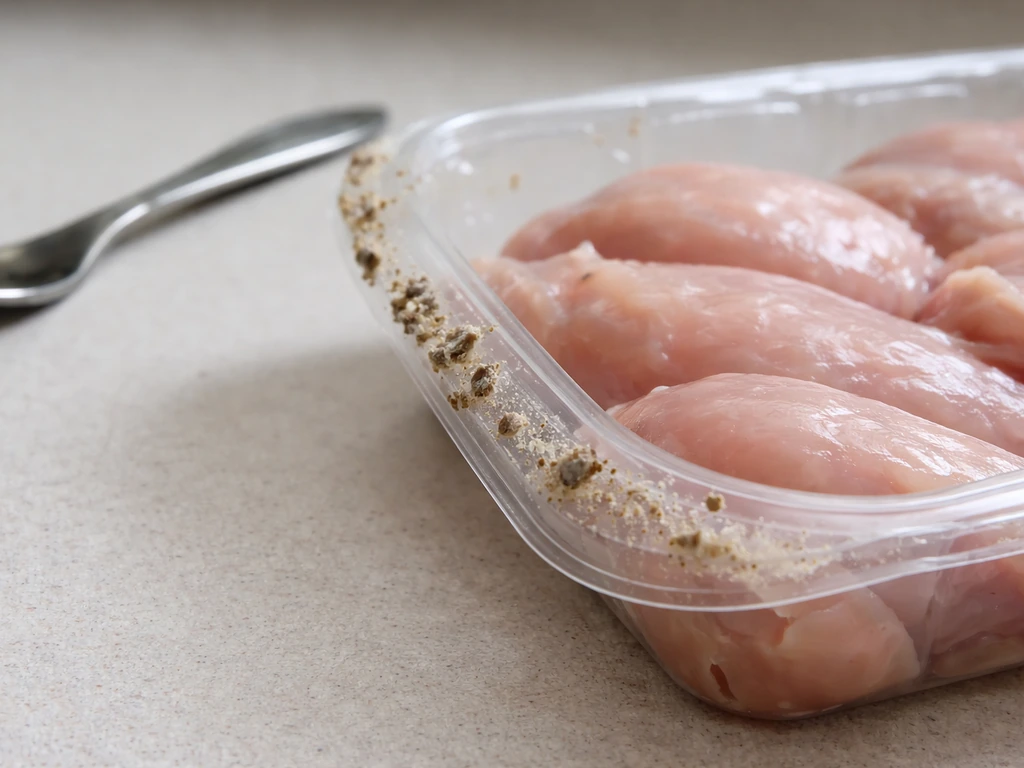
Bird flu (avian influenza, most notably H5N1) primarily circulates among birds. Infected birds shed the virus in their droppings, mucus, and saliva. Human infection almost always involves direct, close contact with infected live birds or heavily contaminated environments, not passing a grocery store poultry aisle. The CDC and EFSA both emphasize that close contact with infected live poultry is the dominant exposure route for human cases, and there is currently no convincing evidence that consuming properly handled and cooked poultry products transmits the virus to humans.
For the virus to reach a consumer through a pet food product, several things would need to go wrong simultaneously: the source bird would need to be infected, the virus would need to survive the slaughter and processing chain (including any freeze-drying or freezing), and then a person or pet would need to have direct mucosal exposure to the contaminated material, meaning touching it and then touching eyes, nose, or mouth, inhaling aerosolized particles, or in a pet's case, ingesting it. Freeze-drying does not reliably inactivate H5N1. Research on H5N1 survival in chicken tissues shows the virus can persist depending on temperature and moisture conditions, and dehydration alone does not destroy it the way thorough cooking does. That is the scientific basis for treating raw pet food differently from cooked or thermally processed pet food when it comes to bird flu risk.
The actual risk picture for humans and pets through this kind of product
For human health, the evidence is reassuring on the food-as-vector question. The EFSA, FDA, and USDA have all stated that poultry and eggs that are properly handled and cooked are safe to eat, and that food consumption has not been a documented driver of human H5N1 cases. FDA’s Q&A on eggs during highly pathogenic avian influenza outbreaks describes a [joint FDA/USDA risk assessment](https://www. fda.
gov/food/egg-guidance-regulation-and-other-information/questions-and-answers-regarding-safety-eggs-during-highly-pathogenic-avian-influenza-outbreaks) that examined human health impacts of HPAI in poultry, shell eggs, and egg products, emphasizing cooking and preventing cross-contamination as keys to prevention. The cases historically tied to food practices involved things like slaughtering, defeathering, or handling internal organs of infected birds at home, or consuming raw duck blood, not commercial pet food handling in a kitchen. Ordinary good hygiene when handling any raw meat product covers the realistic human exposure risk here.
For pets, the picture requires more caution. The CDC has explicitly stated that some cat infections in the US have been linked to commercially produced raw pet food and unpasteurized raw milk. The CDC does not recommend feeding raw pet food or treats to dogs and cats. Cats appear to be more susceptible to H5N1 than dogs, but infections have been documented in both species when they consumed contaminated raw animal products. This does not mean Vital Essentials specifically is a problem product. It means the raw pet food category generally carries an elevated animal-health consideration compared to thermally processed kibble, and that sourcing and testing practices at the brand level matter.
How Vital Essentials' sourcing and safety practices hold up to scrutiny
The company manufactures all its products at its own facility in Green Bay, Wisconsin. That single-facility model gives them more direct control over quality than brands that co-manufacture at multiple third-party plants. Their stated supplier network consists of USDA-inspected facilities certified under Global Food Safety Initiative (GFSI) frameworks or equivalent third-party standards, which is a meaningful baseline for food safety infrastructure. As of mid-2026, Vital Essentials has not been implicated in any avian influenza-related recalls, and the company states it does not source poultry from HPAI-affected areas.
That said, it is worth knowing that the brand does have a recall history for unrelated reasons. The FDA previously reported a voluntary recall of limited batches of Vital Essentials Freeze-Dried Beef Toppers and Frozen Beef Chub Entrée for non-bird-flu reasons. This is actually a useful signal: the recall system is working, the company participates in voluntary disclosure, and the issues were in beef products, not poultry. But it confirms the importance of always checking current recall status before feeding any batch to your pet. If you are specifically wondering, “are freeze dried minnows safe from bird flu,” the same handling and sourcing logic applies as for other freeze-dried poultry-based pet foods.
What to check on the label and in the sourcing before you buy
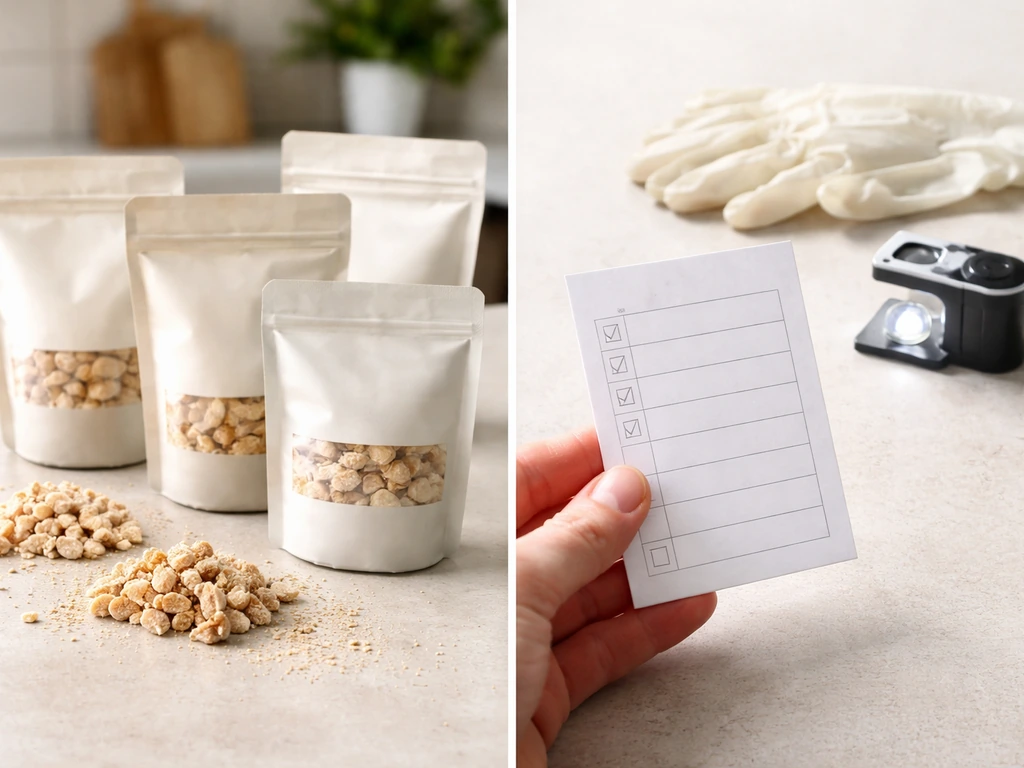
Before or right after buying a Vital Essentials product, run through these checks. They apply equally to freeze-dried chicken, freeze-dried duck, and other avian protein products in their line, and the same logic applies to similar products from other brands.
- Check the protein source: Is this product poultry-based (chicken, turkey, duck, quail)? Avian proteins carry the specific avian influenza consideration. Beef and rabbit products do not.
- Look for the lot number and best-by date on the package: This is your traceability handle. Keep it until the product is gone so you can cross-reference any future recall notice.
- Verify there is no active recall: Check the FDA's recall database (search for Vital Essentials and the current month and year) before opening a new bag or box. This takes about two minutes.
- Look for USDA inspection or third-party safety certification language on the packaging or the brand's website: Vital Essentials claims GFSI-certified suppliers. If that language is absent from a product, dig deeper.
- Check country of origin for the protein source: US-sourced and USDA-inspected poultry has federal oversight. Imported proteins without equivalent oversight carry more uncertainty.
- Review the brand's current safety statement: Vital Essentials maintains a safety and sourcing page. A quick visit tells you whether the company has issued any new statements about bird flu or sourcing changes.
Practical handling steps if you already have it or are planning to buy it
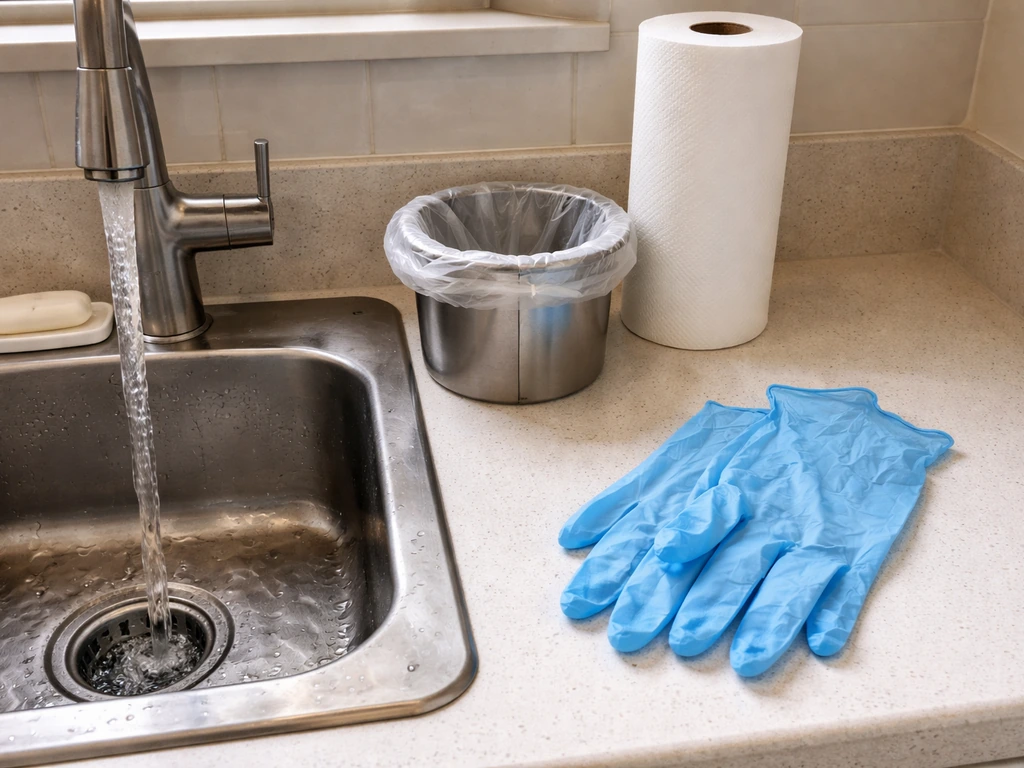
Whether you have a bag of freeze-dried chicken toppers in the pantry right now or you are deciding whether to stock up, the following steps keep risk as low as reasonably possible. These apply to raw and freeze-dried raw pet foods broadly, not just Vital Essentials specifically. Because freeze-dried quail eggs are an animal product, the safest approach is to treat them like other raw or minimally processed poultry-derived foods: check current recall status, verify sourcing, and use good hygiene when handling them freeze-dried quail eggs safe from bird flu. They are also consistent with FDA guidance on safe pet food handling.
- Wash your hands thoroughly with soap and water for at least 20 seconds before and after handling any raw or freeze-dried raw pet food. This is the single most effective step.
- Do not prepare pet food on the same surface where you prepare human food without sanitizing in between. Cross-contamination in the kitchen is a real vector for multiple pathogens, not just bird flu.
- Keep frozen products at or below 0°F and refrigerate thawed product promptly. Temperature control limits any pathogen activity, including viruses, in the time between opening and serving.
- Do not let your pet lick your face or hands immediately after eating raw food, and wash pet bowls and utensils with hot soapy water after each use.
- Store freeze-dried products in a cool, dry location and seal the bag between uses. Moisture reactivation is a real concern for freeze-dried raw products.
- Check the FDA recall page and subscribe to FDA pet food recall alerts so you are notified automatically if any lot you have purchased is flagged.
Comparing raw and freeze-dried poultry pet foods: where Vital Essentials fits
People asking about Vital Essentials and bird flu are often also wondering about similar products. Freeze-dried chicken, freeze-dried quail eggs, and freeze-dried minnows all raise variations of the same question because none of them use thermal processing that would inactivate H5N1. Kibble, by contrast, is cooked at high temperatures that would destroy the virus. Because kibble is cooked at high temperatures, it is generally safe from bird flu compared with raw poultry-based pet foods is kibble safe from bird flu. Here is a quick comparison of where these product types sit from a bird flu risk standpoint.
| Product Type | Thermal Processing? | Avian Protein Risk? | Key Risk Mitigation |
|---|---|---|---|
| Raw frozen pet food (e.g., Vital Essentials frozen) | No | Yes, if poultry-based | Hand washing, sourcing verification, recall checks |
| Freeze-dried raw pet food (e.g., Vital Essentials freeze-dried) | No | Yes, if poultry-based | Hand washing, sourcing verification, recall checks |
| Freeze-dried chicken treats (standalone) | No | Yes | Same as above; check single-ingredient sourcing |
| Freeze-dried quail eggs | No | Yes (avian) | Same as above; quail is a susceptible species |
| Freeze-dried minnows | No | No (aquatic species) | Lower bird flu relevance; other pathogen considerations |
| Dry kibble (cooked) | Yes (high-heat extrusion) | Minimal | Cooking inactivates H5N1; standard hygiene still applies |
The practical recommendation: if bird flu risk is your primary concern, cooked or thermally processed pet food eliminates the pathway most cleanly. If you prefer raw feeding, the combination of sourcing verification, current recall checks, and good handling hygiene gets you to a low-risk position with most commercially produced products, including Vital Essentials.
When to pause, switch products, or contact a health authority
Most households feeding Vital Essentials products can continue doing so with the handling precautions above. But there are specific situations where extra caution, a product switch, or a call to a health authority makes sense.
Higher-risk households
- Immunocompromised individuals (people undergoing chemotherapy, organ transplant recipients, those on immunosuppressive medications): The CDC does not recommend feeding raw pet food in households with immunocompromised members. Switching to thermally processed food is the cleaner call here.
- Young children or infants in the home: Children are more likely to have hand-to-mouth contact after touching pet food or bowls, increasing exposure risk.
- Pregnant individuals: Extra caution around raw animal products is standard public health guidance during pregnancy.
- Households where the pet also goes outdoors and has contact with wild birds: This is a compounding exposure risk. A pet that roams near waterfowl or sick wild birds and also eats raw poultry-based food has two potential exposure pathways.
Symptoms and red flags to act on
In your pet: watch for sudden lethargy, loss of appetite, eye discharge, difficulty breathing, or neurological symptoms (head tilt, seizures, loss of coordination). These are not specific to bird flu but warrant a veterinary call, and you should mention the raw food diet when you do. If your vet suspects H5N1, they will escalate to your state veterinarian.
In yourself: if you have handled raw poultry-based pet food and develop fever (above 100.4°F), cough, sore throat, or eye redness within a few days, contact your doctor and mention the exposure. The CDC provides guidance that clinicians should consider antiviral treatment for people with suspected avian influenza exposure who become ill. The risk of this happening from commercial pet food handling is genuinely low, but mentioning the exposure ensures you get appropriate evaluation rather than a generic flu diagnosis.
Red flags that would change the risk calculus entirely
- An active FDA recall or public health alert naming the specific lot number you have at home: Stop feeding it immediately, seal it in a bag, and contact the brand or your local health department.
- A new CDC or USDA advisory linking Vital Essentials specifically to confirmed H5N1 cases in pets or humans: These are published publicly and would be widely reported.
- Your pet becoming ill after eating the product in a way that matches H5N1 symptoms: Call your vet and mention both the raw food and the current H5N1 situation in your region.
The bottom line is that Vital Essentials, based on available information as of mid-2026, is not a flagged product in the bird flu context. The company's manufacturing controls, USDA-inspected sourcing, and single-facility production give it better traceability than many raw pet food brands. The category-level risk of raw poultry-based products is real but manageable with consistent hygiene habits and routine recall monitoring. If your household has the higher-risk factors listed above, shifting to cooked pet food is a genuinely easy way to eliminate this particular concern entirely.
FAQ
Does freeze-drying kill bird flu virus in Vital Essentials freeze-dried foods?
No, freeze-drying is not a substitute for thermal inactivation. It can reduce moisture, but H5N1 can remain viable under some conditions, which is why you should use the same “raw-handling” hygiene for freeze-dried raw poultry proteins as you would for frozen ones.
If my pet seems fine after eating raw poultry toppers, should I still worry about bird flu risk?
If your pet is eating normally and has no new symptoms, that’s reassuring, but it doesn’t fully eliminate risk. Bird flu illness in pets is uncommon, and symptoms can overlap with other problems, so the practical approach is to follow hygiene steps and watch for the specific red-flag symptoms (eye discharge, breathing trouble, neurologic signs) for several days after starting a new batch or switching diets.
Can I get bird flu from handling the Vital Essentials bag or pouring the food, even if my pet doesn’t get sick?
The main concern is transfer from contaminated raw material to mucous membranes or via inhaled particles during handling. If you open packages, measure, or pour contents, keep your hands away from your face, wash hands thoroughly, and clean bowls and counters promptly, especially if you have pets that lick surfaces.
What’s the safest way to feed raw or freeze-dried poultry to reduce exposure in my household?
Use a dedicated feeding area, portion on a washable surface, and wash food-contact items right away with hot water and dish soap or the dishwasher. Avoid preparing food near where people eat, and keep immunocompromised people and young children from direct handling of raw pet food.
Is kibble from Vital Essentials safer for bird flu than raw products?
Generally, yes. Kibble is cooked at high temperatures, which is the key difference that removes the main survival pathway for the virus. If bird flu risk is your top priority, choosing thermally processed diets is the most straightforward risk-reduction step compared with raw frozen or freeze-dried products.
Should I stop feeding Vital Essentials if I’m in an area with reported H5N1 in wild birds?
You don’t have to automatically stop, but you should increase precautions. Check the latest recall and guidance updates, be stricter about hygiene, and consider switching your pet temporarily to thermally processed food if your household fits higher-risk factors (immunocompromised people, elderly, or frequent exposure to raw pet food).
How do I check whether my specific Vital Essentials batch is part of a recall?
Don’t rely only on the product name. Look up the batch or lot information from your package and compare it to current recall notices through the company or relevant health authority channels. If you cannot find the lot code, use caution and consider contacting the company for batch verification before feeding the remaining food.
If I feed raw or freeze-dried pet food, do I need to disinfect my whole kitchen?
You usually don’t need whole-kitchen disinfection, but you should clean and sanitize food-contact areas. Focus on counters, sinks, cutting boards, and bowls that touched the food. Avoid spraying aerosol disinfectants that could increase airborne particles, and wash laundry or towels used to clean up spills separately from regular household laundry.
Are cats and dogs equally at risk from raw poultry-based pet food?
No, cats appear to be more susceptible in documented cases, but dogs are not risk-free. The safest general approach is to treat both as potentially exposed and to monitor both species for symptoms, while being especially careful around cats that eat fast or lick surfaces.
What should I do if my veterinarian suspects avian influenza in my pet after a raw diet exposure?
Tell them plainly that your pet eats raw or minimally processed animal proteins and note the type (for example, chicken, duck, or quail eggs) and the approximate start date and brand/batch details. That context helps the clinician decide on appropriate testing and whether to notify state veterinary authorities for guidance.
If I handled the food and later develop flu-like symptoms, how worried should I be?
Illness after handling is still very unlikely from commercial pet food, but if you develop fever (above 100.4°F), cough, sore throat, or eye redness within a few days, contact a clinician and mention the exposure. This helps avoid a “generic flu” assumption and ensures appropriate evaluation for avian influenza exposure.