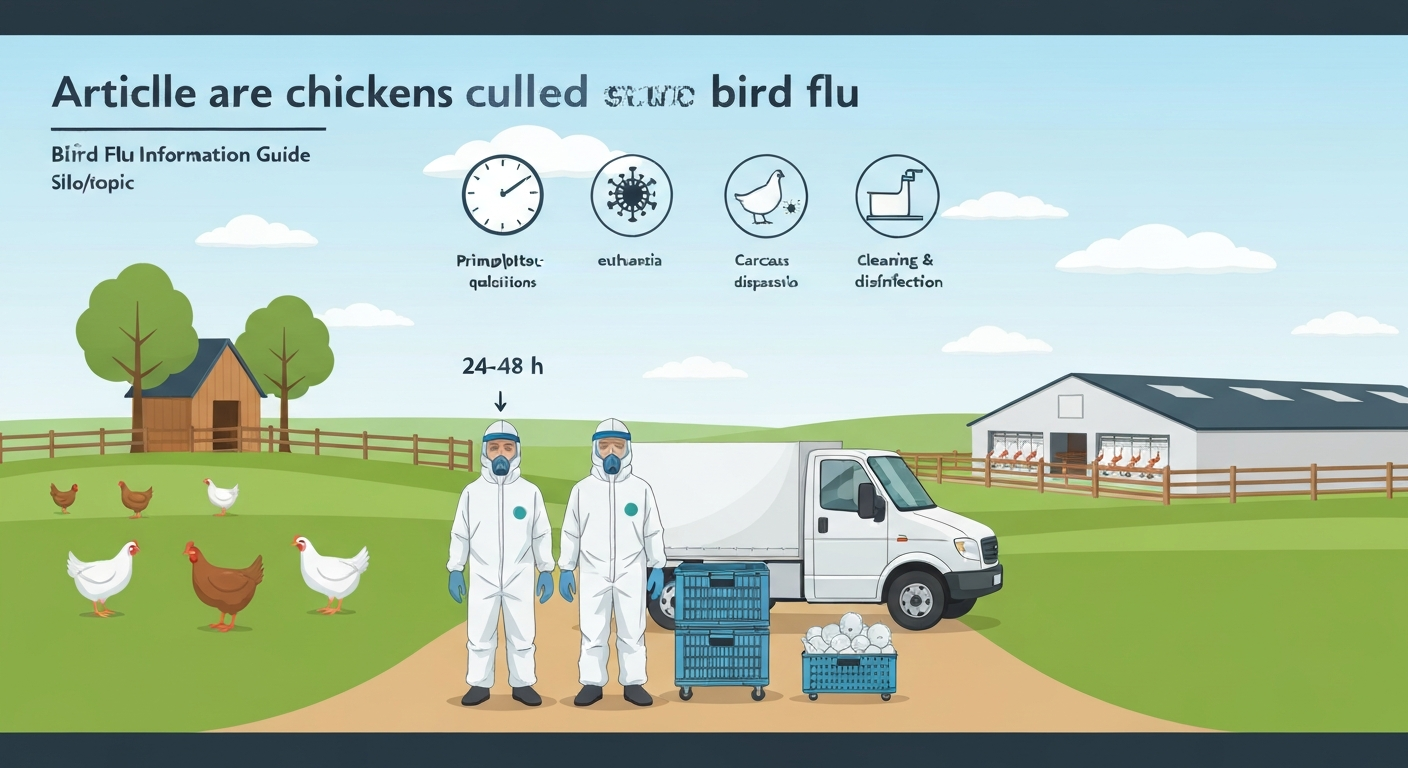
Avoiding bird flu comes down to one core principle: limit your exposure to infected birds and contaminated environments, and if you do get exposed, act fast. That sounds simple, but the details matter. This guide walks through exactly what you need to do, whether you're a backyard flock owner, a farm worker, someone who handles poultry in the kitchen, or just a person who's read the headlines and wants to know how worried to be.
How to Avoid Bird Flu: Human and Poultry Prevention Checklist

Maya Chen
10 Apr 2026
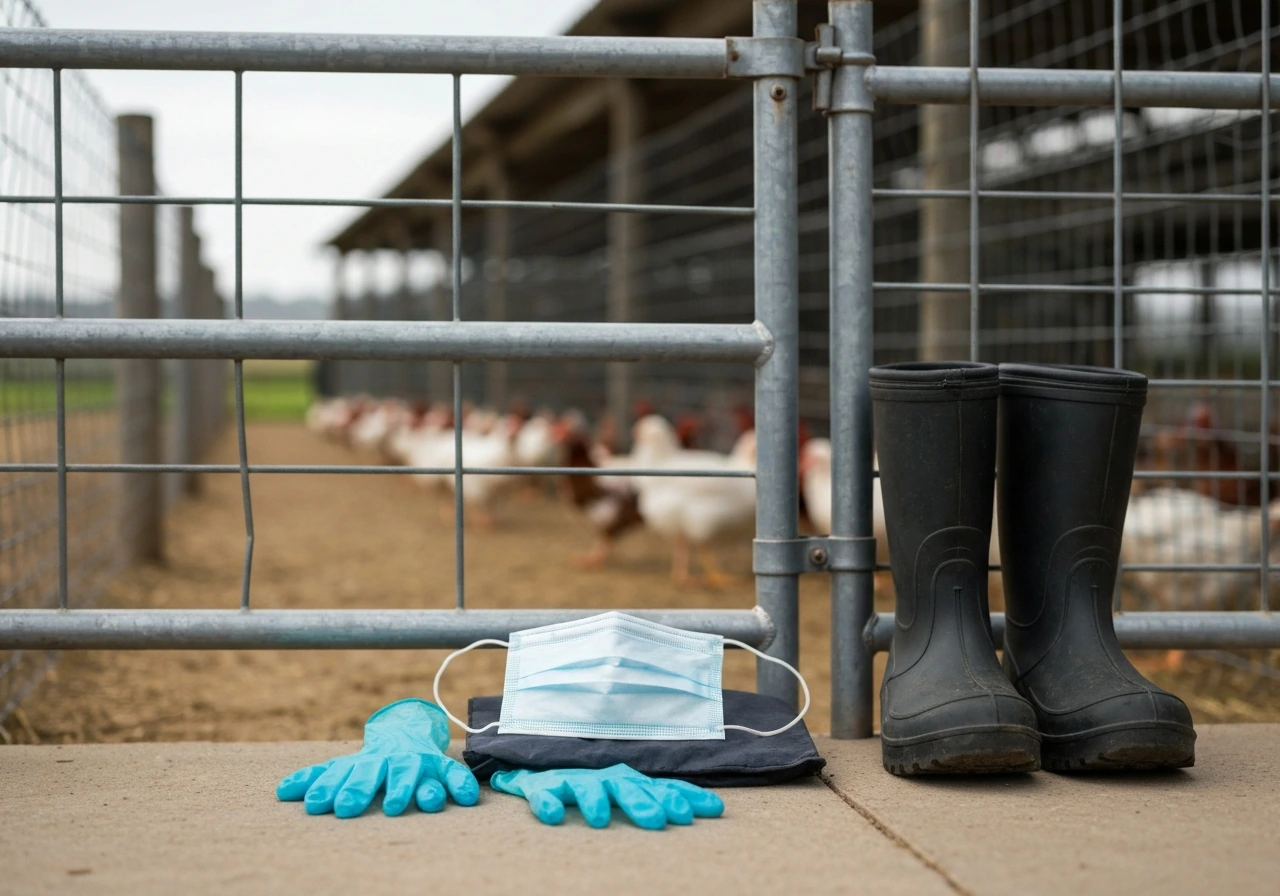
Bird flu basics and where the human risk actually comes from
Avian influenza is caused by influenza A viruses that primarily circulate in birds, but certain subtypes have crossed into humans often enough to demand serious attention. The CDC identifies H5, H7, and H9 subtypes as the ones responsible for the most human infections. Of these, highly pathogenic H5N1 is the subtype that public health agencies are most focused on right now, though H7N9 has also caused significant outbreaks historically.
The good news is that human infections remain rare, and that rarity has a clear reason: bird flu doesn't spread easily from person to person. Sustained human-to-human transmission has not been documented for any of the major subtypes, including H7N9, where clusters have occurred but never turned into chains of community spread. The risk to most people in 2026 is still firmly tied to direct animal contact, not to catching it from another person in a grocery store or on public transit.
Where human infections do happen, they almost always trace back to one of three exposure routes. First, direct or close contact with infected birds or other animals, which is the most common pathway. Second, contact with virus-contaminated environments, including feces, litter, feathers, or water sources that infected birds have been in. Third, splashes or droplets from contaminated materials reaching the eyes, nose, or mouth, either directly or by touching a contaminated surface and then touching your face. The common thread across all three is close, unprotected proximity. Risk increases significantly with how close you are, how long you're exposed, and whether you're wearing any protective equipment.
Preventing bird flu in people: the everyday protection steps
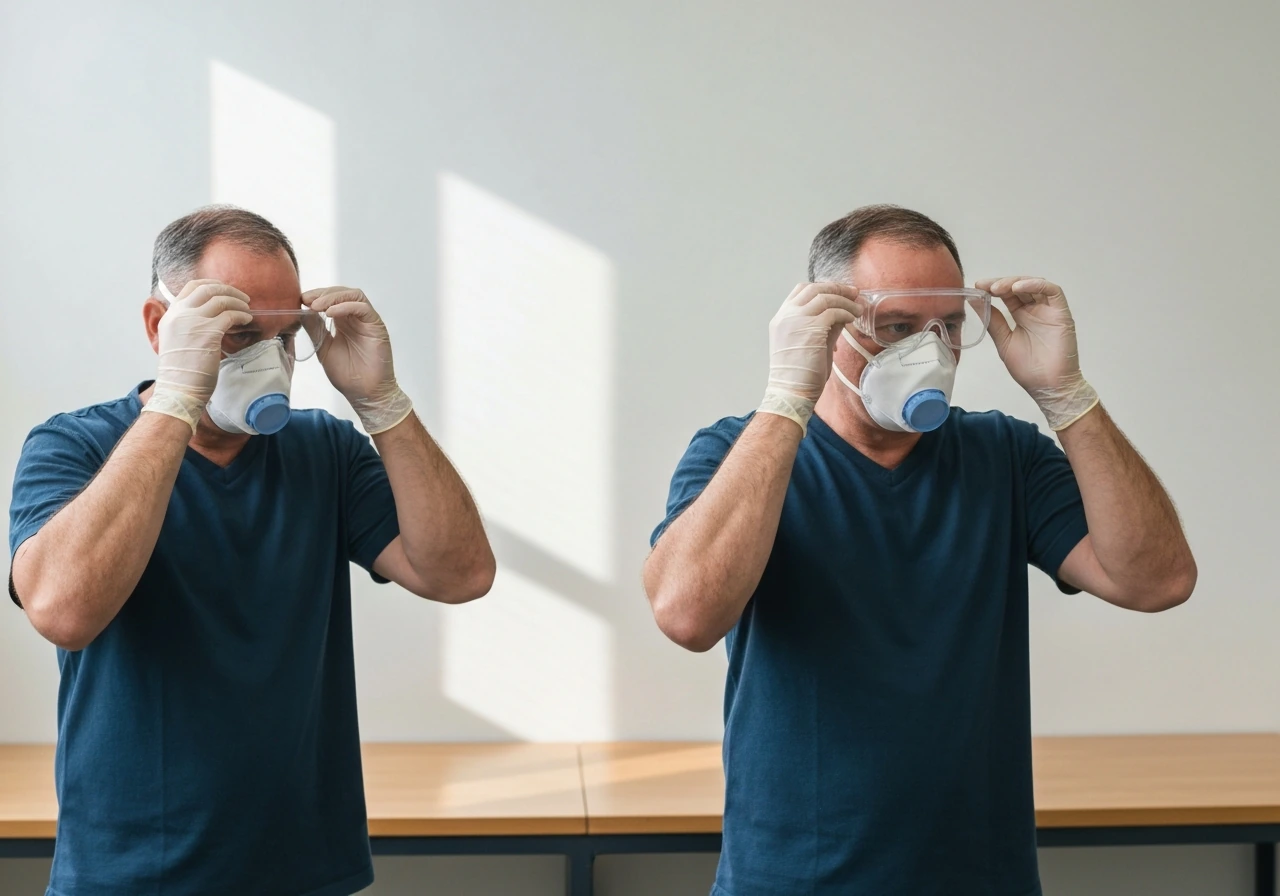
For most people, the practical prevention list is short and manageable. The actions below apply whether you're visiting a farm, working with backyard chickens, or just want to be careful during an active outbreak in your region.
- Wear respiratory and eye protection (at minimum an N95 respirator and goggles or a face shield) any time you're within about six feet of sick or dead birds, their droppings, or materials they've contaminated. This is the single most important step for people in high-contact situations.
- Wash your hands thoroughly with soap and water after any contact with birds, poultry, their environments, or raw poultry products. This applies even if you wore gloves.
- Cover your coughs and sneezes, and perform hand hygiene after contact with any respiratory secretions. These basic respiratory hygiene habits reduce spread of influenza viruses generally, including avian strains.
- Avoid touching your eyes, nose, or mouth with unwashed hands after being in a poultry or bird environment.
- Change and wash clothing worn during exposure before wearing it again. Don't carry the virus out of a contaminated area on your clothes.
- Monitor yourself for symptoms for 10 days after any significant exposure to potentially infected birds or animals. More on what to watch for in the treatment section below.
These steps aren't complicated, but they're frequently skipped because bird flu feels abstract until it isn't. If you want a deeper look at the full landscape of prevention strategies, the CDC's evidence-based guidance on how bird flu can be prevented is worth reading alongside this article.
Avoiding exposure: poultry, live birds, and contaminated environments
This section is especially relevant for backyard flock owners, farm workers, poultry handlers, hunters, and wildlife responders. These are the people at highest real-world risk, and the steps here go beyond basic hand hygiene.
Around live or sick birds
The CDC is clear that PPE should be worn whenever you're in direct or close contact with sick or dead animals, including backyard poultry, wild birds, and their feces, litter, or materials that could be contaminated with HPAI A(H5N1). That means before you enter a coop during an active outbreak, or before you pick up a bird that looks unwell, you put on your respirator and eye protection first. Not after.
If you encounter sick or dead wild birds outside, do not handle them with bare hands. Use tools like a shovel or tongs to avoid direct contact, and report the finding to your state wildlife or environmental hotline. Many states have dedicated lines for this. In New Jersey, for example, residents are directed to call the DEP hotline at 877-WARN-DEP. Your state likely has an equivalent.
Know what sick birds look like so you don't dismiss it. Signs in wild birds often include neurological problems like tremors, loss of coordination, difficulty flying, or a twisted neck. You might also see respiratory symptoms like coughing or sneezing, diarrhea, or sudden unexplained death in a group of birds. Any of these in a wild bird population during an active HPAI season should prompt a report, not a hands-on investigation.
Cleaning and disinfecting contaminated areas
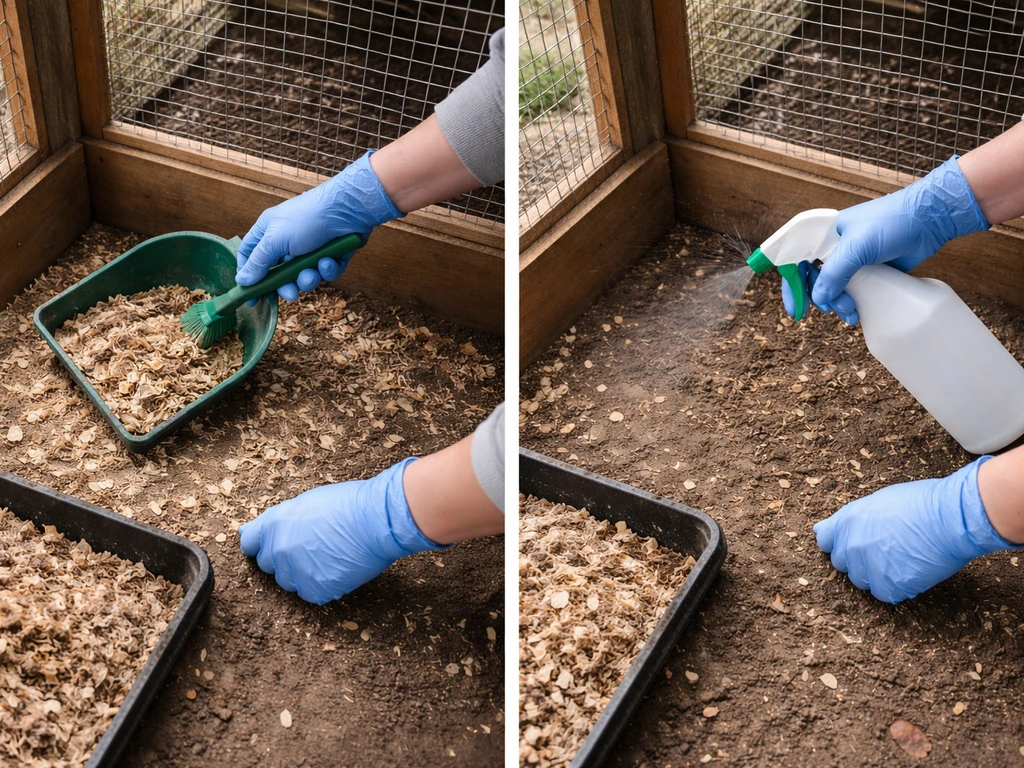
If you need to clean a poultry area that may have been contaminated, the process matters as much as the products you use. First, remove visible dirt and organic material using soap and water. Disinfectants don't penetrate grime effectively, so cleaning comes before disinfecting, not instead of it. Then apply an EPA-approved disinfectant that has label claims against influenza A viruses and follow the label instructions exactly, including contact time. Don't rush this step.
One specific hazard during cleaning: avoid stirring up dust, dried waste, or feathers. Aerosol exposure is a real transmission route, and disturbing dry contaminated material in an enclosed coop can send virus particles airborne. Dampen surfaces before sweeping, work with ventilation, and keep your respiratory protection on throughout.
Food safety to prevent infection from poultry and eggs
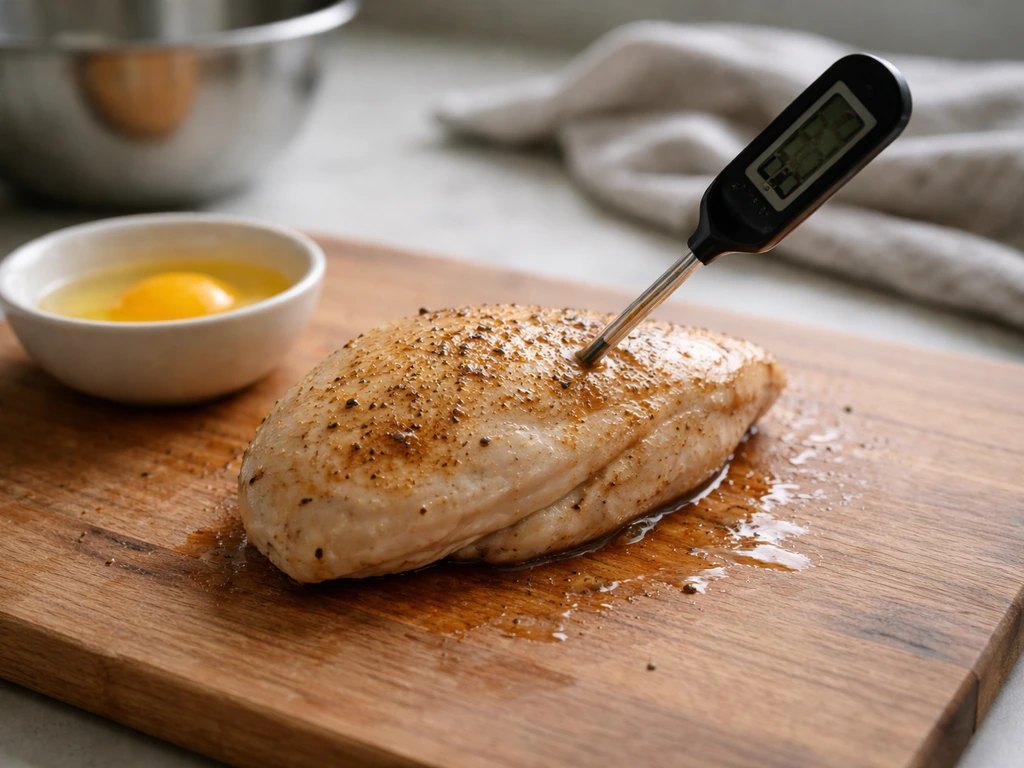
The commercial poultry and egg supply in the U.S. is regulated and monitored, and proper cooking eliminates any viral risk. But handling raw poultry carelessly is where home cooks can create unnecessary exposure, especially during periods of active HPAI outbreaks in poultry flocks.
The most important rule is simple: cook all poultry and eggs to an internal temperature of 165°F. At that temperature, avian influenza A viruses, along with bacteria like Salmonella, are killed. Use a meat thermometer rather than guessing by color. This applies to whole birds, parts, ground poultry, and eggs. Runny yolks and undercooked chicken are not safe during a bird flu outbreak. The CDC notes there is no evidence that human avian influenza cases are acquired by eating poultry products, and it reiterates that poultry and poultry products should be cooked thoroughly before eating Runny yolks and undercooked chicken are not safe during a bird flu outbreak..
Cross-contamination is the other main kitchen risk. Keep raw poultry completely separate from foods that won't be cooked, including salad ingredients, bread, fruit, and anything ready to eat. Use separate cutting boards, wash your hands after handling raw poultry, and clean surfaces that raw poultry touched before placing other foods on them. The FDA, working with USDA FSIS, has consistently emphasized that safe handling, proper cooking temperatures, and preventing cross-contamination between raw and cooked food are the consumer's primary defenses during HPAI outbreaks.
| Food Safety Action | Why It Matters | Key Detail |
|---|---|---|
| Cook to 165°F internal temperature | Kills avian influenza A viruses and bacteria | Use a meat thermometer, not visual cues |
| Separate raw poultry from ready-to-eat food | Prevents cross-contamination | Separate boards, utensils, and surfaces |
| Wash hands after handling raw poultry | Removes potential viral particles from skin | Soap and water for at least 20 seconds |
| Refrigerate promptly, follow safe storage | Reduces bacterial growth and viral stability | Follow USDA FSIS guidelines for egg products |
| Avoid raw or undercooked eggs | Eggs can carry surface contamination | Fully cooked eggs during active outbreaks |
Preventing and controlling bird flu in birds and poultry flocks
If you own backyard chickens, ducks, or other poultry, you have a direct role to play in preventing bird flu from spreading through your flock and into the wider community. Biosecurity isn't just a commercial farming concept. It applies equally to a six-bird backyard flock.
Biosecurity basics for flock owners
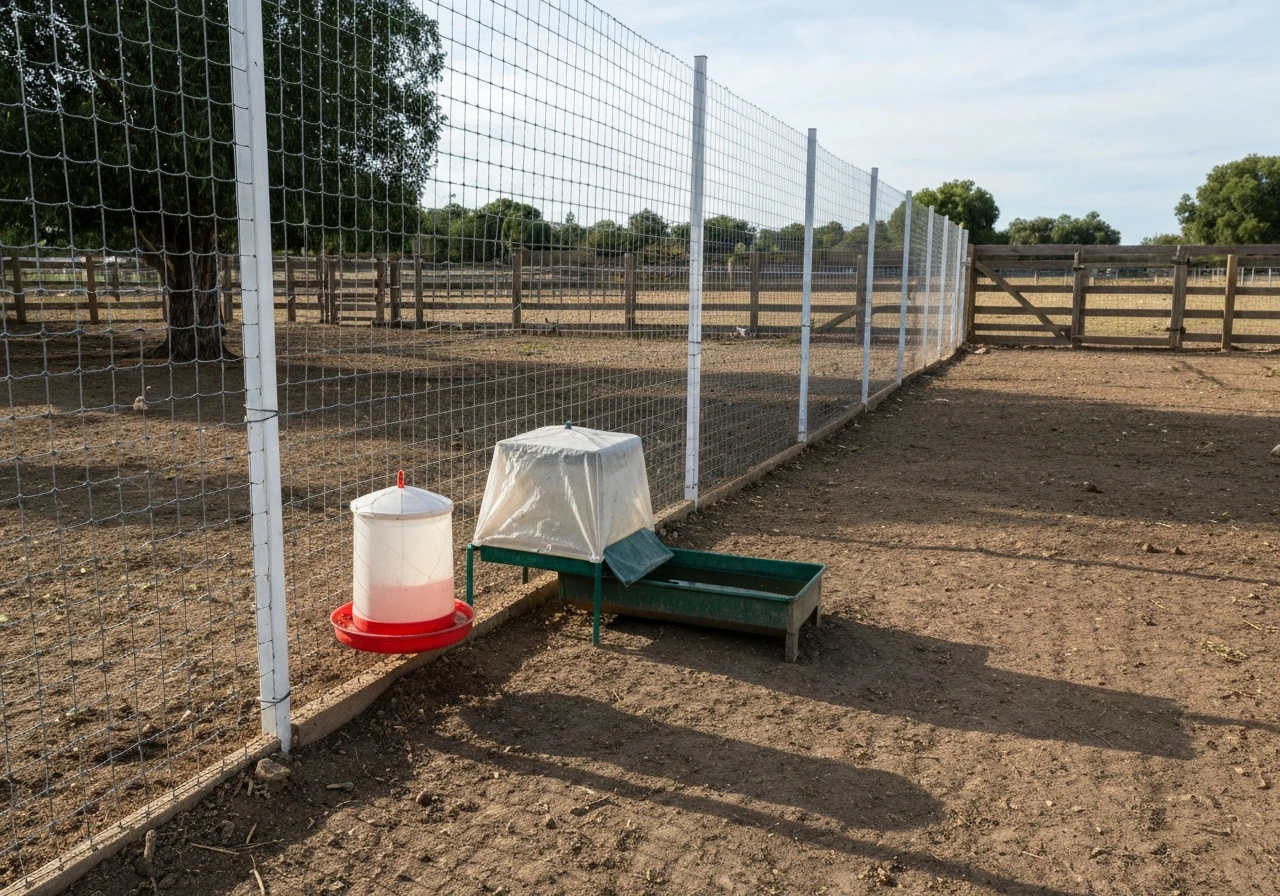
- Limit contact between your birds and wild birds. Keep feeders, water sources, and ranging areas away from locations that attract migrating waterfowl, which are the primary natural reservoir for HPAI.
- Control who enters your bird areas. Anyone coming into contact with your flock should change footwear or use boot covers, and should not have been in contact with other poultry operations that day.
- Keep housing clean and well-maintained. Repair gaps in fencing or coop structures that allow wild birds to enter.
- Monitor your flock daily for signs of illness: sudden drops in egg production, unusual lethargy, respiratory symptoms, or unexpected deaths. Early detection matters enormously.
- Don't introduce new birds from unknown sources without a quarantine period. New birds should be isolated for at least 30 days before joining your existing flock.
- Have a relationship with a veterinarian before you need one. USDA APHIS strongly recommends contacting your vet if you suspect disease, rather than trying to manage it yourself.
USDA APHIS provides structured biosecurity assessment tools specifically designed to help poultry producers and flock owners identify and close gaps in their on-farm biosecurity. These resources are worth using proactively, not just after a problem emerges. Thinking ahead is also the right mindset for broader preparedness: understanding how to prepare for a bird flu pandemic can help flock owners and households make smarter decisions well before an outbreak reaches their area.
Stopping spread and containment: what to do if you suspect cases
If you suspect bird flu in your flock, in a person, or in a wild bird population near you, the containment response is not something you handle alone. The system is set up to help you do this correctly, and working within it is both faster and safer than improvising.
If birds in your flock are sick or dying
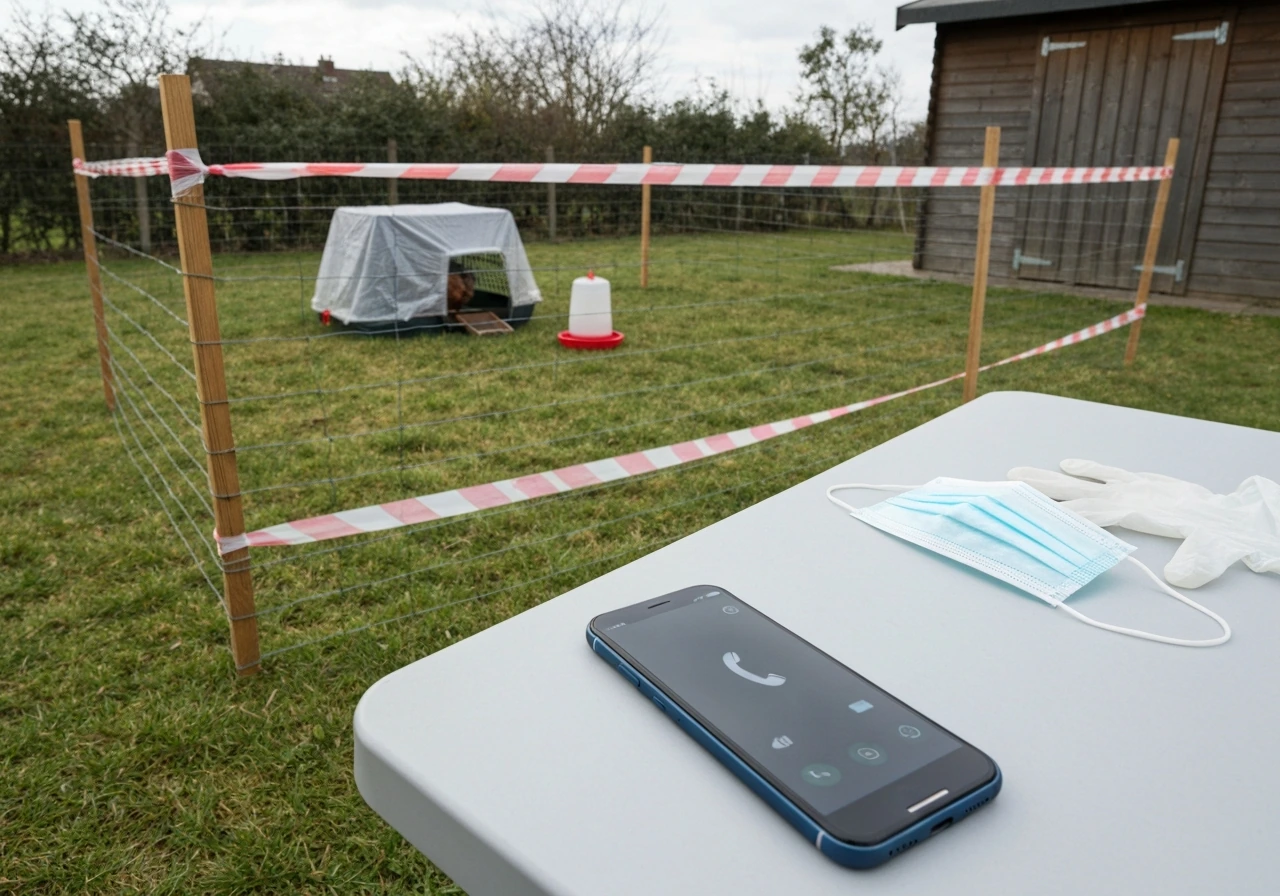
Contact your veterinarian and your state animal health official immediately. Do not move birds off the property, sell them, or attempt home treatment while you wait for guidance. USDA APHIS manages the formal response process, which may include quarantine, controlled marketing restrictions, and in confirmed cases, depopulation. Proper carcass disposal is a critical biosecurity step. USDA APHIS has emergency carcass management protocols that specify how infected birds should be removed and disposed of in ways that prevent further viral spread. This is not the time to compost or bury birds informally.
If a person has been exposed or develops symptoms
Anyone who has had close, unprotected contact with birds or animals suspected of HPAI A(H5N1) infection should monitor themselves for symptoms starting on the day of exposure and continuing through day 10 after the last exposure. The CDC reports that, after exposure to avian influenza A(H5), respiratory symptoms usually begin about three days later, ranging from about 2 to 7 days, and eye symptoms can occur 1 to 2 days after exposure or infection about three days after exposure. Symptoms to watch for include fever, respiratory illness (ranging from mild upper respiratory symptoms to pneumonia), conjunctivitis (eye redness or discharge), fatigue, and muscle or joint aches. Clinical illness can range from mild conjunctivitis and a runny nose to severe pneumonia, multi-organ failure, and in serious cases, death. This range is why prompt reporting matters.
If symptoms develop, contact your doctor or local public health department right away and mention your exposure history clearly. State and local public health agencies will assess the need for testing, isolation, and treatment. For healthcare providers, the CDC's guidance is explicit: do not delay antiviral treatment while waiting for laboratory confirmation if a patient has compatible illness and a relevant exposure history.
Close contacts of a confirmed case, defined as people who were within about six feet in an enclosed space without adequate protection for a prolonged period, should also report to public health authorities and seek prompt medical evaluation if they develop any new respiratory symptoms or conjunctivitis. The public health system manages containment through testing, patient investigation, monitoring of exposed individuals, and infection control in healthcare settings. That is how outbreaks get stopped, not through individual DIY efforts.
What 'getting rid of' bird flu actually means: treatment, survival, and eradication
There is no home remedy, supplement, or do-it-yourself protocol that treats bird flu in humans. If you see that framing anywhere, ignore it. Here is what 'getting rid of' bird flu actually looks like at each level.
Treatment in humans
Antiviral medications, primarily oseltamivir (Tamiflu), are the evidence-based treatment for avian influenza A infections in humans. They work best when started early, which is exactly why the CDC emphasizes not waiting for lab results before beginning treatment in suspected cases with a clear exposure history and compatible symptoms. If you've been exposed and you feel sick, call your doctor or public health department the same day. Don't wait to see if it gets worse. Early antiviral treatment is your best clinical tool for surviving a serious bird flu infection.
Eradication in birds
'Getting rid' of bird flu in a flock means a structured, veterinarian- and agency-guided process: confirming the diagnosis, depopulating infected and exposed birds under biosecurity protocols, properly disposing of carcasses, cleaning and disinfecting the premises thoroughly, and completing a surveillance period before restocking. This process is managed through USDA APHIS and state animal health officials. The quarantine and movement controls they impose exist to prevent the virus from spreading to neighboring flocks and regions, which protects both animal welfare and public health.
What 'surviving' bird flu looks like in practice
The people who fare best after bird flu exposure are those who recognized the risk early, reported it promptly, got tested and treated without delay, and followed isolation guidance while symptomatic. The people who have the worst outcomes are typically those who delayed seeking care, or whose exposure wasn't recognized and reported. The system works when you work with it. That's not a platitude; it's what the epidemiological record shows.
Your practical checklist for right now
Whether you're a flock owner, a farm worker, or just someone being cautious during an active outbreak season, here is a concrete set of actions you can take today. Thinking about supplies is also sensible: knowing what to stock up on for bird flu can help you avoid scrambling for N95s or disinfectants when an outbreak is already spreading in your area.
- Gather your PPE: N95 respirators, disposable gloves, and eye protection (goggles or face shield). Keep them accessible if you work with poultry or could encounter wild birds.
- Identify your reporting contacts: your state wildlife hotline, state veterinarian's office, and local or state public health department. Save the numbers now.
- Review your kitchen habits: make sure you're cooking poultry and eggs to 165°F and keeping raw poultry fully separated from ready-to-eat foods.
- If you have a backyard flock, assess your biosecurity gaps this week. Are wild birds accessing your coop or water? Are visitors changing footwear? Are you monitoring your birds daily?
- Know the symptom list: fever, conjunctivitis, upper respiratory illness, fatigue, and muscle aches after any bird exposure. If those appear within 10 days of exposure, call your doctor immediately and mention the exposure.
- Don't handle sick or dead wild birds with bare hands. Ever. Use tools, report it, and let trained responders manage the rest.
- If your flock shows signs of illness, call your vet and state animal health official before taking any other action. Do not move birds.
Bird flu is a serious pathogen, but it's not an uncontrollable one. The combination of sound personal hygiene, smart food handling, flock-level biosecurity, and fast action when something looks wrong is genuinely effective. The people and communities that stay safest are the ones who take these steps before they need them, not after. And if you're thinking about the bigger picture, it's worth understanding the broader public health landscape: a clear-eyed look at how the bird flu situation is shaping market and industry responses can give you useful context for how seriously institutions are taking ongoing risk. The bottom line: follow the science, act fast when you have exposure, and trust the public health infrastructure to do its job when you loop it in.
FAQ
What should I do if I find a dead wild bird in my yard or near my house?
Avoid touching sick or dead birds with bare hands, even if you think they are “likely harmless.” Wear PPE if you must be near them, and use tools like tongs or a shovel to move or contain them until you can report the finding to your state wildlife or animal health line.
Can I disinfect a coop using any household cleaner to avoid bird flu?
Do not clean poultry areas with only a household cleaner and call it done. First remove organic material with soap and water, then use an EPA-labeled disinfectant that specifically claims activity against influenza A viruses, and follow the label’s required contact time before you consider the area finished.
Does cooking to 165°F make cross-contamination risks irrelevant?
Bird flu avoidance includes what you do before you cook, not just the final temperature. Even if you plan to cook later, keep raw poultry and eggs fully separate from produce and ready-to-eat foods, clean any utensils or cutting boards that touched raw meat, and wash hands thoroughly after handling raw items.
If I had unprotected contact with birds, when do I start symptom monitoring and for how long?
Check exposure timing to decide whether monitoring starts immediately. The symptom watch begins on the day of exposure and continues for 10 days after your last unprotected contact, but if you develop symptoms sooner, contact a clinician the same day and mention the specific exposure route.
Should I wait for test results before seeing a doctor if I might have been exposed?
If you have compatible symptoms plus a relevant bird exposure, do not wait for lab results to seek care. Early antiviral treatment is most effective when started promptly, and public health or clinicians can decide quickly based on exposure history and illness pattern.
If I wear gloves, do I still need a respirator and eye protection around sick or dead birds?
Yes, but with important caveats. Even with gloves, you can contaminate your face or household surfaces if you remove PPE incorrectly or touch items while still potentially contaminated. Have a clear doffing sequence, discard disposables safely, and avoid touching phones, door handles, or shared household items during and immediately after cleanup.
If a family member develops symptoms after bird exposure, can we just self-isolate at home?
Healthy household practices still matter, but “isolating the person” is not the same as “notifying authorities.” If you had close unprotected exposure and develop respiratory symptoms or eye symptoms like redness or discharge, report it to public health and seek evaluation, because infection control decisions depend on risk assessment.
What should I avoid if I suspect bird flu in my chickens or ducks?
If you suspect avian influenza in a backyard flock, do not sell, move, or attempt DIY treatment while waiting for guidance. Contact your veterinarian and state animal health official immediately, and follow quarantine, movement control, and carcass disposal protocols provided through the response system.
Why is stirring up dust or feathers during coop cleaning a problem, and how can I prevent it?
If you must be around a coop during an active outbreak, plan for aerosol prevention during cleaning. Avoid sweeping or disturbing dried waste and feathers, dampen surfaces before cleanup, improve ventilation if possible, and keep respiratory protection on throughout because airborne exposure is a recognized risk pathway.
Are there supplements or home remedies that can prevent or treat bird flu in humans?
Do not treat bird flu with supplements, antibiotics, or home remedies, since they will not address the specific viral infection. Instead, seek medical care if symptoms appear, and if infection is suspected, clinicians can prescribe evidence-based antivirals based on the exposure history and timing.
What counts as “close contact” for people around someone exposed to suspected bird flu?
Yes. People often forget that risk is higher in enclosed or poorly ventilated spaces, and the definition of close contact in public health guidance includes being within about six feet in an enclosed space for a prolonged period without adequate protection. If you are in that type of exposure setting, report it even if symptoms are mild.
Does the regular flu vaccine help prevent bird flu?
If you are vaccinated against seasonal flu, it may reduce risk from human influenza strains, but it does not replace avian influenza precautions. Prevention still centers on avoiding contact with infected birds and contaminated materials, and using appropriate PPE when exposure is possible.
Next Article
How Are Chickens Culled Bird Flu: Methods, Reasons & Steps
How are chickens culled during bird flu: why it’s done, humane methods, disposal, biosecurity, and next steps