Right now, in May 2026, there is no confirmed sustained human-to-human spread of bird flu, which means we are not in a pandemic. But that does not mean preparation is pointless. The gap between 'ongoing outbreak in animals' and 'declared pandemic' can close faster than people expect, and the steps worth taking today are low-cost, practical, and useful regardless of whether things escalate. This guide walks you through exactly what to do, what to skip, and how to tell the difference between evidence-based advice and social media noise. If you are investing, it can also help to look at the best bird flu stocks with a long-term risk lens rather than chasing headlines.
How to Prepare for a Bird Flu Pandemic: Step-by-Step

Maya Chen
15 May 2026
Know the difference: bird flu outbreak vs pandemic risk

An outbreak and a pandemic are not the same thing, and conflating them is the fastest way to either panic or dismiss the risk entirely. Right now, avian influenza is a zoonotic disease, meaning it spreads from infected animals (primarily birds) to humans through direct contact with those animals or their contaminated environments. The WHO and CDC have both stated clearly that sustained human-to-human transmission has not been identified. That is a critical line in the sand.
A pandemic, by definition, requires a new influenza A virus spreading globally with little or no pre-existing immunity in humans, and critically, the ability to sustain person-to-person spread. The WHO uses a phased framework to track this transition. Higher pandemic phases reflect evidence of sustained community outbreaks spreading across countries or regions, not just isolated animal-to-human cases. So when you see a headline about a farmworker testing positive for H5N1, that is an outbreak event, not a pandemic alarm. It matters, but it does not automatically mean community transmission is happening.
Where things get genuinely concerning is when the virus mutates in ways that make person-to-person spread easier. That has not happened at scale, but it is the scenario that public health agencies are actively monitoring for. Your job right now is to prepare for disruption at the household level while staying informed about whether the situation shifts. Think of it as wearing a seatbelt: you are not expecting a crash, but you are ready if one happens.
Where transmission risk is and how to reduce exposure at home
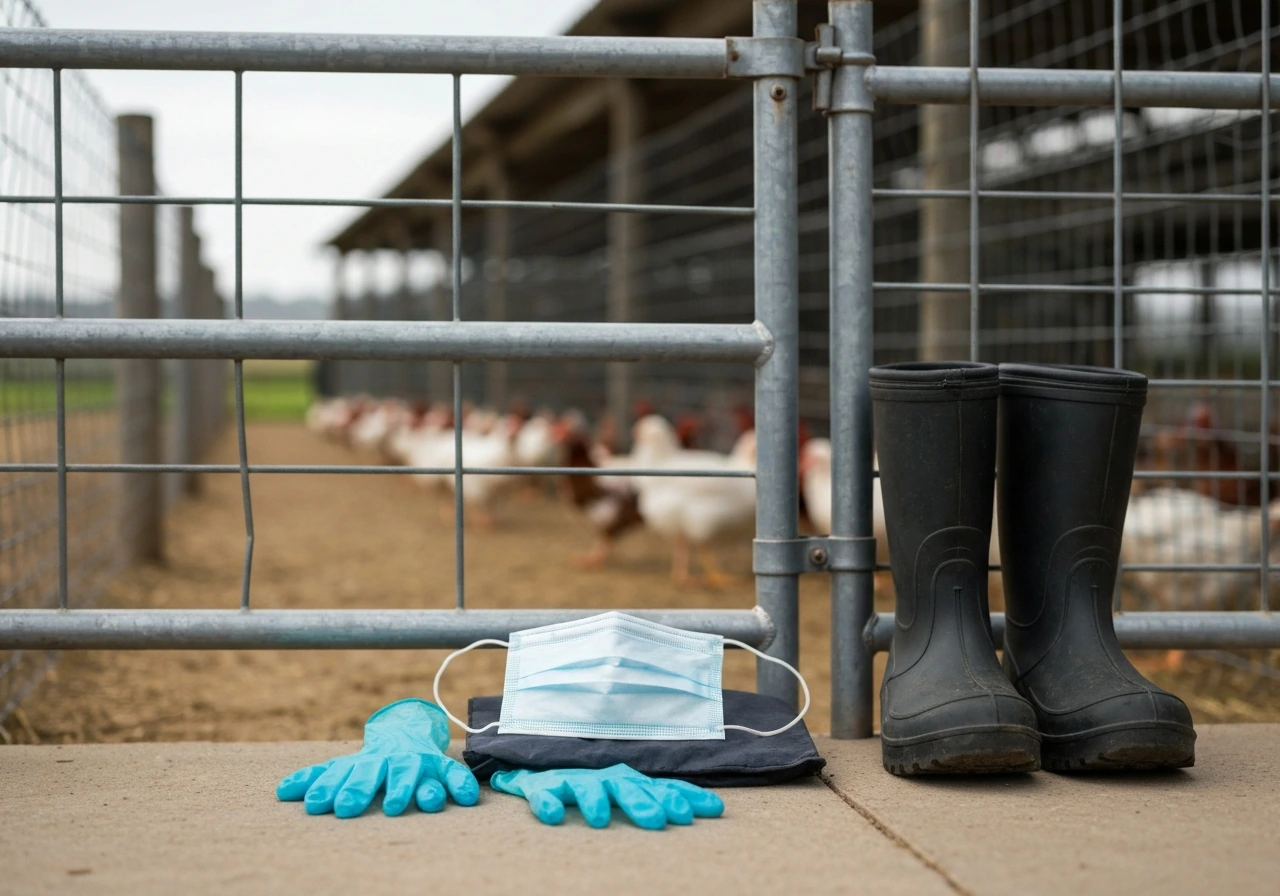
The primary exposure risk is direct contact with infected birds or their environments. Live bird markets, backyard poultry flocks, and wild bird areas (especially where sick or dead birds are present) are the settings where most human infections have occurred. If you do not spend time in those environments, your current baseline risk is genuinely low. That said, here is how to keep it that way.
- Do not handle sick or dead wild birds with bare hands. Use gloves or a bag as a barrier, and report dead bird clusters to your local wildlife or agriculture agency.
- If you keep backyard chickens or ducks, monitor your flock closely. Increased mortality, sudden behavior changes, or respiratory symptoms in birds are warning signs. Contact your state's department of agriculture immediately if you see them.
- Avoid contact with surfaces, water, or soil visibly contaminated with bird droppings, saliva, or mucus in areas with known outbreaks.
- Wash your hands with soap and water after any time outdoors near bird habitats, especially if you touch feeders, bird baths, or nesting areas.
- Keep your clothing and footwear clean if you visit farms, markets, or any setting where live poultry are present. Change shoes before entering your home if you have been on a poultry farm.
If you have young children, elderly family members, or immunocompromised individuals in your household, these precautions are more important, not because community transmission is occurring but because any respiratory illness hits harder in those groups. Good hygiene habits established now will serve your household well across any respiratory threat, bird flu included.
Food safety prep: poultry and eggs during heightened risk
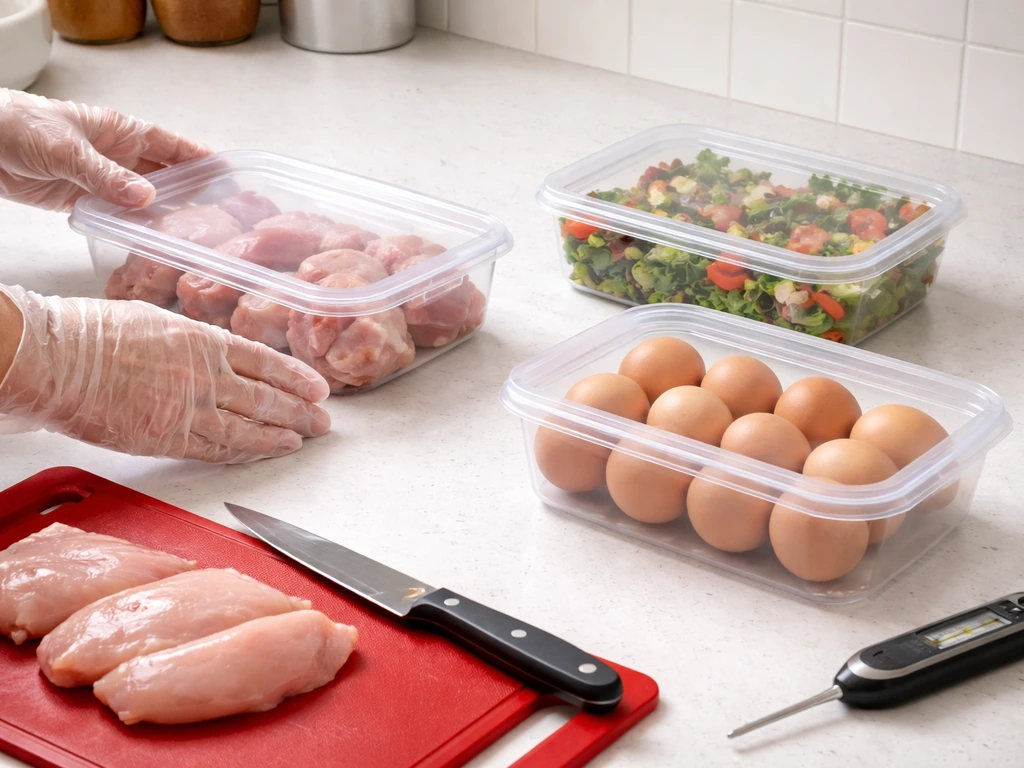
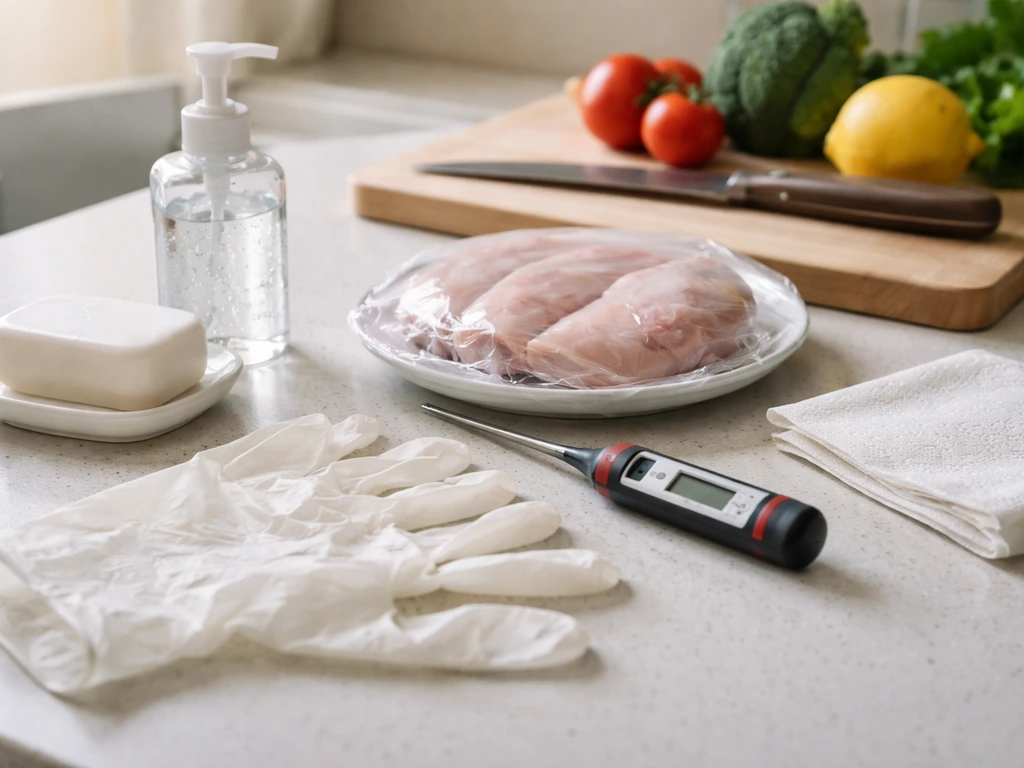
This is one of the most confused areas in online bird flu discussions, so let's be direct: properly cooked poultry and eggs are safe. The WHO has stated there is no evidence that avian influenza viruses can be transmitted through properly prepared and cooked food. The CDC confirms that cooking poultry, eggs, and other meat to the right internal temperatures kills avian influenza A viruses. CDC also specifies that egg dishes containing meat or poultry should be cooked to an internal temperature of 165°F cooking poultry, eggs, and other meat to the right internal temperatures kills avian influenza A viruses. The risk is not in eating cooked food. The risk is in mishandling raw food and cross-contaminating surfaces.
Safe internal cooking temperatures
| Food | Safe Internal Temperature | Notes |
|---|---|---|
| Whole poultry (chicken, turkey, duck) | 165°F (74°C) | Use a thermometer in the thickest part, not touching bone |
| Ground poultry | 165°F (74°C) | Check multiple spots |
| Egg dishes with poultry (frittata, casserole, quiche) | 165°F (74°C) | Applies when meat is included in the dish |
| Eggs (fried, poached, scrambled) | Cook until yolk and white are firm | Avoid runny or undercooked eggs during heightened risk |
| Beef, pork, lamb (whole cuts) | 145°F (63°C) | With 3-minute rest time |
Beyond cooking temperatures, cross-contamination is the food safety issue that actually causes illness. Never use the same cutting board or utensils for raw poultry and ready-to-eat foods without washing in between. Wash your hands for at least 20 seconds after handling any raw meat. Do not thaw frozen poultry on the counter at room temperature, where bacteria (and viruses) can multiply rapidly. Thaw in the refrigerator, in cold running water, or in the microwave if you plan to cook immediately.
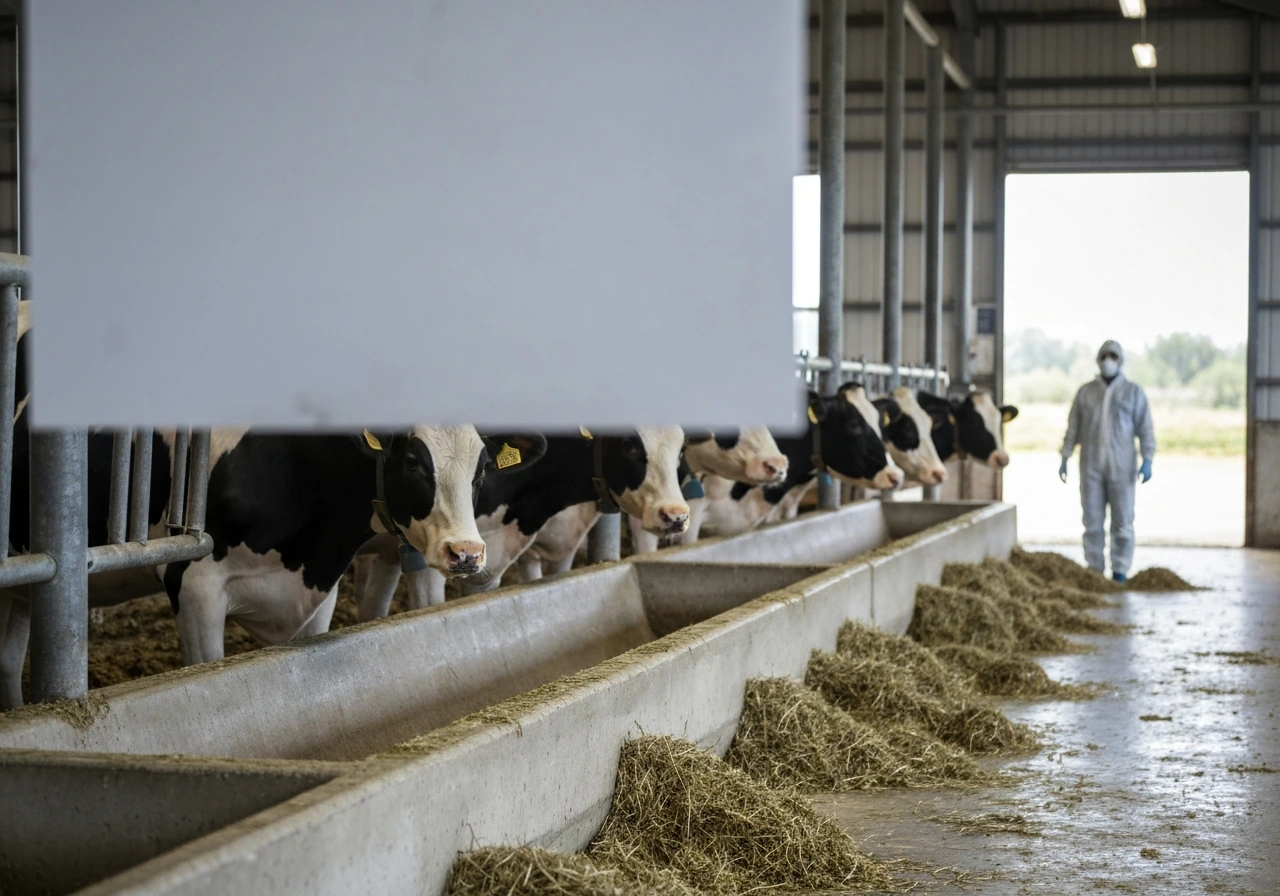
One area of genuine uncertainty worth noting: the CDC has stated it does not yet know whether avian influenza A viruses can be transmitted through raw milk or products made from raw milk from infected animals. Until that is resolved, avoiding raw (unpasteurized) dairy is a reasonable precaution, particularly if you are in a region with active avian influenza detections in dairy cattle.
Personal protective steps during higher transmission periods
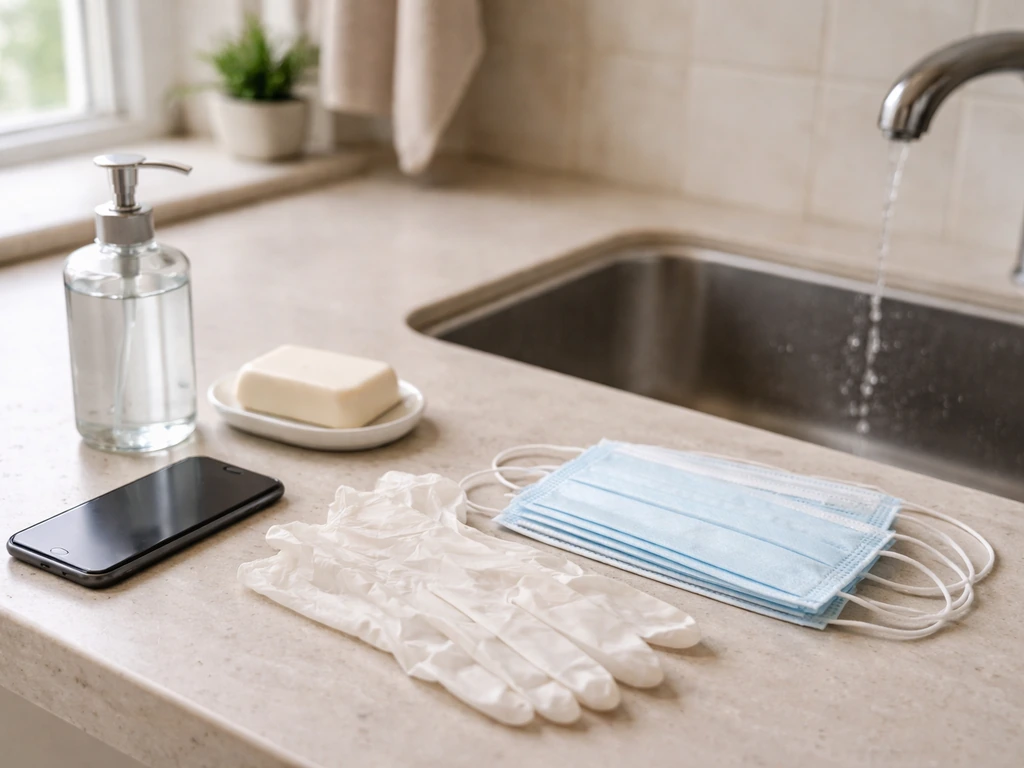
If health authorities report increased community cases or raise the alert level in your area, your personal protective approach should shift. But it is important to be honest about what actually works versus what feels like it works.
What genuinely helps
- Handwashing: washing with soap and water for at least 20 seconds remains one of the most effective, evidence-backed steps you can take.
- Avoiding exposure to known sources: this means limiting time in live bird markets, farms with confirmed infections, and areas with sick or dying bird populations.
- Respiratory protection if you are exposed or symptomatic: if you have been in a high-risk setting or are waiting on test results, wearing a well-fitted mask when around others is sensible. A loosely worn surgical mask provides less protection because gaps allow particles through.
- Monitoring your own health: if you have had a potential exposure, watch yourself for symptoms for at least 10 days. The incubation period for H5N1 is typically 2 to 8 days.
- Staying home if sick: do not go to work or school with respiratory symptoms, especially during a period of elevated bird flu transmission.
What does not help as much as people think
Wearing any random mask casually is not the same as proper respiratory protection. The CDC and NIOSH are clear that masks and respirators only work if they fit well against your face, forming a seal. Loose-fitting masks allow particles to escape around the edges. Studies have also found that a surprisingly small percentage of people donning N95 respirators without training use the correct technique.
If you are a general member of the public (not a healthcare worker or farmer), a well-fitted surgical mask or KN95 can help, but putting it on loosely or touching the front repeatedly negates much of its benefit. No single tool is a silver bullet: cleaner indoor air, physical distancing, hygiene, and a well-fitted mask together are what the CDC recommends, not masking alone.
If you’re sick, the CDC also notes that wearing a well-fitted mask at home can help protect others in your household.
Household preparedness checklist for disruption and staying healthy
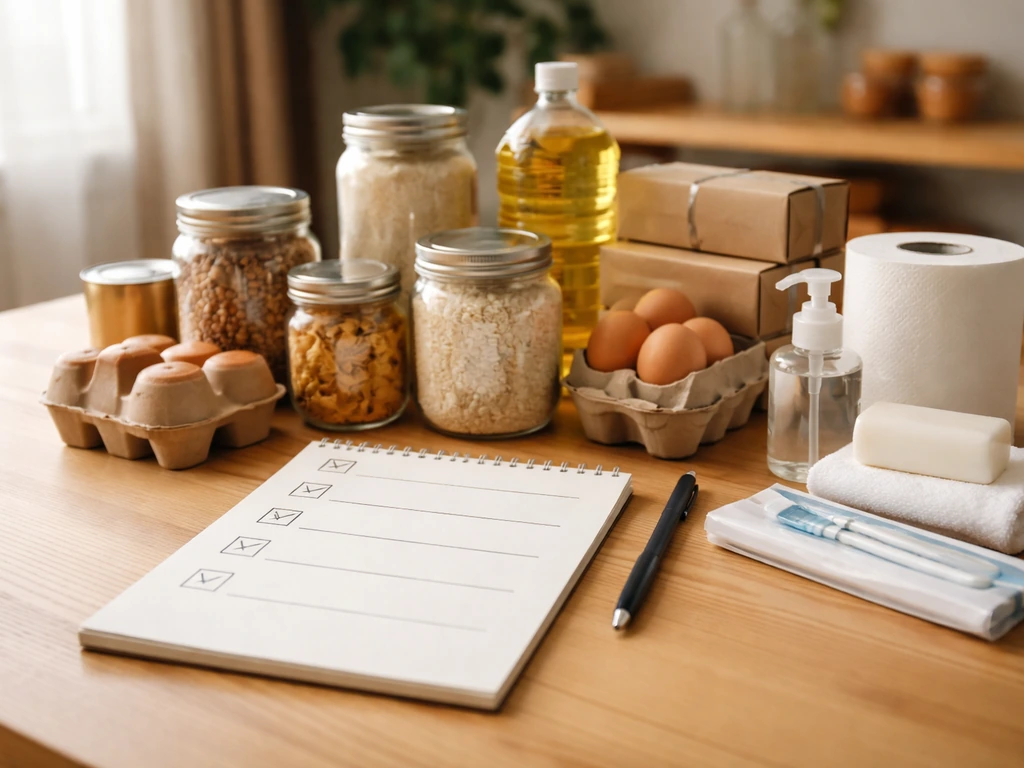
The most practical thing you can do right now is build a household plan for a few weeks of disruption. This is not about building a bunker. It is about not being caught scrambling if supply chains hiccup, workplaces close, or a family member gets sick and needs to stay home. The CDC has specific household pandemic preparedness guidance, and the core elements are fairly simple.
- Stock at least a 2-week supply of non-perishable food: canned goods, dried pasta, rice, oats, nut butters, and anything your household regularly eats. Rotate stock so nothing expires.
- Store water: the standard guidance is 1 gallon per person per day. A 2-week supply for a household of four is around 56 gallons. Use sealed, food-safe containers.
- Have a 1-week (ideally 2-week) supply of any prescription medications on hand. Talk to your doctor about getting a slightly extended supply if you have ongoing health needs. Use a cooler for anything that requires refrigeration.
- Keep over-the-counter medications stocked: fever reducers (acetaminophen or ibuprofen), antihistamines, electrolyte packets, and cold/flu symptom relievers.
- Sanitation and hygiene supplies: liquid hand soap, hand sanitizer (at least 60% alcohol), disinfecting wipes or spray, extra toilet paper, and disposable gloves.
- Respiratory protection: keep a box of well-fitting masks (surgical masks or KN95s) at home. If you want higher-grade protection, get fitted N95s, but only if you are willing to learn and practice correct technique.
- Thermometer: a functioning digital thermometer is essential. Know what a fever looks like (100°F or 37.8°C or above is the CDC's threshold for bird flu symptom monitoring).
- Communication plan: identify a point of contact outside your immediate household for check-ins. Know how you will get public health updates if internet access is disrupted (battery-powered or hand-crank radio).
- Special needs supplies: infant formula, pet food, any dietary or medical supplies specific to your household that cannot be easily substituted.
- Know your local public health resources: save the number for your county or local health department and bookmark the CDC and WHO websites. These are where you will get accurate, updated guidance.
If you want to go deeper on specific items to stock, there is more detailed coverage on what to stock up on for bird flu that walks through product-level decisions. If you are wondering what to stock up on, focus on practical household needs and food safety basics first what to stock up on for bird flu. For broader prevention habits that complement household readiness, it is also worth reviewing how to avoid bird flu and how bird flu can be prevented, both of which cover daily behaviors that reduce your risk before any pandemic declaration. Here are practical ways to avoid bird flu in everyday life, from hygiene to safe handling of poultry and eggs.
What to watch for and when to seek medical care
Bird flu symptoms in humans range from mild illness to severe respiratory disease. The early signs to watch for include fever at or above 100°F (37.8°C), cough, sore throat, runny nose, muscle aches, eye redness or discharge (conjunctivitis), and in more serious cases, shortness of breath or difficulty breathing. Conjunctivitis showing up alongside flu-like symptoms is a specific flag worth noting, as it appears more frequently in bird flu cases than in typical seasonal flu.
The WHO recommends seeking medical care immediately if you have flu-like symptoms or unexplained conjunctivitis AND you have recently been in an area with a known avian influenza outbreak in animals, or you have had contact with sick or dead poultry or wild birds. Do not wait to see if symptoms improve on their own in that context. Early antiviral treatment (antivirals like oseltamivir are most effective when started early) can meaningfully affect outcomes.
If you have been potentially exposed but do not yet have symptoms, the CDC recommends active self-monitoring for 10 days. Take your temperature daily. If symptoms develop, call ahead to a healthcare provider or urgent care before walking in, and let them know about your potential exposure. This helps them take appropriate precautions and route you correctly.
| Situation | Action |
|---|---|
| Mild symptoms (cough, low fever), no known bird exposure | Monitor at home, rest, hydrate; standard flu care |
| Mild symptoms AND recent contact with sick/dead birds or contaminated environments | Call your healthcare provider immediately; mention your exposure history |
| Moderate to severe symptoms (high fever, difficulty breathing) AND any bird exposure | Seek emergency care. Call ahead and inform them of exposure |
| Exposed but no symptoms | Self-monitor temperature and symptoms daily for 10 days; isolate from others if symptoms develop |
| Positive influenza A(H5) test, no symptoms yet | Wear a mask around others; continue monitoring for 10 days per CDC guidance |
How to filter Reddit and social media advice with evidence-based guidance
Reddit threads on bird flu range from genuinely useful (people sharing credible links, asking sensible questions) to deeply unhelpful (doom-spiral posts, implausible conspiracy claims, and supplement recommendations with no scientific basis). The same goes for Twitter, TikTok, and YouTube. Here is a practical filter you can apply to any claim you see online.
- Check the source: is this from the CDC, WHO, ECDC, or a peer-reviewed journal? Or is it from an anonymous account, a personal blog, or someone selling something? The former is worth reading; the latter requires skepticism.
- Check the framing: does the post present a single case report as evidence of a pandemic? One human infection does not mean sustained community spread has started. WHO and ECDC have clear criteria for pandemic phase transitions, and those definitions matter.
- Watch for false certainty: good public health communication acknowledges what is not yet known. Claims that are completely definitive in either direction ('there is zero risk' or 'we are all going to die') are almost always wrong. Science is iterative, and uncertainty is normal.
- Apply the exposure logic: WHO's guidance is concrete and actionable. If you did not have contact with sick birds or contaminated environments, your risk is low. If you did, monitor your health and seek care if symptoms appear. That logic does not change based on social media panic.
- Ask: does this align with official guidance? The CDC maintains an avian influenza social media toolkit specifically to counter misinformation. When you see a dramatic claim, look up whether the CDC or WHO has addressed it directly.
- Be wary of supplement and 'cure' claims: no supplement has been proven to prevent bird flu infection. Antivirals like oseltamivir are the treatment tools public health authorities rely on, and they require a prescription. Anyone selling a bird flu 'cure' over the internet is misleading you.
One genuinely useful thing Reddit can provide is real-time community reporting, such as locals describing conditions in outbreak regions, links to local health department updates, or translated versions of foreign-language health advisories. That kind of ground-level information can be valuable as a supplement to official guidance. Just treat it as context, not as a substitute for what the WHO and CDC are actually saying.
The bottom line on social media: use it to find leads and monitor community sentiment, then verify anything that sounds alarming (or suspiciously reassuring) against primary sources before acting on it. Risk communication is something the WHO explicitly identifies as a core pandemic preparedness component precisely because public perception of risk often drifts from expert assessment during high-anxiety events. Staying anchored to evidence does not mean dismissing concern. It means directing that concern into useful action, which is exactly what this guide is for.
FAQ
How do I judge my personal risk if I am not around birds much?
If you do not have ongoing exposure to sick or dead birds, live bird markets, backyard flocks, or areas with recent detections in wild birds, your baseline risk is low. Focus first on household hygiene, safe food handling, and not contacting wildlife or sick poultry. Reserve higher PPE and more intensive precautions for when local public health notices or confirmed animal outbreaks put you in a higher-exposure setting.
What indicators should I watch to know when my preparation level should change?
Track two signals, not one: (1) evidence of more severe illness or expanding outbreaks in animals in your region, and (2) whether authorities report any sustained human-to-human transmission. A single confirmed case, even in a specific job group, is not the same as community spread, so avoid escalating your routine until guidance shifts.
What should I do if I had a possible exposure but I have no symptoms yet?
If you might be exposed but feel healthy, active self-monitoring is more helpful than trying to “pre-treat” at home. Take your temperature daily, watch for respiratory symptoms, and if symptoms appear, contact a healthcare provider and mention the exposure so they can use the right precautions and consider antivirals early.
Should I buy an N95, and how do I make sure it actually works?
Use respirators based on fit and comfort over novelty. A KN95 or well-fitted surgical mask is generally more reasonable for the public than an N95 you cannot seal. Practice putting it on without repeated face touching, and replace it if it becomes wet, stretched, or hard to seal. If you are doing fit checks or trying N95 technique, do it in calm conditions before you need it.
What are common mistakes people make while preparing (for example, buying the wrong products)?
Do not rely on bottled supplements or “immune boosters” as a prevention strategy. What consistently reduces risk across influenza threats is airflow and barrier controls, including staying home when sick, cleaning high-touch surfaces, and using properly handled food practices. Treat claims about supplements as unverified until they come from public health agencies.
How should we handle it at home if a household member gets sick?
If someone in your household becomes sick with flu-like symptoms, separate as much as possible (different room if feasible), improve ventilation, and avoid sharing towels, utensils, and bedding. If they need to go out or be evaluated, call ahead so staff can set precautions, and have household members use an appropriately fitted mask if close contact is unavoidable.
If I start having symptoms, how quickly do I need to see a doctor?
Yes, but timing matters. If you develop symptoms after a known exposure or recent travel in an outbreak-affected area, seek medical advice promptly and call ahead. Starting antivirals early can significantly change outcomes, so waiting “to see if it improves” can cost you that window.
Do cooking and food safety steps fully cover dietary risks, including eggs and dairy?
Your food plan should prioritize safe handling rather than special diets. Keep raw poultry and ready-to-eat foods separated, wash hands after handling raw meat, and thaw safely. If you are concerned about raw dairy, choose pasteurized products until guidance changes, especially in regions with active detections reported in dairy cattle.
Do I need to stay home or isolate even if I feel fine after an exposure?
Active monitoring is usually short, but quarantine-style isolation is a different decision. For people without symptoms, follow public health or clinician instructions, typically focusing on monitoring and reducing contact if symptoms start. If guidance changes locally or a clinician advises exposure precautions, then tighten measures accordingly.
What should a realistic household plan include so we do not scramble?
A “household plan” is most useful when it includes responsibilities. Assign who checks temperatures, who tracks symptoms and calls ahead, who handles grocery runs with safe food practices, and where supplies are stored. Also plan how to manage sick-day childcare or elder care if someone needs to stay home.