Yes, you can die from bird flu, but the realistic picture is more nuanced than that simple answer suggests. Human deaths from avian influenza have happened, and the case-fatality rates for strains like H5N1 and H7N9 are genuinely high among people who get confirmed infections. But the critical context is this: most people have essentially zero realistic exposure to the virus, and the small number of humans who have died were almost always in direct, close contact with infected birds or contaminated environments. Understanding who actually faces serious risk, what the warning signs look like, and what to do if you think you've been exposed is far more useful than the raw mortality numbers alone.
Can You Die From Bird Flu? Human Risk and Warning Signs

Maya Chen
23 Apr 2026
Have humans actually died from bird flu?
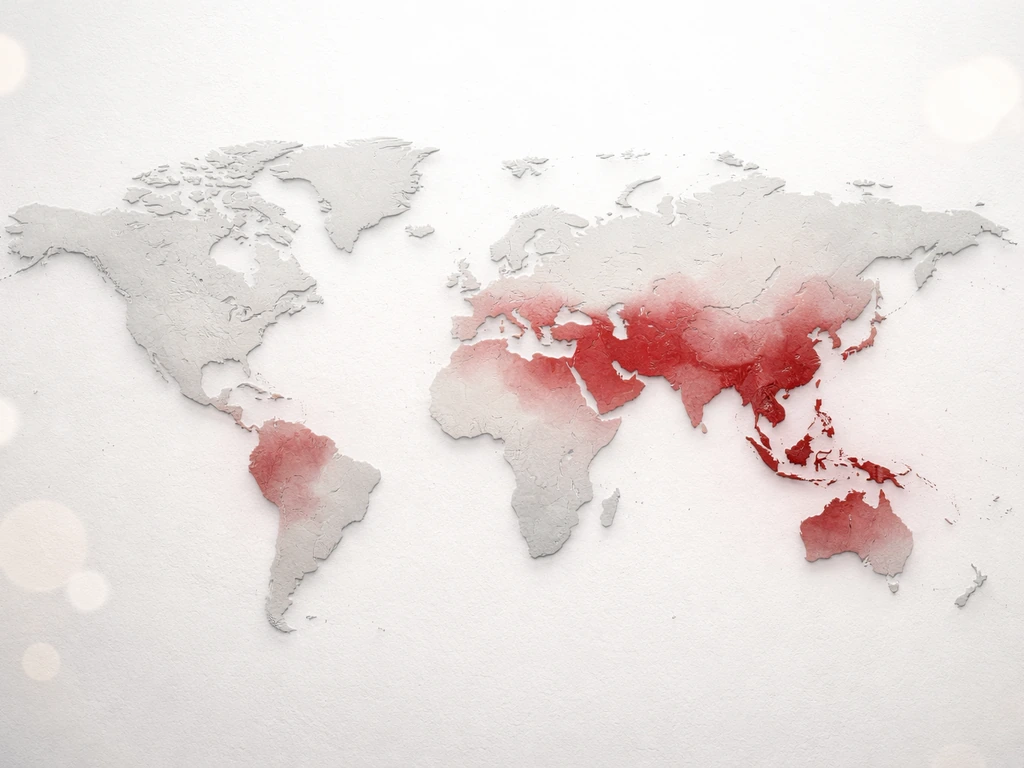
Yes, definitively. The global record on this is clear. WHO's cumulative data covering 2003 through 2025 tallies 861 confirmed human H5N1 cases and 455 deaths, giving a crude case-fatality ratio of around 53%. For H7N9, another strain that caused significant outbreaks in China, roughly 1,568 confirmed human cases resulted in at least 615 deaths, a case-fatality ratio of about 39%. These are not small numbers in terms of severity, but they come from a very small pool of infected people globally over more than two decades.
Recent data reinforces this. Between January and August 2025, there were 26 confirmed human H5N1 infections globally, resulting in 11 deaths across 7 countries. Cambodia alone reported 11 laboratory-confirmed cases between January and July 2025, with 6 deaths, a case-fatality rate of 54% in that outbreak. The United States recorded its first domestic H5N1 death on January 6, 2025, in Louisiana: the patient was over 65 and had underlying medical conditions. That one U.S. death stands against a backdrop of multiple dairy farm workers infected during the 2024 H5N1 cattle outbreak, most of whom had mild illness and recovered.
The takeaway from that contrast is important. When bird flu jumps to humans, outcomes are not uniform. The Louisiana patient had high-risk features. The Texas dairy farm worker infected in March 2024 developed only conjunctivitis, received oseltamivir promptly, and recovered. Same virus, very different outcomes.
Why bird flu can turn deadly: the risk factors that matter
Bird flu causes severe disease for a few overlapping reasons. H5N1 in particular has a strong tendency to drive what clinicians call a cytokine storm, an overreaction of the immune system that damages lung tissue aggressively. This can progress to fulminant pneumonia, acute respiratory distress syndrome (ARDS), respiratory failure, and septic shock. Neurological complications including encephalitis have also been documented. It can move fast, which is part of why early antiviral treatment matters so much.
Not everyone who encounters the virus faces the same odds, though. Several factors push someone toward a more severe outcome.
- Age: being over 65 significantly increases the risk of severe disease, as illustrated by the Louisiana fatality
- Underlying health conditions: heart disease, lung disease, diabetes, obesity, and immunosuppression all worsen outcomes
- Severity of exposure: close, prolonged, unprotected contact with heavily infected animals appears to correlate with more severe infection
- Delay in treatment: antiviral drugs like oseltamivir (Tamiflu) are most effective when started early, ideally within 48 hours of symptom onset; late treatment is associated with worse outcomes
- Viral strain: not all avian influenza strains are equal in their human lethality; H5N1 and H7N9 are the most concerning documented strains in humans
What severe bird flu actually feels like, and when it turns serious
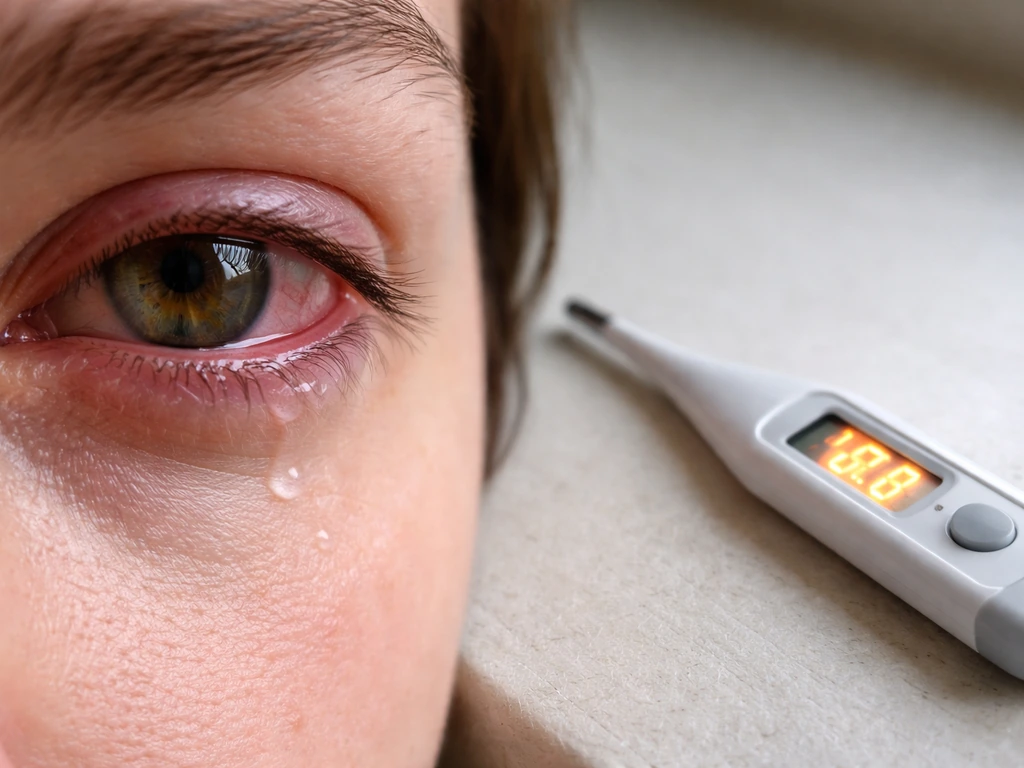
Initial symptoms typically appear 2 to 7 days after exposure, with respiratory symptoms starting around day 3 on average. Eye symptoms like redness and irritation can show up 1 to 2 days after exposure. Early on, bird flu can feel like a bad regular flu: fever, cough, sore throat, muscle aches, and sometimes gastrointestinal symptoms like diarrhea. This can help you understand what severe bird flu might feel like if you have the relevant exposure what severe bird flu actually feels like. That overlap with ordinary influenza is part of what makes it tricky to flag without knowing there was a relevant exposure.
The warning signs that something is escalating beyond manageable territory are more specific. These are the red flags that demand immediate medical attention.
- Shortness of breath or difficulty breathing, especially if worsening quickly
- Chest pain or pressure
- Persistent high fever that is not responding to standard care
- Confusion, disorientation, or unusual mental status changes
- Rapid deterioration of any respiratory symptoms over 24 to 48 hours
- Conjunctivitis (eye redness, irritation, discharge) combined with respiratory symptoms after a bird or animal exposure
- Inability to keep fluids down combined with respiratory distress
Clinical case series of H5N1 patients show that the gap between people who survived and those who did not was often tied to how quickly disease progressed to severe pneumonia, and whether antiviral treatment was initiated in time. If you're experiencing any of the above after a relevant exposure, this is not a wait-and-see situation.
When to go to the ER and exactly what to tell the doctor
If you have had a potential exposure to infected birds, livestock, or contaminated environments in the past 10 days and you develop any respiratory symptoms, eye symptoms, or fever, you should seek medical evaluation promptly. Don't wait for symptoms to get severe before making the call. The CDC's clinical guidance tells clinicians to consider H5N1 in any patient with acute respiratory illness or conjunctivitis combined with a relevant exposure history within the last 10 days.
When you contact a healthcare provider or go to an emergency room, be specific and direct. Tell them:
- Exactly what your exposure was: did you handle sick or dead birds, visit a live poultry market, work on a dairy farm with infected cattle, or handle raw poultry or unpasteurized milk?
- When the exposure happened (they need to know it falls within that 10-day window)
- Whether you used any protective equipment during the exposure
- Your current symptoms and when they started
- Any underlying health conditions you have, especially anything affecting your immune system, lungs, or heart
Ask specifically whether you should be tested for novel influenza A (H5N1 or other avian strains), and whether antiviral treatment with oseltamivir should be started right away rather than waiting for test results. WHO guidance recommends treating patients with progressive or severe illness as soon as possible, without waiting for confirmatory lab results when clinical suspicion is high. WHO also advises that patients with laboratory-confirmed influenza virus infection who develop progressive or complicated severe illness, and some mild cases at increased risk, should receive antiviral medicines such as oseltamivir as soon as possible progressive or severe illness. If you feel like you are not being taken seriously and you genuinely had a significant animal exposure, advocate clearly for yourself.
How bird flu actually spreads to humans (and why most people are not at risk)
The overwhelming majority of human H5N1 infections have come from direct contact with infected birds or contaminated environments. Visiting live poultry markets, handling sick or dead birds without protection, slaughtering or defeathering infected poultry, and working around infected livestock (including cattle in the current U.S. outbreak) are the real exposure pathways. Contaminated surfaces during milking processes have also been identified as a transmission route, and unpasteurized milk has been flagged as a concern.
Person-to-person transmission of H5N1 has not been sustained anywhere in the world. Limited and non-sustained transmission has been documented in a small number of household and hospital settings, but only after prolonged, close, unprotected contact with a severely ill patient. This is not spreading through casual community contact. H7N9 showed a similar pattern: no evidence of sustained human-to-human transmission, with exposure to infected birds remaining the main route.
What this means practically: if you live in a city, don't work with poultry or livestock, and buy commercially processed food, your realistic risk of infection right now is extremely low. That said, people in certain occupations, including poultry farmers, slaughterhouse workers, veterinarians, and dairy farm workers, face meaningfully higher exposure risk and should take precautions seriously.
Practical steps to protect yourself and your family
If you work with birds or livestock
- Use appropriate personal protective equipment (gloves, eye protection, respiratory protection) when handling potentially infected animals or their environments
- Avoid unprotected contact with sick or dead birds; report unusual bird deaths to local agricultural authorities
- Do not handle wild waterfowl or shore birds unnecessarily, as they can carry the virus without showing symptoms
- Wash hands thoroughly with soap and water after any contact with animals or their environments
Food safety in the kitchen
Properly cooked poultry and eggs are safe to eat. Avian influenza viruses are inactivated by heat, so cooking to the right temperature eliminates the risk. USDA guidelines set the safe minimum internal temperature for all poultry (whole birds, ground poultry, giblets, and stuffed dishes) at 165°F (73.9°C). Use a food thermometer rather than guessing by color.
| Food Item | Safe Minimum Internal Temperature | Notes |
|---|---|---|
| Whole poultry, poultry parts, ground poultry | 165°F (73.9°C) | Includes chicken, turkey, duck, and other birds |
| Eggs | Cook until yolk and white are firm | Avoid runny or undercooked eggs |
| Beef (steaks, roasts) | 145°F (62.8°C) with 3-min rest | Lower risk category but follow standard safe handling |
| Unpasteurized (raw) milk | Do not consume | Pasteurization inactivates H5N1; raw milk is a documented risk |
Cross-contamination is a real but preventable risk. Keep raw poultry and its juices away from ready-to-eat foods, wash cutting boards and utensils thoroughly after contact with raw poultry, and wash your hands after handling raw meat. Do not rinse raw poultry under running water, as this spreads droplets to surrounding surfaces.
Avoid consuming unpasteurized dairy products, including raw milk and cheeses made from raw milk, especially during periods of active H5N1 activity in cattle. FDA has stated clearly that pasteurization is effective at inactivating H5N1, and dairy processors are advised not to use milk from infected cows for raw milk products. This is one of the more straightforward food-safety steps you can take right now.
The bottom line is this: bird flu can and does kill people, but almost exclusively those who have had significant direct exposure to infected animals and who face additional risk factors like age or underlying health conditions. Knowing the warning signs, acting quickly if you have had a real exposure, and following sensible food-safety practices gives you concrete tools to stay protected. The question of whether bird flu can kill you is inseparable from the question of whether you were actually exposed, and for most people, the honest answer to that second question is no. And the same reason you may have heard concerns about “can you survive bird flu” is tied to exposure level, timing, and early treatment rather than an automatic death outcome. The severity question, including how sick bird flu makes you, mostly depends on whether you had a real exposure and how quickly treatment starts.
FAQ
If I had exposure to sick birds or a contaminated area, how fast should I act if symptoms start?
Act immediately once symptoms begin. Bird flu can worsen quickly into severe pneumonia, so seeking care the same day (or within hours) matters, even if symptoms seem like a typical cold at first.
What symptoms are most concerning after a real exposure, and which ones are less specific?
Most concerning are trouble breathing, worsening shortness of breath, high fever with rapid deterioration, and eye symptoms (redness, irritation) plus respiratory illness after exposure. Run-of-the-mill body aches or a mild sore throat alone are less specific, but combined with a relevant exposure they should still trigger prompt evaluation.
Should I wait for test results before starting treatment?
In people with high clinical suspicion and progressive or severe illness, clinicians typically start antivirals right away rather than waiting. If a provider is suggesting a delay while you had a meaningful exposure and you are getting worse, ask directly whether treatment should start immediately based on your risk.
Can I get bird flu from touching poultry in a grocery store or from packaging?
Casual contact with commercially processed food is generally not considered a realistic source of infection. The higher risk is handling raw, potentially contaminated birds or livestock directly (especially when they are sick or dead) and then transferring virus from hands or surfaces to the eyes, nose, or mouth.
Does bird flu spread through droplets like a normal cold or flu in public settings?
Current evidence does not support sustained community spread. The limited documented human-to-human cases involved prolonged, close, unprotected contact with a severely ill person, not everyday exposure in stores or workplaces.
If someone in my household is sick with suspected bird flu, do we need special precautions even before diagnosis?
If a household member has a confirmed or strongly suspected infection, use standard infection-control precautions at home while you contact healthcare guidance. Focus on avoiding close, unprotected contact with respiratory secretions, using masks, improving ventilation, and separating personal items if possible.
Is it possible to get bird flu without fever?
Yes, fever can be absent or not prominent early. That is why exposure history is critical, but you should not ignore respiratory symptoms, eye symptoms, or sudden worsening just because you feel afebrile.
Are children at the same risk of severe disease as adults?
Severity risk is higher with age and certain underlying conditions, but children can still become seriously ill. If a child has a relevant exposure within the last 10 days and develops respiratory or eye symptoms, treat it as urgent and get medical evaluation.
How should I describe my exposure to the clinician so they take it seriously?
Give three specifics: what you were exposed to (sick or dead birds, livestock, contaminated environment, raw milk), when it happened (how many days ago), and what you developed (respiratory symptoms, eye symptoms, fever). Also ask whether they should evaluate for novel influenza A and whether treatment should be started based on timing.
What should I do if I’m recovering and think I’m getting worse again?
Worsening after an initial improvement can signal complications like progressive pneumonia or respiratory distress. If breathing becomes harder, oxygenation seems low, or fever returns with deterioration, seek emergency care rather than assuming it is a typical viral bounce-back.
Could cooked poultry or eggs still pose a risk if I didn’t cook them evenly?
Yes, uneven cooking can leave unsafe cold spots. Use a food thermometer and cook to the recommended internal temperature, then avoid tasting to check doneness. If you think food may have been undercooked, the practical move is to discard it rather than reheat without verifying temperature.
Can unpasteurized milk exposure happen through small amounts like tasting or cooking with it?
The concern is mainly with ingestion of raw milk or raw-milk products. Even small amounts can matter, so if you intentionally consumed unpasteurized dairy during a period of active avian influenza in cattle and then develop symptoms, mention that detail to clinicians promptly.
Next Article
How Are Chickens Culled Bird Flu: Methods, Reasons & Steps
How are chickens culled during bird flu: why it’s done, humane methods, disposal, biosecurity, and next steps