Bird flu (avian influenza H5N1) can survive on hard surfaces like stainless steel or plastic for anywhere from a few hours to several weeks, depending almost entirely on temperature. At cold temperatures near 4°C (about 39°F), the virus has a half-life of roughly 1 to 1.5 days on common surfaces and can remain detectable for well over a month. At room temperature around 22°C (72°F), that half-life drops to about 2.5 to 3.5 hours, and most infectious virus is gone within a few days. The big practical takeaway: the colder and wetter the environment, the longer this virus hangs around.
How Long Does Bird Flu Live on Surfaces? Timeline and Cleanup

Maya Chen
28 Apr 2026
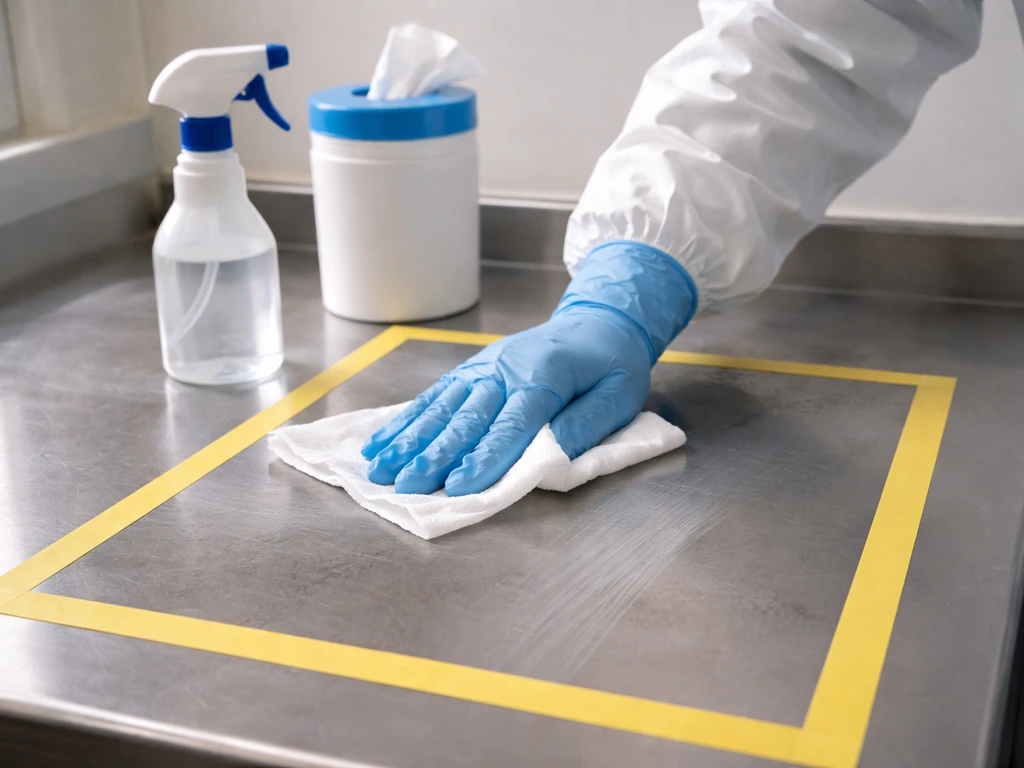
How long bird flu lasts on different surfaces
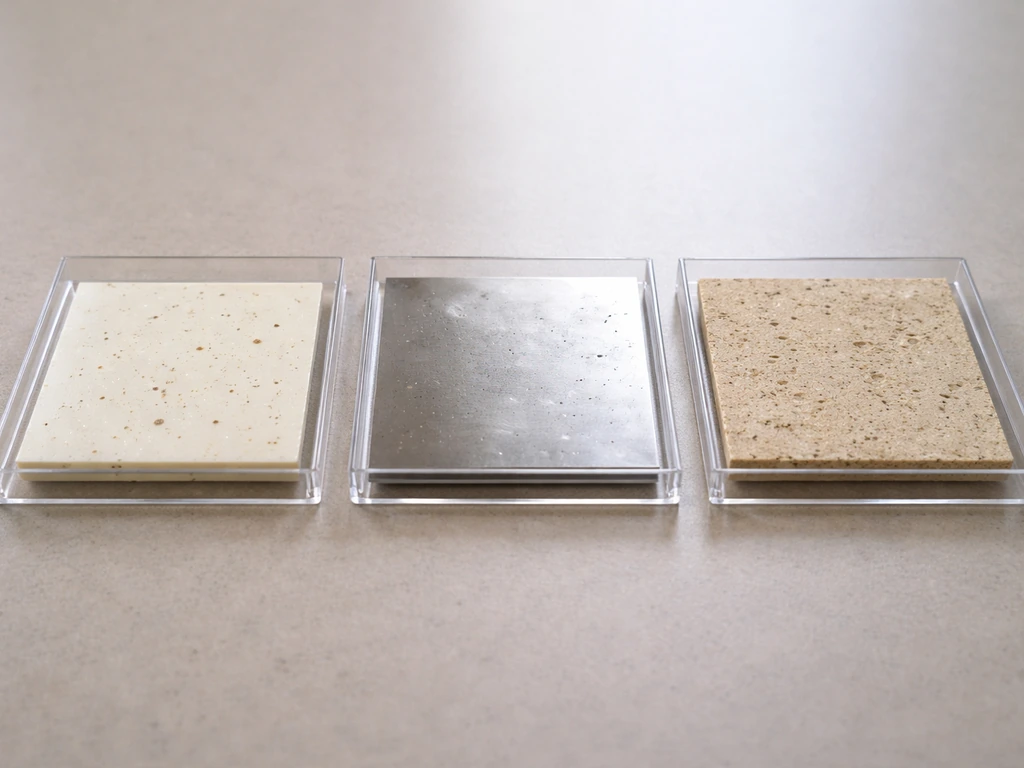
Experimental research published in 2025 in the CDC's Emerging Infectious Diseases journal tested H5N1 stability on three common surfaces: polypropylene plastic, stainless steel, and rubber. At cold refrigerator temperatures (4°C, 80% relative humidity), the half-life of infectious virus was about 1.4 days on polypropylene, 1.2 days on stainless steel, and 0.5 days on rubber. To reduce the virus by 10 log10 (essentially to nothing detectable) at that cold temperature took roughly 45 days on polypropylene, 40 days on stainless steel, and 17 days on rubber. Those are striking numbers if you think about how long equipment might sit in a cold barn over winter.
At room temperature (22°C, 65% relative humidity), the picture changes dramatically. The half-life dropped to about 2.5 hours on polypropylene, 3.3 hours on stainless steel, and 3.3 hours on rubber. Complete inactivation took only about 3.6 to 4.7 days. The decay rate at room temperature was roughly 10 times faster than at cold temperatures. So the same barn equipment that might carry viable virus for weeks in a refrigerated environment would likely be much safer after a few days at normal indoor temperatures, assuming no recontamination.
One important distinction worth making: studies often detect viral RNA (genetic material) long after infectious virus is gone. RNA detection tells you the virus was there; it doesn't confirm the virus can still infect anyone. Research on feathers, for example, found that RNA in detached feathers was far more stable than actual infectivity. Field sampling in Cambodian households detected H5N1 RNA in dust, soil, and yard surfaces up to 12 days after the last bird deaths, but RNA presence doesn't equal live, transmissible virus. Keep that in mind when reading alarming headlines about environmental contamination.
| Surface | Half-life at 4°C (cold) | Half-life at 22°C (room temp) | Time to full inactivation at 4°C | Time to full inactivation at 22°C |
|---|---|---|---|---|
| Polypropylene plastic | ~1.4 days | ~2.5 hours | ~45 days | ~3.6 days |
| Stainless steel | ~1.2 days | ~3.3 hours | ~40 days | ~4.7 days |
| Rubber | ~0.5 days | ~3.3 hours | ~17 days | ~4.6 days |
How long it survives in dead birds
Dead birds are a genuine reservoir for this virus, and survival times in tissues are sobering. Experimental research on H5N1 in chicken tissues found that at 4°C, infectious virus persisted for up to 240 days in feather tissue, up to 160 days in muscle, and about 20 days in liver. Feathers and muscle are clearly the tissues to worry about. This is why handling a dead bird that's been sitting in a cold environment, even weeks after its death, isn't something to approach without precautions.
For carcasses at ambient temperatures, USDA APHIS data indicates the virus can survive for several days at normal outdoor temperatures and a few weeks at refrigeration temperatures. If frozen, the virus can survive indefinitely. That's a critical point for anyone dealing with frozen poultry carcasses or wildlife found in cold conditions. On the more reassuring side, proper composting of infected carcasses can kill the virus within the material in less than 10 days, which is one reason composting is used as a disposal method during outbreaks.
Bird droppings on or near dead birds add another layer. Viable H5N1 was found in chicken feces held at 25 to 32°C in the shade for at least 4 days. At colder temperatures, fecal survival stretches much longer. This connects directly to the sibling topic of how long bird flu lives in bird poop, where conditions in liquid feces can allow survival for 30 to 35 days at 4°C and about 7 days at 20°C.
What makes the virus last longer (or shorter)
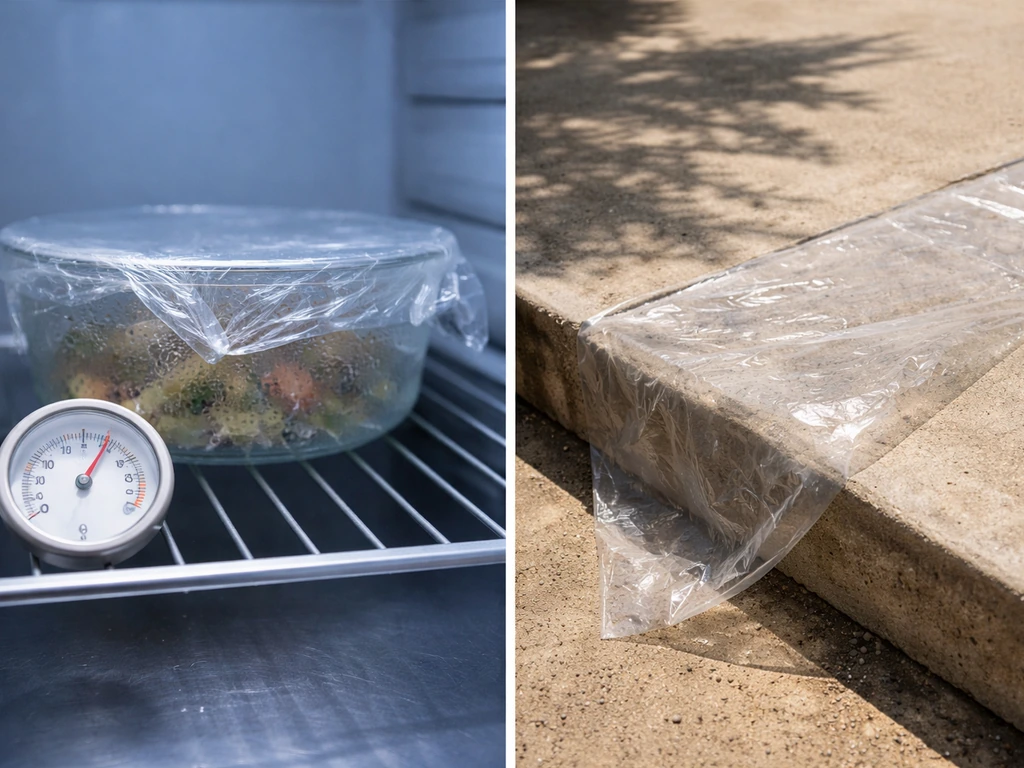
Temperature is the single biggest factor. Cold preserves the virus; warmth destroys it. That 10-fold faster decay at room temperature versus refrigerator temperature is a consistent finding across multiple studies. Body temperature (37 to 42°C) inactivates the virus relatively quickly, which is part of why healthy, living birds in hot climates have shorter environmental shedding windows than birds in cold barns.
Sunlight (UV radiation) is the second major factor. Direct UV exposure degrades the virus fairly rapidly, which is why open, sunny outdoor surfaces are generally less of a long-term concern than shaded, enclosed spaces like barns, coops, or under equipment. Organic matter, on the other hand, extends survival time significantly. Virus embedded in feces, mud, feathers, or wet litter is physically shielded from UV and desiccation, creating a protective microenvironment. Humidity also plays a role, with higher humidity generally supporting longer survival. Low airflow in enclosed spaces keeps humidity up and UV exposure down, compounding the risk.
- Cold temperatures (near or below 4°C): dramatically extend survival, potentially to weeks or months
- Freezing: virus can persist indefinitely
- High humidity: supports longer viability on surfaces
- Organic matter (feces, mud, wet litter, feathers): protects virus from disinfection and environmental inactivation
- Low UV/sunlight: sheltered or indoor surfaces hold viable virus longer
- Room temperature (around 22°C): reduces half-life to hours, full inactivation within days
- Direct sunlight: accelerates inactivation on exposed surfaces
- Dry conditions: speed up inactivation on surfaces
Where the virus is most likely to hang around
Think about where conditions favor the virus: cold, shaded, moist, and organically dirty. In practical terms, that means poultry barns and houses are the highest-risk environments. Dust inside commercial poultry houses has been shown to carry viral RNA and even infectious virus isolated from air samples, meaning the virus can travel beyond static surfaces into the air within these spaces. How far bird flu can travel is largely about how much the virus spreads from those contaminated spaces to new birds, people, and equipment how far can bird flu travel. Cages, feeders, drinkers, and water systems are all high-contact surfaces where feces and saliva accumulate.
Soil and outdoor environments around infected flocks are also a real concern. Field studies in Cambodia found H5N1 RNA in soil, yard dirt, and puddle mud near affected households, consistent with contaminated runoff and fecal deposits. The sibling topic of how long bird flu stays in soil covers this in more detail, but the short version is that wet, cool soil can harbor the virus for days to weeks. Water is another environment to flag: the virus has been detected as viable in surface water for 26 to 30 days at 28°C and 94 to 158 days at 17°C, which matters enormously for shared ponds or drainage near poultry operations.
Shoes and boots deserve a specific mention because people walk through contaminated barns and yards and can carry the virus out on footwear. For footwear, knowing how long bird flu can live on shoes helps you decide when you need to clean or disinfect after visiting contaminated barns or yards how long does bird flu live on shoes. The sibling topic of how long bird flu lives on shoes and how to disinfect shoes from bird flu addresses the mechanics of that route, but the key point here is that footwear is a real vector for moving virus between environments, especially in cold, wet conditions where the virus persists longest.
How to actually clean and disinfect surfaces
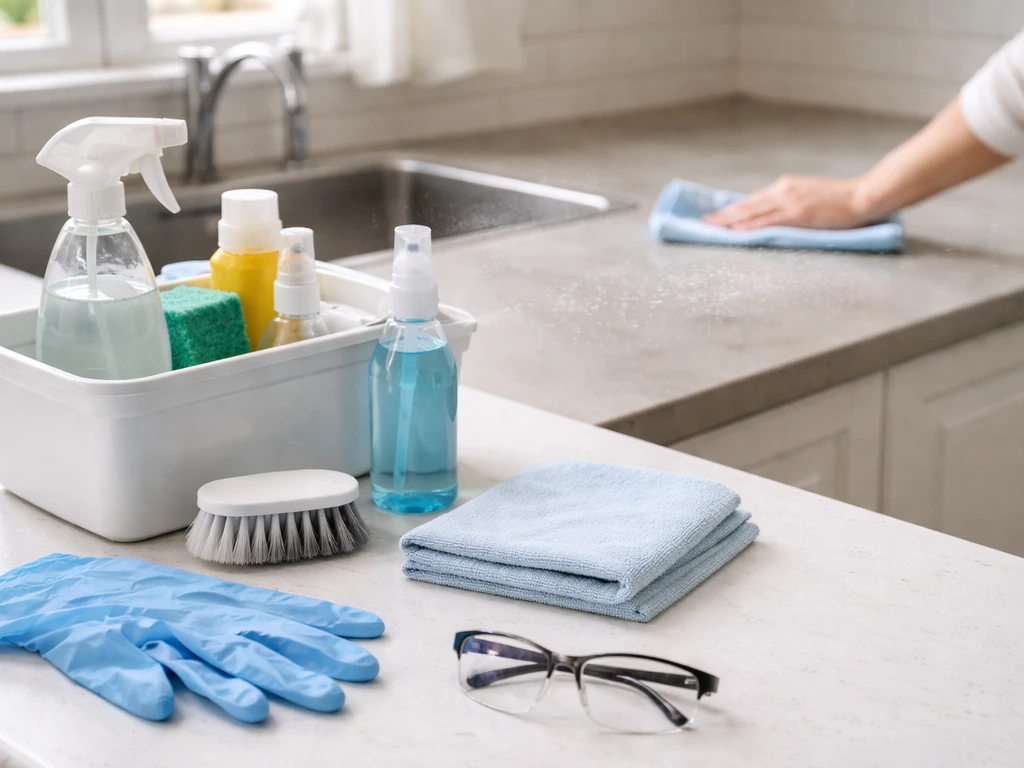
The single most important thing to understand about disinfection is that cleaning has to come first. After you clean the dirt off footwear, you can disinfect shoes from bird flu using an appropriate disinfectant for the material and then let them fully dry before wearing again. Organic matter, meaning feces, mud, feathers, wet litter, and blood, physically inactivates many disinfectants and shields virus particles from contact with the active ingredient. If you spray a disinfectant on a dirty surface, you're mostly disinfecting the dirt. The CDC, USDA APHIS, and WHO all make this point explicitly: clean first, disinfect second. The blank" rel="noopener noreferrer">US EPA maintains “List M,” which identifies antimicrobial products with label claims for avian influenza virus inactivation on hard, non-porous surfaces and includes product-specific contact times.
- Put on appropriate PPE before you start: gloves (nitrile or rubber), eye protection, N95 respirator or better, waterproof boots, and coveralls if available
- Remove all visible organic matter (feces, wet litter, feathers, carcass material) using tools like shovels, scrapers, or stiff brushes
- Bag and seal removed material for disposal; spray the outside of bags with disinfectant before moving them
- Wash the surface with soap and water until visibly clean, then allow to dry slightly
- Apply an EPA-registered disinfectant with a label claim against avian influenza or influenza A viruses (check EPA List M for registered products)
- Follow the manufacturer's dilution instructions and contact time exactly; the surface must stay wet for the full contact period
- For household bleach (sodium hypochlorite), a 1: 100 dilution (about 0.05% available chlorine) is appropriate for non-porous surfaces contaminated with secretions or feces; a stronger solution may be needed for heavily contaminated areas
- Allow adequate drying time after disinfection before reintroducing animals or equipment
- Remove PPE carefully to avoid self-contamination, wash hands thoroughly, and shower and change clothes after working in a contaminated environment
For poultry operations dealing with a confirmed or suspected outbreak, APHIS recommends a full premises cleaning and disinfection protocol with a downtime period after disinfection before restocking. This isn't just procedural caution: it reflects the real risk of residual virus in cold, shaded areas of barns that weren't fully reached during cleanup. Vehicles and equipment entering and leaving the premises should also be cleaned and disinfected at the gate.
Practical next steps: what to do right now
If you found a dead bird or birds
Don't handle dead wild birds with bare hands, especially during an active outbreak period. Use gloves, a plastic bag inverted over your hand to pick up the carcass, or a shovel. If you're an animal control officer or responding officially, follow your jurisdiction's guidance on PPE, bagging, and disposal. For backyard flock owners who discover sick or dead birds, contact your state veterinarian or the USDA APHIS Area Veterinarian in Charge to report the situation, especially if you have multiple birds dying in a short period. Early reporting is how outbreaks get contained.
If you've already had exposure
CDC advises self-monitoring for symptoms for 10 days after your last day of exposure to potentially infected birds or contaminated materials. Symptoms to watch for include fever, respiratory symptoms, and eye irritation or redness (conjunctivitis). If you develop symptoms within that window, contact your local or state health department right away. Don't just wait and see, because antiviral treatment works best when started early. Your risk as a general member of the public who briefly encountered a dead bird outdoors is quite low, but people with repeated close contact, like poultry workers, hunters handling waterfowl, and backyard flock owners, should be more vigilant.
Who to call and when
For suspected disease in poultry or livestock, contact your veterinarian first, then your State Animal Health Official or the USDA APHIS Area Veterinarian in Charge. For human exposure concerns or symptom monitoring, contact your state or local health department. If you're unsure whether what you're seeing represents a real risk, it's always better to make the call than not. Reporting is how public health and animal health authorities track spread, and it's what keeps outbreaks from becoming larger emergencies.
The bottom line on human risk: exposure to contaminated surfaces is a recognized route of infection, but documented human cases have consistently involved close, repeated, or prolonged contact with infected birds or heavily contaminated environments. Washing hands after any outdoor contact with birds or their environments, following basic PPE practices when doing cleanup, and not touching your face during the process are all genuinely protective. The science on surface survival makes clear that the virus can persist, especially in cold conditions, but the same science confirms that standard cleaning and disinfection practices are effective at eliminating it.
FAQ
Does bird flu remain infectious on porous surfaces like wood, soil, or fabric for the same length of time as on stainless steel or plastic?
Porous materials usually do not behave like hard nonporous surfaces. Infectious virus often drops faster because the virus can get trapped within pores and dries out or is degraded, but in cool, wet conditions organic material can still provide a protective shield. If you are cleaning bedding, feathers, or cloth from an outbreak area, treat it as higher risk than a wipeable hard surface and consider disposal or laundering practices that fully remove biological material, not just surface wetting.
If I see viral RNA on a surface, how should I interpret that for real-world infection risk?
RNA detection means viral genetic material is still present, but it does not prove the virus is still viable or capable of causing infection. Viability can fall much faster than detectability. Practically, use RNA-only findings as a warning sign for thorough cleaning, but do not assume the same level of infectiousness as “live virus” unless the study measured infectious virus.
How long does bird flu last on surfaces after a barn is cleaned, if I wait before restocking?
The downtime concept matters because some areas in cold, shaded spaces may not be disinfected evenly, and residual contamination can linger. Follow the outbreak protocol downtime period used by veterinary authorities, not just the general survival window. The safest approach is to repeat cleaning where visible dirt remains and ensure disinfectants contact the surface long enough according to label directions.
Is disinfecting effective if the surface is still dirty or wet with manure and litter?
Not reliably. Organic material can physically block disinfectant contact and can reduce effectiveness. Clean off solids first, then disinfect, and allow the surface to fully dry. If the area stays visibly contaminated after an initial pass, repeat the cleaning step before continuing.
Does direct sunlight make bird flu disappear faster on outdoor surfaces?
Yes, UV exposure can reduce viability more quickly than shade. However, sunlight is not the only factor. Mud, feces, wet litter, and grime can shield virus particles from UV and keep microenvironments humid. An outdoor surface that looks “sunny” can still be high risk if contamination is embedded or covered.
How long should I wait to enter a cold, enclosed barn or coop after suspect bird flu activity?
Waiting time should be based on the type of space and whether it was actively cleaned and disinfected, not only on temperature. Cold, enclosed, humid environments can preserve virus longer, and dust can carry contamination deeper than expected. If the premises has not been professionally cleaned, treat it as still contaminated until a proper sanitation process is completed and re-entry guidance is provided.
Can shoes and boots bring bird flu out of an affected area even after the birds are gone?
Yes. Footwear can mechanically carry contamination off-site, especially when conditions are cold and wet, which help survival. Even if you do not see residue, dirt in tread patterns can retain biological material. Use the remove-dirt-then-disinfect approach, and let boots dry before reuse or entering clean areas.
What’s the difference between “it’s been a few days” and “it’s safe” for surface cleanup decisions?
Time alone is not a decision tool. “Safe” depends on contamination level, temperature, whether organic matter is present, whether the space was enclosed, and whether cleaning and disinfection were actually performed correctly. A few days at warm indoor temperatures may reduce viable virus quickly, but uncleaned manure-covered areas can still pose risk. Always prioritize cleaning first and follow disinfectant contact-time instructions.
If frozen poultry or wild birds are involved, does freezing make the virus last longer indefinitely?
Freezing can greatly extend survival. The key practical point is that frozen carcasses can retain virus viability for a very long time compared with fresh carcasses. Treat handling of frozen wildlife or poultry as potentially high risk, use appropriate PPE, and avoid spreading contamination during thawing by working on surfaces you can disinfect afterward.
How long should animal control or backyard owners monitor themselves after handling dead birds or contaminated materials?
Self-monitoring is typically recommended for 10 days after your last day of exposure to potentially infected birds or materials. If you develop fever or respiratory or eye symptoms during that period, contact your local or state health department promptly. Also, avoid touching your face during cleanup and wash hands thoroughly after any outdoor bird-related contact.
Should I assume water sources near poultry operations are safe after a short time?
No. Viable virus has been detected in surface water for weeks to months depending on temperature, which can allow contamination to persist even when visible activity seems low. If water is shared with animals or used near coops, ponds, or drainage pathways, treat it as potentially contaminated and follow local guidance for management and cleanup.
Next Article
How Are Chickens Culled Bird Flu: Methods, Reasons & Steps
How are chickens culled during bird flu: why it’s done, humane methods, disposal, biosecurity, and next steps