
If you suspect bird flu in your chickens, here is the short answer: you cannot confirm it yourself at home. There is no over-the-counter test kit for avian influenza in poultry. What you can do right now is recognize the warning signs, isolate affected birds, lock down biosecurity, and get the right people on the phone. After that, a licensed veterinarian and a state or federal animal health laboratory handle the actual diagnostic testing. This guide walks you through every step of that process, including what lab testing actually looks like, so you know exactly what to expect.
How to Test for Bird Flu in Chickens: What to Do

Maya Chen
17 Apr 2026
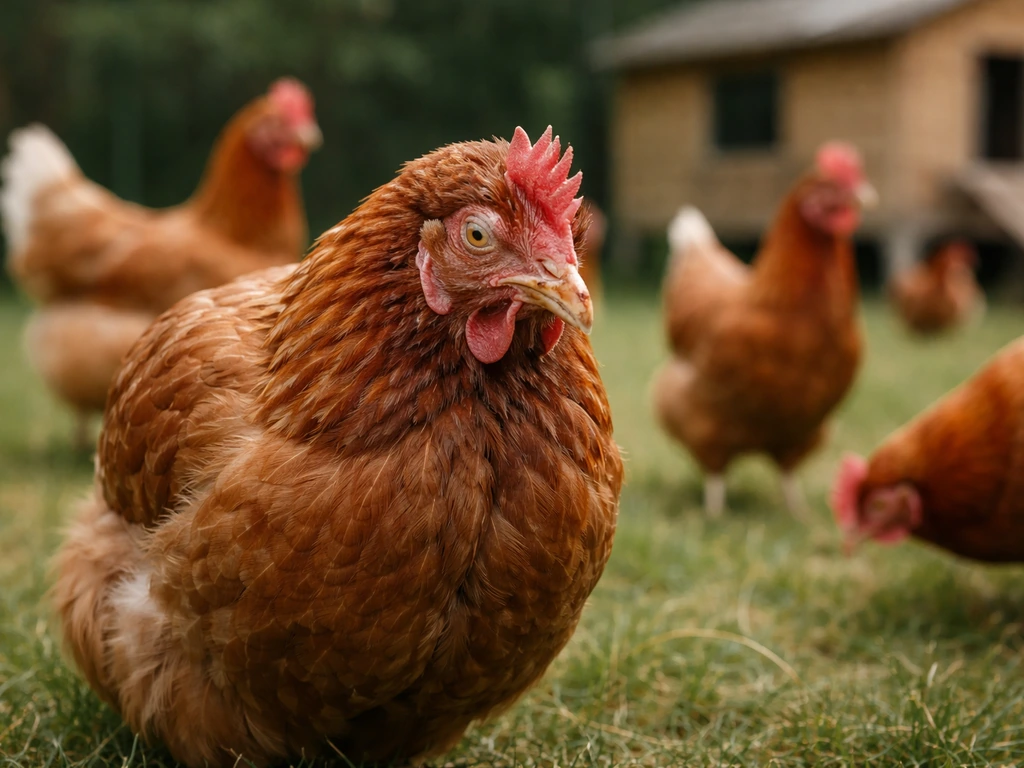
Signs that should make you suspect bird flu
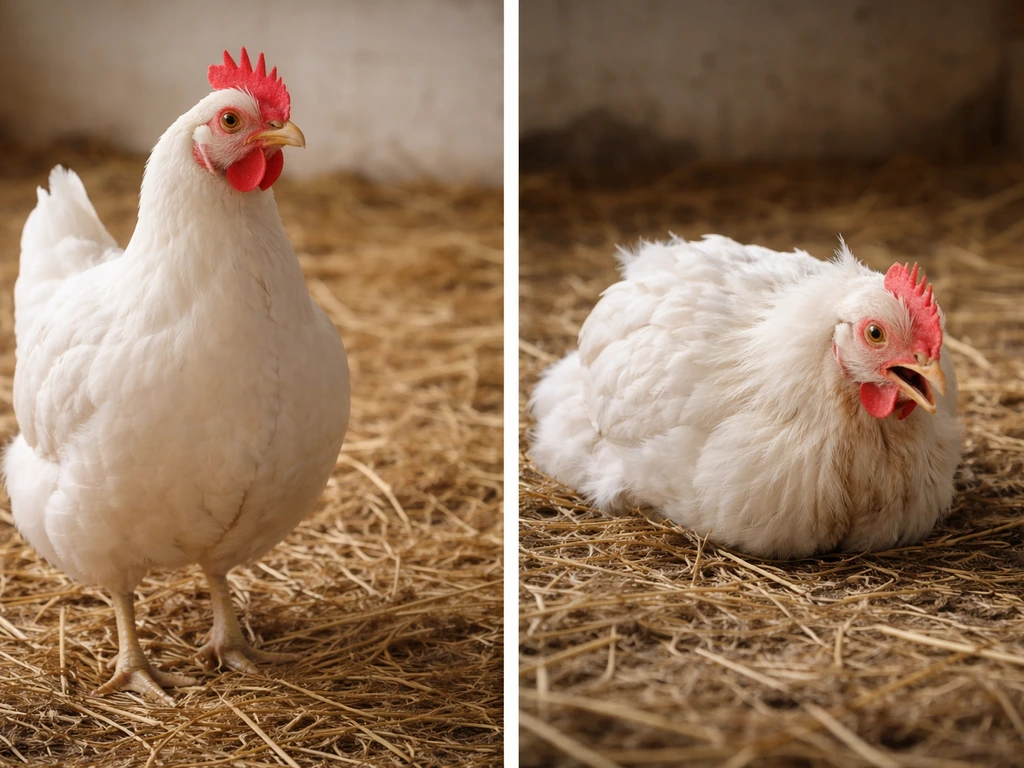
Bird flu does not always look the same. Highly pathogenic avian influenza (HPAI) can wipe out a flock within days, but some strains cause subtler signs that are easy to miss at first. Knowing the pattern matters. How do you know if a chicken has bird flu is a question worth knowing the answer to before an emergency happens, because the sooner you recognize a problem, the more containment is possible.
The clinical signs most commonly flagged by poultry extension specialists and veterinarians include:
- Sudden spike in deaths, especially with no obvious prior illness
- Severe respiratory distress: open-mouth breathing, gurgling, nasal discharge
- Neurological signs: tremors, loss of coordination, neck twisting (torticollis), and an inability to stand
- Swollen head, face, or wattles (from subcutaneous edema)
- Purple or darkened discoloration of the comb and wattles (cyanosis from poor circulation)
- Dramatic drop in egg production, sometimes accompanied by soft-shelled or misshapen eggs
- Sudden loss of appetite and extreme lethargy across the flock
Mortality can vary widely depending on the strain and the type of flock. Some outbreaks cause roughly 3% mortality in caged laying hens while others push past 15% in meat birds, all within the same HPAI category. The point is that even lower mortality numbers paired with the neurological or respiratory signs above should put you on alert. Understanding how to tell if a bird has bird flu based on clinical signs is the first skill, but it is never the final answer. Symptoms alone cannot confirm avian influenza. Several other diseases, including Newcastle disease, infectious bronchitis, and Marek's disease, can look nearly identical.
What to do right now before you call anyone
The window between suspicion and confirmed diagnosis can last days. What you do during that window matters enormously for containing potential spread. These steps are not optional extras. They are the backbone of outbreak response at the farm level.
- Isolate sick birds immediately. Move them away from healthy birds into a separate space. If you cannot move them, separate the healthy birds instead. The goal is to stop any transmission within your flock while testing is underway.
- Restrict access to the affected area. No visitors, no movement of birds, equipment, or litter in or out of the flock area until you have guidance from an animal health official.
- Document everything. Write down the number of sick and dead birds, the timeline of when signs appeared, any recent additions to the flock, and any contact with wild birds or other poultry. Photos and videos of clinical signs are genuinely useful for the vet or state lab when they need to prioritize the case.
- Do not move birds to a sale, swap, or show. This is how outbreaks spread beyond a single property.
- Clean and disinfect footwear and clothing before leaving the poultry area. Use a dedicated boot brush and a disinfectant appropriate for avian influenza viruses. USDA APHIS recommends cleaning and disinfecting all equipment and footwear used in poultry areas daily or after each use as a standard biosecurity measure.
- Stop handling dead birds with bare hands. Double-bag any carcasses in plastic and keep them refrigerated (not frozen) until you get guidance on how to submit them for testing.
These steps serve two purposes. They protect your remaining birds, and they protect you. We will come back to the human health side of this in a later section.
Who to call and when
Call someone today, not after you see whether things get worse. Avian influenza is a federally reportable disease, which means animal health professionals are legally required to report diagnosed or suspected cases to USDA APHIS Area Veterinarians in Charge and to the state animal health official. You do not need to wait for a vet to make that call. USDA APHIS also recommends that poultry owners report sick birds or unusual bird deaths through the state veterinarian or APHIS’ toll-free number, 1-866-536-7593. You can report directly yourself.
Here is who to contact, in order:
- Your accredited veterinarian: If you have a flock vet, start here. They can do an initial clinical assessment and coordinate specimen submission through a state veterinary diagnostic laboratory (VDL).
- Your state veterinarian's office or state department of agriculture: Every state has an animal health division. A quick web search for '[your state] state veterinarian avian influenza' will get you there. Many states have a 24-hour animal disease hotline.
- USDA APHIS: If you cannot reach your state vet quickly, call USDA APHIS directly. They coordinate the federal response and can direct you to the appropriate NAHLN (National Animal Health Laboratory Network) laboratory for your region.
- Your local extension office: USDA Cooperative Extension agents often have direct contacts at state labs and can help small or backyard flock owners navigate the reporting process.
Do not wait for multiple birds to die before making these calls. Early reporting is what makes the difference between a contained incident and a regional outbreak.
How laboratories actually test birds for bird flu
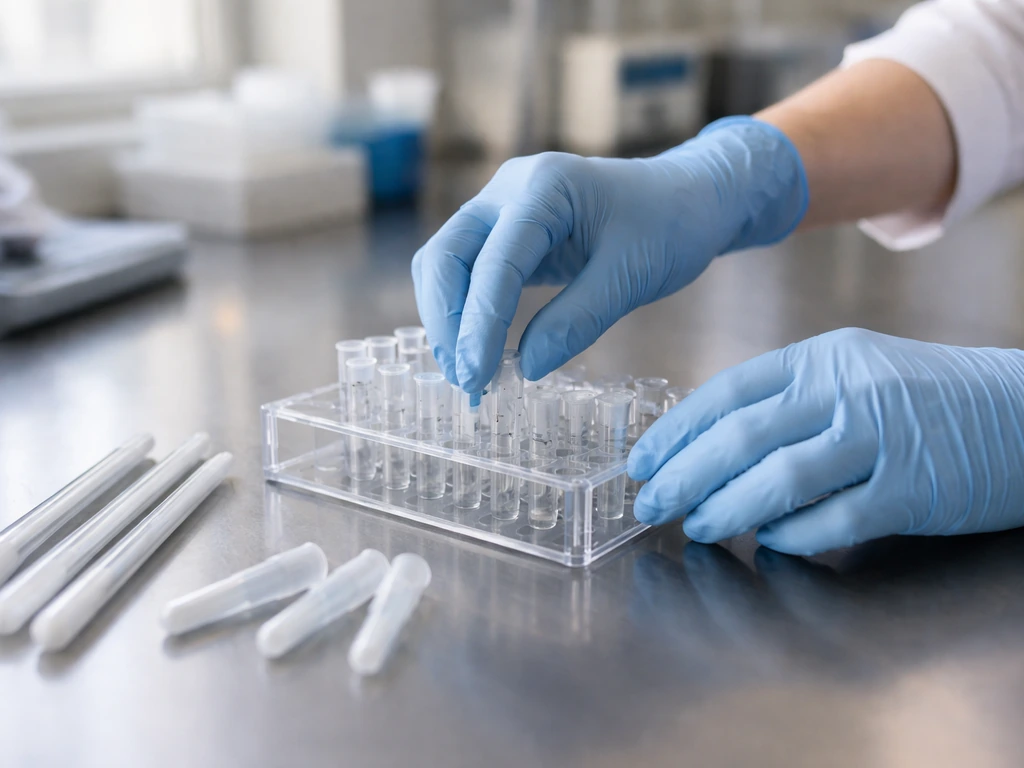
This is the part most guides skip over, but understanding how diagnostic testing works helps you cooperate with it more effectively and interpret your results when they come back.
The two-stage testing process
Lab testing for avian influenza in birds follows a structured pathway. Understanding how bird flu is diagnosed at a laboratory level makes the process less mysterious. The first stage is screening using nucleic acid detection, specifically real-time reverse transcription polymerase chain reaction (RT-PCR). This test looks for genetic material (RNA) from influenza A viruses in the submitted sample. A positive RT-PCR for an H5 or H7 subtype is treated as a presumptive positive and triggers the next stage.
The second stage involves confirmatory testing: virus isolation, identification, and in many cases genetic sequencing to determine pathogenicity. Sequencing looks specifically at the proteolytic cleavage site of the hemagglutinin protein, which is what distinguishes highly pathogenic from low pathogenic strains. This is not something a regional lab can do alone.
Confirmatory determination of H5 or H7 subtypes in the United States is an official function of USDA APHIS Veterinary Services, with final confirmation typically performed at the APHIS National Veterinary Services Laboratories (NVSL). USDA APHIS maintains a network of approved NAHLN laboratories that handle initial screening before samples are forwarded for confirmation if needed.
These approved NAHLN laboratories are listed in APHIS’s NAHLN approved labs directory and include entries for influenza A in avian laboratories (IAV-A) USDA APHIS maintains a network of approved NAHLN laboratories.
What specimens are collected from chickens
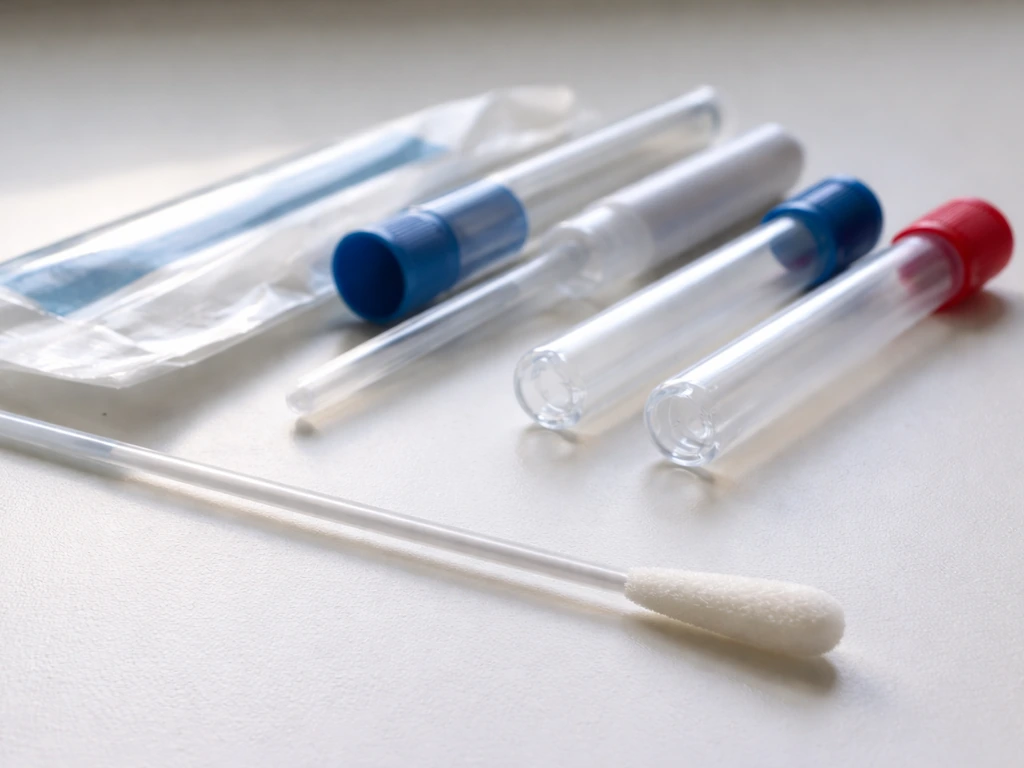
For chickens and other gallinaceous poultry, the primary specimen for avian influenza PCR testing is tracheal or oropharyngeal (TR/OP) swabs. These swabs are collected from the back of the throat and upper airway of live or recently deceased birds. Cloacal swabs (from the vent) are also commonly collected, as the virus sheds through the gastrointestinal tract as well as the respiratory tract. For dead birds, tissue samples, particularly from the trachea, lungs, intestines, and brain, are also submitted.
Individual swabs are often pooled together before testing. State VDL protocols, such as those used at Iowa State University's Veterinary Diagnostic Laboratory, describe pooling up to five swabs from the same flock and species into a single swab suspension. For backyard flocks, USDA APHIS surveillance guidance similarly uses five-bird pools as a standard sampling strategy. Pooling makes large-scale testing more efficient without meaningfully reducing sensitivity when flock prevalence is at a level worth detecting.
How to collect and handle samples safely (what to do and what to avoid)
In most cases, a veterinarian or state animal health official will collect the actual diagnostic samples. However, if you are asked to assist or to collect samples from dead birds before help arrives, there are clear safety rules to follow.
What to do
- Wear gloves (nitrile or latex), eye protection, and an N95 or better respirator before handling sick or dead birds, feces, litter, or bedding that may be contaminated.
- Place dead birds in double-sealed plastic bags. Keep them refrigerated (35 to 40 degrees Fahrenheit) but not frozen, as freezing can degrade samples and interfere with virus isolation.
- Wash hands thoroughly with soap and water immediately after handling any materials from the affected area, even if you wore gloves.
- Follow any specific instructions from your vet or state lab regarding the number of birds to sample, the type of swabs to use, and the transport media required.
- Label samples clearly with your contact information, the number of birds affected, the date, and a brief description of clinical signs.
What not to do
- Do not handle sick or dead birds bare-handed under any circumstances.
- Do not freeze carcasses or swabs unless explicitly instructed to by the laboratory.
- Do not attempt to mail samples without prior coordination with the receiving lab. There are legal and biological safety requirements for shipping biological materials.
- Do not dispose of carcasses on your own before consulting with your vet or state animal health official. Improper disposal can spread contaminated material.
- Do not use rapid antigen tests designed for human influenza. These are not validated for detecting avian influenza in poultry and will produce unreliable results.
Understanding your results and what comes next
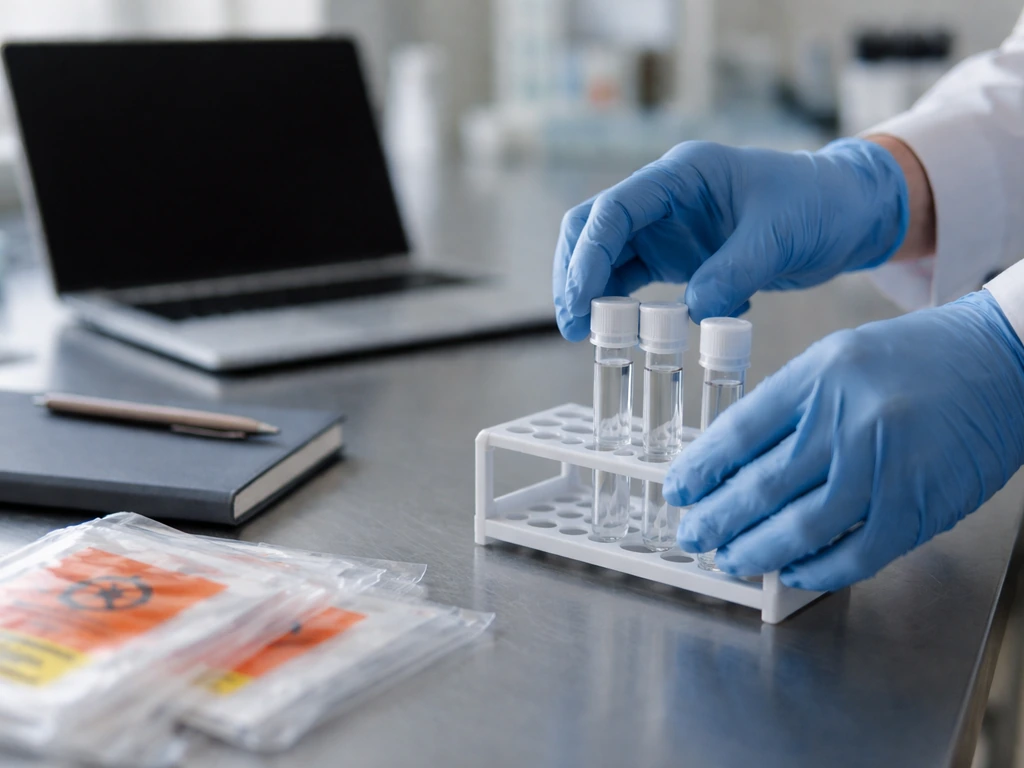
Results from initial RT-PCR screening can come back within 24 to 48 hours at many state VDLs, though timelines vary. Here is what each outcome means practically.
| Result | What it means | Immediate next steps |
|---|---|---|
| Negative for influenza A | No avian influenza virus detected in the submitted samples | Work with your vet to investigate other differential diagnoses. Continue biosecurity while you wait for a clinical explanation. |
| Positive for influenza A, subtype pending | Influenza A virus detected. H and N subtyping is underway. | Treat this as presumptive AI. State and federal animal health officials will typically be notified automatically by the lab. Follow all containment instructions. |
| Positive for H5 or H7 (presumptive HPAI) | High-priority subtype detected. Confirmatory testing at NVSL is initiated. | USDA APHIS and state animal health officials take the lead. Expect a formal investigation, possible depopulation order, and mandatory quarantine of the premises. |
| Low pathogenic AI (LPAI) confirmed | A lower-risk influenza A subtype is present. Still reportable and managed officially. | Regulatory response is less intensive than HPAI but still includes monitoring, movement restrictions, and in some cases flock management actions. |
If an HPAI-positive result is confirmed, the response moves quickly. State and federal officials will typically implement quarantine zones around the affected premises, require depopulation of the flock to prevent further spread, and initiate cleaning and disinfection protocols before any restocking can occur. Post-depopulation, state-level response orders (like those used in New York) specify minimum closure periods and require confirmation of adequate cleaning before premises are cleared. This process is disruptive, but it is the mechanism that prevents regional or national spread.
Protecting yourself and your family while you wait for results
Human infections with avian influenza A (H5N1) are rare but have occurred in people with direct, unprotected contact with infected birds or contaminated environments. While you are waiting for diagnostic results, treat the situation as though the flock is positive and protect yourself accordingly.
Personal exposure precautions
blank" rel="noopener noreferrer">CDC recommends wearing proper personal protective equipment (PPE) any time you are working directly or closely with sick or dead birds, or with materials that might contain virus, including feces, litter, and contaminated bedding. For higher-exposure situations, that means an N95 or higher respirator, eye protection (goggles or a face shield), waterproof gloves, and coveralls or dedicated clothing that you remove and wash before leaving the poultry area. If you develop any respiratory symptoms, eye redness, or flu-like illness within 10 days of exposure to a suspect flock, call your doctor and mention the potential bird flu exposure. For guidance on what the testing and clinical process looks like on the human side, how to test for bird flu in humans covers that process in detail.
Eggs and meat from a suspected flock
This is a question almost every backyard keeper asks immediately: are the eggs safe? CDC's food safety guidance is clear that there is no evidence of human infection from properly handled and thoroughly cooked poultry or eggs in the United States. Proper cooking kills avian influenza viruses.
That said, while you have a suspected case and are awaiting results, the practical advice is to stop collecting eggs from the affected flock and do not consume them until you have official guidance from your state animal health authority. FDA has addressed egg safety questions during HPAI outbreaks specifically, emphasizing the joint risk assessment work done with USDA to evaluate human health impact from shell eggs and egg products.
The short version: cook eggs fully (no runny yolks), wash your hands after handling them, and do not share eggs from a suspect flock with others until you have a negative result or official clearance.
The same logic applies to meat. Fully cooked poultry is safe to eat based on all current evidence. But if your flock is under investigation, do not slaughter birds for consumption and do not give meat or carcasses to others. Hold off until the official process runs its course. It is a frustrating wait, but it is the right call for you, your community, and anyone who might be eating at your table.
A quick reference: the full testing pathway
- Observe signs: respiratory distress, neurological symptoms, sudden deaths, and egg production drops across the flock.
- Isolate and document: separate sick birds, photograph signs, record a timeline, and restrict access to the flock area.
- Apply biosecurity: disinfect footwear and clothing, restrict movement of equipment, and stop all bird sales or transfers.
- Call your vet and/or state animal health official immediately. Do not wait to see if things improve.
- Cooperate with specimen collection: oropharyngeal/tracheal swabs, cloacal swabs, or tissue from dead birds, following lab and state guidance.
- Wear PPE throughout: gloves, eye protection, and an N95 respirator when handling sick birds, dead birds, or contaminated materials.
- Wait for RT-PCR screening results (typically 24 to 48 hours) and follow official guidance for positive, pending, or negative outcomes.
- Protect your family: monitor for symptoms, cook eggs and poultry thoroughly, and hold eggs from the flock during the investigation.
FAQ
Can I test my chickens for bird flu at home with a kit or swab I buy online?
No. Avian influenza needs laboratory confirmation, because clinical signs and simple screening are not enough to distinguish influenza A from other poultry diseases. Even if someone sells “bird flu” testing as a home kit online, there is no validated over-the-counter test for diagnosing avian influenza in chickens.
How soon should I contact a vet or animal health official after I suspect bird flu?
Do it as early as possible. If you wait until multiple birds die, you lose containment time and the virus may spread beyond the premises. When you call, be ready to share when symptoms started, the number of sick and dead birds, and whether you had any recent introductions, new feed deliveries, or wild bird contact.
If samples are pooled (for example, five birds together), can a positive result miss infected birds in my flock?
Pooling is common, but it is not the end of the investigation. If a pooled sample screens positive, the lab and officials typically follow up with additional testing and targeted sampling to determine whether the whole flock is infected and how widely the virus is present.
Can RT-PCR be positive even if my flock has only mild signs or low death rates?
Often, yes. RT-PCR can detect viral RNA before you see major flock-level collapse, so an early positive may still be “presumptive” until confirmatory work is completed. That is why you should treat suspicion as serious immediately, even while awaiting confirmatory results.
Which specimens matter most for getting an accurate lab result, especially in live birds versus dead birds?
It matters because different sample types can change the likelihood of detection. For live or recently dead birds, tracheal or oropharyngeal swabs and cloacal swabs are commonly used, while dead birds are more likely to be tested with tissues from the trachea, lungs, intestines, and brain. Using the wrong collection site or not following shipping instructions can reduce test reliability.
If a vet asks me to help collect samples from dead birds, what are the biggest mistakes that could ruin results?
Yes, and it can be a problem. Collecting samples yourself without proper PPE, using the wrong containers or preservatives, or delaying and improperly storing/shipping can lead to degraded RNA and inconclusive results. If you are asked to assist, follow the specific collection and packaging instructions you receive from the vet or lab.
If my birds test negative, does that fully rule out bird flu?
A negative result does not always mean “no bird flu,” especially if sampling timing, specimen quality, or flock distribution was suboptimal. If suspicion remains based on symptoms or epidemiology, officials may request resampling or additional testing from other birds or premises.
Do I need to report suspected bird flu, or only confirmed lab results?
Reportable disease rules focus on suspected or diagnosed cases. Practically, the animal health authority may treat “suspect” status as grounds for enhanced biosecurity and investigations, even before lab confirmation is final, because containment decisions need to start early.
What should I do with biosecurity in the days between suspicion and lab confirmation?
Follow the safe-handling approach while you wait, assuming the flock could be positive. That includes keeping people and equipment out of the area, wearing appropriate PPE if you must handle sick or dead birds, and carefully managing bedding and feces. Disinfect footwear and tools, and avoid moving litter to other locations.
Are eggs safe to collect and sell while my flock is under investigation?
Yes. Even though eggs are generally safe when fully cooked and handled properly, do not collect eggs from a suspect flock for sharing or consumption until you receive guidance from your state animal health authority. Also avoid washing eggs unless you are following your jurisdiction’s recommended egg-handling practices, since improper handling can spread contamination.
What if I already sold eggs or cooked meat from the flock before I got the test results?
Fully cooked poultry and eggs are considered safe in general, but you should not move or distribute product from an investigated flock until officials clear it. If you already processed birds or have shared eggs with others, inform the veterinarian or animal health official so they can advise on next steps.