
If one of your chickens looks sick or has died suddenly, bird flu is probably one of the first things you've searched for. Here's the honest answer: you cannot confirm bird flu by looking at symptoms alone. But you can spot a pattern of signs that should prompt you to act fast, and acting fast is what matters most with avian influenza. This guide walks you through what to look for, how to assess your flock, when to call for help, and what to do right now to protect your birds and your household.
How Do You Know If a Chicken Has Bird Flu? Signs and Next Steps

Maya Chen
16 Apr 2026
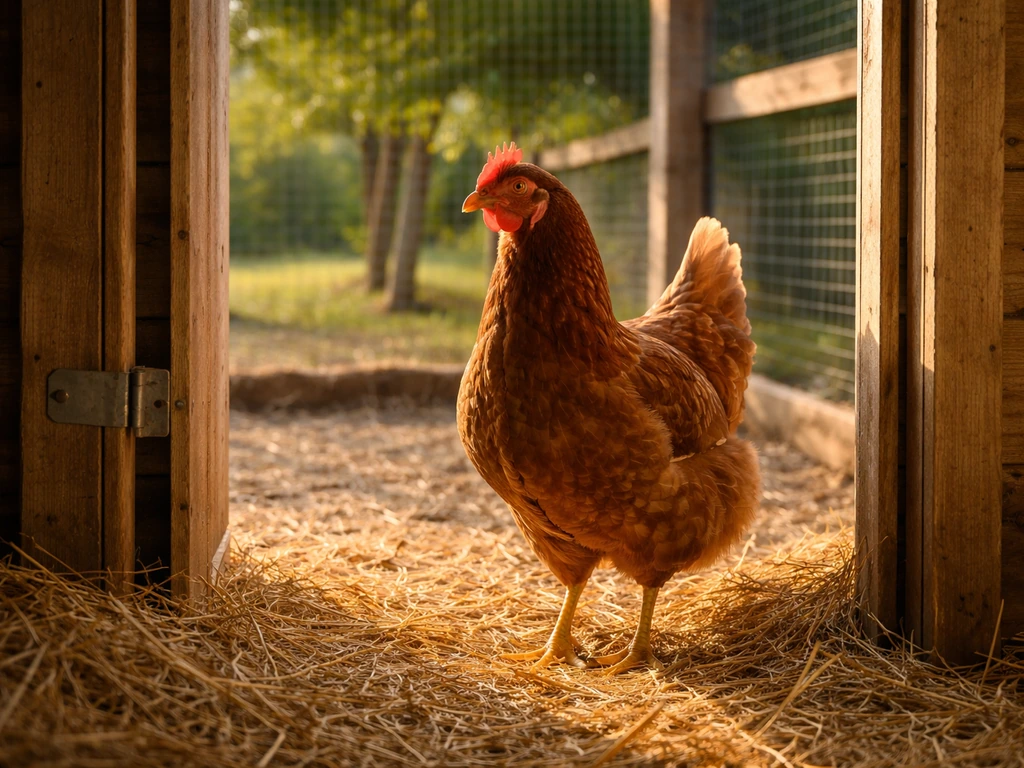
Recognizing likely signs of avian influenza in chickens
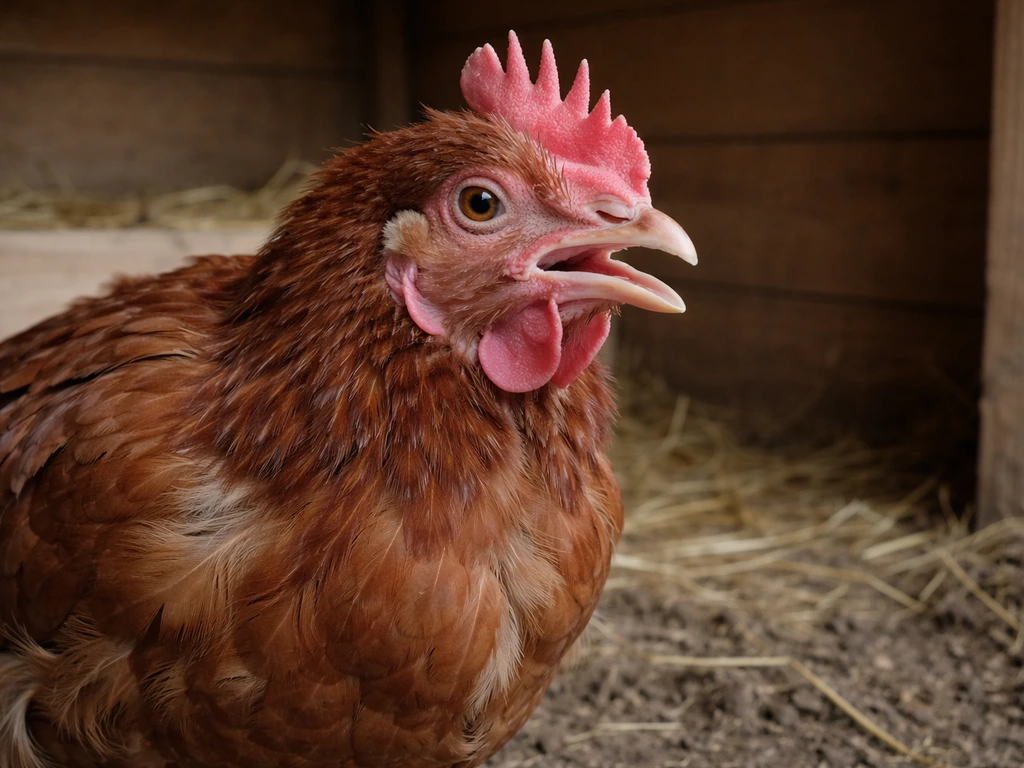
Avian influenza doesn't always look the same. Low-pathogenicity strains can cause mild symptoms that are easy to dismiss, while highly pathogenic avian influenza (HPAI) can kill birds within 24 to 48 hours with little warning. USDA APHIS outlines the key observable signs to watch for, and they break down into a few categories.
Respiratory symptoms are often the first thing keepers notice: labored or open-mouth breathing, wheezing, nasal or ocular discharge, and swelling around the head, face, or wattles. Neurological signs like twisted necks, loss of coordination, and tremors can also appear, particularly in HPAI cases. Digestive signs including watery or green diarrhea may show up alongside the rest. You might also notice a sharp, unexplained drop in egg production, or soft and misshapen shells in hens that had been laying normally.
The sign that should trigger the most urgency is sudden, unexplained death, especially if multiple birds die in a short window. One bird dying can be almost anything. Several birds dying in the same day or over two to three days, with no obvious physical trauma, is a red flag that demands immediate action. Even if survivors look completely normal, assume the flock has been exposed until proven otherwise.
How to check your flock and assess exposure risk
Before you touch anything, slow down and observe from a distance. Walk the perimeter of your coop and run and look for any dead or dying birds you may not have noticed. Count your living birds if you can do it safely. Note whether sick birds are clustered together or scattered, and whether any are showing neurological symptoms like stumbling or head tilting. Write down what you see and when, because this information matters a lot when you speak to a vet or state official.
Exposure risk assessment is just as important as the clinical picture. Ask yourself: have wild birds had access to your coop, feed, or water in the last two weeks? Waterfowl like ducks and geese are major reservoirs for avian influenza, and even a single visit from a migratory duck landing in a shared water source can be enough. Have you attended a poultry swap, fair, or feed store recently? Have any new birds been added to your flock without quarantine? Did you visit another farm or let anyone who works with other birds onto your property without footwear disinfection? Knowing the answer to even one of these questions can dramatically change how seriously you treat a questionable symptom.
You should also check your region's current outbreak status. USDA APHIS tracks active HPAI detections at the state level, and knowing whether there are confirmed cases near you gives context. A single lethargic hen in a county with zero detected cases and no wild bird exposure is a very different situation from the same hen in a county where HPAI has just been confirmed on neighboring properties.
What bird flu looks like vs. common non-bird-flu illnesses
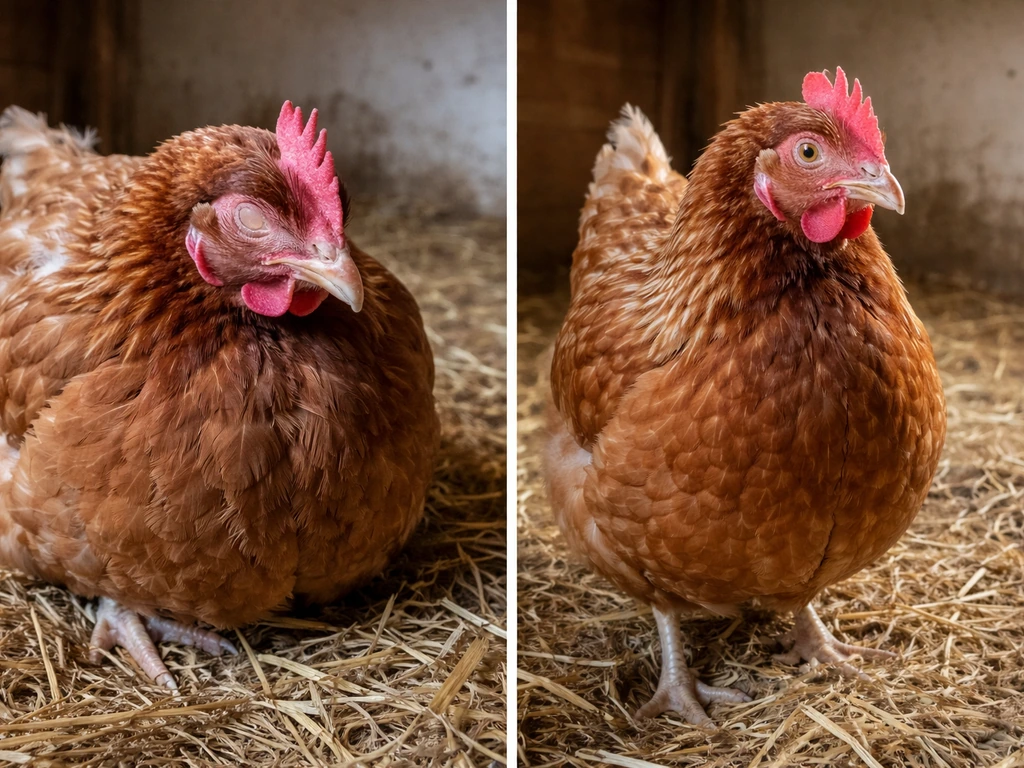
This is where things get genuinely tricky. Several common poultry diseases share symptoms with avian influenza, which is one of the main reasons symptoms alone can't give you a definitive answer. Here's how the most common look-alikes compare.
| Condition | Key Symptoms | Key Differences from Bird Flu |
|---|---|---|
| Avian Influenza (HPAI) | Sudden death, respiratory distress, neurological signs, swollen head/face, sharp egg drop, green diarrhea | Multiple sudden deaths in short window; often affects entire flock rapidly; may have wild bird exposure history |
| Newcastle Disease | Respiratory distress, neurological signs, green diarrhea, egg drop | Slower spread; neurological signs more prominent early; confirmed by different PCR test |
| Infectious Bronchitis | Coughing, nasal discharge, egg drop, soft shells | Rarely causes sudden mass death; spreads quickly but birds often survive; younger birds hit hardest |
| Marek's Disease | Paralysis, weight loss, grey iris | Progressive rather than sudden; affects individual birds, not whole flock at once |
| Infectious Laryngotracheitis (ILT) | Gasping, bloody mucus, respiratory distress | Blood-tinged discharge is distinctive; lower mortality rate than HPAI; no swollen face/wattles |
| Heat Stress or Toxin Exposure | Lethargy, panting, sudden death | No respiratory or neurological signs; often linked to temperature spike or access to toxic plants/materials |
The overlap between these conditions is significant enough that experienced poultry vets will tell you the only way to distinguish them reliably is through laboratory testing. Newcastle disease, in particular, is a notifiable foreign animal disease just like HPAI, and it produces a nearly identical clinical picture. If you're trying to tell if a bird has bird flu versus something else, the honest answer is that the symptoms won't give you a conclusive answer. What you can do is recognize when the pattern is alarming enough to escalate.
When to call a veterinarian or report to authorities
Call your veterinarian or your state animal health official immediately if you see any of the following: multiple birds dying within 24 to 48 hours with no obvious cause, a sudden and severe respiratory illness affecting a large portion of the flock, pronounced neurological signs like twisted necks or loss of balance in multiple birds, or a dramatic unexplained drop in egg production combined with any other symptom. You don't need to be certain it's bird flu. If it looks bad, make the call.
You can also call USDA APHIS directly at their toll-free number, 1-866-536-7593, which is set up specifically for reporting sick birds and unusual deaths. Your state veterinarian's office is another direct route. These calls are not about getting you in trouble. Reporting is how outbreaks get contained before they spread to neighboring flocks and commercial operations. State and federal officials want to hear from you early, not after you've waited a week hoping things improve.
If you're unsure whether your situation warrants a call, err on the side of calling. Officials would rather investigate a false alarm than learn about a real HPAI case three days too late. Document everything before you call: number of birds affected, timeline of symptoms, any deaths, and any recent exposure history you can recall.
Testing and diagnosis: what to expect and how results guide action
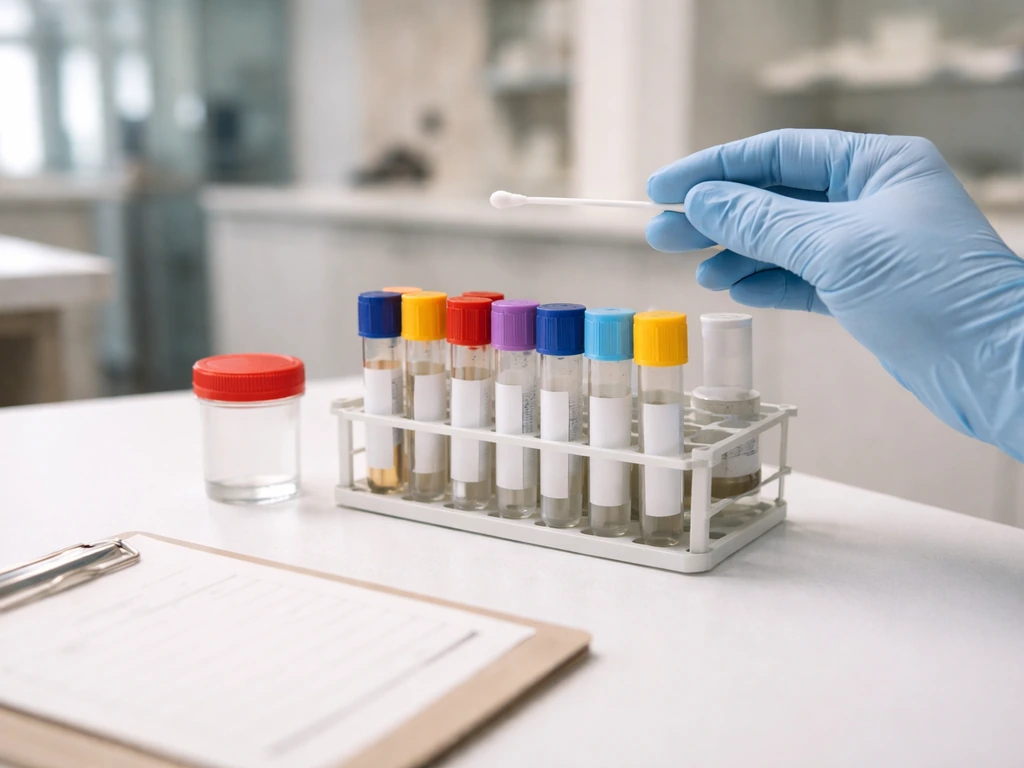
Once a vet or state official decides testing is warranted, the process moves quickly. Sample collection for avian influenza typically involves tracheal or oropharyngeal swabs from live birds, which are the preferred sample type for chickens and other gallinaceous poultry. Cloacal swabs are also collected in some situations, and in a flock investigation, multiple birds are usually swabbed so results can be pooled and interpreted in context. You won't be doing this yourself. A trained official or veterinarian will handle collection using proper PPE and following USDA APHIS sample collection protocols.
Samples are submitted to a state veterinary diagnostic laboratory, and if a preliminary positive is detected, confirmatory testing happens at the USDA National Veterinary Services Laboratories (NVSL). The primary testing method is real-time RT-PCR, which looks for genetic material from the influenza A virus. Virus isolation is another method used in some cases. If you want to understand the full diagnostic picture, how bird flu is diagnosed involves multiple steps and isn't just a single swab result.
Results typically come back within one to two business days for a preliminary PCR result. If the test is negative, you and your vet move on to investigating other causes. If preliminary results come back positive for HPAI, state and federal officials take over coordination, and depopulation of the flock is typically required under the National Poultry Improvement Plan and USDA response protocols. This is a difficult reality, but understanding it upfront helps you prepare rather than be blindsided. For those wondering specifically about the process of how to test for bird flu in chickens, the short answer is that testing is initiated through official channels, not home kits.
What to do immediately to protect your flock and your home
The moment you suspect bird flu, stop all movement of birds and equipment into or out of your property. This is the single most important thing you can do. Avian influenza spreads through direct bird-to-bird contact, respiratory droplets, and contaminated feces, equipment, clothing, and footwear. Every person who walks through your coop and then walks somewhere else is a potential transmission vector.
Here's what to do right now, in order:
- Stop all bird movement: don't bring in new birds, don't move birds to other locations, and cancel any planned sales or trades.
- Isolate sick or dead birds from the rest of the flock if you can do so safely without extensive contact.
- Do not touch dead birds with bare hands. If you must handle them before authorities arrive, use disposable gloves, a mask, and eye protection, and change clothes afterward.
- Set up footwear disinfection at the entrance to your coop. A simple tray with a diluted bleach solution (1 part bleach to 10 parts water) works for boots.
- Stop sharing equipment, feeders, waterers, or tools with any neighbors who keep poultry.
- Keep children and non-essential household members away from the coop area.
- Call your vet or state animal health official before doing anything else that involves moving birds or materials.
USDA APHIS maintains a Defend the Flock Resource Center with downloadable biosecurity checklists and on-farm assessment tools that are genuinely useful for both preparing in advance and walking through your current situation. If you haven't looked at that resource yet, it's worth bookmarking even after this immediate situation is resolved. Building biosecurity habits before an outbreak is far easier than scrambling during one.
Risk to people and food safety considerations
If you're a typical backyard flock owner who is concerned about personal health risk, here's the reassuring but honest answer: the risk of bird flu transmission to humans in most backyard scenarios is very low. That said, it is not zero, and the CDC takes human exposure seriously enough to have clear guidance on it.
The CDC advises that anyone who has had direct or close contact with sick or dead birds, or with contaminated environments like litter and bedding, should blank" rel="noopener noreferrer">monitor themselves for illness symptoms for 10 days after the last exposure. Symptoms to watch for include fever, cough, sore throat, muscle aches, and eye redness or discharge. If you develop any of these after exposure, contact your healthcare provider and mention the bird exposure specifically. There is a specific protocol for testing for bird flu in humans that your provider can initiate if warranted.
For food safety: cooking is your primary defense. The CDC and FDA both confirm that cooking poultry and eggs to an internal temperature of 165°F kills avian influenza viruses, including HPAI strains. There is no evidence that properly cooked poultry or eggs can transmit bird flu to humans. The FDA has specifically stated that properly prepared food does not present a transmission risk. Cross-contamination during handling is the main food safety concern, so wash hands thoroughly after handling raw poultry, and keep raw poultry away from surfaces where other foods are prepared.
For eggs from a potentially exposed flock, the general guidance is to avoid consuming eggs from birds that are visibly sick. If your flock has been confirmed positive for HPAI, do not consume eggs from those birds regardless of cooking. If you're in a monitoring situation where no positive test result has come back yet, limit handling and use standard food safety precautions. Don't eat cracked or visibly soiled eggs, and always cook eggs thoroughly until both yolk and white are firm.
The bottom line on human risk: take it seriously enough to use PPE when handling sick birds, wash your hands consistently, and monitor your health after exposure. But don't panic. The epidemiological evidence consistently shows that casual or incidental contact with infected birds carries a much lower risk than prolonged, direct, unprotected exposure. If you follow the steps in this article, you are already doing what the evidence says to do.
FAQ
Can a single chicken with symptoms like sneezing or watery eyes mean bird flu?
It can, but one bird is not enough to confirm. Look for a pattern, especially sudden illness spreading quickly to multiple birds, clustered respiratory or neurological signs, or any unexplained deaths. If you have only one mild case with no deaths, still isolate that bird, stop movement, and contact a vet or state official if symptoms worsen or more birds become sick.
Is it safe to wait 24 hours to see if the flock improves?
Usually you should not wait if you see the red-flag patterns described in the article. With suspected avian influenza, acting within hours matters because highly pathogenic strains can progress extremely fast. At minimum, isolate the flock, stop bird and equipment movement, and make the call the same day if multiple birds are sick or any sudden death occurs.
How should I isolate my flock if I suspect bird flu, and what should I not do?
Keep people, pets, and vehicles out of the coop and run. Do not move birds, litter, feed, waterers, cages, or tools to another location, even temporarily. Avoid cleaning that spreads contaminated dust (for example, hosing areas with sick birds), instead focus on minimizing access and contact until officials advise next steps.
Can I use a home test kit to check for bird flu?
You should not. Bird flu testing for poultry needs proper sample collection, biosafety precautions, and confirmed laboratory interpretation. Home kits can give misleading results and may delay reporting, which is why the article emphasizes official testing channels.
What if the symptoms look like something else, like parasites or respiratory illness from dust?
Many conditions mimic each other, but the decision point is whether the situation is escalating. If you observe rapid spread in the flock, multiple birds with neurological signs, or sudden unexplained deaths, treat it as urgent and report it even if you suspect a non-infectious cause. Dust and parasites are common, but they do not typically cause the same combination of fast progression and mass mortality.
Should I notify anyone besides a vet, like my neighbors or feed store?
Notify officials first, then limit informal sharing that could move people or equipment around. Inform your immediate household members and anyone who has been on your property to avoid further contact with birds or contaminated gear. Avoid taking birds, eggs, manure, or equipment to a swap, show, or store while you are assessing risk.
If my flock tests negative initially, do I still need to keep restrictions in place?
Often yes, because a single round of testing may not capture infection early in an outbreak. Follow your veterinarian or state official’s instructions on when to lift movement restrictions. In practice, you may need additional testing or a defined observation period depending on timing and exposure history.
What details should I write down before making the call to make it easier for officials to assess?
Include the number of birds affected, which ones are sick or dead (age and approximate counts), exact dates and times symptoms started, whether egg production dropped (and when), and any timeline of exposures in the last two weeks (wild birds access, water sources, swaps, new birds, visitors, and footwear or equipment sharing). Also note whether sick birds are scattered or clustered and whether neurological signs are present.
Does bird flu mean all eggs laid by the flock are unsafe?
Not necessarily, but you should treat eggs from visibly sick birds cautiously and follow the guidance in the article. If HPAI is confirmed in the flock, do not consume eggs from those birds regardless of cooking. If testing is pending, reduce handling of eggs, discard cracked or soiled eggs, and cook thoroughly.
What human health steps matter most if I handled sick or dead birds?
Monitor yourself for illness for 10 days after the last exposure, and if you develop fever, cough, sore throat, muscle aches, or eye redness or discharge, contact your healthcare provider and mention the bird exposure. In addition, wash hands thoroughly and avoid touching your face during and after handling. If someone else in your household is high risk (for example, immunocompromised), they should also limit exposure to the area where birds were kept.
Next Articles
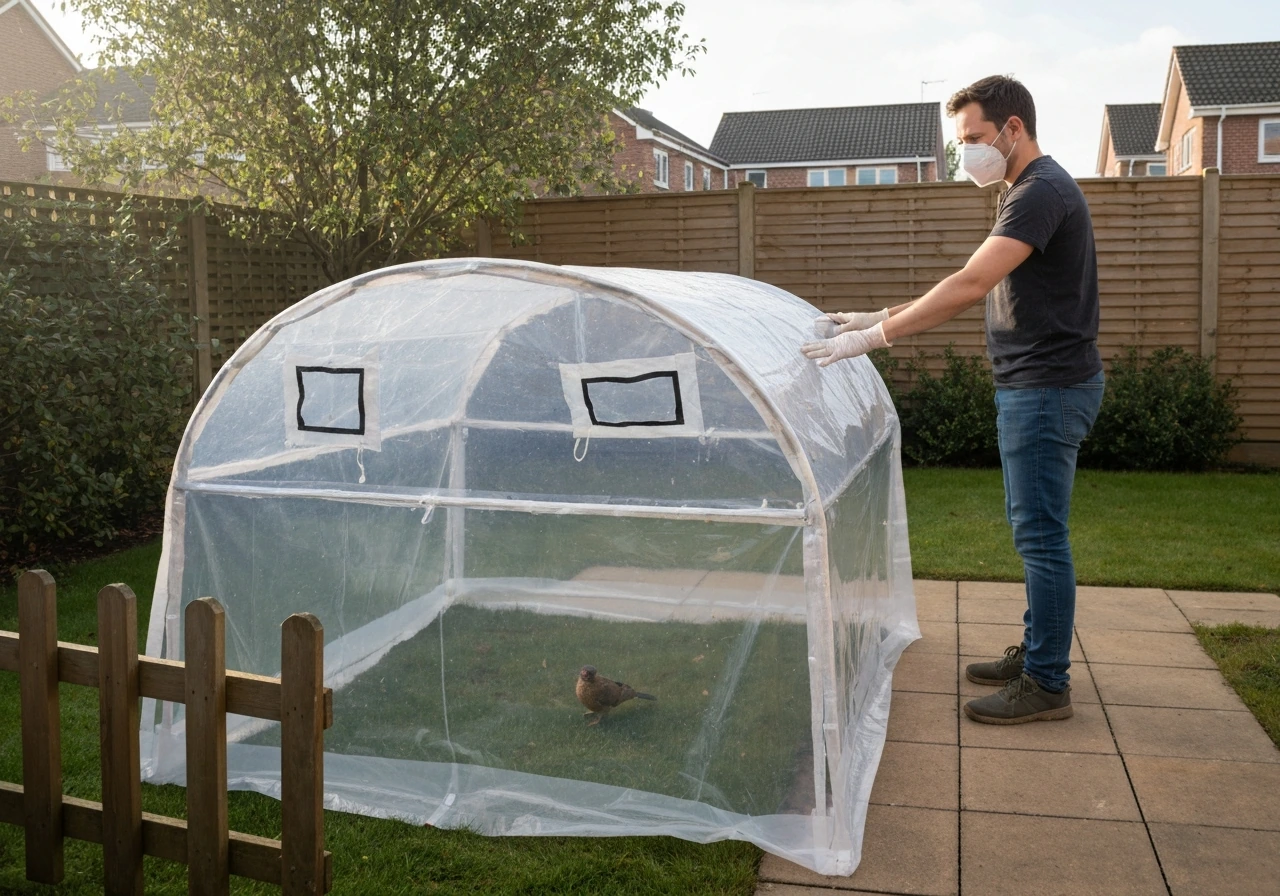
How to Tell If a Bird Has Bird Flu: Signs and Steps
Learn bird flu signs in birds, how to assess quickly, and when to isolate, report, and seek testing safely.
How Are Chickens Culled Bird Flu: Methods, Reasons & Steps
How are chickens culled during bird flu: why it’s done, humane methods, disposal, biosecurity, and next steps
Do Cows With Bird Flu Have to Be Killed? What Happens
Explains whether cows with bird flu must be killed, and what happens for confirmed vs suspected cases, isolation and nex