
If a bird in your flock is acting strangely, or you've come across a wild bird that looks sick, the honest answer is: you cannot confirm bird flu from symptoms alone. What you can do is recognize the warning signs that make it worth taking seriously, know when to report it, and take the right steps to protect yourself and your other birds in the meantime. That's exactly what this guide covers.
How to Tell If a Bird Has Bird Flu: Signs and Steps

Maya Chen
14 Apr 2026
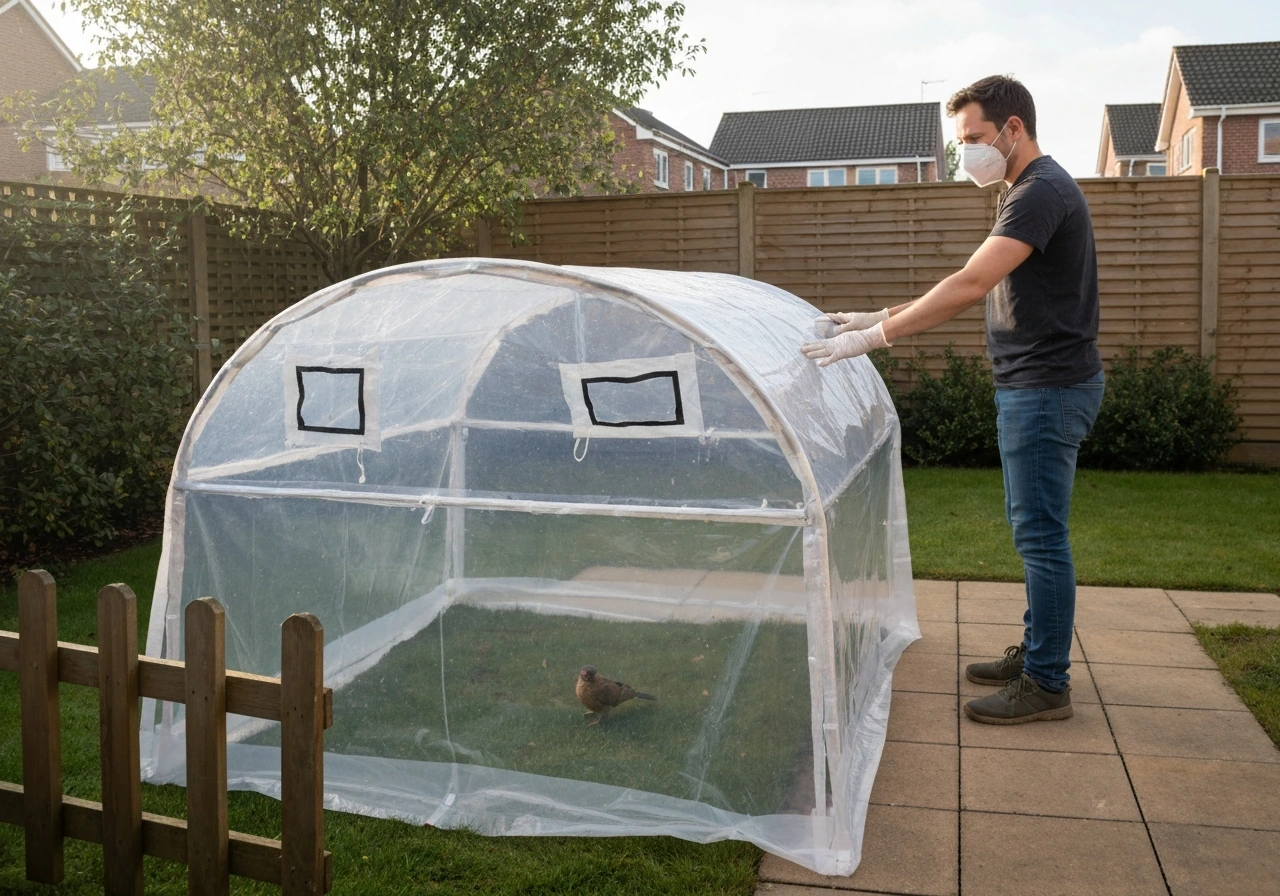
What bird flu actually looks like in birds
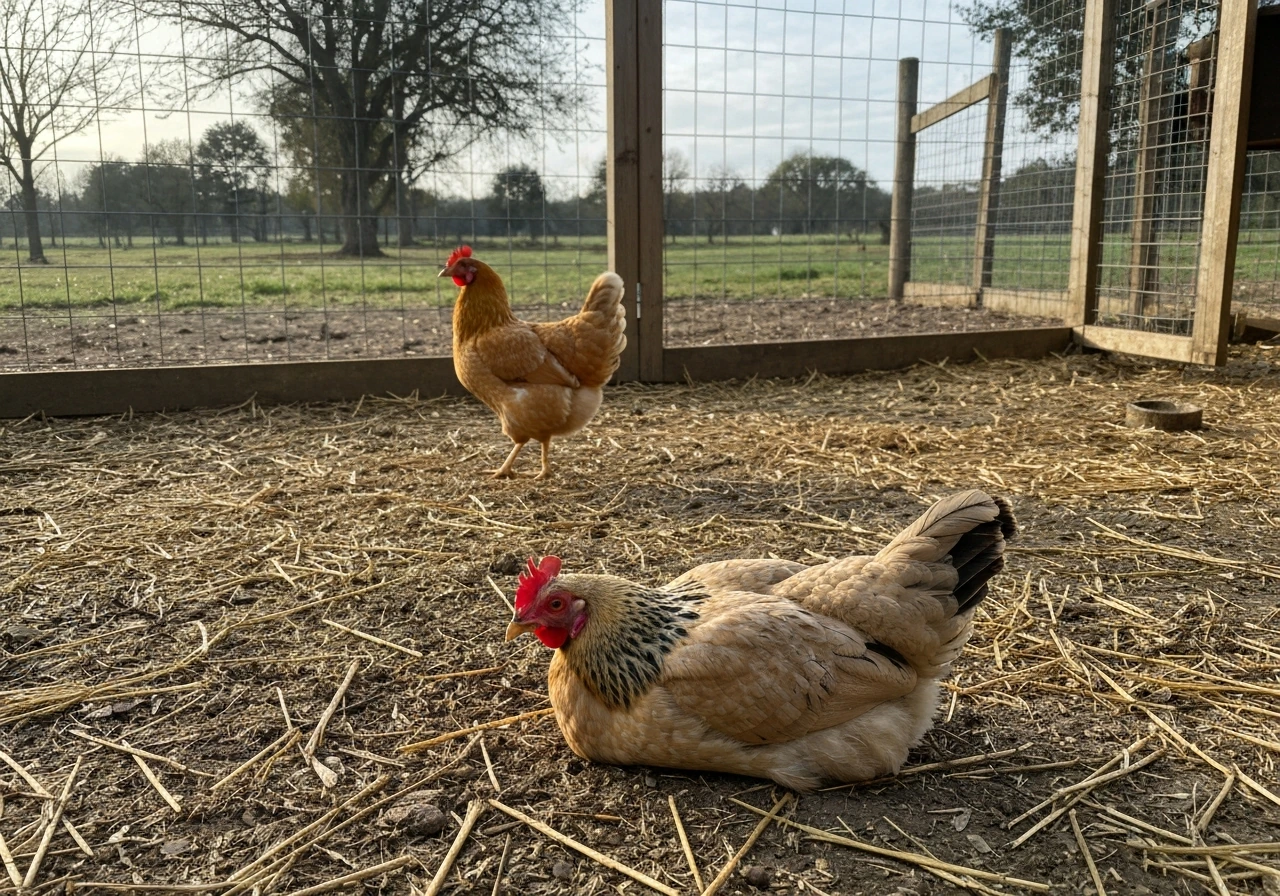
Avian influenza comes in two main forms, and they behave very differently. Low pathogenic avian influenza (LPAI) typically causes little to no visible illness in birds. In many cases, an infected bird looks completely healthy. Highly pathogenic avian influenza (HPAI), on the other hand, can cause severe disease and high mortality in poultry, sometimes killing birds quickly and in clusters. This distinction matters because it means a bird that looks fine is not necessarily safe, and a bird that is clearly sick might have any number of conditions, not just bird flu.
It's also worth noting that wild birds don't follow the same rules as backyard chickens or turkeys. Some wild bird species, particularly waterfowl, can carry HPAI strains without showing obvious illness, which is part of why wild birds are such an important transmission vector. If you're watching a wild duck or goose behave normally, that is no guarantee it's virus-free.
Signs and symptoms you can notice at home
In poultry (chickens, turkeys, ducks, and similar birds), HPAI tends to show up in recognizable ways. If you're observing your flock daily, the following patterns should put you on alert:
- Sudden death in one or more birds, especially with no obvious prior injury or predator attack
- Multiple birds dying in a short window, which is one of the strongest red flags for HPAI
- Respiratory distress: labored breathing, coughing, sneezing, nasal discharge, or gurgling sounds
- Neurological signs: loss of coordination, circling, head tilting, tremors, or inability to stand
- Swollen or discolored head, comb, wattles, or feet (particularly a blue or purple discoloration)
- Diarrhea, especially watery or unusual in color
- Sudden and significant drop in egg production, or soft-shelled or misshapen eggs
- Birds sitting hunched, lethargic, with ruffled feathers and no interest in food or water
The neurological signs are particularly important to pay attention to. A chicken stumbling, holding its head at a strange angle, or going in circles is showing something systemic, not just a local infection. Combine that with sudden deaths nearby and you have a pattern that warrants immediate action.
When to suspect bird flu vs. when it's probably something else
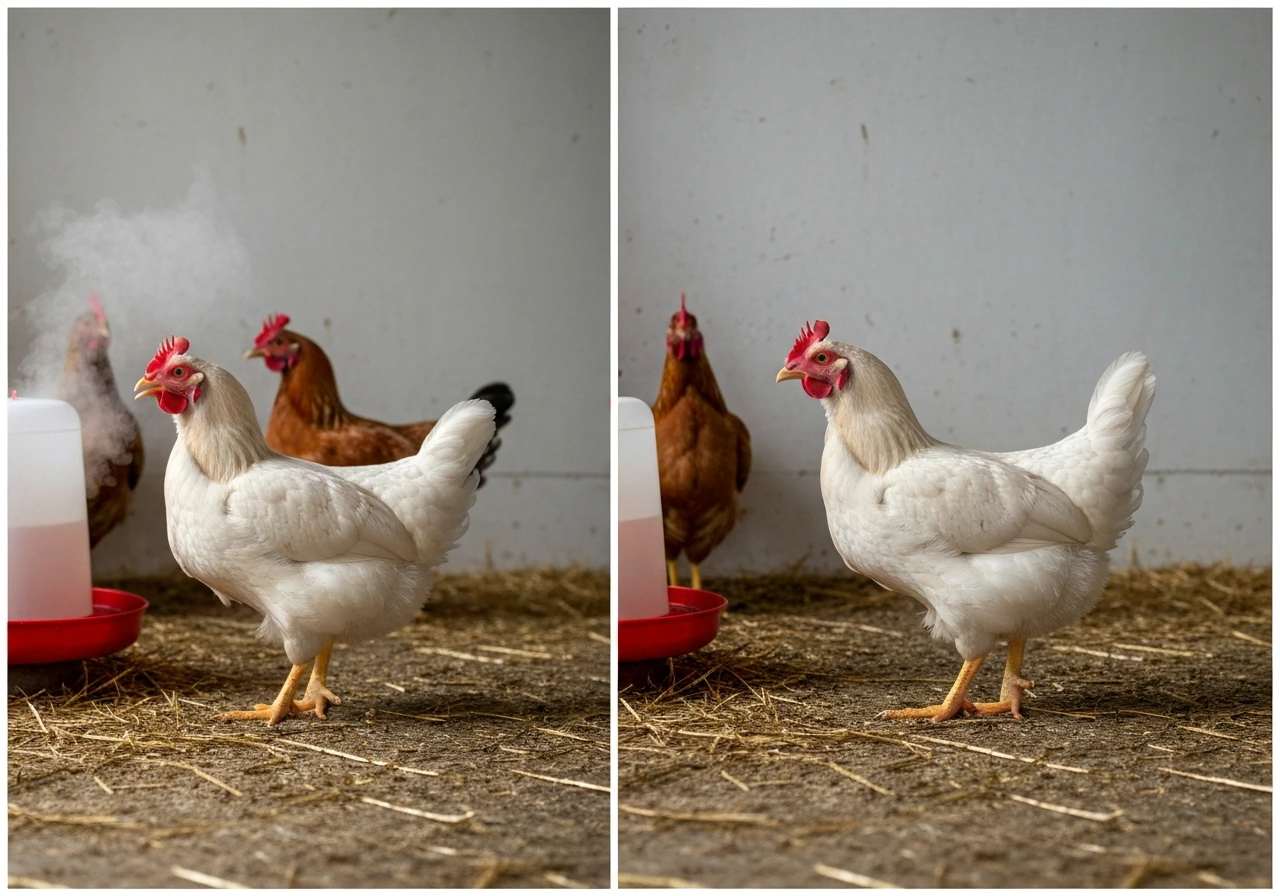
Bird flu is far from the only illness that causes respiratory or neurological symptoms in poultry. Newcastle disease, infectious bronchitis, Marek's disease, and even nutritional deficiencies can produce overlapping signs. So when should bird flu genuinely be your first concern rather than a more common cause?
Suspect bird flu (and act accordingly) when you see any of these situations: multiple birds dying rapidly over 24 to 48 hours with no clear cause, a cluster of sick birds all showing similar signs at once, recent contact between your flock and wild birds (especially waterfowl), or if HPAI has been confirmed in your county or region recently. The more of these factors present, the more seriously you should treat the situation. A single sick bird with mild symptoms and no deaths is worth monitoring and potentially consulting a vet about, but it's less immediately alarming than a cluster event.
It's also worth remembering that LPAI can be circulating in your flock with no symptoms at all. If your birds seem healthy but you've had recent contact with wild birds or purchased new birds from an unknown source, that's a biosecurity concern regardless of how everyone looks. As a reference point, understanding how to know if a chicken has bird flu can help you narrow down the signs specific to domestic poultry rather than wild birds, which behave differently.
How to get confirmation: testing and reporting
Here's the key thing to understand: there is no at-home test for bird flu. Official diagnosis requires proper laboratory testing using specific sample types, including tracheal or oropharyngeal swabs collected with precise protocols. For a suspect chicken or turkey flock, labs may require up to 30 swab samples from birds showing clinical signs in a given house. For smaller backyard flocks, testing strategies may use pooled samples from five birds. The point is that sample collection, storage, and packaging all follow strict protocols to make results interpretable. Trying to swab your own birds and send something informal to a lab won't produce reliable results.
If you want to understand the formal process, how to test for bird flu in chickens walks through what official testing actually involves and what you should expect when authorities respond. For a broader understanding of the diagnostic pathway, how bird flu is diagnosed covers the full picture from clinical observation to laboratory confirmation.
To get official testing started, you have two main reporting options. First, contact your state veterinarian. Second, call the USDA APHIS toll-free hotline at 1-866-536-7593. Either route gets the right people involved to assess the situation, collect samples properly, and initiate the response process if needed. Don't wait to see if things improve on their own, especially if birds are dying. Early reporting is always better.
What to do right now: isolation and immediate steps
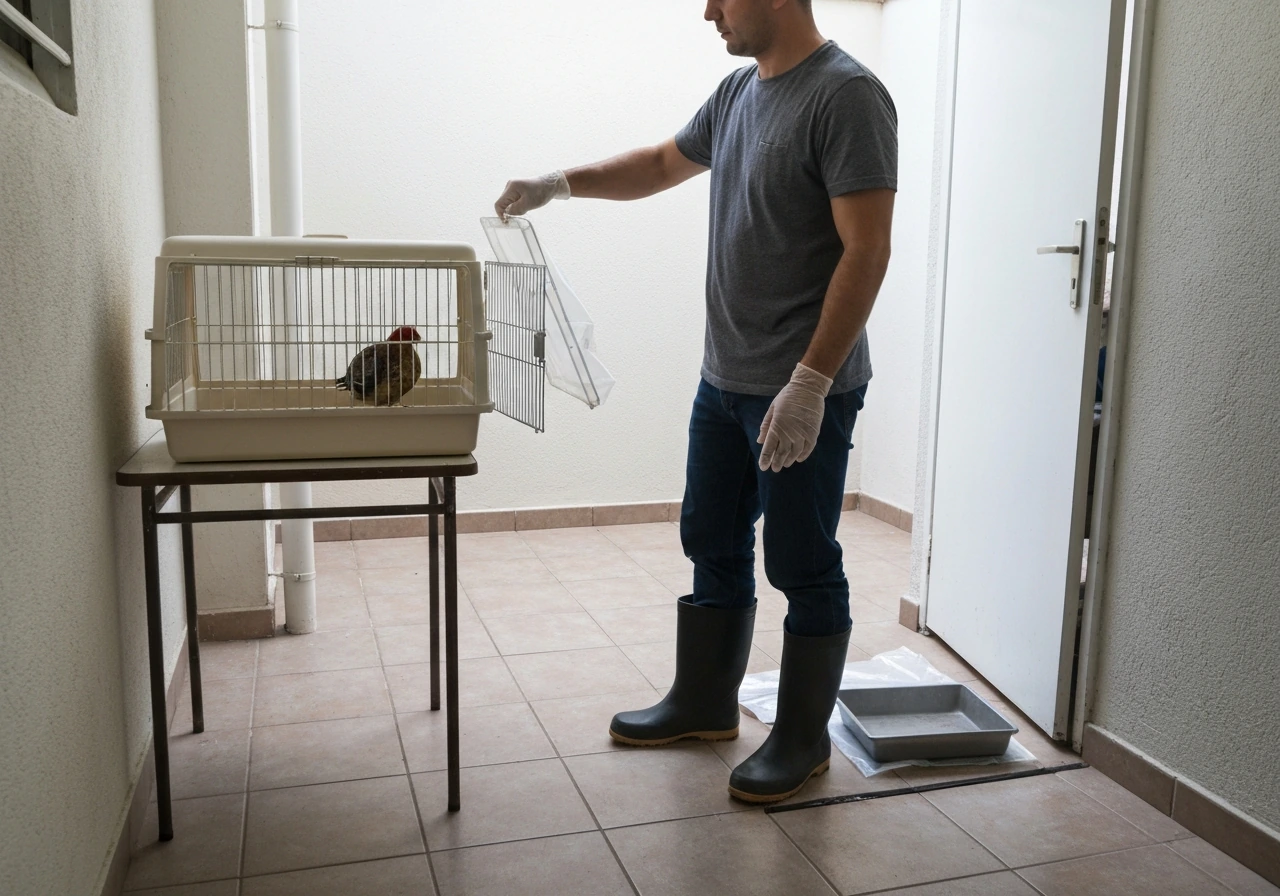
While you're waiting for a vet or official response, you're not helpless. There are concrete actions to take immediately that limit the risk of spread and protect both your birds and yourself.
- Isolate sick or dead birds from the rest of your flock right away. Physical separation reduces the chance of spreading infection to healthy birds.
- Stop moving birds, eggs, equipment, or litter off your property. Even well-meaning trips to a feed store can spread contamination.
- Limit who enters the bird area. Keep children and visitors away from sick birds entirely.
- Do not handle dead birds with bare hands. Use gloves and a face covering (ideally an N95 respirator if you have one) before touching any sick or dead bird.
- After handling anything in the bird area, wash your hands thoroughly with soap and water.
- Clean visible dirt and organic material from surfaces and equipment with soap and water first, then disinfect with an EPA-registered disinfectant that has label claims against influenza A viruses. Follow the manufacturer's contact time instructions.
- Change or remove footwear before leaving the bird area, and disinfect boots before re-entering other areas.
- Call your state veterinarian or USDA APHIS at 1-866-536-7593 to report the situation.
Keep wearing PPE every time you enter the bird area, not just the first time. CDC guidance is clear that you should continue using protective equipment as long as infected birds, contaminated feces, or contaminated litter remain on the property. This isn't a one-time precaution. It's an ongoing practice until the situation is resolved.
Human risk: what you actually need to worry about
For most people, the risk of getting bird flu from a sick bird is genuinely low. The general public who have no direct contact with infected birds or their environments are not considered at significant risk. That said, people who handle sick or dead birds without protection, or who work closely with infected poultry, do face elevated exposure risk. The virus does not spread easily from birds to people, but it can happen with unprotected, close contact.
If you've had unprotected exposure to a bird you suspect has HPAI, watch for symptoms in yourself for about 10 days. Human bird flu symptoms can range from mild (eye irritation, runny nose, cough, body aches) to severe (pneumonia, difficulty breathing, respiratory failure). If you develop flu-like symptoms, especially respiratory symptoms, within that window after exposure, contact your healthcare provider and tell them about the bird contact. This context matters enormously for how your doctor evaluates and tests you. For guidance on what the human diagnostic process looks like, how to test for bird flu in humans explains what medical testing involves and when it's warranted.
Avoid touching sick or dead birds with bare hands, don't rub your eyes or touch your face after being near birds, and wash your hands before and after any contact with bird areas. These steps aren't overcautious. They're the practical minimum that public health guidance consistently recommends.
HPAI vs LPAI: a quick comparison
| Feature | LPAI (Low Pathogenic) | HPAI (Highly Pathogenic) |
|---|---|---|
| Visible illness in poultry | Few or no signs | Severe illness, rapid death |
| Mortality rate in poultry | Low | Can be very high |
| Wild bird appearance | Usually no signs | Often no signs (varies by species) |
| Egg production impact | Mild or none | Sudden significant drop |
| Spread concern | Still reportable | Immediate reporting required |
| At-home detection reliability | Very low | Low to moderate (symptoms present but not confirmatory) |
| Official testing needed? | Yes | Yes, urgently |
The takeaway from this comparison is that neither form of avian influenza can be ruled in or out based on observation alone. HPAI gives you more visible warning signs, but even those are shared with other poultry diseases. LPAI may give you nothing to see at all. In both cases, testing through official channels is the only way to know for certain.
The bottom line on figuring out if a bird has bird flu
You can use symptoms, cluster patterns, and exposure history to decide how urgently to act, but you cannot get a confirmed answer without laboratory testing. What you can do is act on suspicion rather than waiting for certainty. Isolate the bird, protect yourself with gloves and respiratory protection, stop moving anything off the property, and report it. The USDA APHIS hotline (1-866-536-7593) exists precisely for this situation. Getting officials involved quickly means faster testing, faster answers, and a better chance of containing any potential outbreak before it spreads.
Preventing contact between your flock and wild birds in the first place remains the most effective long-term strategy. Good biosecurity, daily observation of your flock, and knowing what abnormal looks like for your specific birds puts you in the best position to catch problems early. If something feels wrong, report it. You don't need to be certain. That's what the testing process is for.
FAQ
If I can’t confirm bird flu from symptoms, what should I do differently when I suspect it in my backyard flock?
Treat suspicion as a biosecurity event, isolate the sick birds from the rest of the flock, and stop all bird movement off your property (including sales, rehoming, swapping feed, and sharing equipment). Separate clean clothing and tools for the bird area, and bag or double-bag manure and litter before anything leaves the enclosure.
Do I have to report every sick bird, or is there a threshold that makes it more urgent?
More urgent reporting is warranted when there are clusters with similar signs, rapid increases in illness, or any unexplained deaths within a short window (about 24 to 48 hours). A single mildly unwell bird with no deaths is still worth monitoring, but reporting is typically lower priority unless symptoms worsen or you have recent wild-waterfowl contact.
Can low pathogenic avian influenza (LPAI) still spread if the birds look healthy?
Yes. LPAI can circulate without obvious illness, which is why exposure history (wild bird contact, shared water sources, recent introductions from unknown sources) matters even when birds look normal. If you recently added birds or had wild birds in the same area, focus on strict hygiene and watch for any sudden change over the next days.
What does “bird flu-like” behavior look like compared with other common poultry diseases?
Bird flu suspicion rises when neurologic signs appear alongside systemic illness patterns, such as disorientation, twisting of the head, circling, or stumbling, especially when multiple birds develop similar signs at the same time. Because other diseases can mimic respiratory or neurologic illness, use pattern and timing (cluster and rapid onset) rather than any single symptom.
If I find a wild bird that seems sick, should I handle it or report it the same way as a flock problem?
Do not handle it with bare hands. Keep people and pets away, and report it to the appropriate wildlife or animal health authority so they can assess it without exposing you to contaminated material. If you must move debris for safety, do it only after wetting surfaces to reduce dust and using gloves plus eye protection.
Can I swab birds myself and mail samples to a lab for confirmation?
No, reliable testing depends on trained sample collection, correct swab types, and proper storage and packaging to preserve the virus. Improper collection often leads to inconclusive or misleading results, which can delay response. Use official reporting channels so authorities can collect samples under the right protocols.
I have poultry but no incubator use, do I need to worry about eggs if bird flu is suspected?
Yes. If bird flu is suspected, treat eggs as potentially contaminated until authorities advise otherwise, and avoid moving eggs off-site. Focus on not washing or handling eggs in ways that spread debris to clean areas, and keep egg handling separate from areas where sick birds or litter are present.
If I used a shared water source or had people visiting my barn, does that increase risk and urgency?
It can. Shared equipment, shared feeders, communal waterers, and visitors who moved between bird areas can spread pathogens mechanically, even if birds do not look sick. If you suspect exposure, restrict access, disinfect tools before use elsewhere, and consider logging who entered and when to help officials with trace-back.
How long should I keep using PPE after the birds look better?
Keep protective equipment and restrictive cleaning practices in place until authorities say the situation is resolved, because contamination from feces, feathers, and litter can persist on-site. A “birds recovered” look does not automatically mean the environment is virus-free, so maintain precautions during cleanup and any official follow-up period.
I had close contact with a suspected sick bird without protection. When should I seek medical advice?
Monitor for symptoms for about 10 days after that exposure, and seek medical care promptly if you develop flu-like illness, particularly respiratory symptoms. Tell the clinician about the specific bird contact so they can consider appropriate testing and infection-control steps.
What should I avoid doing at home that could make things worse?
Avoid moving birds, carcasses, litter, or equipment between areas, and do not attempt home disinfection of large areas without guidance. Also avoid sweeping dry material that can aerosolize particles, and do not allow pets or children to access sick or dead birds.
If bird flu is confirmed in my area, how should I change my daily flock routine?
Increase monitoring frequency, strengthen barriers between domestic birds and wild birds (netting, covered feed and water), and minimize traffic into the bird area. Keep a simple “who and what entered” record, and consider pausing any nonessential bringing-in of birds, bedding, or shared tools until the situation stabilizes.