Yes, alcohol-based hand sanitizer does kill avian influenza (bird flu) viruses on your hands, provided it contains at least 60% alcohol and you use it correctly. Influenza A viruses, including the strains responsible for bird flu outbreaks, are enveloped viruses, meaning they have a lipid outer membrane that alcohol dissolves quickly and effectively. That said, hand sanitizer works best when your hands are not visibly dirty or covered in organic matter like blood, feces, or mud. If you've been handling sick or dead birds and your hands are soiled, soap and water is the better first move.
Does Hand Sanitizer Kill Bird Flu on Hands? How to Use

Maya Chen
18 May 2026
How alcohol-based sanitizer works against bird flu
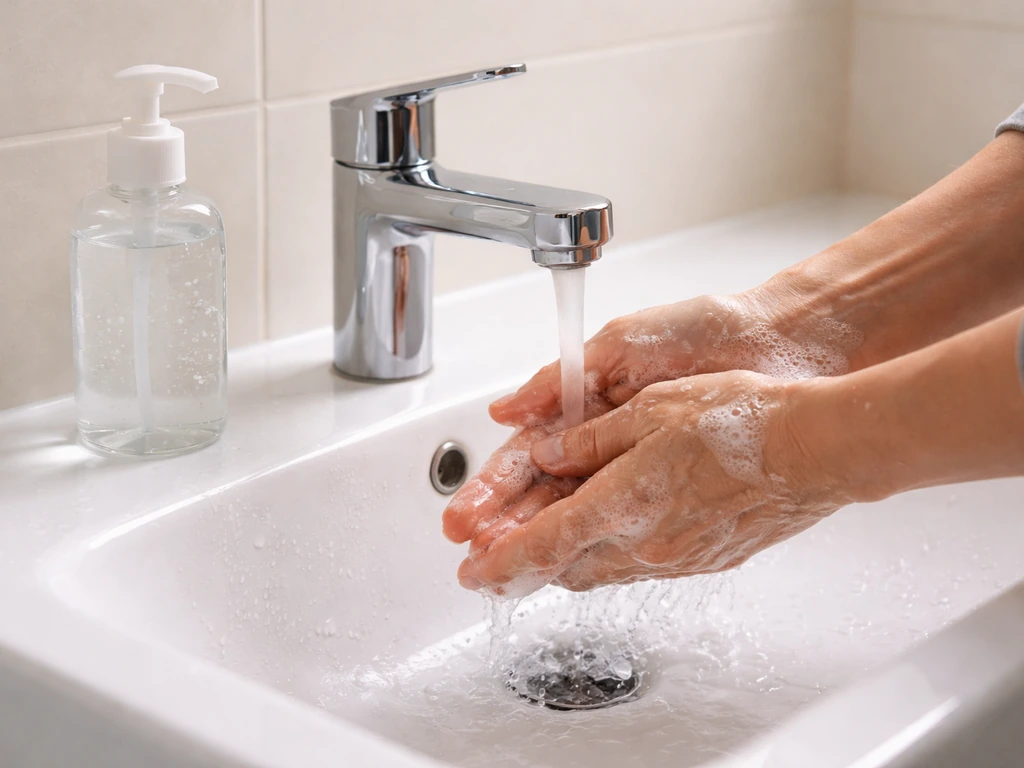
Avian influenza viruses belong to the influenza A family and share the same basic structure: a lipid (fatty) envelope wrapped around the virus's genetic material. Alcohol, whether ethanol or isopropanol, disrupts that envelope almost instantly, effectively destroying the virus's ability to infect cells. This is why alcohol-based products are consistently listed as effective against influenza viruses in virucidal testing standards like EN 14476, which evaluates hand hygiene products under both clean and "dirty" (interference substance) conditions.
In practice, a 30-second rub with an ethanol-based hand rub can achieve meaningful log reductions in influenza A virus titres. That's a significant drop in infectious virus, enough to substantially cut your risk of transmitting the virus from hands to mucous membranes, which is one of the key routes of exposure. The WHO and CDC both recognize alcohol-based hand rub as an accepted method of hand hygiene for influenza prevention.
Where sanitizer falls short is when there's visible contamination on your hands. Organic material like soil, manure, or blood can physically shield the virus from alcohol contact, meaning the sanitizer never fully reaches the virus underneath. Testing under "dirty" conditions consistently shows reduced efficacy compared to clean conditions. This isn't a flaw unique to sanitizers for bird flu; it's a basic limitation of any surface disinfectant when grime is in the way.
Soap and water vs. hand sanitizer: which one to reach for
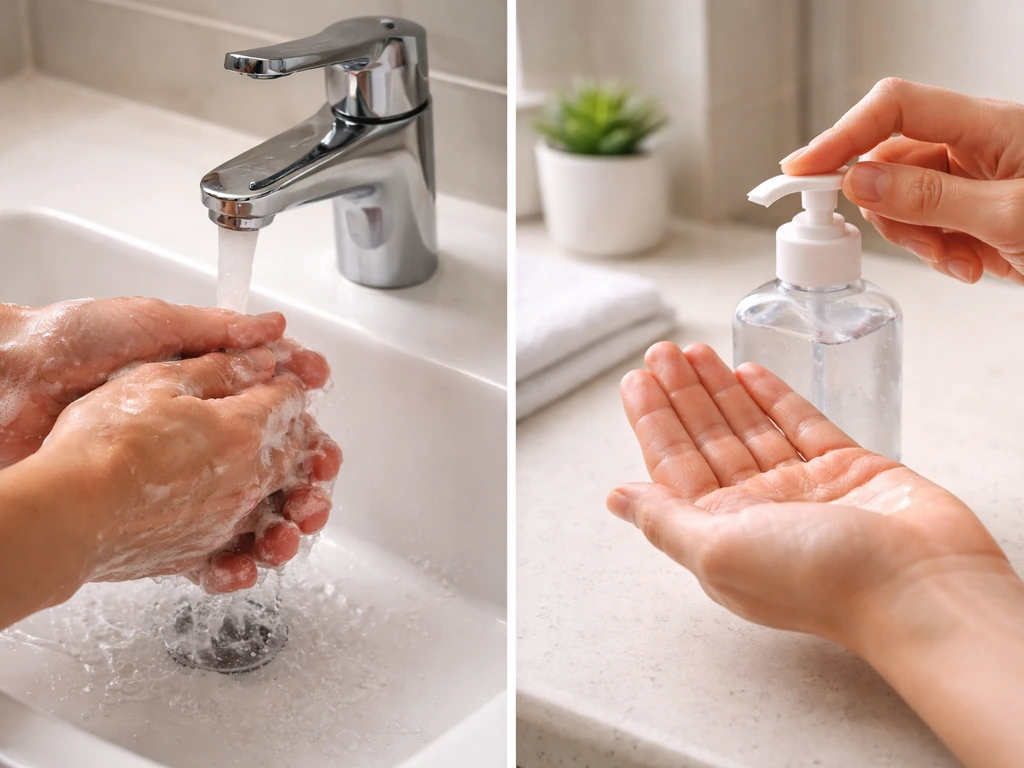
Both the CDC and WHO are clear on this: if soap and running water are available, especially when your hands are visibly soiled, use them. If you have no visible dirt on your hands, washing with soap and water can help reduce bird flu germs. Soap doesn't just kill the virus the way alcohol does. It physically lifts and removes contaminated material, including mucus, bird droppings, feathers, and soil, off your skin and washes it all down the drain. In general, soap and water is considered an effective way to reduce the risk of spreading bird flu from contaminated hands. That mechanical removal matters a lot in real-world bird exposure situations.
| Situation | Best Hand Hygiene Choice | Why |
|---|---|---|
| Hands visibly soiled with dirt, manure, or blood | Soap and water | Organic matter blocks alcohol from reaching virus |
| Hands appear clean after low-level contact | Either (soap and water preferred) | Both are effective; soap and water preferred when available |
| Soap and water not available (e.g., in the field) | Hand sanitizer (60%+ alcohol) | Acceptable backup per CDC guidance |
| After removing gloves or PPE | Soap and water, then sanitizer if needed | Belt-and-suspenders approach for high-risk exposure |
| Before touching your face, eating, or leaving a contaminated area | Soap and water first, sanitizer as backup | Priority step to prevent mucous membrane exposure |
How to use hand sanitizer correctly after bird exposure
If sanitizer is your only option, use it right. Apply enough to cover all surfaces of both hands, typically about a nickel-sized amount or roughly 1.5 to 3 mL depending on the product. Then rub your hands together, covering every surface including between fingers, the backs of hands, and under fingernail edges, for at least 20 to 30 seconds until your hands are fully dry. Do not wipe your hands on a cloth or pants before they're dry. The contact time is where the virus inactivation actually happens.
One thing worth saying plainly: 60% alcohol is the minimum, but most widely available hand sanitizers sold in the US contain 62 to 70% ethanol or 70 to 91% isopropanol, which is well above the threshold. Check the label if you're not sure. Products labeled "antibacterial" with active ingredients like benzalkonium chloride instead of alcohol are not reliable for virus inactivation and should not be your go-to after a potential bird flu exposure.
Hand hygiene steps if you've been near sick or dead birds
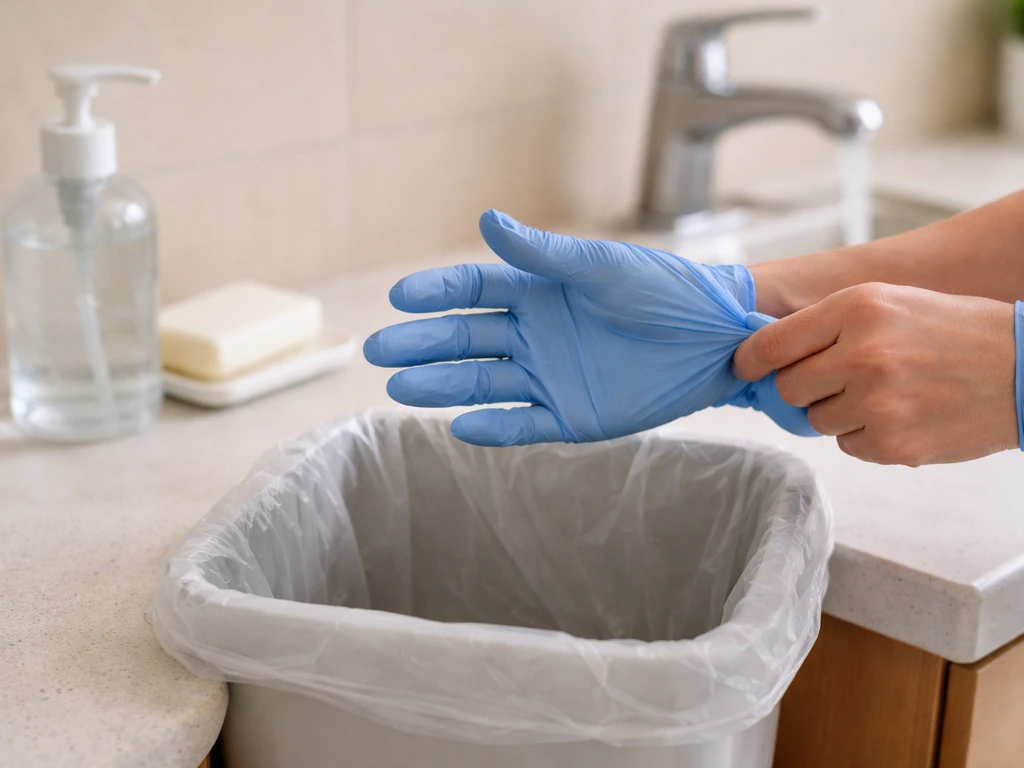
The CDC is direct about this: most human infections with avian influenza A happen after close, prolonged, and unprotected contact with infected birds, their droppings, or contaminated surfaces. If you've been in that situation, here's what to do with your hands immediately.
- If your hands are visibly dirty, go straight to soap and running water. Wash thoroughly for at least 20 seconds, working lather over every surface of your hands.
- If soap and water aren't immediately available, use an alcohol-based hand sanitizer with at least 60% alcohol as a temporary measure, then wash with soap and water as soon as possible.
- Avoid touching your face, eyes, nose, or mouth at any point before washing. This is not a minor detail. The mucous membranes are the primary entry point for the virus.
- After removing any gloves or protective gear, treat your hands as potentially contaminated and wash immediately.
- Consider washing your hands multiple times if you had extensive contact, and do so before moving to different areas or touching shared surfaces.
It's also worth comparing your options within the hand hygiene family. Washing hands with soap and water remains the gold standard for this type of exposure, which is consistent with guidance on soap and water specifically as a primary bird flu hygiene tool. Alcohol-based sanitizers, including rubbing alcohol applied with care, are genuinely useful backups when soap isn't accessible, but they are not replacements when you have a choice. Vinegar and similar home remedies do not have reliable evidence supporting their use against influenza viruses. Vinegar is not a dependable way to kill bird flu or prevent infection, so follow proven hand hygiene and exposure steps instead.
Protecting yourself beyond hand hygiene
Hand hygiene is critical, but it's one layer in a bigger picture. If you're working with poultry on a farm, visiting live bird markets, or dealing with wild bird populations, the most important step is avoiding unprotected contact in the first place. CDC also advises avoiding direct contact or close exposure to sick or dead poultry and wild birds, and to use good hygiene such as handwashing to help prevent bird flu infections avoid direct contact or close exposure to sick or dead poultry. The CDC recommends personal protective equipment including gloves, eye protection, and N95-rated (or better) respiratory protection when working around potentially infected birds.
- Do not handle sick, dead, or dying wild birds or poultry with bare hands. Use gloves, or if you must move a bird, use a plastic bag inverted over your hand.
- Wear eye protection (goggles, not just glasses) if you're in an environment with bird droppings or respiratory secretions from birds that could splash or aerosolize.
- Wash hands with soap and water before putting on PPE as well as after removing it.
- Clean and disinfect reusable PPE (boots, coveralls) with appropriate disinfectants before leaving a contaminated area.
- Avoid touching your face while in any area where birds are kept or where contamination is possible.
- Keep your work clothes separate from household laundry if you've been in high-exposure environments, and wash them promptly.
For surfaces, standard EPA-registered disinfectants effective against influenza A viruses are appropriate for cleaning contaminated equipment, cages, or work surfaces. Follow contact time instructions on the label. The same principle applies here: organic material (mud, droppings) must be physically removed before disinfecting, or the product won't make effective contact with the virus.
Symptoms to watch for and when to get medical help
If you've had direct or close contact with sick or dead birds, the CDC recommends monitoring yourself for symptoms for 10 days after your last exposure. This applies whether you used PPE or not, but especially if the exposure was unprotected.
The key symptoms of bird flu in people include fever, cough, sore throat, runny or stuffy nose, muscle aches, headaches, fatigue, and eye redness or irritation (conjunctivitis). Eye symptoms in particular can appear within 1 to 2 days of exposure with some strains. Shortness of breath or difficulty breathing is a sign of more severe illness and warrants urgent attention.
If any of these symptoms develop within the 10-day monitoring window after a known or suspected bird exposure, do not wait and do not go to a crowded waiting room without calling ahead. Contact your healthcare provider or local health department by phone first, explain your potential exposure, and follow their instructions. Prompt evaluation matters because antiviral medications like oseltamivir (Tamiflu) are most effective when started early. Public health officials also need to know about potential human cases to track and respond to ongoing outbreaks.
The bottom line here is reassuring: human infections with bird flu remain rare and are almost always linked to close, repeated, unprotected contact with infected birds. Using proper hand hygiene, including alcohol-based sanitizer when soap isn't available, combined with sensible exposure avoidance and PPE, represents genuinely effective protection. You don't need to panic. You just need to be practical.
FAQ
Can hand sanitizer kill bird flu germs if I use it right after handling a sick or dead bird?
Yes, if the sanitizer is alcohol-based (at least about 60% alcohol) and you rub all hand surfaces long enough, it can inactivate viruses on skin. If you can see droppings, mud, feathers, or other grime, sanitizer may not reach germs underneath, so wash with soap and water as soon as possible.
Does it matter whether I use ethanol-based versus isopropanol-based hand sanitizer for bird flu?
Both ethanol and isopropanol work when they are in the effective range on the label and you achieve full coverage during rubbing. The more important practical factor is correct product type and enough contact time, rather than which alcohol name appears.
Will hand sanitizer work on my hands if they are wet or I just sprayed water on them?
Wet hands can dilute sanitizer and reduce the actual alcohol concentration at the skin surface. For best performance, dry your hands enough so the sanitizer is not just sliding off, then apply and rub until fully dry.
How much sanitizer should I use, and can I use too little?
Using too little is a common mistake, because uncovered areas or short rubbing times lower effectiveness. A typical guideline is about a nickel-sized amount (or product-dependent equivalent), enough to keep hands wet throughout the full 20 to 30 seconds of rubbing.
Do I need to sanitize my hands every time I touch my face after bird exposure?
Sanitizing helps, but it is better to avoid the touch in the first place. If you did touch potentially contaminated material, sanitize promptly before touching your eyes, nose, or mouth, and remember that hand hygiene is only one layer of protection.
What if my hands are visibly dirty but soap and water are not available, is sanitizer enough?
If there is visible organic material, sanitizer can be less reliable because grime blocks contact. The practical approach is to remove what you can safely first (for example, wiping with a disposable material), then use alcohol sanitizer, and wash with soap and water as soon as you have access.
Is a “benzalkonium chloride” antibacterial sanitizer effective against bird flu?
Not reliably. Products marketed as antibacterial that rely on ingredients like benzalkonium chloride instead of alcohol are not the go-to choice for influenza virus inactivation, especially after bird exposure where virus killing matters most.
Does wiping sanitizer off with a towel before it dries reduce protection?
Yes. Wiping or rinsing before the product has had time to act can shorten contact time and leave some hand surfaces insufficiently treated. Rub until the sanitizer dries completely, then only after that consider wiping if needed.
If I wash with soap and water, do I still need hand sanitizer afterward?
Usually no. Proper soap-and-water washing is effective because it physically removes contamination and reduces germs. Sanitizer is mainly helpful when soap and running water are unavailable or for quick hygiene in between washing opportunities.
Are hand sanitizers safe to use after handling birds, will they replace PPE like gloves?
Sanitizer is not a substitute for PPE. If you are wearing gloves for bird handling, sanitizer is for after glove removal or after accidental contamination. Avoid relying on sanitizer while continuing high-risk contact, because skin exposure can occur quickly.
Do I need to keep disinfecting for days after exposure even if I feel fine?
Routine hand hygiene is reasonable, but you do not need constant over-sanitizing. The bigger decision point is symptom monitoring after a known close exposure, and seeking medical advice if symptoms appear within the monitoring window.
Next Article
How Are Chickens Culled Bird Flu: Methods, Reasons & Steps
How are chickens culled during bird flu: why it’s done, humane methods, disposal, biosecurity, and next steps