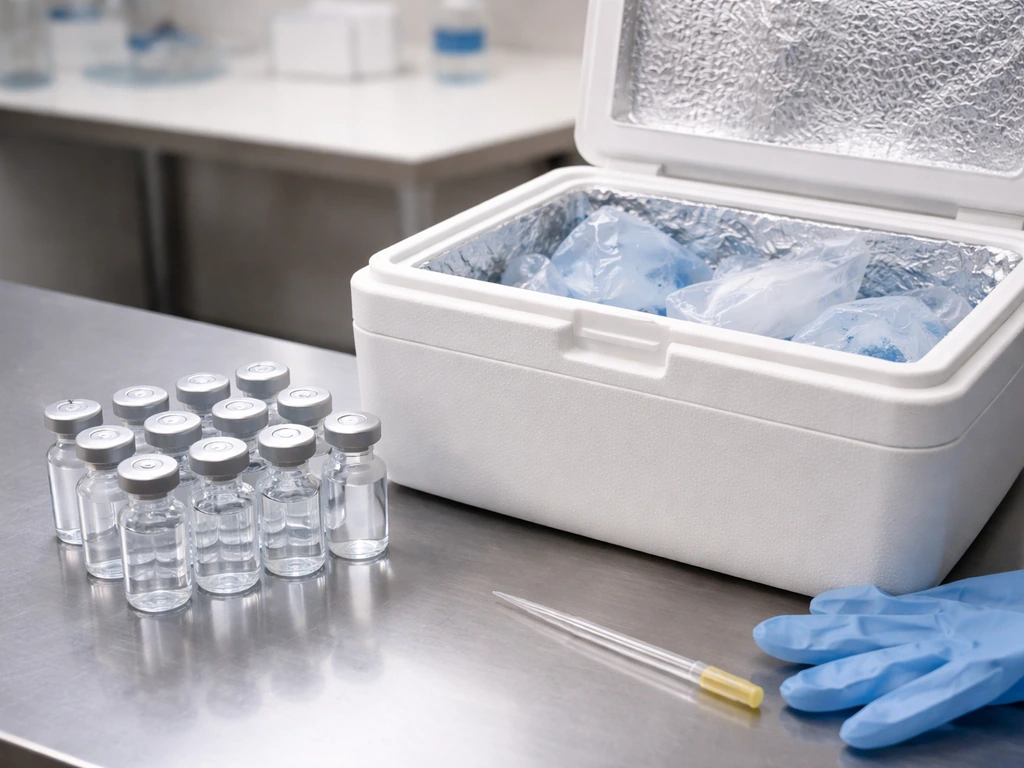
Getting a bird flu vaccine today depends entirely on who or what you're trying to protect. If you are trying to figure out who and whether a bird flu vaccine may be available, start with your exposure risk and the appropriate public health pathway who and bird flu vaccine. For humans, there is no bird flu vaccine available at a pharmacy or walk-in clinic. Access is tightly controlled and limited to people with documented occupational exposure risk, coordinated through public health authorities, not consumer channels. For chickens and poultry, vaccines do exist and are licensed in some countries, but you can only get them through licensed veterinarians or approved government supply channels, not a farm supply store or online retailer. Here's how to navigate both paths correctly.
How to Get Bird Flu Vaccine: Human and Chicken Steps

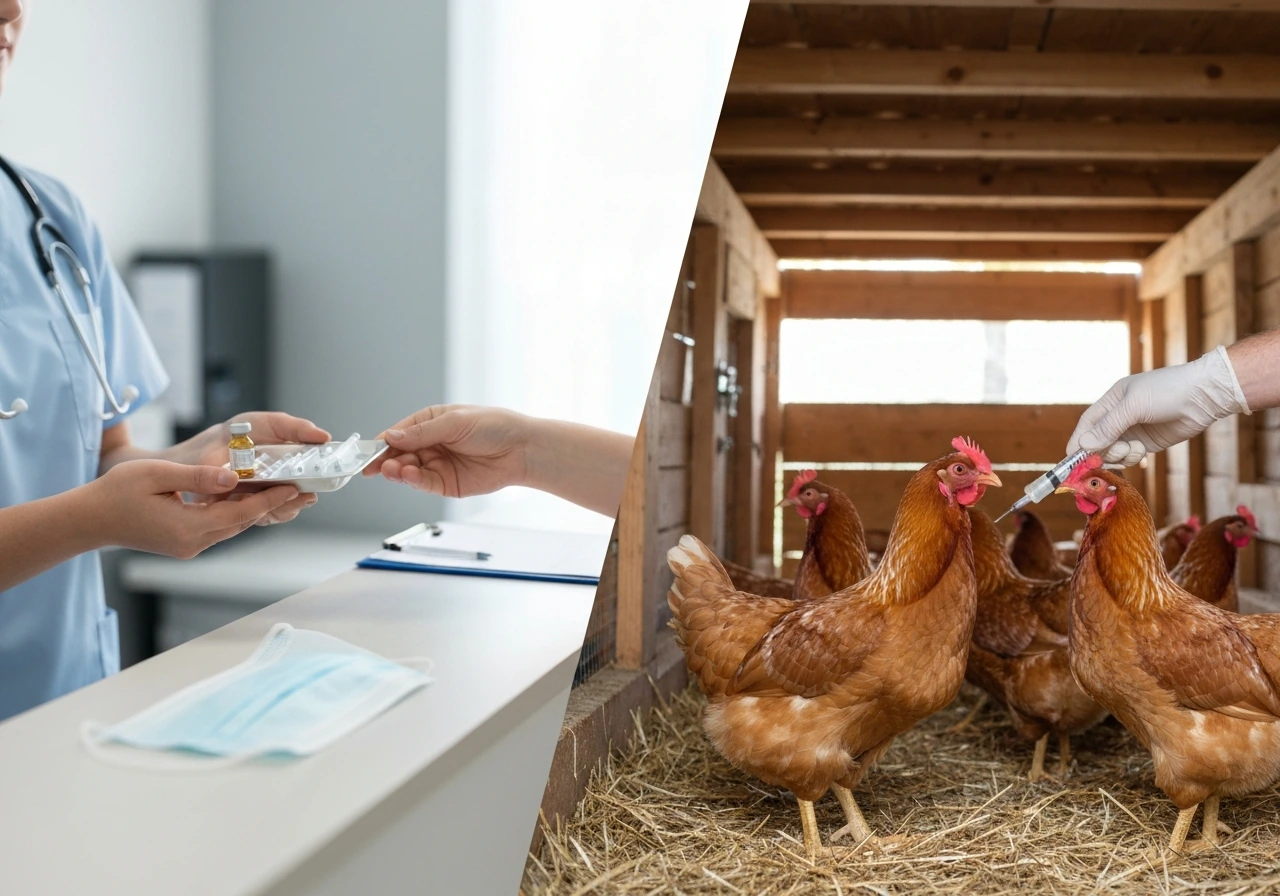
First, are you protecting yourself or your flock? It matters a lot.
The phrase 'bird flu vaccine' covers two very different products for two very different purposes, and the process for getting each one is completely different. A human bird flu vaccine is a biological product regulated by the FDA (in the US) or equivalent agencies abroad, intended to protect people from H5N1 infection. In general, the effectiveness of a bird flu vaccine depends on the specific virus strain and whether it matches the vaccine type being used for people. A poultry vaccine is a veterinary biologic regulated by USDA APHIS in the US or by bodies like the EMA in Europe, intended to reduce disease and mortality in birds. The eligibility rules, the contact points, the paperwork, and the legal requirements are entirely separate. Start by being clear on which situation you're in, because the wrong path wastes time you might not have.
Human bird flu vaccines: who can actually get one right now

There is no routine, commercially available bird flu vaccine for the general public in the United States. The CDC has been explicit about this: no human vaccine for prevention of HPAI A(H5N1) is currently available to the general public as a standard immunization. What does exist is an FDA-licensed vaccine called AUDENZ (Influenza A (H5N1) Virus Monovalent Vaccine, Adjuvanted), which is approved for people 18 and older who are at increased risk of exposure to the H5N1 subtype. That last phrase is the key: 'increased risk of exposure' is a formal eligibility threshold, not something you self-certify.
Who actually qualifies? Think people with direct, repeated contact with infected or potentially infected animals or materials: farm workers on poultry or dairy operations with confirmed or suspected H5N1 activity, veterinarians and lab personnel handling H5 samples, and in some cases first responders involved in outbreak containment. The decision about who receives the vaccine in a given outbreak situation is made at the public health authority level, not by the individual or even their personal doctor acting alone. Internationally, countries like Canada (which has authorized Arepanrix H5N1) and Finland (which began offering H5 vaccination to high-risk groups) operate similar frameworks: access is tied to occupational risk assessment, not general demand.
The CDC maintains H5 candidate vaccine viruses (CVVs) and coordinates with states as human case monitoring continues. If you are also wondering when the bird flu vaccine was made, it depends on whether you mean human H5N1 candidate vaccines or veterinary avian influenza vaccines when was the bird flu vaccine made. This infrastructure exists precisely so that vaccine supply can be activated quickly if the situation escalates. But right now, access is not a matter of scheduling an appointment at CVS. It flows through public health channels.
Where to go if you think you qualify for a human bird flu vaccine
Your first call should be to your state or local health department, not your primary care doctor, and definitely not a pharmacy. State health departments manage the coordination between the CDC, local immunization programs, and the sites where any authorized vaccine is being administered. California's CDPH, for example, has established appointment-based clinic workflows specifically for bird flu vaccine and testing access for eligible workers. Other states with active H5N1 activity in agricultural settings have similar systems in place or can activate them quickly.
If you don't know your state health department's direct contact for immunization programs, the CDC's State Immunization Profiles page lists contact information for every state's immunization program. You can also call the CDC Information Contact Center at 1-800-CDC-INFO (1-800-232-4636) and ask specifically about H5N1 vaccine access for your situation. When you call, be ready to describe your exposure context clearly.
If you've already seen a clinician or your employer's occupational health office, ask them to contact your local or state immunization program directly on your behalf. Providers who serve agricultural workers or veterinary staff may already have a referral pathway established, especially in states with active outbreaks.
Bird flu vaccines for chickens and poultry: how it actually works
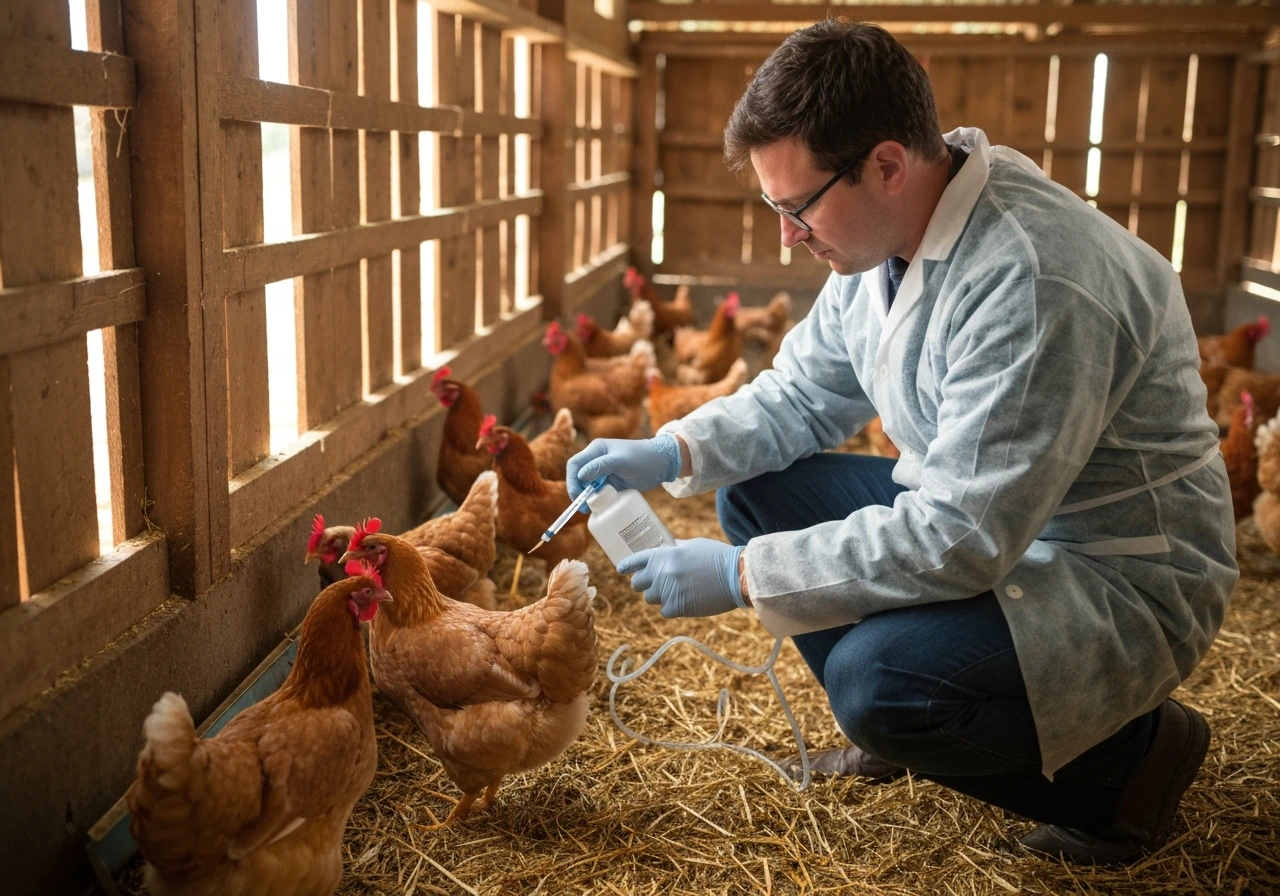
On the animal side, licensed avian influenza vaccines do exist in some jurisdictions. The European Medicines Agency has authorized five veterinary vaccines against highly pathogenic avian influenza (H5 subtype) as of late 2025. In the US, USDA APHIS's Center for Veterinary Biologics (CVB) regulates all veterinary vaccines and biologics, overseeing licensing to ensure they are pure, safe, potent, and effective. NIHR is also supporting evaluation of an investigational mRNA-based A(H5) pandemic influenza vaccine candidate, mRNA-1018, under NIHR/UKHSA/Moderna sponsorship mRNA-1018 under NIHR/UKHSA/Moderna sponsorship. Whether you can use an avian influenza vaccine in your flock depends on where you are, what your flock type is, and what your government currently permits.
In the US specifically, poultry vaccination against avian influenza is not a routine commercial product you can purchase independently. Access, when permitted, is coordinated through USDA APHIS and state veterinary authorities, often as part of a formal outbreak response or a state-authorized prevention program. This is not bureaucratic obstruction: unlicensed or improperly administered vaccines can interfere with surveillance (making it harder to distinguish vaccinated birds from infected birds), which is a real public health concern.
The correct pathway for poultry owners is to contact a licensed avian veterinarian first. They will know what is currently authorized in your state or country, whether your flock type and situation qualifies, and how to access product through approved channels. If you run a commercial poultry operation, your state veterinarian's office and your state department of agriculture are also key contacts. For backyard flock owners, your licensed avian vet is your starting point.
What to say and what information to have ready
Whether you're pursuing a human or poultry vaccine, showing up prepared makes the process faster. Here's what to have ready before you make the call or send the email.
For human vaccine requests
- Your specific occupation and job duties, especially any direct animal contact
- The name, location, and USDA or state confirmation status of the operation you work at or have been exposed to
- Dates and nature of any known or suspected exposure to infected animals or materials
- Your employer's occupational health contact (if applicable), because they may need to be looped in
- Your healthcare provider's name and contact, in case a referral or documentation is needed
When you call your state health department or the CDC, ask specifically: 'I work at [describe operation] and have [describe exposure]. Is the H5N1 vaccine currently being offered to people in my situation, and how do I get access?' Be direct and specific. Vague requests get vague answers.
For poultry vaccine requests
- Flock size, species (chickens, turkeys, ducks, etc.), and whether the operation is commercial or backyard
- Your location (state and county), since authorization varies by jurisdiction
- Any USDA or state flock registration numbers you have
- Whether your flock is in an area with active or recent HPAI detections
- Your current veterinarian's name and contact, or confirmation that you're looking for a licensed avian vet
Ask your avian vet or state veterinarian: 'Is avian influenza vaccination currently authorized for flocks like mine in this state? If so, what product is approved, and what is the procurement process?' Don't ask a feed store or an online supplier first. They are not the authoritative source for this, and products sold outside official channels may be unlicensed.
How to confirm any vaccine you're offered is actually approved
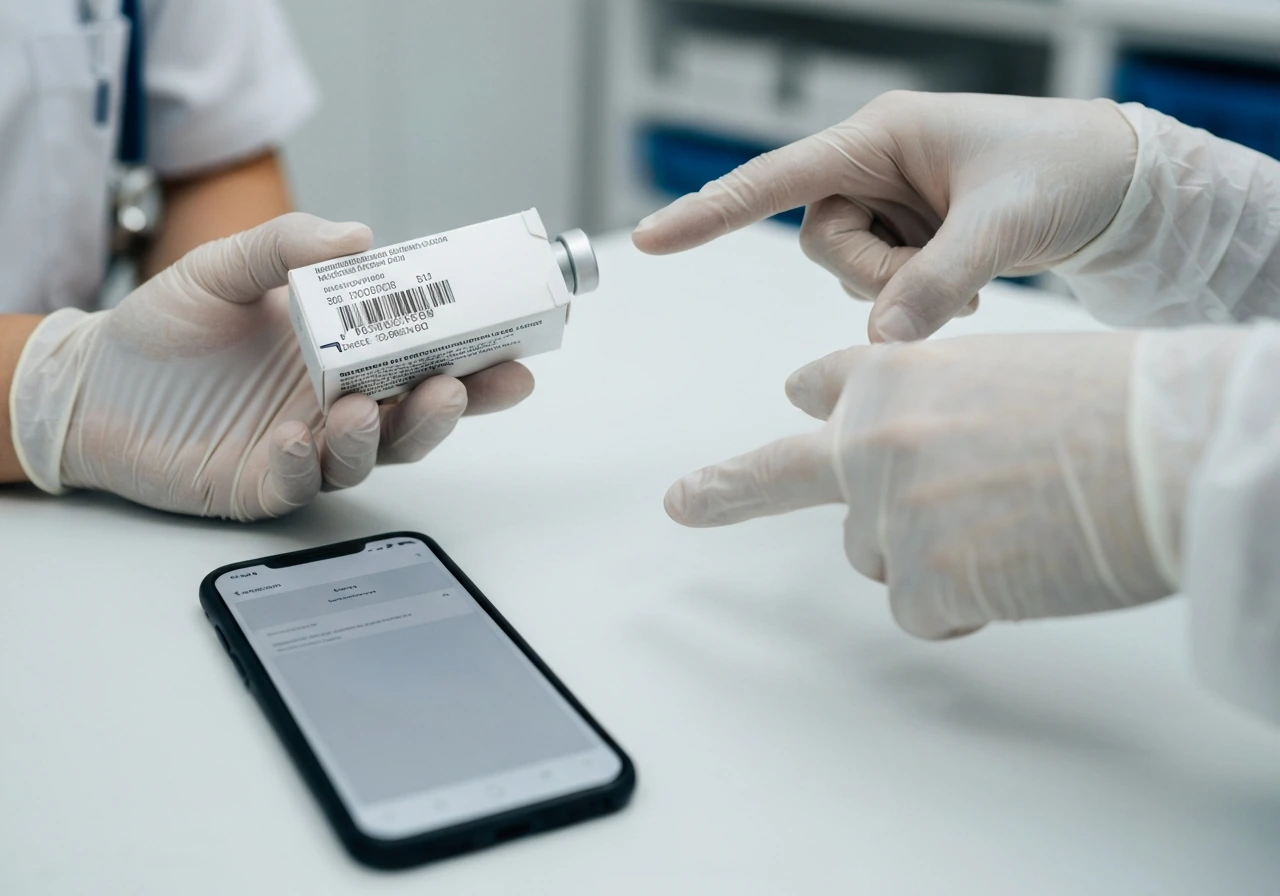
This is worth taking seriously. Because bird flu has been prominent in the news, unofficial products and outright scams do circulate. The CDC has been clear that there is no commercially available bird flu vaccine for the general public, so if someone is selling you a 'bird flu vaccine' through an online retailer, a social media ad, or an unofficial distributor, it is not a legitimate product. If you are wondering whether bird flu uses RNA or DNA, that comes down to how influenza viruses work at the molecular level bird flu vaccine. Here's how to verify for each scenario.
Verifying a human vaccine
Any human H5N1 vaccine administered in the US must be FDA-licensed. The product you should expect is AUDENZ, which is listed in FDA's official vaccine database. You can look up the product directly on FDA.gov by searching 'AUDENZ' or 'Influenza A H5N1 Vaccine Adjuvanted.' If a provider offers you something not matching that product description, or if the vaccine is being offered outside a public health or clinical setting, ask for the FDA license number and verify it on the FDA website before accepting it. Legitimate vaccination through public health channels will never ask you to pay out of pocket through informal means or purchase a product yourself.
Verifying a poultry vaccine
In the US, all legal veterinary vaccines must be licensed by USDA APHIS's Center for Veterinary Biologics. APHIS publishes a searchable list of licensed veterinary biological products and establishments on its website. Ask any supplier for the USDA CVB product license number, then verify it against that list at APHIS.USDA.gov. In the EU, check against the EMA's list of authorized veterinary medicines. If a product doesn't appear in the appropriate regulatory database, don't use it, regardless of how it's marketed.
A quick comparison of the two pathways
| Factor | Human H5N1 Vaccine | Poultry/Avian Vaccine |
|---|---|---|
| Who it's for | People 18+ at increased occupational exposure risk | Chickens, turkeys, and other poultry (species and eligibility vary) |
| Is it available retail? | No, not commercially available to the public | No, not through consumer retail in the US |
| Who to contact first | State/local health department or CDC | Licensed avian veterinarian or state veterinarian's office |
| Regulatory authority (US) | FDA (AUDENZ is the licensed product) | USDA APHIS Center for Veterinary Biologics |
| How access is determined | Public health risk assessment and outbreak response | Jurisdiction authorization, outbreak status, and veterinary prescription |
| How to verify legitimacy | Check FDA licensed biologics database for AUDENZ | Check USDA APHIS licensed veterinary biologics list |
What to do right now: your action checklist
You don't need to wait passively. Here are the concrete steps you can take today, depending on your situation.
If you need a human bird flu vaccine

- Identify your state health department's immunization program contact using the CDC's State Immunization Profiles page (search 'CDC state immunization profiles').
- Call or email and describe your exposure situation specifically: your job, the animals involved, your location, and any known exposure dates.
- If you've had a known or suspected exposure to infected animals, also contact your healthcare provider immediately and follow CDC interim recommendations, which include antiviral treatment (oseltamivir/Tamiflu) for symptomatic individuals rather than waiting for a vaccine.
- Ask your employer's occupational health or HR department whether they have an existing protocol or contact at the state health department for H5N1 vaccine access.
- If you're outside the US, contact your national public health authority: Health Canada, Public Health England/UKHSA, or your country's equivalent. Ask specifically about H5N1 vaccine availability for high-risk occupational groups.
- While you wait, follow the CDC's current interim precaution recommendations for people with animal exposure: PPE use, symptom monitoring, and knowing when to seek antiviral treatment.
If you need a poultry vaccine
- Contact a licensed avian veterinarian in your area today. If you don't have one, search the American Association of Avian Pathologists (AAAP) directory or ask your state department of agriculture for a referral.
- Call your state veterinarian's office and ask about current HPAI vaccination authorization in your state and for your flock type.
- Have your flock details ready: species, size, location, and any state registration numbers.
- Ask specifically: 'Is there a currently licensed and authorized avian influenza vaccine for my flock type in this state, and what is the procurement process through official channels?'
- Cross-check any product offered against the USDA APHIS CVB licensed products list before accepting it.
- In the meantime, implement USDA-recommended biosecurity measures: restrict access to your flock, disinfect equipment, limit contact with wild birds, and report any unusual mortality immediately to your state veterinarian.
One more thing worth knowing: the vaccine landscape for bird flu is actively evolving. Investigational mRNA-based H5 vaccines (including one being trialed in the UK) are in development, and the availability and eligibility criteria for existing products can shift quickly as the outbreak situation changes. Checking in with your state health department or following CDC's current situation updates is the best way to stay current, because what's true today may shift within weeks if outbreak patterns change. The WHO document on avian influenza A(H5) vaccine use provides guidance materials for deciding eligibility and planning use during outbreak or pandemic contexts blank" rel="noopener noreferrer">following CDC's current situation updates.
FAQ
What should I do if I think I’m eligible for AUDENZ but my doctor says they can’t order it?
Ask your state or local health department immunization program about scheduling and eligibility confirmation. In the US, access runs through public health coordination, so many clinicians will not be able to order vaccine directly even when a patient meets the increased exposure criteria.
If I work around poultry, can I self-refer for a bird flu vaccine, or do I need documentation first?
Expect that eligibility depends on a documented risk assessment, not a phone call alone. Be ready to provide where you work, what animals or samples you handle, the frequency of exposure, and whether there are confirmed or suspected H5N1 activities in your area.
Can I get the bird flu vaccine through an ER or urgent care clinic?
The vaccine is not set up like routine walk-in immunizations. For authorized human access, use the state health department or the clinic workflow they designate, since distribution and administration are tied to the public health program and eligibility screening.
How do I tell if a “bird flu vaccine” offered online is a scam?
Only accept products that match the FDA-licensed human product description (in the US, AUDENZ for eligible adults) and that are administered through legitimate channels. If a seller pressures you to pay out of pocket or offers you a vaccine you can purchase yourself, treat it as illegitimate and report it to the appropriate regulator.
What if I’m traveling and want vaccination before I arrive at a potential exposure site?
Check with your state health department before travel. Eligibility for human H5N1 vaccination depends on increased exposure risk and local program rules, so you may need confirmation from the public health pathway rather than relying on travel clinics or destination pharmacies.
If I have a backyard flock, can I vaccinate without contacting a veterinarian?
In most jurisdictions, you should not. Poultry vaccine access, where authorized, is routed through licensed avian veterinarians and approved procurement channels, and using the wrong product or method can disrupt surveillance and complicate outbreak response.
How can an avian veterinarian help me choose whether vaccination is authorized for my flock type?
They can confirm whether vaccination is currently permitted in your state or country and which veterinary product is authorized for your specific flock category (for example, commercial production versus hobby flocks). They also advise on timing, dosing approach, and documentation expectations for regulators.
Do vaccinated birds affect disease testing or surveillance results?
They can. That’s one reason vaccination is tightly controlled, because improper or untracked vaccination can make it harder for authorities to distinguish vaccinated birds from infected birds during monitoring and outbreak investigations.
What information should I bring when I call my state health department about human vaccination?
Have a concise exposure summary: your job role, the specific animal or material exposure type, whether there is confirmed or suspected H5N1 activity where you work, and how often exposure occurs. Also ask directly whether vaccine is currently being offered for your exact situation and what steps they require to enroll you.
What should I ask a supplier if I’m told they have a legal veterinary avian influenza vaccine?
Ask for the USDA APHIS Center for Veterinary Biologics license number (US) or the relevant EMA authorization entry (EU), then verify it in the official regulatory database. If the product cannot be verified, do not use it even if marketing claims are convincing.
Is there any situation where my primary care doctor can help even if they can’t access the vaccine?
Yes. They can document your health status and help coordinate a referral request to your state immunization program or occupational health contact, but the decision and access pathway for H5N1 vaccination in the US still typically run through public health authorization and distribution.
Who Makes Bird Flu Vaccine: Makers, Developers, and Supply
Find who makes bird flu vaccine by mapping developers, manufacturers, regulators, and how to verify the right supplier o