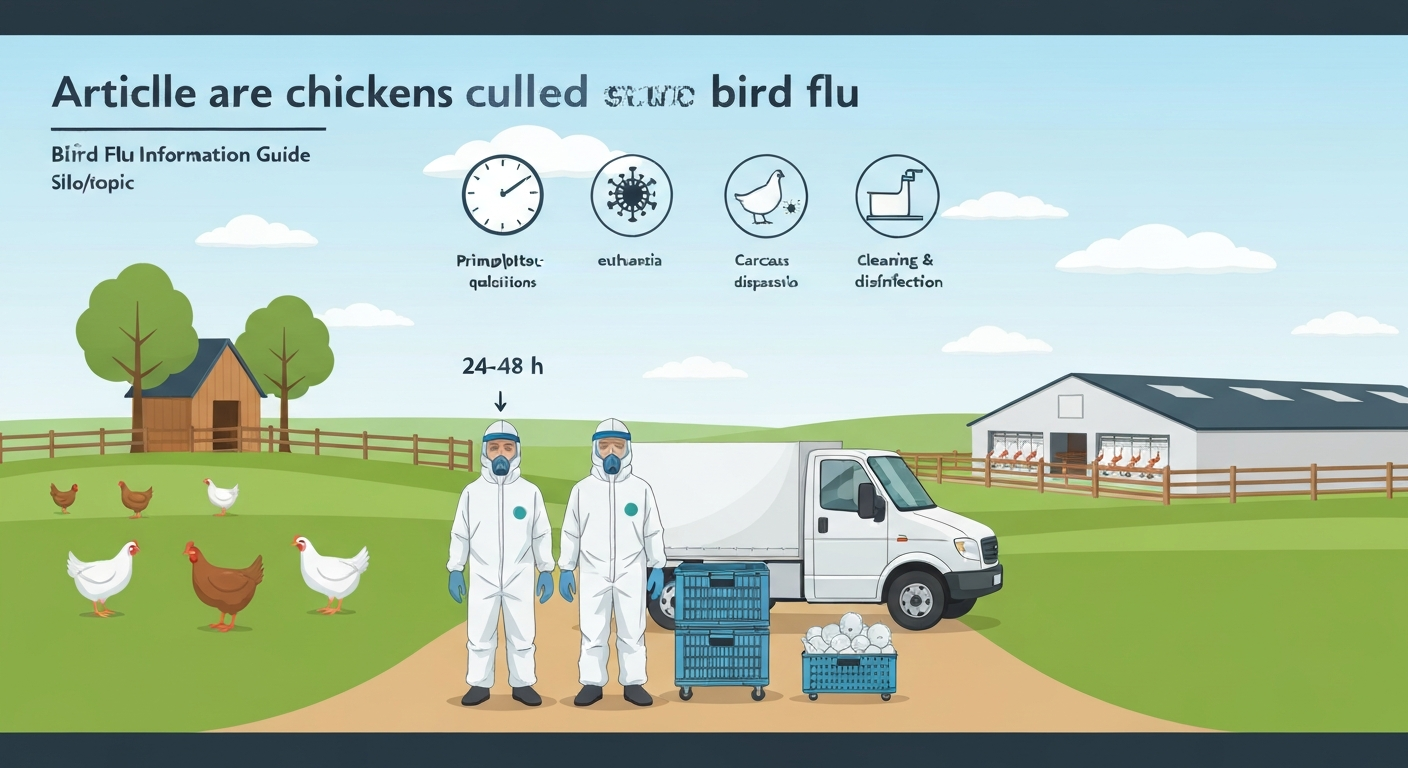
Several organizations make bird flu vaccines, and the answer depends on what you mean by 'make.' Right now, the major players for human H5N1/H5 vaccines include CSL Seqirus, GSK, and Sanofi on the manufacturing side, with Moderna advancing an mRNA candidate through clinical trials. The U.S. government agency BARDA manages the national stockpile and funds most of this work, while CDC and WHO create the foundational 'candidate vaccine viruses' that manufacturers actually use to produce shots. That layered system is why a simple answer like 'one company makes it' never quite fits.
Who Makes Bird Flu Vaccine: Makers, Developers, and Supply

Maya Chen
16 Jun 2026
What 'bird flu vaccine' can actually mean
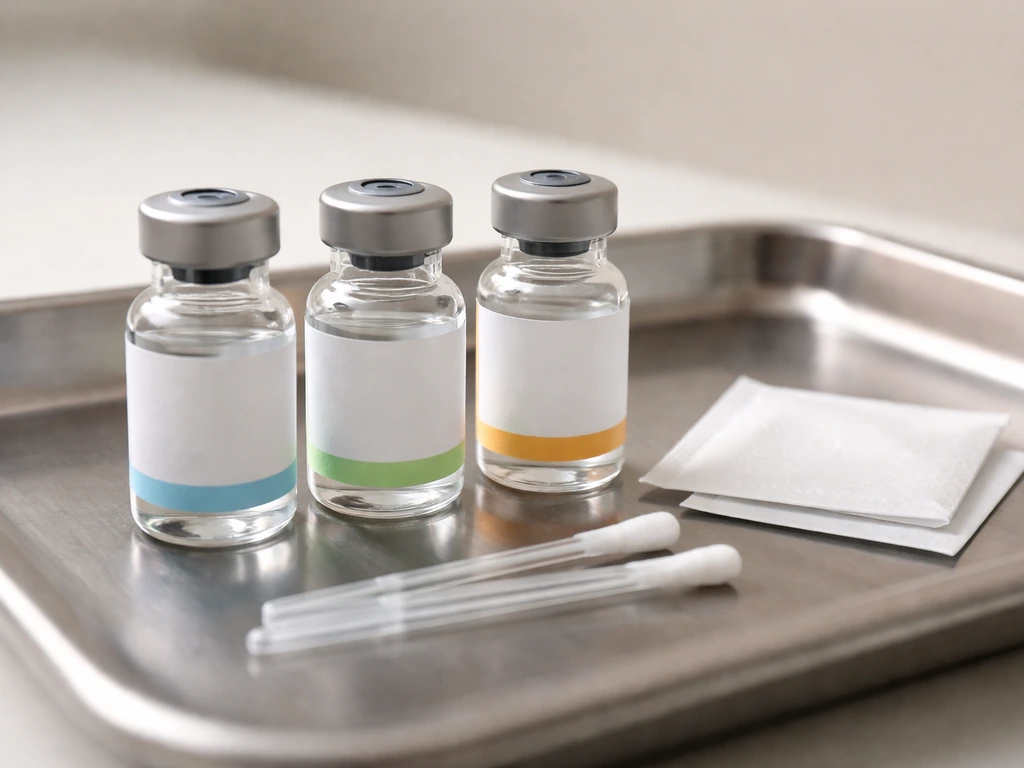
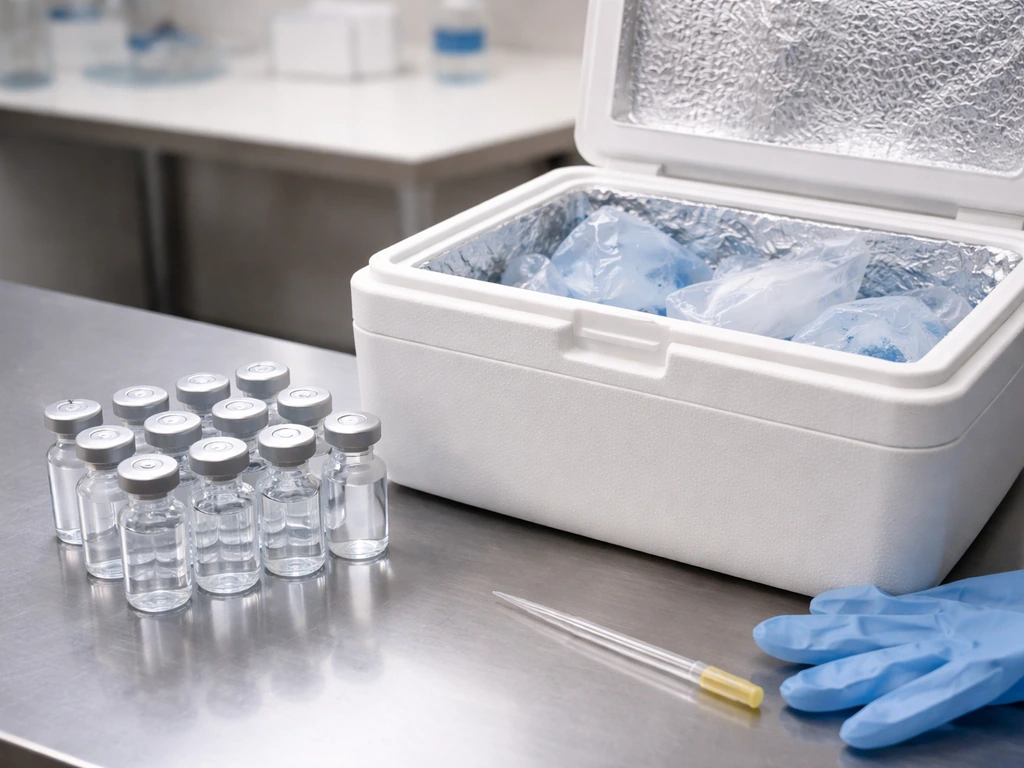
Before you can pin down who makes it, you need to know which type of bird flu vaccine you're asking about, because they're not all the same thing. There are three distinct categories in play today.
- Candidate vaccine viruses (CVVs): These are the biological seeds that make vaccine production possible. CDC and WHO collaborating centers develop them using reverse genetics, engineering a virus that's safe to handle in manufacturing, grows well in eggs or cell culture, and is as close as possible to the wild H5N1 strain circulating right now. CVVs are not vaccines themselves; they're the starting material manufacturers need.
- Pre-pandemic stockpile candidates: These are actual vaccine doses (or bulk antigens ready to be filled into vials) already produced and stored, meant to bridge the gap if H5N1 starts spreading person-to-person before a perfectly matched vaccine is ready. The U.S. National Pre-pandemic Influenza Vaccine Stockpile (NPIVS), managed by BARDA, holds H5Nx bulk antigens and adjuvants from CSL Seqirus, GSK, and Sanofi.
- Outbreak-matched or approved vaccines: These are fully licensed products matched to a specific strain. The FDA approved an H5N1 vaccine (originally by ID Biomedical Corporation) in 2013. GSK's Arepanrix/Pumarix holds approval in the U.S., Europe, and Canada for H5 strains. These are the 'approved' vaccines on the books today.
When someone asks 'who makes bird flu vaccine,' they're usually asking about one of these three categories without realizing they're different things. The answer changes depending on which one applies to your situation.
Who develops vs who manufactures: they're not always the same
This distinction matters a lot and causes most of the confusion around this topic. In the influenza vaccine world, 'developer,' 'manufacturer,' 'sponsor,' and 'funder' can all be different entities working on the same product.
| Role | Who plays it | Example |
|---|---|---|
| CVV creator (seed virus) | CDC, WHO collaborating centers | CDC creates H5 CVVs nearly identical to clade 2.3.4.4b A(H5N1) using reverse genetics |
| R&D developer / sponsor | Pharma/biotech companies, universities, CEPI-funded partners | Moderna sponsoring mRNA-1018 H5 trials; GSK developing H5N8-matched vaccine |
| Manufacturer (bulk antigen) | CSL Seqirus, GSK, Sanofi | CSL Seqirus producing cell-based H5 bulk antigen with MF59 adjuvant |
| Fill-and-finish contractor | Same or separate company | BARDA contracted CSL Seqirus to fill ~4.8 million doses of bulk H5N8 vaccine into vials |
| Funder / procurer | BARDA (U.S.), CEPI (global), national governments | BARDA awarded Moderna $176 million for prepandemic H5 mRNA vaccine development |
| Stockpile manager | BARDA / ASPR (U.S.) | BARDA manages NPIVS, initiated in 2005 and maintained continuously since |
When a news headline says 'BARDA awarded X company to make a bird flu vaccine,' BARDA is the funder and procurer, not the manufacturer. When FDA names a company on an approval letter, that's the legal manufacturer of record, but the CVV seed may have come from CDC, and the adjuvant may have come from a separate supplier. Keep those layers in mind when you're reading coverage or press releases.
Companies and institutions actively working on bird flu vaccines right now
As of mid-2026, here's the honest picture of who is in the pipeline and what stage they're at.
CSL Seqirus
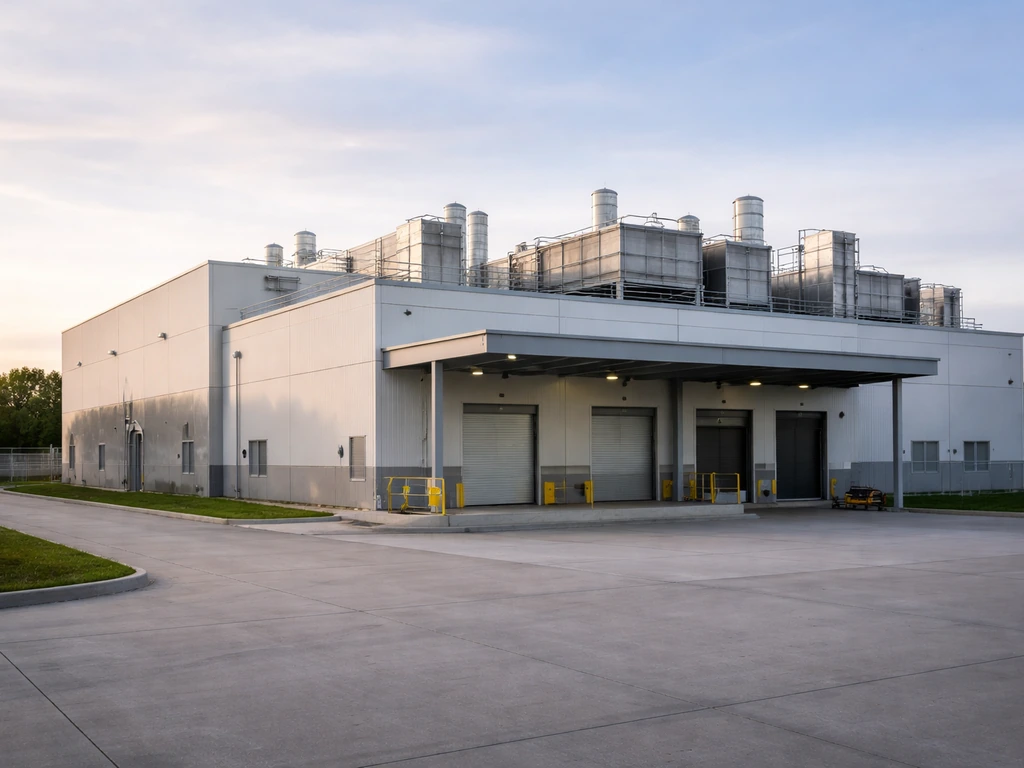
CSL Seqirus is the most immediately relevant manufacturer for U.S. stockpile purposes. BARDA finalized an agreement with CSL Seqirus in May 2024 to fill approximately 4.8 million additional doses of bulk A/Astrakhan H5N8 vaccine into vials. Their candidate uses a cell-based manufacturing platform adjuvanted with MF59, and it's currently in BARDA-supported clinical trials (NCT06560151 is one relevant trial). Cell-based manufacturing matters because it doesn't depend on egg supply, which makes scaling faster during a pandemic.
GSK
GSK holds the most regulatory approvals of any company in this space. Their H5N1 vaccine, marketed as Arepanrix in the U.S. and Canada and Pumarix in Europe, is FDA-approved for people 6 months and older at increased risk of H5 exposure. GSK uses an egg-based manufacturing platform with their proprietary AS03 adjuvant system. They're also in BARDA-supported clinical trials for an H5N8-matched candidate (A/Astrakhan-like strain) with AS03. Their study register trial 219833 ties directly to NCT identifiers you can look up on ClinicalTrials.gov.
Sanofi

Sanofi is the third major player in BARDA's clinical trial portfolio. Their egg-based H5N8 candidate is being tested with either AS03 or MF59 adjuvant, giving public health officials flexibility in how they deploy it. Sanofi has deep flu vaccine manufacturing experience (they make Fluzone, among others), which makes them a credible production partner for stockpile expansion if a pandemic is declared.
Moderna
Moderna is the most prominent mRNA entrant. This is the mRNA track that gets a lot of press, and it's genuinely advancing, but it's not approved or stockpiled at scale yet is the bird flu vaccine mrna. BARDA awarded Moderna $176 million to develop a prepandemic mRNA H5 vaccine. Their mRNA-1018 candidate includes H5N8 arms and is in trials (NCT05972174 covers pandemic influenza candidate vaccines including H5 and H7 strains). Moderna completed a phase 1/2 trial for an earlier H5/H7 mRNA candidate, and a CEPI-backed effort has moved toward a pivotal phase 3 trial in the UK and U. CEPI describes its support for an mRNA vaccine candidate against H5N1 and points to a pivotal phase 3 trial in the UK and U.S. that helped clarify the program stage and the R&D sponsor blank" rel="noopener noreferrer">a CEPI-backed effort has moved toward a pivotal phase 3 trial in the UK and U.S.. S. This is the mRNA track that gets a lot of press, and it's genuinely advancing, but it's not approved or stockpiled at scale yet.
CDC and WHO (foundational roles)

CDC and WHO aren't vaccine manufacturers, but they're essential to the whole system. CDC creates the CVVs using reverse genetics and has developed H5 CVVs that are nearly identical to the hemagglutinin protein of recently detected clade 2.3.4.4b A(H5N1) viruses from humans, birds, and mammals. WHO's Global Influenza Surveillance and Response System (GISRS) coordinates CVV development globally through WHO collaborating centers and Essential Regulatory Laboratories. Without CDC and WHO doing this upstream work, manufacturers have nothing to base their vaccines on.
How to find the current makers fast
If you need up-to-date, verified information on who is making a specific bird flu vaccine right now, these are the sources that will actually give you an accurate answer rather than outdated press coverage.
- ClinicalTrials.gov: Search for 'H5N1,' 'H5 influenza,' or 'avian influenza vaccine.' Filter by status (recruiting or active) and look at the 'Sponsor/Collaborators' field in each trial record. This tells you exactly who is running the study and who the funding partners are. Trials like NCT06560151 (BARDA's H5 phase 2 study) and NCT05972174 (Moderna's mRNA-1018 H5/H7 candidate) are the kinds of records you want.
- FDA's vaccine approval database: Go to FDA.gov and search for 'H5N1 vaccine' or 'avian influenza vaccine' under the licensed biologics section. Each approval lists the manufacturer of record. This is how you confirm a product is actually approved, not just in development.
- BARDA / ASPR (medicalcountermeasures.gov): BARDA publishes their active contracts and program updates on the Medical Countermeasures website. This is the clearest source for who has a U.S. government contract to produce or develop an H5 vaccine right now.
- WHO's GISRS and vaccine response pages: WHO publishes CVV distribution and vaccine development status for avian influenza strains. This is especially useful for understanding the global picture beyond U.S.-funded programs.
- CEPI's portfolio (cepi.net): CEPI funds and tracks pandemic preparedness vaccine candidates globally. Their portfolio page is filterable by developer, disease, phase, and vaccine type, which makes it easy to spot who is in R&D for bird flu specifically.
One practical tip: if you see a company name in a news article about a bird flu vaccine, cross-check it against ClinicalTrials.gov or FDA's biologics database before treating it as a confirmed manufacturer. Press releases and news coverage often blur the line between 'received funding to develop' and 'is manufacturing doses today.'
What to know about availability and supply for humans
For most people reading this, the real question is: can I get a bird flu vaccine if I need one? The honest answer is: it depends on who you are and what stage a potential outbreak has reached.
Right now, FDA-approved H5 vaccines (like GSK's Arepanrix) exist and are stockpiled, but they are not available for general public use. The NPIVS is a government reserve, not a pharmacy product. If H5N1 were to start spreading efficiently between people, the U.S. government (specifically BARDA and ASPR within HHS) would authorize deployment of stockpiled doses and rapidly scale fill-and-finish operations. WHO has previously recommended stockpiling up to 150 million H5N1 doses globally for exactly this kind of rapid response scenario.
Currently, H5 vaccines may be available to people at demonstrably elevated occupational risk (such as certain agricultural workers or laboratory personnel) under specific public health protocols, but that's a targeted and coordinated effort, not open access. If you work in a high-risk setting and want to understand your options, your employer's occupational health department or your state health department is the right first call, not a pharmacy or your primary care doctor.
Procurement decisions at the national level flow through BARDA and ASPR. At the international level, WHO and CEPI coordinate access discussions. Individual countries typically sign agreements with manufacturers for priority access to doses in the event of a pandemic declaration. The U.S. has maintained contracts with FDA-licensed influenza vaccine manufacturers without interruption since the NPIVS was formally initiated in 2005.
How to verify claims and avoid misinformation about who made a vaccine
Bird flu vaccine development generates a lot of noise, especially when human cases make headlines. Here's how to cut through it.
- Check the FDA approval database directly. If a source claims a vaccine is 'approved,' you should be able to find the product listed under FDA's licensed biologics. If it's not there, it's not approved, regardless of what a press release says.
- Distinguish 'received funding' from 'has a licensed product.' BARDA awarding Moderna $176 million to develop an mRNA H5 vaccine is significant and real, but it does not mean Moderna has an approved, available H5 vaccine today. These are development contracts, not manufacturing contracts for deployed doses.
- Look at the clinical trial sponsor field, not just the company name in the headline. The sponsor of record on ClinicalTrials.gov is legally accountable for the trial. The funder (often BARDA or CEPI) may be a different entity entirely.
- Be skeptical of claims about mRNA vaccines specifically. The mRNA platform is genuinely promising and advancing in trials, but as of 2026, no mRNA bird flu vaccine is approved or in the U.S. stockpile. A phase 3 trial is underway, but 'in trials' and 'available' are not the same thing.
- Cross-check company names against regulatory history. ID Biomedical Corporation manufactured the first FDA-licensed H5N1 vaccine in 2013. That company was later acquired. If someone cites that approval, the manufacturer of record has changed since then.
- Use WHO's GISRS framework as a reference point for global claims. WHO coordinates CVV development through a structured international system. If a country claims to have developed a bird flu vaccine, you can check whether their national reference laboratory is part of GISRS and whether WHO has recognized their CVV work.
Next steps based on why you're asking
The right next step depends on what you actually need. Here's a practical breakdown by scenario.
If you want general background on who's developing bird flu vaccines
Start with BARDA's program pages at medicalcountermeasures.gov, then search ClinicalTrials.gov for active H5 influenza trials. CEPI's portfolio page rounds out the global picture. For how long vaccine development takes and why the timeline looks the way it does, the history of H5N1 CVV development going back to the NPIVS launch in 2005 gives good context on the pace of progress. If you want the specific date when the bird flu vaccine approach was first made, look at the history of H5N1 candidate vaccine virus development and the timelines tied to the NPIVS launch how long vaccine development takes.
If you're a journalist or researcher verifying a specific claim
Go directly to the FDA biologics license database for approval claims, ClinicalTrials.gov for development status, and ASPR/BARDA press releases for U.S. government contract awards. Cross-check the company's own study register (GSK publishes one, for example) against the NCT identifier to verify trial arms and strain specifics. If someone is making a claim about WHO's role, check WHO's GISRS pages and official vaccine response publications rather than relying on secondary reporting.
If you're concerned about your own access to a vaccine
Contact your state or local health department first. They'll have the most current information on whether any H5 vaccine is being offered to specific risk groups in your area. If you tell them whether you are asking for personal access or workplace eligibility, they can also point you to the right steps for how to get bird flu vaccine in your area. If you work on a dairy farm, poultry operation, or in a laboratory setting with H5N1 exposure risk, ask your employer specifically about occupational health protocols, since BARDA and CDC have been working with state health departments on targeted vaccination efforts following the dairy farm worker cases in 2024. The broader public health picture, including what's known about the effectiveness of stockpiled H5 vaccines and whether the mRNA platform offers advantages, is worth understanding as you think through your options. Effectiveness varies by strain match, study design, and how well the vaccine matches the circulating virus, which is why it matters to ask how effective is bird flu vaccine for your specific scenario.
The bottom line: bird flu vaccines are real, are being actively developed and stockpiled, and involve a well-organized (if complicated) system of government agencies, academic labs, and pharmaceutical manufacturers. No single company 'makes' bird flu vaccine. CDC and WHO build the seeds, companies like CSL Seqirus, GSK, and Sanofi manufacture the doses, BARDA funds and stockpiles them, and FDA oversees approval. Moderna and CEPI-backed partners are advancing mRNA options that could reshape this picture in the next few years. Knowing which part of that system you're asking about is the key to getting a useful answer.
FAQ
How do I tell whether a company is actually manufacturing doses versus just getting funded or developing the vaccine?
If a headline says “BARDA is making X,” BARDA is usually funding or procuring the supply, not running the manufacturing line. The safest way to confirm the legal manufacturer is to check FDA approval records (for approved products) or the biologics license/establishment information, then separately look at the fill-and-finish vendor if the vaccine is assembled in multiple steps.
Can I get a bird flu vaccine if a company says it is “stockpiled”?
Yes, but access depends on current policy and verified exposure risk. In the U.S., targeted programs typically run through public health agencies using occupational risk criteria, while the stockpile itself is not sold like a routine pharmacy product. If you want to know your eligibility, ask your state or local health department and provide your exact job role and exposure setting.
Does “bird flu vaccine” mean the same thing as an H5N1 vaccine, or can it refer to different targets?
People often mix up “H5N1,” “H5N8,” and “H5 vaccine” in general. For eligibility and relevance, you need the named clade/strain match (for example, H5N1 clade variants versus H5N8 matched candidates). The manufacturer and the specific strain used in the candidate matter more than the general term “bird flu.”
Why can different sources name different “makers” for the same bird flu vaccine?
No single “bird flu vaccine maker” is universal because different programs use different platforms and targets. Many manufacturers focus on specific workflows, like bulk drug substance manufacturing, vial filling and finishing, or adjuvant sourcing. Even when one company is the branded manufacturer, components can come from different suppliers, so “who makes it” can change depending on which step you mean.
What happens if the circulating bird flu strain changes after a vaccine is developed or stockpiled?
Mismatched strain can matter for protection. When a new clade becomes dominant, candidate vaccine viruses are updated, which may require a new manufacturing run even if the platform stays the same. That is why the latest candidate virus information from CDC/WHO and the current trial strain details are critical for understanding how “current” a given vaccine approach is.
If an mRNA bird flu vaccine is in trials, does that mean it will be available quickly during an outbreak?
mRNA candidates (like those from Moderna) can have different timelines and deployment considerations than egg-based or cell-based programs. A key practical point is that “in trials” does not mean “available for deployment,” and scale-up may lag behind trial progress. If you need vaccination now, prioritize confirmed approved products or announced public health programs rather than investigational mRNA candidates.
Who is responsible for the “last mile” of getting doses ready for administration (vials, labeling, release)?
Fill-and-finish capacity can be a bottleneck during surge demand. Even if bulk vaccine is produced, vialing, labeling, and quality release take time and require specific validated facilities. That is one reason government contracts often include both drug substance and deployment logistics.
Is the CDC or WHO the company that makes the bird flu vaccine doses?
If you are reading about “candidate vaccine viruses,” remember these seeds are upstream inputs, not finished vaccines. CDC/WHO produce or coordinate the CVVs, and manufacturers produce the actual vaccine formulations using those seeds and specific adjuvants. Confusing CVV creators with dose manufacturers is a common reason for incorrect “who makes it” answers.
What should I verify if I see a trial announcement for a “bird flu vaccine” but want to know which exact formulation is involved?
When you see an NCT number or strain description in a trial listing, cross-check that with the company’s own trial registry notes or publication summaries. Sometimes the same program name covers multiple arms or adjuvant conditions (such as AS03 versus MF59), and those differences affect what vaccine version is actually being manufactured and studied.