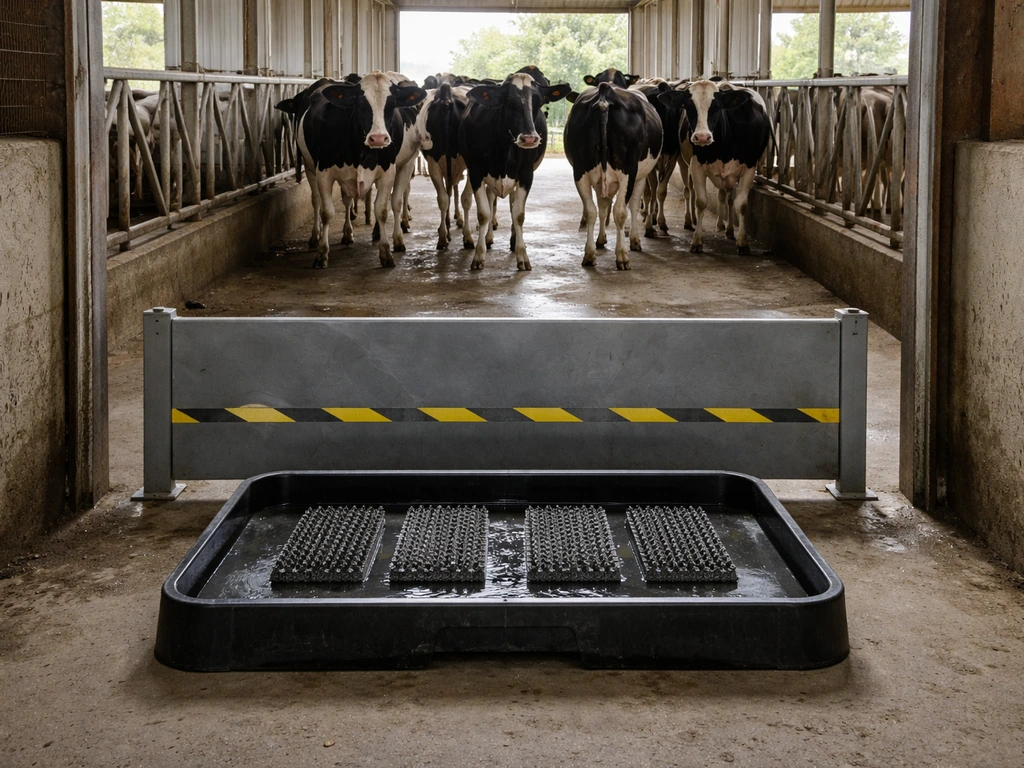
No, cows with bird flu are not automatically required to be killed. Unlike the response to HPAI in poultry, where mass culling is standard practice, the U.S. approach to H5N1 in cattle centers on containment, testing, isolation, and movement control, not blanket depopulation. USDA APHIS has explicitly stated it is not recommending depopulation of infected cattle herds. What happens to an affected herd depends on the severity of illness, the number of animals involved, local and state regulations, and guidance from animal health officials. Culling can happen in certain circumstances, but it is a tool of last resort in this context, not the default.
Do Cows With Bird Flu Have to Be Killed? What Happens

Maya Chen
21 Jun 2026
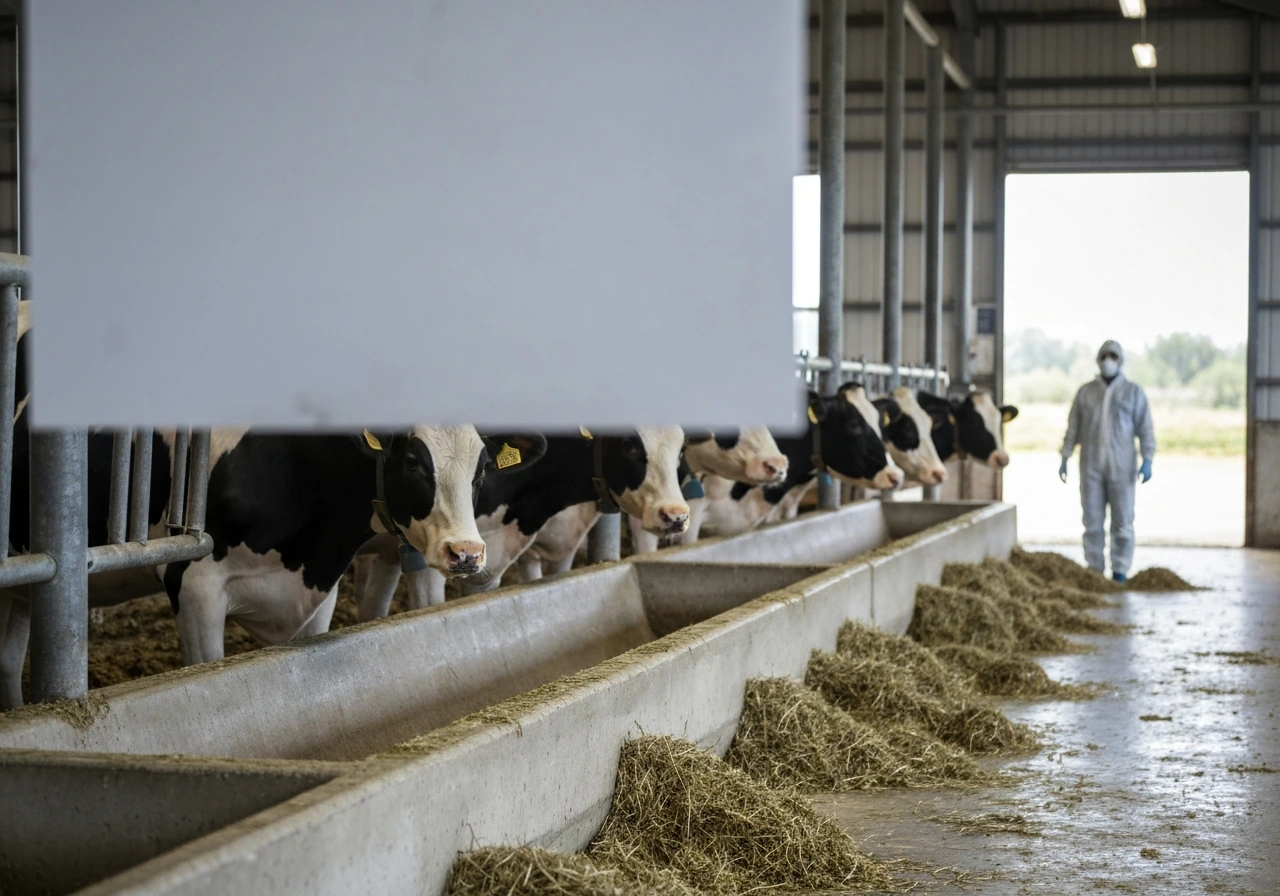
What actually happens when bird flu is found in cattle
When H5N1 is confirmed or strongly suspected in a dairy or beef herd, the response framework looks very different from what you may have heard about chickens or turkeys. In chickens, bird flu typically spreads quickly through flocks, which is why depopulation is often used to stop transmission what does bird flu do to chickens.
In poultry, the virus spreads with terrifying speed and lethality, which is why entire flocks are depopulated quickly to stop it from jumping to neighboring farms. Cattle are a different situation. Most infected cows show symptoms like reduced milk production, respiratory signs, and decreased feed intake, but many recover with supportive care. The virus does not burn through a cattle herd the way it does a poultry flock, which changes the calculus on culling entirely.
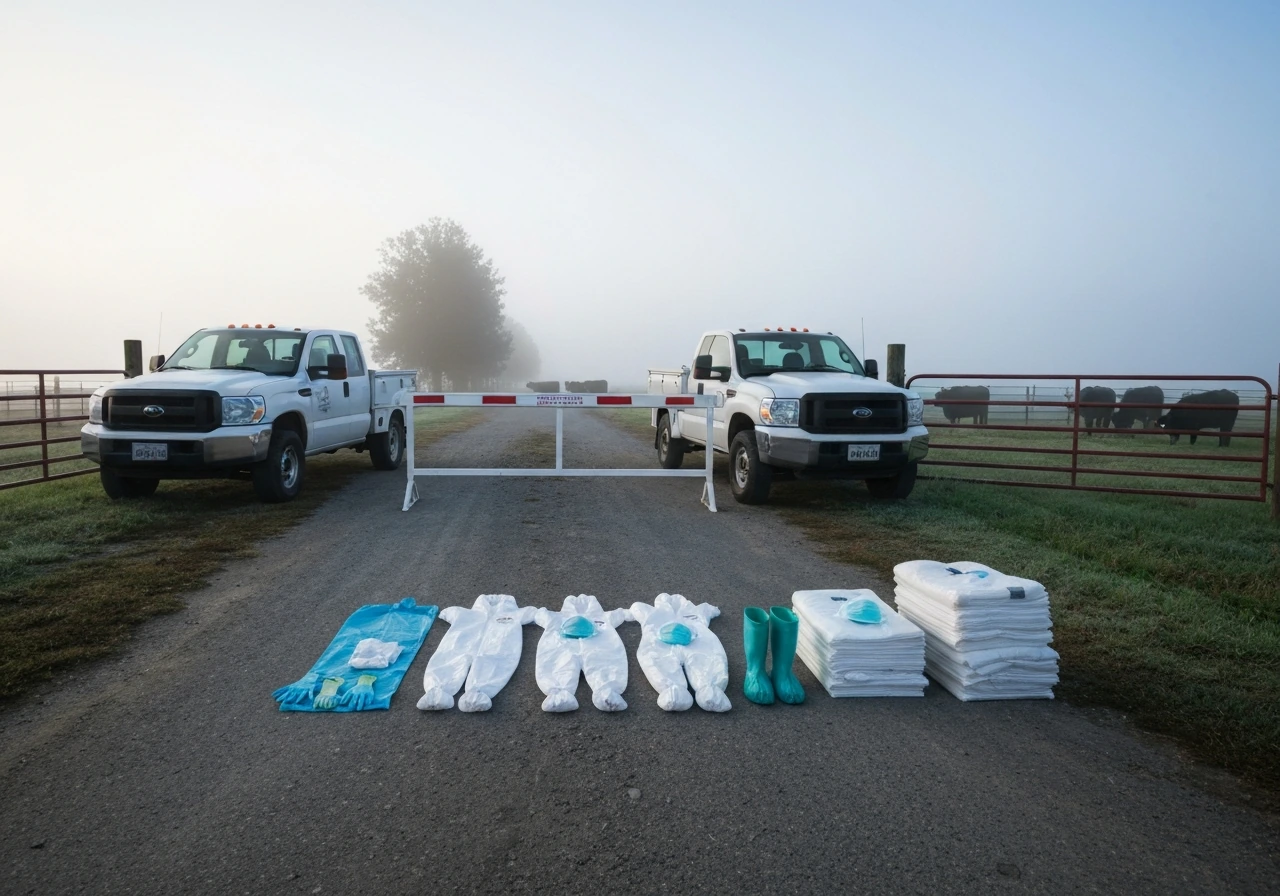
APHIS's guidance for dairy herds lays out a practical response sequence: isolate sick animals, report to your veterinarian and state and federal animal health officials, restrict movement on and off the premises, and cooperate with diagnostic testing. USDA APHIS indicates that the H5N1 cattle detection response is implemented through [reporting to USDA/APHIS officials and state animal health officials](https://www. aphis. usda.
gov/sites/default/files/hpai_mvmtcontrol. pdf) and via APHIS’s emergency management process using the NAHEMS/Unified Incident Command framework. That sequence is about containment and surveillance, not a death sentence for your herd. Federal orders issued in April 2024 and updated through late 2024 formalized testing and reporting requirements, particularly for lactating dairy cattle moving across state lines.
Those orders reflect how seriously officials are taking the situation while still pursuing a management-based approach rather than mass depopulation.
Suspected vs. confirmed: the response is not the same
There is an important distinction between a suspected case and a confirmed one, and it matters a lot for what happens next. If you see symptoms that raise concern, the immediate steps are isolation and reporting. Your veterinarian or state animal health official then works with APHIS to collect diagnostic samples and investigate. At this stage, no culling decision is being made. The farm may face movement restrictions while testing is underway, but that is a precautionary measure, not a predetermined outcome.
Once a case is confirmed, the producer, attending veterinarian, and State Animal Health Official work together to decide on the appropriate response. That could mean extended quarantine, enhanced biosecurity, movement testing requirements, or in more severe situations, euthanasia of individual animals that are suffering and not likely to recover. Whole-herd depopulation would only come into play under exceptional circumstances, such as an unusually severe outbreak or a situation where containment has clearly failed and wider spread is imminent. That scenario is possible under the APHIS emergency response framework, but it is not where officials start.
Who makes the culling decision and what rules apply
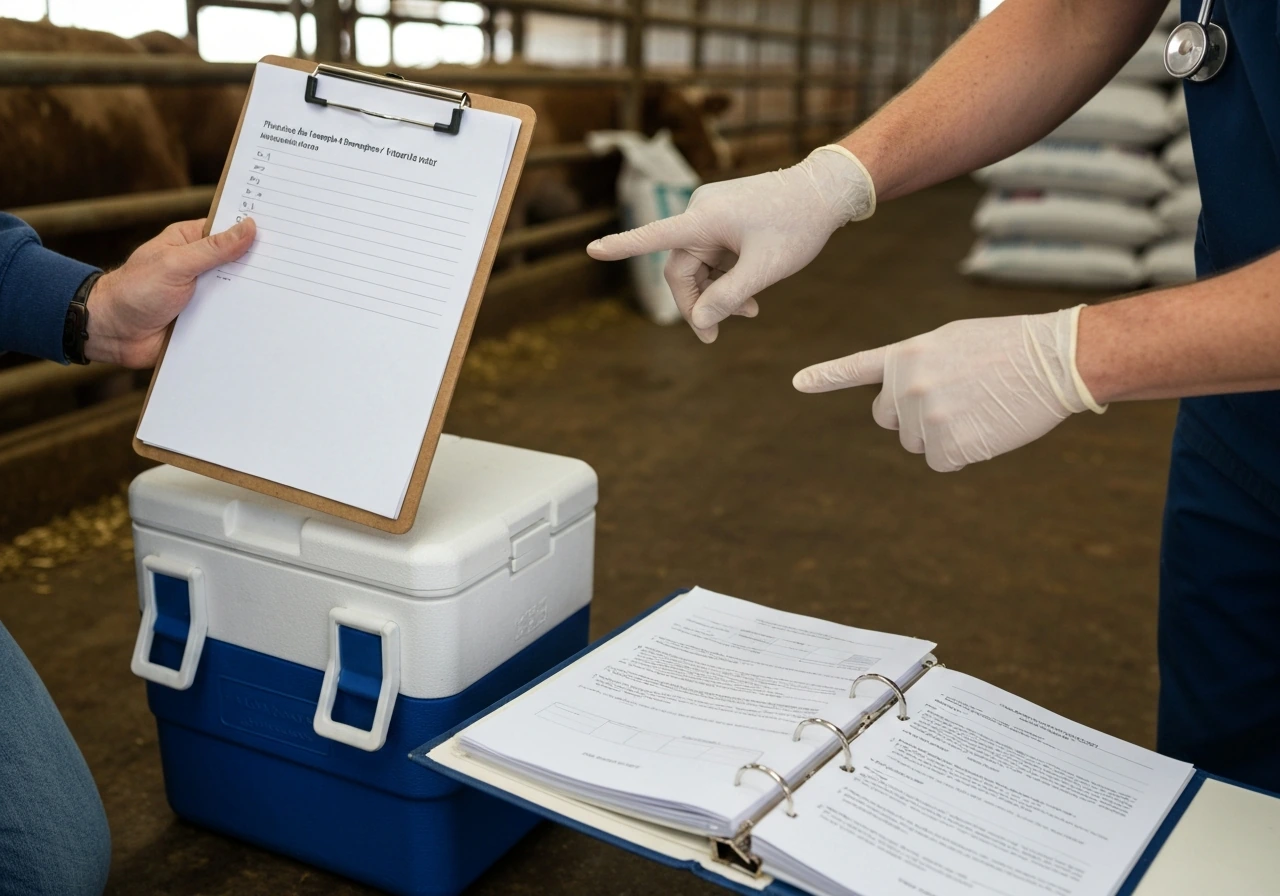
The decision-making authority sits with a combination of the producer, the attending veterinarian, the State Animal Health Official (SAHO), and APHIS. There is no single federal rule that automatically triggers culling when a cow tests positive. Instead, APHIS operates through a collaborative, incident-command style framework called NAHEMS (the National Animal Health Emergency Management System), which coordinates federal, state, and local responses to foreign animal disease events.
Within that system, mass depopulation and euthanasia are defined as a specific emergency-control capability, meaning they are options that exist and can be deployed, but they require a deliberate decision based on the facts on the ground. APHIS NAHEMS training materials list [“Mass Depopulation and Euthanasia”](https://www. aphis. usda.
gov/animal-emergencies/nahems-educational-training-materials) as a specific topic for foreign animal disease response, treating euthanasia and culling as a distinct emergency-control capability used when appropriate.
State regulations add another layer. Some states have their own livestock disease response laws that can require or restrict certain actions independently of federal guidance. That is one reason why outcomes can look different from state to state even with the same federal framework in place. If you are a producer, your State Animal Health Official is the most important contact for understanding what your state specifically requires versus recommends.
Why culling is sometimes chosen, even when it is not required
Even when culling is not mandated, it sometimes happens for practical and animal welfare reasons. In poultry, the question of how chickens are culled during bird flu outbreaks often comes up, but poultry responses differ from cattle containment and case-by-case decisions how are chickens culled during bird flu outbreaks. An individual cow that is severely ill, not responding to supportive care, and suffering may be euthanized on animal welfare grounds alone. That decision is made by the attending veterinarian in consultation with the producer, and it does not necessarily reflect a broader outbreak response strategy.
On a larger scale, if a herd situation is deteriorating, biosecurity measures are not holding, and there is real risk of spread to other farms or to wild birds in the area, officials may escalate toward depopulation. The core goal of any culling decision is to stop the virus from spreading further, both within the farm and beyond it.
Time to death in chickens varies widely by strain, viral dose, and husbandry conditions, so there is no single predictable timeline stop the virus from spreading further. H5N1 spreads between cattle farms primarily through animal movement, shared equipment, contaminated vehicles, and milk handling. Controlling those pathways through testing and movement restrictions is the first line of defense. Culling becomes a more serious consideration when those measures are not enough.
What to do if you suspect bird flu in your cattle right now
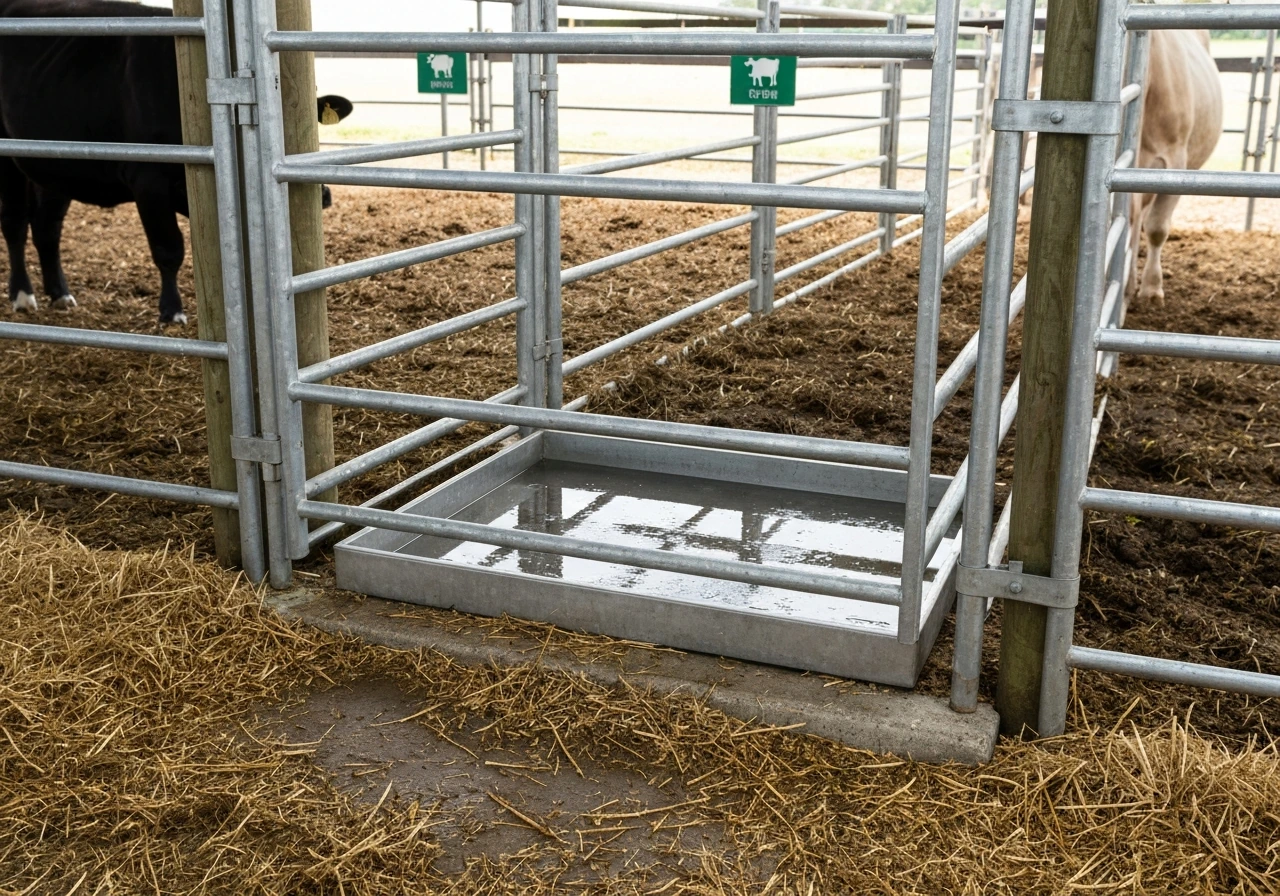
If you manage cattle and something looks wrong, act quickly but methodically. You do not need to wait for a confirmed diagnosis before taking protective steps. Because bird flu guidance focuses on containment, testing, isolation, and movement control, you generally do not make housing decisions like keeping chickens in based on infection risk from cattle keep chickens in because of bird flu.
- Isolate sick animals immediately. Separate them from the rest of the herd to reduce the chance of spread within your operation.
- Contact your attending veterinarian the same day. Describe the symptoms in detail: reduced milk production, respiratory signs, lethargy, and any other changes from normal.
- Report to your State Animal Health Official. You can find your state contact through USDA APHIS's website. Early reporting is not an admission of anything, it is what starts the official investigation and gets you access to resources.
- Reach out to your APHIS Area Veterinarian in Charge (AVIC). APHIS has regional representatives who coordinate the federal side of the response.
- Restrict farm access and movement. Until you know what you are dealing with, limit who and what moves on and off your property. This includes vehicles, equipment, and people who work across multiple farms.
- Document everything. Write down when symptoms started, how many animals are affected, what you have done so far, and any recent animal movements or visitors. Officials will need this information.
- Use PPE when handling sick animals. Gloves, eye protection, and ideally an N95 respirator are recommended for anyone in close contact with potentially infected cattle or raw milk.
The key symptoms to watch for in dairy cattle include a sudden, significant drop in milk production, thickened or discolored milk, reduced appetite, fever, and respiratory distress. Not every sick cow has bird flu, but these signs together, especially in a herd context, are worth taking seriously and reporting promptly.
What this means for human health and food safety at home
For most people reading this from outside a farm setting, the relevant question is: does bird flu in cattle affect my safety or the food I eat? The honest answer is that the risk to the general public from H5N1 in dairy cattle is considered low, but there are a few practical precautions that genuinely matter.
Pasteurized milk is safe. The FDA has confirmed that pasteurization is effective at inactivating H5N1, and the commercial pasteurized milk supply poses no known risk related to this virus. Raw (unpasteurized) milk is a different story. CDC and FDA both strongly advise against consuming raw milk or raw dairy products, especially during active H5N1 detections in cattle. This is not new advice for raw milk generally, but the H5N1 situation in dairy cattle makes it more urgent. H5N1 has been found in raw milk from infected cows at high concentrations, and drinking it is a real exposure route.
Beef from properly cooked cattle is considered safe. Cooking meat to proper internal temperatures inactivates influenza viruses. The concern with H5N1 in cattle is primarily in the dairy context, specifically milk handling and raw milk consumption, not in the beef supply at the retail level.
| Food or exposure | Risk level | What to do |
|---|---|---|
| Pasteurized commercial milk | Very low | Safe to consume normally |
| Raw (unpasteurized) milk | Higher risk | Avoid, especially during active outbreaks |
| Cooked beef | Very low | Cook to proper internal temperature (160°F for ground beef) |
| Contact with infected cattle | Moderate (farm workers) | Use PPE: gloves, eye protection, N95 respirator |
| Raw milk cheese | Moderate | Avoid or check that it is made from pasteurized milk |
Farm workers and anyone who spends time around dairy cattle or handles raw milk face a higher personal risk than the general public and should follow CDC's PPE recommendations consistently. H5N1 infections in farm workers have been documented in the U.S., though most have caused mild illness. That does not mean the risk should be dismissed, just kept in realistic proportion.
The bigger picture: cattle vs. chickens
It helps to understand why the response to bird flu in cattle looks so different from the response in poultry. With chickens, HPAI spreads explosively and kills rapidly, which is why culling entire flocks is standard practice. The virus in poultry is a fast-moving emergency where depopulation is often the only way to stop it. Cattle respond differently, and the current strain circulating in dairy herds causes serious but often survivable illness. That biological difference, combined with the economic realities of the dairy industry, has shaped a management-focused regulatory approach rather than a depopulation-first one.
This does not mean the situation in cattle is under control everywhere or that it is less serious from a public health standpoint. It means the tools being used to manage it are different, and for a concerned cattle producer or consumer, knowing that distinction is the foundation for taking the right steps. In poultry outbreaks, people often ask why authorities kill chickens with bird flu, and the reasons depend on how fast the virus is spreading and what containment options are available. If you have cattle showing symptoms, report early and work with officials. If you are a consumer, stick to pasteurized dairy and you are doing what the evidence supports.
FAQ
If a cow tests positive for H5N1, does that automatically mean the whole herd will be depopulated?
No. A positive test triggers containment and follow-up actions, but whole-herd depopulation is not the default. Authorities may choose quarantine, repeat testing, and movement restrictions first, and euthanasia is typically reserved for animals that are severely ill or unlikely to recover, unless spread and containment failure make broader control necessary.
What happens between a suspected case and a confirmed case, and is culling considered during that window?
During investigation, the priority is usually isolation, restricted movement, and diagnostic sampling, and producers typically do not make broad culling decisions based solely on suspicion. Individual welfare decisions can still occur, but a herd-wide decision generally follows confirmation and a structured risk assessment with officials.
Who has the authority to decide whether to euthanize animals (or depopulate a herd)?
In practice, decisions are collaborative, involving the producer, the attending veterinarian, the State Animal Health Official, and APHIS within the NAHEMS incident-management process. A single federal trigger for culling is not how it is usually handled, and state requirements can influence what is ordered versus what is optional.
Can individual cows be euthanized even if the herd is not depopulated?
Yes. An animal that is severely sick, not responding to supportive care, or suffering can be euthanized for animal-welfare reasons. That decision is usually made by the attending veterinarian in consultation with the producer, and it does not automatically determine the strategy for the rest of the herd.
Under what circumstances does culling become more likely beyond individual animal euthanasia?
If the situation shows clear signs that containment measures are failing, spread risk is escalating, or there is an unusually severe outbreak pattern, authorities may escalate toward broader depopulation. Movement control and testing are intended to stop spread early, and culling becomes a more serious option when those measures are not sufficient.
Do producers have to stop milking immediately if bird flu is suspected?
Often they have to restrict movement and follow official instructions quickly, but whether milking stops immediately depends on the investigation stage, local orders, and biosecurity directives. The key point is that producers should isolate suspected animals and coordinate with the veterinarian and state officials rather than making independent herd-wide handling changes.
If I run equipment or vehicles between farms, could that affect whether authorities escalate the response?
Yes. Shared equipment, contaminated vehicles, and improper sanitation increase the chance of further spread, which can influence how aggressive officials need to be with testing, movement restrictions, and, in extreme scenarios, depopulation. Documented cleaning and strict isolation of workflows are important for demonstrating containment efforts.
Are there different rules for dairy herds versus beef herds regarding culling or depopulation?
There can be differences, because guidance and official actions are shaped by animal categories, production practices, and how the animals move or are managed. Even with the same overarching containment approach, the exact steps and speed of escalation can differ by herd type and state regulations.
What is the best action for someone who is not a farm worker, but has contact with dairy cattle or raw milk?
The practical risk-reduction step is to avoid raw milk and raw dairy products and to follow protective guidance when working around cattle, especially around milking or milk handling. For community members, food safety largely depends on the pasteurization and retail distribution system, while direct exposure risk is higher for those handling raw dairy on-site.
If I only consume store-bought pasteurized dairy, do I still need to worry about H5N1 from cattle?
In general, the risk from properly pasteurized milk and properly cooked meat is considered low. The more important caveat is to avoid raw milk, since H5N1 has been detected at high concentrations in raw milk from infected cows, and that is a direct exposure route not mitigated by pasteurization.
Does bird flu in cattle mean authorities will require keeping “everything contained” like in poultry barns?
Not necessarily. The response focus for cattle is containment through testing, isolation, and movement control, not blanket housing-style decisions analogous to poultry flock management. Producers should still follow specific biosecurity and movement directives issued for their situation.
What symptoms or herd patterns should trigger immediate reporting, and does early reporting change the outcome?
Sudden major drops in milk production, abnormal milk appearance, reduced appetite, fever, and respiratory distress are red flags that should prompt prompt reporting. Early detection can help officials contain spread sooner, which can reduce the chance that the response escalates beyond isolation and testing.
Next Article
Does Bird Flu Kill Cows? What’s Known and What to Do
Can bird flu infect and kill cows? What’s known, mortality risk, symptoms, and farm biosecurity steps to take now.