
Yes, bird flu can infect cows, and in some cases it does kill them. The H5N1 strain of highly pathogenic avian influenza (HPAI) has been confirmed in dairy cattle across the United States since early 2024, with outbreaks still being reported as recently as September 2025. This is why many public health and veterinary authorities focus on rapid diagnosis and herd management, not on automatically “killing every cow,” unless it is clearly needed to control the outbreak.
Does Bird Flu Kill Cows? What’s Known and What to Do

Maya Chen
17 Jun 2026
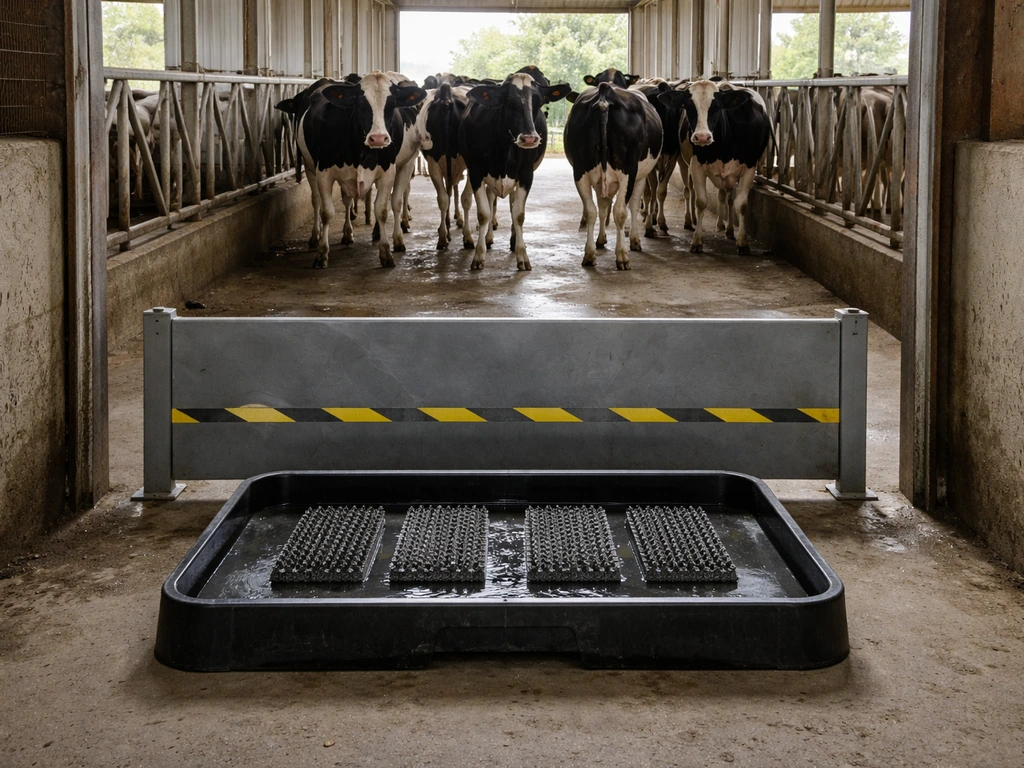
Most infected cattle survive, but peer-reviewed research confirms that clinically ill cows have a meaningfully higher hazard of death and culling compared to unaffected herdmates. So the short version is: it rarely kills cows outright, but it does cause serious illness, production losses, and in some animals, death.
Can bird flu infect cows or beef cattle
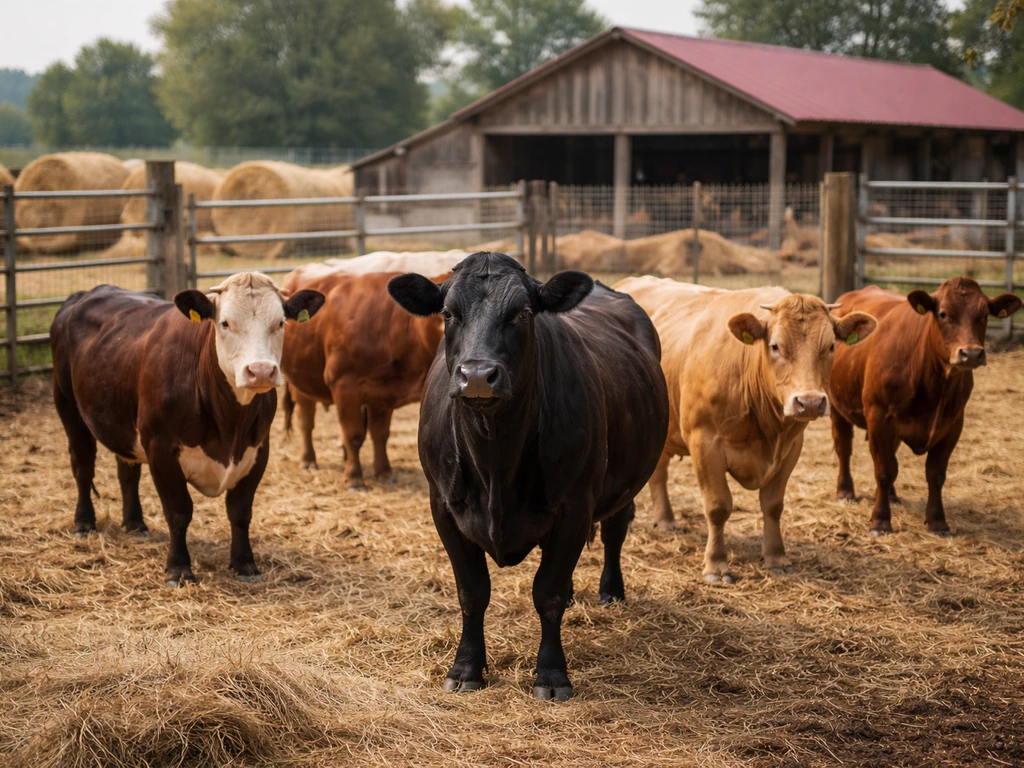
Cows can absolutely get bird flu. The World Organisation for Animal Health (WOAH) has confirmed that HPAI viruses have demonstrated the capacity to infect a wide range of species beyond birds, and cattle are now explicitly on that list. The CDC also lists cattle among susceptible mammalian hosts for influenza A viruses. Most of the confirmed cases have been in dairy cattle, where the mammary gland appears to be a primary site of infection: H5N1 has been detected at very high levels in raw milk, and at lower levels in nasal swabs and urine.
The picture for beef cattle is less clear. Beef cattle are not in continuous milking contact with humans and equipment the way dairy cows are, so detection and surveillance has been more limited. That said, the virus has been found post-mortem in muscle tissue of affected animals, and USDA APHIS maintains active testing and reporting for H5N1 in all cattle and bison, not just dairy operations. If you raise beef cattle near infected poultry operations or are purchasing animals from areas with active outbreaks, the risk is real enough to take seriously.
Does avian flu kill cattle: what the evidence actually says about mortality
Cattle are not dropping dead en masse from bird flu the way poultry do. In poultry, HPAI can kill nearly the entire flock within days. In chickens, bird flu can move through flocks fast and is often far more lethal than in cattle bird flu can infect chickens. In cattle, the disease is serious but rarely that severe. The majority of infected cows recover, though the illness can last weeks and the economic damage from lost milk production is substantial.
That said, mortality risk is real and has been quantified. A cohort study of a Michigan dairy H5N1 outbreak tracked health indicators including fever, culling, and death over 130 days. A separate peer-reviewed analysis found that clinically infected cows had a statistically higher hazard ratio for both death and culling compared to nonclinical cows. In practical terms: most sick cows survive, but a portion do not recover and are either culled for welfare or economic reasons, or die from the illness directly. How fast bird flu kills chickens depends on the strain and how quickly symptoms progress, but severe cases can become rapidly fatal without veterinary intervention. It is not a zero-mortality disease in cattle.
It is also worth distinguishing between death from the virus itself and culling as a management decision. Some cattle die from the infection; others are culled because they stop producing, never fully recover, or because of outbreak control protocols. When you see reports of cows being killed in connection with bird flu, that mix of natural mortality and intentional culling is usually what is being counted. When outbreaks are tied to poultry, public health and farm authorities often cull large numbers of birds, which is why you may hear accounts of people asking why they kill chickens with bird flu.
How to tell exposure from real illness in cattle: signs to watch for
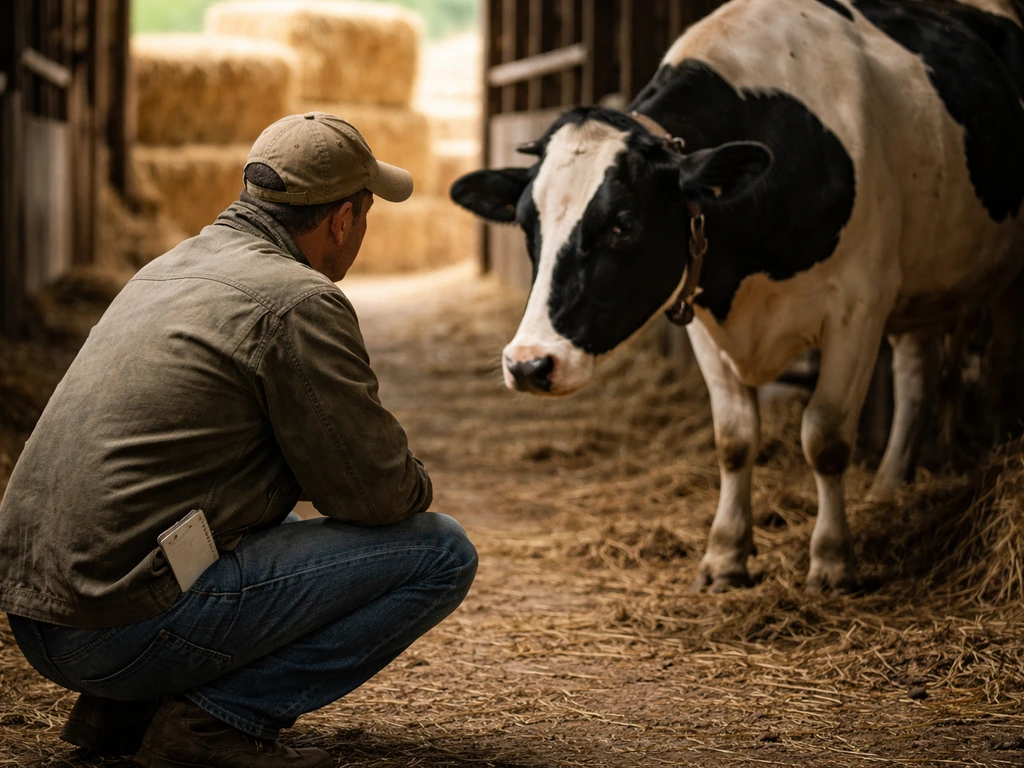
Not every cow on a farm that has been exposed to H5N1 will become clinically ill. USDA APHIS uses formal case definition categories, including presumptive positive and confirmed positive, to distinguish between exposure events and actual infection. A cow that was in the same barn as an infected animal is not the same as a cow showing confirmed clinical disease. Understanding that distinction matters before you panic or make management decisions.
The Merck Veterinary Manual and Cornell University's HPAI resource center both describe the clinical picture fairly consistently. In lactating dairy cows, the most distinctive early sign is thickened, abnormal milk that looks colostrum-like, often combined with a dramatic drop in milk production. That combination is often what first tips off producers that something is wrong. Other signs can include:
- Transient fever (often the first systemic sign)
- Listlessness and reduced activity
- Decreased appetite and reduced rumination
- Dehydration
- Changes in fecal consistency
- Mild respiratory signs (nasal discharge, coughing)
- Significant drop in milk production with abnormal milk appearance in lactating cows
In non-lactating cattle and youngstock, the illness tends to be milder. Cornell notes that calves and non-lactating animals may show only mild flu-like symptoms, like low-grade fever and mild respiratory signs, and are usually not severely affected. That does not mean they cannot spread the virus, just that the clinical presentation is subtler and easier to miss.
If you are seeing a cluster of cows with abnormal milk, fever, and a production crash, that warrants immediate veterinary attention and testing. A single cow with mild respiratory signs is less alarming but still worth monitoring, especially if there is any known exposure history.
Risk factors and how cattle get exposed on farms
The 2024 APHIS epidemiological investigation of Michigan dairy herds found that H5N1 introductions can be indirect: shared people, vehicles, and equipment between farms were identified as plausible transmission routes. This is one of the more important and underappreciated findings from the cattle outbreaks. The virus does not just spread through direct animal contact. It moves through the infrastructure of modern farming.
USDA's dairy farm biosecurity checklist identifies the main exposure pathways as:
- Vehicles (especially milk trucks and shared transport) moving between operations
- Shared or inadequately cleaned equipment including milking machinery
- Workers moving between farms without changing clothes or taking hygiene precautions
- Wild birds, especially waterfowl, accessing feed, water, or housing areas
- Contaminated milk or biological materials from affected animals
- Introduction of animals purchased from herds with unknown or active HPAI status
Modeling research on within-farm HPAI dynamics in dairy cattle also shows that environmental and farm-level factors influence how quickly the virus spreads once it enters a herd, meaning the design of your operation and your day-to-day practices genuinely affect outcomes. This is not just about being near infected poultry. Cattle-to-cattle transmission within a herd has been documented.
What to do now: vet contacts, authorities, and biosecurity steps
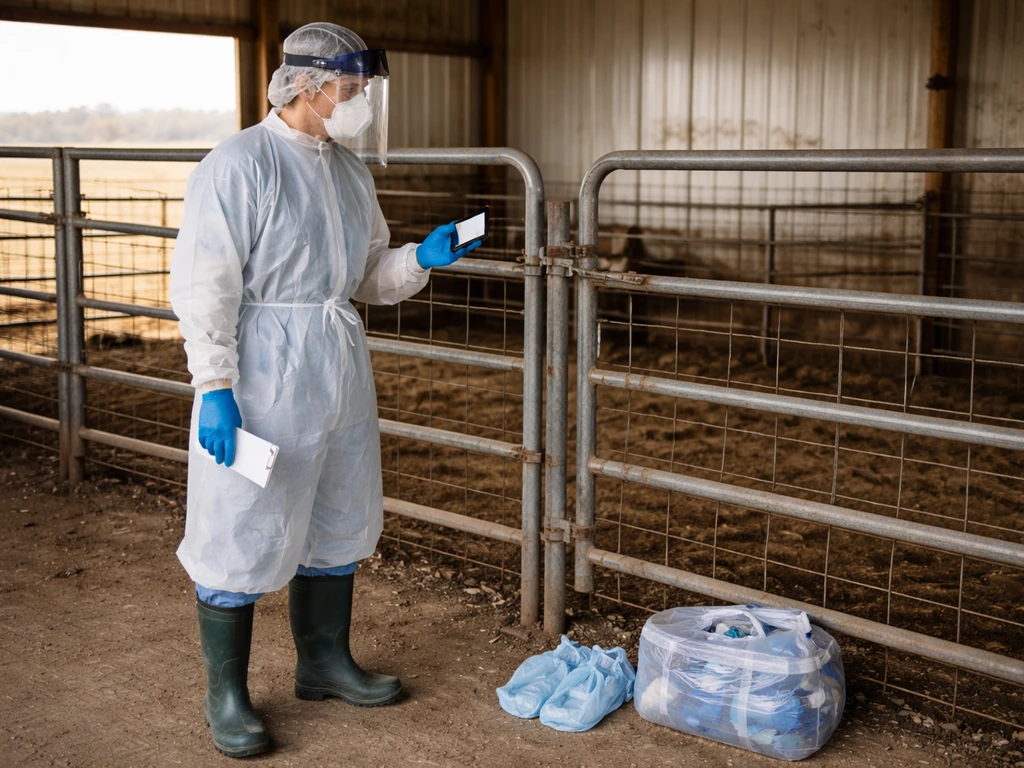
If you suspect H5N1 in your cattle herd, the first call is to your veterinarian. Do not wait for the clinical picture to worsen. Your vet can initiate testing through the APHIS National Veterinary Services Laboratories (NVSL), which provides confirmatory testing for producers and veterinarians. APHIS also directs that coordination should happen with the APHIS Area Veterinarian in Charge (AVIC) and your State Animal Health Official (SAHO) before any herd visit from outside personnel.
On the human health side: if workers on your farm have had contact with sick animals or raw milk from an affected herd, CDC guidance recommends contacting both your State Public Health Veterinarian and State Animal Health Official. This is the One Health approach in action, and it matters because H5N1 can infect people who have close, unprotected contact with infected animals. For workers who have been exposed, CDC recommends health monitoring and specific precautions.
For biosecurity right now, the practical steps that USDA recommends are straightforward even if they require some discipline to implement consistently: When H5N1 is detected in poultry, flocks may be culled, and public health and animal health authorities follow specific procedures for safe removal and disposal how are chickens culled bird flu.
- Restrict farm access to essential personnel only, and require visitors to use appropriate personal protective equipment (PPE) including eye protection, gloves, and dedicated footwear.
- Establish a clean/dirty line at the farm entrance: clothes, boots, and equipment used on other farms should not enter your operation without decontamination.
- Keep wild birds away from feed, water, and housing areas using netting, covered feeders, and secure water sources.
- Do not share equipment between farms without thorough cleaning and disinfection. This includes milk transport equipment.
- Isolate any newly purchased or returning animals for at least 14 days before introducing them to the main herd.
- Dispose of raw milk from sick cows properly: do not feed it to other animals or allow it to contaminate the environment.
- Contact USDA APHIS about biosecurity assessments: APHIS offers financial support and on-farm biosecurity evaluations specifically for dairy operations at risk.
USDA has stated it will not issue federal quarantine orders for affected herds, but that does not mean there are no movement restrictions. State animal health officials can and do impose movement controls, so check with your SAHO before moving animals off the property. If you are also raising backyard poultry, the same H5N1 risk planning applies when people ask whether to keep chickens indoors, so follow your local bird flu guidance and increase biosecurity around poultry access should i keep my chickens in because of bird flu.
Food safety and human risk when cattle may be involved
The most important food safety message here is straightforward: pasteurized dairy products are safe. FDA has conducted extensive retail milk testing and found no evidence of live H5N1 virus in commercially pasteurized products. Both FDA and USDA have confirmed that standard pasteurization processes inactivate H5N1 in milk. The risk is with raw milk and raw milk products from farms with active infections, which is why CDC, WHO, and FDA all explicitly advise against consuming raw milk or raw milk products, especially from areas with ongoing animal outbreaks.
For beef, the standard advice holds: cook meat to the proper internal temperature. While H5N1 has been detected post-mortem in muscle tissue of affected cattle, there is no evidence of transmission through properly cooked beef. The food safety risk pathway here runs through raw milk consumption, not through the commercial beef supply.
| Food/Product | H5N1 Risk Level | Key Guidance |
|---|---|---|
| Pasteurized commercial milk | Very low (no live virus detected in retail testing) | Safe to consume; pasteurization confirmed to kill H5N1 |
| Raw milk from affected farms | High | Avoid entirely; direct source of live virus exposure |
| Commercial beef (properly cooked) | Very low | Cook to proper internal temperature; no documented transmission route |
| Raw milk cheese or unpasteurized dairy | Elevated | Avoid, especially from regions with active outbreaks |
| Eggs from affected flocks | Low if properly cooked | Cook thoroughly; avoid runny or raw preparations |
For farm workers and people with direct animal contact, the human risk profile is different from the food consumer's risk. CDC guidance on prevention and monitoring for people exposed to cattle with suspected or confirmed HPAI H5N1 is specific: use PPE when handling sick animals or raw milk from sick cows, monitor yourself for symptoms (fever, respiratory illness, eye irritation) for 10 days after exposure, and report promptly to public health authorities if symptoms develop. The documented human cases linked to the U.S. cattle outbreaks have mostly been mild, but the risk is not zero, particularly without protective equipment.
If your concern is about chickens or other poultry on your property alongside cattle, the dynamics are closely related. Chickens face a far more lethal version of HPAI infection than cattle do, and infected poultry can serve as a source of viral exposure for cattle sharing the same environment. Keeping poultry and cattle operations cleanly separated, with no shared equipment or personnel movement between them without decontamination, is a practical priority on mixed-species farms.
FAQ
If bird flu shows up on a dairy farm, does that mean all cows will die?
No. Most infected dairy cows recover, but some become clinically ill long enough to require culling for welfare or economics, and a smaller fraction die. The key is to treat it as a monitoring and rapid-testing situation rather than assuming an “all-or-nothing” outcome.
Why do some reports say “they killed cows,” is it the virus or farm decisions?
It’s usually a mix. Some cattle die directly from the infection, while others are euthanized or culled because they stop producing, fail to recover fully, or are removed under outbreak control protocols. When you see high counts, it often reflects both natural mortality and intentional culling.
How long after exposure would I expect symptoms in cows?
There is no single guaranteed timeline, but illness can evolve over days to weeks. Because early clinical signs in lactating cows include abnormal, colostrum-like milk plus a sudden drop in production, acting immediately when those appear (and arranging testing) is more useful than waiting for a “fatal” timeframe.
Is it possible for cattle to be infected without obvious signs?
Yes. Not every exposed cow becomes clinically ill, and milder or subtle cases can be missed, especially in non-lactating animals and youngstock that may have lower-grade fever or mild respiratory signs. That is why exposure history and testing criteria matter, not just visible illness.
Does H5N1 spread cow-to-cow within the same herd?
Yes, within-herd spread has been documented, even when initial introductions are indirect. That means separating sick animals, tightening movement controls among groups, and reviewing traffic patterns and equipment use inside the farm can affect how quickly the virus moves after entry.
What’s the difference between exposure, presumptive positive, and confirmed positive in cattle?
Exposure means the animal was in circumstances that could carry the virus, but it has not been established as true infection. Presumptive positive and confirmed positive indicate progressively stronger evidence based on formal case definitions and testing results. This distinction should guide decision-making and urgency.
If a single cow has abnormal milk, should I assume bird flu?
Abnormal, thick, colostrum-like milk combined with a sharp production drop is concerning, but it is not proof by itself. Treat it as an urgent suspicion, contact your veterinarian promptly, and request testing rather than relying on symptoms alone.
Can raw milk from an infected herd infect other people or animals?
The major consumer risk pathway is raw milk. Pasteurization inactivates H5N1, but raw milk and raw milk products from farms with active infections are specifically the concern. For farm handling, use PPE when working with raw milk from sick animals.
Does cooking beef eliminate the risk?
Proper cooking addresses the typical food safety concern. Even though H5N1 can be detected in muscle tissue post-mortem, there is no evidence of transmission through properly cooked beef. The practical risk focus remains raw milk, not commercial, cooked meat supply.
Are beef cattle at lower risk than dairy cattle?
They can be, but risk is not zero. Dairy cattle have more intense milking-related exposure that can make infections easier to detect, yet H5N1 has been found post-mortem in muscle tissue of affected animals, and surveillance/testing covers cattle and bison more broadly. Location, proximity to affected poultry operations, and animal movement history still matter.
What should I do first if I suspect bird flu in my herd?
Call your veterinarian immediately and do not wait for worsening illness. Your vet can initiate confirmatory testing through the APHIS NVSL, and coordination with the APHIS Area Veterinarian in Charge and your State Animal Health Official should happen before outside personnel enter.
What human precautions should farm workers take if cattle are suspected or confirmed?
Use protective equipment when handling sick animals or raw milk from sick cows, and monitor workers for symptoms for 10 days after exposure (such as fever, respiratory illness, or eye irritation). Notify state public health and state animal health officials if symptoms develop.
I have both cattle and backyard poultry, can poultry outbreaks increase the risk for my cows?
Yes. Mixed-species farms can face an added risk because poultry can be a source of viral exposure for cattle sharing the environment. Keep operations separated with no shared equipment or uncontrolled personnel movement between poultry and cattle, and increase biosecurity around poultry access.
Next Articles
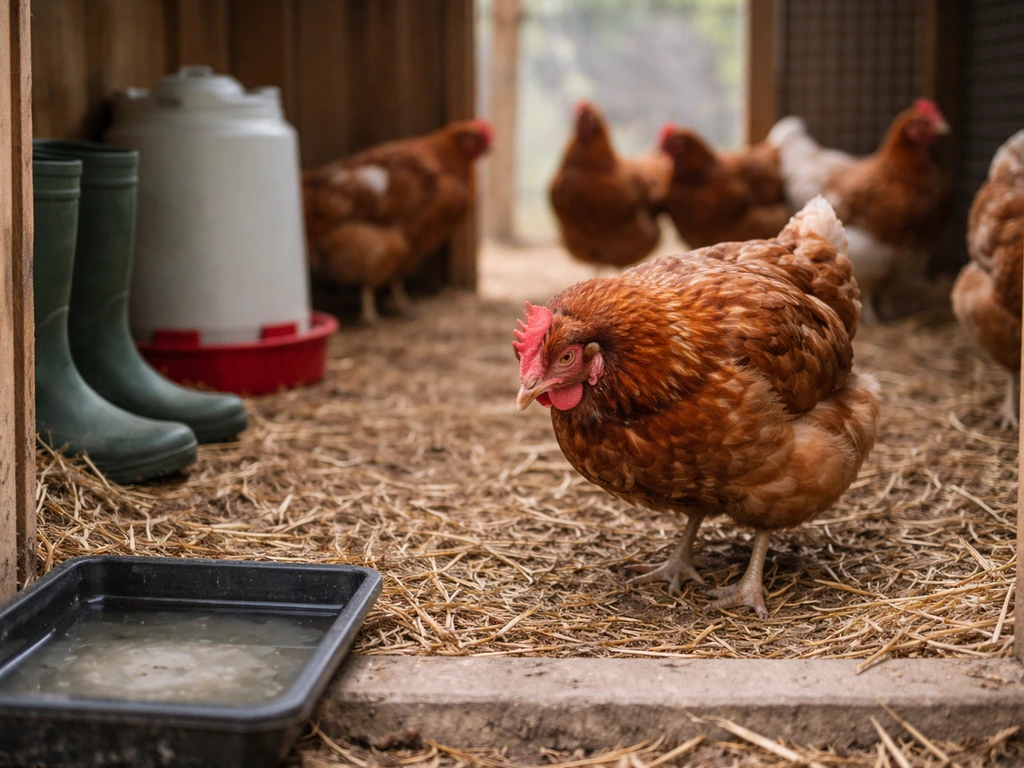
How Fast Does Bird Flu Kill Chickens and Spread in Flocks
Timeframes for bird flu death in chickens and how fast it spreads in flocks, plus early warning signs and immediate step
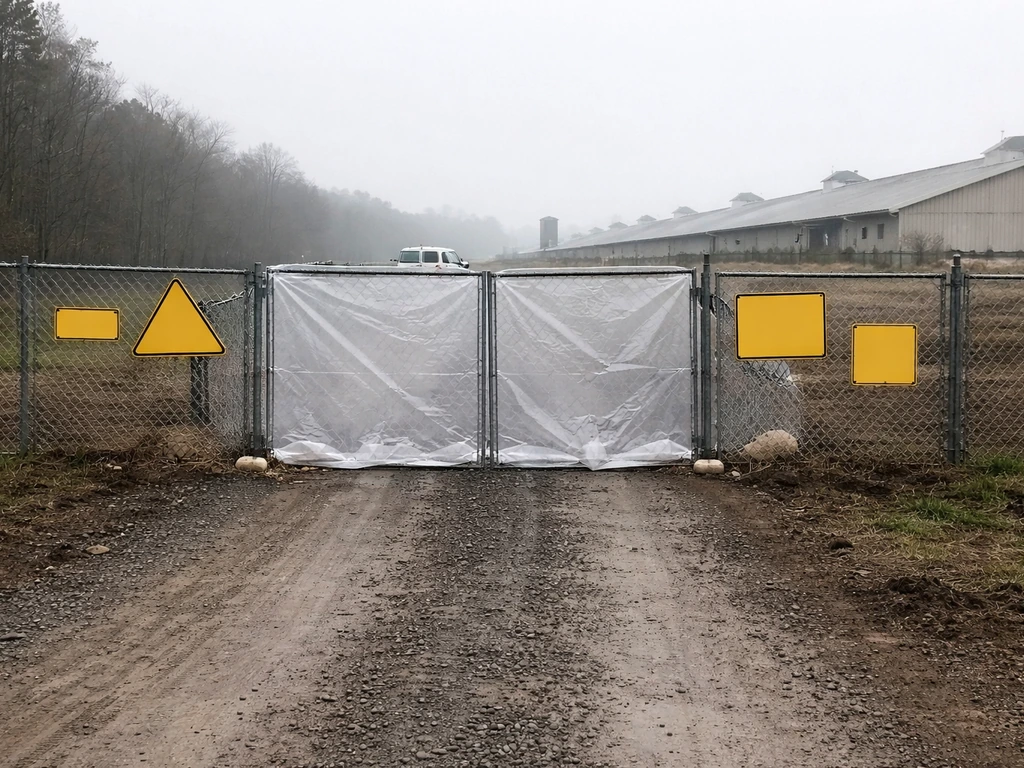
Why Do They Kill Chickens With Bird Flu? What Happens
Learn why bird flu outbreaks trigger culling, what happens to infected flocks, and how to report and protect birds today
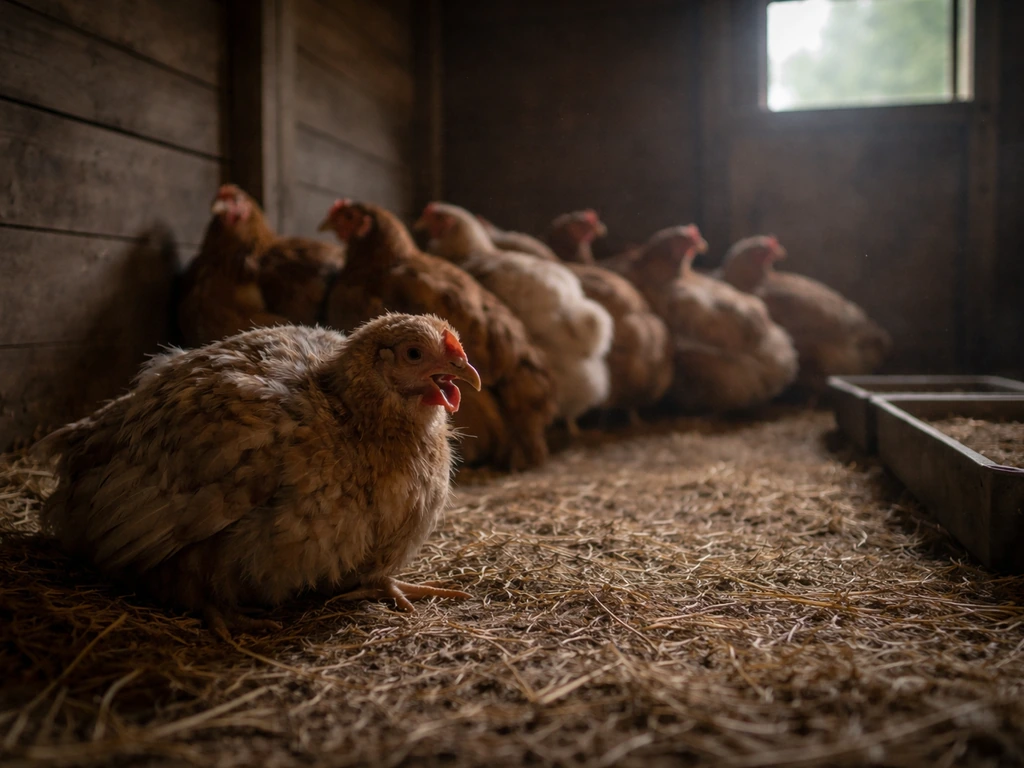
What Bird Flu Does to Chickens: Symptoms, Spread, and What to Do
Learn bird flu effects on chickens: symptoms, spread, egg drop, mortality, key differences from other poultry diseases,