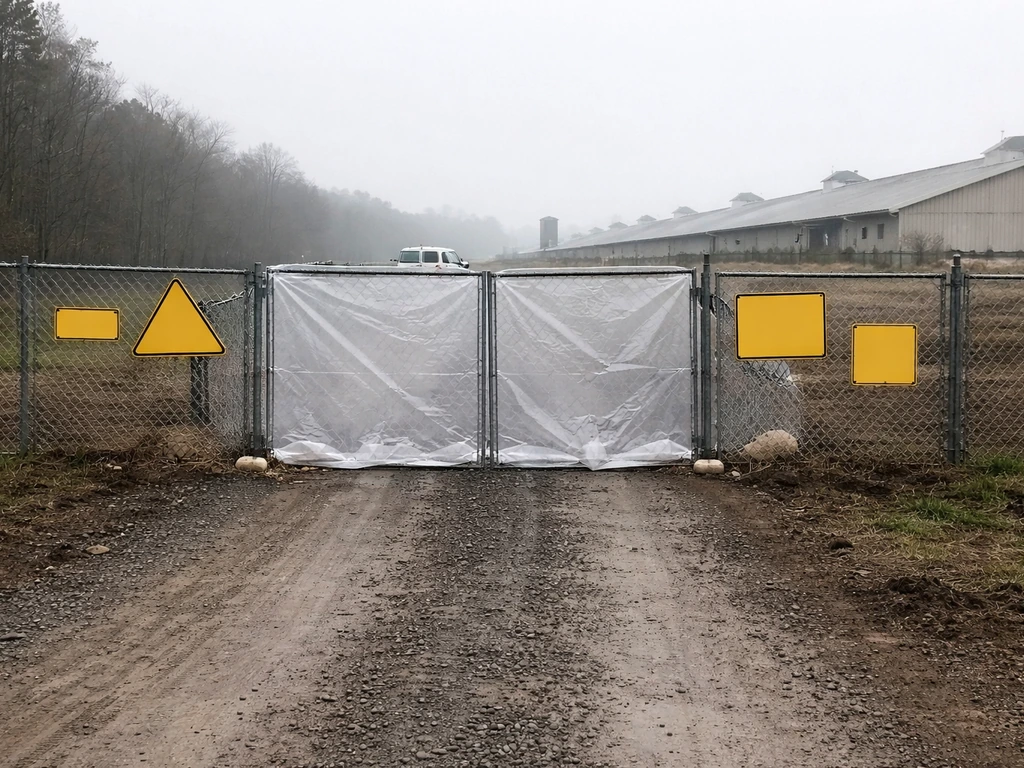
With highly pathogenic avian influenza (HPAI), infected chickens can die within 1 to 5 days of exposure, and sometimes so fast that you never see obvious signs of illness first. Across the flock, the virus can spread bird-to-bird within hours to a couple of days under the right conditions, meaning a single infected bird can seed dozens or hundreds of others before you realize anything is wrong. That speed is exactly why biosecurity and rapid reporting matter so much.
How Fast Does Bird Flu Kill Chickens and Spread in Flocks

Maya Chen
15 Jun 2026
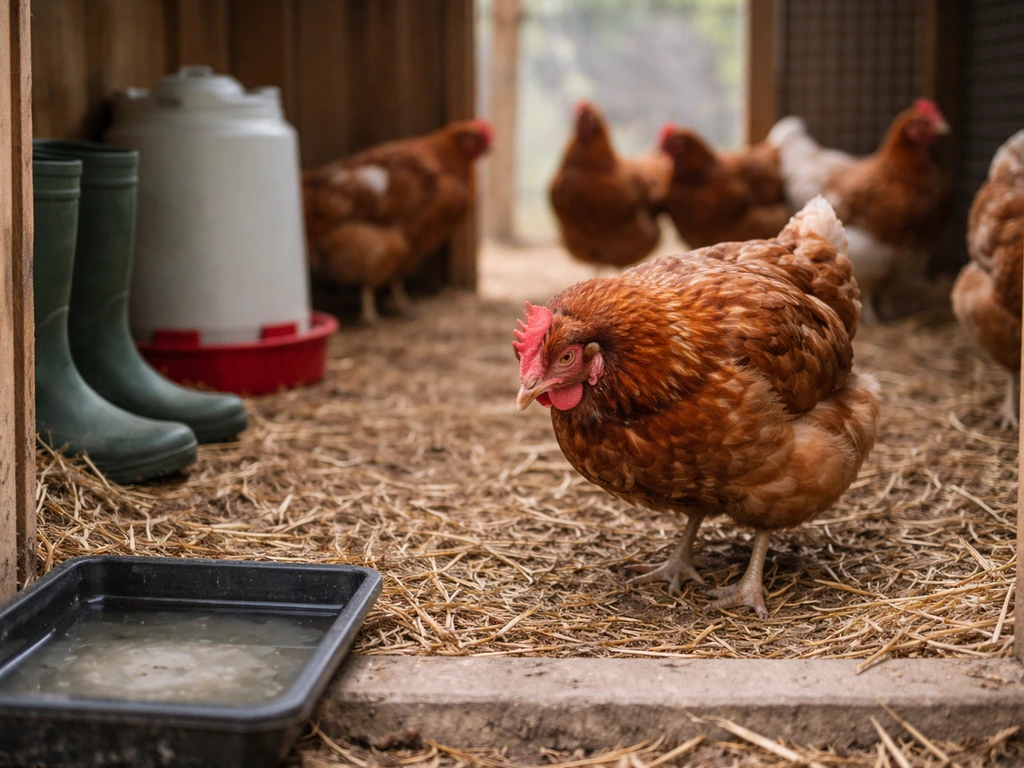
How fast bird flu actually kills chickens
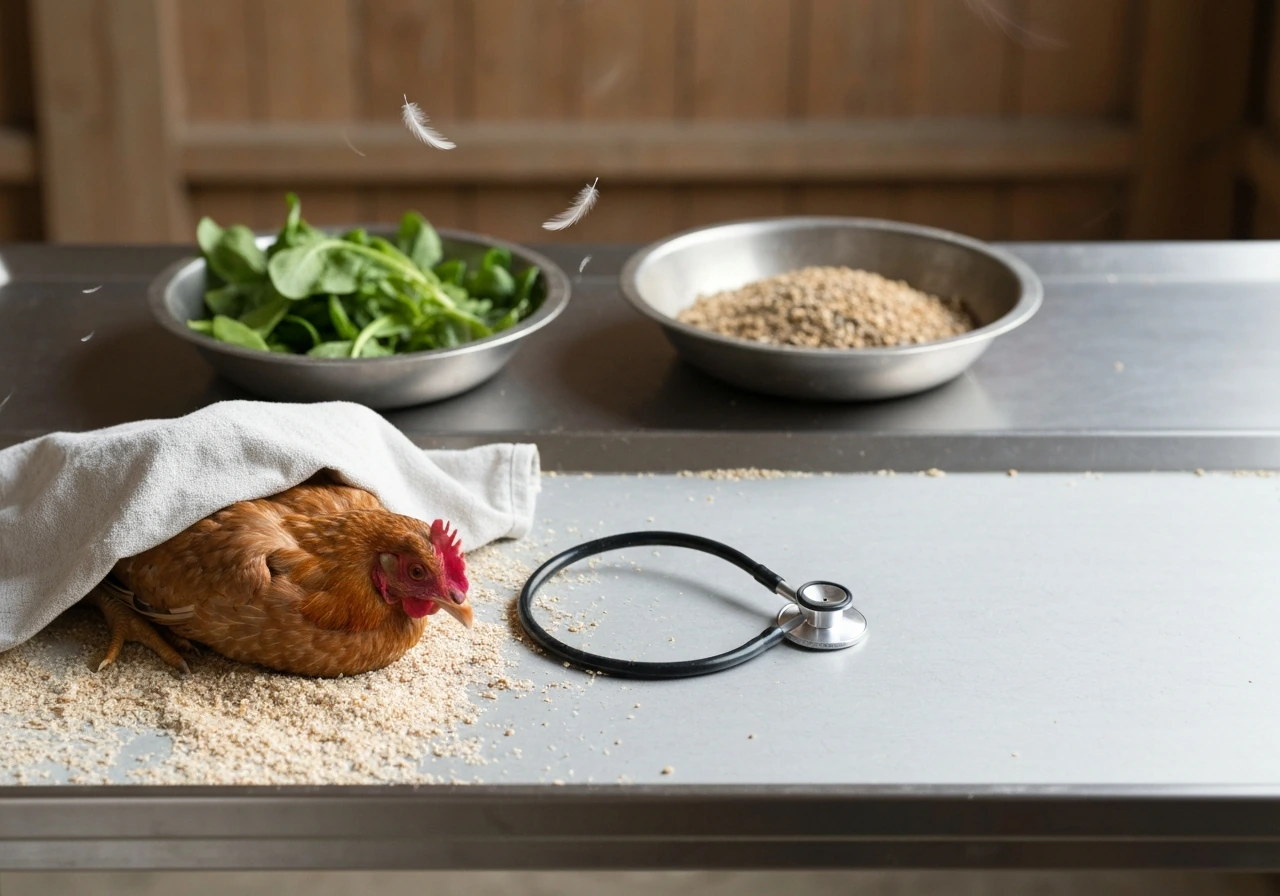
The timeline depends heavily on which form of avian influenza you're dealing with. There are two broad categories: highly pathogenic avian influenza (HPAI) and low pathogenic avian influenza (LPAI). For the purposes of this article, HPAI is the one that kills quickly and warrants urgent action.
In experimental H5N1 HPAI studies, directly inoculated chickens died within roughly 2 to 3 days post-infection. Contact birds (those exposed to infected birds, rather than directly inoculated) typically died on days 4 to 5. Another study found that all chickens in a particular H5N1 virus group died within four days post-infection. These aren't outliers. They reflect a consistent pattern: HPAI in chickens moves extremely fast from infection to death.
The broader incubation window is 2 to 6 days for individual birds, though it can stretch to about 2 weeks at the flock level (meaning the last bird in a flock may not show signs until up to 14 days after the virus first entered). Peracute cases, which happen more than people expect, show little to no clinical signs before the bird is simply found dead. What bird flu does to chickens is mainly about how quickly the infection progresses, with severe cases potentially causing sudden death. USDA APHIS specifically flags sudden death without prior illness as a key HPAI warning sign. blank" rel="noopener noreferrer">How to Protect Your Flock from Avian Influenza — USDA APHIS notes that uSDA APHIS “how to protect your flock” emphasizes daily cleaning/disinfecting of equipment/footwear/clothing used in poultry areas, and it advises isolating sick birds and reporting signs of illness to a veterinarian and/or state/federal animal health officials.
With LPAI, the picture is very different. Mortality is lower, progression is slower, and birds often survive but remain unthrifty. Signs tend to be milder respiratory and digestive issues rather than rapid collapse. An experimental H7N1 HPAI vs. LPAI comparison found that HPAI chickens showed depression within 24 hours post-infection, while LPAI birds showed much slower, subtler changes. So if you are seeing fast, high mortality, think HPAI until proven otherwise.
How fast it spreads through a flock
This is where the numbers get alarming. In H5N1 experimental transmission studies, the estimated latent period (time from infection to becoming infectious) was under a single day, around 0.25 to 0.89 days in different models. The infectious period was estimated at roughly 2 to 3.5 days before death. During that window, each infected bird is shedding virus actively into the environment.
Viral shedding can be detected from the buccal cavity (mouth/throat) within 24 hours of inoculation in chickens. The estimated transmission rate in one broiler study was about 1.3 new infections per bird per day. Put plainly: in an unvaccinated flock with no biosecurity intervention, one infected bird can infect multiple others within a single day, and those newly infected birds become infectious within another day or so.
It helps to separate two distinct questions here. "How fast does a chicken die from bird flu" and "how fast does bird flu spread through a flock" are related but different. A single bird can die in 2 to 3 days. But the flock-level outbreak, where multiple birds are infected in waves as the virus passes from bird to bird, can unfold over 1 to 2 weeks as successive rounds of infection ripple through. You may see a few dead birds first, then clusters, then a mass die-off if nothing is done to interrupt transmission.
What makes the timeline faster or slower

Not every flock experiences an identical outcome. Several factors push the timeline in one direction or the other.
| Factor | Effect on Speed/Severity |
|---|---|
| Virus strain (HPAI vs LPAI) | HPAI kills in days; LPAI rarely kills, progresses over weeks |
| Infectious dose | Higher initial dose shortens time to illness and death |
| Route of exposure | Respiratory/direct contact transmits faster than fomite contact |
| Bird age | Young chicks and older birds tend to be more vulnerable; faster decline |
| Flock density | Crowded conditions accelerate bird-to-bird transmission dramatically |
| Flock health and immune status | Prior vaccination or existing illness affects susceptibility and speed |
| Ventilation and temperature | Poor ventilation and stress (cold, heat) worsen outcomes and may speed progression |
| Time to detection and isolation | Every hour of delay allows additional transmission cycles |
The route of exposure matters quite a bit. Direct inoculation experiments show faster death than natural flock contact scenarios, but natural contact can still be devastatingly quick given how freely chickens share water, feed, and airspace. Flock density amplifies everything. A backyard flock of 12 birds in a small coop faces a different risk profile than a commercial house of 50,000 birds, but the underlying virus kinetics are the same.
Early signs vs. late-stage signs to watch for
The frustrating reality of HPAI is that by the time you notice something is wrong, the virus may already be circulating widely in the flock. Still, knowing what to look for at each stage helps you act faster.
Early warning signs (days 1 to 2 post-infection)
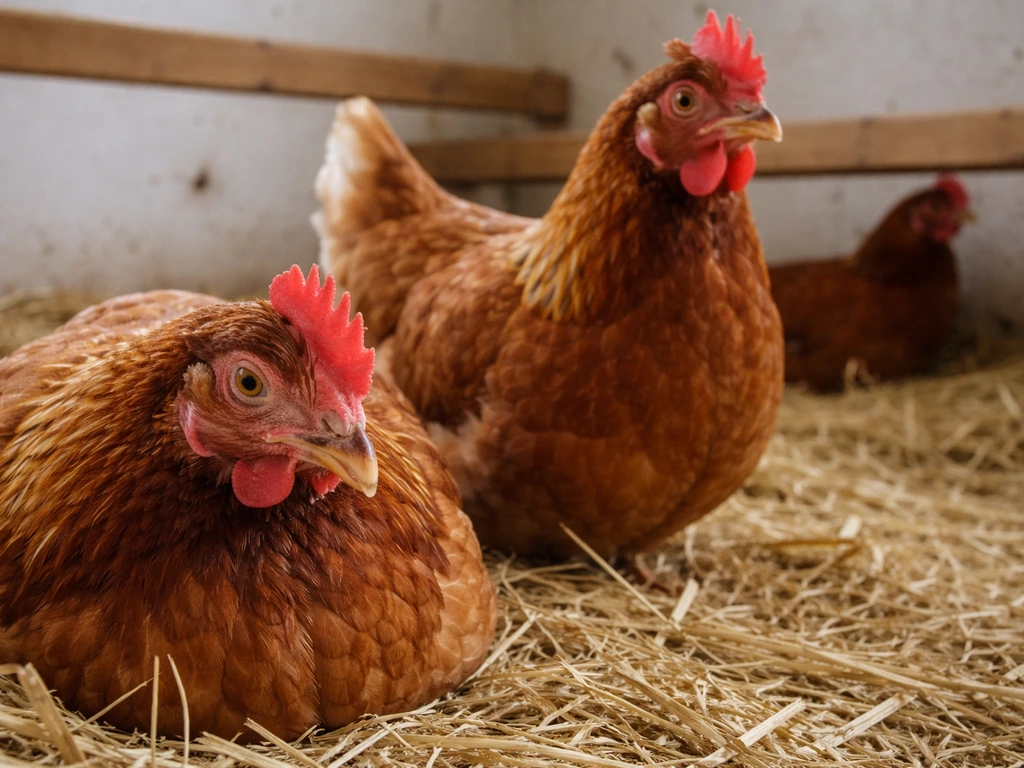
- Sudden drop in feed and water consumption
- Reduced egg production in laying hens
- Mild lethargy or birds that seem "off" and reluctant to move
- Nasal discharge, sneezing, or mild respiratory sounds
- Soft or misshapen eggs, or eggs with abnormal shells
Late-stage signs and red flags (days 2 to 5)
- Sudden death with no prior signs (peracute presentation)
- Swelling and darkening (cyanosis/bluish-purple color) of the comb, wattles, and eyelids
- Severe respiratory distress: gasping, labored breathing, gurgling sounds
- Neurological signs: twisted necks, circling, inability to stand
- Hemorrhages under the skin, especially on the legs and feet
- Rapid rise in flock mortality, multiple birds dying within hours or a single day
Multiple unexplained deaths in a short period, especially combined with any of the signs above, is a five-alarm situation. USDA APHIS specifically asks owners to report sudden death even when no clinical signs preceded it. You do not need a confirmed diagnosis to start taking protective action.
What to do immediately if you suspect bird flu
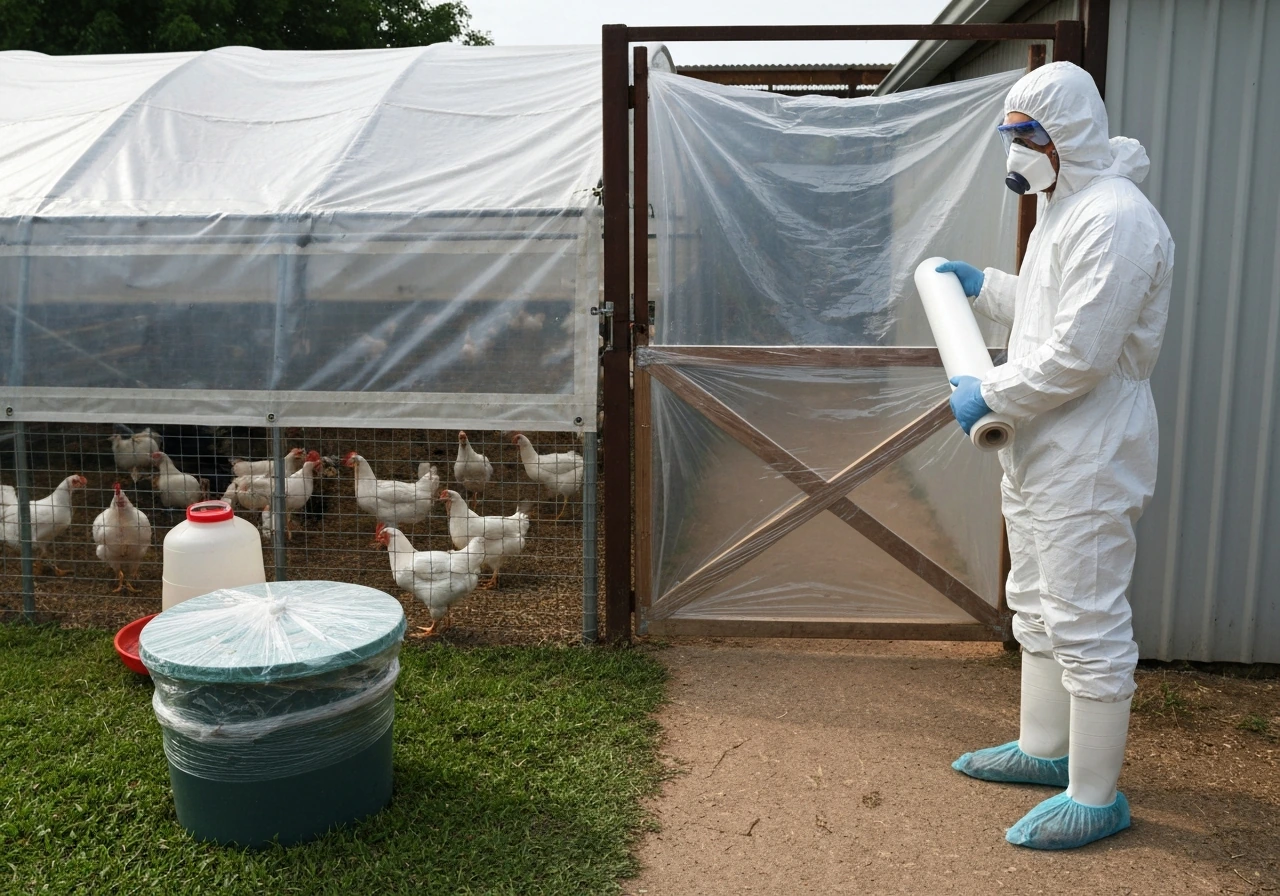
Time matters here more than almost anything else. The faster you respond, the more birds you can protect and the less risk there is of spreading the virus beyond your property.
- Stop all movement of birds, equipment, and people in and out of your flock area right now. No exceptions until you get guidance from an official.
- Isolate sick or dead birds immediately. If you can separate visibly sick birds from the rest, do it with clean equipment and change your clothing before going back to healthy birds.
- Do not move dead birds to a compost pile, trash, or anywhere else that could spread contaminated material. Keep them in a sealed container or bag until told otherwise.
- Call USDA's Healthy Birds Hotline at 1-866-536-7593. This is a free, 24-hour line. You can also contact your state veterinarian directly. You do not need a confirmed diagnosis to call.
- Limit the number of people entering the flock area. Anyone who must enter should wear dedicated footwear and clothing and wash hands thoroughly before and after.
- Write down what you've observed: which birds are affected, when you first noticed signs, how many birds have died, and any recent visitors, deliveries, or contact with wild birds. This information is critical for the investigation.
Calling the hotline is not an overreaction. Authorities would far rather investigate a false alarm than have a confirmed outbreak go unreported for two extra days while the virus spreads to neighboring flocks. The reporting process also protects you: once you've notified officials, they guide you through every next step, including testing, depopulation if needed, and what support is available.
Biosecurity steps to slow spread within your farm or backyard
If you have not had a confirmed case but want to protect your flock given current outbreak conditions, or if you are trying to contain a suspected case while awaiting official guidance, these steps give you the best practical protection.
- Keep poultry indoors or in covered runs to limit contact with wild birds, which are the primary source of HPAI introduction into backyard flocks.
- Dedicate one set of boots and outerwear to the poultry area. Clean and disinfect footwear every time you enter or exit. Use an EPA-approved disinfectant with label claims against influenza A viruses.
- Do not share equipment (feeders, waterers, shovels, nets) between areas or between flocks. Clean and disinfect shared tools before moving them.
- Avoid dragging potentially contaminated material (litter, feathers, manure) between areas of the property. Avian influenza virus survives in cool, moist environments for days.
- Change your clothes after handling poultry and before entering your home. Wash hands with soap and water immediately after any contact with birds or their environment.
- Restrict access: minimize the number of visitors, deliveries, and vehicles moving through the flock area. Any vehicle entering a farm or backyard during a suspected outbreak should be cleaned and disinfected at the gate.
- When cleaning areas where infected or potentially infected birds have been, avoid stirring up dust, feathers, and bird waste. Wet surfaces before sweeping to reduce airborne particles.
- Keep a log of who enters your flock area and when. This supports outbreak tracing if needed.
Good biosecurity is not complicated, but it does require consistency. The virus moves on your boots, your hands, your clothing, and shared equipment just as readily as it moves bird-to-bird. That's why depopulation is sometimes described as the only reliable way to stop HPAI once it's established inside a flock: the virus spreads so efficiently through shared environments that eliminating exposed birds is the only way to end the transmission cycle.
When to call a vet and what happens next
Your local veterinarian is the right first call on the animal health side, especially if you want a professional eyes-on assessment before or alongside contacting USDA. Here's what you should expect once the process starts.
What your vet will do
A vet familiar with poultry will assess the clinical presentation, collect samples from sick or recently dead birds (tracheal and cloacal swabs, or tissue samples), and initiate a submission to a state diagnostic lab or directly to USDA's National Veterinary Services Laboratories (NVSL). They will also advise on immediate containment steps while awaiting results. If they suspect HPAI based on clinical signs and mortality pattern, they are required in most states to report it to the state veterinarian, so they will likely initiate that process simultaneously.
What the testing process looks like
Initial rapid testing (PCR for influenza A) can produce a presumptive result relatively quickly at accredited state labs, often within 24 to 48 hours. Confirmatory typing for HPAI must be performed at NVSL or an APHIS-approved facility. During the period between sample submission and official confirmation, you'll be advised to maintain strict movement controls and biosecurity as though the case is positive. APHIS has defined protocols for presumptive-positive management so you won't be left waiting without guidance.
What to expect if a case is confirmed
Once HPAI is officially confirmed, APHIS coordinates the response, which typically involves depopulation of infected and exposed birds, quarantine of the premises, establishment of a control zone around the property, and supervised cleaning and disinfection before any restocking is considered. In some HPAI outbreaks, that depopulation may involve killing exposed cows as well, depending on local testing and public health guidance. This process is managed with you, not just done to you. State and federal animal health officials will communicate what steps are happening and in what order. The goal is to stop the outbreak at your flock and prevent it from reaching neighboring flocks, wild bird populations, or other farms. Bird flu can also infect other livestock, but whether it kills cows depends on exposure and confirmation of infection. blank" rel="noopener noreferrer">Importing Poultry Hatching Eggs & Day-Old Poultry to the U.S. — APHIS notes that aPHIS provides quarantine and movement restriction details for live poultry products (hatching eggs/day-old poultry) related to HPAI affected regions, demonstrating the government approach to preventing spread via birds/eggs/products and premises movement.
If you're a backyard flock owner and the idea of depopulation sounds extreme, it's worth understanding the reasoning. Given how fast HPAI spreads and kills, leaving exposed birds in place while waiting to see what happens results in more total deaths and a larger outbreak footprint. Early, decisive action actually protects more birds in the broader region, even when it means making a hard call on your own flock. The related topics of why and how chickens are culled during bird flu outbreaks go into more depth on the decision-making behind depopulation.
If you're unsure whether to call a vet or USDA first, just call both. The USDA Healthy Birds Hotline (1-866-536-7593) is free, staffed around the clock, and designed exactly for this situation. You don't need certainty before you pick up the phone.
FAQ
If I see a few chickens suddenly die, does that mean the flock will be wiped out in a couple days too?
Not necessarily, but with HPAI you cannot assume “a few deaths” means the outbreak is contained. A flock can show initial sudden deaths, then more cases appear in waves as birds become infectious, so the risk window can extend to 1 to 2 weeks even if the first deaths are within 24 to 48 hours.
Why can a bird die before I notice obvious illness?
In peracute HPAI cases, the disease can progress so quickly that the bird may be found dead with little or no respiratory or digestive signs first. That’s why sudden death without prior illness is treated as a key warning sign, not as something to “watch for”.
Does slower spread mean the virus is less dangerous?
Often it indicates a different pattern such as LPAI, where birds may survive but remain unthrifty, yet “slower” is not the same as “safe.” Even with lower mortality, infected birds can still shed virus and transmit it, so biosecurity and reporting are still important if you suspect influenza in your flock.
How long after exposure is a chicken likely to start spreading the virus?
HPAI models suggest an incubation-to-infectious window can be under a day (the latent period), meaning a bird can start infecting others soon after it becomes infected, even before you see illness. That’s one reason you should tighten movement and contact controls immediately after any suspicion.
If only one chicken gets sick, how quickly can the rest become infected?
Within the infectious period, an actively shedding bird can infect multiple others, with estimates of transmission on the order of more than one new infection per bird per day in some studies. Practically, that means other birds may become ill or die within the next 1 to 2 days if transmission is occurring.
What should I do with feed, water, and shared equipment while I’m waiting for test results?
Treat everything the sick birds touched as contaminated. Limit access to feeders and waterers, do not share equipment between coops, and keep clean and dirty zones separated (boots, gloves, and tools). The goal is to stop mechanical spread through your routines while the lab is confirming what it is.
Should I isolate birds that look sick, or will that delay transmission too late?
Isolation can help if you catch it early and you can truly separate airspace and traffic, but with HPAI the virus may have already spread before you recognize clinical signs. If you suspect HPAI, focus on strict biosecurity and movement controls for the whole flock and do not rely on “separate the sick one” as your only measure.
Is the incubation for the flock the same as the incubation for a single chicken?
No. A single bird can show signs within about 2 to 6 days (sometimes longer), but the flock-level timeline can stretch to around 2 weeks because successive birds become infected and then progress. That’s why early actions matter even if you do not see additional deaths right away.
How can I tell HPAI apart from LPAI when I cannot get lab results immediately?
You look at the pattern: HPAI is more likely to involve rapid deterioration, high mortality, and sudden death, while LPAI tends to be milder with slower progression and birds often surviving but staying unthrifty. If deaths are occurring fast, assume HPAI until authorities say otherwise and act accordingly.
Do I need a confirmed diagnosis before I call USDA or my vet?
No. You should contact a veterinarian and report immediately when there are multiple unexplained deaths in a short period, especially with sudden death, because authorities want rapid notification even if a later test turns out negative. Early reporting helps prevent spread before confirmation comes back.
If tests are pending, should I keep regular farm routines like picking up dead birds and moving between coops?
Minimize or stop routine movements that could spread virus. Handle suspected carcasses as high-risk, limit who enters the area, and do not move between coops without changing protective clothing and disinfecting equipment. Even during the 24 to 48 hour window for presumptive testing, you should behave as though the case could be positive.
What if I have wild birds on the property or waterfowl contact nearby, does that change timing or risk?
It can increase the chance that the virus entered your environment, which makes containment more urgent. However, the internal flock dynamics still follow the same fast HPAI pattern, so you should not wait for confirmation just because the initial source might have been wildlife.
If my flock is small, is it still worth reporting the same way as a commercial operation?
Yes. Backyard flocks can still spread virus through boots, clothing, shared feed areas, and person-to-bird contact, and a single infected bird can seed multiple infections quickly. Reporting and movement restrictions matter regardless of flock size because the goal includes protecting neighboring flocks and other premises.
Next Article
Why Do They Kill Chickens With Bird Flu? What Happens
Learn why bird flu outbreaks trigger culling, what happens to infected flocks, and how to report and protect birds today