Quick answer: yes, but it's complicated
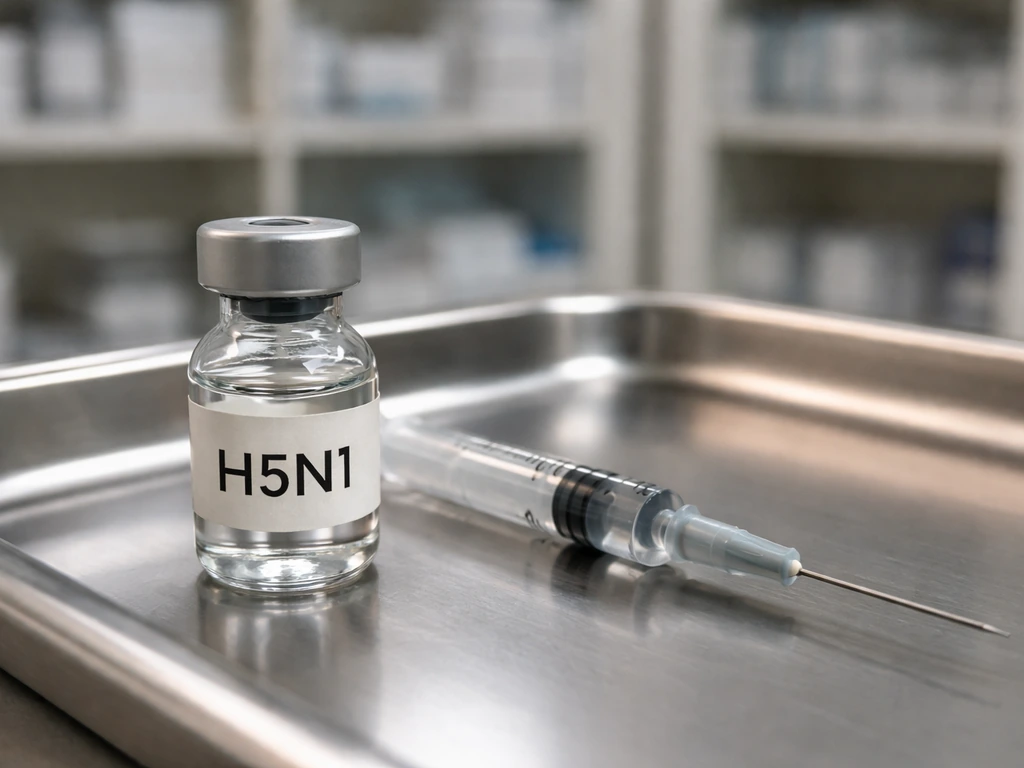
There are bird flu vaccines, but whether one is available to you right now depends on who you are, where you live, and which strain of avian influenza is circulating. For humans, H5N1 vaccines exist and are stockpiled by governments, but they are not available at your local pharmacy the way a seasonal flu shot is. For poultry, several vaccines are licensed and actively used in many countries. For other animals, coverage is much thinner. So the honest short answer is: vaccines exist, they are not universally available, and your access depends heavily on your specific situation.
Human bird flu vaccines: what exists and who can actually get one
The U.S. FDA has licensed a product called "Influenza Virus Vaccine, H5N1 (for National Stockpile)," which includes an adjuvanted monovalent H5N1 formulation. The key phrase there is "for National Stockpile." This vaccine is not sitting on a shelf at CVS waiting for you. It lives in the Strategic National Stockpile, managed by ASPR (the Administration for Strategic Preparedness and Response within HHS), and is intended to be deployed rapidly if an H5N1 pandemic begins. The stockpile holds bulk antigens and adjuvants rather than fully finished doses, which means the government can scale up production quickly and target the vaccine at critical care workers and high-risk populations first.
In the European Union, the EMA has an established pathway for authorizing pandemic and pre-pandemic influenza vaccines before a pandemic actually starts. These are sometimes called "mock-up" vaccines, developed using a related strain so manufacturers can demonstrate safety and immunogenicity, then adapted quickly when the real pandemic strain is confirmed. H5N1 products have been authorized under this framework in the EU as well. WHO has also published updated guidance on how licensed human influenza A(H5) vaccines should be used during interpandemic and emergence periods, which gives national health authorities a policy roadmap for deployment decisions.
What does this mean for you as an individual today? If you are a member of the general public in a country that has not declared an H5N1 emergency, you cannot go get an H5N1 vaccine. If you work directly with infected poultry or dairy cattle and have had a potential exposure, your local or national health authority may offer you access through an occupational health program. Otherwise, the human H5N1 vaccine is a preparedness tool, not a consumer product. Understanding what the bird flu vaccine actually is and how it differs from your annual flu shot is the first step to making sense of all the news coverage.
Poultry vaccines: what's licensed and how it actually works in the field
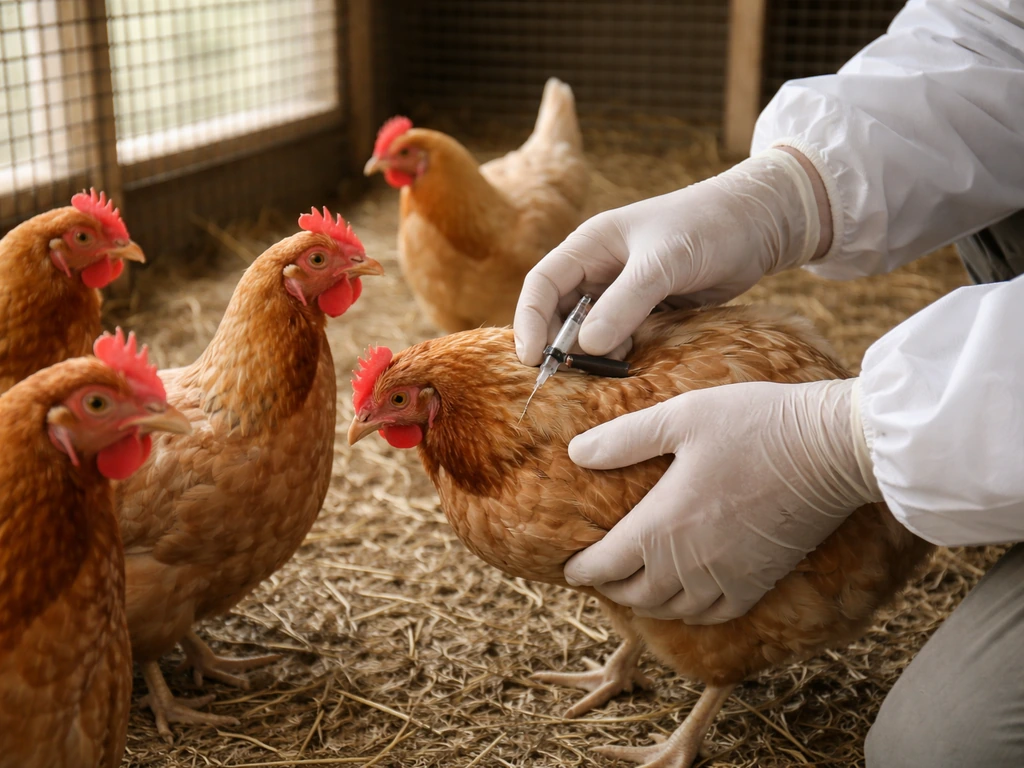
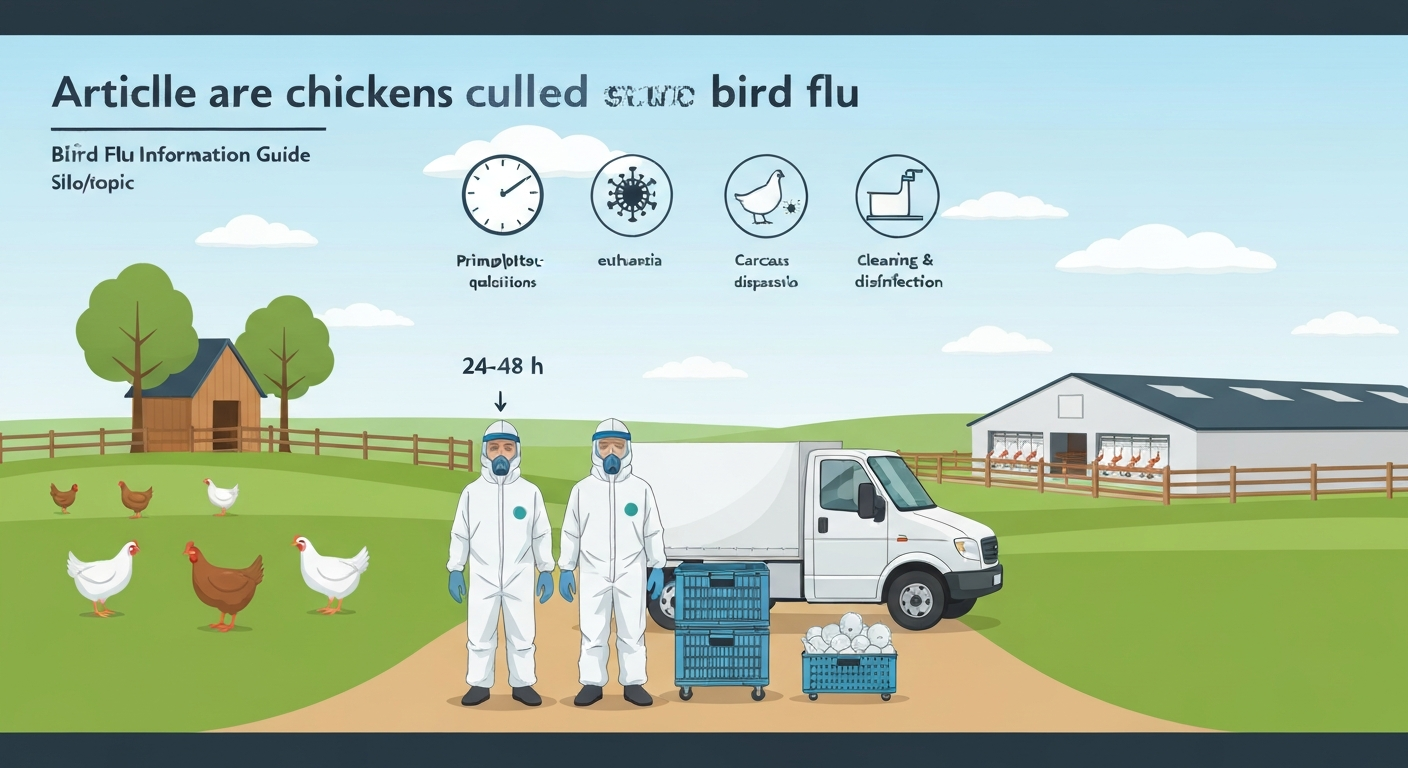
Vaccines for chickens and other poultry are a completely different story. Multiple H5 and H7 vaccines are licensed for use in birds, and several countries actively use them in commercial flocks. China has had broad national poultry vaccination programs running for years. Several countries in Southeast Asia, the Middle East, and parts of Africa use poultry vaccines as a core tool in their H5N1 control strategy. In the U.S. and EU, the approach has historically leaned toward culling infected flocks rather than vaccinating, partly because vaccination can complicate trade agreements and surveillance by making it harder to distinguish vaccinated birds from naturally infected ones.
This is worth understanding if you raise poultry. A licensed poultry vaccine may be available in your country, but whether you are permitted to use it, and which specific product is approved for your region, depends entirely on local agriculture regulations. In the U. S.
, USDA oversight governs poultry vaccine use. USDA APHIS maintains a portal for Licensed Veterinary Biological Product information, which can help confirm which avian influenza vaccines are licensed and what label directions apply [USDA oversight governs poultry vaccine use. ](https://www. aphis.
usda. gov/veterinary-biologics/licensed-products). In the EU, it is the European Commission and member state veterinary authorities. If you are a poultry producer facing an outbreak situation, your first call should be to your state or national veterinary authority, not a feed store.
Other birds and animals: where coverage gets thin
Beyond poultry, licensed bird flu vaccines become sparse quickly. Wild birds, zoo birds, and pet birds (parrots, canaries, and so on) generally have no licensed avian influenza vaccine available through normal veterinary channels. Some zoos have used experimental or compounded vaccines for high-value collections, but this is not standard practice and requires special authorization.
For mammals, the situation is similarly limited. If you own a dog and are worried after reading about H5N1 spreading among animals, you may be wondering whether there is a canine option. The short answer is that bird flu vaccines for dogs are not currently licensed or commercially available. The same is broadly true for cats, which have shown more documented susceptibility to H5N1 than dogs but still have no approved vaccine. For cattle, the picture is slightly more active given the H5N1 outbreaks in U.S. dairy herds that began in 2024, but vaccines for cattle against bird flu remain in early development and are not yet licensed for commercial use.
What's in the pipeline and when it might arrive
There is genuine activity in bird flu vaccine development right now. For humans, mRNA-based H5N1 vaccine candidates have been in clinical trials, including programs from Moderna and others that began accelerating after the 2024 U.S. dairy cattle outbreak drew renewed government attention. These use the same platform technology as the COVID-19 mRNA vaccines, which means they can be updated for new strains faster than traditional egg-based vaccines. If a pandemic strain emerged tomorrow, an mRNA vaccine could theoretically be ready for emergency use authorization within months rather than years, though manufacturing at scale takes longer.
For poultry, research is ongoing to develop next-generation vaccines that address the DIVA problem (Differentiating Infected from Vaccinated Animals), which is one of the main reasons some countries have resisted broader vaccination programs. Marker (DIVA-compatible) vaccine strategies can support surveillance to differentiate infected from vaccinated animals even when vaccination is used, according to USDA APHIS technical documentation. Marker vaccines that allow surveillance to continue even in vaccinated flocks are a priority. For cattle, USDA-funded research has been exploring candidate vaccines, but as of early 2026 none have cleared the regulatory bar for commercial use.
One important nuance: there are also questions about whether existing vaccine platforms can address the gap that some critics highlight. If you've come across arguments about the limitations of current approaches, the deeper article on why a broadly protective bird flu vaccine doesn't yet exist lays out the scientific and regulatory obstacles in detail. It's worth reading if you want to understand why this problem is harder than it might look.
Strain and location matter more than most people realize
One of the most common sources of confusion when people search for bird flu vaccine information is the assumption that there is one vaccine for one disease. Avian influenza is not that simple. The H5N1 clade 2.3.4.4b that has been driving the global outbreak in birds and mammals since 2021 is genetically different enough from earlier H5N1 strains that stockpiled vaccines may not provide optimal protection. Governments and WHO are continuously assessing whether existing vaccine candidates are well-matched to current circulating strains, the same process that happens every year for seasonal flu.
Your location matters because vaccine authorization is national. A poultry vaccine licensed in France may not be approved in the U.S. A human H5N1 vaccine held in the U.S. stockpile may use a different antigen than the one in the EU stockpile. When an outbreak triggers a government response, health and agriculture authorities will specify which strain-specific product to deploy, which is why "just stockpile any H5N1 vaccine" is not a complete strategy. It also means that asking "is there a vaccine?" without specifying the strain and country is a bit like asking "is there a flight?" without saying where you're going.
| Population/Species | Vaccine Status | Who Controls Access | Practical Availability Today |
|---|
| Humans (general public) | Stockpiled H5N1 vaccines exist; not publicly available | National health authorities (e.g., HHS/ASPR in U.S.) | Not available unless government deploys |
| Humans (high-risk workers) | May be offered under occupational health programs | Employer/public health authority | Case-by-case, check with employer or local health dept. |
| Commercial poultry | Multiple H5/H7 vaccines licensed in many countries | National agriculture/veterinary authority | Available in some countries; regulated use only |
| Pet/wild birds | No licensed vaccines available | N/A | Not available |
| Dogs | No licensed vaccines available | N/A | Not available |
| Cattle | No licensed vaccines; candidates in development | USDA (U.S.) / national authorities | Not available |
What to actually do today
If you are a poultry producer, your most important step is contacting your state veterinarian or national agriculture authority. Ask specifically about approved avian influenza vaccines for your species and region, and whether any emergency use programs are active given current outbreak status. Do not try to source vaccines outside official channels, as unlicensed products may not match the circulating strain and could create legal or trade complications.
If you are a member of the public worried about personal risk, the honest guidance is to focus on what is actually available to protect you now: avoiding direct contact with sick or dead wild birds, following safe handling practices if you work with poultry or livestock, and staying current with seasonal influenza vaccination. Seasonal flu shots do not protect against H5N1, but reducing the chance that you are co-infected with human and avian flu strains simultaneously matters from a pandemic preparedness standpoint.
It's also worth knowing what other tools exist while vaccines remain limited. Antiviral medicines for bird flu, particularly oseltamivir (Tamiflu), are part of most national response plans and are available in stockpiles. These are not a replacement for vaccines, but they are a real option for treatment if exposure occurs.
For the most current information on vaccine status, the three most reliable sources are: the WHO's avian influenza page (which tracks strain-specific vaccine guidance), the CDC's H5N1 situation page (updated frequently), and your national health ministry or USDA/APHIS page if you are in the U.S. Look specifically for terms like "vaccine candidate," "authorized for stockpile," "emergency use authorization," and "strain-matched," as these tell you whether what you're reading about is a finished deployable product or still in development. The landscape is moving fast, and a headline from six months ago may already be outdated.