
Yes, bird flu can be deadly, but the answer depends a lot on which strain we're talking about, who or what is getting infected, and the circumstances. For birds, especially chickens, highly pathogenic strains can be catastrophic, killing nearly the entire flock within 48 hours. For humans, the risk of infection is still very low, but if infection does happen, the historical fatality rate is sobering. Can bird flu also be deadly to dogs, especially if they have contact with infected birds or contaminated areas is bird flu deadly to dogs. If you want more detail on the numbers and what drives the risk, see our guide on whether bird flu is deadly to humans <a data-article-id="F18F790B-A994-48E4-A8C8-53492418A46B">bird flu deadly to humans</a>. Here's what you actually need to know, without the panic or the hand-waving. If you still want to evaluate the danger to people, see our guide on how bad bird flu is for humans and what it means for your risk how bad is bird flu.
Is the Bird Flu Deadly? Fatality Rates for Birds and Humans

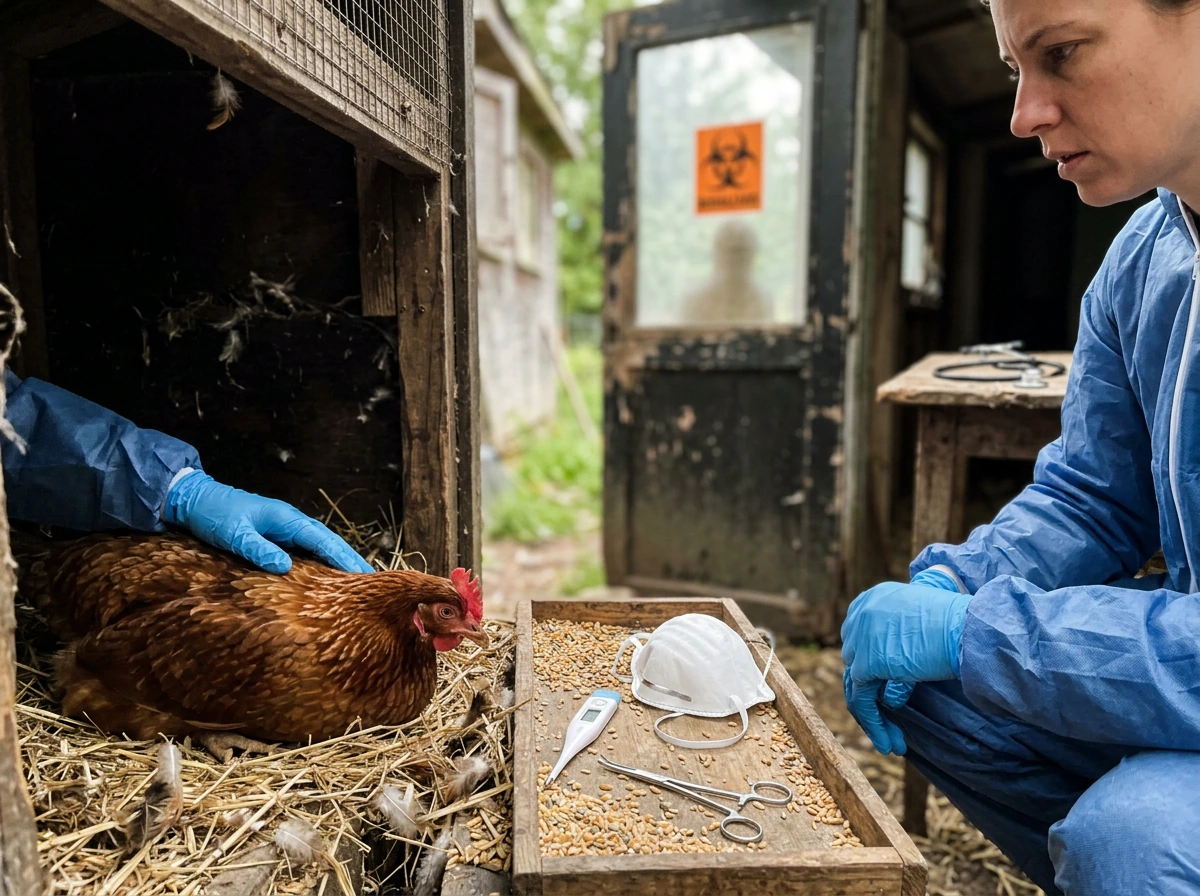
The short answer on how deadly bird flu actually is
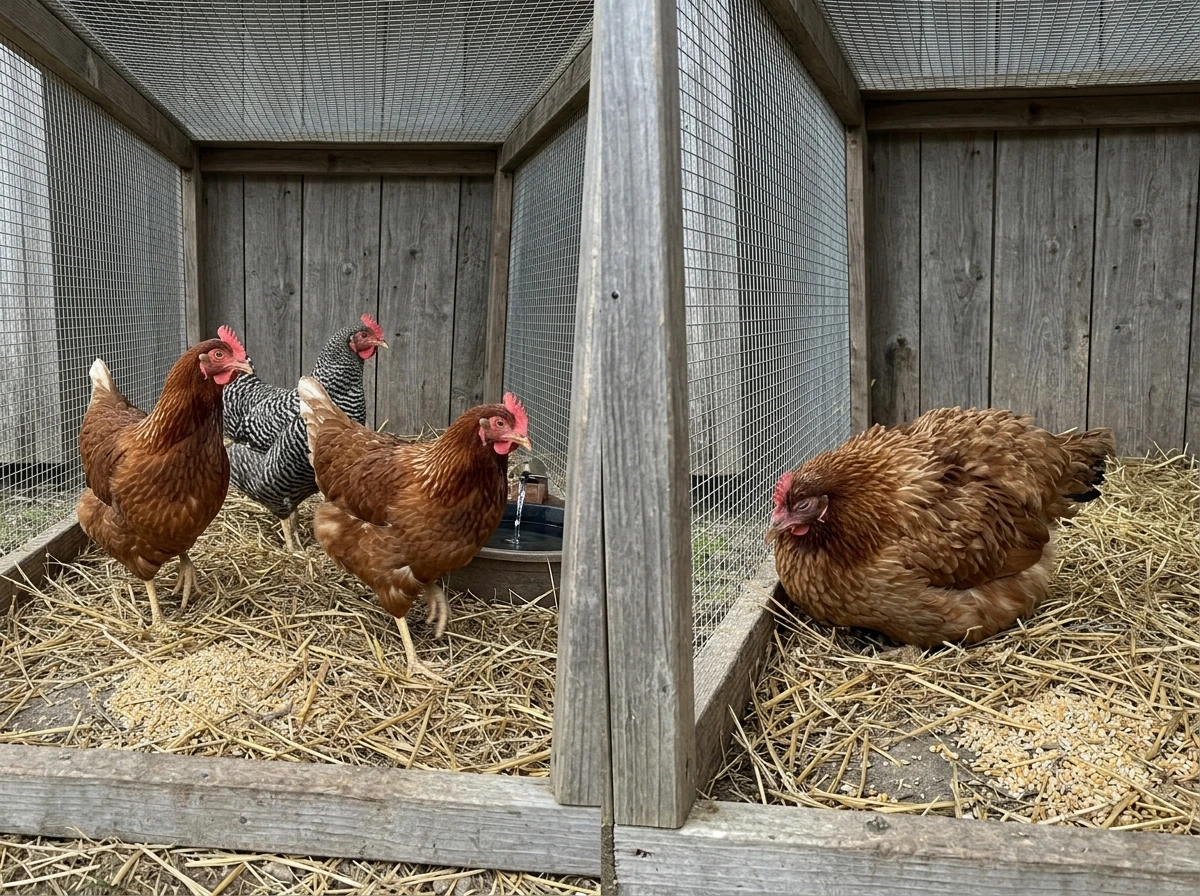
Bird flu is an umbrella term for avian influenza viruses, and they are not all the same. Bird flu is deadly for different reasons depending on the strain and host, so if you are asking why it is so deadly, see our guide on why is bird flu so deadly for the key drivers. The strains that get the most attention, H5N1 and H7N9, are genuinely dangerous. For humans, WHO data from 2003 to early 2024 recorded 889 confirmed H5N1 human cases and 463 deaths, putting the case fatality rate at around 52%. A separate WHO/PAHO count of 991 cases gives a 48% fatality rate. Either way, roughly half of the people who have contracted H5N1 have not survived. H7N9, another strain that caused human outbreaks mostly in China, had a lower but still serious fatality rate: 32 deaths out of 131 confirmed cases as of 2013, about 24%.
Here is the important context: those infections were almost all tied to direct, close contact with infected birds or contaminated environments. Sustained human-to-human transmission has not been established for any of these strains. The risk to someone who is not handling sick birds is, at this point, extremely low. If you want a deeper breakdown of the human mortality picture specifically, the related question of how deadly is bird flu to humans goes into more detail on that side of things. If you are trying to gauge personal risk, read our guide on how deadly is bird flu to humans and what that means for exposure.
Why bird flu hits birds so differently depending on the strain
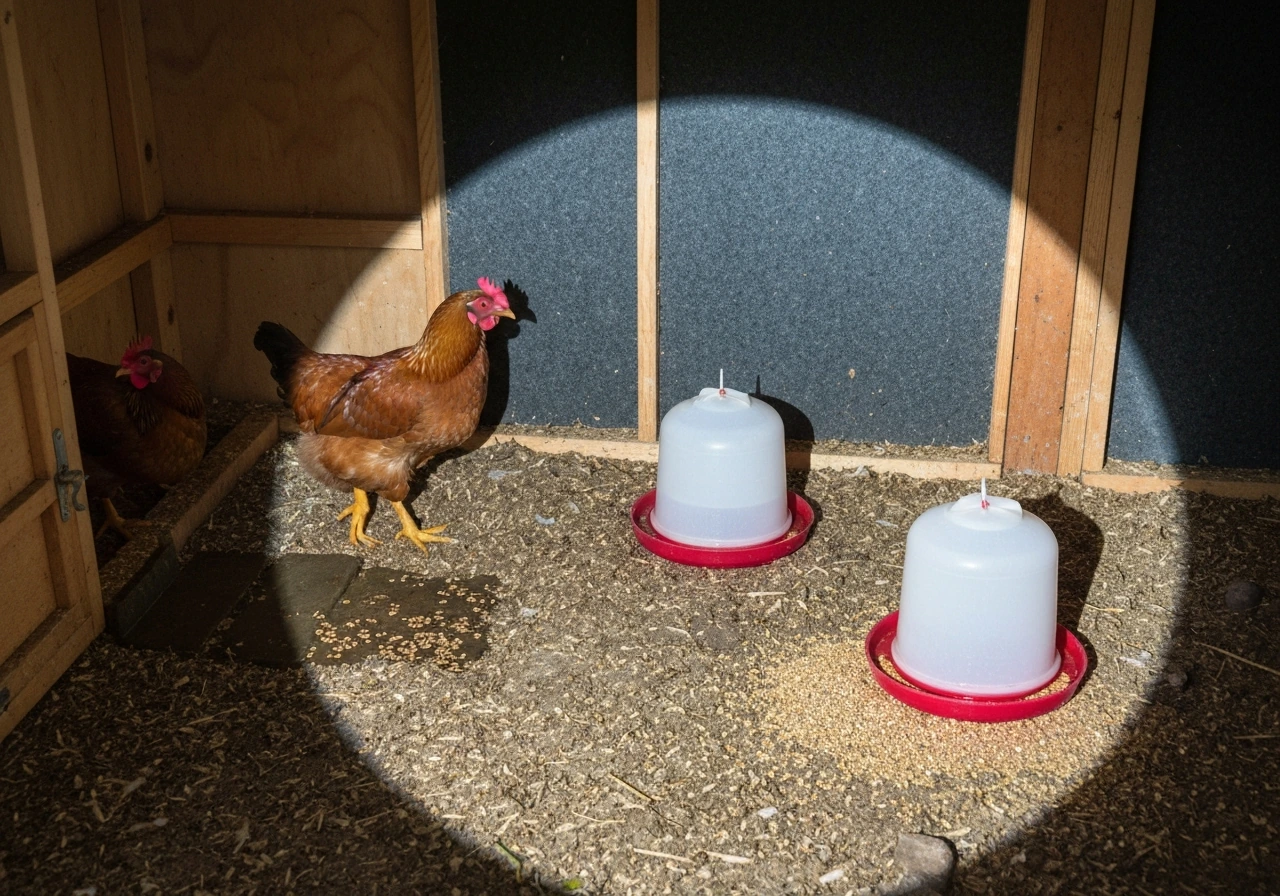
Avian influenza viruses are classified into two broad categories: low pathogenicity (LPAI) and high pathogenicity (HPAI). LPAI strains typically cause mild respiratory illness, a drop in egg production, and relatively low death rates in a flock. HPAI is a completely different animal. The current H5N1 HPAI strain can cause death rates approaching 100% in poultry, often within 48 hours of the first signs of illness. That is not an exaggeration or worst-case speculation. USDA researchers and congressional reports alike describe near-total mortality as a realistic and common outcome.
Why such a dramatic difference? HPAI viruses affect multiple organ and tissue systems simultaneously, not just the respiratory tract. The virus spreads through the bird's body systemically, which is why birds can go from looking fine to dying in less than two days. LPAI, by contrast, tends to stay more localized and gives birds a chance to mount some immune response. Strain matters enormously, and so does the specific virus's host adaptation, meaning some variants hit certain bird species harder than others.
| Feature | LPAI (Low Pathogenicity) | HPAI (High Pathogenicity) |
|---|---|---|
| Mortality in poultry | Low, usually mild illness | Can approach 90–100% |
| Speed of illness | Gradual, days to weeks | Very sudden, often within 48 hours |
| Organ systems affected | Mainly respiratory | Multiple systems, systemic spread |
| Egg production impact | Moderate drop | Severe drop or complete cessation |
| Risk of flock loss | Partial losses possible | Near-total flock loss common |
| Human infection risk | Very rare | Rare but documented; high CFR if infected |
What HPAI means for chickens and backyard flocks specifically
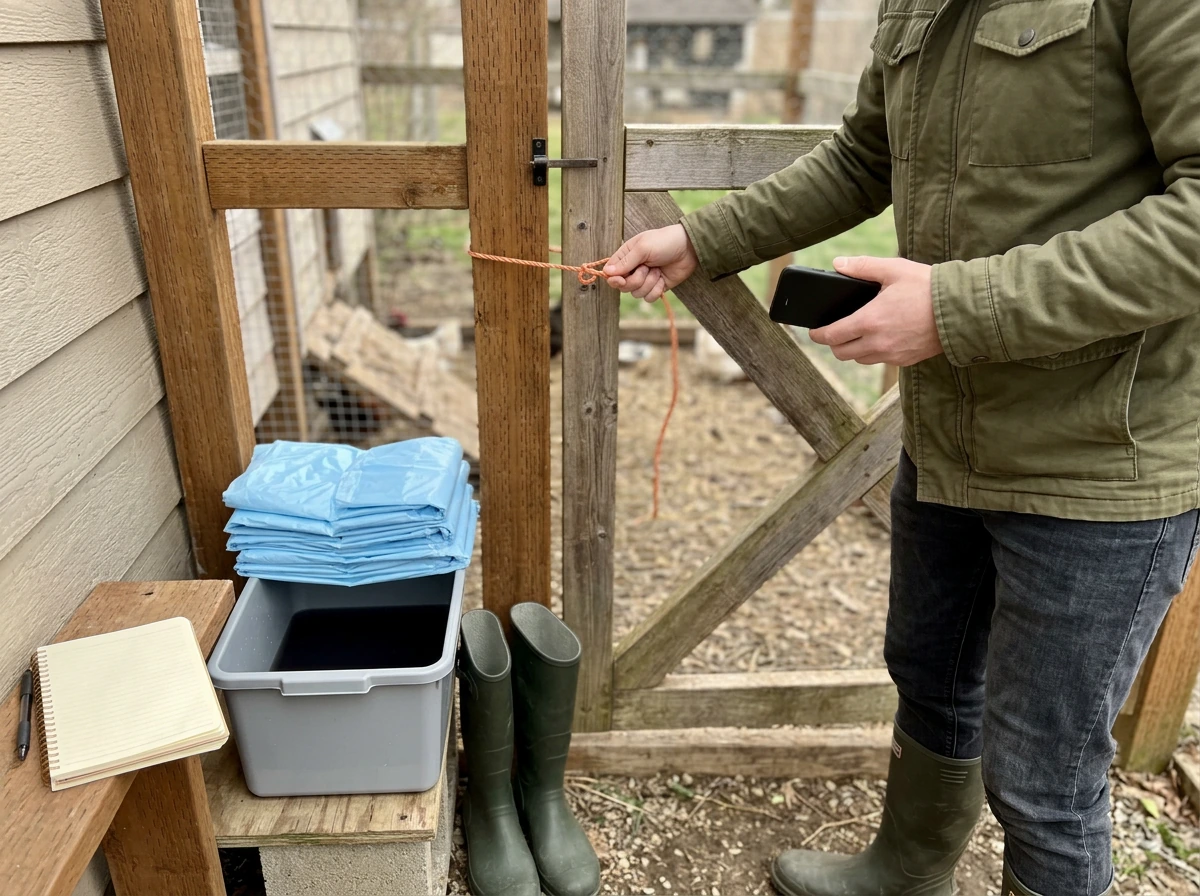
If you keep backyard chickens, ducks, or other poultry, this is the section you need to read carefully. HPAI is not something your flock can just "fight off." When HPAI hits a backyard flock, the outcome is often sudden and devastating. Oklahoma State University Extension puts it plainly: HPAI will almost always cause very sudden death in birds. The window between "something looks off" and mass mortality can be extremely short, which is why knowing the signs early matters so much.
Here are the warning signs to watch for in your birds:
- Sudden, unexplained death in multiple birds with little or no prior symptoms
- Dramatic drop in egg production over a short period
- Swelling around the eyes, head, neck, or wattles (periorbital swelling)
- Neurological signs: tremors, loss of coordination, twisted necks
- Respiratory distress: gasping, coughing, nasal discharge
- Purple or bluish discoloration of combs, wattles, or legs
- Lethargy, birds huddled together, refusing to eat or drink
The short version: if you are seeing multiple birds die suddenly or a combination of several of these signs, treat it as a potential HPAI situation until proven otherwise. Time matters. The more you delay reporting, the greater the risk to neighboring flocks.
Is the 'new bird flu' more dangerous than earlier strains?
The current HPAI H5N1 strain circulating since 2022 is a legitimate concern, and it has some features that distinguish it from earlier outbreaks. In birds, its mortality rate is described as nearly 100%, consistent with what we know about HPAI generally but notable in its scale and geographic spread. What has gotten more attention recently is its expansion into mammal species, including dairy cattle in the United States, which was not a pattern seen in previous major outbreaks. This is the detail that has public health officials watching closely.
For humans, the virus has caused infections in farmworkers and others with direct animal contact, but there is still no evidence of sustained human-to-human spread. The case fatality rate in humans for this current strain has not clearly surpassed historical H5N1 rates, and many recent human infections have been milder than the historical average, though scientists are cautious about drawing firm conclusions from a still-evolving situation. The bottom line: the current strain is not necessarily "more deadly" in terms of how sick it makes individual humans, but it is spreading more widely in animal populations, which increases the number of potential human exposure opportunities. That is why it warrants more attention now than it did in 2015.
What to do right now if you think your birds have bird flu
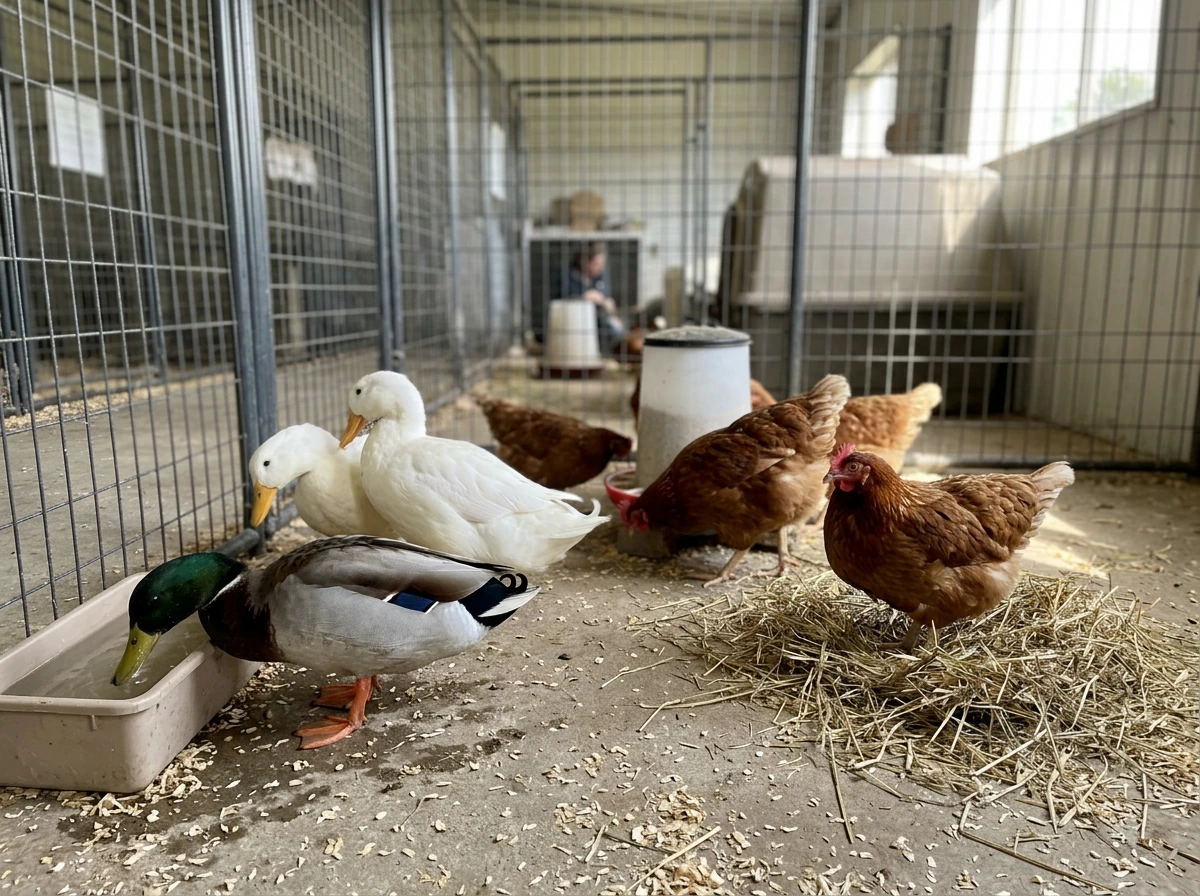
If you suspect HPAI in your backyard flock or on your property, act quickly and follow these steps in order. Do not wait to see if things improve on their own.
- Stop moving birds immediately. Do not transport any birds on or off your property. Moving birds is one of the fastest ways to spread the virus to neighboring flocks.
- Isolate sick birds from the rest of the flock as best you can, but do not handle them without protection.
- Put on PPE before entering the area with sick or dead birds. At minimum: disposable gloves, waterproof boots, and a mask. If you have a respirator and coveralls, use them.
- Contact your state animal health official or state veterinarian right away. Every state has one, and they are the right first call. You can find yours through the USDA APHIS website.
- Also report to the USDA APHIS Area Veterinarian in Charge (AVIC) for your region. APHIS tracks and confirms all HPAI detections in commercial and backyard flocks nationwide.
- Do not dispose of dead birds yourself until you have received guidance from officials. Improper disposal can spread the virus further.
- Wash your hands thoroughly with soap and water after any contact with birds, equipment, or the area where birds were kept.
- Keep a record of what you observed, when symptoms started, how many birds are affected, and how many have died. This helps officials assess the situation quickly.
USDA APHIS maintains a continuously updated page confirming HPAI detections in both commercial and backyard flocks. Checking that page can tell you if there is known activity in your county or state, which is useful context if you are trying to assess whether what you are seeing is likely HPAI or something else.
Keeping bird flu from spreading: practical steps for poultry keepers and households
Biosecurity is not just a commercial farming concept. If you have even a few backyard chickens, the same core principles apply. The virus spreads mainly through direct contact with infected birds, their droppings, contaminated surfaces, and equipment. Wild birds, especially waterfowl, are the primary reservoir and can pass it to your flock through shared water sources, feed areas, or even airborne particles.
Daily biosecurity habits that actually make a difference
- Clean and disinfect footwear every time you enter and exit the area where birds are kept. A dedicated pair of boots that stays on the property is a simple and effective step.
- Change or cover clothing before entering the bird area, especially if you have been near other birds or bird owners.
- Clean and disinfect tools, feeders, waterers, and any equipment that touches your birds or their space on a daily basis during any period of elevated risk.
- Keep wild birds out of feed and water sources. Cover feeders, use enclosed waterers, and repair any gaps in fencing or housing.
- Do not share equipment with other poultry keepers without thorough disinfection first.
- If visitors come near your birds, ask them to use clean footwear or boot covers and wash their hands before and after contact.
- If you visit a swap meet, fair, or another poultry operation, shower and change clothes before going back to your own birds. Think of it as not hauling disease home with you.
Protecting yourself personally
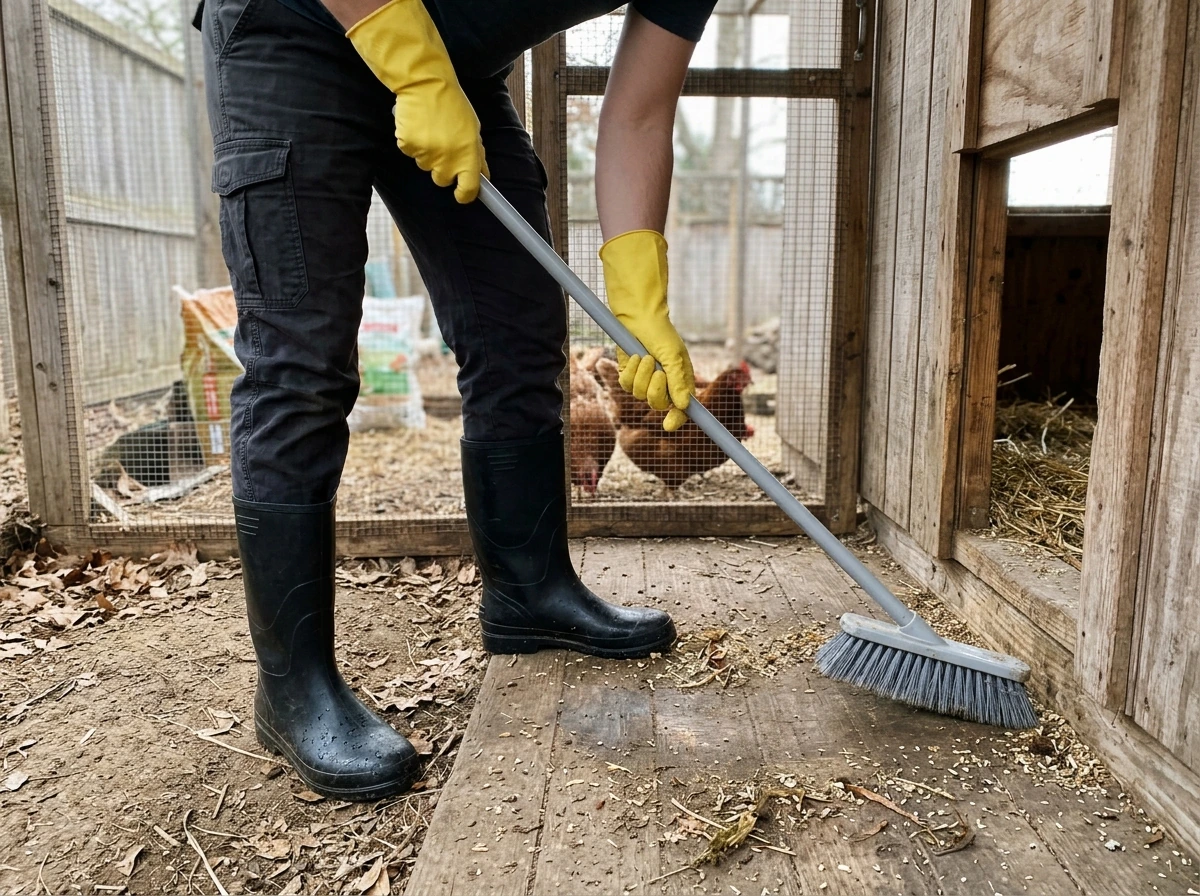
CDC guidance for backyard flock owners is straightforward: wear gloves and waterproof boots when handling birds, cleaning coops, or dealing with feces or litter. Wash hands with soap and water after any contact with birds or their environment. During an active outbreak on your property, keep PPE on until there are no longer infected birds, eggs, feces, or contaminated litter present. That last point matters. Many people drop their guard too soon, before the environment is actually clear.
USDA's Defend the Flock program offers free biosecurity checklists, resources, and tools specifically designed for people raising or handling poultry at any scale. If you keep birds and have not looked at those resources, it is worth doing even if you have had no problems. Having a plan before a crisis is much better than scrambling during one.
The bottom line on bird flu and deadliness: for birds, particularly chickens and other poultry, HPAI is genuinely one of the most lethal animal diseases you will encounter, with mortality rates approaching 100% in many outbreaks. For humans, the historical fatality rate in confirmed cases is high (around 48 to 60% for H5N1), but the actual risk of getting infected remains low if you are not in close, unprotected contact with sick birds. The current strain is spreading more widely in animals than before, which is the reason to take it more seriously right now, not because it has become dramatically more lethal per infection, but because more animals infected means more chances for human exposure. Know the signs, have a reporting plan, and keep your biosecurity habits consistent.
FAQ
If the human fatality rate is around 50%, why isn’t the overall risk to the public high?
Because fatality rate refers to people who already became infected, not everyone who might be exposed. For most people, exposure opportunities are limited, since infections have mainly occurred after close, unprotected contact with sick or dead birds (or contaminated environments). Public health risk rises mainly when exposure frequency increases, such as farm work or handling birds during an outbreak.
What should I do if only a few birds die suddenly, could that still be HPAI?
Yes. HPAI can progress extremely fast, so a small early cluster can be the start of a rapid die-off. Treat it as a potential HPAI event if deaths are sudden and multiple birds are affected, especially alongside other warning signs. Acting quickly helps protect other birds and allows faster testing and reporting.
Does “low risk” mean I can safely handle birds during an outbreak as long as I’m careful?
Carefulness lowers risk, but it does not make it zero. The virus can spread via droppings, litter, surfaces, and equipment. Use appropriate PPE (including gloves and waterproof boots) and do not handle sick birds without protection. Also follow proper handwashing and avoid taking dirty clothing or footwear into clean areas.
Can I eat eggs or poultry from my flock if I suspect bird flu?
If you suspect HPAI, do not assume food is safe to use. For backyard flocks, the practical move is to avoid consuming birds, eggs, or litter from the affected area until authorities advise otherwise. Cooking reduces some food-borne risks, but it does not replace proper public health and animal health instructions during suspected outbreaks.
Is there a difference in deadliness between low pathogenic and high pathogenic bird flu for backyard flocks?
Yes. Low pathogenic avian influenza often causes milder signs like reduced egg production, with much lower flock mortality. High pathogenic strains are the concern for backyard birds because they can cause sudden, near-total deaths, sometimes within 48 hours. If deaths are fast or widespread, treat it as HPAI until tests say otherwise.
If my flock looks sick but no birds are dying yet, should I wait?
No. With HPAI, the interval between “something looks off” and mass mortality can be very short. If you’re seeing consistent respiratory signs, neurologic symptoms, or a combination of multiple abnormal signs, proceed as if it could be HPAI: isolate birds, increase PPE, and contact the appropriate veterinary or reporting channels.
How do I reduce spread to neighboring flocks if I suspect HPAI on my property?
Limit traffic in and out of the area where birds are housed. Don’t share equipment, tools, feeders, or water containers with others. Keep wild birds away where possible, and if you must move between coops, change PPE and wash hands between pens or zones to prevent carrying contaminated material.
Can wild birds infect my poultry even if my birds never leave the yard?
Yes. Wild waterfowl and other birds can shed virus into shared resources, like water sources, pooled puddles, feed areas, and contaminated surfaces. Even without direct contact, indirect contact can occur through droppings on the ground, shared water systems, or contaminated equipment brought into the area.
What’s the biggest mistake people make when trying to protect backyard birds from bird flu?
Stopping precautions too early. Many people relax biosecurity once the visible sick birds are gone, but the environment can still be contaminated with infectious material, like feces and litter. Continue PPE and isolation until there are no remaining infected birds or contaminated materials, following local guidance.
When reporting suspected HPAI, what information helps authorities test and respond faster?
Be ready with dates and timelines (when the first bird looked ill, and when deaths started), the number of birds affected, species (chickens, ducks, etc.), key symptoms observed, and whether you have had contact with other flocks, live bird markets, or shared equipment. If you can do so safely, note where the flock access overlaps with wild birds or shared water.
Should I disinfect everything immediately after a death occurs?
You should disinfect, but do it in a controlled way. Remove and bag litter and feces carefully, then clean and disinfect surfaces using products suited for the situation (and follow label directions). Avoid blowing dust or power-washing contaminated areas that can spread particles, and keep cleaned items and tools separate from unclean areas.
If H5N1 cases in humans are not showing sustained human-to-human spread, why still worry?
Because wider animal spread creates more exposure opportunities, even if human-to-human transmission is not established. As infections occur in more places and more animal species, the number of situations involving close contact with infected animals rises, which increases the chance of additional human infections.
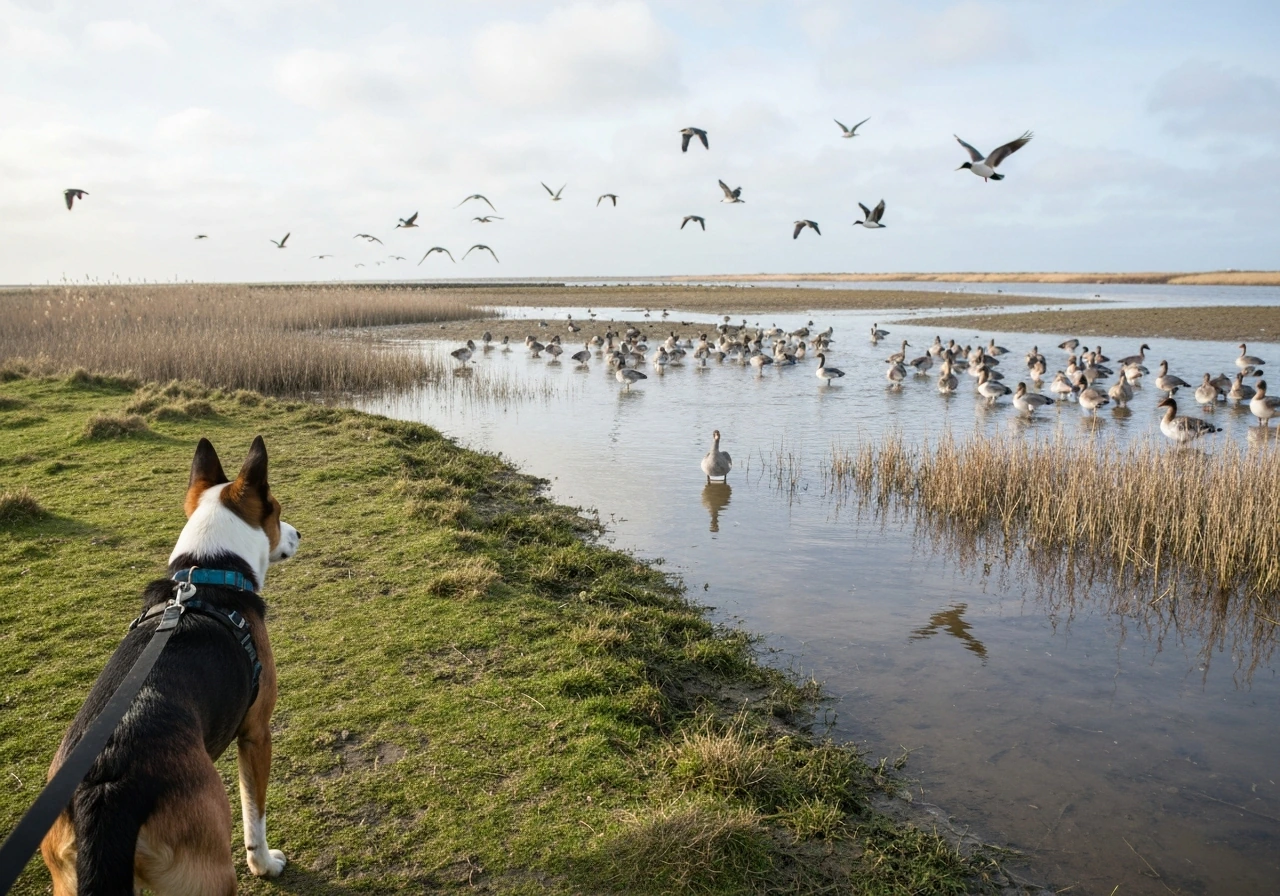
Find out if bird flu is deadly to dogs, key symptoms, UK next steps, and when to call a vet or authorities.
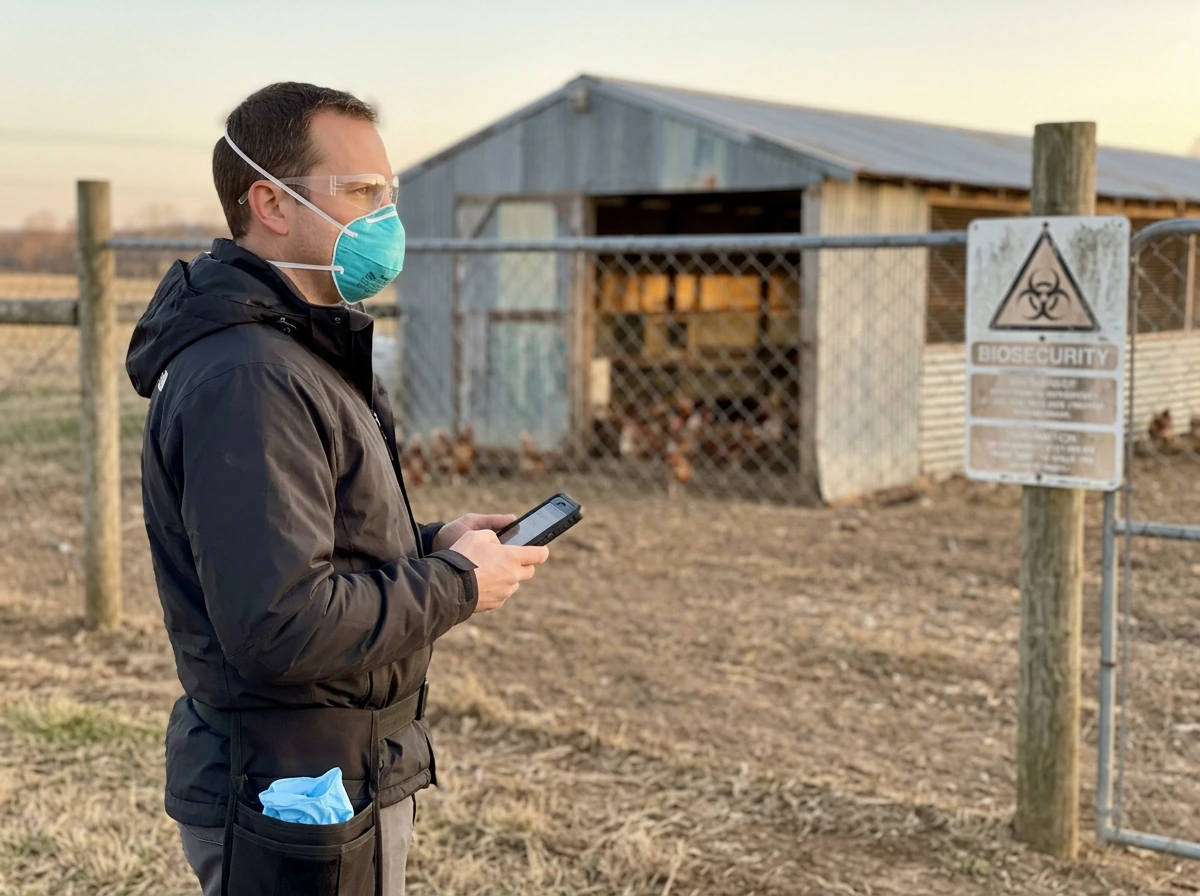
See if bird flu is deadly to humans, key symptoms, risk factors, and when to seek emergency care after exposure.
Bird flu is rarely 100% fatal. Learn human risk, symptoms, and what to do now after exposure or illness.