
Bird flu is deadly for a few specific biological reasons, and those reasons are different depending on whether you're talking about birds or humans. In birds, certain strains wipe out entire flocks because the virus is engineered by evolution to replicate explosively in avian cells and spread through environments birds share constantly. In humans, the danger comes from a different angle: our immune systems have never really seen these viruses before, and when infection does happen, the virus can drive severe lung damage before the body figures out how to fight back. Understanding exactly why this happens is the first step to knowing what you should actually do about it. If you are wondering how dangerous bird flu is in real-world terms, it helps to understand both the lethality and the main routes of exposure what you should actually do about it. If you're also wondering about pets, see is bird flu deadly to dogs as a related comparison point for how this virus can affect animals outside birds what you should actually do about it.
Why Is Bird Flu So Deadly, and What to Do Now

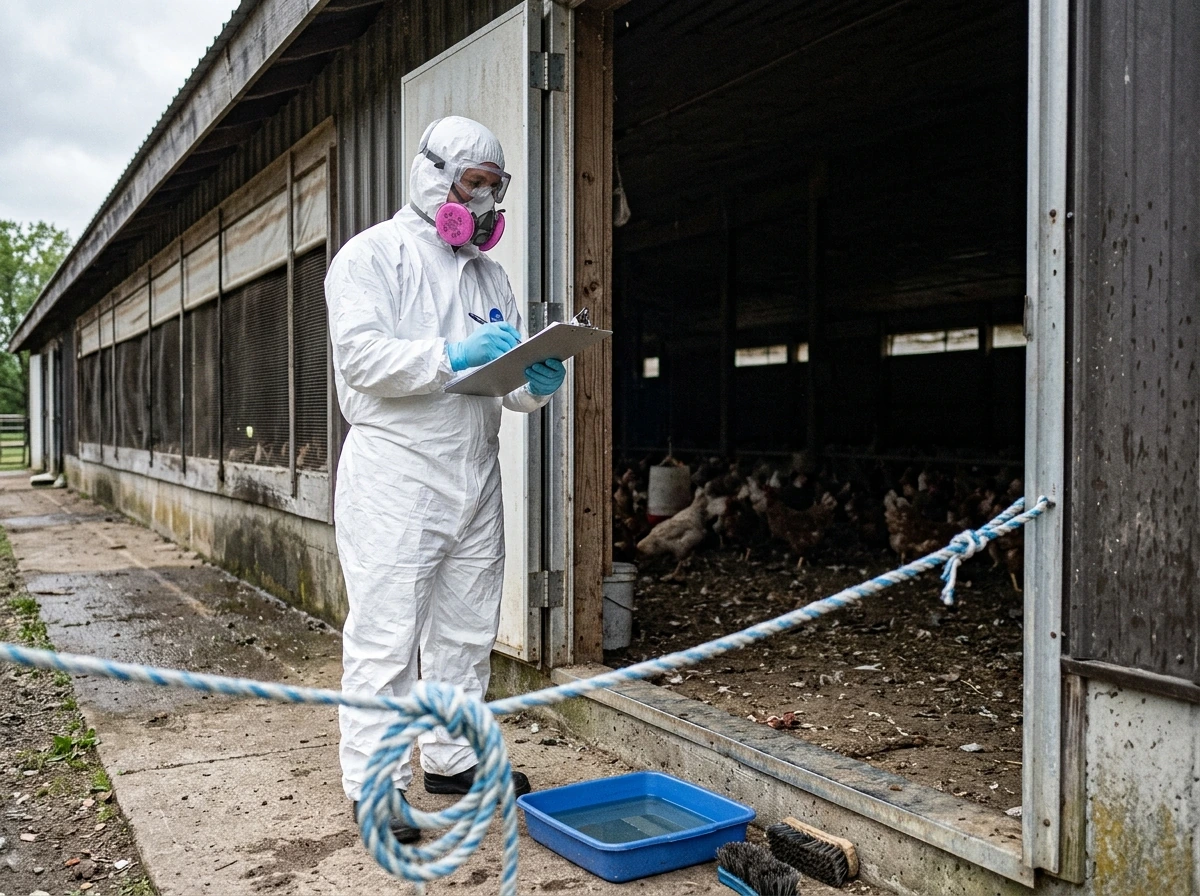
How bird flu spreads and why it's dangerous
Avian influenza spreads between birds primarily through infected saliva, eye and nasal secretions, and feces. That last one matters more than most people realize, because birds don't have a lot of personal space. They share water sources, roosting areas, and feeding grounds. When an infected bird sheds virus in its droppings, that virus can persist in surface water and wet soil, which means healthy birds downstream or in the same wetland area can pick it up just by going about their normal day. The USGS has documented exactly this pathway, showing how virus shed in feces can reach surface water and create a kind of low-level environmental reservoir.
For humans, the CDC outlines the main infection routes clearly: touching something contaminated with live virus and then touching your eyes, nose, or mouth; getting respiratory droplets splashed directly into your eyes; or inhaling virus-laden droplets in a close-contact setting. OSHA also notes that occupational exposure pathways for avian influenza can include inhaling infectious dusts or droplets and contact with surfaces or equipment contaminated with infected poultry body fluids like saliva, mucus, and feces touching something contaminated with live virus and then touching your eyes, nose, or mouth. Visiting live poultry markets, handling sick or dead birds, or spending time near infected animals in farm settings are the situations that put people at real risk. Critically, infected birds can shed virus even when they look healthy, which means you can't just rely on 'that bird looks fine' as a safety signal.
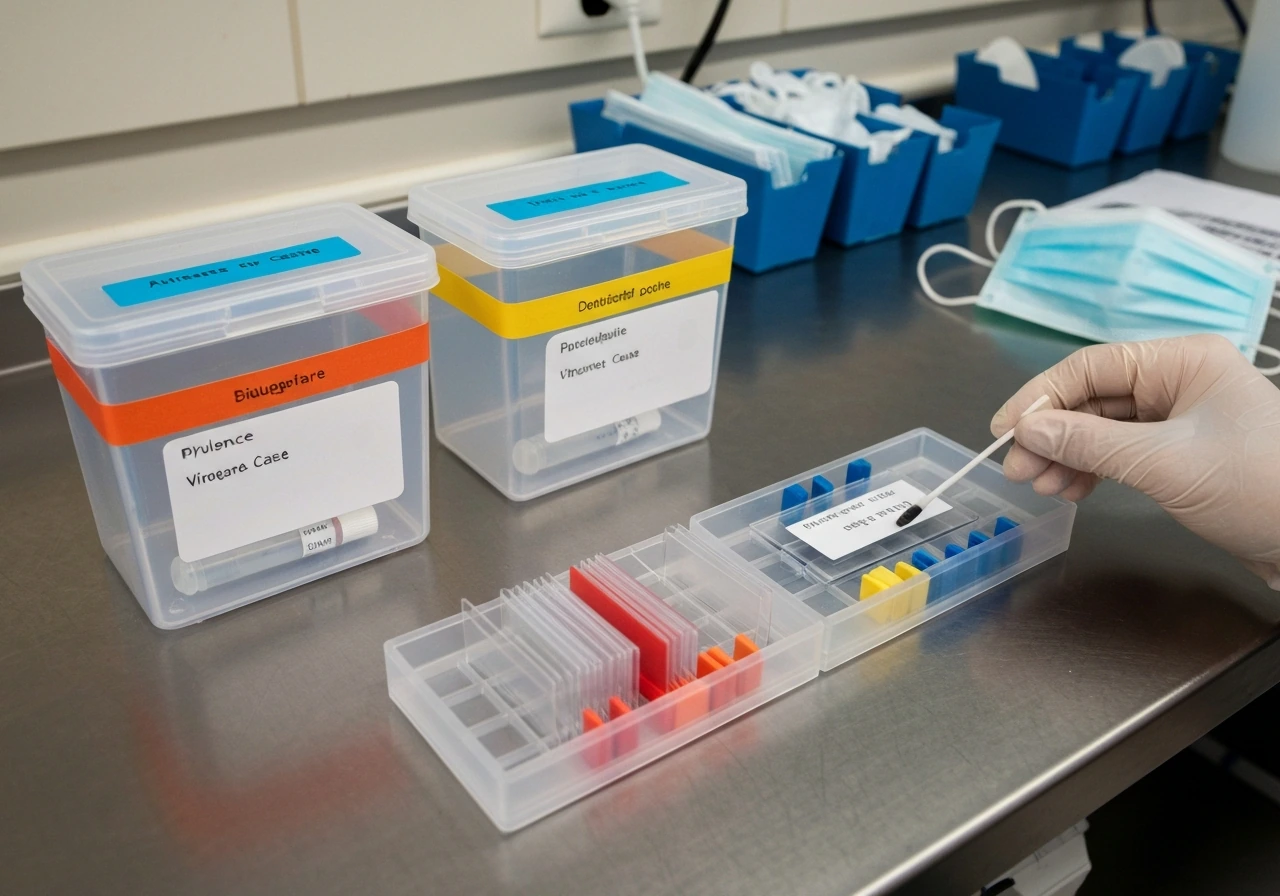
How virulence works: what makes some bird flu strains hit harder
Not all bird flu strains are created equal. Avian influenza viruses are classified as either low pathogenicity (LPAI) or high pathogenicity (HPAI) based on how severely they damage the host. LPAI strains often cause mild respiratory symptoms or go almost unnoticed in birds. HPAI strains, particularly H5N1 and closely related subtypes, are a different story entirely. The difference comes down to how aggressively the virus can replicate and where in the body it can do so.
HPAI viruses have surface proteins, particularly hemagglutinin (the 'H' in H5N1), that can be activated by a wider range of enzymes found throughout the body, not just in the respiratory tract. This means the virus isn't confined to the airway. It can replicate in multiple organ systems, which is why severe cases in both birds and humans can involve systemic illness rather than just a bad cough. The more broadly the virus can replicate, the more damage it can do before the immune system catches up. That's the core of why high-pathogenicity strains are so much more dangerous than their low-pathogenicity cousins.
Why bird flu is especially deadly in birds
In domestic poultry, HPAI can kill nearly 100% of a flock within 48 hours. That number is staggering, and it reflects how perfectly these viruses have adapted to avian biology. The virus replicates at extremely high titers (viral loads) in bird tissues, and because it can spread via both respiratory secretions and feces, transmission within a flock is essentially unavoidable once it gets in. Dense housing in commercial settings makes this even worse, but even backyard flocks are vulnerable.
Wild migratory birds, particularly waterfowl like ducks and geese, are often the reservoir hosts. They carry the virus and shed it without always getting sick themselves, which is why they're so effective at spreading it across long distances and into new geographic areas. When those wild birds mingle with domestic poultry, even briefly through shared ponds or fence lines, the result can be devastating for the domestic birds. Cornell's veterinary medicine fact sheet notes that infected birds shed virus in saliva, eye and nasal secretions, and feces whether or not they're showing symptoms, which is exactly what makes containment so difficult in practice.
Why bird flu is especially deadly to humans
Human infections with HPAI H5N1 have historically carried case fatality rates that range from roughly 30% to over 50% depending on the outbreak and the quality of surveillance. That's an extraordinary number compared to seasonal influenza, which kills well under 1% of those infected. If you're trying to gauge the historical severity in real-world terms, see how deadly is bird flu in humans for a direct comparison of risk levels. To put that in perspective: if you catch seasonal flu, your risk of dying from it is very low. If you catch H5N1 and it's confirmed, the historical odds have been genuinely alarming. If you want a quick bottom line: some bird flu strains can be deadly in humans, but the overall risk depends on which strain is involved and how exposure happens H5N1 and it's confirmed. Because human infections can be especially severe, you may be asking, is bird flu deadly to humans? If you want the quick answer, this question is essentially about how often severe disease occurs in people is the bird flu deadly.
There are two main biological reasons human cases can turn so severe. First, our immune systems have had essentially no prior exposure to these avian strains. Seasonal flu strains that circulate every year are ones our immune systems have some 'memory' of, either through past infection or vaccination. Avian strains are antigenically foreign, which means the immune system starts from scratch when it encounters them. That delay in response gives the virus time to replicate aggressively in the lower respiratory tract before antibodies and T-cells are ready to act.
Second, HPAI strains can trigger what's sometimes called a cytokine storm, an overactive immune response where the body floods the lungs and other tissues with inflammatory signals in an attempt to fight the infection. The damage from that response can be worse than the direct viral damage. This is part of why young adults with otherwise healthy immune systems have sometimes fared poorly in HPAI outbreaks, which is counterintuitive but well-documented in the clinical literature. A strong immune system can, in some cases, overreact in ways that cause severe acute respiratory distress.
What it means for outbreaks: speed, mutation, and preparedness limits
One of the things that makes avian influenza genuinely concerning at a public health level is the speed at which it can move through animal populations. A single infected wild bird visiting a poultry facility can seed an outbreak that kills thousands of animals within days, triggering emergency culling operations across an entire region. That's not hypothetical. It's what's happened repeatedly across North America, Europe, and Asia over the past decade, and it happened at significant scale again in 2024 and 2025 with HPAI H5N1 affecting cattle herds in the United States, an unusual host jump that expanded the risk landscape.
Influenza viruses mutate constantly. Every time the virus replicates, there's a chance of small genetic errors that can alter how it behaves. The scenario public health officials are most concerned about is a mutation (or a reassortment event where two different flu strains swap genetic segments) that makes an HPAI strain better at spreading between humans while retaining its high lethality. That hasn't happened in a sustained way, but the more the virus circulates in more animal hosts, the more opportunities it has. Preparedness systems, including surveillance networks, vaccine development pipelines, and antiviral stockpiles, are all attempting to stay ahead of that possibility, but gaps exist, especially in countries with limited laboratory capacity.
Practical next steps: what to do to reduce risk right now
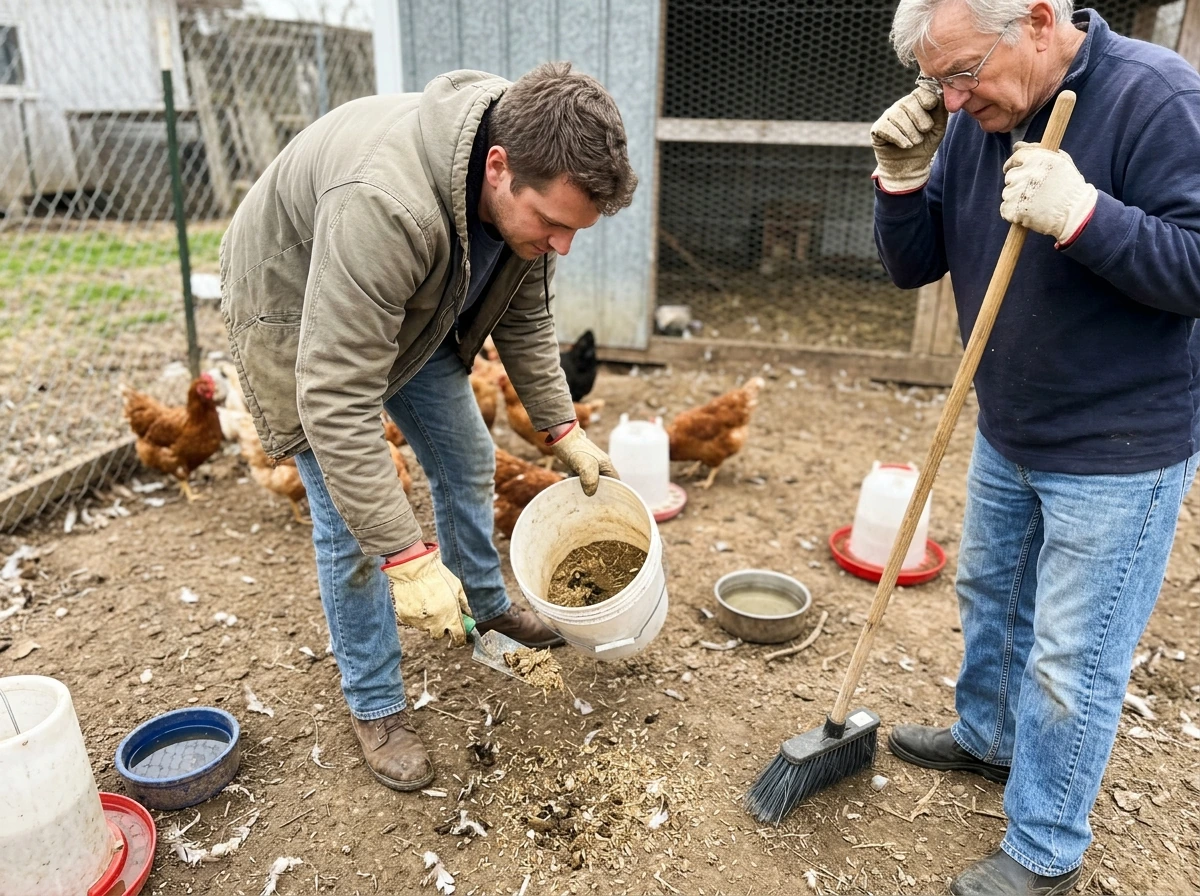
Your specific situation determines what's actually relevant here. If you work on a farm, handle poultry or livestock, or visit live animal markets, your risk profile is meaningfully different from someone with no animal contact. CDC provides a farm-worker factsheet that describes how H5N1 virus can spread from infected animals, including cattle, to people and outlines steps workers can take to reduce exposure farm-worker fact sheet describing how H5N1 virus can spread from infected animals (including from cows) to people. Below is practical guidance broken down by situation.
If you work with poultry, livestock, or farm animals
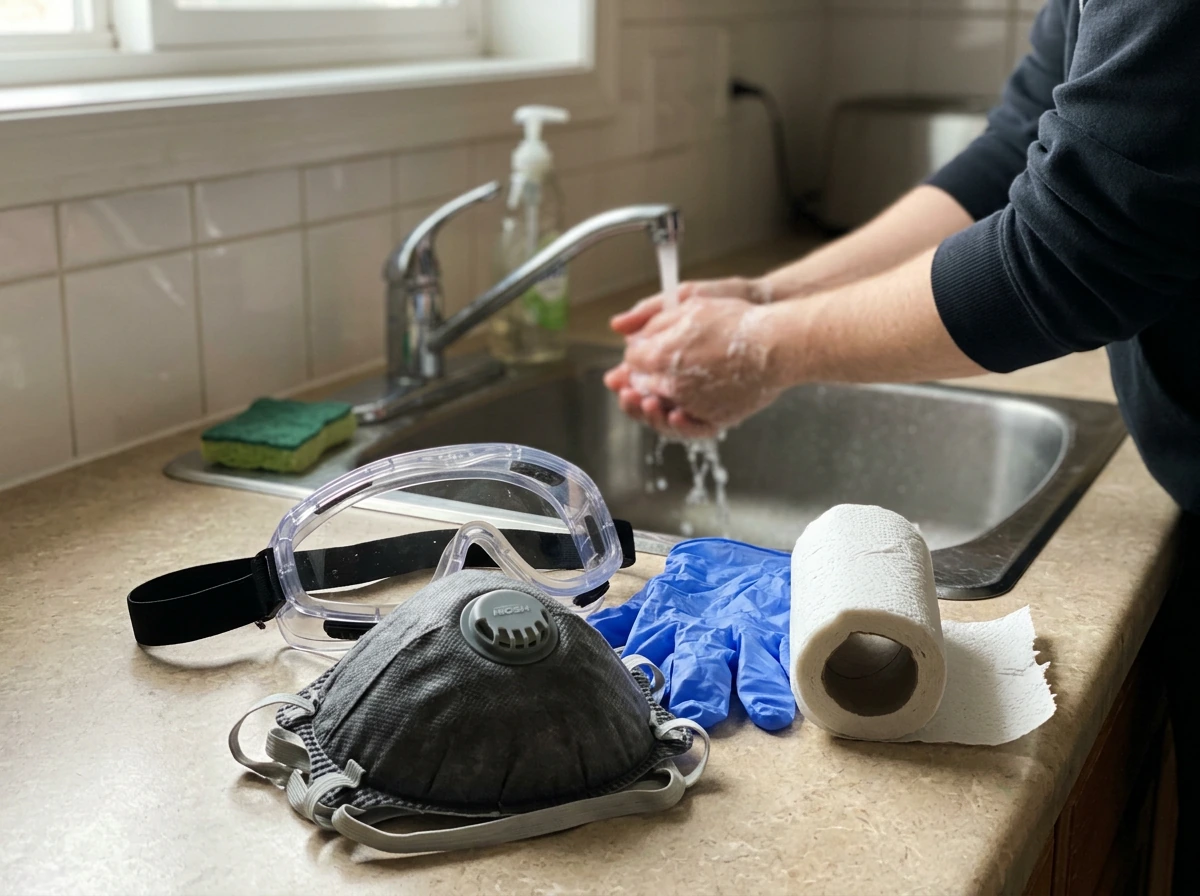
- Wear appropriate PPE, which means goggles (not just a face shield) plus a properly fitted respirator, gloves, and protective clothing. The CDC is explicit that face shields alone don't provide adequate protection against droplets and smaller airborne particles in these settings.
- Don't rely on gloves alone either. Virus can transfer from contaminated clothing or surfaces to your face. The whole ensemble matters.
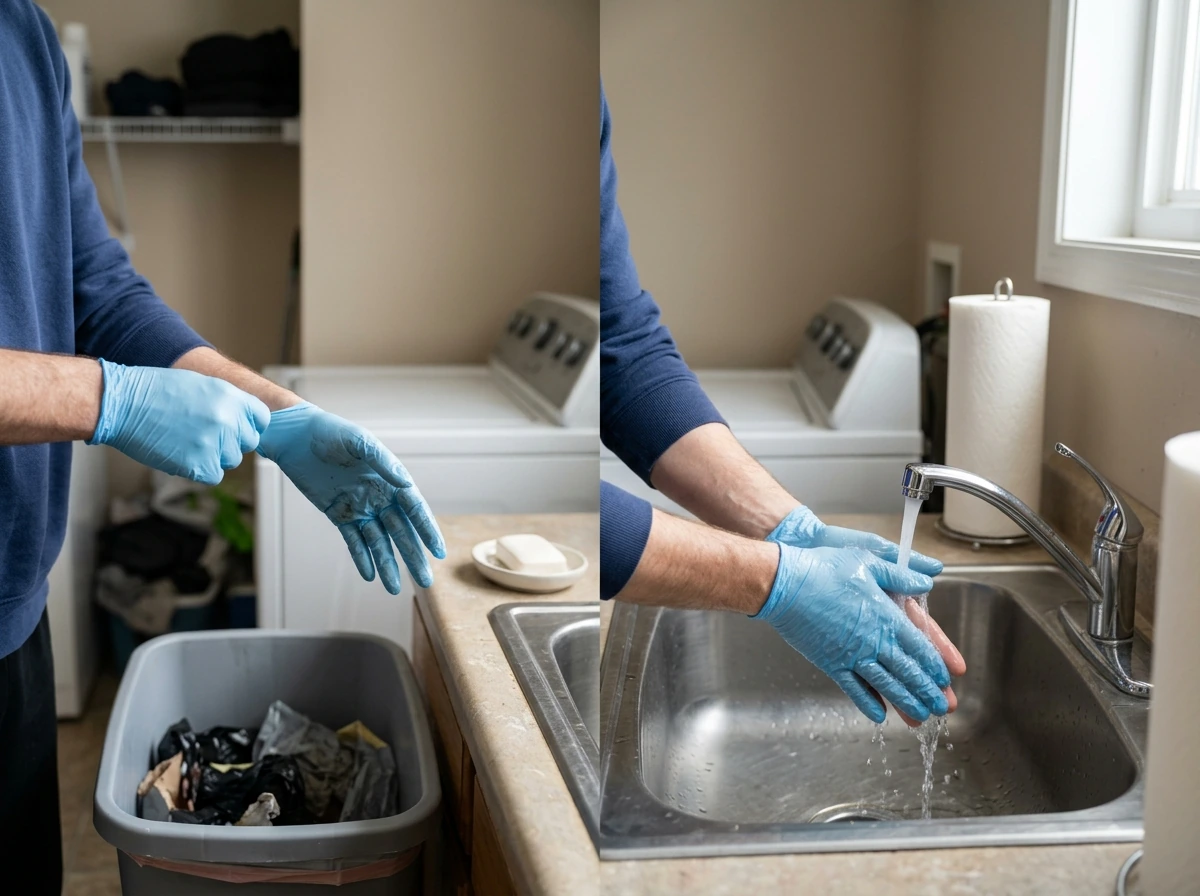
- Practice rigorous hand hygiene, especially after removing PPE. Washing hands after taking off gloves is a step that's easy to skip and genuinely important.
- If you've had close contact with sick or dead animals, report it to your state or local health department. OSHA and the CDC both recommend monitoring your health for 10 days after any known exposure.
- If you develop any flu-like symptoms including fever, cough, difficulty breathing, or eye irritation within that 10-day window, call your health department and your doctor before going to a clinic. Tell them about the exposure.
If you keep backyard chickens or have contact with wild birds
- Avoid handling sick or dead birds with bare hands. Use gloves and wash thoroughly afterward.
- Don't let backyard flocks share water sources with wild waterfowl if you can help it. That's a primary transmission route.
- If you find dead wild birds, report them to your state wildlife agency rather than disposing of them yourself. They may be part of a surveillance case.
- The ECDC specifically calls out backyard farmers and hunters as groups who should be made aware of risks and use PPE when handling potentially infected birds.
For general household and food safety
- Avoid raw or undercooked poultry, eggs, and meat, particularly during active outbreak periods. The WHO specifically advises against raw milk and raw eggs from areas with ongoing outbreaks.
- Wash hands with soap and water after handling raw poultry or eggs, before and after cooking, and before eating.
- Avoid contact with sick or dead animals when traveling in areas with known avian influenza activity in animal populations.
- If you develop fever, cough, or respiratory symptoms after visiting a live poultry market, farm, or any setting where you had animal contact, seek medical care promptly. Tell the provider about your exposure history. The WHO recommends seeking medical care immediately if you develop flu-like symptoms or conjunctivitis after any such contact.
How to read the public health guidance around you
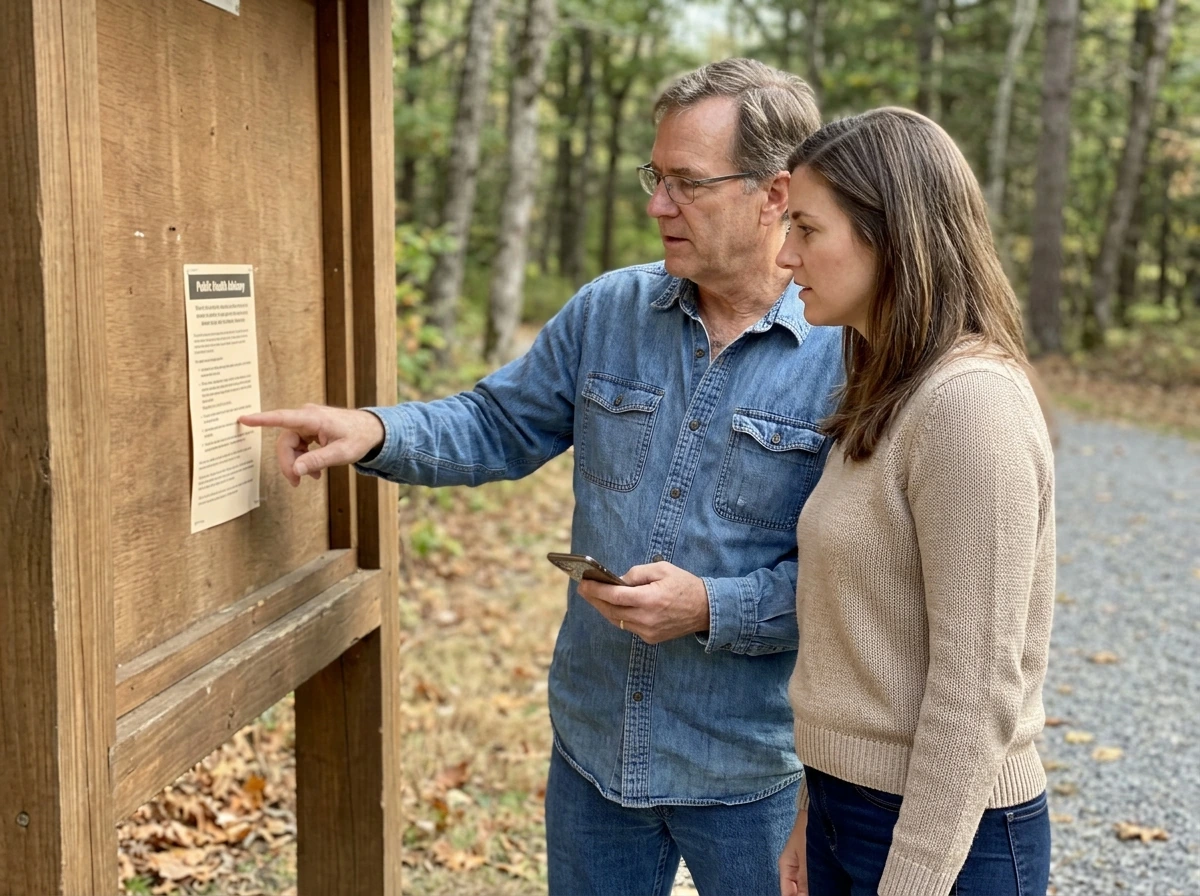
Public health messaging during bird flu events can feel vague or reassuring in ways that don't match the biology. The honest framing is this: the current risk to the general public with no animal exposure is low. The risk to people in regular contact with potentially infected animals is meaningfully higher and warrants real protective action. If your local or state health department issues guidance about an outbreak in your area, that's the moment to take the precautions above more seriously, not to wait and see. Antivirals like oseltamivir (Tamiflu) are effective against avian influenza strains when started early, so the speed with which you report symptoms and seek care genuinely affects outcomes. If you want to dig deeper into how these mortality rates compare across strains and populations, related topics like the bird flu mortality rate and how high it can be for different groups cover that ground in more detail.
FAQ
If bird flu case numbers are high in animals, why is the risk to the general public still considered low?
Low-level public risk can still feel confusing, because “low” does not mean “no risk.” The practical rule is this, if you have no close contact with potentially infected birds, poultry, or livestock environments, your exposure routes described above do not apply to you in the same way. Risk becomes meaningfully higher when you handle animals, visit live markets, or are around contaminated droppings or respiratory secretions.
Can I rely on “the bird looks fine” to judge whether it is safe?
Start by assuming the contamination pathway is possible even when birds look healthy, because shedding can occur without obvious illness. That means you should treat any sick or dead bird, any fresh droppings in shared water, and any wet surfaces around poultry housing as potentially infectious, and avoid bare-handed contact and splashes to the face.
What are the most important protective actions, focusing on exposure routes rather than general advice?
In people, the highest concern is direct exposure to live virus through mucous membranes or inhalation in close settings. That is why personal protective equipment matters more than casual distance, for example, the right gloves and eye protection when handling birds, and respiratory protection for higher-risk settings. If you only need to observe from far away with no handling, the protective actions are correspondingly lower.
When should antiviral treatment be considered, and does timing really change the outcome?
If a healthcare clinician suspects avian influenza, the timing of treatment is the key decision point. Antivirals work best when started early, so the actionable step is to contact healthcare promptly if you develop respiratory symptoms after meaningful animal exposure, especially within the first days of illness. Avoid waiting for symptoms to worsen.
Does HPAI in humans always look like a classic severe pneumonia case at the beginning?
The article explains why HPAI can replicate beyond the airway, so people may assume it always causes extremely severe lung findings. Clinically, however, symptoms can vary, and some cases may present with less obvious early signs. The decision aid is exposure history plus early symptoms after contact, that combination should trigger rapid evaluation rather than “monitoring at home.”
If I hear an outbreak started elsewhere, how should I decide whether my own precautions should change?
In the real world, outbreaks among birds can be seeded quickly, so by the time you hear news locally the situation may have already changed. If your local or state health department updates guidance, use the update as the decision trigger for personal protective steps. Don’t rely on older, more general rules if new guidance is more specific to your area.
If the virus mutates constantly, does that mean every outbreak increases the chance of it spreading between humans?
Mutation and reassortment concerns are about the long-term risk of a virus gaining better human spread while keeping high lethality. That does not mean each mutation automatically leads to a human-adapted strain, but it does mean the probability increases as the virus circulates in more hosts. The edge case is when infection opportunities expand, more animal hosts and more time create more chances for genetic change.
I have animal contact at work. How do I estimate my actual risk level within that group?
If you work with animals, “risk profile” is not only about having contact, it is also about how the contact happens. Repeated close contact plus tasks that create splashes or aerosols, for example moving carcasses or cleaning wet areas, substantially increase risk compared with brief observation. The practical approach is to reduce both the frequency of contact and the intensity of exposure.
What are common mistakes people make that still expose them even if they think they were careful?
After handling poultry or livestock-related materials, a common mistake is touching your face before removing contaminated items. A safer workflow is remove gloves, avoid touching phones and doorknobs with contaminated hands, wash hands thoroughly, then clean or dispose of protective equipment according to local instructions. The goal is to interrupt the “contaminated surface to eyes, nose, or mouth” pathway.