
Yes, bird flu can be deadly to humans. The honest answer is that avian influenza A(H5N1), the strain that health agencies track most closely, has blank" rel="noopener noreferrer">killed roughly half of the people it has infected in documented cases. That is a striking number. At the same time, the overall risk to most people right now is low, because the virus rarely jumps from animals to people and has not shown sustained human-to-human spread. Both of those facts are true at once, and understanding them together is what actually helps you figure out your personal risk and what to do about it.
Is Bird Flu Deadly to Humans? Risk, Symptoms, and What to Do

Maya Chen
22 Mar 2026
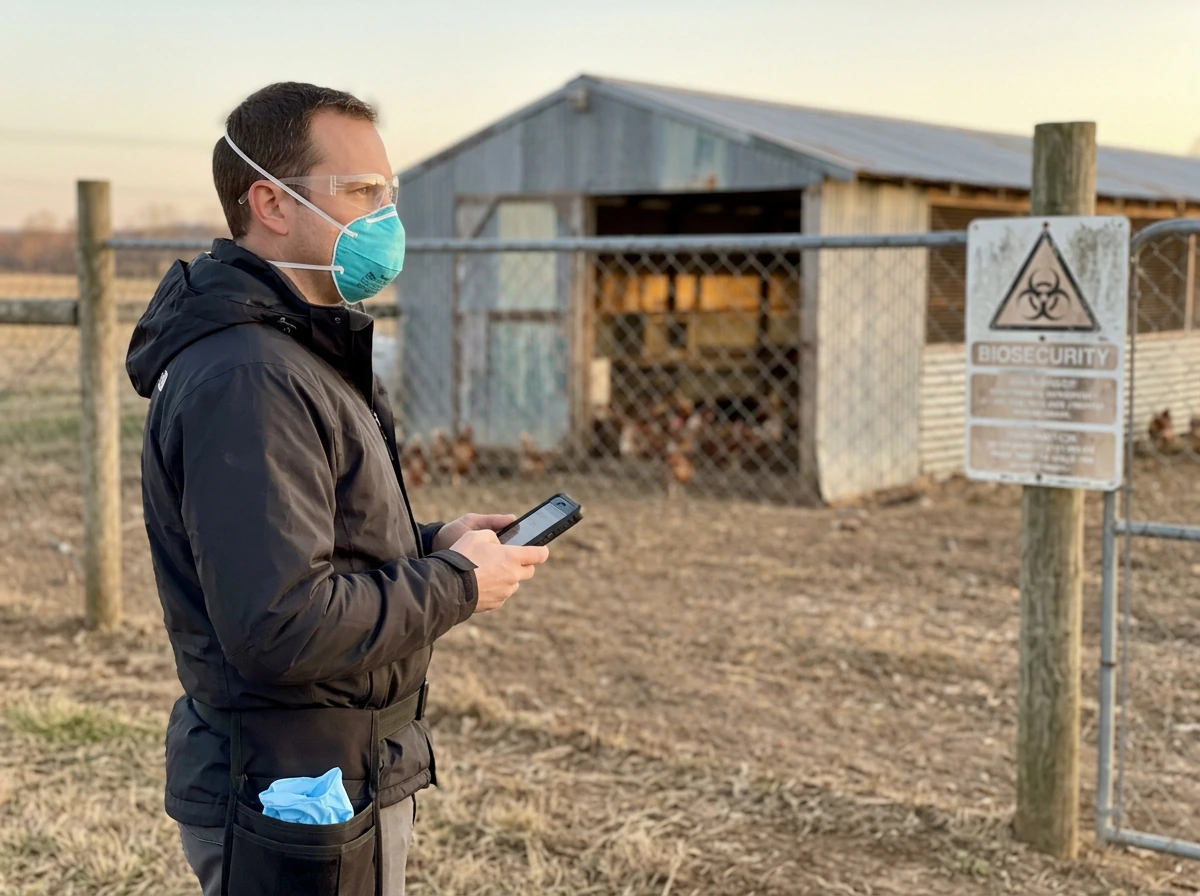
Quick direct answer: how deadly is bird flu to humans
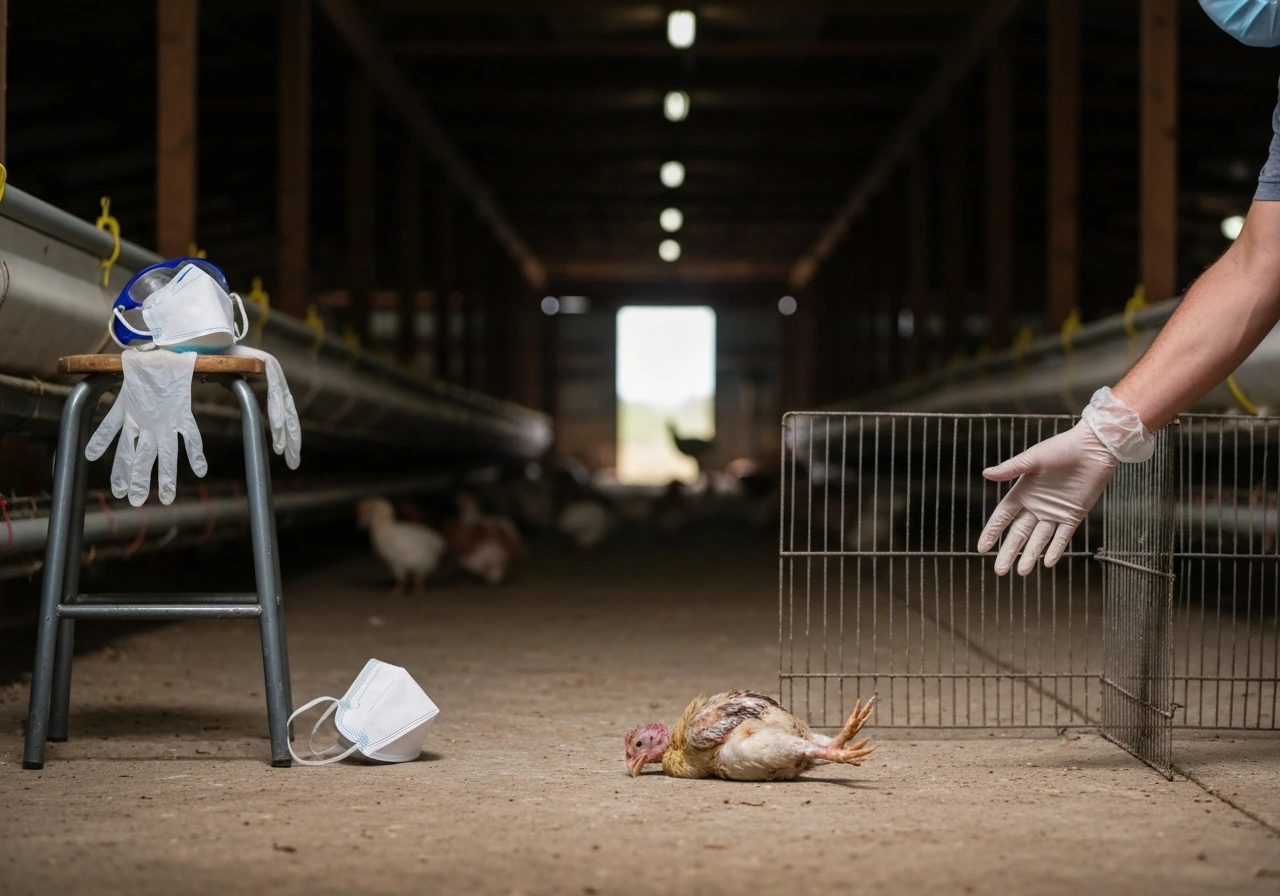
Here is the important caveat, though: the CDC acknowledges that the true fatality rate is almost certainly lower than 50%, because many milder cases probably went undetected and unreported. People with a brief fever or mild conjunctivitis after touching a sick bird may never have been tested or counted. So the real picture is somewhere between 'quite deadly in serious cases' and 'somewhat less deadly when you count everyone who was probably infected.' Either way, it is a virus you take seriously.
Here is the important caveat, though: the CDC acknowledges that the true fatality rate is almost certainly lower than 50%, because many milder cases probably went undetected and unreported. People with a brief fever or mild conjunctivitis after touching a sick bird may never have been tested or counted. So the real picture is somewhere between 'quite deadly in serious cases' and 'somewhat less deadly when you count everyone who was probably infected.' Either way, it is a virus you take seriously.
Why bird flu is dangerous in people
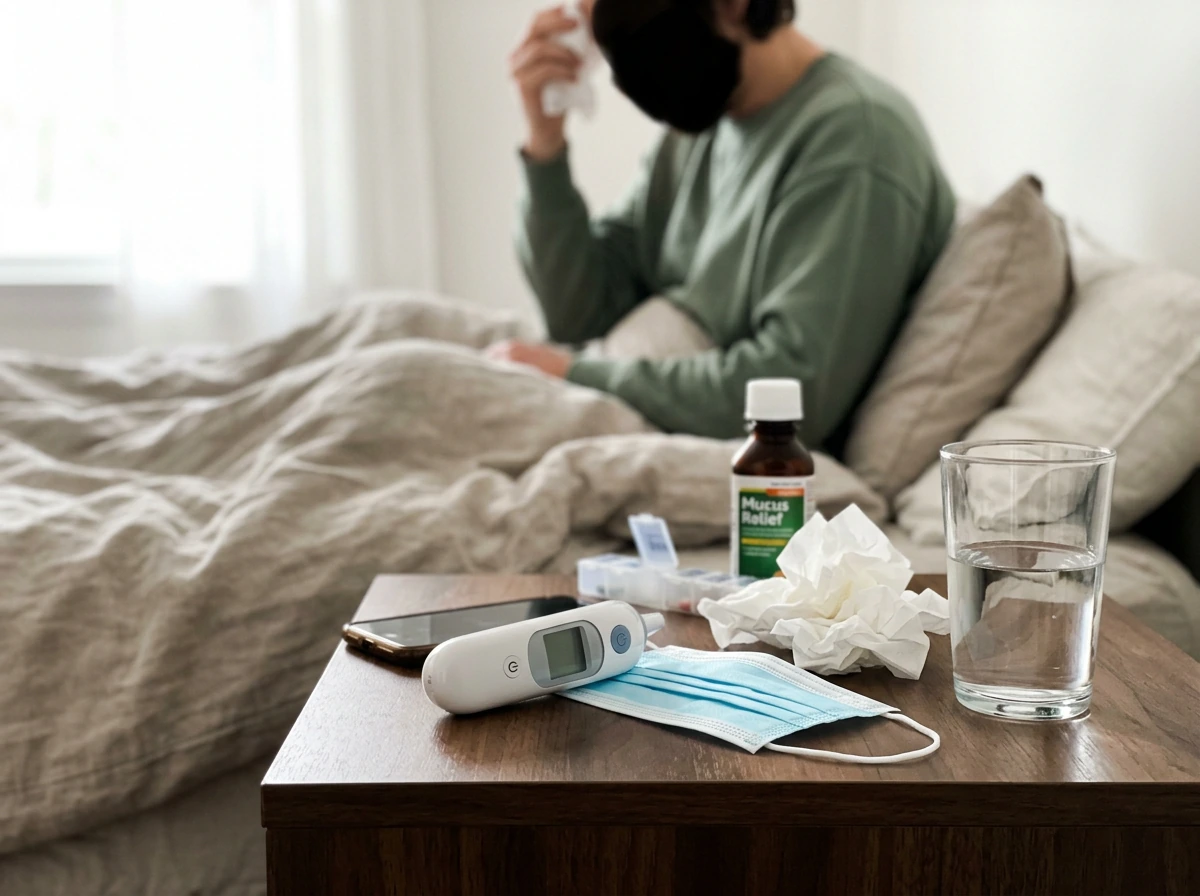
The reason H5N1 and related avian strains are so dangerous is that the human immune system has essentially never seen anything like them. Seasonal flu viruses have been circulating in people for decades, so most of us carry some partial immunity. Avian influenza viruses evolved in birds, and when one manages to infect a person, the immune response can go badly wrong.
Clinically, the typical severe pattern looks like this: a person develops fever and cough that quickly progress to primary viral pneumonia, then rapid deterioration into acute respiratory distress syndrome (ARDS), and then multi-organ failure. This is not a gradual slide over weeks. It can happen fast. WHO clinical guidelines describe this trajectory explicitly, and it is why health workers treat suspected H5N1 cases with full airborne isolation precautions, not just standard droplet precautions.
Several factors determine how severe any individual case becomes. Virus strain matters a great deal: H5N1 is highly pathogenic, while other avian strains like H7N9 also cause serious illness but may have somewhat different fatality profiles. Virus strain matters a great deal: H5N1 is highly pathogenic, while other avian strains like H7N9 also cause serious illness but may have somewhat different fatality profiles how dangerous is bird flu. The infected person's underlying health is another major variable.
Older adults, people who are immunocompromised, and those with chronic respiratory conditions face higher risk of severe outcomes. And critically, timing of treatment matters enormously: research shows that people who died from H5N1 had longer delays before getting antiviral treatment compared to those who survived.
How to think about the fatality risk in plain language
A 48% case fatality rate sounds terrifying, and in a true pandemic scenario it would be. But context matters. Between January 1 and August 4, 2025, CDC tracked 26 human H5N1 infections globally, with 11 deaths. That is the entire planet over seven months. For comparison, tens of millions of people get seasonal flu every year in the US alone. The reason mortality percentage is so high is not that the virus is running wild through the population. It is that almost all the people who get counted as cases were sick enough to seek medical care and get tested, which skews the reported fatality number upward.
Think of it this way: if a dangerous animal bites 20 people a year and kills 10 of them, the 50% mortality sounds alarming. But if you are not in a situation where you are likely to encounter that animal, the abstract percentage is not your actual risk. Your personal risk of getting H5N1 depends almost entirely on whether you have direct contact with infected birds or animals. For people without that contact, the CDC assesses the current risk to the general US public as low.
Who is at highest risk, and what about new strains
The people most likely to be exposed
Exposure risk is the first gate. Almost all documented human H5N1 infections since 1997 have been traced to direct or close contact with infected birds, poultry, livestock, or contaminated environments. Sporadic cases have been reported in 24 countries. The people with the highest exposure risk are:
- Poultry farm workers and people involved in culling or processing infected flocks
- Dairy farm workers, given recent detections in US cattle herds
- People who handle sick or dead wild birds without protection
- Veterinarians and agricultural responders working around infected animals
- Household members of a confirmed H5N1 patient (close-contact risk)
For these groups, CDC guidance is explicit: monitor for symptoms, use appropriate protective equipment, and have a clear plan for what to do if you feel sick after an exposure. Antiviral post-exposure prophylaxis with oseltamivir (twice daily for five days) is recommended for close contacts of confirmed cases. State and federal stockpiles exist for this purpose.
What 'new bird flu' means and why it matters
When you see headlines about 'new bird flu,' they are usually referring to either newly detected strains (like H5N5 or H5N6, which have caused isolated human cases) or newly identified animal reservoirs, such as the H5N1 detections in US dairy cattle that became a major story in 2024. A new strain in a new animal host does not automatically mean higher human risk, but it does mean more potential points of human exposure.
The core concern that public health agencies watch for is whether any strain develops efficient human-to-human transmission. As of early 2026, no current bird flu strain has demonstrated sustained person-to-person spread. CDC monitoring of the 2025 cases found no evidence of such transmission. That is the single most important factor separating 'serious but limited' from 'pandemic threat.' If that changes, the guidance will change rapidly, and it will be big news.
Laboratory research has shown that ferrets exposed to H5N1 through the eyes developed severe disease, which is why eye protection is specifically emphasized for anyone working around potentially infected animals. This is a good example of how exposure route matters, not just exposure itself.
Symptoms to watch for after possible exposure
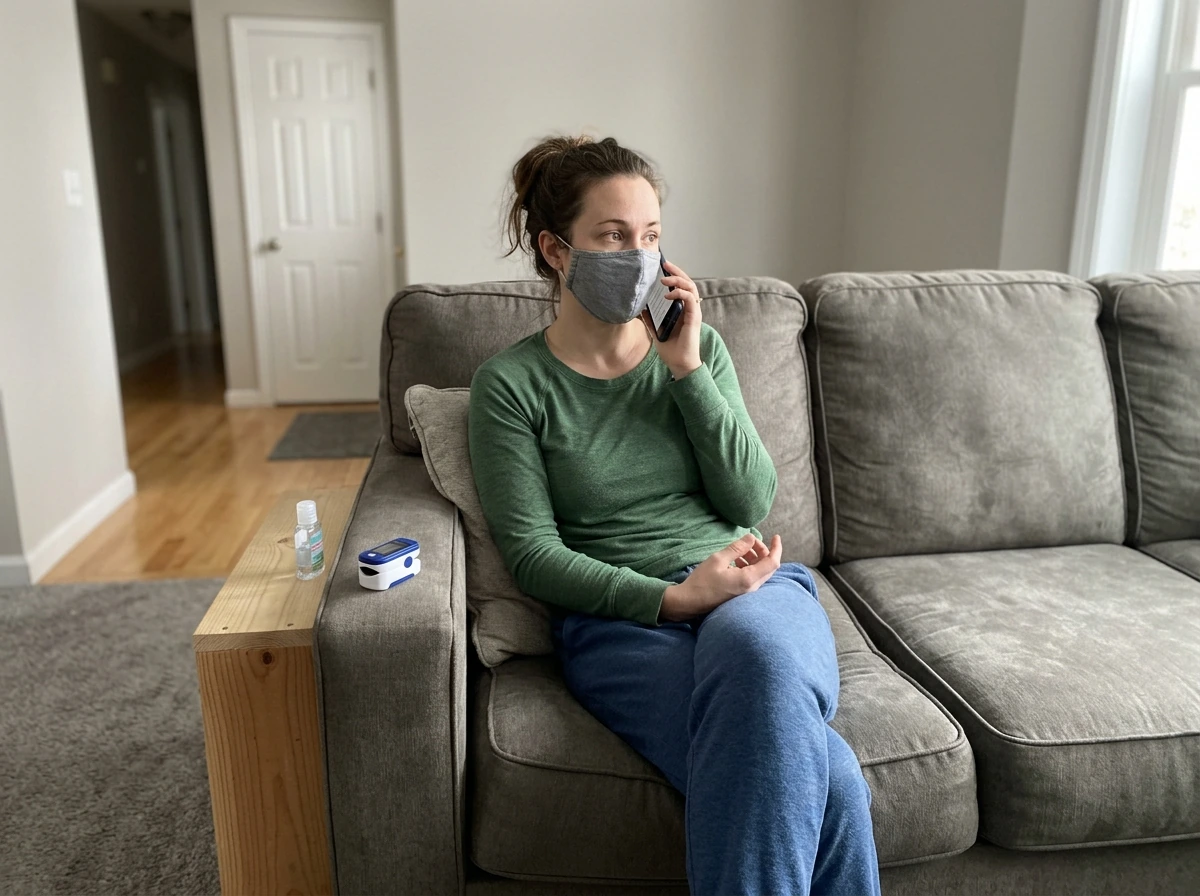
The incubation period for H5N1 is typically around three days, with a range of two to nine days. That means if you had a significant exposure, you should be watching yourself closely for about ten days. Symptoms can range from very mild to rapidly severe, and the range is genuinely wide. WHO notes that some people develop only conjunctivitis (red, irritated eyes) or mild upper respiratory symptoms, while others go straight into severe pneumonia.
The symptoms CDC lists to watch for after H5N1 exposure include:
- Eye redness or discharge (conjunctivitis), which is sometimes the first or only sign
- Fever
- Cough
- Shortness of breath or difficulty breathing
- Muscle aches (myalgia)
- Fatigue
The warning signs that mean you need emergency care immediately are the respiratory ones: significant shortness of breath, difficulty breathing, or a sense that you cannot get enough air. In serious H5N1 cases, respiratory decline can happen quickly. Do not wait to see if it gets better on its own if you are already having trouble breathing.
What to do right now: practical next steps
If you have had a possible exposure but feel fine
- Note exactly what the exposure was: what animal, when, how close, whether you had protective equipment. This information matters a lot for your doctor or local health department.
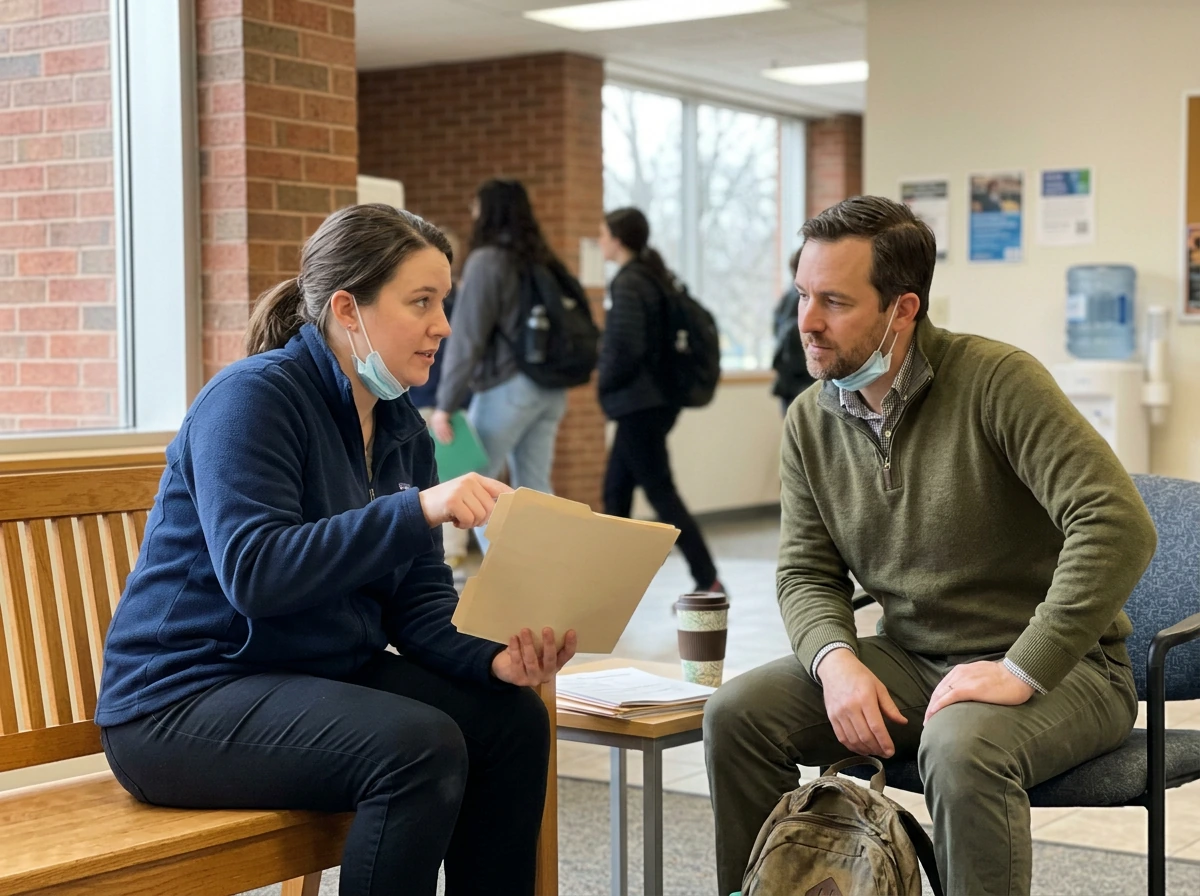
- Contact your local or state health department. They can assess your exposure level and advise whether monitoring, testing, or preventive antiviral medication is appropriate. CDC guidance specifically recommends monitoring workers with direct or close animal contact to catch any human cases early.
- Watch yourself for symptoms for at least ten days after the exposure. Take your temperature daily if you can.
- Avoid close contact with other people while you are in the monitoring window, particularly if you develop any symptoms.
If you develop symptoms after exposure
- Stay home and limit contact with others immediately.
- Call your doctor or health department before showing up at a clinic or ER. Tell them about the potential bird flu exposure so they can prepare appropriately and reduce any transmission risk.
- Antiviral treatment with oseltamivir (Tamiflu) should be started as soon as possible, ideally within two days of symptom onset. Research clearly shows earlier treatment is associated with better outcomes. If you have a known exposure and develop symptoms, push for treatment promptly, do not wait for test results to come back if you are getting worse.
- If you are experiencing significant difficulty breathing, go to an emergency department. Call ahead and tell them you have a potential avian influenza exposure so they can implement appropriate precautions when you arrive.
Testing: what actually happens
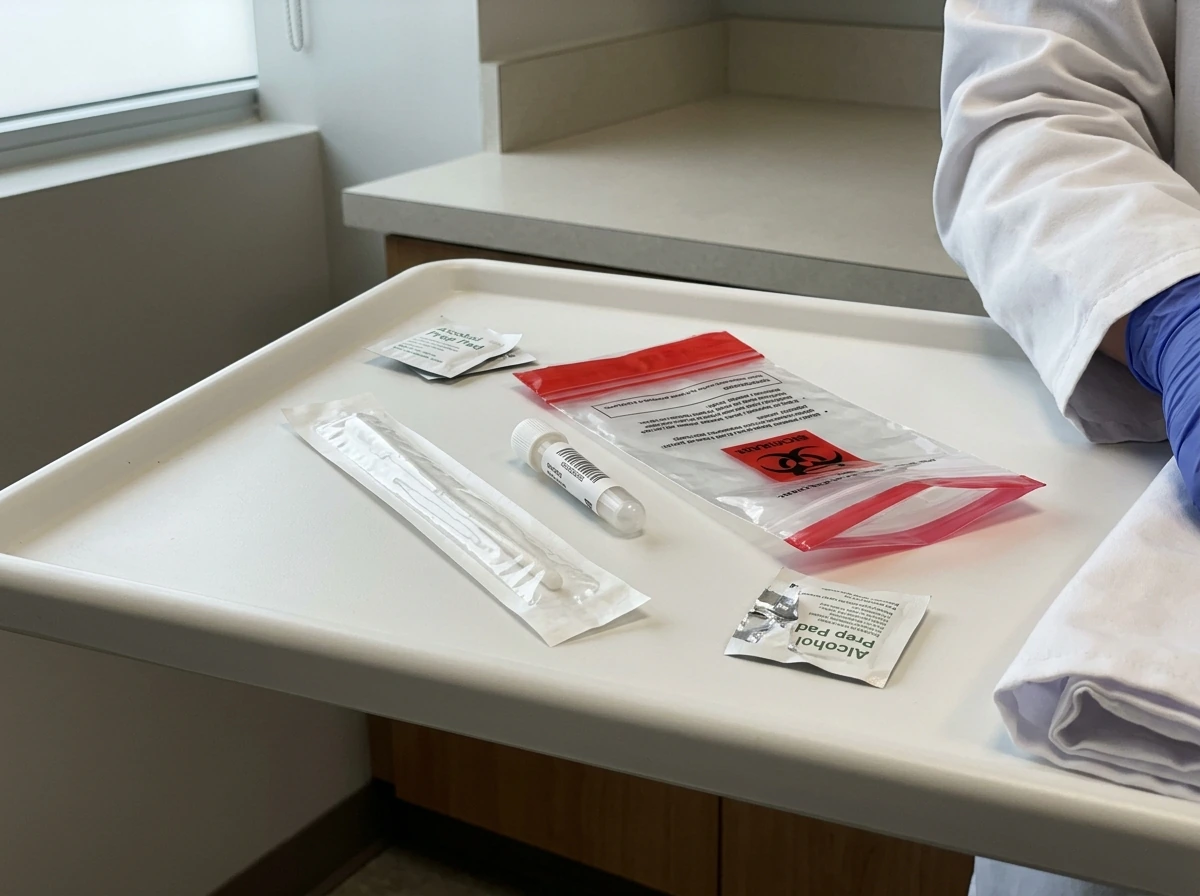
If H5N1 is suspected, clinicians will first test for seasonal influenza (since the symptoms overlap completely). If that comes back negative but H5N1 is still suspected, the health department gets involved and sends specimens to a state or CDC lab for specialized subtyping. If you are hospitalized with severe respiratory illness and you have had animal exposure, make sure your care team knows, because the clinical management and infection control approach changes significantly. CDC advises that hospitalized patients with suspected H5 infection should be notified to the health department promptly.
Practical prevention if you work with animals
The simplest prevention measures are also the most evidence-backed. Avoid unprotected contact with sick or dead birds, poultry, or other potentially infected animals. Do not touch your eyes, nose, or mouth after animal contact without washing your hands first. Use gloves, eye protection, and respiratory protection when working around animals in areas with known H5N1 detections. These steps matter not just for yourself but for reducing any chance of onward spread.
The bottom line on risk and severity
| Factor | What it means for you |
|---|---|
| Reported case fatality rate (H5N1) | ~48-50%, but likely lower due to undercounted mild cases |
| Your risk if you have no animal exposure | Low; no sustained human-to-human spread confirmed |
| Your risk if you work with infected animals | Elevated; monitor symptoms, use PPE, know your health department contact |
| How fast it can get serious | Rapid; pneumonia and ARDS can develop within days of symptom onset |
| Does antiviral treatment help | Yes, significantly; earlier is better, ideally within 48 hours of symptoms |
| What strain matters most | H5N1 is highest pathogenicity; other strains vary; watch for new strain news |
Bird flu is not something most people need to panic about today. If you are wondering whether the case fatality is that extreme, see how this compares to the question is bird flu 100 fatal in a real-world context. If you want to know how deadly is the bird flu, focus on how often cases lead to death rather than assuming all exposures become severe.
For more on the case fatality numbers in context, see how deadly is bird flu to humans. But it is also not something to brush off if you have had real animal exposure and start feeling sick. The virus can go from mild to severe fast, treatment works better the sooner you start it, and your local health department is genuinely set up to help you figure out what to do.
If you are trying to understand why is bird flu so deadly, the key point is how quickly severe lung and immune complications can develop. Those three things together are the most useful things to take away from all of this.
FAQ
If bird flu is deadly to humans, why is the overall risk still described as low for most people?
Because most cases require direct or close contact with infected birds, poultry, livestock, or contaminated environments. People without that type of exposure are not generally getting infected, so the high death rate seen in documented cases does not translate into everyday risk.
What should I do right after an exposure if I cannot get medical care immediately?
Start by avoiding touching your face and continue strict hand hygiene. If symptoms start within the usual incubation window (about 2 to 9 days, roughly 10 days to be cautious), contact your clinician or local health department promptly and mention the exact animal exposure and timing.
Does bird flu spread through casual contact, like sharing a room with someone sick?
For the strains currently tracked, sustained person-to-person spread has not been shown. That said, close-contact guidance still matters for confirmed cases because medical settings use airborne precautions when H5 infection is suspected.
If I only have mild symptoms after handling birds, should I still worry about H5N1?
Mild symptoms can occur, including eye irritation or mild upper respiratory illness, and those cases may go untested. If symptoms began after a high-risk exposure (sick or dead birds, poultry, or known infected sites), it is still worth calling for advice because antiviral treatment timing can affect outcomes.
How do I know whether my illness should be tested for bird flu versus just seasonal flu?
Clinicians usually test first for seasonal influenza because symptoms overlap. Testing for avian H5 infection becomes more likely when you have recent animal exposure and seasonal flu testing is negative or symptoms are unusually severe or rapidly progressive.
What is the incubation window, and does it change how long I should monitor myself?
For H5N1, symptoms typically begin around 3 days after exposure, with a reported range from about 2 to 9 days. Practically, monitor for symptoms for roughly 10 days after the exposure if it involved close contact with potentially infected animals.
Is antiviral treatment only for people who are already very sick?
Timing matters. The article notes that delays before antiviral treatment were associated with deaths. If H5N1 is suspected based on exposure and symptoms, ask whether antivirals can be started early, since waiting until severe respiratory trouble develops can be riskier.
Does protective equipment like eye protection actually matter, or is it mostly about masks?
Eye protection matters because lab findings show severe disease can occur when H5N1 is delivered through the eyes. If you are cleaning barns, slaughtering poultry, or handling animals in areas with detections, include eye protection with gloves and respiratory protection.
Are there specific warning signs that mean I should seek emergency care rather than waiting?
Yes. Trouble breathing, shortness of breath, or a feeling that you cannot get enough air are emergency warning signs. Since respiratory decline can worsen quickly in severe cases, do not wait for symptoms to improve on their own.
Does a headline about a 'new bird flu' strain mean the virus is more likely to infect humans now?
Not automatically. New strain reports may reflect newly detected viruses or new animal reservoirs, which can increase exposure opportunities without changing human-to-human risk. The key question is whether sustained transmission between people appears.
If someone around me is suspected of having H5N1, what precautions should I take?
Stay alert to official guidance from healthcare providers. In medical settings, staff use higher-level infection control when H5 infection is suspected. For you outside of a healthcare setting, the safest approach is to limit close contact until clinicians advise on appropriate precautions.
How should I discuss bird flu risk with my doctor if I have had animal exposure?
Bring the specifics: what animal you were exposed to, whether it was sick or dead, how you handled it, the date of the exposure, and when symptoms started. This helps clinicians decide whether to involve the health department for specialized testing and altered infection-control steps.