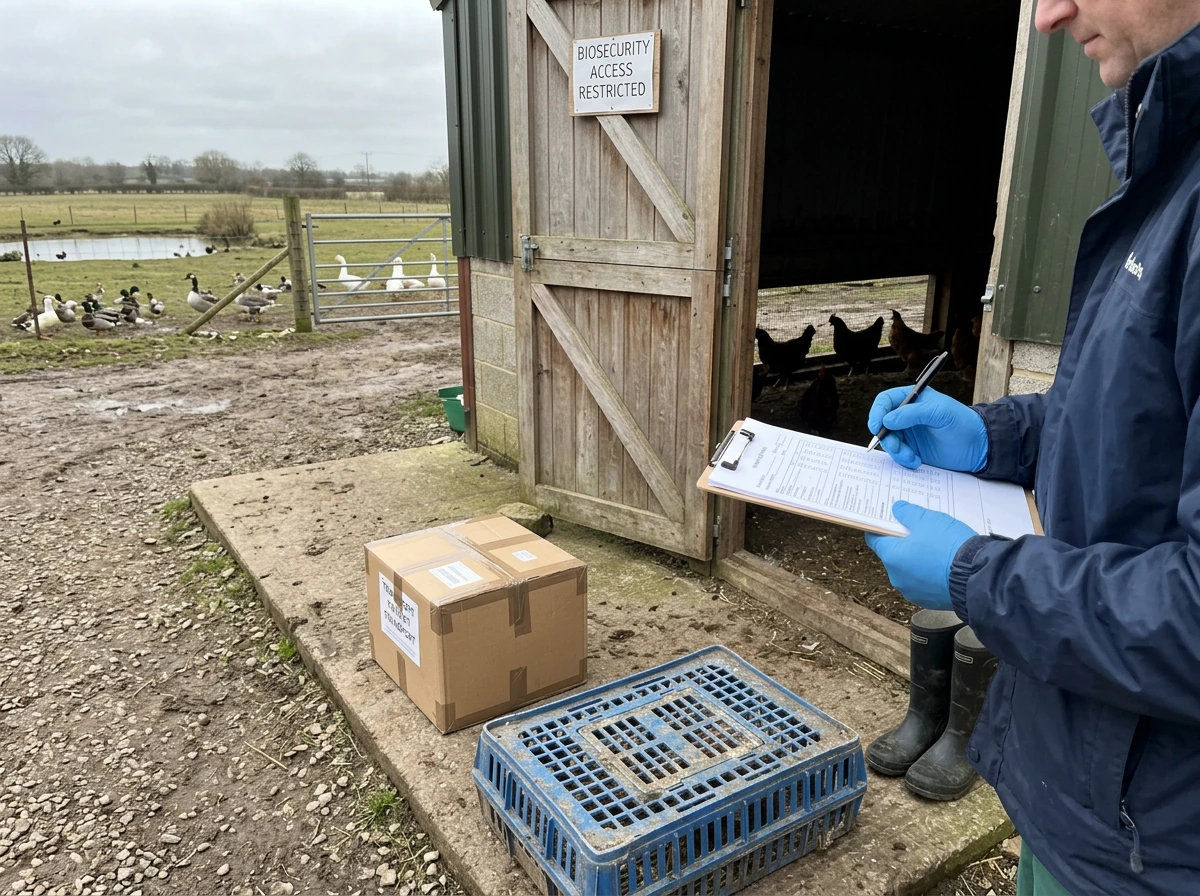
No, bird flu is not 100% fatal to humans. That number gets thrown around online, but it is not what the data actually shows. The confirmed case fatality proportion for H5N1, the strain that gets the most attention, has hovered above 50% historically, which is genuinely alarming, but it is a long way from 100%.
Is Bird Flu 100% Fatal? Risk, Symptoms, and What to Do Now

Maya Chen
22 Mar 2026

And even that 50%+ figure comes with a big asterisk: it almost certainly overstates the true risk because it counts only lab-confirmed, usually severe cases, not the milder infections that go undetected. So if you are asking whether you will definitely die if you catch bird flu, the honest answer is no. If you are asking whether it is serious enough to treat as an emergency, the answer is absolutely yes.
If you want a direct answer to how deadly is bird flu, remember the risk is real for severe confirmed cases but it is not the same as guaranteed death.
What "100% fatal" really means for bird flu
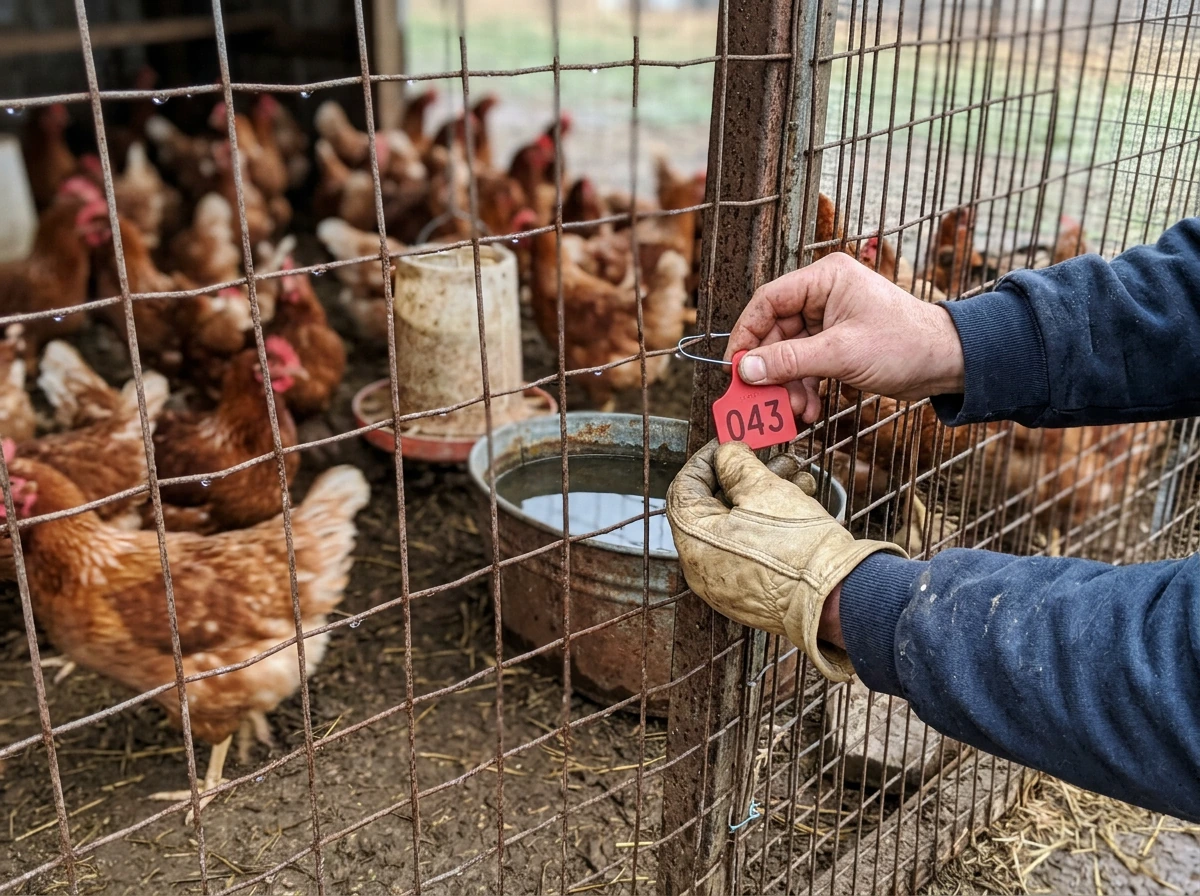
When people say bird flu is "100% fatal," they are usually misreading or misremembering a statistic. Here is what the numbers actually say. Between January 1 and August 4, 2025, there were 26 globally detected H5N1 human infections, and 11 of those people died. That is a case fatality proportion of roughly 42% for that window, not 100%. Over the longer historical record since 2003, the WHO-tracked cumulative case fatality has been reported at over 50%, but that number has the same flaw: it only reflects cases serious enough to be confirmed by a lab.
Here is the key concept to understand: there is a difference between the "case fatality proportion" and the "infection fatality rate." The case fatality proportion counts deaths among confirmed, diagnosed cases. The infection fatality rate counts deaths among everyone who was actually infected, including mild or asymptomatic cases. For bird flu, serological studies (blood antibody surveys) suggest that many more people have been exposed and infected than official counts show, meaning the true infection fatality rate is probably lower, possibly much lower, than the headline case fatality figures suggest. The people who get tested and confirmed are usually the ones sick enough to be hospitalized, which skews the numbers toward worst-case outcomes.
The bottom line: the fatality risk is real and serious, especially for confirmed severe infections. But the "100% fatal" framing is simply wrong, and understanding why matters if you want to make clear-headed decisions about your own risk.
Bird flu basics and which strains affect humans most
Avian influenza, or bird flu, refers to influenza A viruses that primarily circulate in birds. They are classified by two surface proteins: hemagglutinin (H) and neuraminidase (N). Not all strains are equally dangerous to people, and most never infect humans at all. Not all strains spread or harm people the same way, which is why the question “is the bird flu deadly to humans” depends heavily on the specific strain involved. The ones that do make the news, and that warrant real attention, are a handful of highly pathogenic strains.
H5N1 is the strain most associated with severe human disease. The CDC notes that sporadic human H5N1 infections have been reported across 23 countries since 1997, and it carries the highest documented fatality proportion of the strains that infect people. H7N9, which caused outbreaks primarily in China, is another serious strain, with an incubation period estimated around 6 days (range 1 to 10 days) and a similarly concerning case fatality proportion. H5N6 and H5N8 have also caused limited human cases. As of early 2026, H5N1 remains the strain driving most concern among public health authorities, particularly given ongoing animal reservoir activity in poultry and wild birds across multiple continents.
One important reassurance, for now: these viruses do not spread easily between people. The current risk is classified as primarily zoonotic, meaning animal-to-human transmission. Sustained human-to-human spread has not been established, which is the main reason we are not dealing with a human pandemic from bird flu today. Scientists do note that certain mutations could change this picture, so the situation warrants ongoing monitoring.
How bird flu spreads to people and exposure risk
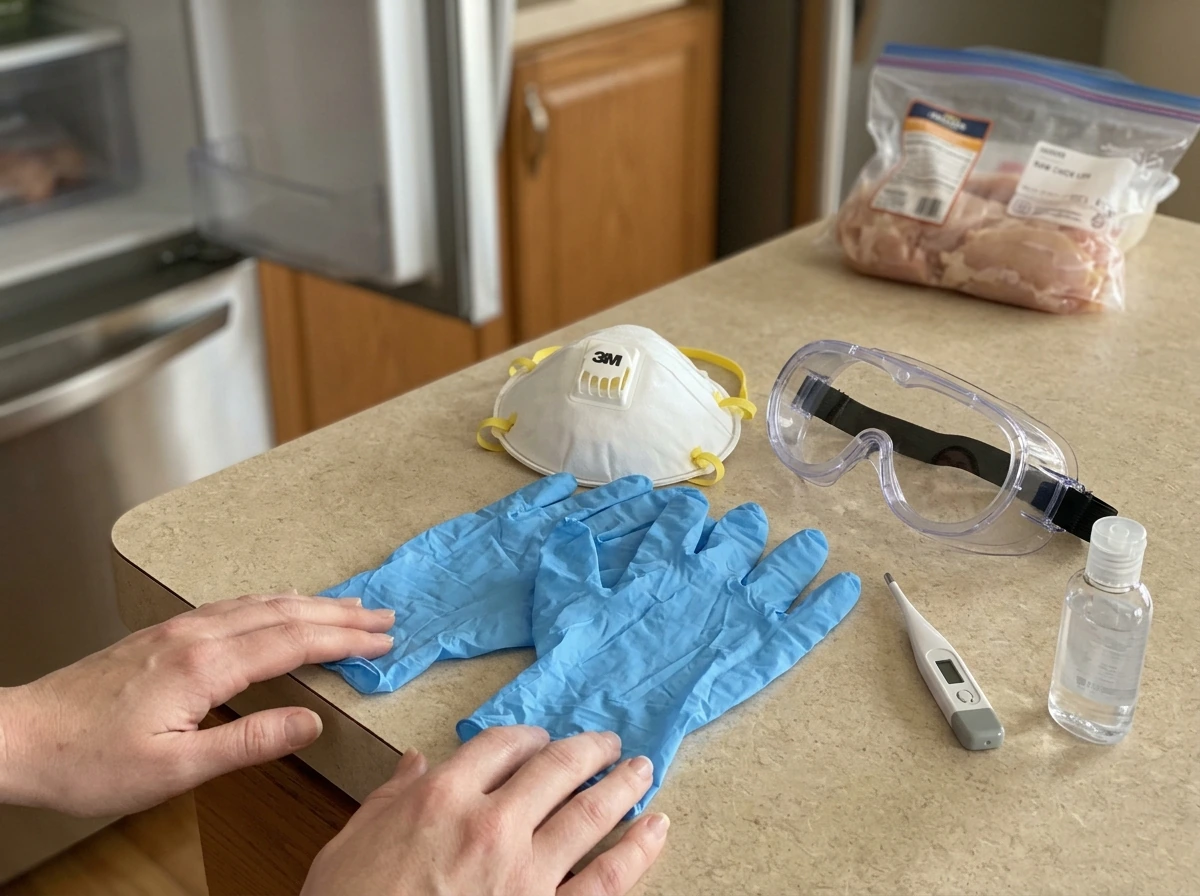
The primary way people get infected is through direct or close contact with infected birds or animals. This includes touching live or dead infected poultry, handling their eggs or droppings, or spending time in environments contaminated with the virus, such as live bird markets. The WHO and CDC both list exposure to infected animals or contaminated environments as the number-one risk factor. Respiratory droplets, saliva, mucus, and feces from infected animals are all potential transmission vehicles.
For most people going about daily life in a country with standard food safety oversight, the practical risk is low. The people with genuinely elevated risk include poultry farmers, slaughterhouse workers, veterinarians and animal health workers, wildlife researchers, and anyone who regularly handles live birds or visits live bird markets. The CDC characterizes the risk to people in contact with potentially infected animals or contaminated surfaces as "moderate to high," while noting there is real uncertainty in that estimate due to variability in exposure levels and testing.
Eating properly cooked poultry or eggs does not pose a meaningful infection risk, because heat destroys the virus. The concern is raw handling before cooking or close proximity to sick birds without protective gear.
Symptoms and when to treat it as an emergency
Bird flu symptoms in humans can start mild and escalate fast, which is one of the reasons early action matters so much. The initial presentation often looks like regular flu: fever, cough, sore throat, muscle aches. But the warning signs that separate this from a typical seasonal flu are worth knowing.
- Eye redness or discharge (conjunctivitis), which is a distinctive early sign in some H5N1 cases
- Fever, especially high-grade fever, combined with a known or possible exposure to infected animals
- Shortness of breath or difficulty breathing, which can signal rapid progression to pneumonia
- Cough that worsens quickly over days rather than staying steady
- Diarrhea, nausea, or vomiting alongside respiratory symptoms
- In severe cases: seizures or altered mental status, which indicate neurological involvement
The progression to pneumonia and respiratory failure is what makes H5N1 and similar strains so dangerous. This can happen within days of symptom onset. If you have had any relevant exposure to potentially infected birds or animals and you develop fever plus any respiratory symptom, do not wait to see if it improves on its own. That combination, exposure history plus symptoms, is the trigger for immediate action. Go to an emergency department or call emergency services if breathing becomes difficult. Do not drive yourself if you are struggling to breathe.
Survival odds and factors that change fatality rate
Your odds of surviving a bird flu infection are not fixed. That variability helps explain why the bird flu mortality rate is often reported as so high, even when it is not “100%.” bird flu mortality rate so high. Several factors meaningfully shift outcomes, and many of them are within your control or at least within the control of the healthcare team treating you.
| Factor | How it affects survival |
|---|---|
| Strain of virus | H5N1 carries the highest documented fatality proportion. Other strains like H7N9 are also serious but may differ in severity. |
| Time to treatment | Antivirals work best within 48 hours of symptom onset. Delay significantly worsens outcomes. |
| Age and underlying health | Older adults, immunocompromised individuals, and those with chronic lung or heart disease face higher risk. |
| Access to supportive care | ICU-level care, oxygen support, and mechanical ventilation can be lifesaving in severe cases. |
| Geographic location | Healthcare infrastructure varies widely; resource-limited settings see worse outcomes on average. |
| Viral load and exposure intensity | Heavy or prolonged exposure to infected animals may result in a higher initial viral burden. |
The single most controllable factor on this list is time to antiviral treatment. The data is consistent on this point: earlier treatment equals better outcomes. That is why the CDC recommends starting oseltamivir (Tamiflu) as soon as possible, ideally within 48 hours of symptom onset. In severe or high-risk cases, clinicians are advised to start treatment even if more than 48 hours have passed, because the benefit still outweighs the risk of doing nothing.
What to do now after exposure or symptoms
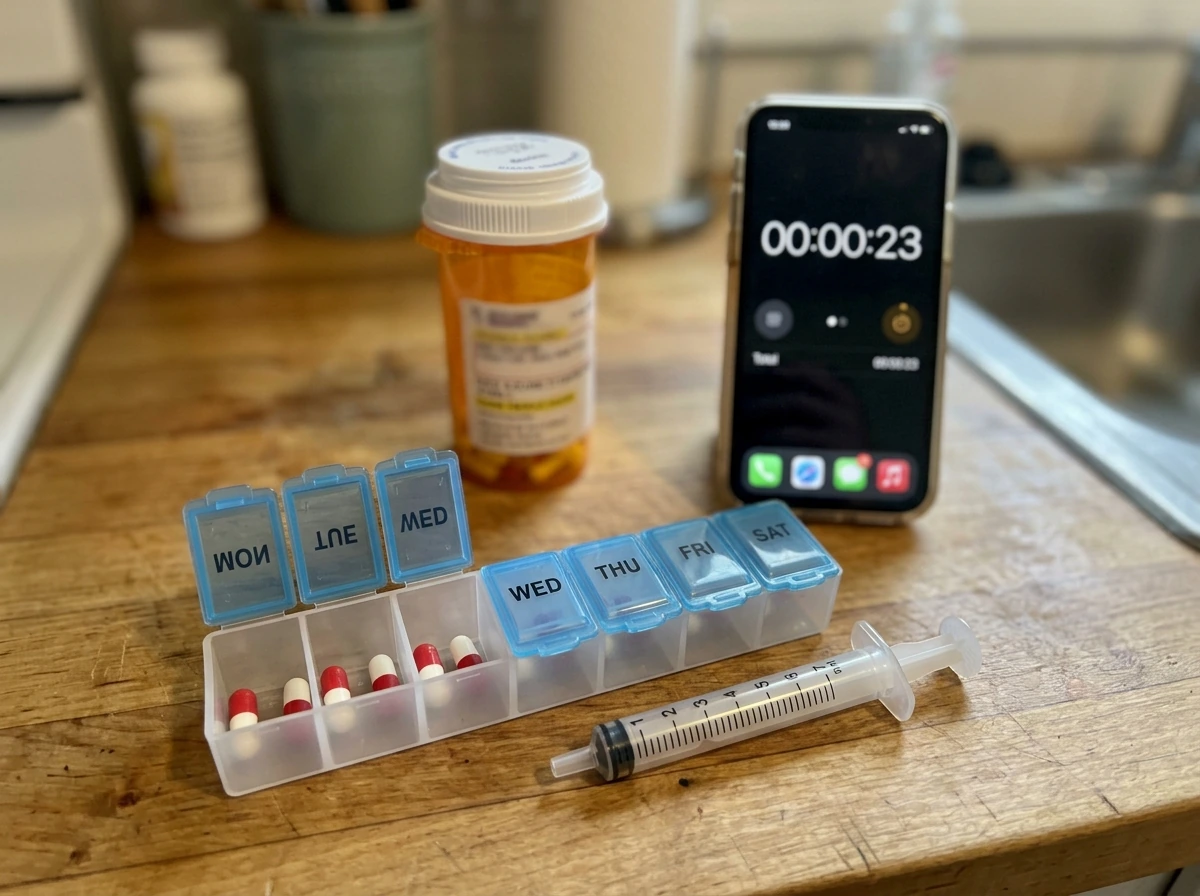
If you have been in close contact with potentially infected birds, poultry, or other animals and you are now feeling sick, treat this as urgent. Here is exactly what to do.
- Call your state or local health department right away. They need to know about potential bird flu exposures, and they can coordinate testing and guidance faster than a regular clinic visit alone.
- Contact your healthcare provider and tell them specifically about the animal exposure. Use the words "potential bird flu exposure" so they prioritize correctly and take infection control precautions before you arrive.
- If you are having difficulty breathing, chest pain, confusion, or severe respiratory symptoms, call emergency services (911 in the US) immediately. Do not wait for a callback.
- Isolate yourself from others in your household as much as possible. Wear a well-fitting mask if you must be around people. Avoid public transportation.
- Do not go to a crowded urgent care or ER waiting room without calling ahead first. Hospitals need to prepare infection control measures before you walk in.
- Wash hands frequently with soap and water for at least 20 seconds. Avoid touching your face.
- If you were exposed but are not yet symptomatic, your health department may recommend post-exposure prophylaxis with antivirals. This should start as soon as possible after exposure and continue for 7 to 10 days after the last known exposure.
Do not sit on this. Because it can be deadly, the short answer to “is bird flu deadly to humans” is that it is not guaranteed death, but serious cases can be fatal. Bird flu can be serious for dogs in certain cases, but the risk and severity are not the same as for humans bird flu for dogs. Understanding how dangerous bird flu can be for humans depends on the specific strain and how quickly treatment starts. The gap between "I feel off" and why is bird flu mortality rate so high" can close quickly with bird flu. The system is designed to handle this kind of situation, but only if you engage it early.
Treatment and prevention basics
Antiviral medications
Oseltamivir (Tamiflu) is the primary antiviral used for bird flu treatment and post-exposure prevention. CDC interim guidance on influenza antiviral post-exposure prophylaxis also emphasizes [monitoring exposed persons for 10 days after the last known exposure](https://www. cdc. gov/bird-flu/hcp/clinicians-evaluating-patients/interim-guidance-post-exposure.
html) and tailoring decisions about starting antivirals to exposure type, timing, protection used, and clinical risk. The CDC recommends it be started as soon as possible for anyone with suspected, probable, or confirmed H5N1 infection. For treatment, earlier is always better, with the 48-hour window being the ideal target, but clinicians are advised to give it even in severe or late-presenting cases.
For post-exposure prophylaxis, WHO guidelines recommend starting as soon as exposure status is known and continuing for 7 to 10 days after the last known exposure. In severe hospitalized cases, oseltamivir treatment may be extended beyond the standard 5-day course based on clinical judgment.
Supportive care
Antivirals are not the whole story. Supportive hospital care, including oxygen therapy, fluid management, and in severe cases mechanical ventilation, is critical for patients who develop pneumonia or respiratory failure. Getting to a facility with ICU capability matters. This is one of the reasons outcomes differ so dramatically between high-resource and low-resource settings.
Practical prevention for people with exposure risk
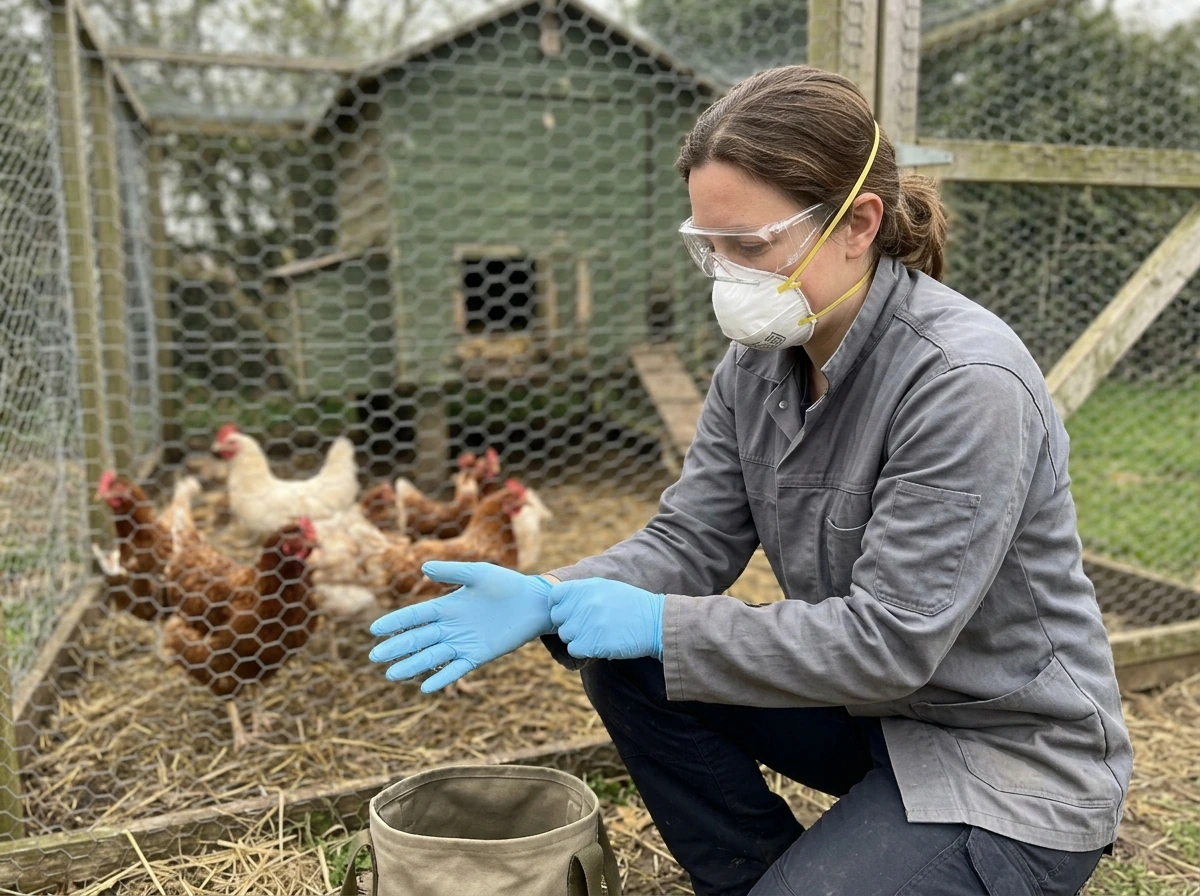
- Wear gloves, a well-fitting respirator (N95 or better), and eye protection when handling potentially infected birds or animals
- Avoid touching your face during and after animal handling
- Wash hands thoroughly with soap and water after any contact with birds, poultry, or their environments
- Avoid live bird markets when possible, especially during active outbreak periods
- Do not handle dead birds or sick animals with bare hands
- Cook poultry and eggs thoroughly: internal temperature of at least 165°F (74°C) destroys the virus
- If you work in a high-risk occupation, talk to your employer and your health department about monitoring protocols and access to antivirals
One final point worth making: the situation with bird flu evolves. Fatality estimates, outbreak scope, strain activity, and official guidance can and do change as health authorities gather more data. The figures in this article reflect what is known as of early 2026, but checking CDC.gov and WHO.int for the latest updates is always worth doing if you are in a high-risk situation or working in a field where bird flu exposure is possible. What does not change is the core advice: take exposure seriously, act early, and get professional help fast.
FAQ
If someone is diagnosed with bird flu, does that mean they will definitely die?
Not automatically. Bird flu can be severe, but being “positive” or “suspected” does not mean death is guaranteed. The biggest practical divider is how quickly treatment starts, plus whether the illness progresses to pneumonia. Even after symptoms begin, clinicians may still start antivirals beyond the ideal window if the case is severe or high-risk.
What should I do right after a known bird flu exposure to reduce my risk?
Yes, you can lower risk. If you have close exposure to potentially infected birds or contaminated environments, the key steps are contacting urgent medical care early and asking about antiviral treatment and/or post-exposure prophylaxis. For prophylaxis, it is most effective when started as soon as your exposure status is known, and it typically continues for about a week after the last known exposure.
Can I rule out bird flu at home with a flu test or symptoms alone?
Do not rely on a home COVID or flu test to rule it out. Bird flu testing requires clinical evaluation and lab testing for influenza A subtypes, and results depend on specimen quality and timing. If you had relevant exposure and then develop fever plus any respiratory symptoms, you should seek emergency evaluation even if a home test is negative.
Is bird flu risk from eating poultry or eggs, or is it mostly from handling birds?
Heat treatment is the practical issue. Properly cooking poultry and eggs reduces risk because the virus is destroyed by cooking temperatures used in normal food preparation. The higher risk is usually raw handling before cooking, cross-contamination of surfaces, and close exposure to live or sick birds.
How close does “contact” have to be for bird flu risk to matter?
It depends on what you mean by “contact.” Touching or being in close proximity to sick birds, their droppings, or contaminated environments without appropriate protection increases risk. Brief distance from people who are ill with typical respiratory viruses is not the main concern here because sustained person-to-person spread has not been established for these strains.
If I’m already past 48 hours since symptom onset, should I still seek antiviral treatment?
Yes. The article discusses antiviral timing, but your clinician may also broaden the “action window” if you are hospitalized, have severe symptoms, or are in a high-risk group. That means you should not wait for a specific test result if symptoms and exposure history already raise concern.
At what point should I treat symptoms as an emergency, even if they seem mild initially?
If you develop breathing trouble, that is an emergency regardless of whether symptoms are mild at first. The safest approach is to go to emergency care if you have fever plus respiratory symptoms after relevant animal exposure, and to call emergency services if you are struggling to breathe or worsening quickly.
How much does access to ICU-level care affect bird flu outcomes?
Yes, and it changes your odds of survival indirectly. Outcomes are better when patients get supportive ICU-level care quickly, including oxygen, fluids, and mechanical ventilation if needed. If you are in a setting without rapid access to advanced respiratory care, you should escalate urgency and seek transfer sooner rather than later when symptoms suggest pneumonia.
If my exposure was several days ago, when should I start worrying if I feel sick?
Common mistake, the incubation period varies, so missing the early window is dangerous. If you had exposure, then develop fever plus cough or sore throat within the days afterward, you should get assessed promptly. Waiting for symptom “confirmation” can delay antivirals.
Do pregnancy, age, or other health conditions change what I should do after exposure?
Some people require different clinical prioritization. Those who are pregnant, immunocompromised, elderly, or who have significant chronic lung or heart disease may be treated more aggressively because progression to respiratory failure can be faster. If you are in a higher-risk personal category, tell the emergency team directly along with the exposure timeline.
If I’m exposed but not sick, should I ask about prophylaxis, and for how long?
Yes. Post-exposure prophylaxis is typically considered for people with defined high-risk exposure, and it usually relies on the timing of when your exposure is known and when it ended. Ask the clinician whether you qualify, what duration applies to your situation, and how to handle any symptom development during the prophylaxis period.
Next Article
How Deadly Is Bird Flu? Mortality in Birds and Chickens
How deadly bird flu is to chickens and birds, what drives mortality, and immediate steps to act fast if suspected.