
Bird flu can be devastatingly lethal to poultry, especially chickens. In a worst-case HPAI (highly pathogenic avian influenza) outbreak, you can lose 90 to 100 percent of a flock within 48 hours. That is not a scare statistic, that is what the science and field reports consistently show. But not every case hits that ceiling, and understanding what drives mortality up or down is exactly what helps you act fast enough to matter. Bird flu can also be deadly to humans, but that risk depends on exposure and the specific virus involved <a data-article-id="0575CE18-9D3F-4929-AAF8-04B5C9C34E95"><a data-article-id="0ABD3778-7CAB-429A-BA9D-5CD6F9EE552B">is bird flu deadly to humans</a></a>.
How Deadly Is Bird Flu? Mortality in Birds and Chickens

Maya Chen
22 Mar 2026
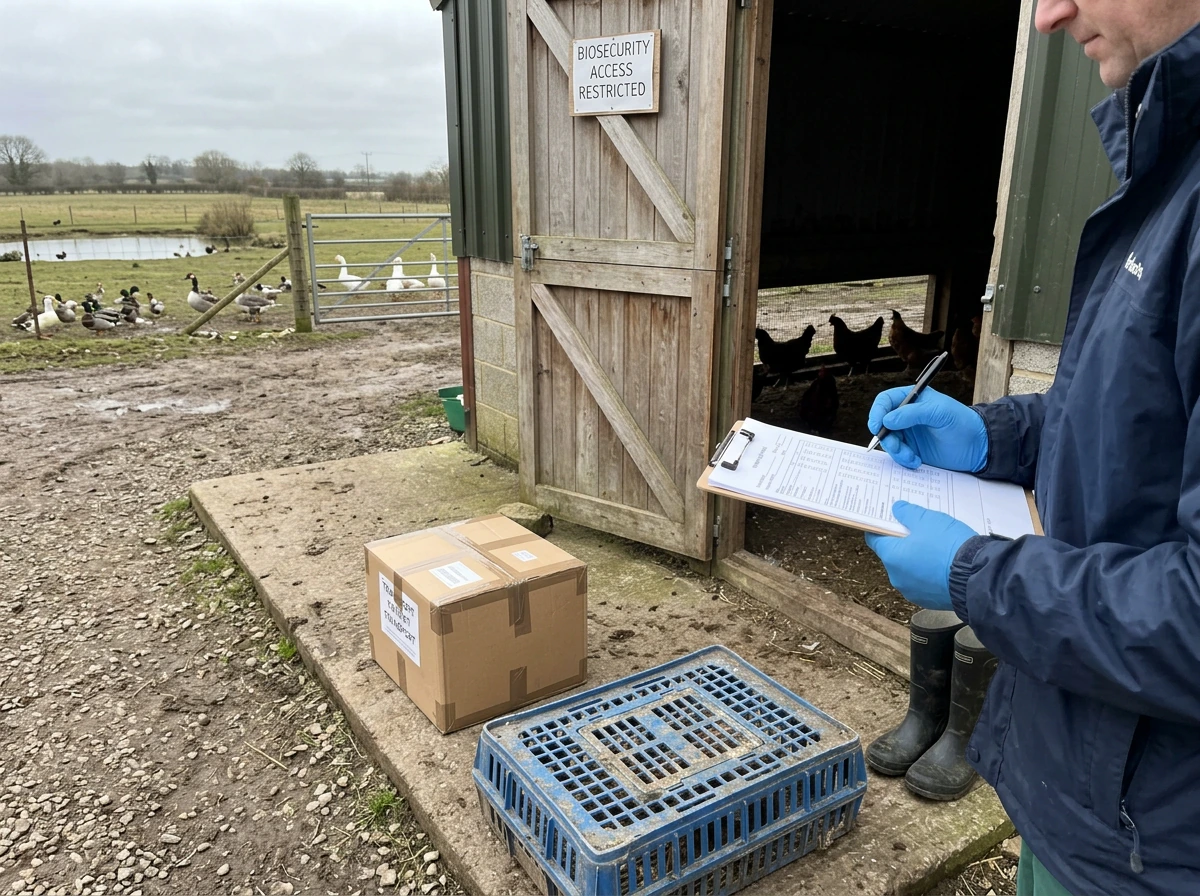
Bird flu in birds vs. chickens: what the baseline risk actually looks like
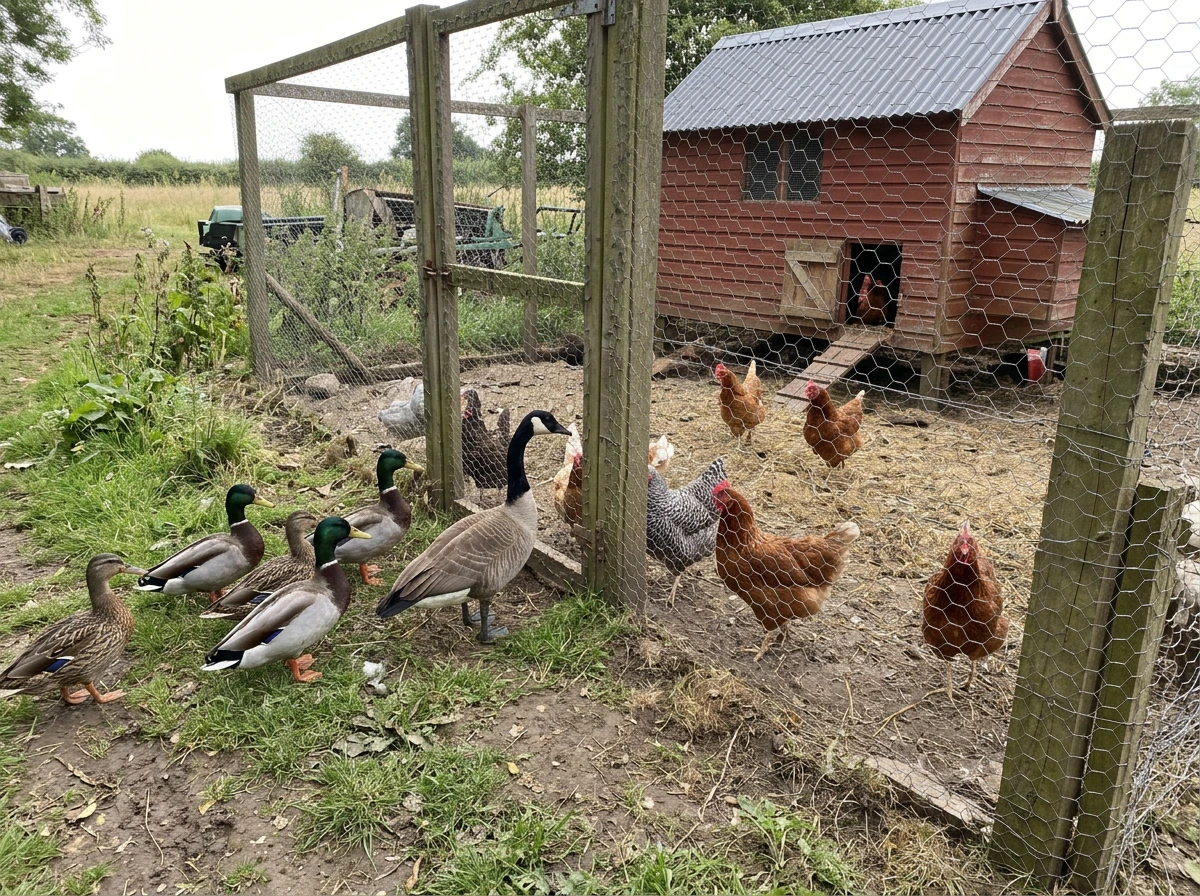
The short answer: chickens are among the most vulnerable animals to HPAI. Waterfowl like ducks and geese can carry the virus with few or no symptoms, acting as silent reservoirs. Chickens and turkeys, on the other hand, tend to get hit hard and fast. That biological difference is one reason outbreaks in commercial poultry operations are so catastrophic.
The World Organisation for Animal Health (WOAH) formally defines a virus as 'highly pathogenic' if it causes roughly 90 percent or greater mortality in standardized chicken challenge tests. That 90 percent figure is the scientific benchmark, and real-world field outbreaks track closely with it. A documented HPAI outbreak in a commercial farm in Brazil, for example, saw 92 percent mortality in the affected flock before culling of remaining birds. That is consistent with what researchers and extension specialists see repeatedly.
Wild birds face serious risk too, but the picture is more variable. Some species, especially seabirds and raptors, have experienced massive die-offs during the ongoing H5 panzootic, with some colonies losing more than 30 percent of their population and some Dutch breeding colonies losing virtually all breeding adults. But many wild bird species survive exposure, carry the virus asymptomatically, and spread it further. The key takeaway: chickens are far more likely to die than ducks, and that distinction shapes everything about how you should respond.
What makes bird flu more or less lethal in a flock
Mortality is not fixed. Several factors push it up or pull it down, and knowing them helps you understand both the risk and what you can control.
The virus strain matters most
Not all avian influenza viruses are created equal. HPAI strains (primarily certain H5 and H7 variants) are the ones that kill fast and broadly. Low pathogenicity avian influenza (LPAI) strains cause milder disease, mainly respiratory symptoms and production drops, with far lower mortality. Within HPAI itself, there is still meaningful variation. Experimental comparisons of H7N1 and H5N8 HPAI in chickens found that H7N1 was considerably more virulent, with higher mortality rates and shorter average times to death. Chicken breed also made a measurable difference in outcomes in that same study, which gets us to the next factor.
Flock susceptibility and prior exposure
Naive birds (those with no prior exposure and no vaccination history) die at much higher rates. One experimental challenge study with H7N7 HPAI in point-of-lay hens reported 62.5 percent mortality in naive groups, and that was under controlled conditions with a single strain. In a commercial setting with optimal conditions for spread, mortality climbs higher. Prior immunity, whether from vaccination or natural exposure, can significantly change the trajectory.
Housing density and environmental stress
Dense housing accelerates transmission dramatically. If one bird is shedding virus by day 3 post-infection (which experimental data supports), the next bird is already infected before the first one shows obvious signs. Overcrowding, poor ventilation, and stressors like extreme temperature fluctuations all lower immune resilience and speed viral spread through a flock.
Speed of detection and response
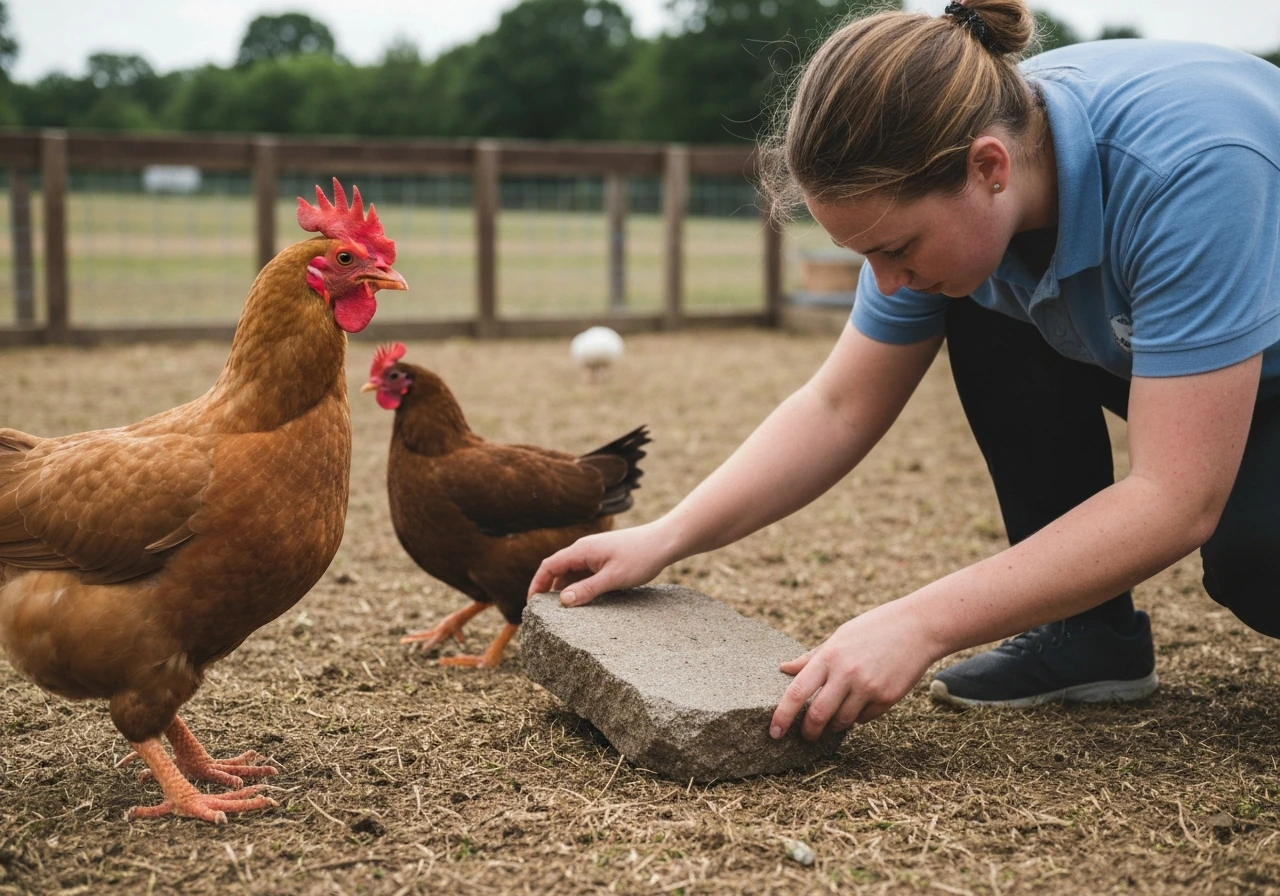
This one is within your control. Outbreak modeling from a commercial farm case showed that delaying control measures from 3 days to 10 days dramatically increased the number of secondary farms infected. The virus does not wait for paperwork. Every hour between first signs and containment action changes the outcome, both for your flock and for neighbors.
How fast bird flu kills and what 'severe' looks like
HPAI moves fast. Experimental data shows infected chickens can die within 3 to 5 days of inoculation, and the virus can be spreading within the flock by day 3. Cornell extension specialists have documented field scenarios where 90 to 100 percent of a flock dies within 24 to 48 hours. Some birds die before showing any symptoms at all, which USDA APHIS specifically lists as a red-flag warning sign.
When symptoms do appear before death, severe HPAI in chickens typically looks like this:
- Sudden, unexplained death with no prior signs of illness
- Severe respiratory distress (open-mouth breathing, labored breathing)
- Cyanosis (blue or purple discoloration of the comb, wattles, or legs from poor oxygenation)
- Watery or bloody diarrhea
- Neurological signs including loss of coordination, tremors, or inability to stand
- Dramatically reduced egg production, often dropping to near zero very quickly
- Swelling of the head, neck, or face
The speed from 'something is off' to 'most birds are dead' can be measured in hours with HPAI. This is not a disease where you watch and wait a few days to see if things improve.
Signs to watch for and exactly when to call for help
If you manage poultry, whether commercially or in a backyard flock, there are specific patterns that should trigger an immediate call to your state veterinarian or USDA APHIS, not a 'let's see what happens overnight' situation.
Call immediately if you see any of these
- Multiple birds dying suddenly with no obvious cause (predator attack, toxin, etc.)
- A rapid spike in flock mortality over 24 to 48 hours
- Respiratory distress spreading through the flock
- Unusual neurological symptoms affecting several birds at once
- Swollen heads or faces combined with other signs
- Egg production dropping sharply and suddenly alongside any illness signs
One dead bird can have many explanations. Multiple dead birds in a short window with unexplained causes is a different situation entirely. North Carolina's veterinary guidance makes the right point: a die-off pattern warrants investigation, not assumption. Do not assume it is something benign just because you have not confirmed HPAI.
Who to contact and how
- Call the USDA APHIS toll-free reporting line: 1-866-536-7593
- Contact your state veterinarian's office (every state has one, and they coordinate directly with federal response teams)
- Reach out to your state's veterinary diagnostic laboratory for necropsy and testing if you have recently dead birds
- If you work with a flock veterinarian, call them in parallel, but do not let that delay the state/federal notification
Do not move birds, equipment, or people off the property while you wait for a response. Movement is one of the primary ways the virus spreads to other premises. Stay on site, document what you are seeing (photographs, mortality counts, timelines), and wait for official guidance on next steps.
Treatment and survival odds: what you can realistically do
This is the part nobody wants to hear, but you need to hear it clearly: there is no curative treatment for HPAI in poultry flocks. USDA APHIS states explicitly that the only way to stop the disease is to depopulate all affected and exposed birds. There is no antibiotic, no supportive care protocol, no antiviral regimen that changes the outcome once HPAI is confirmed in a commercial or backyard flock.
When a flock tests positive, the standard response is depopulation, typically targeted within 24 to 48 hours of confirmed detection. APHIS guidance is clear that speed matters: delay in depopulation allows further spread, both within the property and potentially to neighboring farms. Carcass disposal and thorough premises disinfection follow immediately after.
For individual backyard bird owners, the reality is similarly difficult. There are no approved therapeutic treatments, and isolating individual sick birds does not stop flock-level spread once HPAI is established. There are no approved therapeutic treatments, and isolating individual sick birds does not stop flock-level spread once HPAI is established. mortality risk in the absence of rapid intervention, are very low. For chickens specifically, they are close to zero if the strain is highly pathogenic and detection is delayed.
What veterinarians and animal health officials can do is help you report accurately, get testing done quickly, coordinate depopulation humanely, and guide you through the indemnity and cleanup process. That support matters enormously even if treatment is not on the table.
Reducing death losses: prevention that actually works
Since treatment is not an option, prevention is everything. The good news is that biosecurity measures are well-documented and genuinely effective at keeping the virus out before it reaches your flock.
Biosecurity basics that make a real difference
- Keep all poultry away from wild birds, especially waterfowl. This is the single most critical contact point for introduction of the virus.
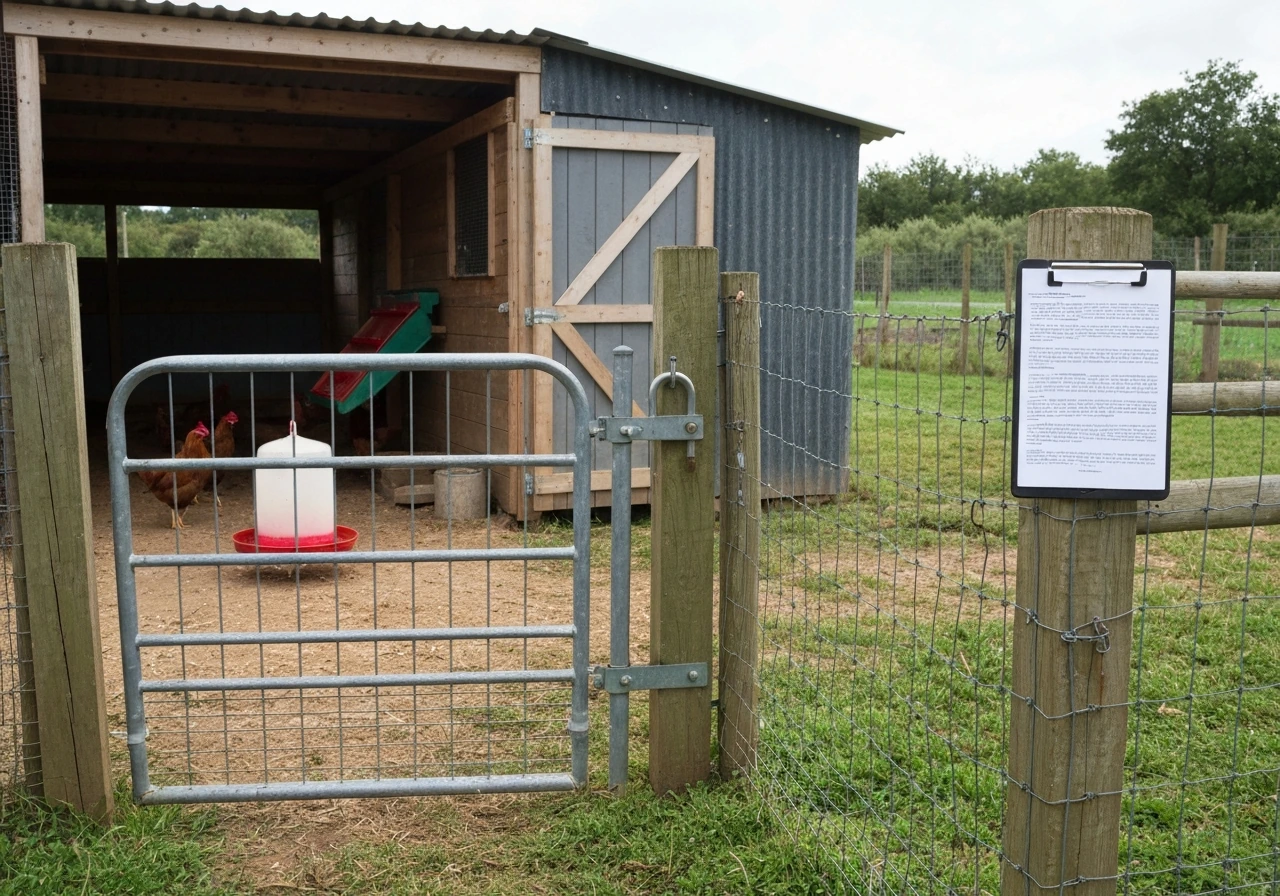
- Use bird-proof housing or netting to prevent wild bird entry into chicken areas.
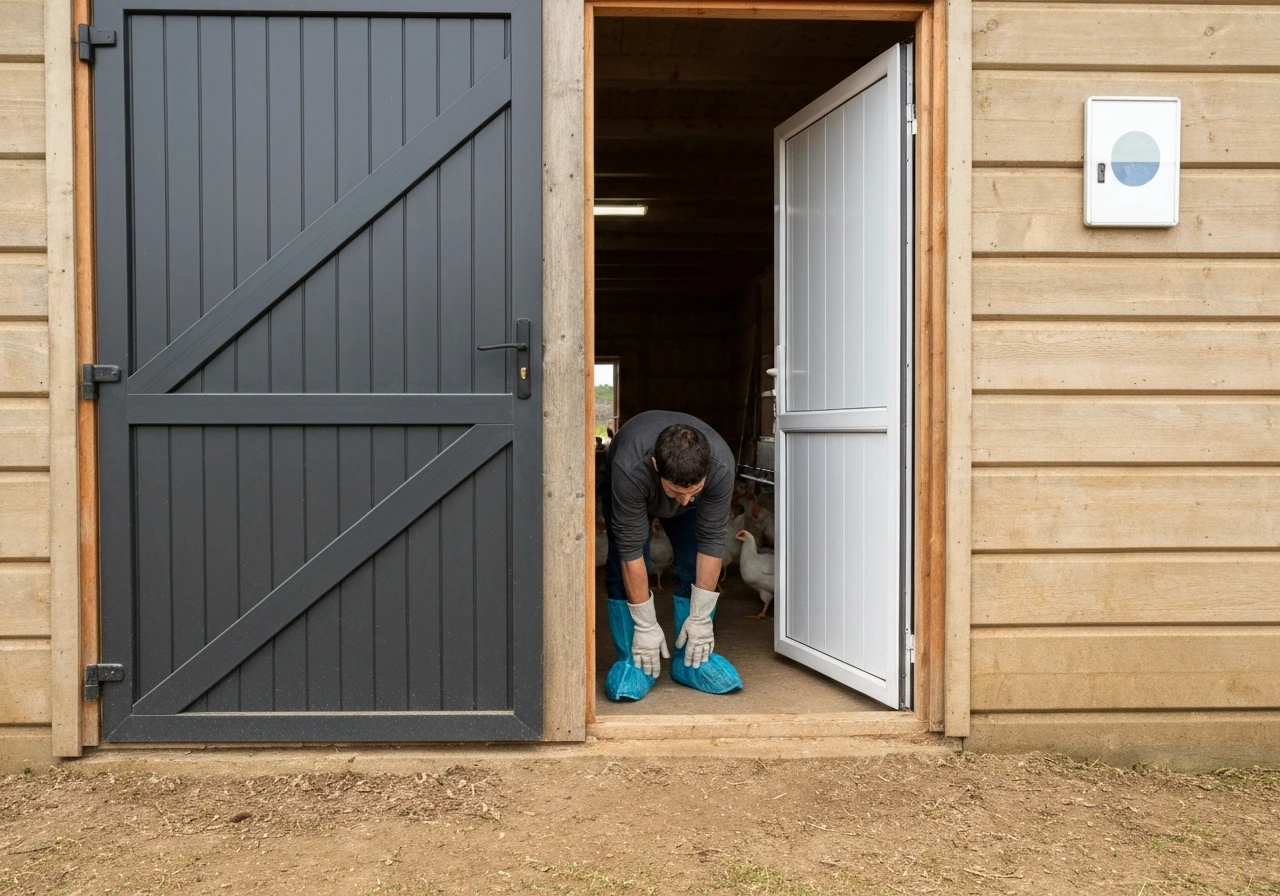
- Change clothes and footwear before entering poultry areas, especially after being around other birds or farms.
- Limit visitors to your premises. Anyone who enters should follow a defined biosecurity protocol.
- Disinfect vehicles, equipment, and footwear that come from other farms before they contact your birds.
- Do not share equipment between farms without thorough disinfection.
- Source new birds only from NPIP (National Poultry Improvement Plan) certified flocks and quarantine new additions for at least 30 days.
- Keep wild bird feeders far away from poultry housing and eliminate standing water that attracts waterfowl.
Vaccination: where things stand right now
Vaccination for HPAI in poultry is a topic that has grown significantly in relevance given the scale of recent outbreaks. WOAH acknowledges that vaccination can increase resistance to infection and reduce clinical disease and production losses. However, it frames vaccination as a supplemental tool, not a standalone solution that eliminates mortality risk.
In the United States, vaccination against H5 and H7 subtypes is not permitted without specific regulatory conditions in place, partly due to trade implications (vaccinated flocks complicate export status under international agreements). As of early 2026, USDA is advancing national planning for vaccine deployment and testing strategies, but broad field use in commercial U.S. poultry is still operating under controlled conditions rather than open availability. If you are managing a large commercial flock and want to explore vaccine options, contact APHIS directly for the current regulatory status, because this is an area where policy continues to develop.
How different prevention measures compare
| Prevention Measure | Effectiveness | Practical Complexity | Cost Level |
|---|---|---|---|
| Wild bird contact restriction | Very high for reducing introduction risk | Low to moderate (housing modifications) | Low to moderate |
| Strict visitor and vehicle biosecurity | High for preventing cross-farm spread | Moderate (requires consistent protocols) | Low |
| New bird quarantine (30+ days) | High for preventing introduction from purchased stock | Low (time cost only) | Low |
| Equipment and footwear disinfection | High when consistently applied | Low (simple disinfectant protocols) | Very low |
| HPAI vaccination (where permitted) | Moderate to high (reduces severity and shedding) | High (regulatory approval required) | Moderate to high |
| Surveillance and early detection testing | Very high for limiting spread once virus enters | Moderate (requires lab relationships) | Moderate |
Your immediate action plan
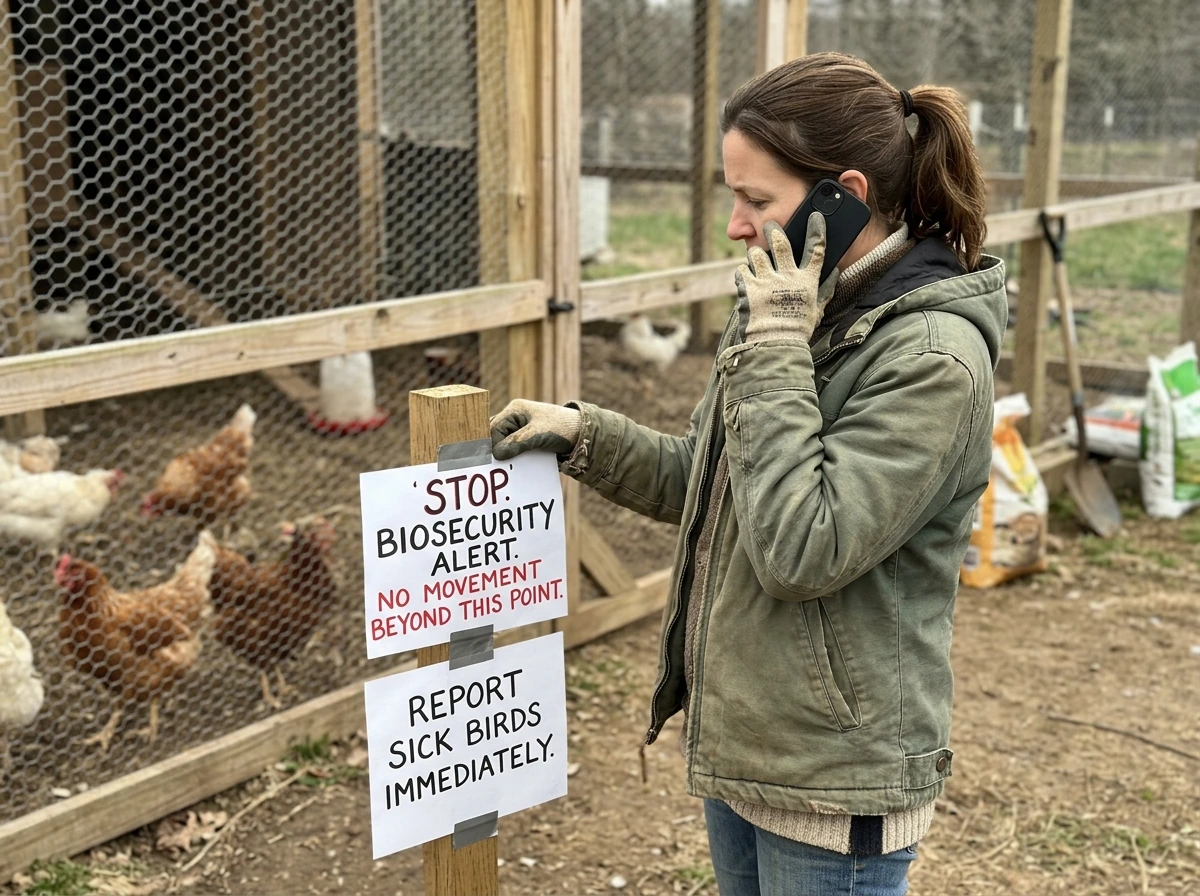
If you are reading this because you already have sick or dying birds, here is what to do right now:
- Stop all movement of birds, equipment, and people off the property immediately.
- Call USDA APHIS at 1-866-536-7593 and your state veterinarian's office in parallel.
- Document everything: number of dead birds, time of first deaths, symptoms observed, any recent contact with wild birds or outside equipment.
- Do not dispose of carcasses until officials advise you to. Dead birds are the key diagnostic samples.
- If you have multiple flock areas on the property, isolate them from each other as best you can while waiting for guidance.
- Notify neighboring poultry operations so they can heighten their monitoring immediately.
If you are reading this as preparation rather than active crisis management, use this time well. Walk your biosecurity protocols today, identify your weakest points for wild bird contact, and make sure you have the APHIS reporting number and your state vet's contact saved somewhere accessible. Bird flu at its worst can take a flock in 48 hours. In worst-case HPAI outbreaks, many people ask whether bird flu is 100% fatal for infected flocks and the real answer depends on exposure and how quickly control measures begin is the bird flu deadly. In worst-case HPAI outbreaks, many people ask whether bird flu is 100% fatal for infected flocks and the real answer depends on exposure and how quickly control measures begin bird flu at its worst can take a flock in 48 hours. You can also estimate how bad a potential outbreak could be by looking at how fast it kills poultry and what mortality rates look like in worst-case HPAI scenarios how bad is bird flu. how dangerous is bird flu. You may also be wondering whether bird flu is deadly to dogs, and the answer depends on exposure and the virus involved is bird flu deadly to dogs. That speed is one reason many people ask, “why is bird flu so deadly,” especially during worst-case HPAI outbreaks how fast it kills poultry. The farmers and operations that come out with the least damage are almost always the ones who called early and had biosecurity habits already in place.
FAQ
How deadly is bird flu in backyard flocks compared with commercial poultry?
Backyard mortality can still be extremely high in highly pathogenic outbreaks, but outcomes vary more because backyard setups differ in bird density, housing, and how quickly reporting and containment happen. A key difference is that backyard owners often detect problems later, and delayed testing tends to worsen the chance the flock has already been widely exposed before any control action starts.
If I see only a few dead birds, should I assume it is bird flu?
No, one or a handful of deaths can have many causes, including other infectious diseases and environmental issues. What matters is the pattern (multiple deaths in a short window), the presence of neurologic signs or rapid decline, and whether deaths are clustered in time and housing areas. Treat a die-off pattern as a trigger for investigation, not as proof of bird flu.
What are the fastest warning signs in chickens that suggest highly pathogenic bird flu?
Look for a sudden onset of severe illness plus a rapid collapse of the flock, especially if birds die within days of first signs or before obvious symptoms. Another red flag is a death pattern that escalates quickly across the pen or coops, rather than being isolated to one bird or one corner. When timing is that compressed, the right move is immediate reporting for testing.
Does separating sick birds help stop bird flu spread?
Not reliably once highly pathogenic avian influenza is established in a flock. Separation can reduce contact for an individual case, but it does not address virus already shed into shared airspaces, bedding, feeders, waterers, or via contaminated hands and tools. For outbreaks, control focuses on official testing and depopulation decisions, along with premises cleanup.
How quickly do officials usually need to depopulate after a positive test?
Guidance typically emphasizes fast action, often within 24 to 48 hours after confirmed detection, because continued viral spread can occur during that waiting window. Delays increase risk to other birds on the premises and can raise the chance of spread to neighboring facilities through contaminated vehicles, equipment, or people moving off-site.
What should I do if someone in my household helped with the birds before I suspected bird flu?
Keep people on the property, but restrict movement within it, using dedicated clothing and boots for bird areas. Avoid letting others move between poultry areas and other locations the way you normally would, since contaminated footwear and clothing can mechanically spread the virus. Document who was in the bird area and when, so officials can advise on specific next steps for your situation.
Should I move equipment, feeders, or litter to “save” it while waiting for test results?
No. Treat all shared equipment and materials as potentially contaminated and keep them where they are, because moving them can spread the virus to other farms or even other parts of your property. Once you have official guidance, follow directed disposal or decontamination steps for carcasses, bedding, and reusable tools.
Does biosecurity after an outbreak starts still help, or is it too late?
It can still reduce further spread, even though it cannot reverse already established flock infection. The most important actions are rapid reporting, stopping off-site movement, tightening access to bird areas, and helping officials coordinate decontamination and carcass disposal. Think of post-detection biosecurity as limiting collateral spread rather than curing disease.
Why does vaccination not fully remove mortality risk, even if it is allowed in some places?
Vaccination can reduce clinical disease severity and infection pressure, but it may not prevent all infection or shedding, especially depending on the exact virus match and outbreak conditions. That is why authorities often treat vaccination as a supplemental tool, and why regulatory status matters. In the U.S., vaccine use is tightly controlled and coordinated with testing and trade considerations.
What is the most important thing I can do today if I am preparing before any outbreak?
Do your weakest-link audit for wild-bird contact and human movement. Practical examples include securing feed storage, preventing shared water sources from attracting wild birds, improving ventilation without creating stress, and establishing clear routines for who can enter poultry areas. Also keep the reporting contacts accessible so you can act immediately when timing matters.