
Here is the direct answer: for the average person going about daily life, bird flu is not a serious personal threat right now. Every major health authority, including the CDC, WHO, and ECDC, currently rates the risk to the general public as low. If you want the quick takeaway on danger, that question is answered by the risk level for typical people the CDC, WHO, and ECDC. That said, "low" does not mean zero, and the reason people are alarmed is legitimate: some strains of bird flu have a case-fatality rate hovering around 50% in the people who do get infected. The strains that do infect people can be deadly, which is part of what people mean when they ask is the bird flu deadly. If you are still wondering why is bird flu so deadly, it helps to focus on the strains that cause severe disease and the rare situations where they infect humans. That gap between "rare infection" and "severe disease when it happens" is exactly why this virus gets so much attention. Understanding where you actually sit on that risk spectrum is what this guide is about.
How Bad Is Bird Flu Really? Severity, Risk, and What to Do


How bad is bird flu, in plain language
Bird flu, specifically the H5N1 strain that gets most of the headlines, is genuinely dangerous to the people who catch it. Since 2003, WHO has recorded 991 confirmed human H5N1 cases worldwide, and roughly 48 to 49% of those people died. That is an extraordinarily high case-fatality rate compared to seasonal flu, which kills well under 1% of infected people. So the virus itself is serious. The critical context, though, is that those 991 cases happened over more than two decades, across the entire world. In the Americas specifically, PAHO reported only 75 human H5N1 infections total between April 2022 and March 2026, with two deaths, and no new cases had been reported since November 2025 as of the March 11, 2026 PAHO update. In Europe and Asia between December 2025 and February 2026, ECDC tracked 10 human avian influenza cases and zero fatalities. These are very small numbers for a multi-year global surveillance period.
The alarm is not irrational, though. What worries public health officials is not the current case count but the potential: a virus with a 50% kill rate that found an efficient way to spread between people would be catastrophic. Right now, it has not done that. But the fact that it keeps circulating in birds and occasionally spilling over into humans means there are ongoing opportunities for it to change. That is why you see constant surveillance and why health agencies update their risk assessments regularly.
What makes bird flu dangerous right now
The concern in early 2026 is not that bird flu has suddenly become easy to catch. It is that several conditions are converging that create more opportunities for the virus to encounter humans. Here are the main risk drivers health agencies are watching:
- Widespread virus circulation in birds: H5N1 clade 2.3.4.4b is now circulating across multiple continents in wild birds and poultry. More infected birds means more chances for people who work with or around them to be exposed.
- Spillover into mammals: The virus has been detected in dairy cattle, sea lions, foxes, and other mammals in recent years. Each time the virus infects a new mammalian host, it gets more practice replicating in mammalian respiratory tissue, which is a step closer to easier human infection.
- Worker exposure: People who handle infected poultry, work in live bird markets, or work on farms where infected cattle are present face a meaningfully higher risk than the general public.
- Surveillance gaps: In many parts of the world, human cases may go undetected because symptoms can be mild (more on that below), which means the true infection count is likely undercounted.
- Virus evolution: Health agencies track virologic changes closely because a mutation that improves human-to-human transmissibility would dramatically change the risk picture overnight.
None of these factors mean an outbreak is imminent. But they explain why the public health community stays in a heightened state of readiness even when the general-population risk remains low.
Why severity varies so much depending on strain and situation
Not all bird flu is the same, and this is where it gets genuinely complicated. "Avian influenza" covers a family of viruses, and different strains behave very differently. H5N1 is the most feared because of its high fatality rate in documented cases. But recent human cases in Asia involved H9N2 and H10N3, which caused milder illness and no deaths in the ECDC December 2025 to February 2026 reporting period. Even within H5N1, severity in individual patients depends on factors like the specific viral clade, the person's age and immune status, how quickly they received medical care, and how large their initial exposure was.
Situation matters just as much as strain. Someone who briefly walks past a flock of birds in a park is in a completely different risk category than a poultry farm worker who cleans out a barn where infected birds died. A traveler visiting a live bird market in an affected country faces more risk than someone who has never touched a bird in their life. The high fatality rate that gets reported globally is driven in part by cases in regions where people had limited access to hospital care and antiviral treatment. That context does not make the virus harmless, but it does mean the numbers are not directly translatable to every situation.
How bird flu spreads: birds to humans vs. person to person
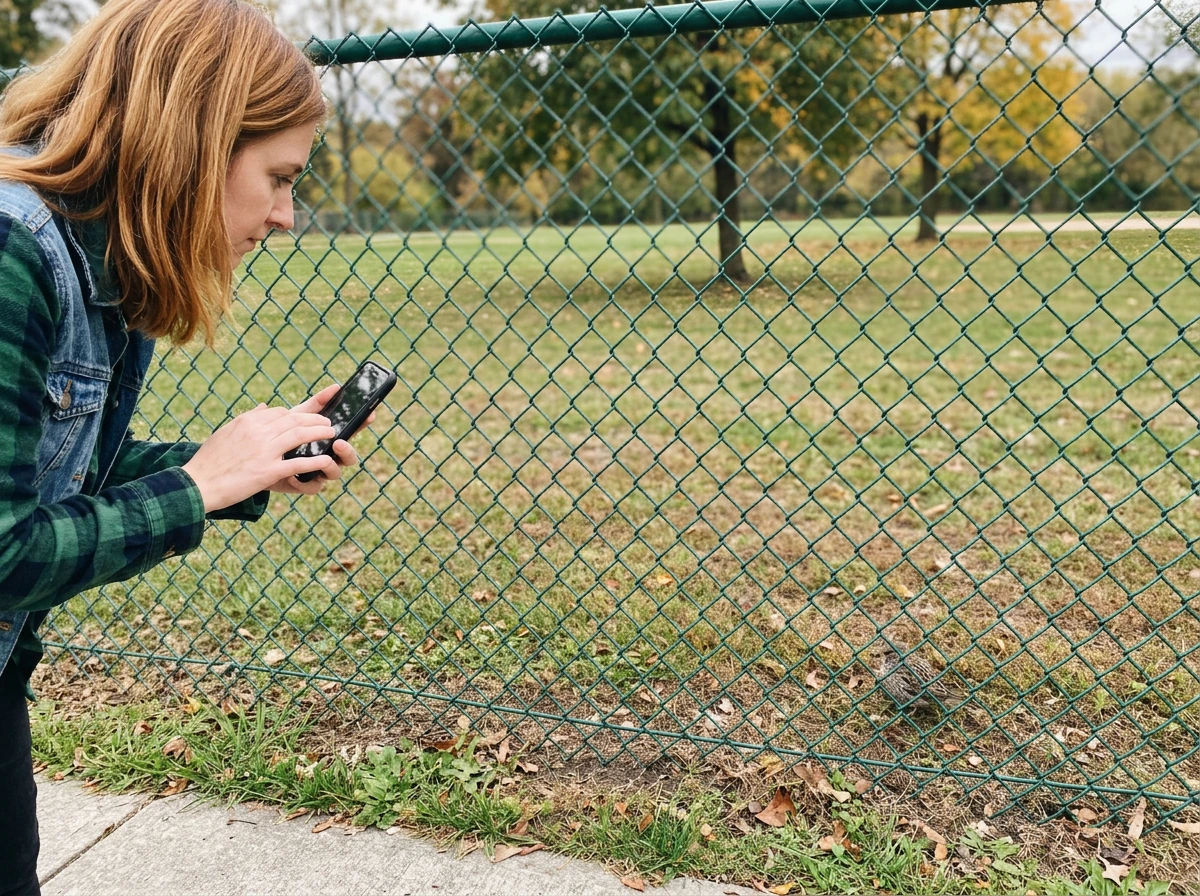
This is the single most important thing to understand about your personal risk. Almost every confirmed human H5N1 case in the historical record has involved close, direct contact with infected live or dead birds, or heavily contaminated environments like live bird markets. Bird flu is considered deadly to humans mainly when it infects people after close contact with sick or dead birds. Bird flu is considered deadly to humans mainly when it infects people after close contact with sick or dead birds, and the same general idea of animal-to-dog exposure is covered here: is bird flu deadly to dogs. The virus does not spread easily from birds to people under ordinary circumstances. You are not going to catch it by walking under migrating geese or seeing ducks at a pond.
Human-to-human transmission is the line that, if crossed sustainably, would change everything. Right now, it has not been crossed. WHO states clearly that while there have been a small number of limited human-to-human transmission events documented between 1997 and 2007, sustained human-to-human spread has not been detected to date. That distinction, between a one-off family cluster and the kind of self-sustaining transmission that drives a pandemic, is what separates a concerning virus from an active pandemic threat. Right now, bird flu is the former.
Contaminated food is another route to be aware of in outbreak regions. WHO advises against consuming raw or incompletely cooked poultry, eggs, or raw milk in areas experiencing active avian influenza outbreaks. Properly cooked food is considered safe.
Symptoms to watch for if you think you have been exposed
If you have had contact with sick or dead birds, poultry, or farm animals in an area with known bird flu activity, here is what to watch for. The incubation period is typically 1 to 5 days but can extend up to 10 days, so symptoms may not appear immediately after exposure.
In recent U.S. cases, the most common symptom was eye redness and irritation (conjunctivitis), often without major respiratory illness. That was the pattern seen in many dairy farm worker cases. More severe presentations can include fever at or above 100°F (37.8°C), cough, sore throat, runny nose, muscle aches, and in the worst cases, severe respiratory distress, pneumonia, and neurological symptoms like encephalitis. The range from mild conjunctivitis to life-threatening pneumonia reflects how different individual cases can be.
If you develop any of these symptoms after a known or possible exposure, do not just show up to a clinic or emergency room without calling ahead. Contact your healthcare provider by phone first, describe the exposure, and follow their instructions. Early antiviral treatment (oseltamivir, also known as Tamiflu) matters for outcomes if the infection is confirmed.
Practical steps to protect yourself right now
Your practical actions should match your actual risk level. Most people reading this need only take basic awareness steps. Here is how to think about it:
For the general public with no direct animal exposure
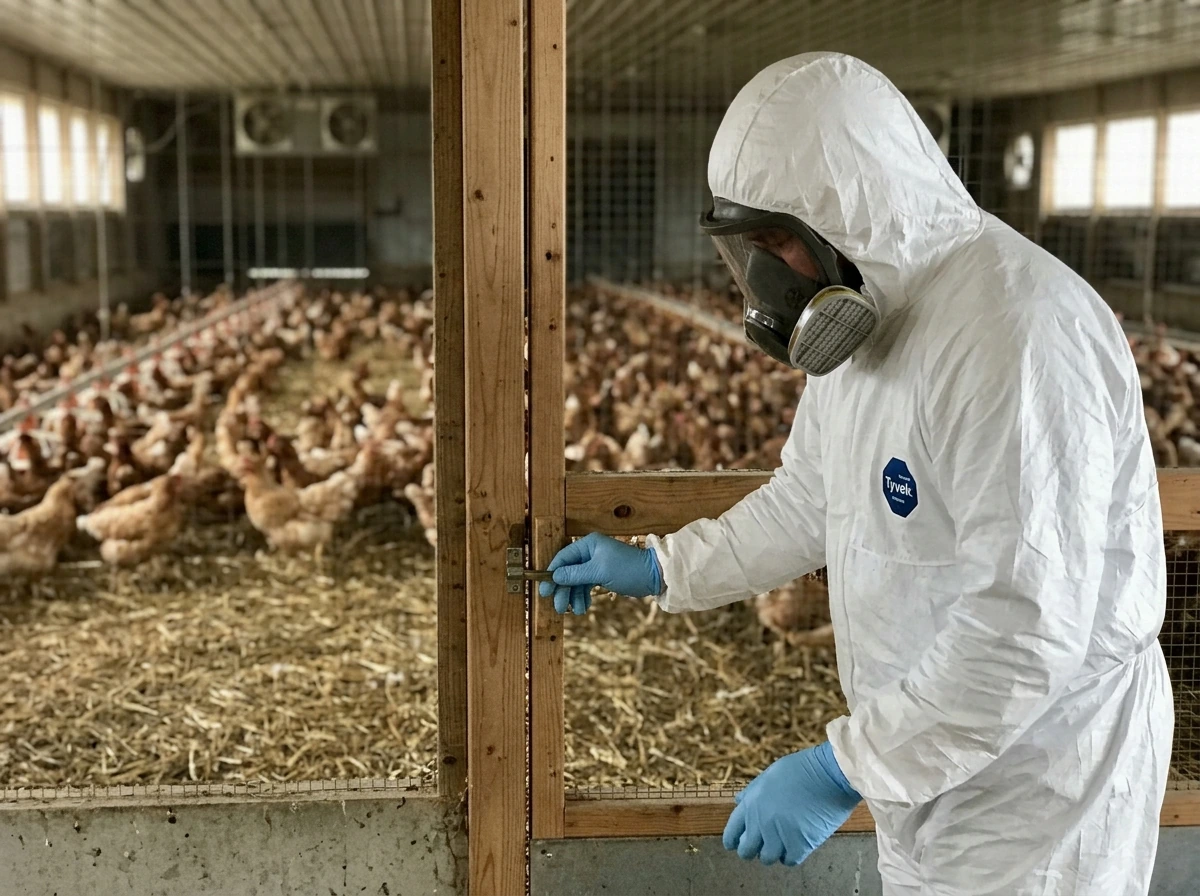
- Do not handle sick or dead wild birds. If you find one, contact your local animal control or wildlife authority.
- Avoid live bird markets, especially if you are traveling to regions with active H5N1 outbreaks.
- In outbreak areas, eat only fully cooked poultry and eggs, and avoid raw milk.
- Wash your hands thoroughly and regularly, especially after any outdoor contact with animals.
- Stay informed using the sources listed below, and check for updates if a new outbreak is reported near you.
For people with occupational or close animal contact
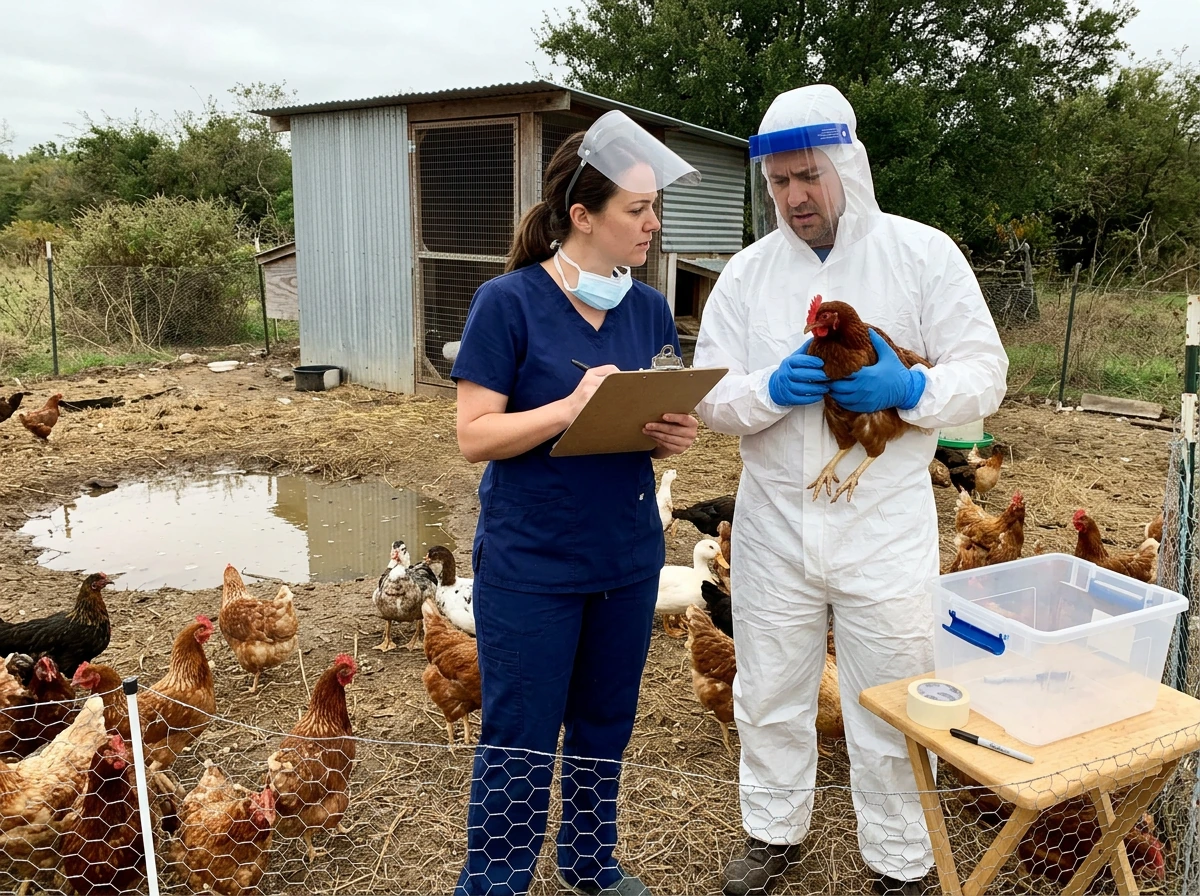
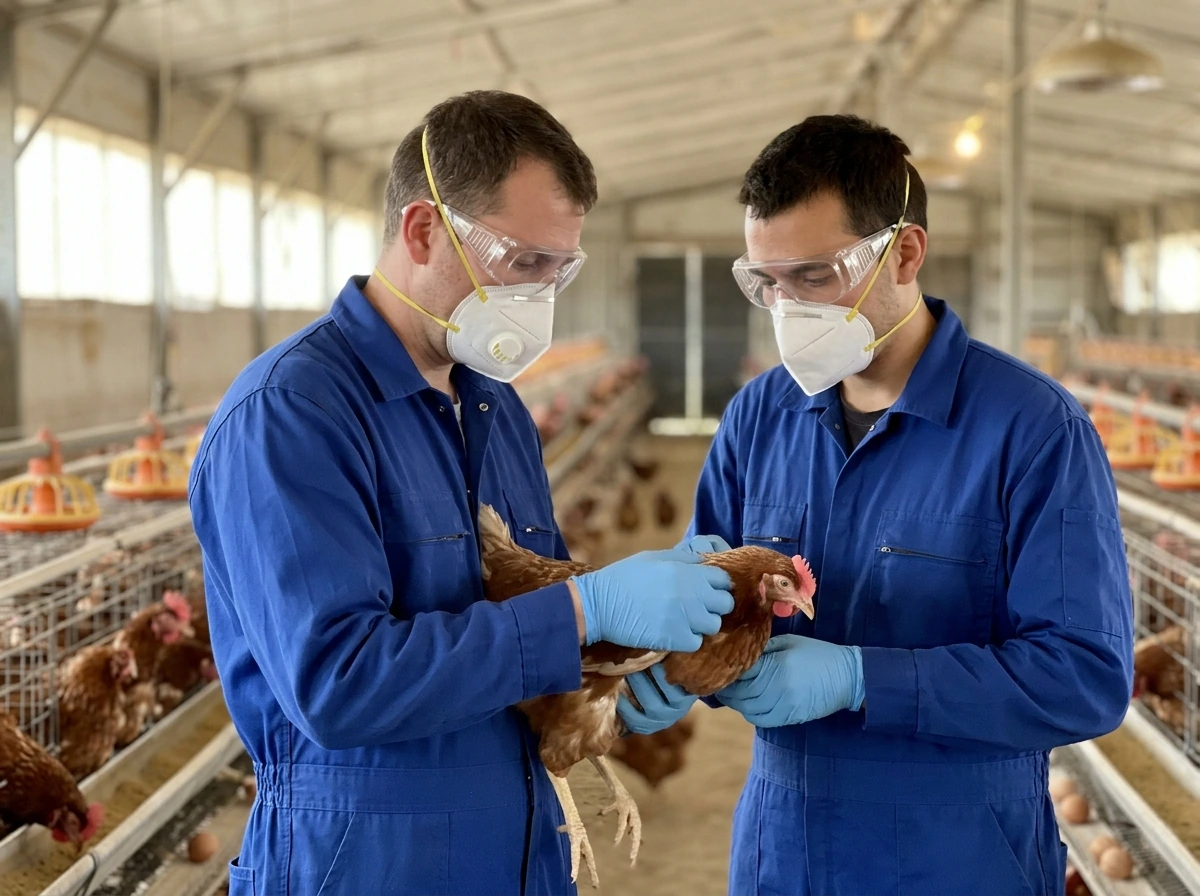
- Use appropriate personal protective equipment (PPE) when working with poultry or other potentially infected animals: gloves, eye protection, and respiratory protection (N95 respirator minimum) when direct contact or exposure to secretions is possible.
- Report sick or dead animals to your facility manager or veterinary authority immediately.
- Monitor yourself for symptoms for up to 10 days after any known exposure.
- If you develop symptoms after exposure, call your healthcare provider before visiting in person and mention the exposure explicitly.
- Follow CDC and your employer's current occupational exposure protocols, which are updated as the outbreak situation changes.
How to check how serious the situation is right now, and who to trust
Bird flu situations can change, and the sources you use matter. Here are the most reliable places to check and what to look for when you get there:
| Source | What to look for | How often it updates |
|---|---|---|
| CDC H5 Bird Flu: Current Situation page | Latest confirmed U.S. human cases, updated risk assessment level, new animal detections | As events warrant, typically weekly or faster during active situations |
| WHO Disease Outbreak News (DON) | Country-specific outbreak reports with risk assessments; look for the risk assessment section which grades human public health risk | Per outbreak event |
| WHO Avian Influenza Weekly Update | Global animal and human case summary; week-over-week trend is useful for spotting escalation | Weekly (update #1035 as of Feb 27, 2026) |
| PAHO Epidemiological Updates | Americas-specific human case counts and epidemiological trends | Issued when new data warrants |
| ECDC Avian Influenza Overview | Europe and global overview with risk tier for EU/EEA general public vs. occupationally exposed persons | Quarterly or more frequently during surges |
When you read these updates, pay attention to three things specifically. First, the risk tier stated for the general public (currently low across all major agencies as of March 2026). Second, whether human-to-human transmission has been detected, which would be a significant escalation signal. Third, whether the number of human cases is stable, rising slowly, or spiking. A sudden cluster of cases in a new country or a confirmed transmission chain between people who had no animal contact would be the early warning signs that something has changed.
Avoid getting your bird flu news primarily from social media or general news headlines, which tend to amplify alarm without providing the risk-context that makes the numbers meaningful. A headline that says "New bird flu case confirmed" sounds terrifying in isolation. The same headline next to "General public risk remains low, no human-to-human spread detected" is a very different read. Official health agency pages give you that context directly.
The bottom line is this: bird flu is a virus worth taking seriously and watching closely, but it is not a reason to panic today. Bird flu can be deadly to humans in confirmed cases, so knowing the latest risk level matters bird flu is a virus worth taking seriously. The risk to the average person with no unusual animal contact is genuinely low. ECDC’s risk assessment for H5 clade 2.3.4.4b viruses considers the overall risk of infection low for the general public in EU/EEA countries blank" rel="noopener noreferrer">The risk to the average person with no unusual animal contact is genuinely low.. The people who need to take concrete protective steps right now are those working directly with poultry, dairy cattle, or wild birds in areas with known infections. For everyone else, staying informed through credible sources and knowing what a real escalation signal looks like is the most useful thing you can do. If you are trying to gauge how dangerous is bird flu for you personally, focus on the current risk to the general public and whether human-to-human spread has been detected.
FAQ
How bad is bird flu for someone who has never touched birds or worked with poultry?
For most people with no unusual bird or farm exposure, the practical risk remains low, because documented infections have largely followed direct contact with infected birds or heavily contaminated settings. Your “action threshold” should be based on whether you had live or dead bird contact, cleaned barns, visited a live bird market, or consumed unpasteurized dairy in a known outbreak region, not on general community exposure alone.
If I live near a farm with bird flu activity, does that automatically mean I should worry?
Not automatically. Risk is higher for people doing higher-contact tasks (handling sick or dead birds, cleaning barns, working in live bird markets) than for people living nearby. Still, follow local guidance on animal exposure, use recommended PPE if you are involved in cleanup or animal handling, and watch for symptoms only if you had actual exposure to birds or contaminated materials.
Can I get bird flu by eating chicken or eggs from a store?
In general, properly cooked poultry and eggs are considered safe, because cooking inactivates the virus. The bigger concern is in outbreak regions where people might eat raw or incompletely cooked poultry or eggs, or consume raw milk. If you are unsure about preparation or food handling practices, choose fully cooked options and avoid raw dairy.
Is bird flu spread through casual contact with an infected person?
Sustained person-to-person spread has not been detected. Limited, short transmission events have been described in the past, but they are not the pattern that drives most cases. The higher concern remains animal-to-human spillover, so your biggest risk reduction comes from avoiding direct exposure to infected birds and contaminated environments.
What should I do if I had contact with sick or dead birds and start getting symptoms?
Call your healthcare provider (or local public health guidance line) by phone first and clearly describe the type of exposure, where it occurred, and when. Many symptoms can overlap with other infections, so early medical assessment matters. Do not wait for symptoms to become severe before getting advice, especially within the typical 1 to 5 day incubation window (up to 10 days).
What symptoms are most suggestive of bird flu after an exposure?
In the documented pattern from some U.S. cases, eye redness and irritation (conjunctivitis) appeared frequently, sometimes without major respiratory illness. After exposure to birds or contaminated settings, you should take any new fever, cough, sore throat, runny nose, muscle aches, or breathing difficulty seriously and get medical advice, since presentation can range from mild to severe respiratory disease.
How effective is early antiviral treatment if bird flu is suspected?
Early antiviral therapy is important for outcomes if infection is confirmed or strongly suspected. The article notes oseltamivir as the treatment used in clinical practice, and the key decision point is timing, so contact a clinician promptly after exposure and symptom onset. If you are already seeing symptoms after a high-risk exposure, do not delay care while trying to “self-test” with home methods.
Do I need to wear a mask or take special precautions if I’m around wild birds outdoors?
Ordinary outdoor contact, like seeing ducks or migrating birds, is not how most documented human infections occur. The practical precautions mainly apply if you handle wild birds, clean areas with bird droppings, or are exposed to a contaminated environment in a region with known activity. If you are cleaning up large amounts of bird waste, use protective equipment and follow local public health instructions for safe cleanup.
What is an “escalation signal” I should look for in updates?
Focus on three changes: whether agencies indicate an increased risk tier for the general public, whether any human-to-human transmission is detected (especially a sustained chain), and whether human case counts are rising rapidly or clustering in new places. A sudden cluster in people with no animal contact is a more concerning pattern than a single isolated case reported without ongoing spread.
Should I rely on local news headlines about “a new bird flu case”?
Headline-only coverage is easy to misread. Even if a “new case confirmed” story sounds alarming, the risk meaning depends on context like general public risk level, exposure source (animal contact versus none), and whether person-to-person spread is involved. Use official agency updates or public health briefings for the risk-context portion of the story.
Are all bird flu strains equally dangerous to humans?
No. The article explains that “avian influenza” is a family, and different strains can cause different illness severity. H5N1 is heavily emphasized because of high fatality in documented cases, while some other strains reported in humans have caused milder illness. Your practical risk depends on the strain circulating where you are and the type of exposure you had, not just the general label “bird flu.”