
Bird flu can be deadly to dogs, but the risk is low for most pets in everyday situations. There is one documented case of a dog dying from H5N1 after eating an infected duck in Thailand in 2004, and experimental studies confirm dogs can be infected. That said, naturally infected dogs remain rare, and DEFRA's current position is that the risk to pets is small. The honest answer is: it is possible, it has happened, but it is not common. What matters most right now is knowing how your dog could be exposed, what signs to watch for, and exactly what to do if you think there has been contact.
Is Bird Flu Deadly to Dogs? Symptoms, Risk, and What to Do UK

Maya Chen
22 Mar 2026
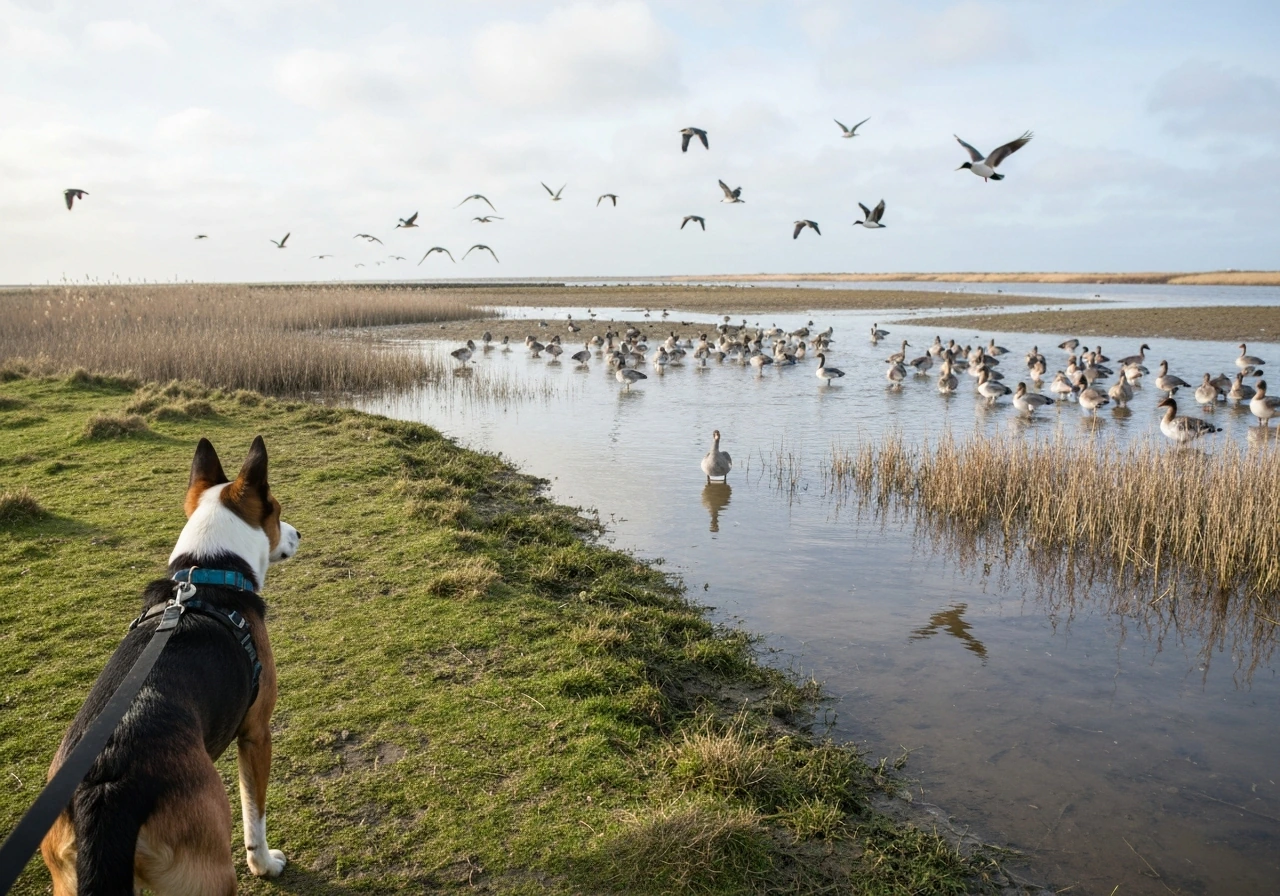
How dangerous is bird flu to dogs, really?
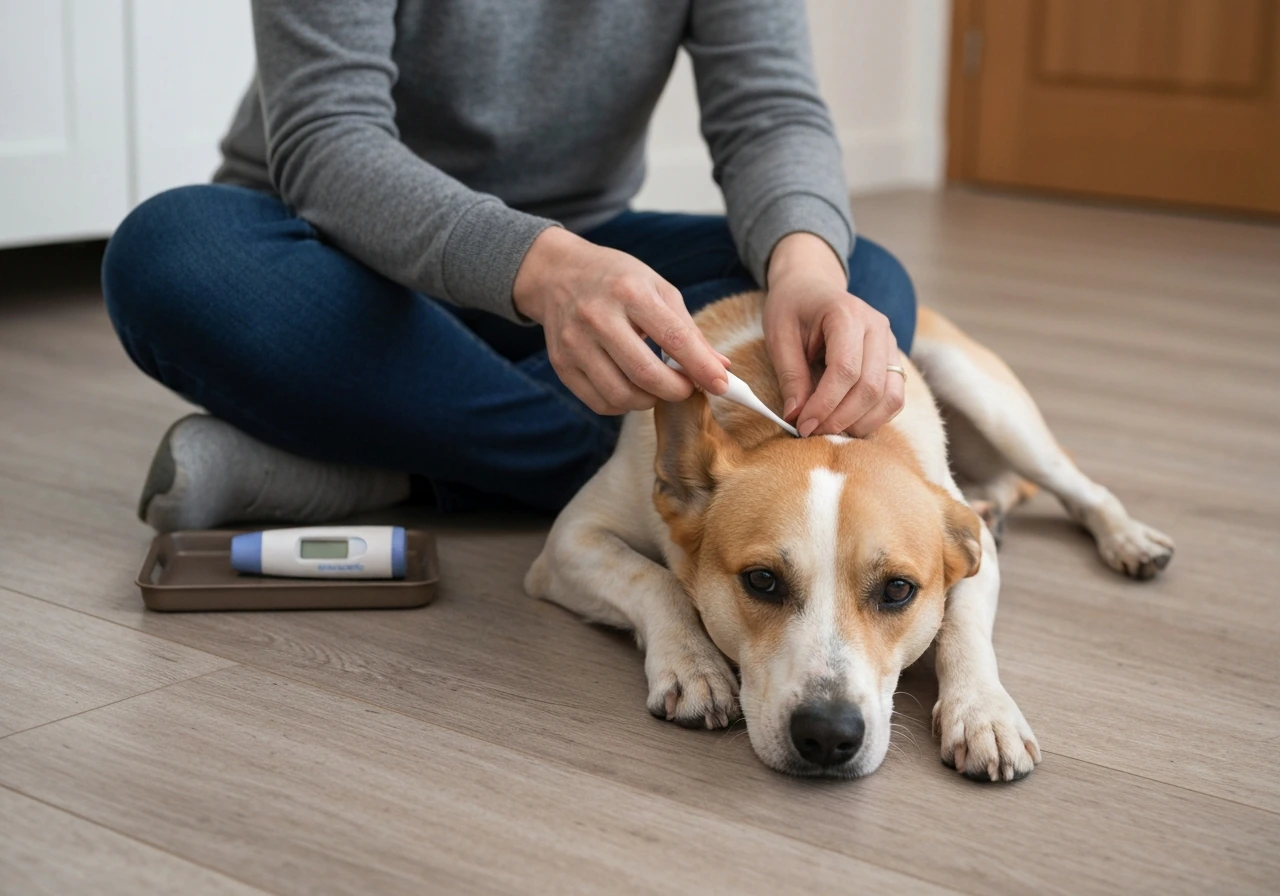
H5N1 (highly pathogenic avian influenza, or HPAI) is a virus that can infect mammals, including dogs. The fatal case in Thailand established that death is possible after a dog ingests an infected bird. Studies in the US found antibodies to H5N1 in hunting dogs that regularly retrieved wild fowl in Washington State, meaning those dogs had been exposed at some level without necessarily becoming severely ill. In experimental infection studies, not every dog tested positive for viral RNA at all, suggesting that exposure does not always lead to a full infection.
So the picture is nuanced. H5N1 can kill a dog, but dogs are not considered natural hosts, and many exposed animals do not go on to develop serious illness. The USDA describes mammals that do get infected as often being 'dead-end hosts,' meaning the virus does not typically spread efficiently from them to other animals or people. That is reassuring, but it does not mean you should ignore potential exposure. The severity of disease in mammals when it does take hold can be significant, partly because H5N1 tends to cause acute, fast-moving illness in susceptible hosts.
How dogs pick up bird flu and what raises the risk
The most likely route is direct contact with infected birds or their carcasses. A dog that picks up a dead wild bird, swims in water contaminated with infected droppings, or eats raw poultry from an affected flock is at far greater risk than a dog that simply walks through a park. Hunting dogs and gun dogs that retrieve waterfowl are in a particularly elevated risk category, which is exactly why the US study focused on that population.
In a UK context, the highest-risk scenarios are walking dogs near wetlands or coastal areas during active bird flu outbreaks, allowing dogs off-lead near wild waterfowl or their habitats, dogs that scavenge dead birds found on beaches, fields, or roadsides, and dogs on or near poultry farms during an outbreak. APHA specifically flags wild waterfowl carcasses and shot birds as exposure risks, and UK guidance puts particular emphasis on keeping dogs under effective control near wild birds.
Symptoms to watch for, and when it becomes urgent
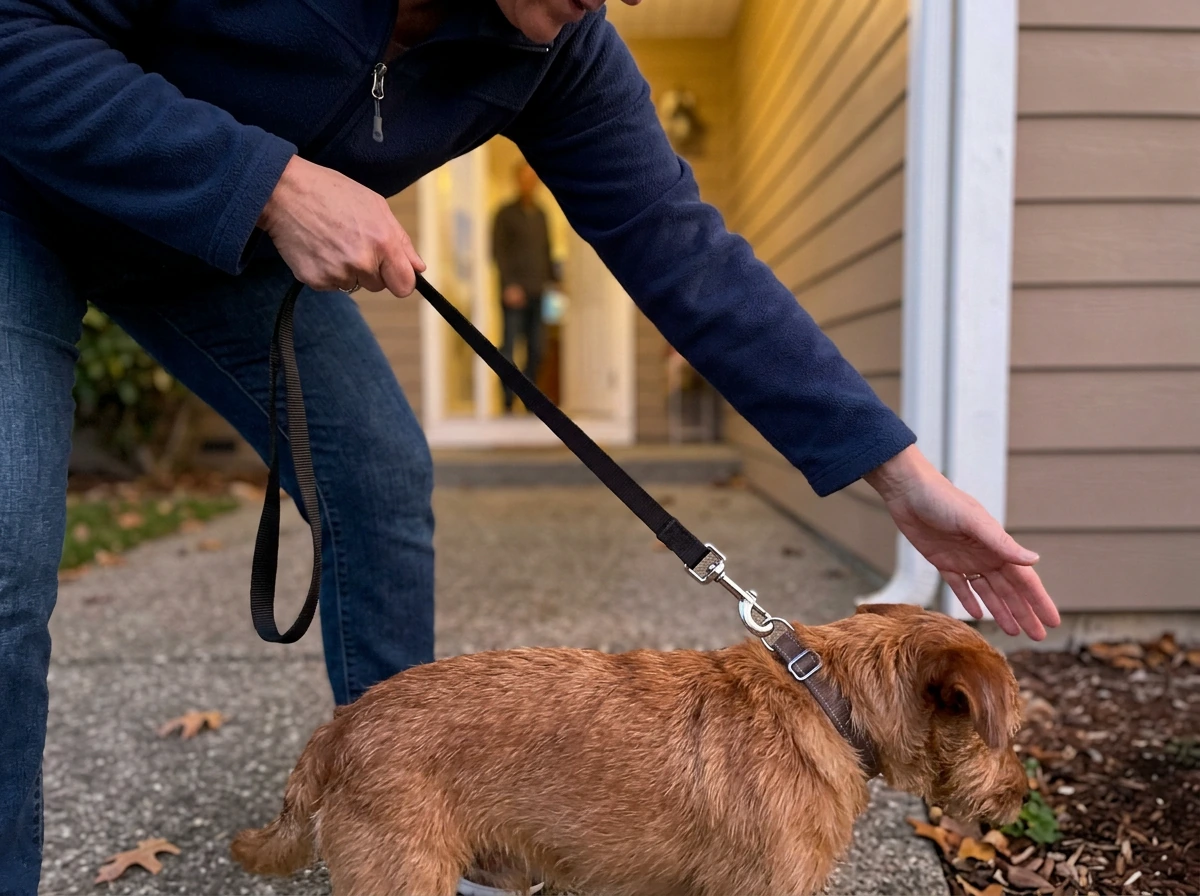
There is no single symptom that definitively signals bird flu in a dog. Because dogs are not natural hosts, what we know about clinical signs comes mostly from the fatal Thailand case, experimental studies, and extrapolation from what H5N1 does in other mammals. Based on all of that, here are the signs worth watching for after a potential exposure:
- Sudden high fever or obvious lethargy
- Breathing difficulties, rapid or laboured breathing
- Coughing, sneezing, or nasal discharge
- Watery or inflamed eyes (conjunctivitis)
- Vomiting or diarrhoea
- Loss of appetite or sudden extreme weakness
- Neurological signs such as wobbling, seizures, or disorientation
If your dog shows breathing difficulties, neurological symptoms, or is collapsing, that is an emergency. Call your vet immediately and tell them upfront that your dog may have had contact with wild birds or a carcass. Do not wait to see if things improve on their own. For milder symptoms like a runny nose or mild lethargy after a known exposure, still call your vet the same day rather than monitoring at home without guidance.
The incubation window for H5N1 in humans is typically 1 to 5 days but can stretch to 10 days. It is reasonable to apply a similar monitoring window for dogs after a known or suspected exposure, watching carefully for any of the above signs throughout that period.
How the risk varies, and what we still do not know
The UK Health Security Agency currently describes the overall risk from bird flu to people as very low, and DEFRA's position on pet risk mirrors that framing. If you are wondering about people instead of pets, health authorities describe the overall risk from bird flu to humans as very low, though it is taken seriously because serious illness can occur in some cases is bird flu deadly to humans. If you are also worried about people, the question of how deadly bird flu is depends on the strain and how quickly treatment begins how deadly is bird flu. Bird flu mortality can vary a lot by strain, which is one reason the mortality rate can look so high in certain outbreaks how deadly is bird flu. In humans, the question “is the bird flu deadly” depends on the specific strain and how quickly treatment starts. why is bird flu so deadly is genuinely small. The risk profile shifts if you are in an active outbreak area, near a known infected flock, or if your dog regularly interacts with wild waterfowl.
What we do not know with certainty is how consistently and severely H5N1 affects dogs when they are exposed, because documented natural cases in dogs remain rare. Experimental studies show mixed results, with some dogs showing no detectable viral RNA at all. That uncertainty cuts both ways: we cannot say dogs are immune, but we also cannot predict that infection will always mean serious illness. Treat it as a genuine but uncommon risk, not a cause for panic, but also not something to dismiss.
What to do right now if your dog has been exposed
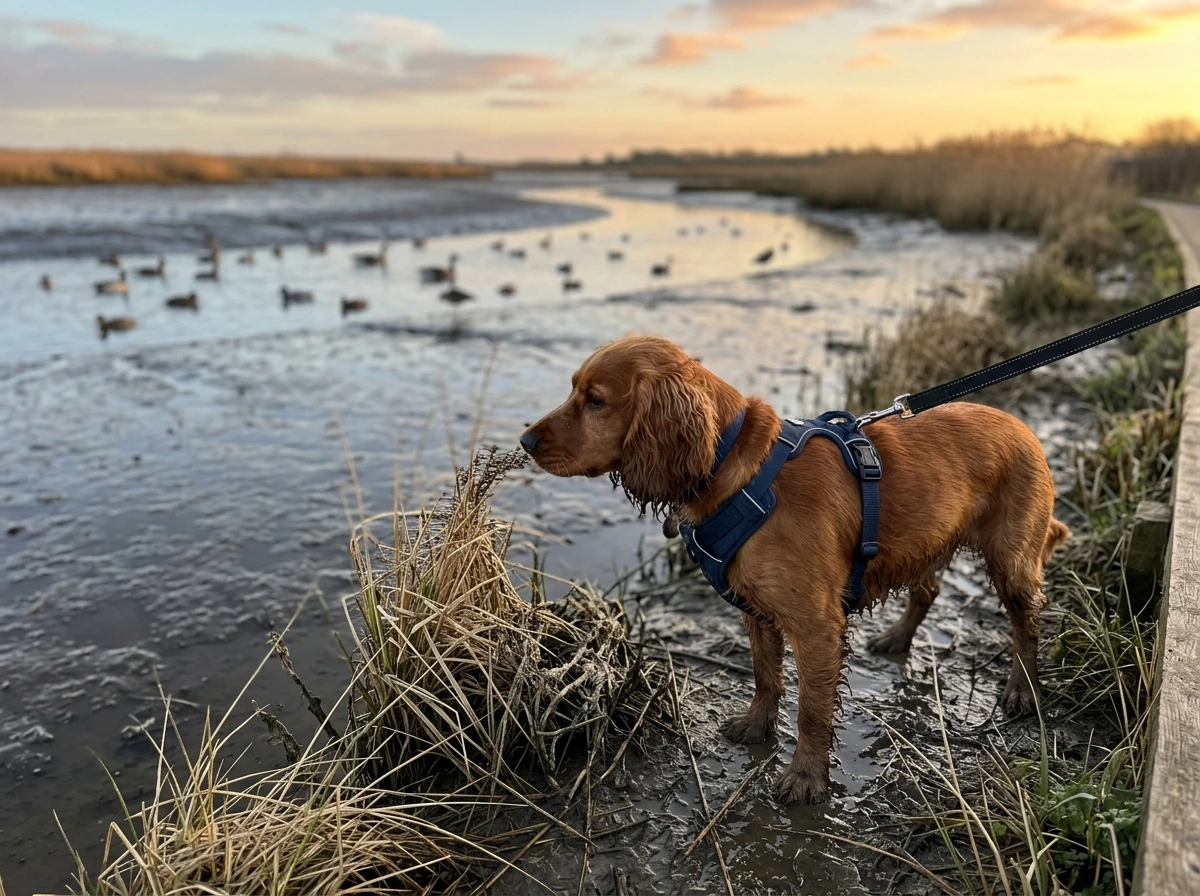
If you think your dog has had contact with a dead or sick wild bird, or with a potentially infected poultry environment, here is what to do immediately:
- Keep your dog away from other pets and minimize contact with family members until you have spoken to a vet.
- Do not let your dog back near the area where the contact happened.
- Wash your own hands thoroughly with soap and water, and change any clothing that may have been contaminated.
- If the bird is still present, do not handle it with bare hands. You can report dead wild birds to DEFRA via the online reporting service or by calling the DEFRA helpline on 03459 33 55 77.
- Call your vet and explain exactly what happened: what your dog came into contact with, roughly when, and any symptoms already showing. Your vet is required to report suspected cases to APHA.
- If the exposure happened near a poultry farm or in an area with a known outbreak, mention this specifically, as it affects how the vet will assess the risk.
- Monitor your dog closely for at least 10 days after the last known exposure, watching for any of the symptoms listed above.
For hygiene around your home, DEFRA-approved disinfectants should be used on any hard surfaces (like outdoor kennels, boots, or equipment) that may have been contaminated. Avoid bringing potentially contaminated items like sticks or objects picked up near wild bird habitats into the house.
What the vet can actually do
When you take your dog in, the vet will assess the exposure history and clinical signs. If they suspect avian influenza, they are legally required in Great Britain to report this suspicion to APHA (the Animal and Plant Health Agency) immediately. This is not optional: any vet or testing lab that finds evidence of bird flu virus or antibodies in a pet must notify APHA. That reporting process also means APHA can advise on next steps and arrange official testing.
Diagnosis is done using RT-PCR testing of swab samples (throat, nasal, or rectal), which can detect viral RNA. Serology (blood tests for antibodies) can show past exposure even if the dog is no longer actively shedding the virus. There is no specific licensed antiviral treatment for dogs with H5N1. What vets can provide is supportive care: managing fever, maintaining hydration, supporting breathing if needed, and treating secondary complications. The goal is to keep the dog stable while the immune system does its work, similar to how severe influenza is managed in other species.
Be upfront with your vet about everything: where you walked, whether you were near farms or wildlife areas, and any symptoms you have noticed yourself. The British Veterinary Association issued guidance in 2024 specifically to help vets navigate avian influenza suspicion and reporting, so your vet should be familiar with the process.
Preventing exposure in the first place
Most of the risk to dogs is preventable with a few consistent habits. The following covers the most common real-life scenarios:
On walks near wildlife or farms
Keep your dog on a lead near wetlands, coastal areas, and anywhere wild waterfowl congregate, especially during active outbreak periods. UK guidance is explicit on this: dogs should be under effective control so they cannot reach wild birds. If you walk near arable land or farms, avoid areas with obvious wild bird activity and keep your dog well away from any bird that appears sick or dead.
In your garden
Bird feeders and bird baths can attract wild birds and create a point of contamination in your own garden. During outbreak periods, consider temporarily removing feeders or positioning them well out of your dog's reach. If you find a dead bird in your garden, do not let your dog near it. Use gloves and a bag to remove it, or report it to DEFRA if it is a wild bird species included in their reporting scheme.
Handling dead birds
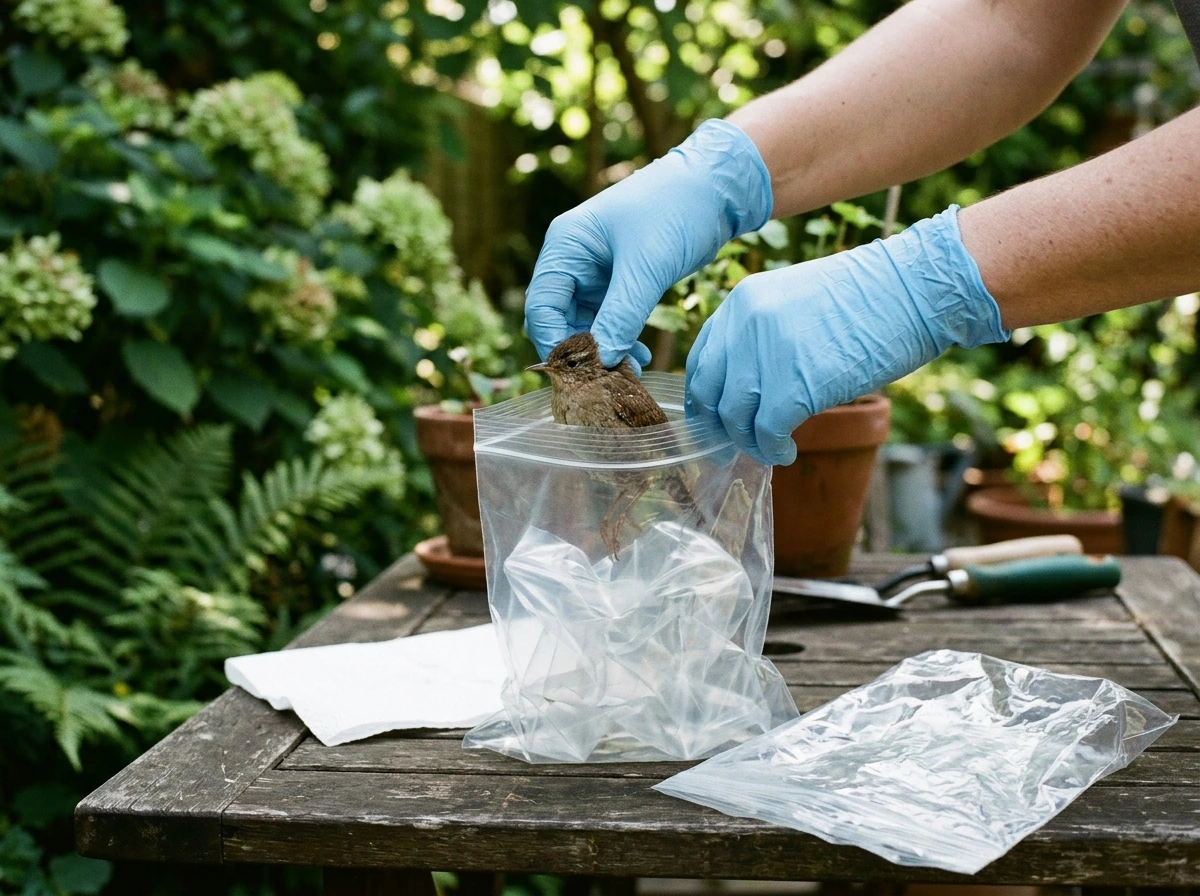
Never pick up a dead wild bird with bare hands. If you need to move one, use disposable gloves and double-bag it. Wash your hands thoroughly afterward. Report dead wild birds to DEFRA: online via the GOV.UK reporting page, or by calling 03459 33 55 77. Do not assume a dead bird died from something unrelated to bird flu if it is in an area with known wild bird deaths.
General hygiene
Wash your hands after handling your dog if they have been in areas with wild bird activity. Clean outdoor equipment, leads, and boots with a DEFRA-approved disinfectant if you have been in higher-risk areas. If your dog is a gun dog or working retriever, be especially cautious during shooting seasons in areas where waterfowl have tested positive for HPAI.
The bottom line on risk and what to prioritize
Bird flu can be deadly to dogs, but it is not a common event. The documented fatal case happened after a dog ingested a confirmed infected bird, and even experimental exposure studies did not infect all dogs consistently. For most pet owners in the UK, the day-to-day risk is genuinely low. If you want the bigger picture, understanding how dangerous bird flu can be helps you judge when risk is low and when to take extra precautions. What changes that calculation is direct contact with infected birds or carcasses, particularly in outbreak areas. The practical priority is prevention: keep your dog away from wild birds and dead carcasses, report anything suspicious to DEFRA, and call your vet immediately if there has been definite contact or if symptoms appear. Acting quickly matters because if your dog is going to develop illness, it can progress fast. If you are also trying to gauge human risk, you can compare this with how bad is bird flu in people using the related guide.
FAQ
If my dog has a runny nose or mild lethargy, does that automatically mean bird flu?
No. If your dog only overheated or is showing general “flu-like” signs, that does not specifically point to bird flu. The practical approach is to decide based on exposure risk, if your dog ate a sick or dead wild bird, scavenged a carcass, or was on a poultry site during an outbreak, contact your vet the same day even if symptoms are mild. If there was no plausible exposure, a routine vet call still makes sense, but you should not assume avian influenza is the cause.
Can my dog catch bird flu from me if I handled wild birds?
Bird flu concerns are mainly about what your dog contacted or ate, not about catching it from you after you touched birds. Wash hands and change clothes if you handled wild birds or poultry, then avoid letting your dog lick you or your clothing right away. There is no need to isolate your household based on suspected dog infection unless your vet advises it.
If a swab test is negative, can bird flu still be involved?
RT-PCR testing depends on timing and sample type. If your dog presents very late after exposure, viral RNA may be harder to detect, which is where antibody tests can help show past exposure. That means “negative” results do not always fully rule out earlier exposure, so ask your vet whether they recommend swabs now, blood tests later, or both based on symptom onset.
What if my dog only licked or sniffed a dead wild bird, not ate it?
If a dog likely licked or smelled a dead bird but did not eat it, risk is lower, but it is not zero. The key question is whether saliva, nasal contact, or tiny bits of tissue/carcass were ingested. Call your vet promptly for guidance, especially if the exposure happened within the last 1 to 5 days, and watch for respiratory or neurological symptoms.
What should I do at home while I am waiting for the vet after a possible exposure?
For mild symptoms after a known exposure, you should still phone the vet the same day, but avoid aggressive home interventions like leftover human antivirals or antibiotics without advice. Keep your dog warm, offer small amounts of water, and prevent further contact with other animals while you are waiting for instructions. Do not start fever-reducing medication unless your vet tells you what is safe for dogs.
If symptoms improve, do I still need to keep monitoring after bird flu exposure?
Yes, because severity can vary and some dogs may not show obvious signs early. If your dog worsens at any point, especially with breathing difficulty, collapse, or neurological changes, treat it as an emergency even if the symptom started “mild.” Also extend monitoring through the full expected window from the suspected exposure date, not from the date you first noticed symptoms.
Is bird flu risk from eating poultry at home, and does cooked vs raw change it?
Feeding cooked poultry from your kitchen is not the same as eating raw meat from a potentially infected flock. If there is any doubt about the source, especially during an outbreak and with raw products, it increases risk. The safest practical rule is to avoid giving raw poultry to dogs, and if your dog ate raw poultry that could be linked to an outbreak, contact your vet for individualized advice.
How should I disinfect boots, leads, and outdoor kennels after a dead-bird incident?
Start with the biggest actionable point: prevent further exposure. For contaminated boots, leads, and equipment, use a DEFRA-approved disinfectant on hard surfaces, and store anything cleaned away from your dog until dry. Avoid sweeping or shaking items that could aerosolize dust from carcass areas, then wash hands thoroughly after cleaning and before handling your dog.
What information will my vet ask for, and what should I bring to the appointment?
Because vets in Great Britain must report suspicion, call them as soon as you can and be ready to provide details like the location (wetland, coast, poultry area), the date/time, whether the dog retrieved or ate anything, and what symptoms you noticed (including when they started). Bring any timelines, photos of the suspected bird, and note any other exposures like visiting during an outbreak period.
Next Articles
Is Bird Flu Deadly to Humans? Risk, Symptoms, and What to Do
See if bird flu is deadly to humans, key symptoms, risk factors, and when to seek emergency care after exposure.
Is Bird Flu 100% Fatal? Risk, Symptoms, and What to Do Now
Bird flu is rarely 100% fatal. Learn human risk, symptoms, and what to do now after exposure or illness.
How Deadly Is Bird Flu? Mortality in Birds and Chickens
How deadly bird flu is to chickens and birds, what drives mortality, and immediate steps to act fast if suspected.