
There is no single, widely available bird flu vaccine for the general public because bird flu is not one virus, it is a fast-moving family of viruses that keeps changing. The H5N1 strain circulating today is genetically different enough from older H5N1 strains that a vaccine developed even a few years ago may not provide reliable protection against it. That mismatch problem, combined with the relatively low number of human cases so far, means governments are stockpiling vaccine components and running clinical trials but are not rolling out a routine public vaccination program the way they do for seasonal flu. That does not mean nothing exists, and it does not mean you are helpless. Here is exactly what is going on and what you can do about it today.
Why There Is No Vaccine for Bird Flu Today

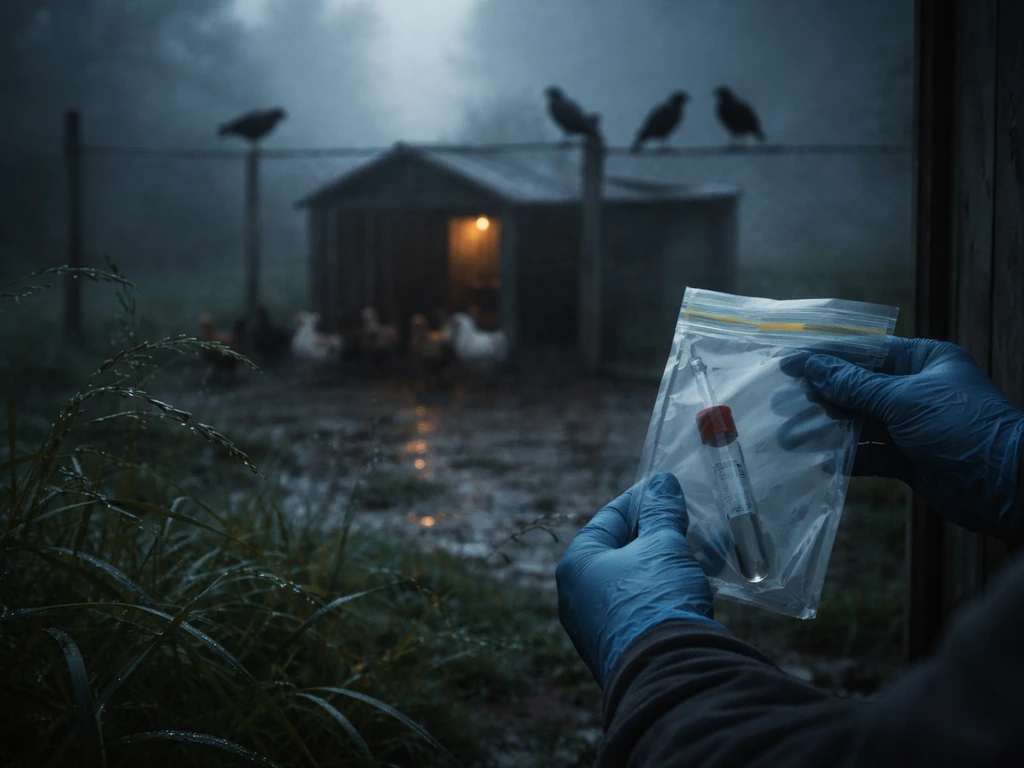
Why a single "bird flu vaccine" isn't widely available
When people ask why there is no bird flu vaccine, they often assume one simply has not been made. In reality, candidate vaccines and even some authorized products exist. The FDA lists an H5N1 influenza vaccine as a national stockpile product in the United States, meaning it was developed and approved specifically to be held in reserve for an emergency rather than distributed at pharmacies. The US government's ASPR office manages a National Pre-pandemic Influenza Vaccine Stockpile that holds bulk antigens and adjuvants, essentially the raw building blocks that can be quickly formulated into doses if a pandemic strain emerges. In Europe, the EMA has authorized prepandemic H5N1 vaccine products from multiple manufacturers, including an adjuvanted Novartis product that received EU marketing authorization as far back as November 2010 and an AstraZeneca pandemic H5N1 product.
So vaccines exist in a technical sense. The reason they are not in your arm right now comes down to three things: the virus keeps shifting faster than a vaccine can be finalized; the current human case count, while serious, has not crossed the threshold that would trigger a mass public rollout; and manufacturing hundreds of millions of matched doses takes months even once a decision to vaccinate is made. It is less "no vaccine exists" and more "no vaccine is both matched to the current strain and available at scale for general public use."
Strain differences and why bird flu changes fast
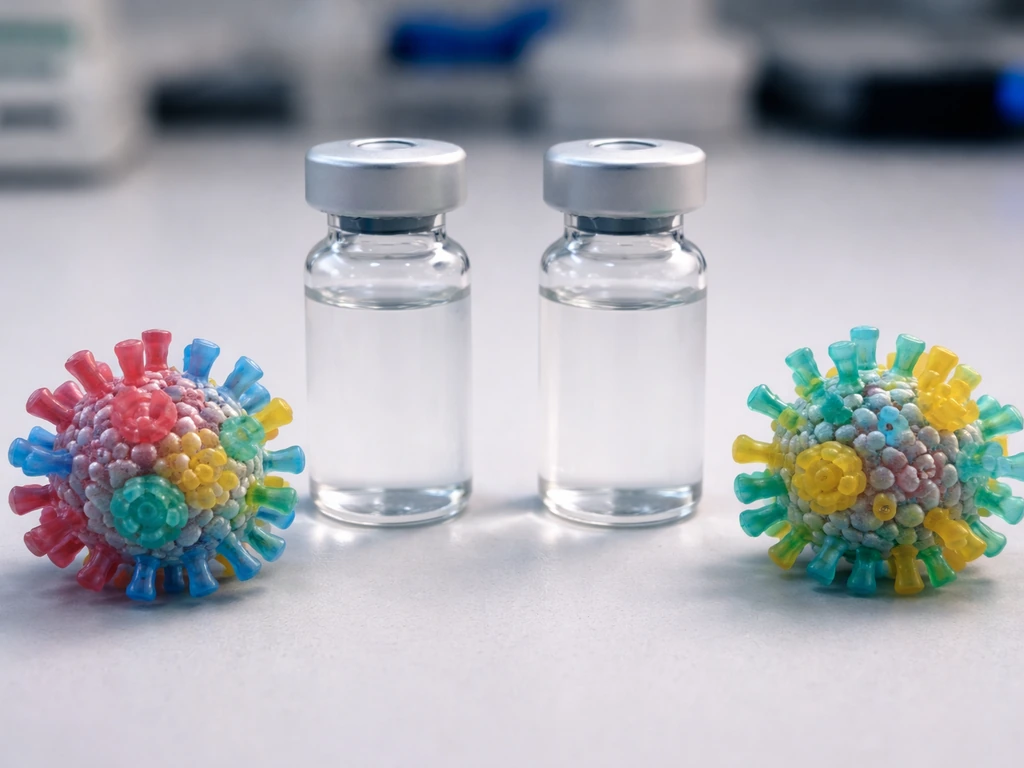
Influenza viruses mutate constantly. Bird flu, or avian influenza, covers dozens of subtypes defined by their H (hemagglutinin) and N (neuraminidase) surface proteins. H5N1 is just one of those combinations, and within H5N1 there are multiple clades and subclades. The strain driving the current outbreak in wild birds, poultry, and dairy cattle is classified as H5N1 clade 2.3.4.4b. Research published in CDC's Emerging Infectious Diseases journal has documented measurable antigenic differences between this clade and older H5 vaccine strains when tested using HI antibody titers, which is the standard way scientists check whether a vaccine's antibodies actually recognize and neutralize a virus. In plain language: a vaccine designed against an earlier H5N1 strain might not block the 2.3.4.4b strain well enough to be useful.
WHO tracks this problem closely and maintains a list of candidate vaccine viruses (CVVs) that researchers use as starting points for new vaccines. A specific H5N1 clade 2.3.4.4b candidate, designated IDCDC-RG71A, has been developed and is available through CDC, which is exactly the kind of preparedness work that happens before a full pandemic is declared. But selecting the right CVV is just step one. From there, manufacturers still need to grow the virus at scale, run safety and immunogenicity tests, and get regulatory sign-off before doses reach people. This is why the "no vaccine" question is really a timeline and matching problem, not a scientific impossibility.
Human vs. animal vaccines: what's made for whom
There is an important split here that often gets lost in general coverage. Vaccines exist across both the animal and human sides of bird flu, but they are different products designed for different purposes. On the animal side, the USDA has licensed avian influenza vaccines for certain poultry virus subtypes including H5N1, H5N3, and H5N9. However, none of these are fully matched to the highly pathogenic H5N1 clade currently spreading through US poultry and dairy herds, which limits their usefulness in the ongoing outbreak. Whether to use imperfectly matched poultry vaccines involves trade-offs around surveillance, trade restrictions, and outbreak control that agricultural officials weigh carefully.
On the human side, WHO has issued guidance specifically for licensed human influenza A(H5) vaccines, describing how countries can deploy them during "interpandemic and emergence periods," which is the phase we are currently in. WHO describes expert considerations for using licensed avian influenza A(H5) vaccines during interpandemic and emergence periods, including deployment context blank" rel="noopener noreferrer">licensed human influenza A(H5) vaccines, describing how countries can deploy them during "interpandemic and emergence periods". This guidance is aimed at countries deciding how to allocate stockpiled doses and at-risk groups, not at routine public vaccination. If you are wondering about vaccines for other animals, cattle and dogs face different exposure and regulatory situations, and those are addressed in separate dedicated coverage. If you are asking about cattle specifically, the key point is that animal-side bird flu vaccines have different licensing and match-to-strain limits than the human guidance discussed here. If you are specifically asking whether there is a bird flu vaccine for dogs, that guidance is separate from what is used for people or poultry.
Clinical trial, safety, and regulatory hurdles

Even with a well-matched candidate vaccine virus in hand, getting to a licensed, mass-distributed product takes substantial time. Regulators require clinical trials that test safety and immunogenicity in humans across multiple dose levels, and then post-authorization safety monitoring once any product is deployed at scale. For pandemic vaccines, regulators like FDA and EMA have expedited pathways, but "expedited" still typically means months, not weeks, from trial start to authorization. Adjuvants, which are additives that boost the immune response and allow smaller doses to stretch further, require their own safety evaluation and add manufacturing complexity.
There is also a prioritization reality. Vaccine manufacturers and governments have to decide where to invest limited production capacity. As long as sustained human-to-human transmission of H5N1 has not been confirmed, the calculus favors stockpiling and preparedness over a costly, time-sensitive mass rollout. If that epidemiological picture changes, the regulatory and manufacturing machinery is primed to move quickly, but it will still take time to produce enough matched doses for entire populations.
Past progress: what's been developed and what's not ready for mass use
Progress on H5N1 vaccines is real and goes back two decades. The US national stockpile contains pre-formulated vaccine building blocks specifically to shorten the response timeline if a pandemic begins. The EU authorized multiple prepandemic and pandemic H5N1 products years ago, establishing regulatory precedent. The EMA product page for “Pandemic influenza vaccine H5N1 MedImmune” notes marketing authorization and describes its authorization for EU use in the context of public health preparedness EU authorized multiple prepandemic and pandemic H5N1 products years ago. WHO maintains updated CVV lists and facilitates distribution of seed viruses to manufacturers globally so they can begin production without starting from scratch.
What is not ready is a strain-matched, fully tested, mass-manufactured dose available at pharmacies for ordinary members of the public. The stockpile approach is deliberate: rather than vaccinate billions of people against a strain that may not cause a pandemic, governments hold components in reserve and commit to rapid scale-up if the threat level changes. Think of it less as a vaccine being missing and more as a vaccine system being on standby.
What you can do right now
Prevention and reducing exposure
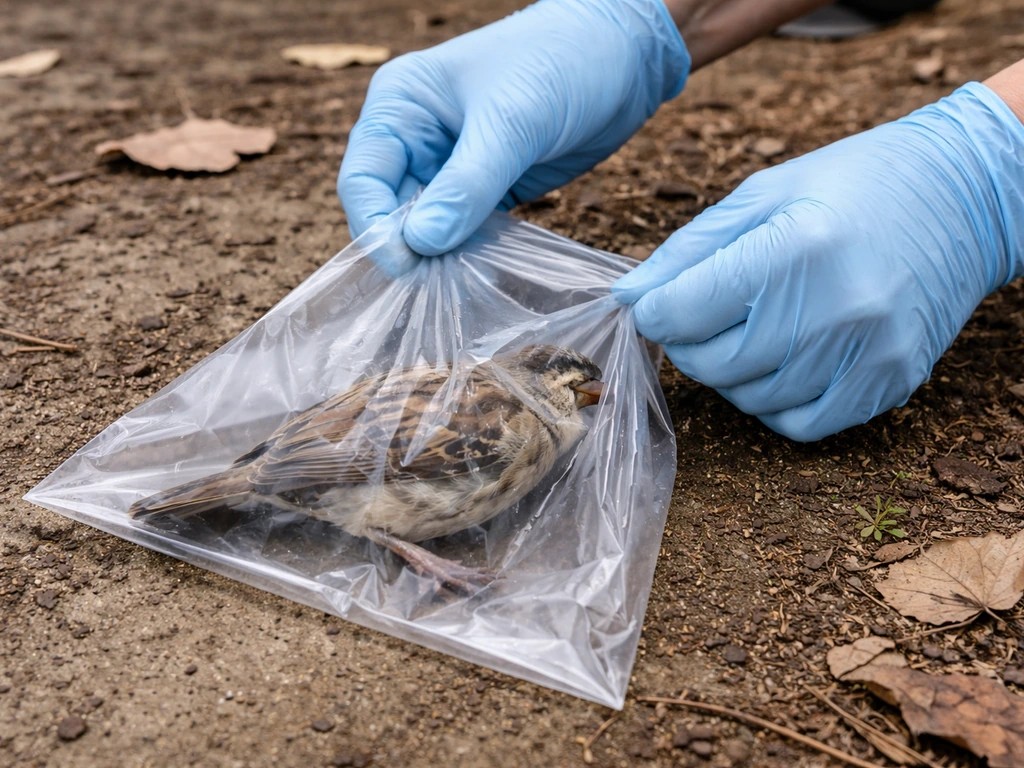
The most effective thing most people can do today is avoid direct contact with sick or dead wild birds and poultry. H5N1 spreads to humans primarily through close, direct contact with infected animals or their secretions, not through casual outdoor exposure. If you work with poultry, handle live birds, or are involved in wildlife management, wear appropriate PPE including gloves, eye protection, and a well-fitted respirator (N95 or better) when handling birds or cleaning contaminated environments.
- Do not touch dead or visibly ill wild birds with bare hands. Use gloves or a plastic bag turned inside out and report dead bird clusters to your state wildlife or agriculture agency.
- If you work on a poultry farm or dairy operation, follow your facility's biosecurity protocols strictly, especially during active outbreak periods.
- Travelers to regions with active H5N1 in poultry should avoid live bird markets, farms, and any direct animal contact.
- Wash hands thoroughly with soap and water after any contact with birds, poultry products, or farm environments.
- If you keep backyard chickens or other birds, monitor your flock for sudden illness or death and contact your state veterinarian if you see unusual die-offs.
Food safety
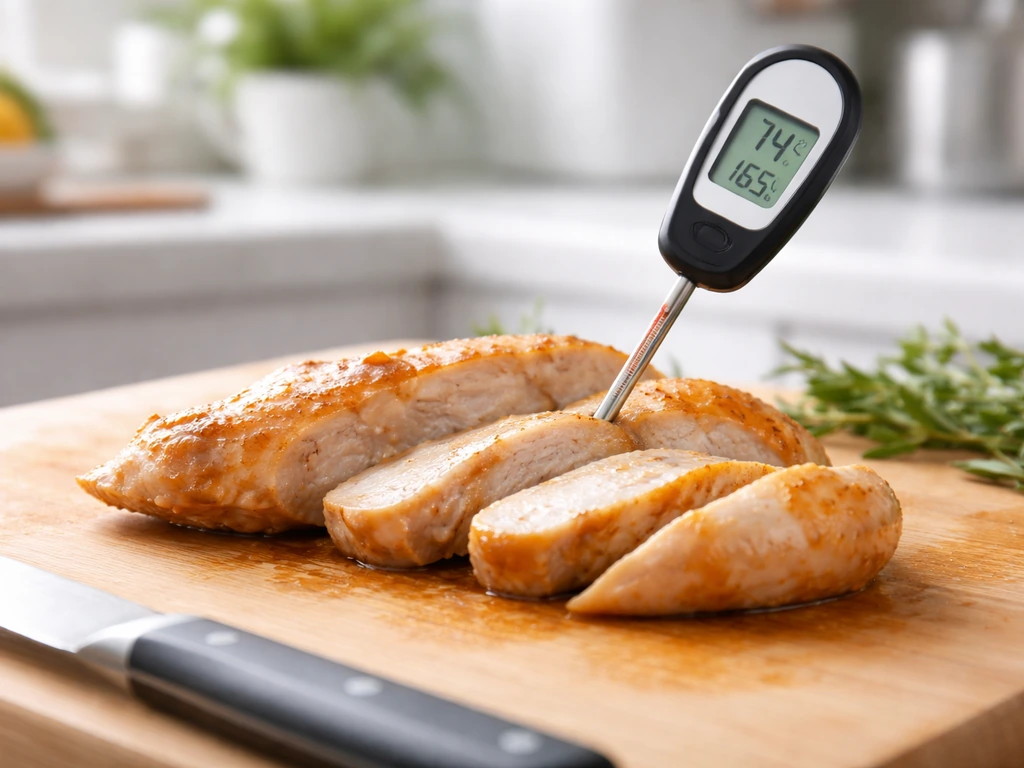
Properly cooked poultry and eggs are safe. Avian influenza virus is inactivated by heat, so cooking poultry to an internal temperature of 165°F (74°C) eliminates any risk from the virus. Pasteurized dairy products are also considered safe. The concern is raw or undercooked poultry, raw milk, or direct contamination during food preparation. Wash cutting boards and surfaces that contact raw poultry, and keep raw poultry separate from ready-to-eat foods.
Antivirals and medical treatment
If you are exposed to a confirmed or suspected infected bird or animal and develop symptoms including fever, cough, sore throat, eye redness, or muscle aches within 10 days, contact a healthcare provider immediately and mention the exposure. Antiviral drugs, primarily oseltamivir (Tamiflu), are effective against H5N1 if started early, ideally within 48 hours of symptom onset. Public health authorities in the US can authorize antiviral treatment and prophylaxis for confirmed high-risk exposures. More detail on antiviral options for bird flu is covered in dedicated coverage on medicines for bird flu. If you are trying to figure out is there medicine for bird flu, the main options are antiviral drugs like oseltamivir, especially when started early medicines for bird flu.
The seasonal flu shot and why it still matters
Getting your annual seasonal influenza vaccine will not directly protect you against H5N1 bird flu. The strains are too different. However, it reduces your chances of getting seasonal flu at the same time as a potential H5N1 exposure, which matters because co-infection or co-circulation of two influenza strains increases the theoretical risk of viral reassortment. Staying current on seasonal flu vaccination is a low-cost step that supports broader respiratory health during any avian influenza outbreak period.
If you are at higher risk
Poultry workers, veterinarians, wildlife biologists, and farm workers with direct animal exposure are the groups most likely to be offered antiviral prophylaxis or access to stockpiled vaccine doses if their state or federal health agency activates those measures. If you fall into one of these groups, connect with your employer's occupational health program and your state health department now, before an exposure happens, so you know the protocol. CDC maintains updated guidance for healthcare providers on post-exposure management for high-risk individuals, and that guidance is updated as the outbreak evolves.
| Your situation | Key action today | When to call a doctor |
|---|---|---|
| General public, no bird contact | Avoid sick/dead birds, cook poultry thoroughly, stay updated via CDC | If you develop flu symptoms after unexpected bird contact |
| Backyard flock owner | Monitor birds for illness, practice good hand hygiene, know your state vet's number | If birds show sudden illness or death AND you develop symptoms within 10 days |
| Poultry or farm worker | Use PPE consistently, enroll in occupational health monitoring, ask about antiviral prophylaxis | Immediately after any unprotected exposure to sick birds or confirmed H5N1 flock |
| Traveler to affected regions | Avoid live bird markets and farms, do not handle birds | If you develop fever or respiratory symptoms within 10 days of return |
| Wildlife biologist or vet | Follow agency PPE protocols, coordinate with state health department proactively | After any high-risk exposure, even without symptoms, to discuss prophylaxis |
The bottom line is this: the absence of a general public bird flu vaccine reflects a deliberate, staged public health strategy, not a scientific failure. Stockpiles exist, candidate viruses are ready, regulatory frameworks are in place, and the system is designed to scale up quickly if sustained human transmission begins. Until that threshold is crossed, your best protection is the same thing it has always been with zoonotic disease: reduce exposure, handle food safely, know the symptoms, and act fast if you have a real exposure.
FAQ
If there are H5N1 vaccines in stockpiles, why can’t they be used for everyone right now?
Stockpile products are held in limited quantities and are not always matched to the currently circulating clade in a way that would be effective for mass vaccination. Even when a vaccine is available, regulators and health authorities must confirm strain relevance, scale up manufacturing, and decide eligibility under risk-based plans, which is different from distributing pharmacy-ready doses to the general public.
Does “bird flu vaccine” mean the same thing for people, poultry, and cattle?
No. Human, poultry, and veterinary vaccines are different products with different licensing requirements and different targets. A vaccine that is licensed to reduce illness in poultry may not meet human safety and immunogenicity needs, and neither is necessarily matched to the exact H5N1 clade driving the current outbreak.
How do I know whether a vaccine would actually work against the current H5N1 strain?
It depends on strain matching. Vaccine effectiveness for influenza is strongly influenced by how well antibodies raised against a candidate vaccine virus bind to and neutralize the outbreak virus. Public health agencies use lab testing and candidate vaccine virus selection to update what is most likely to provide protection.
If I already got a seasonal flu shot, can it trigger protection that helps if I’m exposed to bird flu?
It won’t directly protect you against H5N1 because seasonal flu vaccines target different circulating influenza strains. The practical benefit is lowering the chance of getting seasonal flu at the same time, which can reduce the risk of co-infection and helps simplify diagnosis and treatment if you become ill.
Is there a vaccine for pets, like dogs, that protects against H5N1?
Availability is separate from what is used for people or poultry, and it depends on local veterinary policies and licensing. Even when veterinary products exist for some animal species, they may not cover the same H5N1 clade or may not be recommended for routine use, so check with a veterinarian and follow local guidance.
What should I do if I had close contact with potentially infected birds or animals but I feel fine right now?
Do not wait for symptoms if you are in a high-risk exposure category. In the US, public health authorities can authorize antivirals for certain confirmed high-risk exposures (post-exposure prophylaxis). Contact your healthcare provider promptly and tell them about the specific exposure timing and type.
What symptoms or timing should trigger urgent medical contact after a possible exposure?
Bird flu concern rises with onset of compatible respiratory or systemic symptoms after exposure, especially within about 10 days. If you develop fever, cough, sore throat, eye redness, or muscle aches, contact a healthcare provider immediately and mention the exposure so antiviral treatment can be considered early.
Why are antivirals emphasized if there isn’t a readily available vaccine?
Because antivirals can be started quickly after symptom onset, which matters for influenza viruses that replicate early. The article notes oseltamivir is most effective when started early, ideally within 48 hours, and this creates a practical bridge until any vaccine response could be produced or deployed.
If an outbreak becomes worse, how fast could a matched vaccine reach people?
Faster than if starting from scratch, but it is still typically measured in months rather than weeks. Even with expedited pathways, regulators need safety and immunogenicity data and manufacturers must produce enough doses. The system is designed for rapid scale-up after the threat threshold changes.
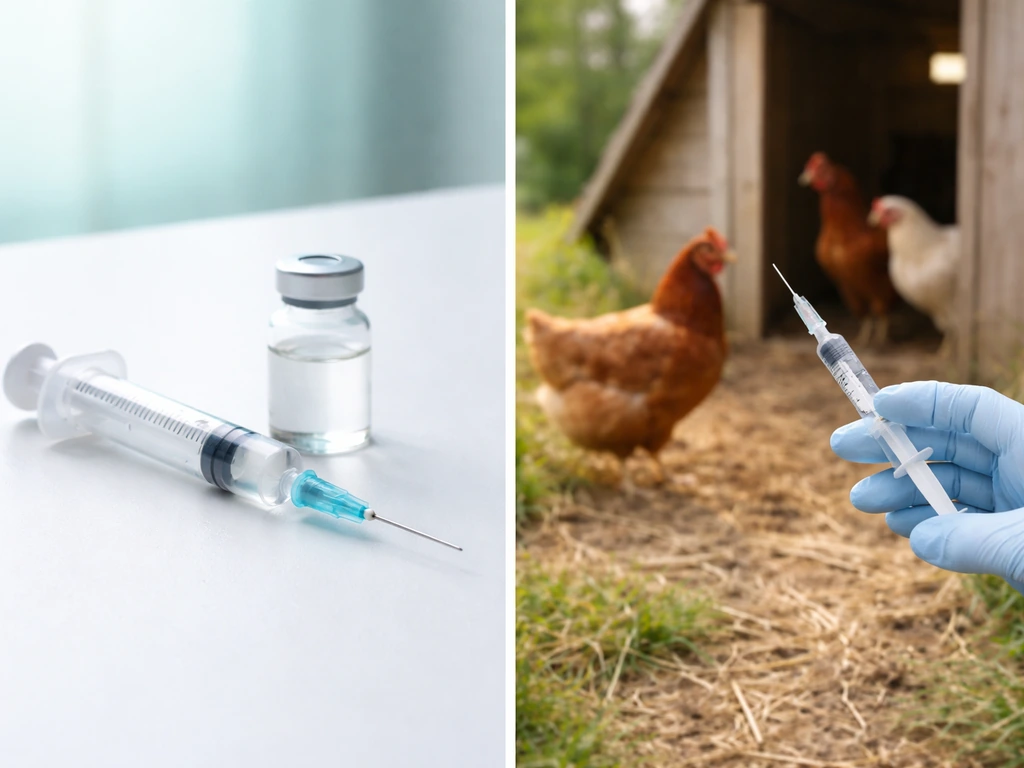
Is there a bird flu vaccine now? Get the latest on human and poultry vaccine availability, approval, and timelines.
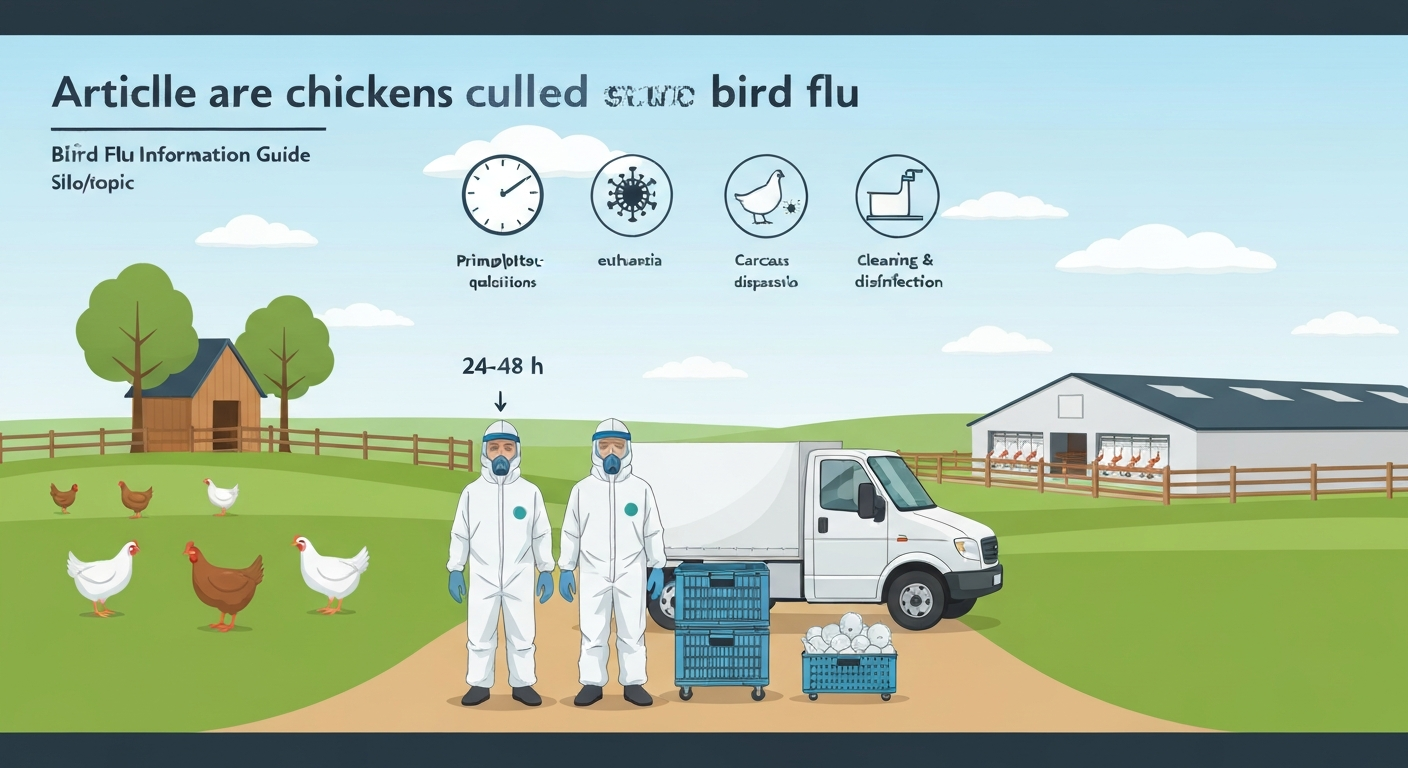
How are chickens culled during bird flu: why it’s done, humane methods, disposal, biosecurity, and next steps
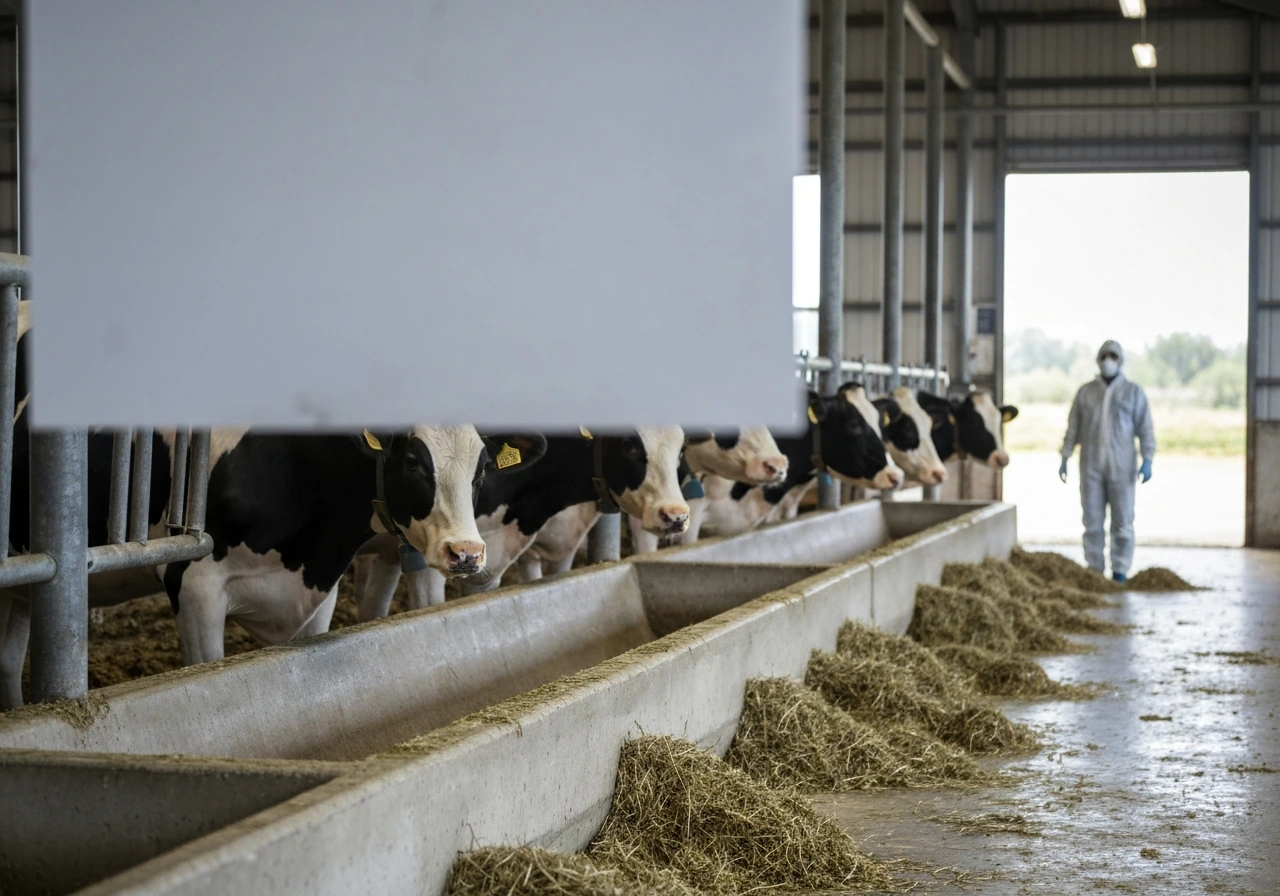
Explains whether cows with bird flu must be killed, and what happens for confirmed vs suspected cases, isolation and nex