
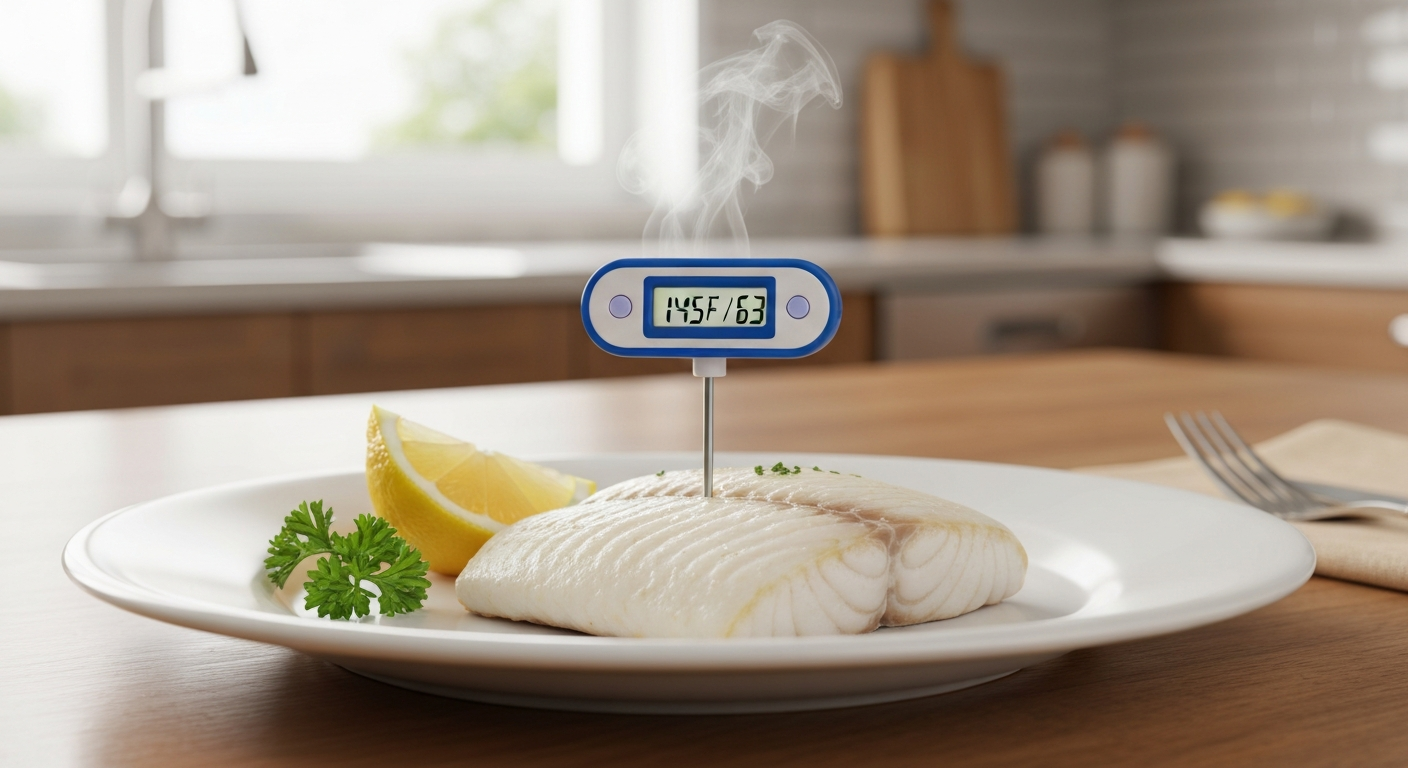
Yes, fish is safe to eat during bird flu outbreaks, provided it is properly cooked and handled with basic food-safety practices. No confirmed human cases of avian influenza have ever been linked to eating fish or seafood. WHO, FAO, CDC, and EFSA all agree on this point: there is no convincing evidence that avian influenza viruses are transmitted to people through properly cooked food of any kind, including fish. Cook your fish to an internal temperature of 145°F (63°C), wash your hands and surfaces well, and you are protected.
Can We Eat Fish During Bird Flu? Safety, Risks, and Tips

Maya Chen
25 Jul 2026
How avian influenza works and why fish are unlikely hosts
Avian influenza is caused by influenza A viruses that primarily infect birds. The virus attaches to specific sialic acid receptors found abundantly in the respiratory and gastrointestinal tracts of birds and, to a lesser extent, in the upper respiratory tracts of humans and some mammals. Fish have a fundamentally different receptor profile and immune biology. No peer-reviewed, confirmed reports exist of natural avian influenza virus infection replicating in farmed food fish species like tilapia or carp and causing illness in humans who ate them. Surveillance and outbreak reports consistently implicate birds, and occasionally mammals like mink or sea lions, as hosts, not fish.
It is worth noting that zebrafish can be infected with influenza A virus under tightly controlled laboratory conditions, which tells researchers something useful about influenza replication pathways. But a zebrafish in a lab receiving a direct viral inoculation is a very different scenario from a tilapia in a farm pond. Experimental susceptibility under artificial conditions does not equal natural infection in aquaculture species, and no such natural infection chain has been documented. The host-range specificity of influenza A viruses is real and consequential here.
Virus survival in water, ice and on surfaces: what research actually shows
Just because fish are not natural hosts does not mean the virus disappears entirely from aquatic environments near outbreaks. Environmental studies have detected avian influenza viral RNA and in some cases viable virus in water, sediment, and farm wastewater close to outbreak sites. Widespread detection of highly pathogenic H5 influenza viruses in wild birds from the Pacific Flyway of the United States documents surveillance detections of H5 in wild birds near outbreak zones Widespread detection of highly pathogenic H5 influenza viruses in wild birds from the Pacific Flyway of the United States (surveillance context). The key variables governing survival are temperature, salinity, pH, and organic load. In cold, fresh, low-salinity water, some H5N1 strains can remain infectious for days to weeks. At warmer temperatures or in high-salinity environments, inactivation happens much faster. This environmental persistence does not mean you will get bird flu from eating fish, but it does explain why water quality and source matter, especially for aquaculture operations and recreational fishers.
Surfaces tell a similar story. Experimental studies on surface survival show some H5N1 strains persist on non-porous materials like plastic and stainless steel for roughly 26 hours, and on human skin for around 4.5 hours. That matters in practical settings: fish crates, ice trays, cutting boards, and market counters can all carry contamination if they have been in contact with infected material and have not been cleaned. The virus on a surface does not spontaneously infect you through food, you would have to transfer it from your hands to a mucous membrane, but it reinforces why hygiene protocols at every step of the supply chain are worth taking seriously.
How fish can actually become contaminated
Fish do not catch bird flu, but they can become passively contaminated in a few realistic ways. First, water-based contamination: fish farmed or caught in water bodies that receive runoff or drainage from infected poultry operations could theoretically be exposed to viral particles. A 2012 PLOS ONE study recreating complex aquatic environments found that HPAI H5N1 RNA and infectious virus persisted in water and mud for days, and that fish, aquatic plants, and molluscs could act as passive carriers, meaning surface contamination, not infection with viral replication in fish tissues. Second, fecal contamination: infected wild birds can shed virus directly into open water through droppings, which is particularly relevant for outdoor aquaculture ponds and wild-catch fisheries during active outbreaks in migratory bird populations. Third, and most practically relevant for consumers, cross-contamination in the kitchen or market: handling poultry and then fish with the same unwashed hands or cutting board is a straightforward way to transfer virus particles, even if the fish itself was perfectly clean.
Practical food-safety steps for consumers
None of the contamination routes above make fish uniquely dangerous, and all of them are manageable with habits most food-safety guidelines already recommend. Here is what to do:
- Wash your hands with soap and water for at least 20 seconds before and after handling raw fish.
- Use separate cutting boards for fish and poultry. Do not switch between them without washing in hot soapy water first.
- Keep raw fish refrigerated at or below 40°F (4°C) until cooking.
- Clean and sanitize all surfaces, utensils, and containers that have touched raw fish before using them for other foods.
- Avoid letting raw fish juices drip onto other foods in the refrigerator.
- Do not rinse raw fish in the sink in a way that splashes contaminated water onto nearby surfaces.
- Source fish from reputable suppliers, especially during active outbreak periods in your region.
Cooking and heat inactivation: the temperatures that protect you
Heat is the most reliable protection against any foodborne pathogen, and avian influenza viruses are no exception. They are enveloped viruses, meaning their outer membrane is relatively fragile and sensitive to heat. Published studies on thermal inactivation show that cooking at typical food-safe temperatures produces multi-log reductions in viral load within seconds to minutes, depending on the matrix. A review (Avian influenza (review article summarizing thermal inactivation studies)) reports spiking studies showing rapid inactivation in meat/matrices at 63–70°C with multi‑log reductions occurring in seconds to minutes, consistent with cooking and pasteurization standards. The USDA/FSIS recommends cooking fish to an internal temperature of 145°F (63°C), at which point the flesh should be opaque and flake easily with a fork. The OIE time-temperature data for poultry provides useful context too: at 70°C, inactivation occurs in about 3.5 seconds; at 65°C, in about 42 seconds. Those numbers apply to meat matrices. For fish cooked to the recommended consumer temperature, the margin of safety is substantial.
| Food | Recommended Internal Temperature | Visual Cue |
|---|---|---|
| Fish (fillets, steaks, whole) | 145°F / 63°C | Flesh is opaque and flakes easily with a fork |
| Shrimp, lobster, crab | 145°F / 63°C | Flesh is pearly and opaque |
| Scallops | 145°F / 63°C | Flesh is milky white or opaque and firm |
| Clams, mussels, oysters | 145°F / 63°C | Shells open during cooking; discard any that do not |
| Poultry (for comparison) | 165°F / 74°C | Juices run clear; no pink meat |
A meat thermometer inserted into the thickest part of the fish is the most accurate method. If you do not own one, they are inexpensive and genuinely useful for all types of protein. Guessing based on color alone is less reliable, particularly for thicker cuts.
Avoid raw and undercooked fish during active outbreaks
Sashimi, ceviche, poke bowls, and lightly seared fish that is still raw at the center are all forms of undercooked or raw fish. While the risk from avian influenza specifically is considered very low, the reasoning for caution during active outbreaks is straightforward: if contamination of water or surfaces has occurred and the fish is consumed raw, the thermal inactivation step that eliminates any viral particles is simply absent. Ceviche is a common misconception here: the acidic lime or lemon juice used does change the texture of fish protein, but it does not cook the fish in the microbiological sense. Acid can reduce some pathogens but is not a validated method for inactivating influenza A viruses. During periods of active HPAI circulation in wild bird or poultry populations in your region, choosing cooked over raw fish is a sensible, low-friction precaution, especially if you are immunocompromised or pregnant.
Guidance for wild-caught fish and recreational fishers
If you fish recreationally, particularly in areas where wild bird die-offs or HPAI outbreaks have been reported, a few additional practices reduce any residual risk. Avoid fishing in water bodies directly adjacent to active outbreak zones or where large numbers of dead birds have been found. Do not handle dead birds near your fishing site, and if you encounter one, report it to your local wildlife or agriculture authority. When cleaning your catch, wear waterproof gloves, especially if you have cuts or abrasions on your hands. Rinse fish with clean water, not water from a potentially contaminated source. Clean your tackle, cutting surfaces, and transport containers with detergent and water after each trip. Most importantly, cook your catch thoroughly. There is no current evidence that eating recreationally caught fish during an HPAI outbreak carries meaningful risk, but these precautions are cheap insurance.
Aquaculture concerns: farms near poultry and steps operators should take
Aquaculture operators face a more direct exposure question than most consumers. Open-air pond systems, in particular, can receive water runoff from nearby land, wild bird droppings, or drainage from poultry operations. During active HPAI outbreaks, operators should assess whether their water supply is at risk of contamination from upstream poultry farms or wild bird roosting areas. Practical steps include installing netting or deterrents to reduce wild bird access to ponds, testing water sources during outbreak periods, and reviewing biosecurity protocols for workers who may also handle poultry or work across multiple farm types. Product from aquaculture operations should be processed and cooked to standard recommended temperatures, as with any other source. Regulatory guidance from national food safety authorities and the FAO/WHO Codex Alimentarius standards provide the baseline framework operators should follow. There are no documented cases of aquaculture fish transmitting avian influenza to humans, but outbreak-period vigilance is consistent with good agricultural practice.
Fish market and vendor hygiene: reducing risk at the point of sale
Fish markets, particularly live-animal markets and wet markets where poultry and seafood are sold in close proximity, are environments where cross-contamination is worth thinking about carefully. Aggregated research on surface-to-hand and hand-to-food transfer shows mean transfer efficiencies of around 20 to 30 percent between contaminated fingerpads and other surfaces. In a busy market where the same person handles poultry crates and then reaches into a fish display, that number becomes relevant. Workers should wash hands thoroughly between handling different animal products, use separate equipment for poultry and fish wherever possible, and disinfect shared surfaces (countertops, scales, ice scoops) regularly with a chlorine solution or equivalent disinfectant. Customers at markets should wash their hands after touching raw products and before eating or touching their face. These are baseline hygiene measures that apply beyond bird flu season, but they matter more when HPAI is circulating in the area.
How fish risk compares with poultry, duck and mutton
To put fish in perspective, it helps to compare it with the other proteins people ask about during bird flu outbreaks. Poultry, including chicken and duck, are the primary host species for avian influenza viruses. See can you eat a duck with bird flu for guidance specific to consuming duck during HPAI outbreaks. They can be naturally infected, shed the virus in respiratory secretions and feces, and handling infected birds or their products represents the most documented route of human exposure during outbreaks. Mutton comes from sheep, which are mammals and can theoretically be exposed to HPAI, though they are not a primary reservoir and documented human cases from sheep products are not on record. For specific guidance on mutton during bird flu outbreaks, see the page titled "Can we eat mutton in bird flu.". Fish sit even further from the risk profile: they are not natural hosts, cannot replicate the virus in their tissues under natural conditions, and human cases from eating fish have never been documented. The hierarchy, from higher to lower relative concern, runs roughly: live infected poultry and raw poultry products, other poultry products (duck, game birds), red meat from exposed mammals, and then fish and seafood at the lower end. Thorough cooking eliminates the meaningful risk across all of these categories.
| Food Type | Natural Host for HPAI? | Documented Human Cases from Eating? | Risk Level (Properly Cooked) | Key Precaution |
|---|---|---|---|---|
| Chicken / Poultry | Yes (primary host) | No confirmed cases from cooked food | Very low when cooked to 165°F/74°C | Thorough cooking; strict raw-handling hygiene |
| Duck | Yes (primary host) | No confirmed cases from cooked food | Very low when cooked to 165°F/74°C | Same as chicken; avoid undercooked duck |
| Mutton (sheep) | Not a primary host | None documented | Very low | Standard meat hygiene and cooking |
| Fish / Seafood | Not a natural host | None documented | Very low when cooked to 145°F/63°C | Avoid raw during active outbreaks; standard hygiene |
Quick risk summary for different audiences
The risk picture is slightly different depending on who you are and how you interact with fish. Here is a practical breakdown:
- General consumers: Fish purchased from reputable sources and cooked to 145°F/63°C carries no meaningful bird flu risk. Standard kitchen hygiene is all you need.
- Immunocompromised individuals and pregnant people: Avoid raw or undercooked fish (sashimi, ceviche, undercooked fillets) during active outbreak periods as a precaution. Choose fully cooked preparations and source from well-regulated suppliers.
- Fish market workers: Wash hands between handling poultry and fish products. Disinfect shared surfaces regularly. Wear gloves when handling large volumes of raw product and avoid touching your face.
- Recreational fishers: Avoid fishing in areas with active wild bird die-offs. Wear gloves when cleaning catches. Use clean water sources and sanitize equipment after use. Cook all catch thoroughly.
- Aquaculture operators: Assess water supply contamination risk during active outbreaks, restrict wild bird access to ponds, and review worker biosecurity protocols, particularly if staff also work with poultry.
What to do if you suspect contamination, exposure or illness
If you believe you have eaten fish from a source that was contaminated during a known HPAI outbreak, it is worth knowing that foodborne transmission of avian influenza has not been confirmed in any documented human case. Thorough cooking eliminates the risk entirely. However, if you develop symptoms within 2 to 5 days of potential exposure (fever above 38°C/100.4°F, respiratory symptoms, conjunctivitis, or unexplained muscle aches) and you have had direct contact with birds, bird droppings, or live animal markets, contact your healthcare provider and mention the potential exposure. Do not self-medicate with antivirals without a diagnosis. If you are a market worker or aquaculture operator and suspect your facility has had unusual fish mortality or other anomalies during an active outbreak, report it to your local agricultural or public health authority. Rapid reporting supports outbreak containment and protects others.
Where to find official guidance
All major food safety and public health bodies have published clear guidance on avian influenza and food safety. The WHO's Avian Influenza Q&A, the CDC's Food Safety and Bird Flu page, EFSA's avian influenza risk communications, and the FAO's technical reviews are the most authoritative and regularly updated sources. For cooking temperatures, the USDA/FSIS Safe Minimum Internal Temperature Chart is the definitive consumer reference. The OIE (WOAH) Terrestrial Animal Health Code provides the technical time-temperature inactivation data that underpins commercial food processing standards. For context on how cooking eliminates viral risk more broadly, the related topic of cooking and heat inactivation of bird flu covers the science in more detail. For a practical FAQ on whether cooking destroys avian influenza, see can you cook out bird flu. If you want to understand the risk profile of other proteins during outbreaks, the topics on eating chicken with bird flu, eating duck with bird flu, and eating mutton during bird flu address those questions directly with the same evidence-based framework applied here.
FAQ
Can we safely eat fish during avian influenza (bird flu) outbreaks?
Yes. Current evidence and guidance from public health authorities (WHO, CDC, EFSA) indicate there is no convincing evidence that avian influenza viruses are transmitted to people by eating properly handled and thoroughly cooked fish or other foods. Routine food‑safety measures — avoiding cross‑contamination, good hand hygiene, cleaning/disinfecting surfaces and cooking to a safe internal temperature — protect consumers.
Why are fish unlikely to be a source of avian influenza infection for people?
Avian influenza viruses primarily infect birds (and some mammals). There are no confirmed reports that common farmed or wild food fish naturally replicate avian influenza viruses and cause human foodborne cases. Experimental studies show some viruses can persist on/in water or contaminate aquatic organisms, but this is contamination, not proven natural infection or efficient foodborne transmission to people.
Can avian influenza viruses survive in water or on fish surfaces?
Yes — avian influenza viral RNA and sometimes infectious virus have been detected in water, sediment and wastewater near outbreaks. Virus survival in water depends on temperature, salinity, pH and organic load: cold, low‑salinity fresh water can prolong survival for days to weeks for some strains. Virus can also survive on non‑porous surfaces (plastic, stainless steel) for hours to a day or more, creating a potential fomite risk.
Does finding virus in water mean fish are infected or contagious?
No. Detection of virus in water or on aquatic surfaces indicates contamination of the environment. Experimental work shows some aquatic organisms can carry virus on or in tissues transiently, but there is no evidence that typical food fish species naturally support replication of avian influenza viruses or that eating such fish (when properly processed and cooked) has caused human infections.
Is cross‑contamination a real risk in fish markets or kitchens?
Yes. Cross‑contamination is a plausible route if contaminated materials (poultry, wild bird carcasses, ice, crates, cutting boards, hands) contact fish, equipment, or ready‑to‑eat seafood. Influenza A viruses can transfer from contaminated surfaces/hands to food, so good hygiene and separation of raw poultry and seafood handling areas are important.
What practical steps should fish‑market workers, fishers and aquaculture operators take?
- Keep poultry, wild birds and their products away from fish ponds, tanks, processing areas and ice storage. - Prevent bird access to ponds and farm sites; secure feed and remove dead birds promptly. - Disinfect work surfaces, crates, knives and equipment regularly with agents effective against enveloped viruses (detergents, bleach solutions, alcohol where appropriate). - Use dedicated tools and clothing for poultry and fish work; change gloves/coveralls between tasks. - Train staff in hand hygiene and safe handling to avoid cross‑contamination.