
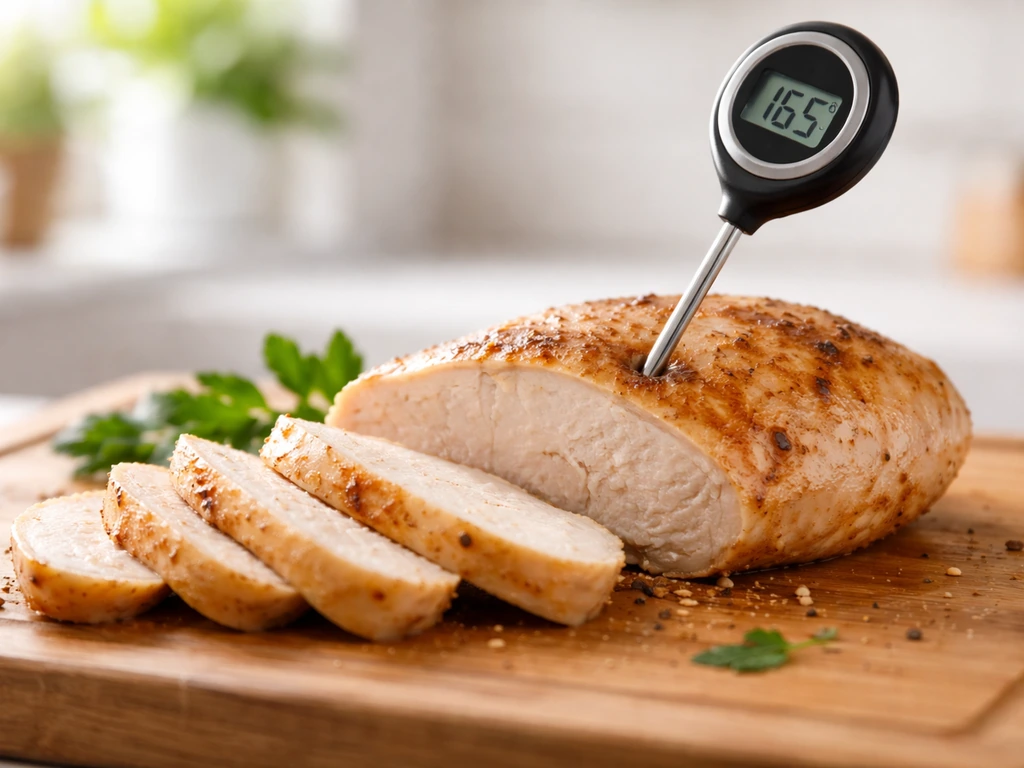
Yes, normal cooking destroys the avian influenza virus. The blank" rel="noopener noreferrer">CDC and WHO both confirm that heating poultry to an internal temperature of 165°F (74°C) kills avian influenza A viruses, along with other bacteria and pathogens. There is no evidence that anyone in the U.S. has gotten bird flu from eating properly cooked poultry. The catch is that cooking only protects you if the food actually reaches that temperature throughout, and if you don't contaminate other foods or surfaces during prep. That second part is where most people go wrong.
Can You Cook Out Bird Flu? Safe Chicken Temperatures

Maya Chen
24 May 2026
Can bird flu survive cooking, what the evidence says
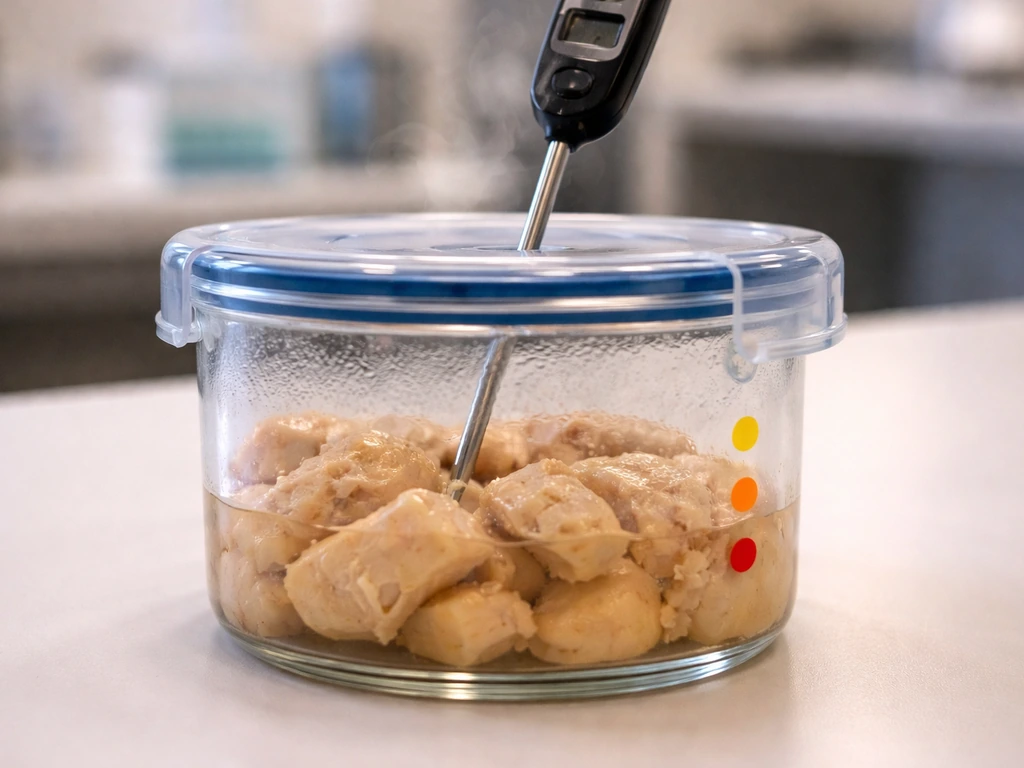
The avian influenza virus is heat-sensitive. Lab studies on both H7N9 and H5N1 strains confirm this clearly. One study found H7N9 was inactivated at 56°C (133°F) after 30 minutes, at 65°C (149°F) after 10 minutes, and at 70°C to 75°C (158°F to 167°F) after just one minute. Research on H5N1 in chicken meat found complete inactivation at 70°C (158°F) in as little as 1 second in breast meat and 5 seconds in thigh meat. Those exposure times are far shorter than any normal cooking cycle.
The WHO reinforces this with its core guidance: a food temperature above 70°C kills the virus. The CDC and USDA align on 165°F (73.9°C) as the safe minimum internal temperature for all poultry. These thresholds aren't arbitrary, they are based on the actual thermal inactivation data for the pathogens most likely to be present in poultry, including influenza viruses. Properly cooked chicken does not carry viable avian influenza virus.
Cooking chicken safely: temperatures, time, and handling
The number to remember is 165°F. The USDA FSIS sets this as the safe minimum internal temperature for all poultry, regardless of cut: whole birds, breasts, thighs, legs, wings, ground poultry, giblets, and any stuffing cooked inside a bird. That's a single threshold that covers everything, which makes it easy to apply consistently.
A food thermometer is the only reliable way to confirm you've hit that number. Color and texture are not dependable indicators, thighs can run pink even when fully safe, and breasts can look done before they are. Insert the thermometer into the thickest part of the meat, away from bone, and check the reading before you pull the food from heat. The FDA also recommends allowing standing time after cooking, which lets residual heat continue working through the food before you check the final temperature.
Here is a quick reference for the safe cooking targets from USDA FSIS guidance:
| Poultry Cut or Product | Safe Internal Temperature | Notes |
|---|---|---|
| Whole bird | 165°F (73.9°C) | Check thigh, not breast |
| Chicken breasts | 165°F (73.9°C) | Check thickest part |
| Thighs and legs | 165°F (73.9°C) | Check near bone but not touching it |
| Ground poultry | 165°F (73.9°C) | Use thermometer, not color |
| Stuffing (cooked inside bird) | 165°F (73.9°C) | Check center of stuffing |
| Duck | 165°F (73.9°C) | Same standard applies |
One more thing worth flagging: do not rinse or wash raw chicken before cooking. The USDA explicitly advises against it. Rinsing spreads droplets and raw juices onto nearby surfaces, utensils, and food, which is exactly the cross-contamination scenario you're trying to avoid. Any bacteria or virus on the surface of the bird gets destroyed during cooking anyway, so washing adds risk without adding safety.
Does cooking "remove" virus from food, the practical bottom line
Cooking doesn't "remove" the virus, it inactivates it. The viral particles are still physically present in the food, but they're no longer capable of infecting anyone. This is an important distinction because it means the protection is only as good as the cooking process. If food doesn't reach 165°F uniformly (for example, in a thick stuffed bird or unevenly cooked ground poultry), there's a theoretical risk that some portions remain undercooked. This is why a thermometer matters far more than a timer or visual check.
The CDC's bottom line is reassuring: there is no evidence of bird flu infection from eating properly handled and cooked poultry in the U. The FDA also states there is no evidence that avian influenza virus can be transmitted to humans through properly prepared food.
For most people, this means you can safely eat properly handled and cooked poultry, so the same logic applies to mutton as well. S. However, the CDC also notes that in a small number of cases outside the U. S.
, consuming uncooked poultry products, including blood-based dishes, has been linked to infection. The operative word throughout is "properly", which means both cooked to the right temperature and handled without contaminating other foods or surfaces in the process.
Risks after cooking: cross-contamination and unsafe prep
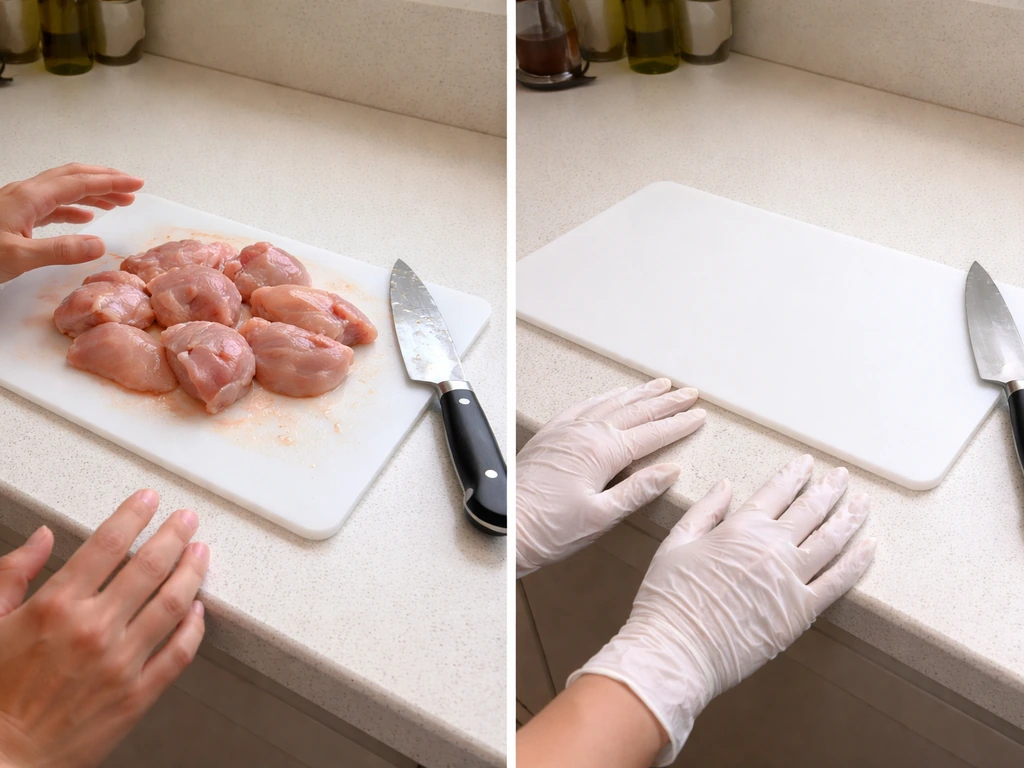
Here's the part most people underestimate. You can cook chicken perfectly and still get sick if you contaminated your cutting board, knife, countertop, or hands before the food went into the oven. Cooking destroys the virus in the cooked food, it does nothing for anything that already spread elsewhere in your kitchen. The CDC's food safety framework emphasizes four core principles: Clean, Separate, Cook, and Chill. The "Separate" step is just as important as the "Cook" step.
In practice, cross-contamination during raw poultry prep is one of the most common food safety failures. Raw chicken juices can spread to ready-to-eat foods like salad greens, fruit, or cooked foods if they share a cutting board or end up near each other in the refrigerator. The USDA specifically calls out keeping raw meat, poultry, and their juices away from all other food as a key food safety basic.
The steps that actually prevent cross-contamination are straightforward:
- Use a dedicated cutting board for raw poultry, separate from the one you use for produce or cooked food
- Wash your hands with soap and water for at least 20 seconds after touching raw poultry and before touching anything else
- Clean and sanitize all surfaces and utensils that contacted raw poultry before using them again
- Store raw poultry in a sealed container on the lowest shelf of the refrigerator so juices can't drip onto other foods
- Don't rinse raw chicken in the sink
- Use separate plates for raw and cooked meat — never put cooked chicken back on the plate that held it raw
OSHA guidance on avian flu prevention also highlights hand hygiene as a critical pathway after any contact with exposed poultry, this applies in commercial settings, but the logic is identical in a home kitchen.
Who needs extra caution
For most people buying commercially raised chicken at a grocery store, the food safety risk from avian influenza is very low. The commercial poultry supply is monitored, and there is no evidence of transmission through properly cooked poultry products. That said, certain situations call for heightened awareness.
People in areas with confirmed bird flu outbreaks in poultry or wild birds, those who raise backyard flocks, hunters who handle wild waterfowl, and agricultural workers with direct contact with birds should be more careful on all fronts, not just cooking. The CDC recommends wearing appropriate PPE when direct contact with sick or dead birds is unavoidable, and washing hands thoroughly afterward. If you've had direct or close contact with infected birds or contaminated environments, the CDC advises monitoring your health for 10 days after your last exposure.
Higher-risk individuals in terms of disease severity, including older adults, people with weakened immune systems, and those with chronic health conditions, should follow the same safe food handling practices as everyone else, but may want to be especially diligent about temperature verification and cross-contamination prevention. If you're concerned about poultry from a backyard flock that may have been exposed, cooking to 165°F still inactivates the virus, but also consider whether that flock has been assessed by local agriculture officials.
Questions about other proteins follow similar logic. If you're asking about fish instead, the same idea applies: check the specific guidance for that food and follow safe handling and cooking practices. Whether you're thinking about duck, eggs, or other animal products, the same heat-inactivation principles apply, though the specific guidance for each food type is worth checking separately. Yes, if you cook duck thoroughly to the same safe internal temperature used for poultry, it can inactivate avian influenza virus like other birds.
If you're worried: symptoms to watch and where to get guidance

If you've handled potentially exposed poultry (not just cooked it, but handled raw birds that may have been infected) and you develop symptoms within 10 days, take that seriously. The CDC and WHO both recommend seeking medical care immediately if you experience fever, cough, difficulty breathing, or conjunctivitis (eye redness or discharge) after recent exposure to birds in an area with a known outbreak. Don't wait to see if symptoms resolve on their own, call ahead to your healthcare provider or local health department and tell them about the potential exposure so they can triage appropriately.
For people who are simply concerned because they saw news coverage of an outbreak in their region, the practical steps are much simpler. Stick to commercially sourced poultry, cook it to 165°F, follow cross-contamination prevention basics, and avoid direct contact with wild birds or backyard flocks showing signs of illness. The FDA and CDC both state clearly that properly prepared and cooked poultry poses no demonstrated transmission risk. The guidance hasn't changed, and it works.
For the most current outbreak status and any updated food safety advisories, the CDC's bird flu page and your state or local health department are the most reliable sources. Authoritative guidance is updated as situations evolve, and those are the places to check if you're uncertain about conditions in your specific area.
FAQ
How can I tell if I cooked it “enough” without a thermometer?
No. If you have a thermometer, trust the number. Visual cues, color, and juices can mislead, especially with dark meat and thick cuts, so for bird flu risk the safe approach is always cook to 165°F (74°C) at the thickest point.
Do I need to re-check the temperature after resting (standing time)?
You should check the temperature after the bird is out of the oven, but still warm, because standing time allows heat to finish equalizing. Use the thermometer again after resting if your first check was right at the minimum, then make sure the final reading meets the target.
Is it safe to eat chicken leftovers after cooking it to 165°F?
Cooked leftovers are not the problem if you refrigerate promptly and reheat correctly. Reheat leftovers to 165°F throughout (especially casseroles and thick portions), and discard anything left at room temperature too long.
Can I partially cook chicken and finish it later, like for meal prep?
Yes, but do not rely on “mostly cooked” states. If you’re using a par-cook or a two-stage bake, ensure the final internal temperature reaches 165°F in every portion, including areas near stuffing (if applicable).
Does freezing or defrosting change the bird flu cooking guidance?
Frozen poultry can be safe, but only if it’s thawed and cooked properly. Thaw in the refrigerator (or use a safe defrost method), avoid thawing on the counter for long periods, and cook to 165°F throughout once fully thawed or cooked from frozen using a method that reaches the required internal temperature.
If my timer says it’s done, can I skip checking the temperature?
For food safety, no. Doneness decisions should be made with temperature, not timer estimates. The key failure mode is uneven heating, which can happen in stuffed birds, thick cuts, and large pieces packed together, so measure at multiple thick spots if needed.
What should I do if I cut into the chicken and it looks underdone?
If you cut into the meat early and it hasn’t reached the target temperature, put it back and continue cooking, then re-check with the thermometer. Don’t assume it will “catch up” while sitting out, because standing time helps only when the meat is already hot enough.
Can I touch salad or fruit after handling raw chicken if I cooked the chicken fully?
Yes, if you handle the raw bird and then touch “ready to eat” items without cleaning. The cooking step only protects the cooked food, not anything your hands, knife, or cutting board contacted earlier, so clean hands and surfaces immediately after raw poultry prep.
Should I rinse chicken to reduce bird flu risk?
No rinsing. Washing raw chicken increases the chance of spreading contaminated droplets around the kitchen. The safe workflow is: skip rinsing, keep raw poultry contained, cook to temperature, then clean and sanitize utensils and surfaces that touched raw meat.
If cooking inactivates the virus, does that mean any undercooked part is fine as long as the outside is hot?
Not exactly. “Inactivates” means it makes the virus noninfectious, but the only way to guarantee that in practice is correct heat penetration throughout the food. For thick or uneven products (like ground poultry mixed with fillers or very stuffed birds), temperature mapping matters.
Do higher-risk people (older adults, immunocompromised) need different cooking targets?
In most cases, eating properly cooked poultry remains the main safe rule even when someone is in a higher-risk health category. The practical extra step is tighter control of temperature verification and minimizing cross-contamination, since any foodborne illness risk is more consequential for older adults and immunocompromised people.
If I handled birds and later feel sick, do I still need medical care even if I cooked chicken at home?
Yes. If you develop symptoms within about 10 days of direct exposure to sick or dead birds, you should seek medical care promptly and mention that exposure. Cooking food you later ate does not eliminate the need to get evaluated if you had exposure through handling birds or a contaminated environment.