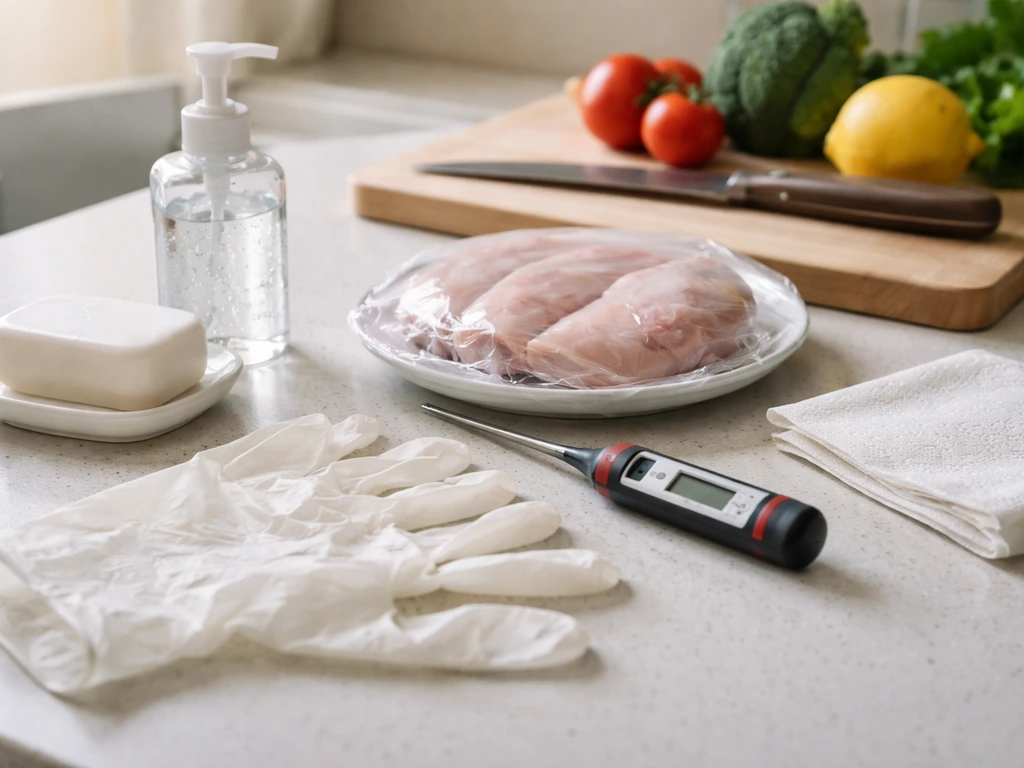
Bird flu prevention comes down to one core idea: interrupt the virus's path between wild birds, domestic poultry, and people. That means keeping wild birds physically separated from your flock, disinfecting anything that moves between bird areas, practicing solid hand hygiene, cooking poultry and eggs to 165°F, and staying aware of active outbreaks in your area. Most human infections have involved close, prolonged, unprotected contact with infected birds or contaminated environments, so reducing that contact is the single most effective thing you can do.
How Can Bird Flu Be Prevented: Practical Checklist

Maya Chen
11 Jul 2026
How bird flu spreads (and where to block it)
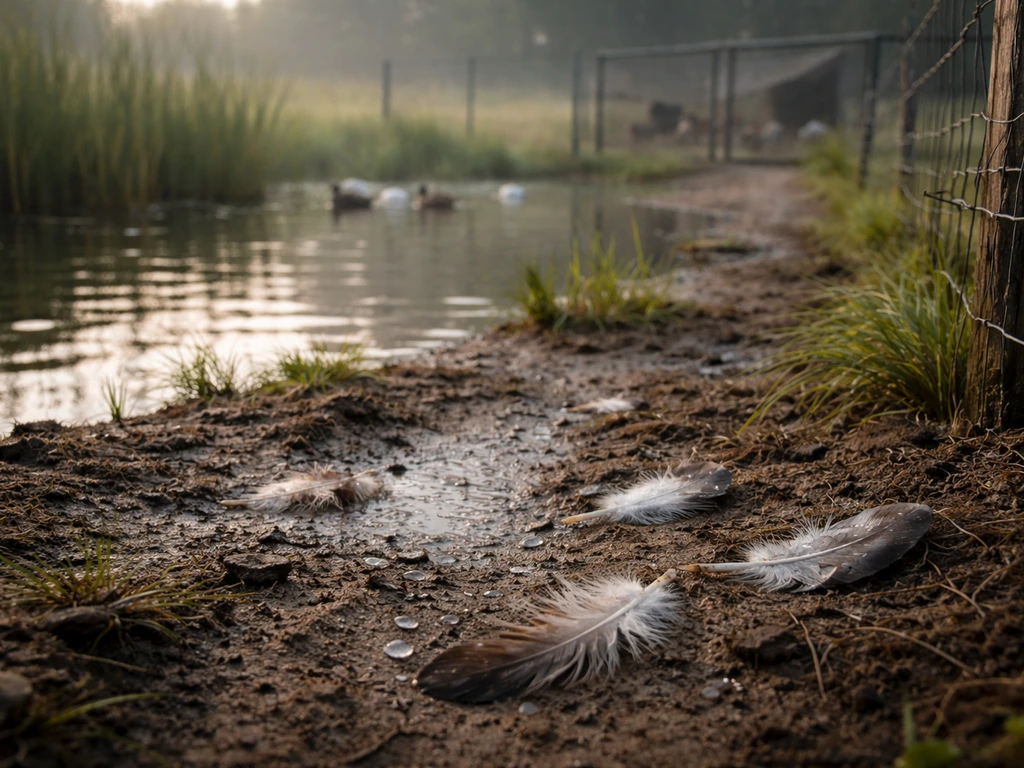
Avian influenza moves between birds primarily through respiratory secretions, saliva, and feces. Wild migratory birds, especially waterfowl, carry the virus without always showing symptoms, and they shed it anywhere they rest, feed, or drink. When domestic poultry share water sources, forage near wild bird congregation areas, or come into contact with contaminated droppings, infection can follow quickly.
People get infected through two main routes: breathing in virus-laden droplets or dust in contaminated environments, or touching a contaminated surface (think: a fence post, equipment handle, or egg crate) and then touching their eyes, mouth, or nose. The virus also hitches rides on clothing, shoes, hands, vehicles, and shared equipment, which is how it can travel from one farm or backyard flock to another without a single live bird moving between them. Understanding these routes tells you exactly where to put up barriers.
Biosecurity for backyard and poultry operations
If you keep chickens, ducks, or any domestic poultry, biosecurity is your first line of defense. It sounds formal, but at its core it just means controlling what goes in and out of your bird areas. If you want a practical checklist, learning how to avoid bird flu starts with controlling what goes in and out of your bird areas. A few consistent habits make a dramatic difference.
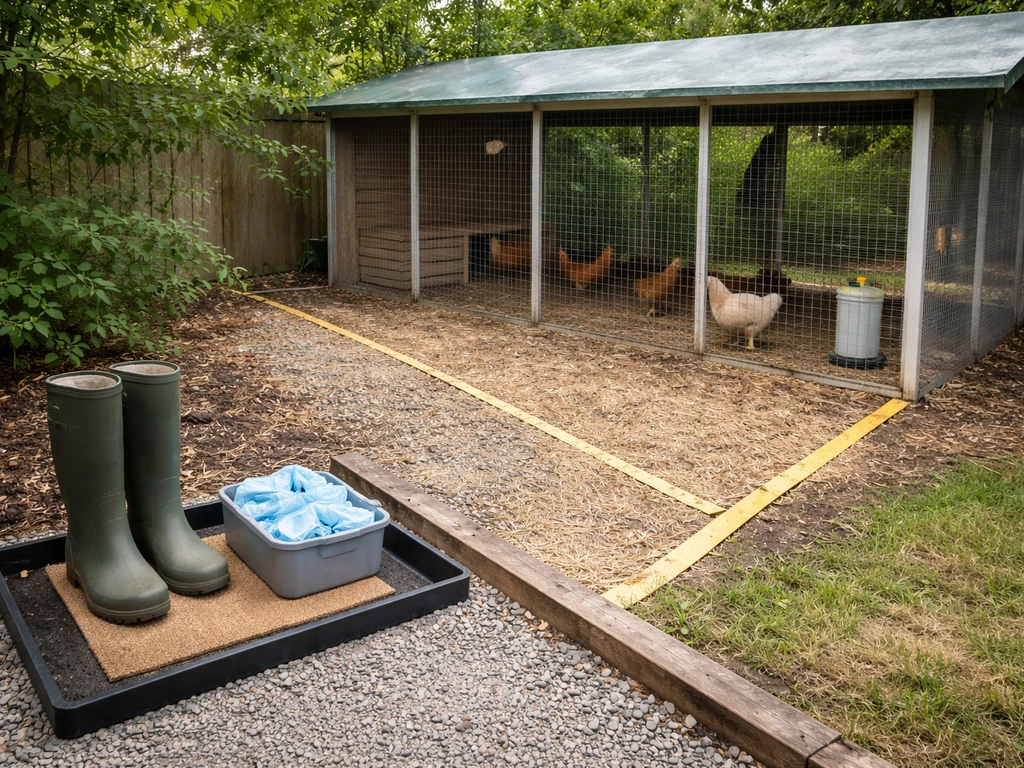
- Designate one pair of boots or disposable shoe covers exclusively for your poultry area. Use a disinfecting foot bath at the entry point every single time you go in.
- Change your outer clothing or wear a dedicated coverall when entering poultry housing, especially after visiting another farm, a feed store, a poultry show, or anywhere birds are present.
- Do not share equipment between flocks. If equipment must be shared, clean and disinfect it completely before it enters your property.
- Spray vehicle tires and wheel wells with an approved disinfectant before driving onto or off your property if you've been near other poultry or bird areas.
- Wear gloves or apply hand sanitizer when entering and exiting poultry areas, even for quick checks.
- Limit visitors. Anyone who needs access should follow the same footwear and clothing protocols you do.
- Keep records of who enters your flock area and when. If an outbreak occurs nearby, this helps trace any potential exposure quickly.
USDA's 'Defend the Flock' guidance frames this as 'don't haul disease home,' which is a good mental shortcut. Every time you've been around birds that aren't yours, assume you could be carrying something on your clothes or shoes and act accordingly before walking into your own flock.
Keeping wild birds out: housing, fencing, and feeders
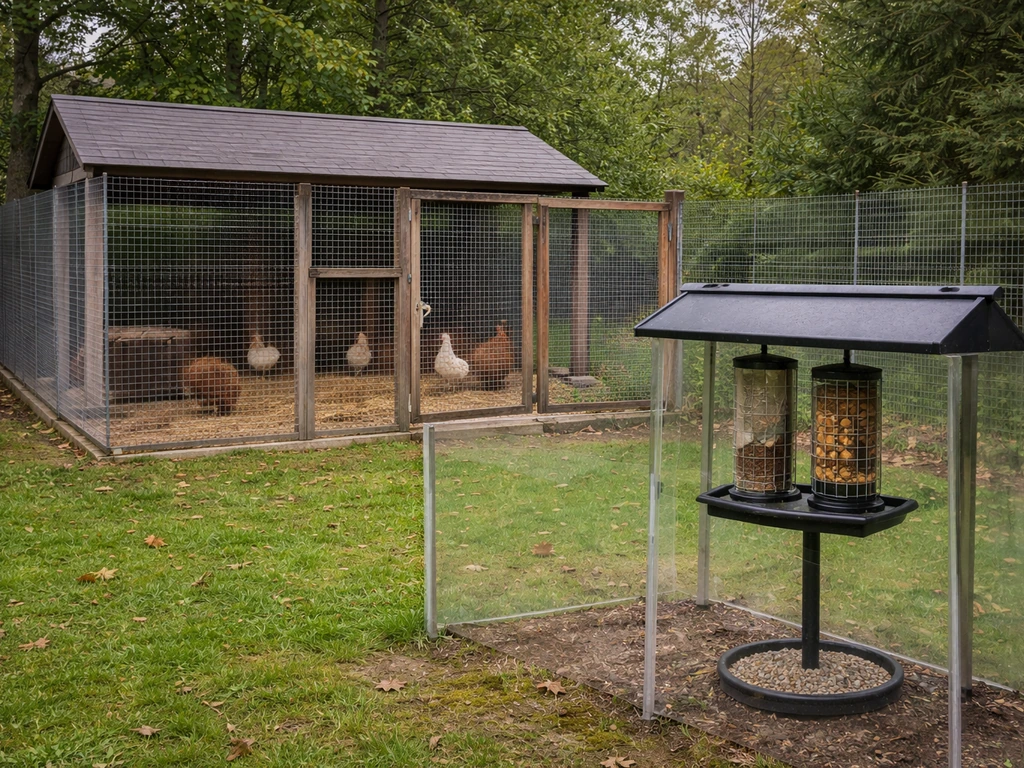
Wild bird contact is one of the most common ways HPAI enters a backyard flock, and it's also one of the most preventable. If you are wondering what to stock up on for bird flu, focus on supplies that help you keep wild birds out, disinfect surfaces, and protect your hands and clothing. The goal is physical separation, not just discouragement.
- House poultry in covered, enclosed structures with solid roofing or wire mesh over runs. Open-range setups dramatically increase exposure risk during active outbreaks.
- Use wire mesh with openings small enough to prevent wild birds from entering or reaching their heads through to feed or drink.
- Move feeders and waterers inside a covered structure so wild birds cannot access them. Shared feed and water is one of the most direct transmission routes.
- Remove any standing water sources near poultry areas that might attract waterfowl.
- Inspect fencing regularly for gaps at ground level where rodents and small birds can squeeze through.
- Keep the area around housing clear of tall grass, brush piles, and uncovered grain that attracts wild birds.
- During high-risk periods (active local outbreaks or major waterfowl migration seasons), consider temporarily housing free-range birds indoors entirely.
Cleaning, disinfection, and waste handling
Cleaning and disinfecting are two separate steps, and both matter. Cleaning removes organic material (manure, feathers, feed debris) that would otherwise shield the virus from disinfectants. Disinfecting then inactivates whatever's left. Skipping cleaning and going straight to disinfectant is like mopping a floor without sweeping first, you're just spreading things around.
- Remove all birds and visible organic material (manure, bedding, feathers) before applying any disinfectant product.
- Wash surfaces with water and detergent, then rinse thoroughly.
- Apply an EPA-registered disinfectant from List M (EPA's list of products effective against avian influenza A viruses). Check the product label for the required contact time, which is typically around 10 minutes for many formulations, and keep the surface visibly wet for that entire duration.
- Pay particular attention to high-touch surfaces: door handles, feeders, waterers, nest boxes, egg flats, and crates.
- Disinfect footwear and reusable equipment after every use in poultry areas.
- Bag and seal waste (manure, dead birds if applicable) before removing it from the area. Do not compost material from a suspected infected flock without guidance from your state veterinarian.
- Wash your hands thoroughly with soap and water after handling any waste or cleaning materials.
Sodium hypochlorite (bleach-based) products are commonly used and effective, but efficacy depends on correct concentration, low organic load, and adequate contact time at appropriate temperatures. Always follow the product label, not a general recipe. The EPA List M database lets you search by active ingredient and includes labeled contact times for each registered product.
What to do if you find sick or dead birds
Sick or dead birds should be treated as potentially infected until confirmed otherwise. If birds are sick or dying, contact a local veterinarian, cooperative extension service, or state veterinarian for diagnosis and reporting steps USDA APHIS. The instinct to handle and investigate a dead bird with bare hands is completely understandable, but it's exactly the kind of exposure that carries risk. Here's what to do instead.
- Do not handle sick or dead birds with bare hands. Use disposable gloves and, if available, a mask or respirator.
- Keep other people and animals away from the area until the situation is assessed.
- For backyard or commercial flocks: contact USDA's toll-free sick bird reporting line at 1-866-536-7593, your state veterinarian, your local cooperative extension office, or a local poultry veterinarian immediately.
- For wild birds: contact your state wildlife agency or the USDA Wildlife Services office in your state. Do not attempt to handle or move multiple dead wild birds without guidance.
- Wash your hands thoroughly with soap and water after any contact, even if you were wearing gloves.
- Monitor yourself for symptoms (fever, cough, sore throat, eye redness or discharge, body aches) for about 10 days after potential exposure. The typical incubation period for H5 viruses is about 3 days, with a range of 2 to 7 days.
- If symptoms develop after a known or suspected bird exposure, contact your healthcare provider and mention the exposure clearly.
Early reporting is genuinely important here, not just for your flock, but for neighboring farms and public health surveillance. The sooner a suspected case is reported, the faster containment measures can be put in place.
Protecting yourself: personal hygiene and minimizing exposure
Most people who get bird flu have had close, prolonged, unprotected contact with infected birds. If you work with or around poultry, the personal protection basics are straightforward and highly effective when followed consistently.
- Wash hands with soap and water for at least 20 seconds after any contact with birds, bird droppings, bedding, or equipment. Do this before eating, drinking, touching your face, or using the bathroom.
- Avoid touching your eyes, nose, or mouth when you're in bird areas or have recently handled birds.
- Wear appropriate PPE when there is known or suspected HPAI in your area or flock: at minimum, waterproof gloves, eye protection (goggles or face shield), and a properly fitted N95 respirator or higher. CDC and OSHA both recommend adding respiratory and eye protection specifically for avian influenza exposure scenarios.
- Do not eat, drink, or smoke in poultry areas.
- Shower and change clothes after working in areas with confirmed or suspected infections.
- If you're traveling internationally to regions with active bird flu outbreaks, avoid live bird markets, poultry farms, and any surfaces visibly contaminated with animal feces.
The hand hygiene timing matters as much as the act itself. OSHA specifically calls out the moments that count most: after contact with birds or contaminated surfaces, after removing PPE, and before any action that involves touching your face or mouth. Building those habits around those specific transitions is more effective than a general reminder to 'wash your hands.'
Food safety: eggs, poultry, and cross-contamination
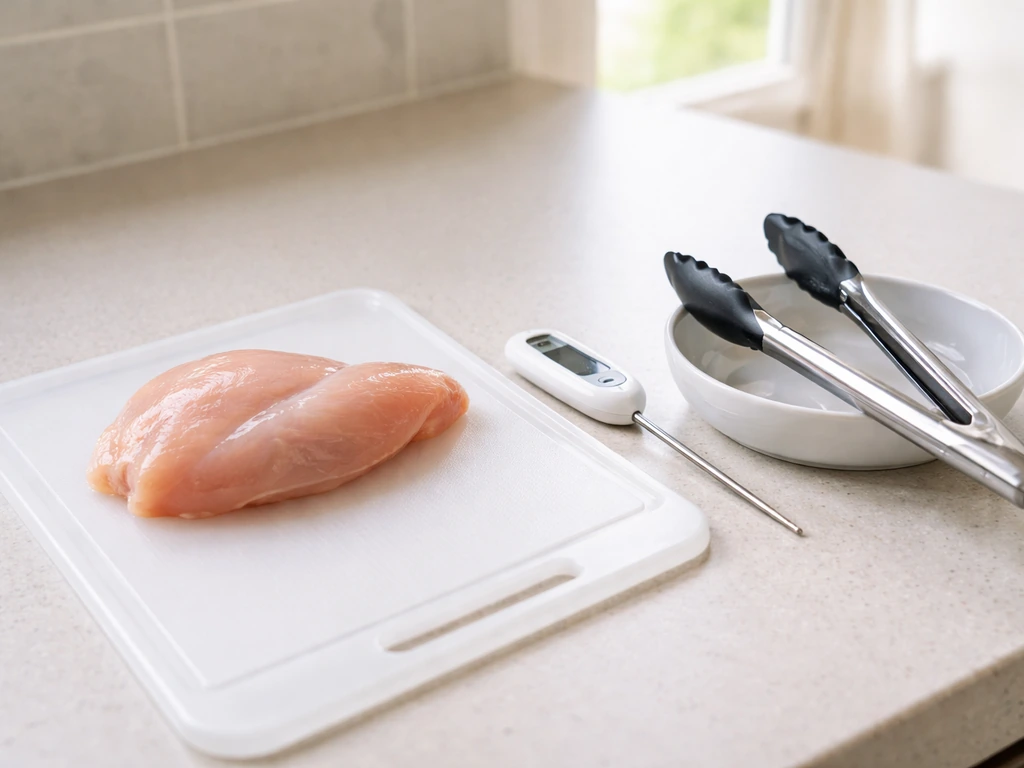
Properly prepared poultry and eggs from regulated commercial sources are safe to eat. The key protective factor is temperature: cooking poultry and eggs to an internal temperature of 165°F kills avian influenza A viruses, along with other foodborne pathogens. The 165°F threshold applies to all poultry, including chicken, turkey, and duck, and it should be verified with a food thermometer, not judged by color or texture.
- Use a food thermometer inserted into the thickest part of the meat, away from bone, to confirm 165°F before serving.
- Do not eat undercooked poultry or runny eggs from unknown or backyard sources during active outbreaks.
- For recipes that traditionally call for raw or lightly cooked eggs (homemade mayo, certain dressings, mousse), use commercially pasteurized eggs or pasteurized liquid egg products instead.
- Keep raw poultry separate from ready-to-eat foods in your refrigerator and on your cutting board. Use separate utensils and wash surfaces between uses.
- Wash hands thoroughly with soap and water after handling raw poultry or eggs.
- Do not wash raw poultry before cooking. It spreads contaminated droplets around the sink area without reducing pathogen load.
Commercial eggs in the U.S. go through processing and inspection steps that significantly reduce risk compared to eggs handled informally. If you collect eggs from a backyard flock in an area with known HPAI activity, exercise extra caution: refrigerate eggs promptly, discard cracked or visibly soiled eggs, and cook thoroughly.
Stay current: outbreaks move, and so should your precautions
Prevention guidance isn't static. The risk picture for bird flu shifts with seasons, migration patterns, and where active outbreaks are occurring. A biosecurity level that makes sense in a low-risk period may not be adequate when HPAI is confirmed in flocks in your county. Building in the habit of checking updates takes a few minutes and can meaningfully adjust what precautions make sense for your situation right now. If you are investing, it's also worth looking at the best bird flu stocks and how their revenue risks and exposure may change as outbreaks develop.
- Check the USDA APHIS 'Defend the Flock' resource page for current HPAI detections in commercial and backyard poultry, updated regularly by state.
- Follow CDC's HPAI H5N1 situation updates for the latest human exposure guidance, PPE recommendations, and any changes to monitoring protocols.
- Sign up for alerts from your state department of agriculture or state animal health official, who often have the most locally relevant outbreak information.
- If you're in an area with confirmed detections, consider temporarily increasing biosecurity measures (moving free-range birds indoors, increasing disinfection frequency, limiting farm visitors) even before you have direct exposure.
- Review WHO interim guidance if you travel internationally or work in settings with exposure to animals across species (wild birds, dairy cattle, pigs), as H5N1 transmission patterns have been evolving.
If you're thinking beyond day-to-day prevention and want to think about broader preparedness, topics like how to prepare for a bird flu pandemic and what to stock up on for bird flu cover that additional ground. But for most readers, the steps above, applied consistently in your specific setting, are where the real protection comes from. Bird flu remains primarily a disease that spreads between birds. The human risk is real but closely tied to the kind of direct, unprotected contact that these measures are specifically designed to prevent. WHO provides practical interim guidance that focuses on blank" rel="noopener noreferrer">reducing people’s exposure to birds and mammals potentially infected with avian influenza viruses.
FAQ
Can I still keep backyard poultry if wild birds visit my yard often?
Yes, but increase physical barriers. Use netting or covered outdoor runs, keep food and water inside enclosed areas, and prevent standing water where wild birds congregate. Even with good biosecurity, prioritize separation during high-migration weeks when shedding can be symptomless.
How do I disinfect without accidentally making things worse?
First clean off manure, feathers, and debris, then disinfect. Disinfectants work only when they can reach the surface, and organic matter can shield the virus. Also let the cleaner and disinfectant sit for the full time required by the product label before rinsing or wiping.
What is the safest way to handle a sick or dead bird I suspect might have HPAI?
Avoid bare-hand contact, keep the bird isolated in a sealed bag or container, and minimize aerosolizing material by not shaking it. After handling, remove protective clothing carefully, disinfect hands and any reusable gear, and report promptly so containment guidance can be tailored to your area.
Does wearing gloves replace the need for hand hygiene?
No. Gloves can help with direct contact, but contamination can transfer from glove surfaces to face or household items when adjusting PPE, touching phones, or opening doors. Clean or change gloves appropriately, and still wash or sanitize hands after removing PPE and before touching your face.
Can bird flu spread through shoes and vehicles even if no one brings a live bird inside?
Yes. The virus can hitch rides on footwear, vehicle tires, equipment handles, and clothing fabric. If you move between bird locations, create a “clean” and “dirty” workflow (park and do tasks in a controlled order), and disinfect footwear and commonly touched equipment before entering your poultry area.
Are eggs safe if I don’t know whether my area has HPAI activity?
Commercially processed eggs are generally safe when handled and cooked properly. For backyard eggs during any period of suspected local activity, be extra strict: discard cracked or visibly soiled eggs, refrigerate promptly, and cook thoroughly with a food thermometer to the required internal temperature.
Is cooking poultry by “color” or texture enough to prevent bird flu?
No. Visual cues do not reliably indicate internal temperature. Use a thermometer and verify the internal temperature reaches the target throughout the thickest part of the meat, including near bones where undercooking can happen.
What should I do if my birds share air or fencing with other flocks nearby?
Assume contact can occur indirectly. Prevent nose-to-nose interactions, secure fencing so birds cannot reach each other, and avoid shared equipment like feed scoops, waterers, or catch nets. If neighbors also have poultry, coordinate biosecurity steps so practices are consistent.
How often should I disinfect, and what should I focus on first?
Prioritize high-touch, high-risk areas: entry points to the poultry area, equipment handles, egg crates, waterers, and any surfaces contaminated with droppings or spilled feed. Frequency depends on how quickly surfaces get soiled, but disinfection must be preceded by cleaning whenever organic material is present.
If I see a reduction in wild birds, does that mean the risk is gone?
Not necessarily. Wild birds may shed virus without obvious symptoms, and local conditions can change quickly with migration and weather. Keep monitoring outbreak updates and maintain separation and hygiene practices even when bird activity seems lower.
What personal protection should I use if I must catch or move poultry?
Use appropriate PPE for close contact, then remove it in a controlled way to avoid contaminating your skin or clothing. Focus on preventing face touching, and disinfect hands immediately after PPE removal. If you work across multiple farms or flocks, treat each transition as a new contamination risk.
How do I know when prevention measures should be tightened?
Escalate precautions when HPAI is confirmed nearby or when local risk increases (for example, after migrating waterfowl arrive or during known outbreak periods). A practical approach is to temporarily add stronger physical separation, increase disinfection of shared tools, and restrict visitors and equipment movement during those windows.
Next Article
How to Prepare for a Bird Flu Pandemic: Step-by-Step
Step-by-step guide to prepare for a bird flu pandemic at home: hygiene, food safety, readiness, and vetting advice.