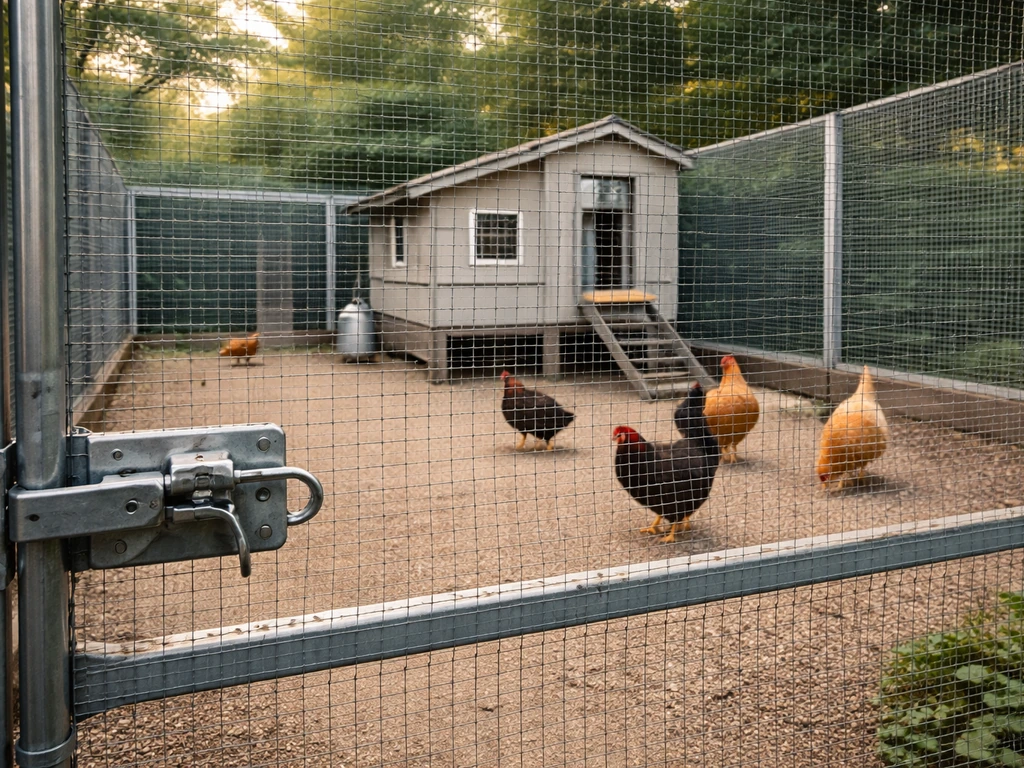
There is no simple cure for bird flu, and that's not a dodged answer. It's the most useful thing to understand upfront, because it changes what you should actually do. Whether you're worried about sick birds in your backyard flock or you've had a possible exposure yourself, the right response isn't a home remedy. It's fast action: isolating birds, calling the right authorities, and, if you're a human who may have been exposed, getting to a doctor quickly. That's what this guide covers, step by step.
How to Cure Bird Flu: What Works for Birds and Humans

Maya Chen
19 Apr 2026
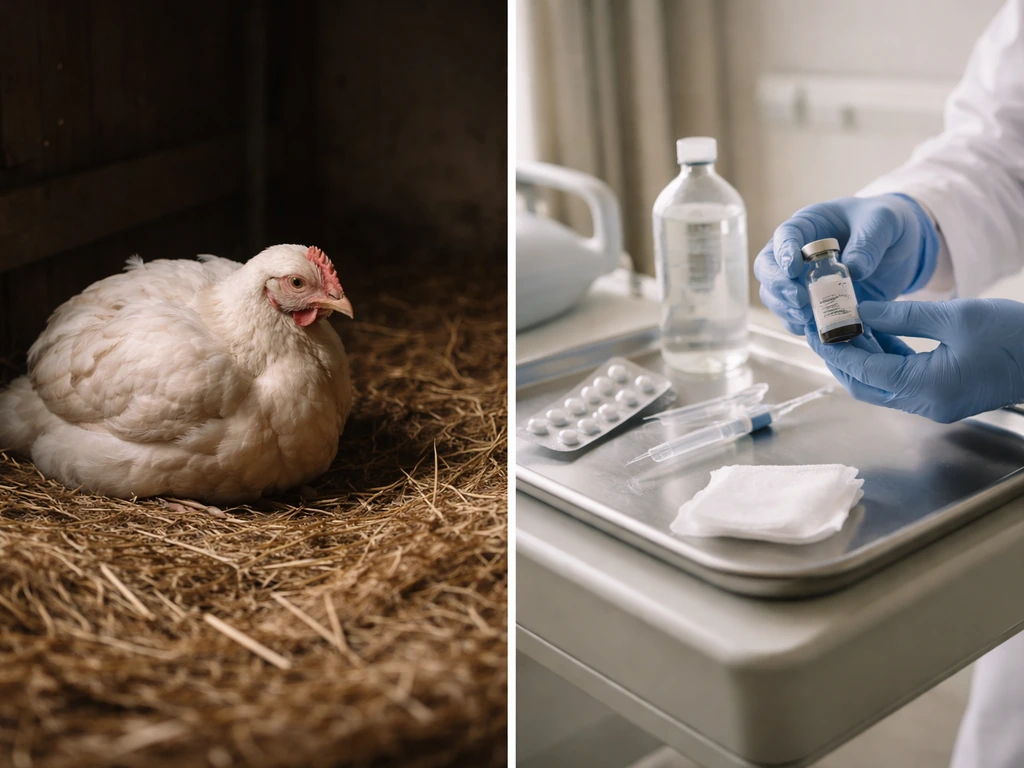
What 'curing' bird flu actually means (and why it differs for birds vs. humans)
When people search for how to cure bird flu, they're usually asking one of two very different questions. The first is: can I treat my sick chickens and save them? The second is: if I was exposed to infected birds, what can a doctor do for me? These questions have completely different answers.
For birds, particularly poultry, there is no approved treatment or cure for highly pathogenic avian influenza (HPAI). When HPAI infects a flock, the standard response under public health and agricultural guidelines is depopulation (culling the affected flock) combined with strict biosecurity to prevent the virus from spreading. This isn't a failure of science; it's the evidence-based approach used globally because HPAI kills birds rapidly and spreads aggressively. Trying to nurse an infected flock back to health at home doesn't work and actually increases the risk of spreading the virus to other birds and potentially to people. Related topics like how to prevent bird flu in chickens and how to cure bird flu in chickens go deeper into the poultry-specific side of this.
For humans, the situation is different. Bird flu doesn't spread easily from person to person, and most people who aren't in direct contact with infected animals face very low risk. But for those who are exposed and develop symptoms, antiviral medications do exist and can help, provided they're started quickly. Think of it less like a cure and more like a narrow treatment window. Timing is everything.
How bird flu is detected and why you should report fast
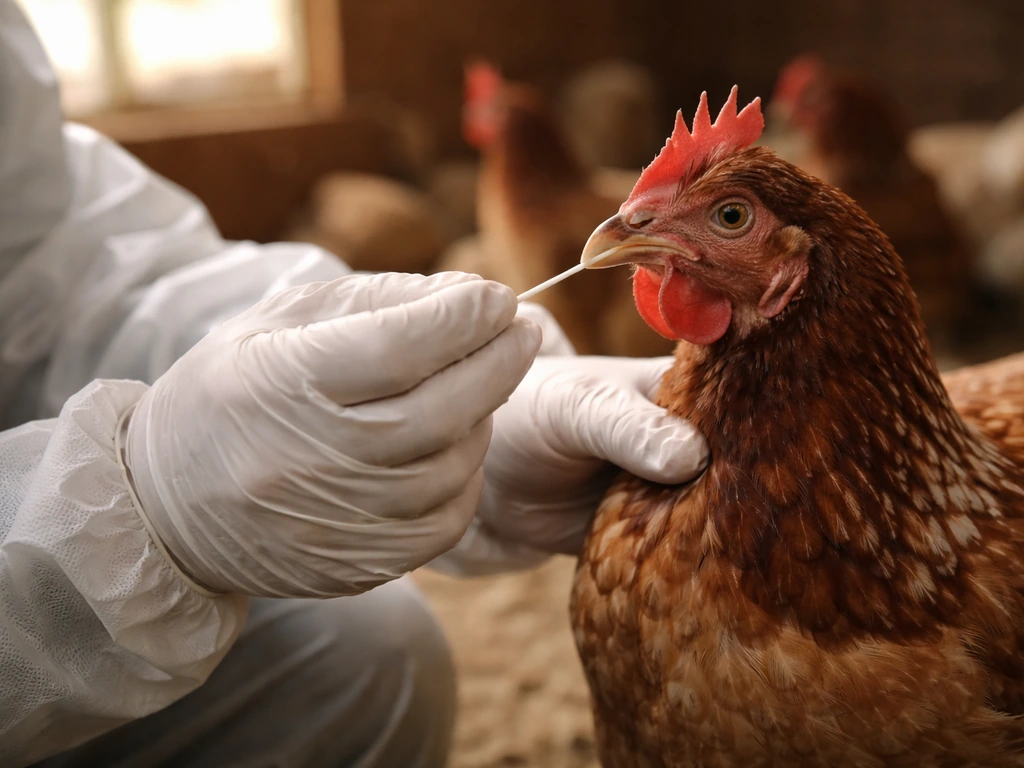
Bird flu spreads quickly, and the window between first signs of illness in a flock and a full outbreak can be very short. This is why detection and reporting aren't bureaucratic formalities; they're the actual first line of defense.
On the animal side, USDA APHIS has a prioritized testing system for suspected HPAI. Samples submitted as Priority 1 cases, which are those involving a sudden die-off or other signs suggesting a Foreign Animal Disease Incident (FADI), are processed for PCR results within four hours of receipt at the lab. That speed only helps if samples get submitted quickly, which means you have to report and get samples moving without delay. APHIS routes submissions through the National Veterinary Services Laboratories (NVSL) Diagnostic Virology Lab, and for higher-priority cases, labs are notified by email ahead of shipment.
On the human side, if a clinician suspects a novel influenza A infection, CDC recommends they notify the state health department immediately when making the decision to test. Specimens collected can include respiratory swabs and, when paired respiratory samples aren't available, conjunctival swabs tested using CDC's H5 assay. The bottom line: any suspicion of bird flu, whether in your birds or in yourself after an exposure, triggers a chain of expert response that you can't replicate on your own at home.
Your immediate steps if birds in your flock are sick
If you notice birds that are suddenly dying, showing neurological signs, dropping egg production dramatically, or displaying severe respiratory distress, treat it as a potential HPAI situation until proven otherwise. Here's what to do right now:
- Stop movement: Don't move birds in or out of the flock. Don't transport them to markets, fairs, or neighbors. Lock down the flock.
- Isolate sick birds: Separate any visibly sick birds from healthy ones immediately, using separate housing and different tools for each group.
- Call for help: Contact a veterinarian who can evaluate the birds. Then report to your state animal health official or a USDA APHIS Area Veterinarian in Charge (AVIC). USDA APHIS has a dedicated 'Report Sick Birds' line at 1-866-536-7593.
- Don't self-treat the flock: There's no approved antiviral treatment for HPAI in poultry. Giving medications won't save infected birds and may mask symptoms, delaying proper response.
- Protect yourself: Before handling sick birds or contaminated areas, put on gloves, eye protection, and a well-fitted respirator or N95 mask. Wash your hands thoroughly after any contact.
- Document what you're seeing: Note the number of sick or dead birds, when symptoms appeared, and any recent movements of birds or people through your property. This information helps investigators move faster.
USDA APHIS also offers biosecurity assessments to help poultry owners evaluate and improve their protocols before or after an outbreak. If you're in an area with active HPAI cases, reaching out to your AVIC or state animal health official for a biosecurity review is genuinely worth doing, not just good optics.
Human treatment: antivirals, timing, and when you need a doctor
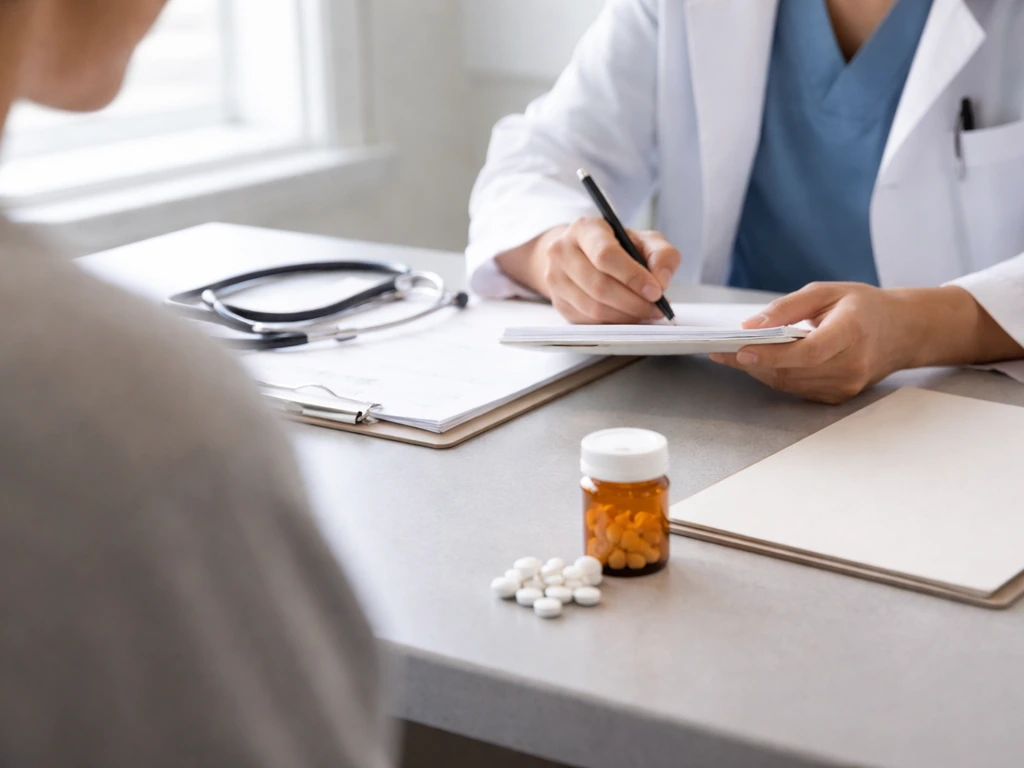
If you've been exposed to HPAI-infected birds or contaminated materials and you develop symptoms, the treatment that actually helps is the antiviral oseltamivir (Tamiflu). CDC recommends starting it as early as possible after symptom onset, and the data are clear that the greatest benefit comes when treatment begins within 48 hours of symptoms appearing. That 48-hour window closes faster than most people realize, which is why 'wait and see' is a bad strategy here.
Antiviral treatment isn't something you can manage at home with leftover medication. It requires a clinical evaluation, proper testing, and coordination between your doctor and the state health department. If you've had a known or suspected exposure and you feel unwell, contact your local or state health department immediately so they can arrange testing and expedite treatment. California's public health guidance, for example, explicitly directs people with both symptoms and a possible exposure to call their local health department right away rather than waiting to see if symptoms worsen.
In more severe cases, bird flu in humans can require hospitalization and intensive supportive care. H5N1 in particular has a high fatality rate in documented human cases globally, though confirmed human cases remain rare. The point isn't to alarm you; it's to make clear that this is a situation where early medical care genuinely changes outcomes.
Symptoms and exposure risk: do you actually need to see a doctor?
Most people reading this are at very low risk. Bird flu does not spread easily between people, and the vast majority of human cases have involved direct, close contact with infected birds or their environments. If you haven't handled poultry, visited a farm with a known outbreak, or had contact with sick or dead wild birds recently, your risk is low.
That said, here are the situations where you should take action and contact a health authority:
- You handled sick or dead birds (wild or domestic) without proper protective equipment
- You worked in or visited a poultry facility with a confirmed or suspected HPAI outbreak
- You were in a contaminated environment (litter, feces, bedding from infected birds)
- Within 10 days of that exposure, you develop fever, cough, sore throat, shortness of breath, muscle aches, conjunctivitis (eye redness or discharge), or diarrhea
CDC recommends self-monitoring for symptoms for 10 days after the last day of exposure to potentially infected birds or contaminated materials. If symptoms appear during that window, don't wait. Contact your state or local health department right away. They will guide you on testing and whether antiviral treatment is appropriate. This is the same guidance covered in more detail in related articles on how to treat the bird flu and whether bird flu is treatable. If you’re wondering whether bird flu is treatable, the answer depends on whether you mean treatment for humans versus treatment for sick birds is bird flu treatable. For a step-by-step overview of the human side, see how to treat the bird flu.
Prevention for households and poultry owners

If you keep backyard chickens, ducks, or other birds, biosecurity is your main tool. There's no vaccine routinely available for backyard flocks in the U.S. right now, so prevention is the practical front line.
Biosecurity basics that actually make a difference
- Keep wild birds away from your flock: Use covered runs and secure feeders. Wild waterfowl are the primary reservoir for avian influenza.
- Control who enters your bird areas: Anyone coming into contact with your flock should change footwear and clothing before and after, especially if they've visited other poultry sites.
- Clean and disinfect regularly: Coop surfaces, feeders, and water containers should be cleaned and disinfected on a schedule. Don't let feces accumulate.
- Avoid sharing equipment with other bird owners: Shared tools, cages, and transport equipment are common transmission vectors.
- Know your flock's baseline: Count your birds regularly and know what healthy behavior looks like so you catch changes quickly.
Protecting yourself when handling birds
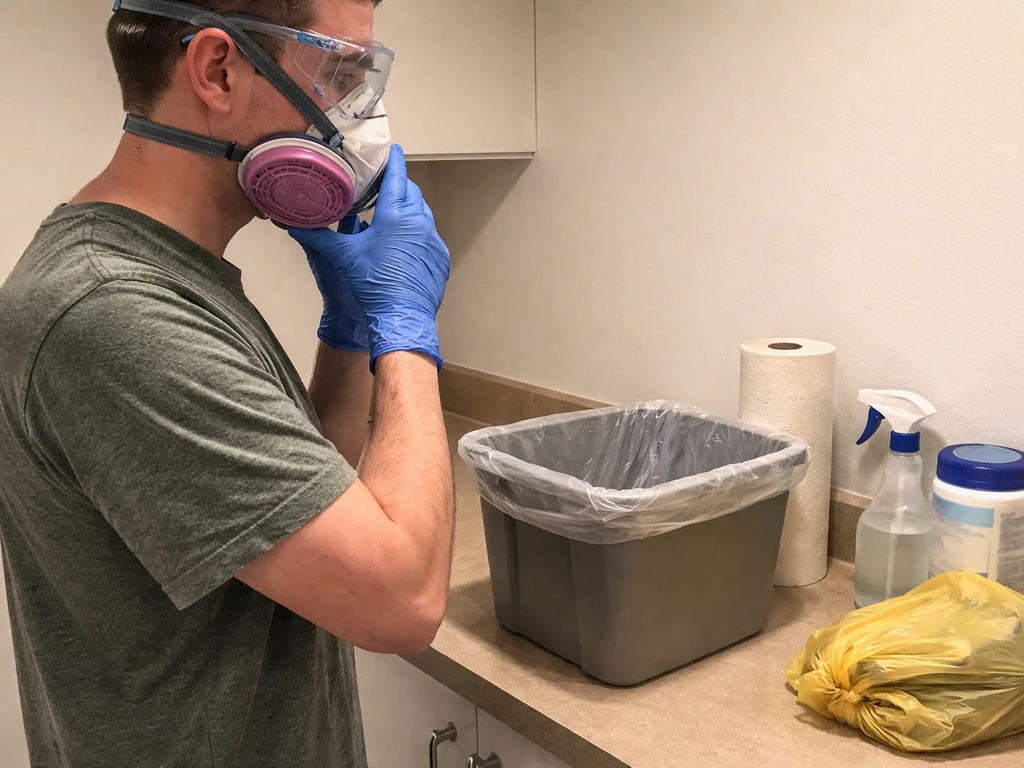
CDC recommends wearing appropriate personal protective equipment (PPE) when handling birds in areas with potential HPAI exposure. This includes gloves, eye protection (goggles or face shield), and a well-fitted N95 respirator. Reusable PPE should be cleaned and disinfected after each use, not just taken off and stored. Wash your hands with soap and water thoroughly after any contact with birds, their environments, or their waste. If you're a hunter, CDC specifically advises not handling wild birds or other animals that appear sick or are found dead.
Avoiding unprotected contact with sick or dead birds, and staying away from contaminated materials like litter, feces, and used bedding, is straightforward advice but it's the single most effective thing an individual can do to prevent human exposure.
Food safety: what's actually safe to eat
This is where a lot of people have unnecessary worry. The good news is that properly cooked poultry and eggs are safe to eat, even during an active HPAI outbreak. FDA and USDA have conducted joint risk assessments of human health impacts from HPAI in poultry and egg products, and the consistent conclusion from public health agencies is that thorough cooking eliminates the virus.
CDC and USDA both recommend cooking all poultry products to an internal temperature of 165°F. This applies to chicken breasts, whole birds, legs, thighs, wings, ground poultry, and giblets. For eggs, cook until both the yolk and white are firm. A food thermometer is the only reliable way to confirm that safe temperature has been reached, especially in thicker cuts.
| Food Item | Safe Internal Temp | Notes |
|---|---|---|
| Whole poultry | 165°F (74°C) | Check thickest part of thigh, away from bone |
| Poultry breasts, legs, thighs, wings | 165°F (74°C) | Use a thermometer, not color as a guide |
| Ground poultry | 165°F (74°C) | Temperature throughout, not just center |
| Eggs | Cook until yolk and white are firm | Avoid runny or undercooked preparations during outbreaks |
| Stuffing cooked inside poultry | 165°F (74°C) | Stuffing can take longer to reach temp than the bird itself |
Commercially processed and pasteurized egg products are safe. Avoid raw or undercooked poultry and eggs during active outbreaks as a straightforward precaution. Standard food hygiene practices, washing hands, surfaces, and utensils after handling raw poultry, apply as always and are fully effective at preventing cross-contamination.
The short version of what to do right now
There is no home cure for bird flu in birds or humans. What there is: a clear set of actions that actually work. For sick birds, the path is isolation, no movement, blank" rel="noopener noreferrer">immediate reporting to your vet and USDA at 1-866-536-7593, and proper PPE while you do it. For humans who've been exposed, the path is symptom monitoring for 10 days, and if anything develops, calling your local health department immediately so antiviral treatment can start within that critical 48-hour window. For everyone else, the path is good biosecurity if you keep birds, proper cooking temperatures, and not handling sick or dead wild birds. You can prevent bird flu in chickens by focusing on everyday biosecurity like limiting contact with other birds, cleaning equipment, and controlling access to coops good biosecurity if you keep birds. Those steps won't make headlines, but they're exactly what the evidence says works.
FAQ
If I think I saw bird flu in my flock, can I transport birds to a clinic or swap birds with neighbors to “save” them?
No. For suspected highly pathogenic avian influenza, the usual response is to isolate and keep birds from moving anywhere, because movement can spread the virus. Call your state animal health official or USDA APHIS as instructed and follow “no movement” guidance until testing results are known.
What should I do with dead birds or bird waste before authorities arrive?
Minimize handling. Use PPE, avoid splashing, and keep carcasses and waste contained in sealed, leak-proof bags or containers until they can be collected or disposed of per local instructions. Do not compost or dump on open ground, because that can increase spread risk.
How should I disinfect coop areas and equipment, and should I use the same products on humans and birds’ gear?
Use a disinfectant appropriate for poultry facilities and follow the label contact time. Do not rely on household cleaners alone. For PPE and reusable tools, clean and disinfect after each use, and keep “clean” and “dirty” zones separated so you do not carry contamination to other areas.
I have pets. Can my dog or cat catch bird flu from sick birds, and do I need to isolate them too?
You should prevent pets from contacting sick or dead birds and their droppings. Clean and disinfect surfaces pets touch, and keep pets out of the isolation area. While human-to-human spread is uncommon, animals can mechanically carry virus on fur or paws, so controlling contact reduces risk.
If someone in my household was exposed and they feel sick, do we need to go to the emergency room immediately?
If symptoms suggest possible influenza after a known or suspected exposure, contact your state or local health department right away for guidance on testing and urgency. For breathing trouble, severe symptoms, or rapid worsening, emergency care is appropriate, but the health department can help coordinate antivirals and follow-up.
Does Tamiflu work if more than two days have passed since symptoms started?
The greatest benefit is when oseltamivir is started within 48 hours of symptom onset, but clinicians may still consider treatment in higher-risk situations. That decision depends on illness severity, timing, and test results, so do not delay contacting a clinician and the health department once symptoms appear.
I am worried about bird flu from cooked eggs or poultry. Should I stop eating them during an outbreak?
No. The main prevention step is proper cooking. Use a reliable food thermometer and cook poultry to 165°F internally, and cook eggs until both yolk and white are firm. The bigger risk comes from raw handling and cross-contamination, not from fully cooked food.
Can I catch bird flu from touching wild birds’ feathers or eggs I find?
Treat it as a potential exposure. Avoid handling sick or dead wild birds, and keep children and pets away. If you must move anything for safety reasons, contact local authorities for guidance and use strict PPE and containment practices.
What symptoms in humans should trigger contacting health authorities after bird exposure?
Any new flu-like illness during the 10-day period after the last possible exposure should prompt action. Call your local or state health department rather than waiting for symptoms to “pass,” especially if you have respiratory symptoms (cough, sore throat, shortness of breath) or conjunctival symptoms.
If my birds look sick but they are not dying, is it still possible to have HPAI?
Yes. Severe signs are concerning, but disease can present variably. Dropping egg production, respiratory issues, neurological signs, or abrupt changes in flock health warrant immediate reporting and testing rather than waiting for a clearer picture.
Next Article
How to Prevent Bird Flu in Chickens: Biosecurity Guide
Step-by-step biosecurity to prevent bird flu in backyard chickens: block wild-bird spread, secure coop, hygiene, isolati