It is containment, humane depopulation of infected and exposed birds, thorough disinfection, and official reporting. That is not the answer most people want to hear, but knowing it early saves you time, money, and the heartbreak of watching more birds get sick while you wait for a remedy that does not exist.
As of early 2026, the Connecticut Department of Agriculture and USDA/APHIS have both confirmed there is no effective treatment or approved vaccine for H5N1 in backyard or commercial poultry. The focus of every official response plan is stopping the spread, not healing infected birds. That said, there are still a lot of practical, important things you can do right now, and this guide walks through all of them.
When to suspect bird flu and what to look for
Bird flu does not always look the same. Low pathogenic strains may cause mild respiratory symptoms or a dip in egg production that you could mistake for a cold or nutritional issue. HPAI is a different story. It moves fast and it is severe. If you see any of the following signs, especially in combination or spreading rapidly through the flock, take it seriously and act immediately.
- Sudden, unexplained death in multiple birds within a short window (sometimes within 24 to 48 hours of first showing symptoms)
- Severe respiratory distress: labored breathing, coughing, sneezing, nasal discharge
- Neurological signs: twisting of the head and neck (torticollis), loss of coordination, inability to stand
- Swollen head, face, eyelids, comb, or wattles
- Purple or dark discoloration of the comb and wattles (cyanosis from poor circulation)
- Diarrhea, often watery and green or white
- Sudden and steep drop in egg production, or soft-shelled and misshapen eggs
- Birds sitting hunched, reluctant to move, not eating or drinking
A single sick bird showing mild sneezing does not automatically mean HPAI. But if you are seeing rapid spread, neurological signs, or sudden death in otherwise healthy birds, especially if there have been recent reports of HPAI in your region or you have had contact with wild waterfowl, the threshold to act should be very low. Wild birds, particularly migratory waterfowl, are the primary reservoir for HPAI strains like H5N1, and proximity to ponds, wetlands, or flyways raises your risk significantly.
Speed matters more than almost anything else here. The virus spreads through direct contact with infected birds, their droppings, saliva, and respiratory secretions, and it can travel on contaminated equipment, clothing, and footwear. The moment you suspect something is seriously wrong, do these things before you do anything else.
- Stop all movement: do not move birds in or out of the flock, do not sell eggs or birds, and do not borrow or share equipment with other flock owners
- Isolate sick birds immediately: separate any bird showing symptoms from the rest of the flock using a dedicated space with its own feeders, waterers, and bedding
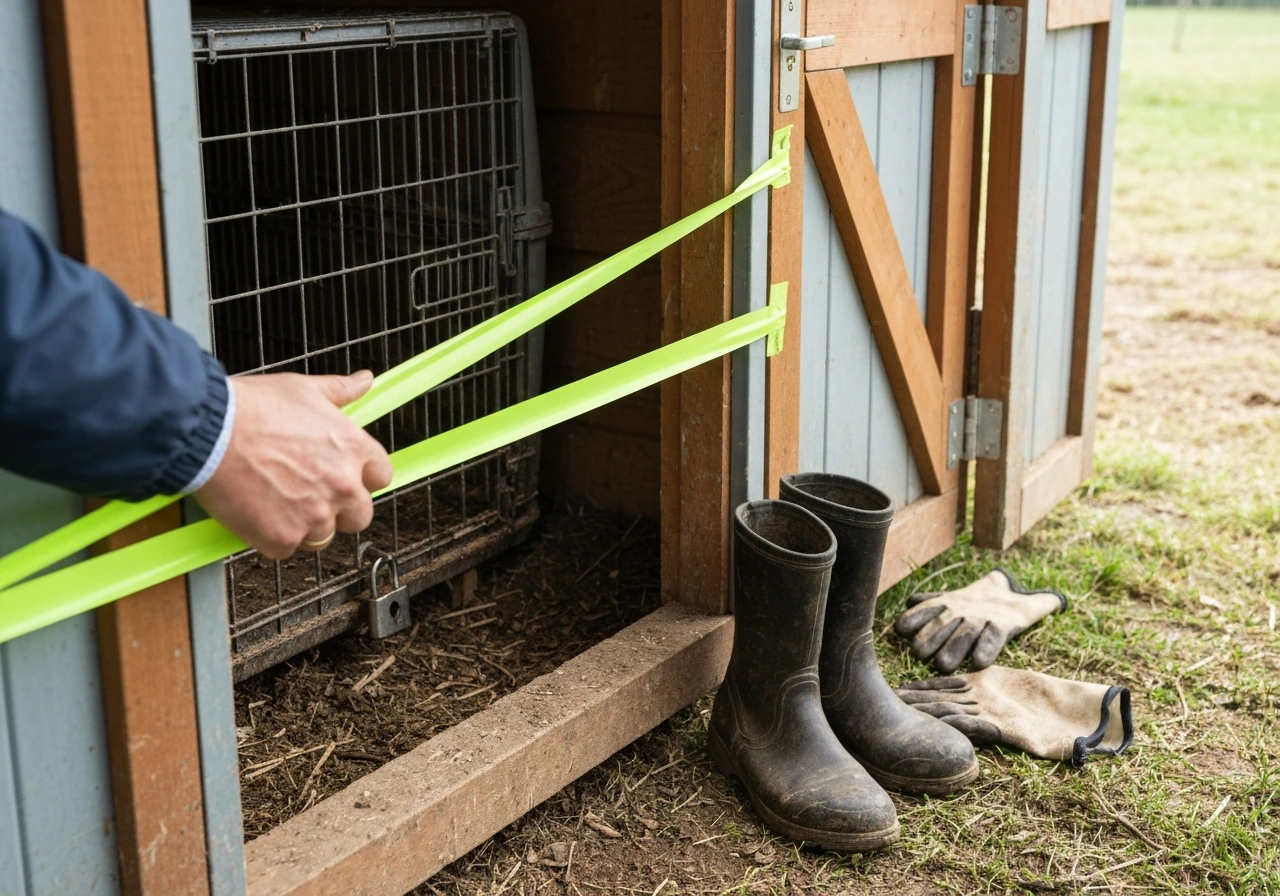
- Lock down the coop: restrict access to essential caretakers only and keep children, visitors, and other animals away
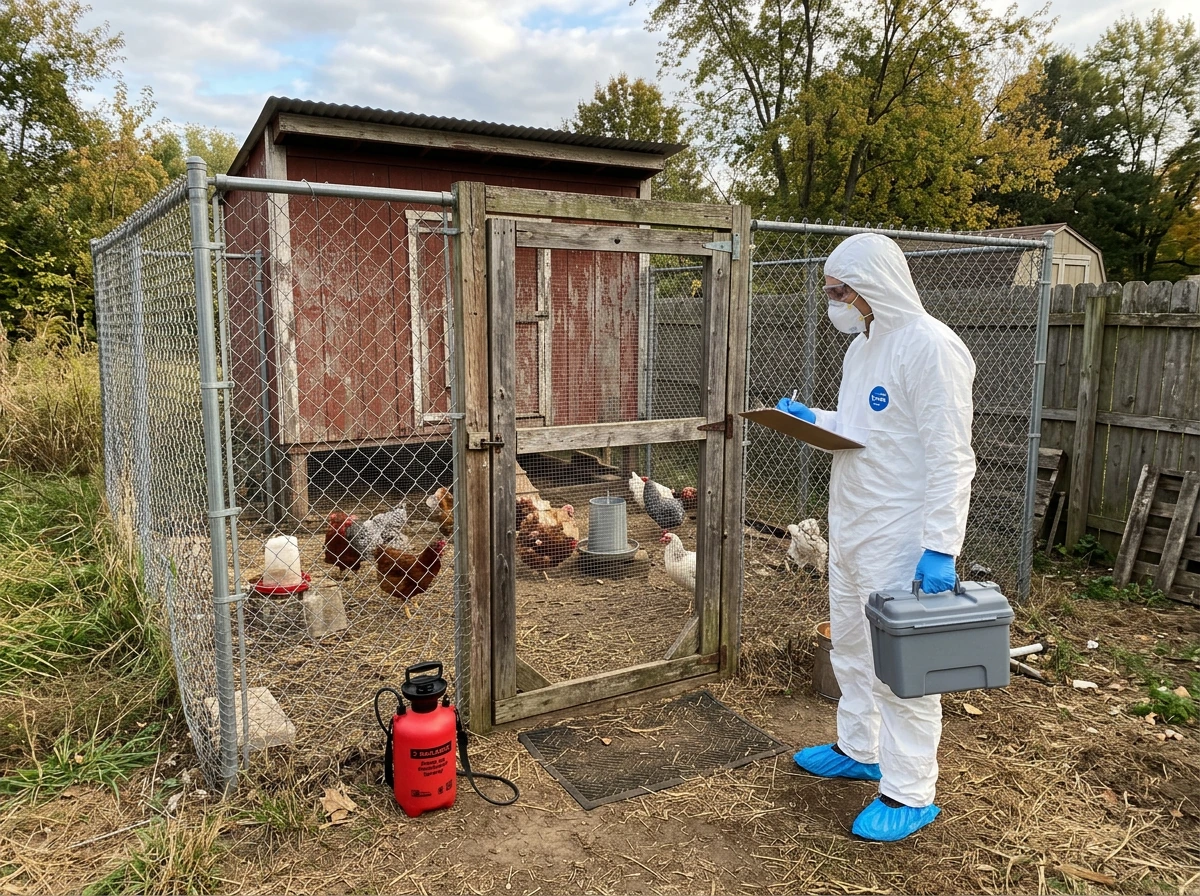
- Put on PPE before you go anywhere near sick birds: at minimum, disposable gloves, a well-fitted face mask (N95 if you have one), eye protection, and dedicated boots or boot covers
- Do not visit other farms or let other poultry owners visit yours until you have a clear diagnosis
- Contain your clothing: change and wash everything you wore near sick birds before moving to other areas of your property
- Call your state veterinarian or local animal health authority right away (more on this below)
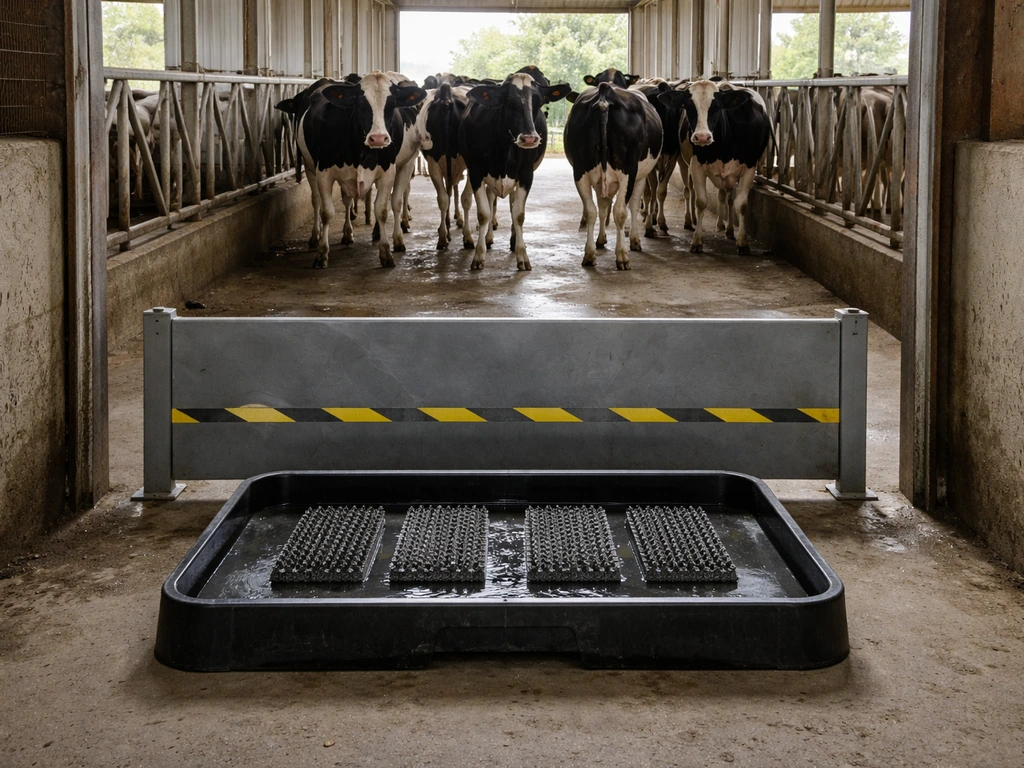
One thing I have seen backyard flock owners underestimate is shoe and equipment contamination. The virus can survive on surfaces like metal, plastic, and rubber for hours to days depending on temperature and humidity. A single contaminated pair of boots walking from the sick pen to the healthy pen can start the whole cycle over again. Keep a bucket of disinfectant at the entrance of each area and use it every single time.
What "treatment" really means: supportive care vs no-curative options
To be clear about what supportive care can and cannot do: it does not eliminate the virus, it does not cure infected birds, and in a confirmed HPAI outbreak, it is generally not the recommended path. To be clear about what supportive care can and cannot do: it does not eliminate the virus, it does not cure infected birds, and in a confirmed HPAI outbreak, it is generally not the recommended path, so the answer to whether is bird flu treatable is effectively no. But in situations where you are dealing with a suspected but unconfirmed case, or a milder low pathogenic strain, or you are waiting on official guidance, there are things you can do to keep birds more comfortable and reduce stress on the rest of the flock.
- Maintain warmth and reduce drafts in the housing area to minimize additional stress on respiratory systems
- Ensure continuous access to clean, fresh water since sick birds dehydrate quickly
- Offer easily digestible, high-quality feed and consider electrolyte supplements in the water
- Reduce flock density and stress triggers like overcrowding, sudden light changes, or loud noise
- Keep a close watch on feed and water consumption as declining intake is often the first measurable sign things are worsening
Antiviral drugs like oseltamivir (Tamiflu) are sometimes discussed in the context of bird flu, but they are not approved or practically viable for treating flocks of chickens. They are used in human medicine and in very limited wildlife conservation contexts, not in backyard or farm poultry settings. Do not go down that road expecting a solution. The virus also mutates, and resistance is a real concern. The official response framework from USDA/APHIS is built around biosecurity and outbreak control, not antivirals for birds.
How to manage infected birds and humane removal decisions
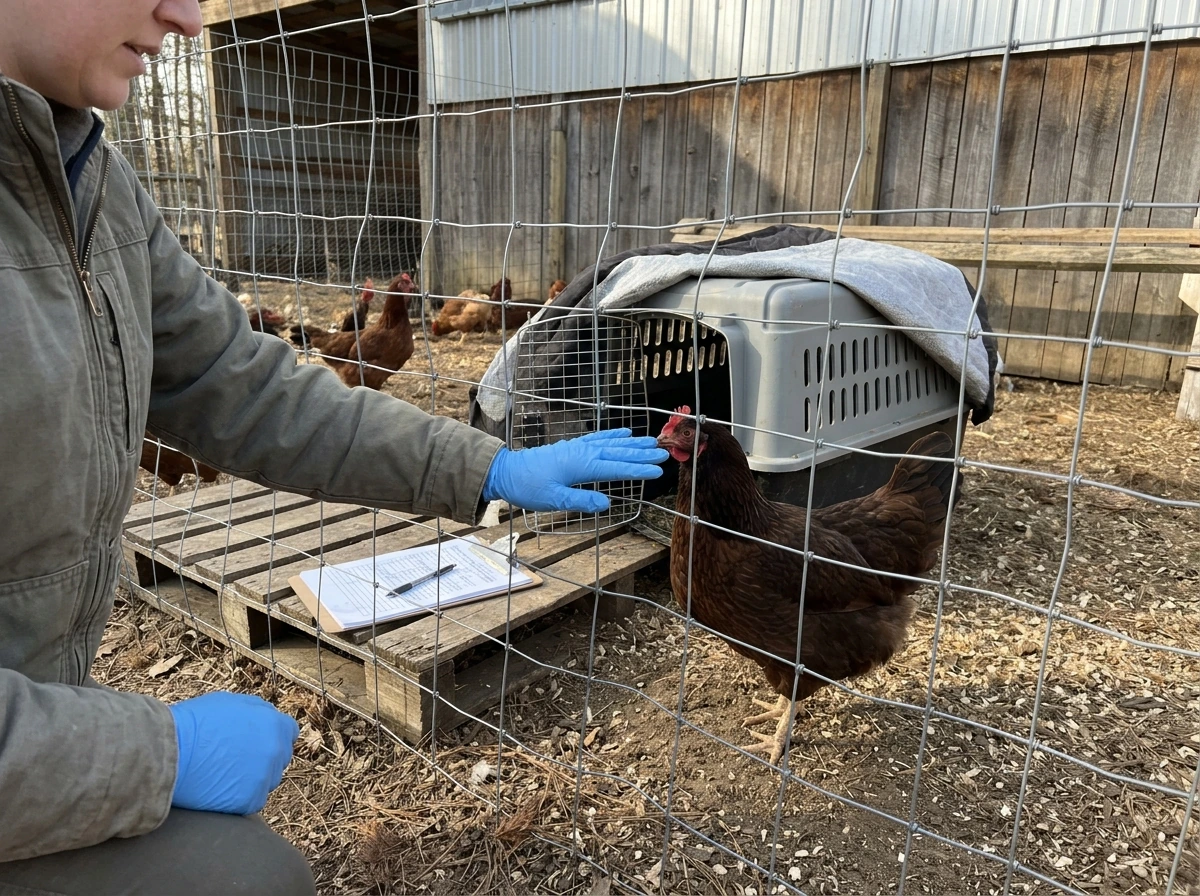
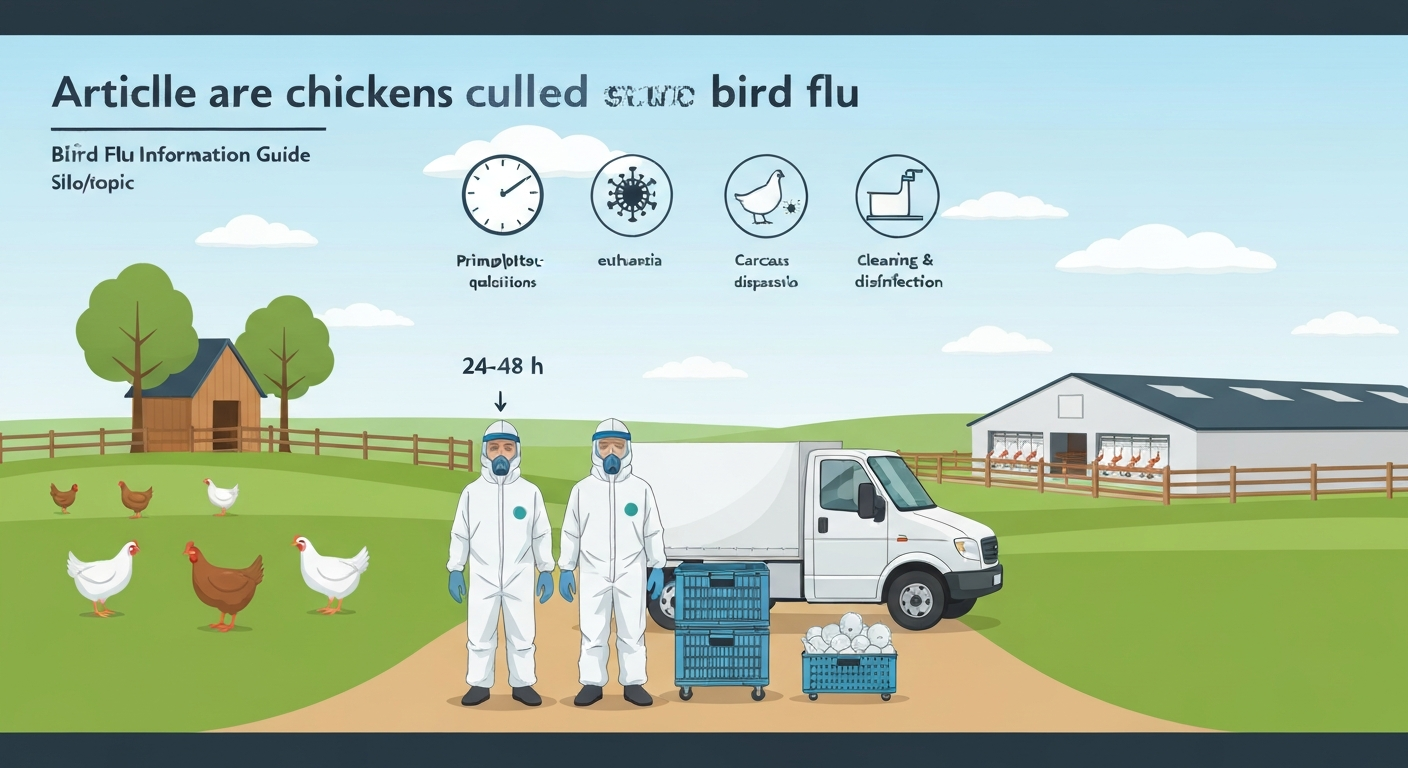
This is the part of the guide nobody wants to read, but it is one of the most important. In a confirmed HPAI outbreak, depopulation (humanely ending the lives of infected and exposed birds) is the standard response required under state and federal protocols. It exists for two reasons: to prevent further spread within your flock and to other flocks, and to reduce suffering in birds that would otherwise die a painful death from the disease itself.
If a state or federal animal health official confirms HPAI in your flock, they will typically take the lead on depopulation. You should not attempt this unilaterally without guidance because proper disposal (burial, composting, or incineration depending on your state regulations) is legally governed and the method matters for biosecurity. Improper disposal can spread the virus further.
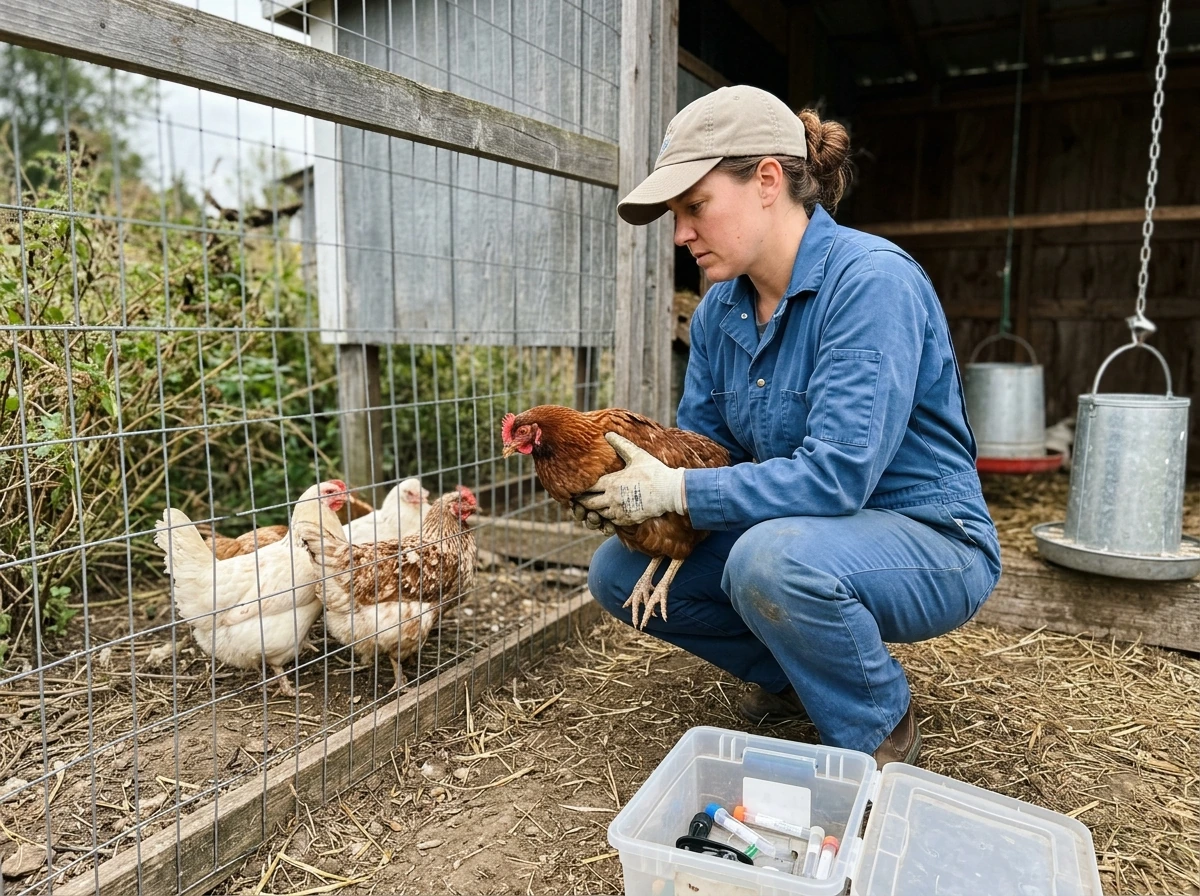
If you are in a situation where you have birds that are clearly suffering, you have not yet reached an official responder, and you need to act, contact your veterinarian immediately. They can advise on humane euthanasia methods appropriate for poultry and help you document everything properly, which matters for potential indemnity claims through USDA programs.
One more thing worth saying directly: the decision to depopulate is emotionally hard, especially if you have raised these birds from chicks. But keeping severely ill birds alive without any path to recovery, in an outbreak of a virus this contagious, risks the entire flock and neighboring flocks. It is one of the most responsible decisions a flock owner can make.
Biosecurity and cleaning your coop after an outbreak
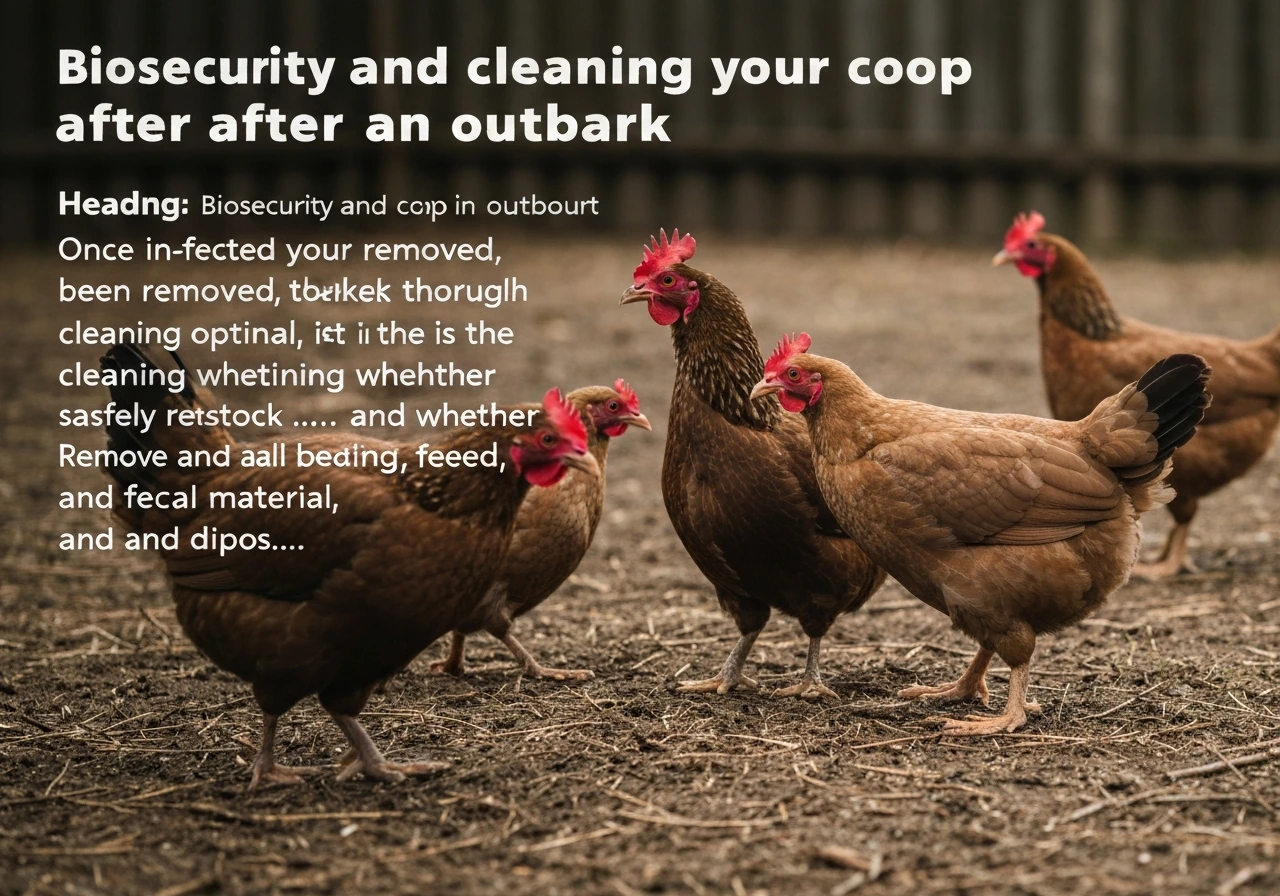
Once infected birds have been removed, thorough cleaning and disinfection is not optional. It is the step that determines whether you can safely restock and whether you are protecting your neighbors. The CDC recommends a two-step process: remove all organic material first, then disinfect with an EPA-approved product that specifically lists influenza A virus on its label. EPA lists antimicrobial products registered for disinfection use against avian influenza on poultry farms and other facilities EPA-approved product.
- Remove and bag all bedding, feathers, feed, and fecal material, and dispose of it according to your state's guidelines
- Scrub all surfaces (floors, walls, feeders, waterers, roosts, nesting boxes) with soap and water to remove visible organic matter, since disinfectants do not work well on dirty surfaces
- Rinse thoroughly and allow surfaces to dry before applying disinfectant
- Apply an EPA-approved disinfectant labeled for influenza A viruses at the correct dilution and contact time listed on the product label
- Disinfect all equipment, tools, footwear, and vehicles that entered the affected area
- Dispose of your PPE properly (bag and seal disposable items) and wash reusable items with soap and hot water
- Allow the coop to sit empty for the observation period recommended by your state vet before restocking (often 21 days minimum)
Do not rush the empty period. The virus needs time to die off on surfaces, and skipping the waiting window is how reinfection happens. Your state animal health official can tell you the exact recommended downtime for your specific situation.
Reporting, testing, and where to get official guidance
Reporting suspected HPAI is not just a legal requirement in most states. It is the fastest way to get expert help, access state and federal resources, and potentially qualify for indemnity payments if your flock is depopulated. USDA APHIS explains that indemnity and compensation can be available to help cover eligible flock losses and related costs when HPAI is confirmed potentially qualify for indemnity payments. Do not wait for certainty before making the call. Suspicion alone is enough to trigger a conversation.
- USDA APHIS: call 1-866-536-7593 (APHIS Emergency line) to report suspect cases and access the "Defend the Flock" program resources
- Your state veterinarian or state department of agriculture: find contact info at your state's agriculture department website, these are often the fastest first responders for backyard flock situations
- Your local cooperative extension office: can help you get samples collected correctly and submitted to a diagnostic lab
- Your private avian veterinarian: useful for humane euthanasia, documentation, and triage support while waiting for official responders
- CDC (for human health concerns): if anyone in your household has had close contact with sick birds and develops flu-like symptoms, contact your local health department or the CDC
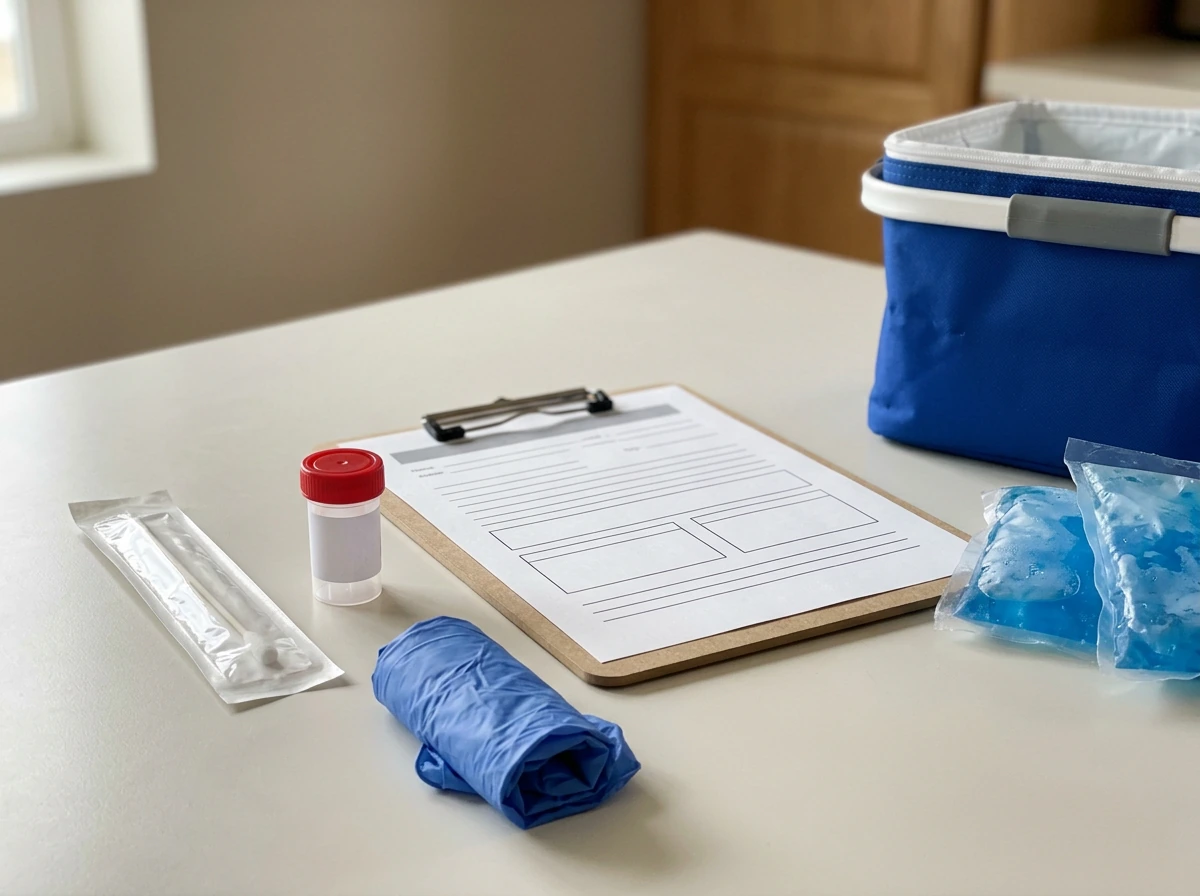
Testing matters because many diseases mimic HPAI symptoms. Newcastle disease, infectious bronchitis, and other respiratory conditions can look similar. An accurate diagnosis from a state or USDA-approved diagnostic lab is the only way to know for sure what you are dealing with, and the response steps differ significantly depending on the result. Your state vet can walk you through how to collect and submit samples safely, or they may send someone out to do it.
Recovery, restocking, and preventing the next outbreak
Once your coop is cleaned, disinfected, and has sat empty for the recommended period, restocking can begin. But before you bring a single new bird home, take time to build the biosecurity habits that protect you going forward. Prevention is genuinely more effective than any response, and the steps are not complicated.
- Source new birds only from NPIP (National Poultry Improvement Plan) certified flocks to reduce the risk of introducing disease
- Quarantine all new birds for at least 30 days before integrating them with your main flock
- Use dedicated footwear and clothing for coop access and change before going elsewhere on your property
- Cover outdoor runs to reduce wild bird contact and do not allow chickens to share water sources with wild waterfowl
- Clean and disinfect feeders and waterers regularly as part of your routine, not just after an outbreak
- Monitor your flock daily for early behavioral changes (reduced activity, appetite, or egg production) and act early
- Keep a written log of bird health, deaths, and any visitors or equipment that entered your property
- Build a relationship with your state extension service or avian vet before you need them in an emergency
The USDA's "Defend the Flock" program is a genuinely useful resource for backyard owners and includes species-specific biosecurity checklists and self-assessments. It is worth going through even if you have never had a sick bird. Preventing bird flu in your flock is a topic that deserves its own deep dive, and the steps above are a solid starting point, but the earlier you build those habits, the better protected you will be.
What to do right now: your action checklist
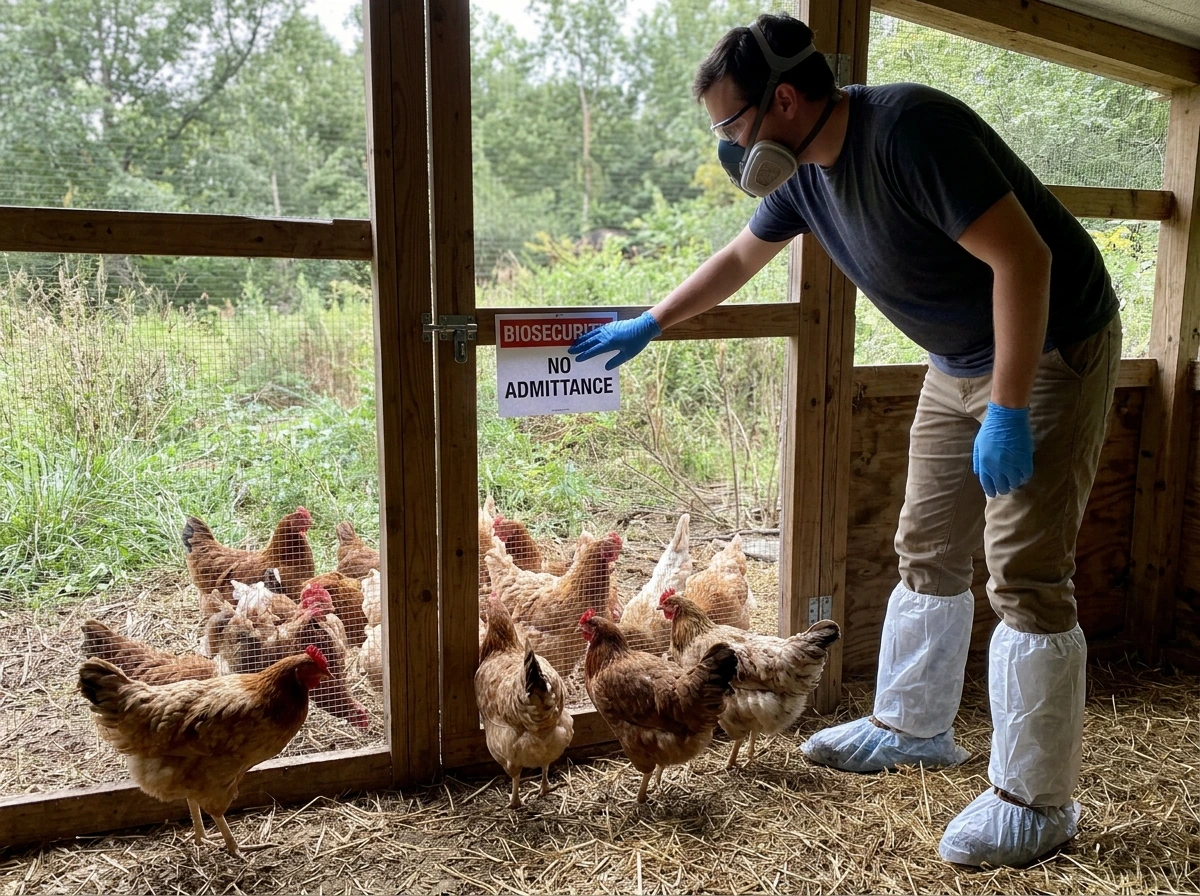
If you are reading this because something is wrong with your flock today, here is the short version of everything above, in order of priority.
- Stop all bird movement in or out immediately
- Put on PPE (gloves, mask, eye protection, boot covers) before approaching sick birds
- Isolate any birds showing symptoms from the rest of the flock
- Call your state veterinarian or USDA APHIS (1-866-536-7593) to report your suspicion and get testing guidance
- Do not self-treat with antivirals or home remedies as there is no cure and it wastes critical time
- Document everything: symptoms, timeline, number of birds affected, and any recent contacts or visitors
- Follow official guidance on depopulation, disposal, and coop downtime
- After the all-clear, clean and disinfect fully before restocking with NPIP-certified birds
- Put permanent biosecurity practices in place to reduce the risk of a repeat outbreak
The most important thing you can do right now is make that call to your state vet or USDA. They have seen this before, they have resources to help you, and getting them involved early makes every subsequent step faster and more manageable. You are not in this alone, and there is a clear path forward even from a worst-case scenario.