
Bird flu in humans is treatable but not reliably curable in the way you might hope. If you are wondering how to cure bird flu, it is important to understand that treatment is possible but a guaranteed cure is not reliably predictable in every case. Antiviral medications, especially oseltamivir (Tamiflu), can significantly improve outcomes and reduce the severity of illness, but they work best when started fast, ideally within two days of symptoms beginning.
Is Bird Flu Treatable? Human and Bird Treatment Options

Maya Chen
27 Apr 2026
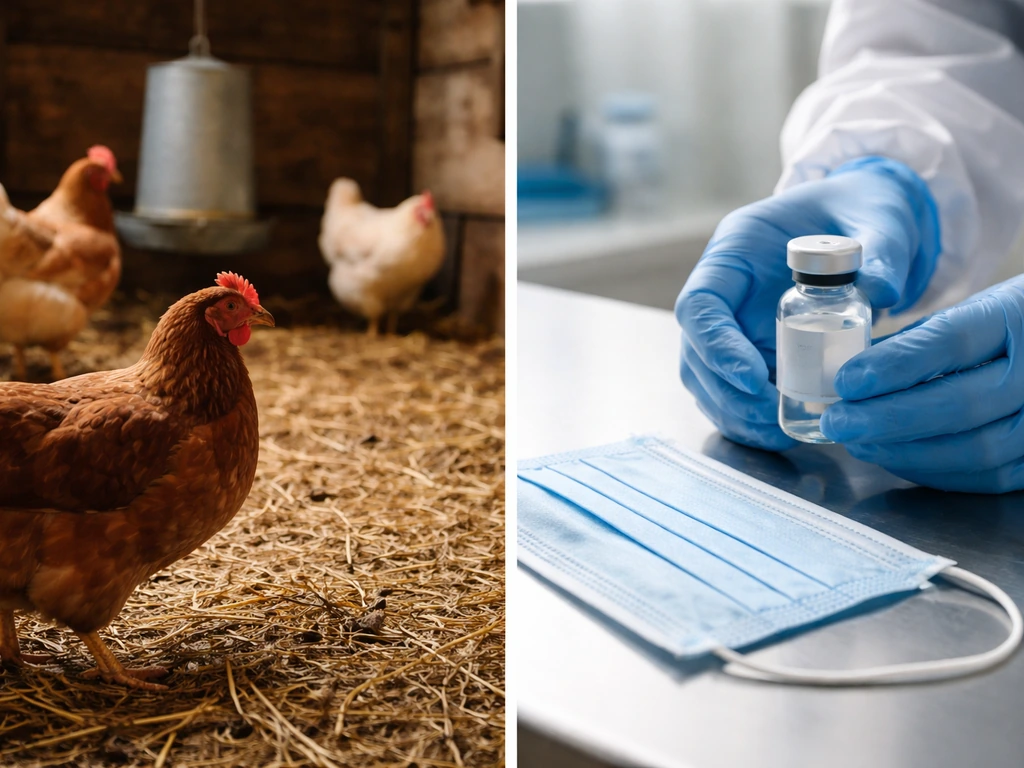
Whether someone fully recovers depends on the strain, how quickly they got care, their overall health, and how severe the infection was to begin with. So the honest answer is: treatment exists, it matters a lot, and acting quickly is the single most important thing you can do.
Treatable vs. curable: why the difference matters

These two words get used interchangeably but they mean different things here. "Curable" implies a reliable, predictable fix that eliminates the disease in every case. Bird flu, particularly the H5N1 strain, does not fit that description. Some people recover fully with treatment; others, especially those who get care late or who have underlying health issues, can develop severe complications including pneumonia, respiratory failure, encephalitis, and in the worst cases, death. "Treatable" means there are real medical interventions that reduce harm and improve the odds, which is true. Think of it this way: antivirals and supportive care give your body a fighting chance, but they are not a guaranteed cure.
The range of illness matters too. Not every human H5N1 case ends up critically ill. WHO notes that infections can present anywhere from mild conjunctivitis or gastrointestinal symptoms all the way to severe respiratory illness and encephalopathy. Mild cases treated early tend to do well. Severe cases that reach a hospital late are a different situation entirely. This is why the urgency of starting treatment fast, rather than waiting to see how things develop, cannot be overstated.
What treatment actually looks like for humans
The frontline antiviral for H5N1 in humans is oseltamivir, taken twice daily for five days. This is a neuraminidase inhibitor, meaning it blocks the virus from replicating and spreading inside your body. CDC and WHO both recommend starting it as soon as possible for anyone with suspected or confirmed H5N1 exposure who develops symptoms. Critically, the guidance is clear: do not wait for test results if suspicion is high. Empiric treatment, meaning starting the drug before confirmation, is explicitly recommended because the window where antivirals are most effective is narrow. How to treat the bird flu in humans depends on rapid diagnosis and early antiviral therapy, plus supportive care based on how severe the illness becomes.
Beyond antivirals, treatment is largely supportive. Depending on the severity of illness, that can mean oxygen therapy, IV fluids, management of fever and secondary infections, and in serious cases, mechanical ventilation. For people with mild presentations, recovering at home with rest and antivirals prescribed by a clinician is realistic. For anyone developing significant respiratory symptoms, hospital-level care may be necessary. The clinical picture can change fast with H5N1, so close monitoring is part of the plan even when initial symptoms seem manageable.
The timing issue is everything
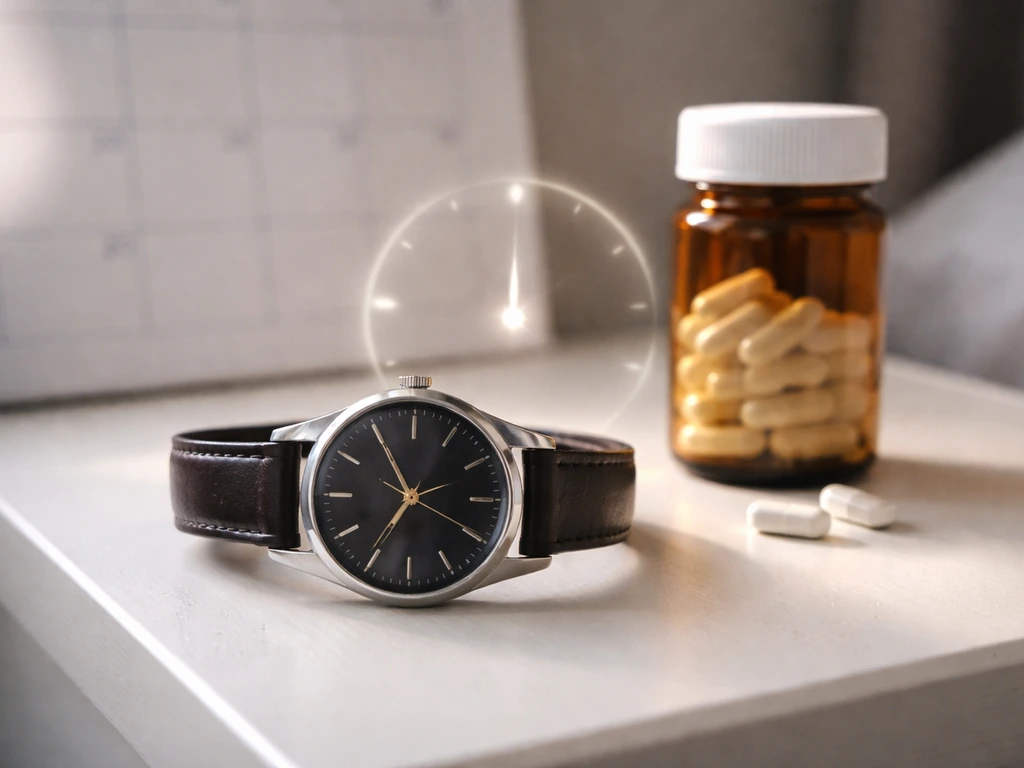
This point deserves its own emphasis. CDC's guidance is explicit: flu antivirals work best when started within two days of symptom onset. Every hour you wait after that window reduces their effectiveness. If you have had relevant exposure to infected birds or animals and you develop any symptoms at all, even just eye redness or a mild cough, the right move is to contact a healthcare provider the same day, not a few days later when things might feel worse.
What "treatment" means for infected birds (it's very different)
If you are searching because you have sick birds on a farm or in a backyard flock, the situation is handled completely differently from human medicine. There is no standard antiviral treatment program for infected poultry. When highly pathogenic avian influenza (HPAI) is confirmed or strongly suspected in birds, the response is focused on containment, not individual animal treatment.
USDA APHIS protocols center on depopulation of affected flocks to eliminate the virus, movement controls to prevent spread to neighboring operations, and quarantine zones around confirmed sites. This is not cruelty for its own sake. It is the recognized method for stopping an outbreak that, if unchecked, can spread rapidly and create ongoing human exposure risk. Alongside depopulation, biosecurity measures including isolation of sick animals, restricting movement of people and equipment, and thorough disinfection form the core response.
If you suspect HPAI in your flock, the right steps are to isolate the sick birds immediately, stop movement in and out of the area, and report to your state veterinarian or USDA APHIS as soon as possible. Do not attempt home remedies or wait it out. For detailed guidance on how to cure bird flu in chickens, focus on biosecurity and proper flock management rather than home remedies.
Timely reporting protects your neighbors, reduces your own exposure, and is required by law in most states during an HPAI event. Topics like how to treat and prevent bird flu in chickens go deeper on biosecurity and flock management steps. For the specifics, you can prevent outbreaks in flocks by focusing on biosecurity and safe flock management practices how to treat and prevent bird flu in chickens.
When you need to act urgently: symptoms and risk factors
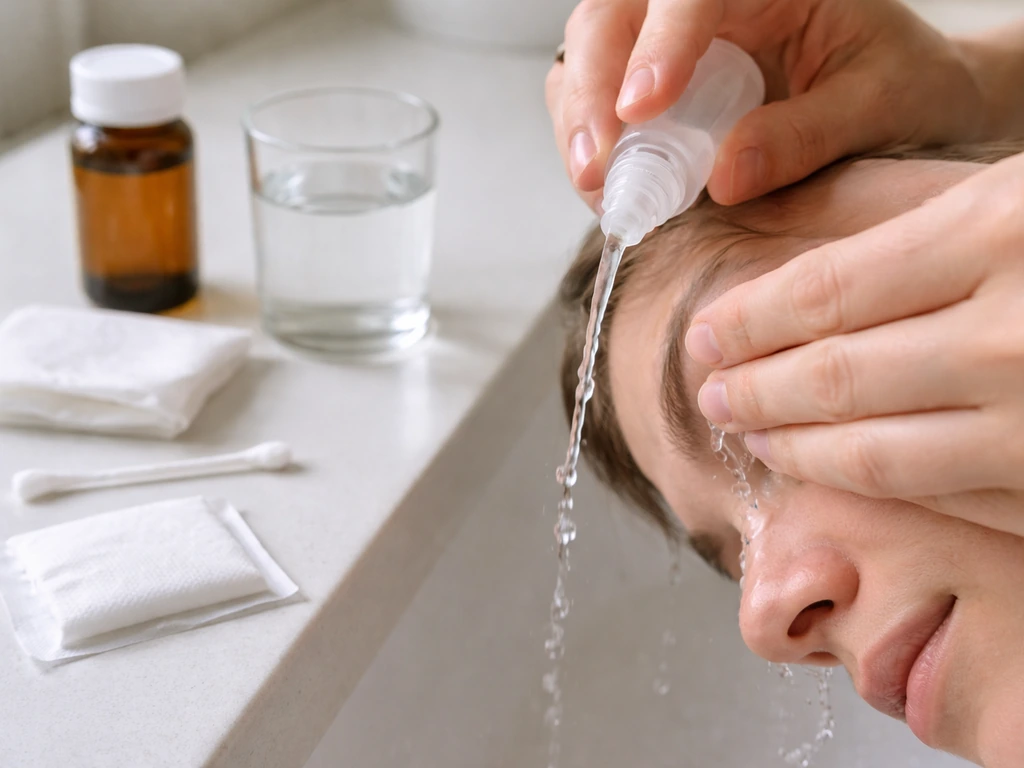
Knowing when to be concerned versus when to monitor at home is genuinely useful here. The exposure history is the key variable. If you have had close contact with known or suspected infected birds, poultry, livestock (including dairy cattle), or other animals confirmed with H5N1, you have a relevant exposure. That exposure plus any of the following symptoms should prompt same-day medical contact.
- Eye redness or irritation (conjunctivitis): this has been the most common symptom in recent U.S. H5 cases
- Fever or feeling feverish
- Cough, shortness of breath, or difficulty breathing
- Sore throat or runny nose
- Muscle aches or fatigue out of proportion to a normal cold
- Nausea, vomiting, or diarrhea following animal exposure
- Any neurological symptoms such as confusion or unusual drowsiness
You are at higher risk of severe disease if you are over 65, immunocompromised, pregnant, or have underlying respiratory or cardiovascular conditions. For people in those categories, the threshold for seeking care should be even lower. CDC guidance also recommends monitoring for symptoms for 10 days after the last known exposure, even if you feel fine right now.
How to get care and what to say when you do
Do not just walk into an emergency room or urgent care and say you think you have the flu. Be specific. Tell the provider exactly what your exposure was: when, what kind of animal, whether you used protective equipment, and what symptoms you have developed. This matters because H5N1 requires different testing and clinical management than seasonal flu, and many clinicians will not think to test for it without that context.
- Call ahead to the clinic or hospital before you arrive and tell them you may have had exposure to H5N1 bird flu. This allows them to prepare infection control measures before you walk in.
- Describe your exposure clearly: what type of animal (poultry, dairy cattle, wild birds), the date of last contact, and whether you had any PPE.
- Ask specifically about testing for influenza A(H5). Testing typically involves nasal and oropharyngeal swabs, and a conjunctival swab if you have eye symptoms.
- Ask about empiric oseltamivir if you have symptoms. Do not wait for test results to come back before asking about treatment.
- Notify your local or state health department as well. They are part of the response chain and can guide follow-up, especially if testing is needed at a public health lab.
- If you are a worker with occupational exposure (farm, poultry processing, veterinary), your employer should be connecting you with occupational health resources and your state health department.
CDC guidance specifies that state and local health departments should be notified within 24 hours of a case under investigation being identified. That process starts with you being transparent and specific with your provider. Testing for novel influenza A viruses goes through public health laboratories using CDC-specified methods, so it works differently from a standard clinic flu test. CDC also provides specimen-collection instructions for conjunctival swabs used to detect avian influenza A(H5) viruses, with testing routed to public health laboratories using RT-PCR methods Conjunctival Swab Specimen Collection for Detection of Avian Influenza A Viruses.
Protecting others while you wait for results or recover
Whether you are waiting for test results or already confirmed and on antivirals, keeping the virus contained is essential. H5N1 does not currently spread efficiently between people, but that does not mean careless behavior is fine. Standard respiratory and contact precautions are important.
- Stay home and limit contact with household members as much as possible, particularly anyone who is elderly, immunocompromised, pregnant, or has chronic health conditions
- Wear a well-fitted mask if you need to be around others indoors
- Wash your hands frequently with soap and water, especially before and after eating, using the bathroom, or touching your face
- Avoid touching your eyes, nose, and mouth, since H5N1 can enter through all three
- Use separate dishes, towels, and personal items
- Disinfect high-touch surfaces regularly
- Do not return to any animal contact work (farms, poultry facilities, veterinary settings) until cleared by public health guidance
- If you work with animals and had a PPE breach or known exposure, avoid contact with other animals in your household during the monitoring period
On the prevention side more broadly, if you are in an area with confirmed HPAI activity or you work in poultry, livestock, or wildlife settings, wearing appropriate PPE before an exposure happens is the smartest move. Avian influenza A viruses can spread via direct contact with infected animals, contaminated surfaces, or by inhaling infectious droplets, so eye protection, gloves, and respiratory protection are all relevant depending on the task. The CDC farm-worker guidance also emphasizes avoiding touching your eyes, mouth, or nose after contact with potentially contaminated materials and following PPE and handling precautions eye protection, gloves, and respiratory protection. CDC has detailed PPE guidance for occupational settings.
The bottom line on prevention is the same advice that applies to any infectious disease response: act on information early, do not wait for certainty before taking protective steps, and communicate clearly with both healthcare providers and public health authorities. Treatment works best when it starts fast, and spread is stopped most effectively before it begins.
FAQ
If bird flu is treatable, does that mean everyone fully recovers with medication?
No. Antivirals can greatly reduce severity, but recovery is not guaranteed. Outcomes depend on how fast treatment starts, the specific strain, and your baseline health. Late treatment or severe disease at presentation increases the risk of complications.
How fast do antivirals for suspected bird flu need to be started to help?
Best results come from starting within about two days of symptom onset. Waiting for test results can reduce effectiveness, so clinicians may prescribe treatment based on exposure history and symptoms when suspicion is high.
What if my symptoms are mild, like only eye redness or a mild cough, should I still get treated right away?
Yes, if you have relevant exposure to suspected infected birds, poultry, livestock, or other confirmed animals. Mild early symptoms can still be bird flu, and same-day medical contact is recommended so clinicians can decide on testing and potential early antivirals.
Should I go to urgent care and ask for a “bird flu test” immediately?
Don’t just request generic flu testing. Tell the clinician your exact exposure details (what animal or setting, timing, protective equipment used, and your symptoms). That context helps them order the right testing pathway for novel influenza A viruses through public health channels.
Will a standard rapid flu test tell me if it is bird flu?
Often it will not. Standard seasonal flu tests may not confirm or rule out H5N1, and clinicians typically rely on exposure history and then route confirmation testing through public health laboratories if suspicion is significant.
Who should have a lower threshold to seek care if they might have bird flu?
People at higher risk for severe outcomes, including those over 65, immunocompromised individuals, pregnant people, and those with underlying respiratory or cardiovascular disease. For them, it is especially important to seek same-day evaluation after any compatible symptoms following exposure.
If I feel fine after exposure, do I still need monitoring?
Yes. CDC guidance recommends monitoring for about 10 days after the last known exposure, even if you currently have no symptoms, because illness can develop after an incubation period.
If I start antivirals, what supportive treatments might I need?
Depending on severity, supportive care can include oxygen, IV fluids, fever control, and monitoring for secondary bacterial infections. If respiratory failure develops, hospital-level care including mechanical ventilation may be necessary.
What should I do if I suspect highly pathogenic avian influenza in my backyard flock?
Isolate the sick birds immediately, stop movement of people and equipment in and out, and report promptly to your state veterinarian or USDA APHIS. Do not rely on home remedies or attempt to “treat” the flock yourself.
Is depopulation really the standard response for infected poultry, and does it reduce human risk?
Yes. For highly pathogenic avian influenza, the primary strategy is containment, including depopulation of affected flocks, quarantine, and movement controls. This reduces the chance of ongoing virus spread and lowers exposure risk for people around the operation.
What precautions should I take to protect myself while waiting for a clinician or public health response?
Use standard respiratory and contact precautions and avoid close contact until you have guidance. In practical terms, limit time around the suspected source, reduce shared air space when possible, and use appropriate protective equipment based on the task.
Should exposed people treat their illness like seasonal flu at home if they feel okay initially?
If there was relevant exposure and any symptoms appear, you should contact a healthcare provider the same day rather than waiting. Early evaluation helps ensure the correct testing approach and timely antiviral initiation if needed.
What information is most important to tell a clinician to speed up appropriate care?
Be specific about the exposure (what animals or environment, when it happened, whether you had direct contact), what protective equipment you used, and your exact symptoms and timing. This context strongly influences whether bird flu is considered and whether empiric antivirals are started.
Next Articles
How to Treat Bird Flu in Humans and Birds: Steps and Guidance
How to treat bird flu in humans and birds, including antivirals, supportive care, isolation, and safe at-home steps.
How to Cure Bird Flu: What Works for Birds and Humans
What “cure bird flu” means: outbreak control for birds, hospital antivirals for humans, and practical biosecurity steps.
How to Prevent Bird Flu in Chickens: Biosecurity Guide
Step-by-step biosecurity to prevent bird flu in backyard chickens: block wild-bird spread, secure coop, hygiene, isolati