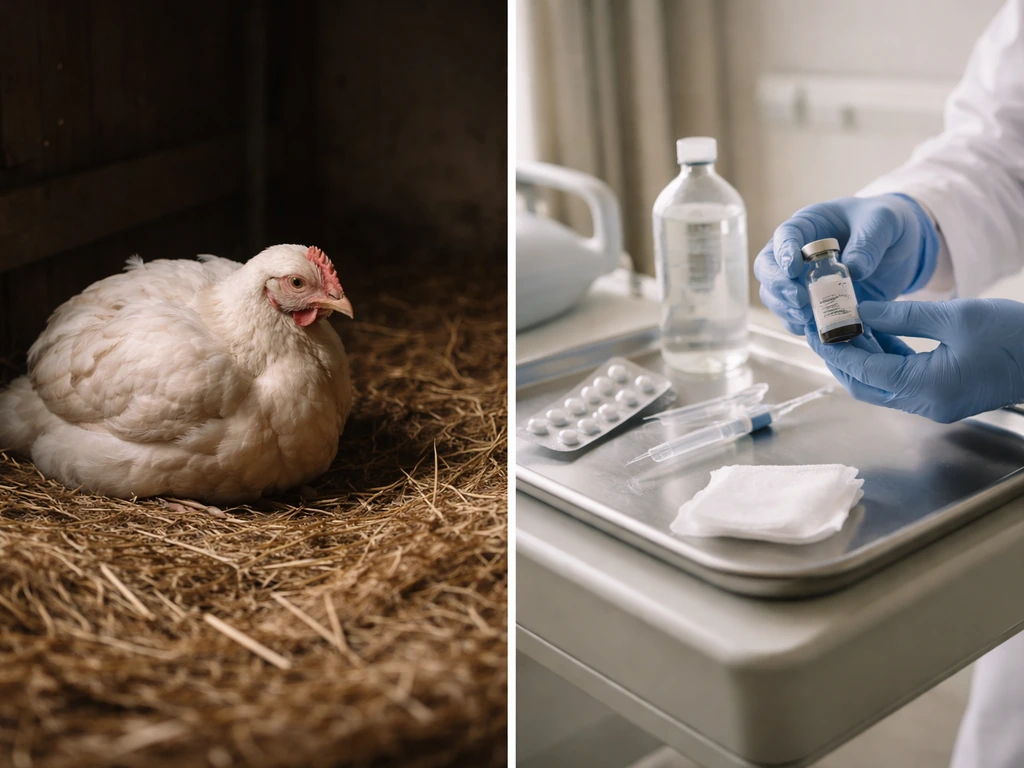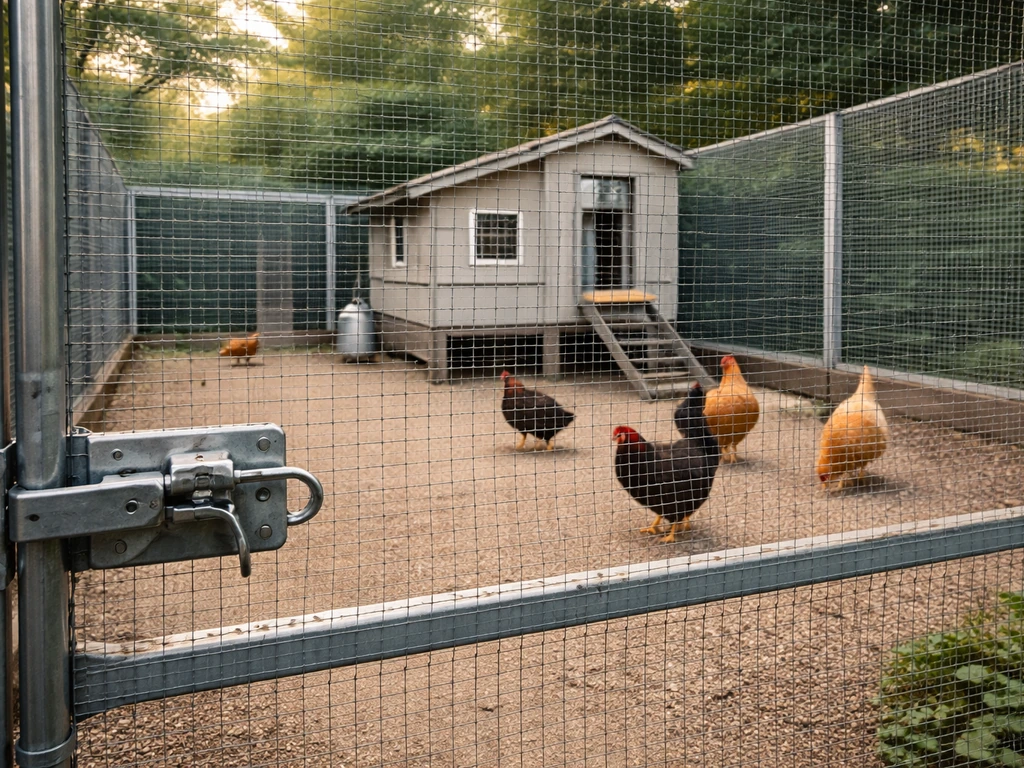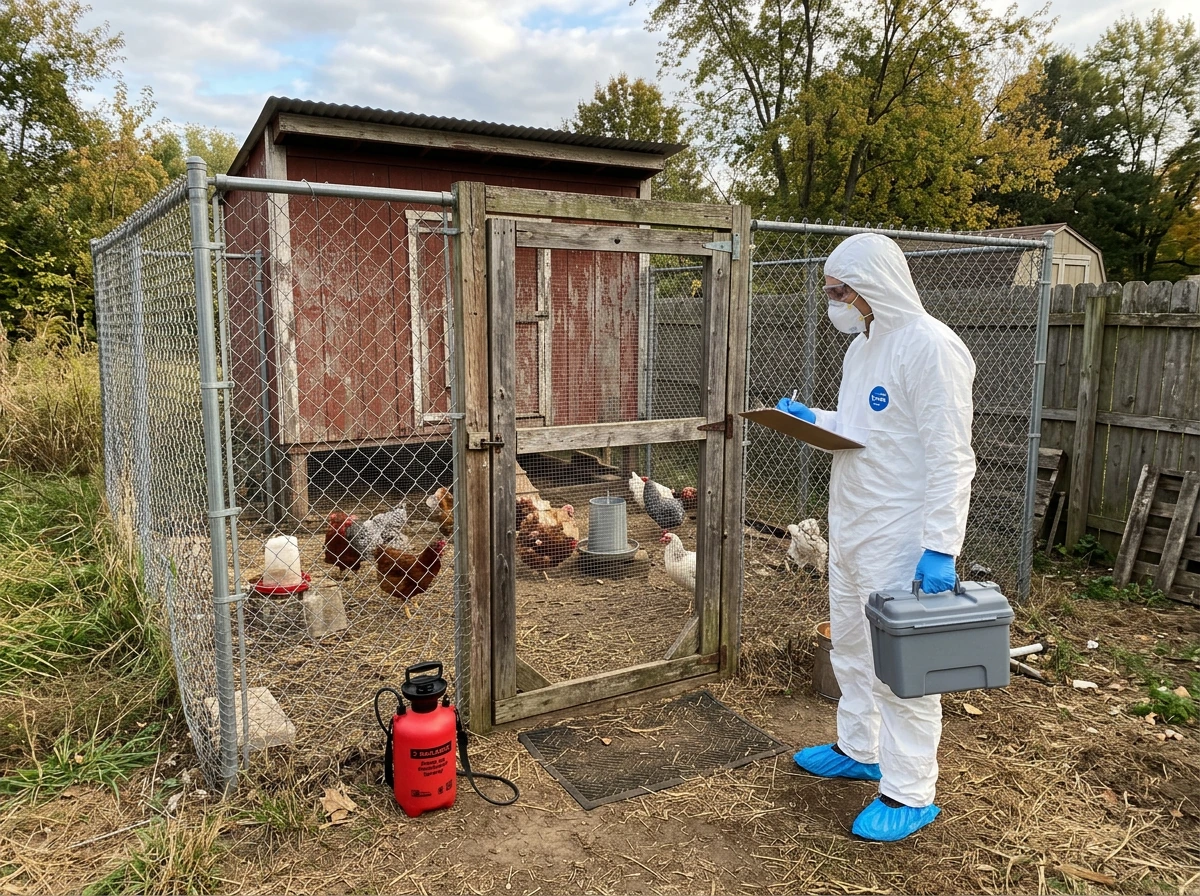
Bird flu does not have a guaranteed cure, but that does not mean you are helpless. For humans, antiviral medications can meaningfully improve outcomes when started early. For birds, the focus shifts from treatment to containment, because infected flocks are almost always depopulated rather than treated. The most important thing you can do right now, whether you are concerned about a sick person or a sick flock, is act fast and call the right people. What you do in the next 24 to 48 hours matters more than almost anything else.
How to Treat Bird Flu in Humans and Birds: Steps and Guidance

Maya Chen
19 Apr 2026
Is there a cure for bird flu?
Technically, no. There is no drug that eliminates avian influenza the way an antibiotic clears a bacterial infection. What exists for humans is a class of antivirals called neuraminidase inhibitors, primarily oseltamivir (Tamiflu) and zanamivir (Relenza), that can shorten how long the virus actively replicates in your body and reduce the severity of illness. The WHO notes these medications have been shown to improve patient outcomes in some cases. They are not a cure, but they can be the difference between a serious illness and a life-threatening one, especially with a strain like H5N1. For birds, there is no treatment protocol at all in commercial or backyard flock management. The veterinary and public health approach is control and eradication, not therapy.
How bird flu is handled in infected flocks
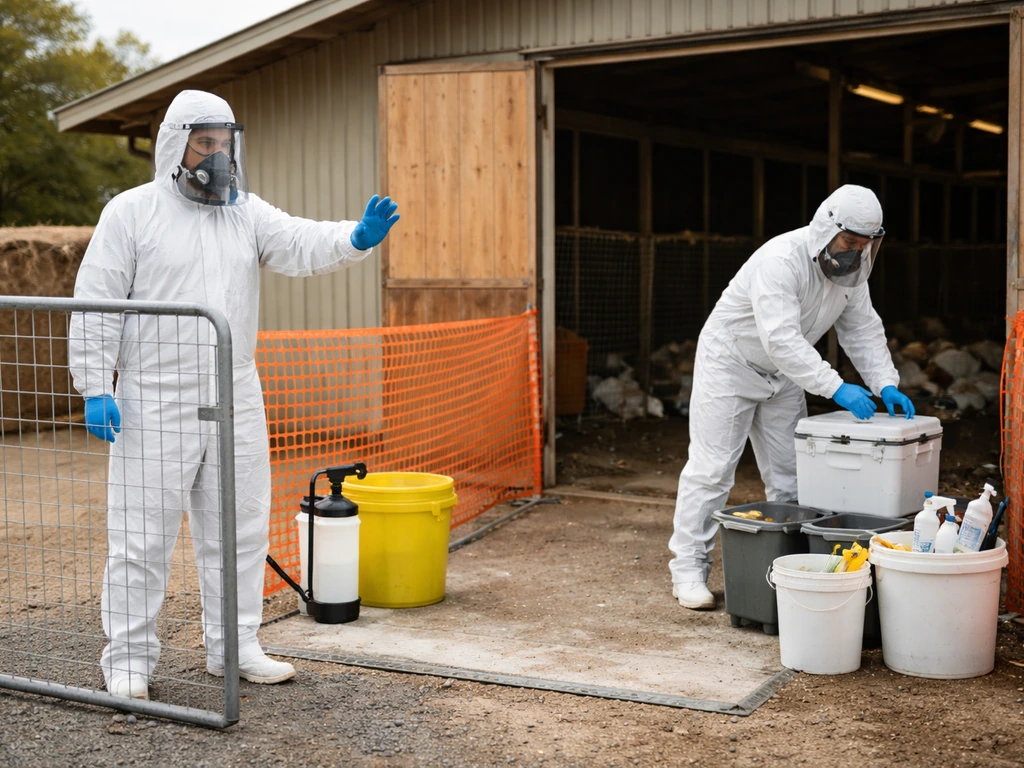
If avian influenza is confirmed or strongly suspected in a poultry flock, the response follows a strict protocol set by animal health authorities. The short version is: the infected birds and any birds in close contact are culled. This is not a recommendation anyone makes lightly, but it is the standard globally endorsed by the World Organisation for Animal Health (WOAH) because there is no effective way to treat a flock and simultaneously stop the virus from spreading.
Beyond depopulation, a full outbreak response typically includes all of the following:
- Quarantine of the infected premises to prevent movement of birds, equipment, vehicles, and personnel
- Biosecure disposal of carcasses and any contaminated materials like litter, feed, and bedding
- Thorough cleaning and disinfection of all structures and equipment using EPA-registered antimicrobial products effective against avian influenza A viruses
- Strict movement controls on all poultry and poultry products in the surrounding area
- Epidemiological tracing to identify where the virus came from and where it may have spread
- Ongoing surveillance of nearby farms and wild bird populations
Realistic expectations matter here. Even with rapid response, avian influenza outbreaks cause significant flock losses. The goal of these measures is to stop the virus from spreading to more farms or to humans, not to save the infected birds. If you have a backyard flock and suspect bird flu, this is exactly why you need to call your state veterinarian or USDA rather than attempting anything on your own.
How bird flu is treated in humans
Antivirals and why timing is everything
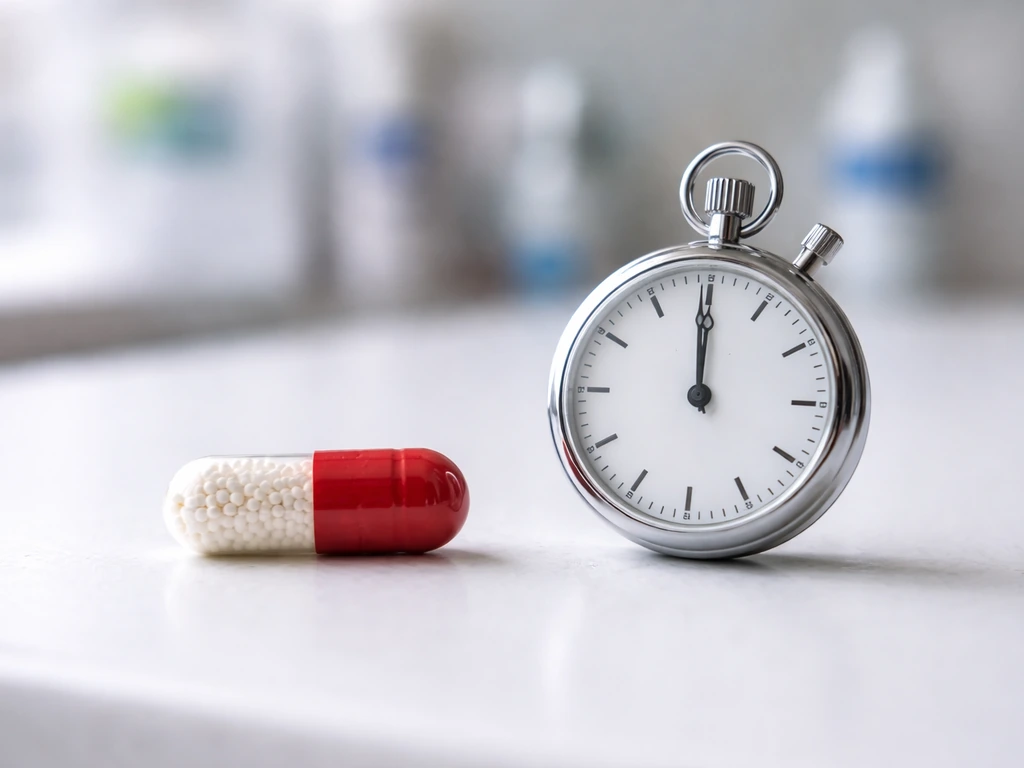
The CDC recommends blank" rel="noopener noreferrer">starting oseltamivir as soon as possible for anyone who is a suspected, probable, or confirmed case of novel influenza A infection, including H5N1 and H5N6. For humans, the approach to treating bird flu focuses on early antiviral therapy, starting as soon as possible under medical guidance. Do not wait for lab confirmation. The guidance is explicit: antiviral treatment ideally begins within the first 48 hours of symptom onset, because the medications work significantly better when the viral load is still low and the body has not yet mounted a full inflammatory response. Starting treatment on day one is better than day two, and day two is better than day three.
This is not a medication you can obtain over the counter or administer yourself based on a hunch. It requires a prescription from a healthcare provider, which is another reason early contact with the medical system is critical.
Supportive care and monitoring
Beyond antivirals, treatment for bird flu in humans is largely supportive, meaning doctors manage the symptoms and complications rather than targeting the virus directly. This can include oxygen therapy for respiratory distress, IV fluids, fever management, and in severe cases, intensive care. H5N1 in particular has a high rate of progressing to severe pneumonia and acute respiratory distress syndrome (ARDS), so hospitalization is common in confirmed cases. The antiviral therapy is the active intervention; the supportive care keeps the patient stable enough to survive while the immune system does its job.
Isolation during monitoring
If you have been exposed to infected or potentially infected birds or animals and develop any symptoms within 10 days of that exposure, the CDC advises isolating at home, away from other household members, and not going to work or school until health authorities determine whether you have an avian influenza infection. Contact your state or local health department right away. Do not just visit an urgent care clinic unannounced, because healthcare facilities need to know in advance so they can prepare appropriate isolation measures.
What you can (and cannot) do at home
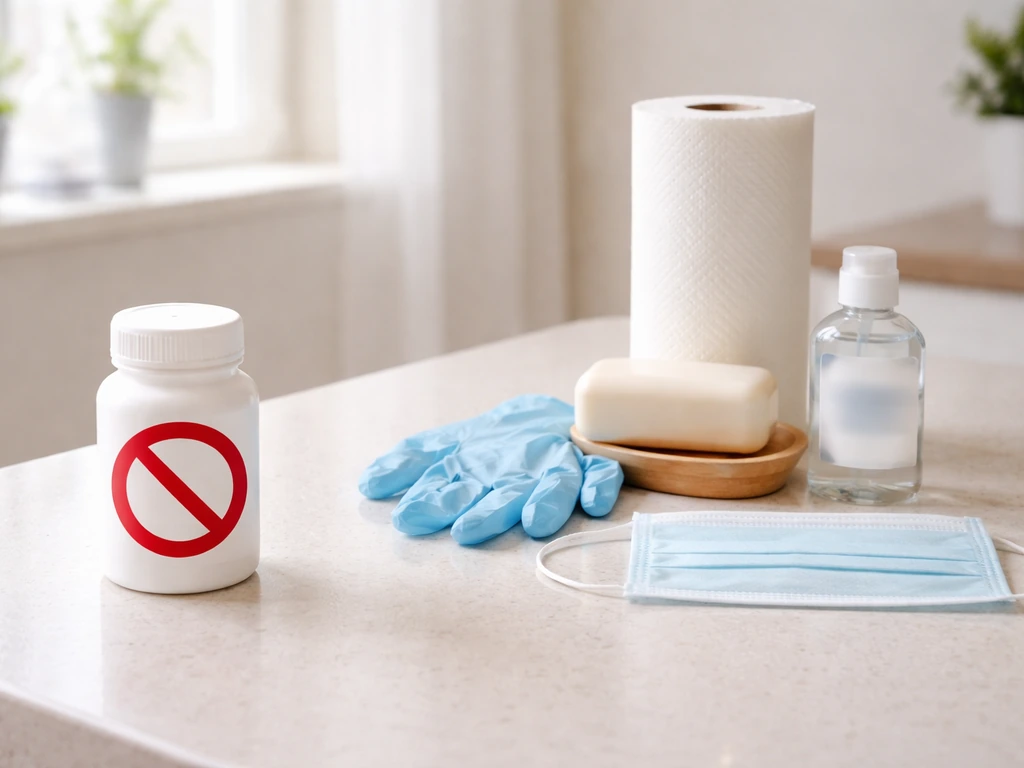
This is where it is important to be direct, because searching for "how to treat bird flu at home" can lead people down some genuinely dangerous paths. Here is the clear breakdown.
For people who may be exposed or symptomatic
- Isolate at home and limit contact with other household members
- Practice strict respiratory hygiene: cover coughs and sneezes, dispose of tissues immediately
- Wash hands frequently and thoroughly, especially after any contact with birds or animal environments and after removing any protective gear
- Monitor your symptoms closely and track the date your symptoms started, because that timestamp determines whether antivirals can still help
- Call your state or local health department immediately if you develop fever, cough, shortness of breath, or other flu-like symptoms after a potential exposure
- Follow all guidance from public health authorities while awaiting test results
What you must not do: do not attempt to self-prescribe or source antivirals without a physician's involvement. Do not rely on home remedies, supplements, or anything not prescribed by a medical professional. Do not dismiss symptoms as ordinary seasonal flu if you have had a recent exposure to birds or animals, because the distinction matters enormously for how you should be managed.
For people with backyard flocks or birds
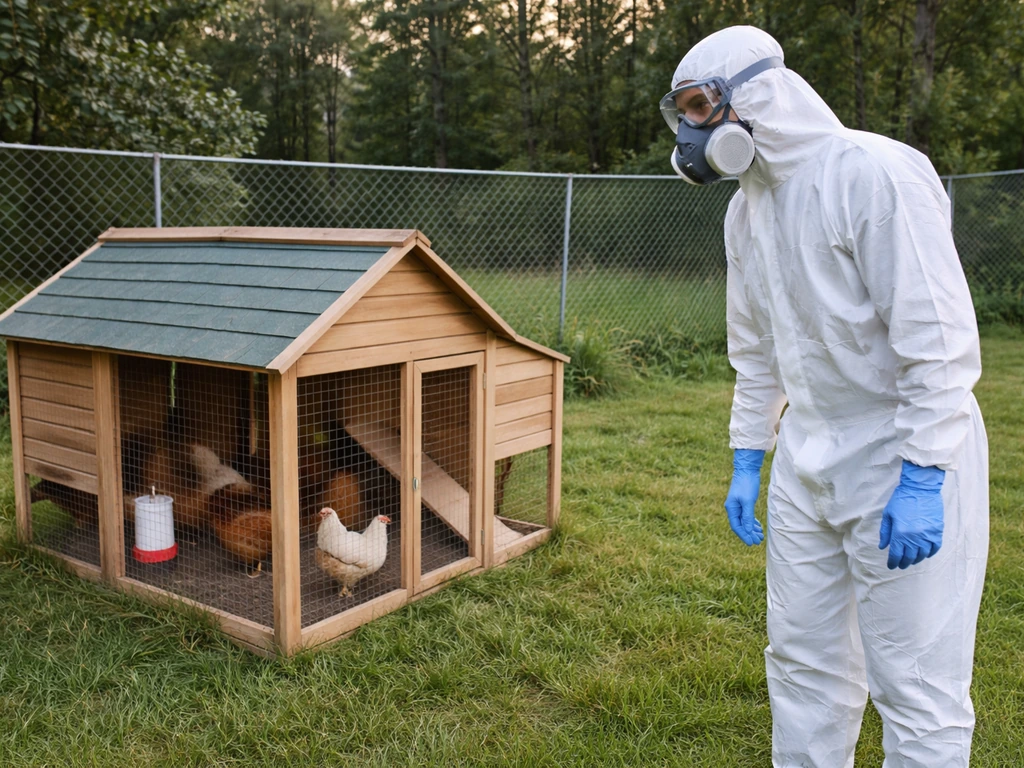
- Do not handle sick or dead birds with bare hands under any circumstances
- Do not attempt to quarantine and treat birds yourself while waiting to see if they recover
- Do not dispose of dead birds before contacting your state veterinarian or the USDA, because carcasses are needed for testing and improper disposal can spread the virus
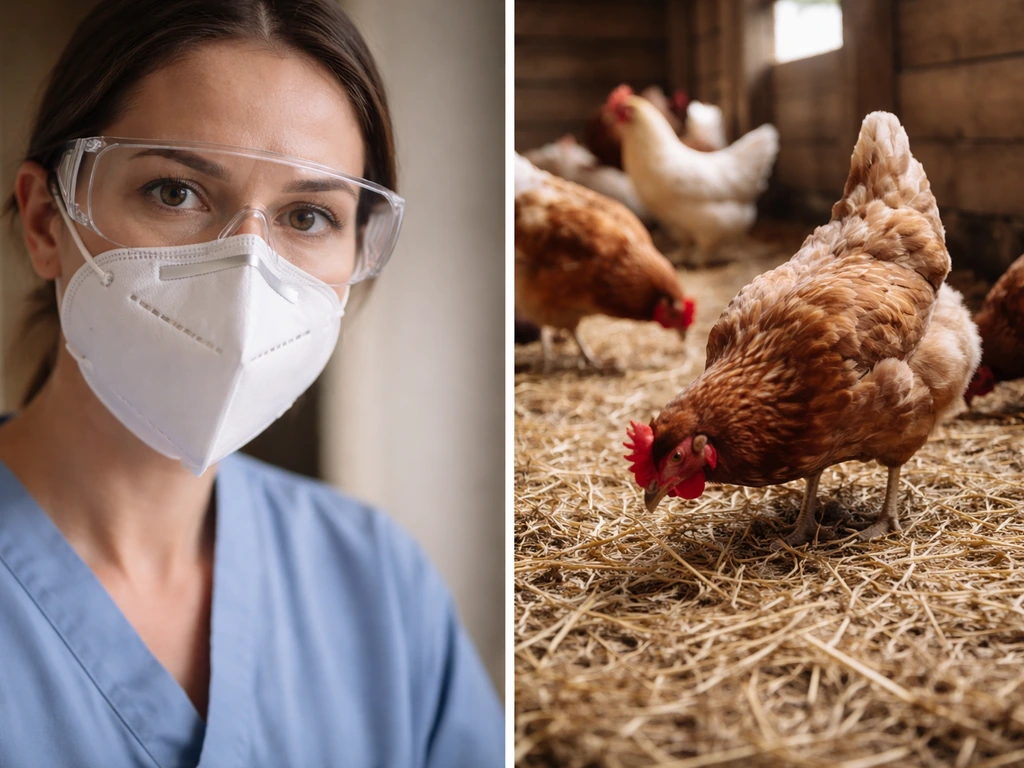
- If you must be near sick or potentially exposed birds before authorities arrive, wear an N95 respirator, goggles or a face shield, disposable gloves, and protective clothing
- Wash hands thoroughly after any contact or potential contact, including after removing PPE
- Avoid touching surfaces or materials contaminated with saliva, mucus, or feces from birds
What you must not do: do not attempt home treatment of birds with any medication, supplement, or remedy. Do not move birds to another location, sell them, or give them away. Do not let visitors onto your property until you have spoken with animal health authorities. A well-meaning attempt to manage the situation yourself can turn a contained outbreak into a regional one.
When to seek urgent help and who to call
Speed genuinely changes outcomes here, so do not delay out of uncertainty or a desire to wait and see. Here is a simple guide to the right contacts depending on your situation.
| Your situation | Who to contact | How urgently |
|---|---|---|
| You have symptoms after exposure to birds or animals | State or local health department, then a healthcare provider | Immediately, within hours |
| You need antiviral treatment evaluated | Healthcare provider or emergency room (call ahead) | Within 48 hours of symptom onset |
| You suspect bird flu in your backyard flock | USDA Animal and Plant Health Inspection Service (APHIS) or state veterinarian | Same day |
| You found dead wild birds in unusual numbers | State wildlife agency or USDA Wildlife Services | Within 24 hours |
| You have an occupational exposure (farm, poultry processing) | Employer safety officer, then state health department | Immediately |
OSHA guidance reinforces that anyone who has been exposed should monitor their health for 10 days and call their state or local health department immediately if any illness signs or symptoms develop. If you are symptomatic and your condition is deteriorating quickly, including difficulty breathing or confusion, go to an emergency room and tell them about your exposure history before you walk in the door.
Prevention is genuinely more powerful than treatment
Given that treatment options are limited and time-sensitive, prevention deserves serious attention. The good news is that most human infections with H5N1 have involved close, direct contact with infected birds or animals. Ordinary people with no occupational exposure and no backyard flocks face very low risk. But if you do have contact with birds or animals, or you work on or near farms, these steps meaningfully reduce your chances of ever needing to think about treatment.
Biosecurity for backyard and farm flocks
- Keep your flock away from wild birds, especially waterfowl, which are a primary reservoir for avian influenza
- Use separate footwear and clothing for your bird area and change before entering your home
- Clean and disinfect equipment, feeders, and waterers regularly using products registered for use against avian influenza A viruses
- Limit visitor access to bird areas and require anyone entering to use clean footwear
- Report any sudden unexplained illness or death in your flock to your state veterinarian immediately, rather than waiting to see what happens
Exposure control for workers and the public
- Wear appropriate PPE when working with potentially exposed animals: an N95 respirator, goggles or a face shield, disposable gloves, and protective outer clothing
- Wash hands thoroughly and frequently, especially after contact with animals, their environments, or after removing PPE
- Avoid touching your face, especially eyes, nose, and mouth, in animal environments
- Do not touch dead or visibly sick wild birds with bare hands
- Avoid surfaces likely contaminated with bird saliva, mucus, or feces
Food safety basics
Properly handled and cooked poultry and eggs remain safe. Cook eggs until both the yolk and white are firm, and cook any food containing eggs to an internal temperature of 160 degrees Fahrenheit (71 degrees Celsius). Pasteurized egg products are a safe alternative if you are uncertain. The risk from food is not zero in theory, but it is effectively negligible when basic food safety practices are followed. Raw or undercooked poultry and eggs are the concern, not commercially processed, properly cooked food.
Prevention, early reporting, and fast access to medical care form the real treatment strategy for bird flu. The more you know about biosecurity and exposure risks now, the less likely you are to find yourself in a situation where you need to navigate a treatment decision under pressure. If you want to go deeper on protecting your flock specifically, the topics of preventing bird flu in chickens and curing bird flu in chickens cover the animal side in much more detail, while the question of whether bird flu is treatable addresses the broader evidence base around outcomes. For birds, you generally cannot cure bird flu in chickens, and the typical response is containment and depopulation.
FAQ
What should I do first if I suspect bird flu in a person?
Treat it like a time-critical medical issue, call your state or local health department and a clinician immediately, and mention your bird or animal exposure. If you cannot reach them quickly, go to the emergency department and tell staff about the exposure history so they can apply isolation and antiviral decision-making.
Can I wait for lab results before starting antivirals?
Generally no. Antiviral treatment is most useful when started early, ideally within 48 hours of symptom onset, so clinicians should decide based on suspicion, exposure, and clinical features, not on waiting for confirmation.
What if symptoms start after I had contact with birds but I do not know the exact date?
Use the most conservative timeline you can, count forward from the last day you had meaningful exposure, and still contact health authorities as soon as symptoms begin. Early notification helps determine whether antiviral therapy and isolation steps are appropriate.
Is oseltamivir safe for everyone who might need it?
It is prescription-only and may not be appropriate for every patient due to factors like kidney function, drug interactions, and age. A clinician will weigh risks and benefits, including dosing adjustments for renal impairment, before prescribing.
What supportive care should I expect in a hospital?
Because severe cases can involve respiratory failure, treatment often includes oxygen or mechanical ventilation, careful fluid management to maintain blood pressure and oxygenation, and monitoring for complications like pneumonia progression and ARDS.
If a household member gets bird flu, do we need to stay away from each other even if we feel fine?
Health authorities may recommend home isolation and monitoring, but the exact guidance depends on whether infection is confirmed, the type of exposure, and local protocols. At minimum, if symptoms develop, isolate and contact your health department promptly.
If I was exposed to birds, should I take antivirals to prevent infection?
Prevention decisions are not the same as treatment, and antivirals for post-exposure prophylaxis are determined by clinicians and public health based on risk level and timing. Do not self-start, because inappropriate use can delay proper evaluation and may not be recommended for your scenario.
What are dangerous mistakes to avoid at home after a possible human exposure?
Do not ignore symptoms assuming it is “just seasonal flu,” do not show up at clinics unannounced, and do not take someone else’s antivirals or any non-prescribed medication. Early communication allows facilities to prepare infection-control measures.
What if I suspect bird flu in my backyard flock, can I treat the birds instead of reporting?
Do not attempt to medicate birds yourself. The standard public health and veterinary approach for confirmed or strongly suspected avian influenza is containment and depopulation of infected and closely exposed birds, because there is no effective flock-level treatment protocol.
What should I do on my property if I think birds are infected but authorities have not arrived yet?
Limit access, keep visitors and other animals away, and avoid moving birds or equipment off the site. Call your state veterinarian or USDA promptly so they can direct biosecurity steps and testing logistics.
Is cooked poultry or store-bought eggs unsafe if there is an outbreak nearby?
Proper cooking makes a major difference, eggs cooked until yolk and white are firm and poultry heated to the recommended internal temperature are considered safe. If you suspect an egg or bird is from an unknown source, focus on sourcing and cooking practices rather than panic.
How long should people exposed to infected or potentially infected birds monitor themselves?
Monitor for symptoms for 10 days after exposure and contact local health authorities immediately if symptoms appear. If you develop rapidly worsening breathing problems or confusion, seek emergency care and tell providers about the exposure history.
When should I treat “possible severe symptoms” as an emergency?
If you have difficulty breathing, chest pain, bluish lips, confusion, severe weakness, or fast clinical deterioration, go to the emergency department right away. Bring or be ready to share exposure details so care teams can act on antiviral timing and isolation needs.