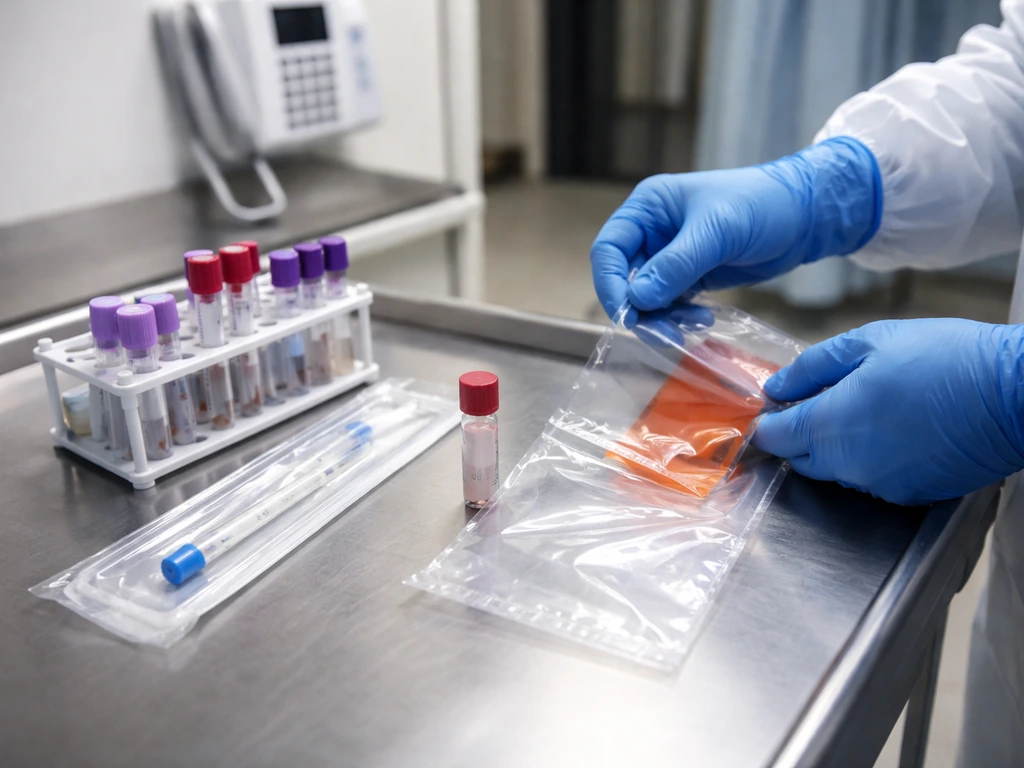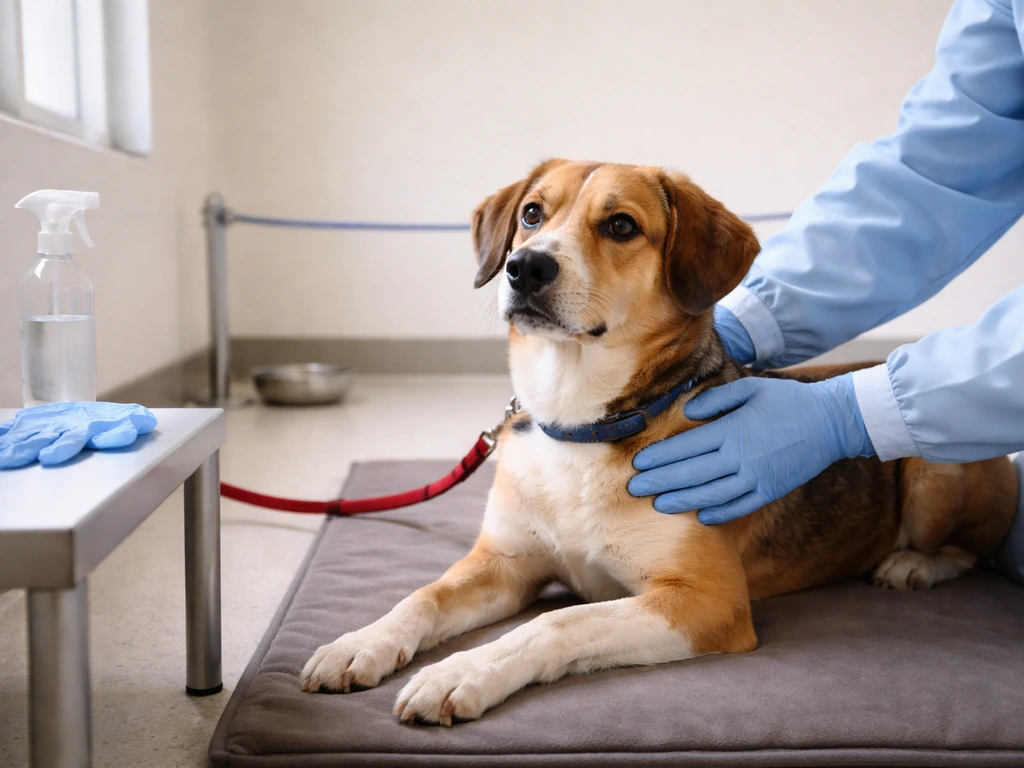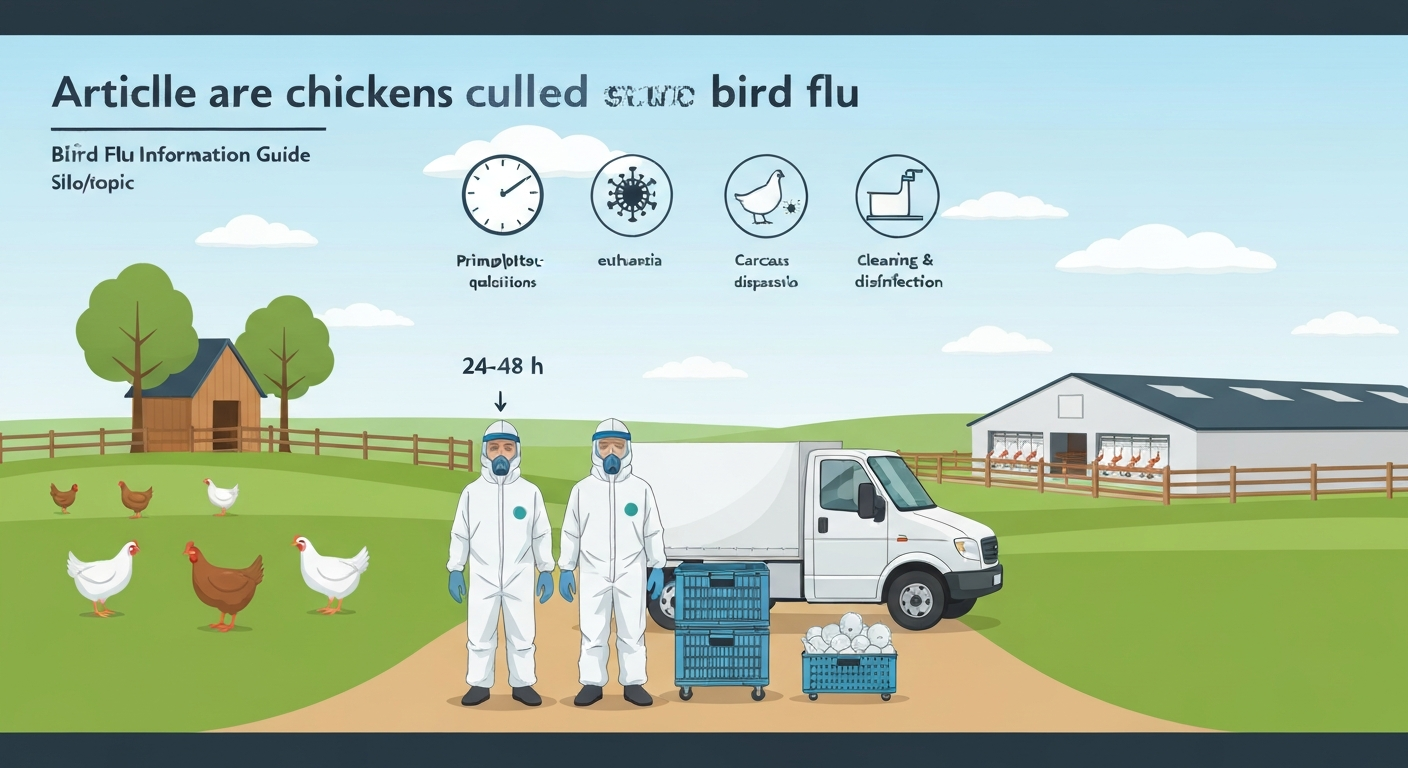
Dogs face a low but real risk from bird flu, mostly through direct contact with infected wild birds, their droppings, or contaminated carcasses. The practical steps that actually reduce that risk come down to a handful of consistent habits: keeping dogs leashed or under control near wild birds, discouraging them from scavenging dead birds, and washing your hands after handling anything from the outdoors. For pet birds, the bar is higher because birds are far more susceptible to avian influenza than dogs, so biosecurity matters more. Here is everything you need to do today, broken down clearly by pet type and scenario.
How to Protect Dogs From Bird Flu: Practical Steps

Maya Chen
23 Jun 2026
How birds flu actually reaches pets
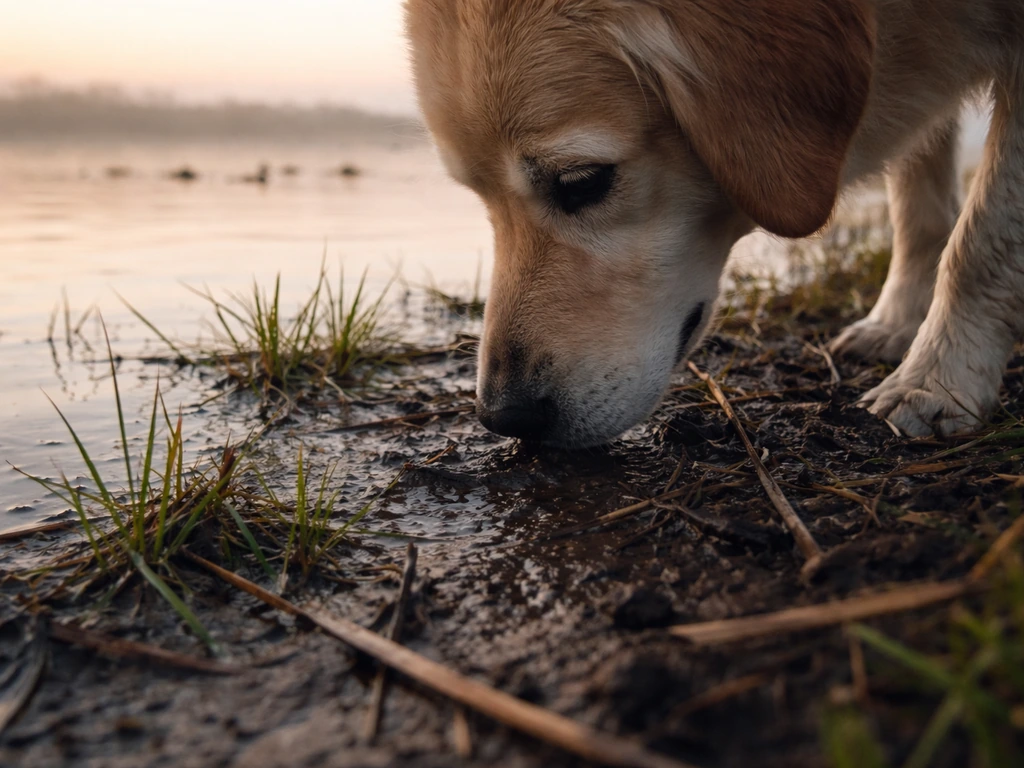
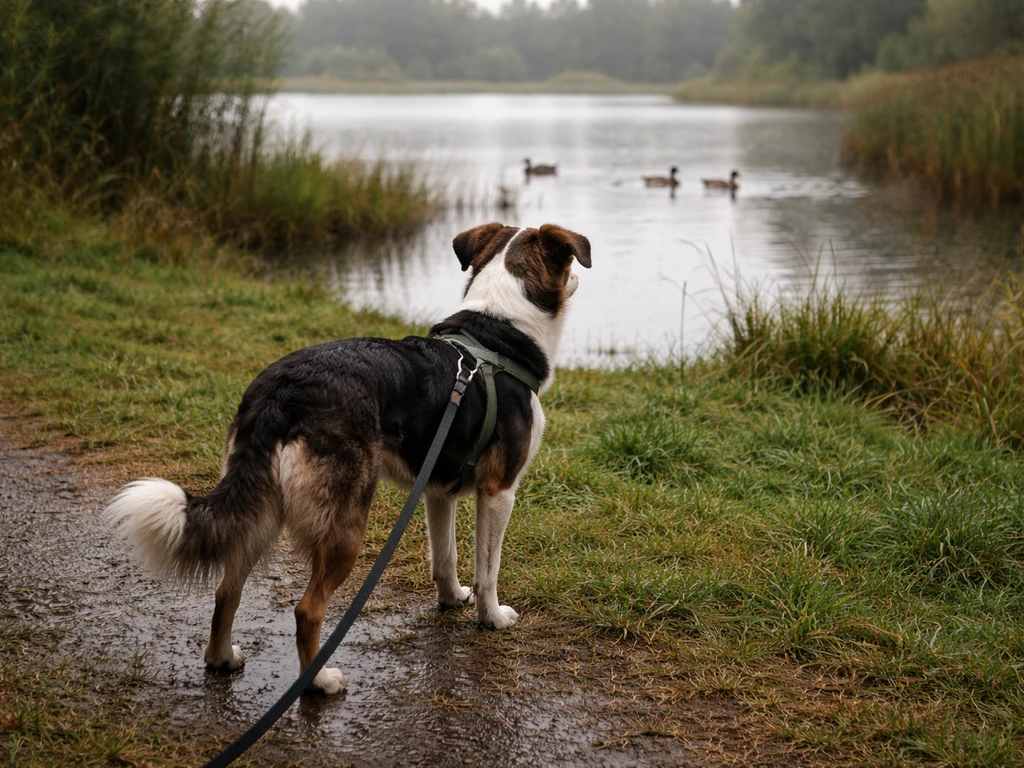
blank" rel="noopener noreferrer">Avian influenza is a contagious viral disease that circulates in wild bird populations, particularly waterfowl like ducks and geese, which often carry the virus without obvious illness. Domestic birds and poultry, on the other hand, can get severely sick from the same strains. The CDC has confirmed that pets including dogs, cats, and pet birds can become infected if they blank" rel="noopener noreferrer">go outside and eat or are exposed to sick or dead birds infected with avian influenza viruses. In some cases, infected dairy cattle have also been an exposure route, so geography matters.
For dogs specifically, the most realistic exposure routes are picking up or mouthing a dead bird, drinking from water sources contaminated with bird droppings, or rolling in areas where infected birds have been. The same prevention mindset applies to cows: avoid contact with contaminated wild birds and their droppings, and follow local guidance if H5N1 is detected nearby dead bird. Dogs do not appear to transmit bird flu efficiently to humans, but they can carry the virus on their fur or paws and bring it back inside, which is worth thinking about if you also keep pet birds in the home. Cats have shown more documented cases of serious illness than dogs, but both species are susceptible to certain avian influenza A strains, including H5N1.
Day-to-day prevention for dogs
Most of what you need to do here fits naturally into good dog-ownership habits. The UK's official guidance is direct: keep dogs under effective control so they stay away from wild birds. That means leashing your dog near ponds, wetlands, beaches, or any area where waterfowl congregate. Free-roaming dogs in those environments are the ones most likely to find a sick or dead bird and investigate it with their mouth.
- Keep your dog on a leash near lakes, wetlands, coastal areas, or anywhere wild waterfowl gather, especially during active outbreak periods.
- Train a reliable 'leave it' command so you can redirect your dog away from carcasses or sick birds on the ground.
- Do not let your dog drink from outdoor puddles or standing water in areas with high bird activity, as droppings can contaminate the water.
- After any outdoor walk near wild birds, wipe your dog's paws with a damp cloth or pet-safe wipe before they come inside.
- Wash your own hands thoroughly with soap and water after handling your dog if you were in a high-risk area.
- Change or leave outdoor footwear at the door to avoid tracking droppings inside, especially if you also have pet birds.
If your dog is a scavenger by nature, a basket muzzle during high-risk walks is a practical and underused tool. It feels extreme until you are trying to pry a dead duck out of a determined dog's mouth. Prevention there is much easier than the alternative.
Protecting pet birds: biosecurity that actually works
Pet birds, including parrots, budgies, finches, canaries, and backyard chickens, are far more biologically vulnerable to avian influenza than dogs. They share key physiological features with the wild birds that carry these viruses. If you keep pet birds, your approach needs to be more systematic than it is for dogs.
Housing and cage setup

- Keep pet birds indoors as much as possible, and fully indoors during active outbreak periods in your area.
- If you have an outdoor aviary, cover the top and sides with a fine mesh that prevents wild birds from landing on or reaching into the structure.
- Position outdoor aviaries away from areas where wild birds congregate, feed, or roost.
- Do not allow wild birds to perch above the aviary where their droppings could fall into the enclosure.
Feeding and water management
- Remove or bring in outdoor bird feeders and birdbaths during high-risk periods, as these attract wild birds and concentrate droppings around the same area your pet birds may use.
- Store your pet bird's feed in sealed containers indoors so wild birds cannot access it.
- Use fresh, clean water daily and disinfect water dishes regularly.
- Never feed your pet bird food that has been stored in areas accessible to wild birds.
Handling and cleaning protocols
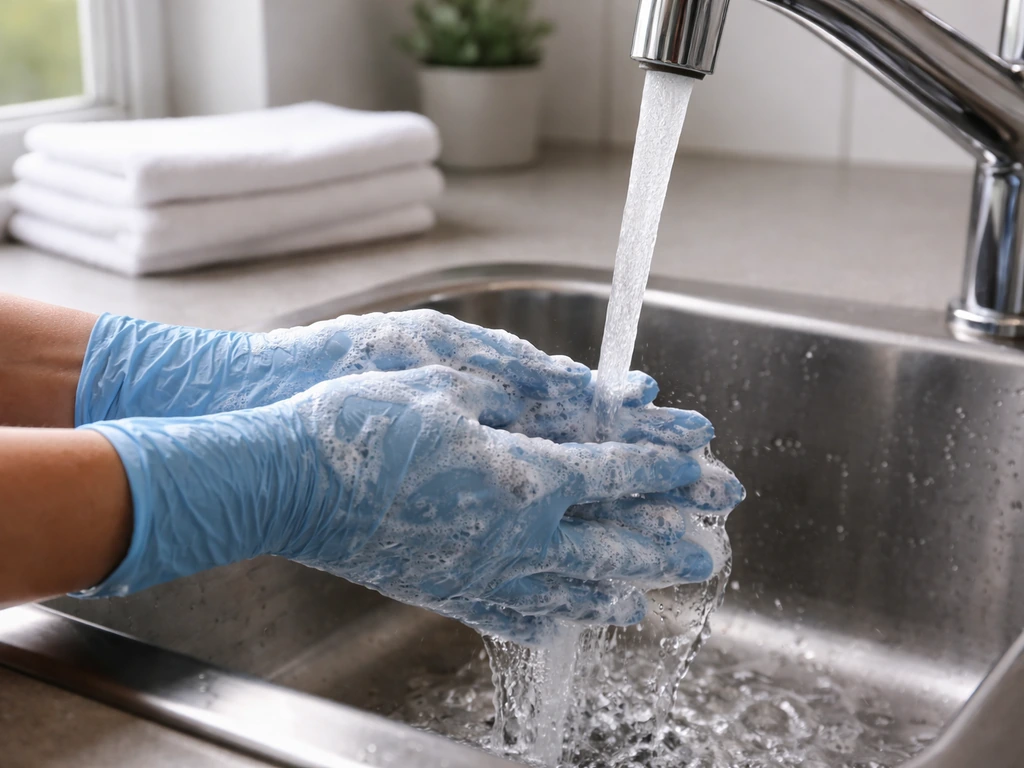
- Wash your hands thoroughly before and after handling your pet birds.
- If you have been near poultry farms, live bird markets, wild bird habitats, or areas with reported outbreaks, change your clothes and shower before interacting with your pet birds.
- Clean and disinfect cages, perches, and food dishes regularly using a diluted bleach solution (around 10% household bleach to water) or a veterinarian-approved disinfectant.
- Do not introduce new birds from unknown sources without a quarantine period of at least 30 days in a separate space.
- If you have both dogs and pet birds, keep them in separate areas of the home and implement hand-washing between handling each animal.
What to do if your pet is exposed or gets sick
Here is a clear decision path for common scenarios. Treatment for bird flu in dogs is mainly supportive care under a veterinarian's direction, especially after you report and confirm the exposure how to treat bird flu in dogs. Following this kind of structured response matters because early reporting is how outbreaks get contained.
| Situation | Immediate action | Next step |
|---|---|---|
| Your dog picks up or mouths a dead wild bird | Remove the bird using gloves or a bag, do not touch it with bare hands. Rinse your dog's mouth if possible, wipe paws. | Monitor your dog for 10 days for symptoms: lethargy, coughing, nasal discharge, eye inflammation, loss of appetite. Call your vet to report the exposure. |
| Your dog shows flu-like symptoms after possible exposure | Isolate the dog from other pets and limit your own contact. Note the timeline of exposure and symptoms. | Call your vet immediately. Describe the potential exposure. Your vet may want to test or report to authorities. |
| Your pet bird shows signs of illness (ruffled feathers, nasal discharge, difficulty breathing, sudden death of a flock member) | Isolate the sick bird from others immediately. Do not handle without gloves and, ideally, a mask. | Call your vet urgently. In the UK, a vet who suspects bird flu in a pet must report it to the Animal and Plant Health Agency (APHA) immediately. In the US, USDA APHIS handles reporting. |
| You find multiple dead wild birds in your area | Do not touch them. Report to your local wildlife or animal health authority. | Keep pets indoors or strictly controlled outdoors until authorities advise otherwise. Increase cleaning and biosecurity for pet birds. |
| You visited a poultry farm or live bird market and then came home to pet birds | Change clothes and shoes at the door. Shower before interacting with your birds. | Monitor your birds closely for 7 to 10 days. Call your vet if any symptoms develop. |
If you are also concerned about your own health after an exposure event, that is a separate but related issue. Human risk from bird flu is low overall, but certain exposure scenarios do warrant medical attention, and the guidance for humans parallels some of what applies to animals in terms of surveillance and reporting. If you think you have symptoms or had a close exposure, follow public health guidance for how to treat bird flu in humans and seek medical care promptly Human risk from bird flu.
Food safety: eggs, meat, and contaminated surfaces
If you keep backyard chickens or ducks alongside dogs or other pets, food safety and surface contamination become particularly relevant. Properly cooked poultry and eggs are safe to eat because heat destroys the avian influenza virus. The concern is in handling raw products or contaminated surfaces before cooking.
- Do not feed your dog raw poultry or eggs from unknown or potentially exposed flocks. Cook poultry to an internal temperature of 165°F (74°C) and eggs until yolks and whites are firm.
- Wash hands thoroughly with soap and water after handling raw poultry or eggs, before touching your dog or any pet.
- Disinfect surfaces that come into contact with raw poultry using a food-safe disinfectant.
- Do not allow dogs access to areas where backyard poultry are kept, especially if there is any possibility of local outbreak activity.
- If your backyard flock is under a movement restriction due to a local outbreak, follow all USDA APHIS or local authority instructions about egg and product handling.
Dogs should never be given raw wild bird carcasses as food or treats. This is a non-trivial risk during outbreak periods and one of the more direct ways a dog could be exposed to a meaningful viral load.
Vaccines and medications for pets: what is and is not available
There is currently no licensed avian influenza vaccine available for dogs or cats in the United States or most other countries. There are experimental and conditionally approved vaccines for poultry in certain regions, and some countries have used them in commercial flocks, but nothing equivalent exists for household dogs or cats. Antiviral medications like oseltamivir (Tamiflu) have been used in some animal cases, but only under veterinary supervision and only after confirmed or highly suspected infection, not as a preventive measure.
For pet birds, some countries have considered or implemented poultry vaccination programs, but licensed options for companion birds specifically remain limited and vary significantly by country. Your best tool right now is biosecurity, not pharmacology. If you keep budgies or other pet birds and want to understand treatment options if something does go wrong, that overlaps with the question of how to treat bird flu in pet birds, which involves supportive care and veterinary intervention rather than a clear antiviral protocol. For budgie owners, you can follow the same biosecurity-focused approach, with extra care around preventing contact with wild birds and their droppings how to prevent bird flu in budgies.
The practical implication of this gap is that prevention is not just the first line of defense, it is essentially the only line of defense you have real control over. Do not wait for a vaccine to start implementing the habits described in this guide.
Adjust your risk level based on what is happening locally
The steps above are always sensible, but how strictly you apply them should scale with what is actually happening in your area. Bird flu outbreak activity varies significantly by region and season. Flyway migration corridors, proximity to commercial poultry operations, and local wildlife mortality events all affect your real-world risk level.
- Check the USDA APHIS website regularly for the current confirmed case map, which is updated as new premises are affected. In the UK, GOV.UK publishes active avian influenza prevention zones where specific restrictions apply.
- Sign up for alerts from your state or local department of agriculture if you keep backyard poultry, as movement restrictions and enhanced biosecurity requirements can be issued quickly.
- During peak wild bird migration seasons (typically spring and fall in North America), treat your local risk as elevated even without a confirmed local case.
- If your county or region has a confirmed outbreak in commercial or backyard poultry, treat it as high-risk immediately: bring pet birds fully indoors, restrict dogs from outdoor areas near water, and increase disinfection frequency.
- If you see unexplained wild bird deaths near your home or neighborhood, report them to your state wildlife agency and increase all precautions until the cause is confirmed.
The reality is that most pet owners in most areas are operating at low baseline risk on any given day. But having the habits and knowledge ready before a local outbreak happens means you are not scrambling to figure out what to do when it matters. The precautions here are not burdensome, and several of them, like leashing dogs near water and washing hands after outdoor activity, are just good practice regardless of bird flu.
Your practical starting point right now
If you want to do something concrete today, start with these actions in order of importance: check current outbreak status for your region, leash your dog near wild bird habitats and reinforce a leave-it command, move your pet bird fully indoors if they spend time outside, remove outdoor bird feeders if you are in or near an active outbreak zone, establish a hand-washing habit before and after handling any pet, and save your vet's number somewhere accessible in case you need to report a potential exposure quickly. That is the foundation. Everything else in this guide builds on those basics.
FAQ
What should I do immediately if my dog grabs a dead wild bird?
If your dog mouths or picks up a wild bird, treat it as a high-priority exposure. Put the dog in a safe area, avoid touching the bird with bare hands, and wash your hands and any clothing that contacted the bird or droppings. Contact your veterinarian promptly for guidance on observation and whether they want you to report the event to local animal or public health authorities.
Can my dog catch bird flu from drinking from ponds or puddles?
An outdoor puddle is not the same as a dead-bird carcass, but it can still be contaminated with droppings. Keep leashed control near ponds and wetlands, discourage drinking from standing water, and if your dog does drink, rinse their mouth with clean water and wash paws when you get home.
How can bird flu spread inside if my dog never eats birds?
Yes. Even when your dog does not directly eat a bird, virus carried on fur, feathers, or droppings can be brought indoors. Wipe paws and clean the areas where your dog sits, use pet-safe floor cleaners if needed, and wash hands after outdoor walks, especially before handling other animals or cleaning cages.
Is washing hands enough, or do I need to disinfect items after exposure?
Avoid trying to “remove the smell” with wipes alone. Use warm water and soap for hands, and wash any items that contacted droppings or carcasses (leash, towels, bedding) as appropriate. If you have to clean up outdoor contamination, wear gloves and ventilate the area while you bag waste.
Does leashing alone protect dogs, or do I need extra training and tools?
Leashes reduce direct contact, but you should also use behavioral controls. Reinforce a reliable “leave it” or “drop it,” and consider a basket muzzle for walks in high-risk areas like waterfowl congregations during local outbreak periods.
Can I ever feed my dog parts of wild birds as a treat?
You generally should not. Feeding dogs raw wild bird carcasses or using them as treats is a direct exposure pathway and increases the chance of ingesting virus. If you feed wildlife-based treats during periods when avian influenza is circulating, switch to commercially prepared, cooked, and handled-safe options.
How should my precautions change if there’s an outbreak in my area?
If your region reports cases, scale up precautions even if your dog seems healthy. More important changes are stricter leash control near wetlands, tighter scavenging prevention, removing any pet-bird exposure risks indoors, and cleaning or managing outdoor areas where wild birds congregate.
When should I contact my vet or report suspected exposure?
Report promptly when you have a suspected exposure with a sick dog that may have been in contact with sick or dead birds, or when a dog has clear contact with a carcass. Your veterinarian can advise whether to document details (time, location, what the dog contacted) and whether local officials should be notified.
How do I reduce risk if I have both dogs and pet birds?
If you keep pet birds, you should treat the dog as a potential “carrier.” Do not allow your dog to enter bird areas after wildlife contact without hand-washing and paw cleaning, and avoid letting the dog interact with any bird droppings or bedding. Separate routines (walk first, then clean, then bird care) are an effective system.
Why can’t I just give my dog a flu antiviral as prevention?
The article notes there is no licensed vaccine for dogs in most places, so prevention depends on management. For treatment, do not use human antivirals on your own. Only a veterinarian can decide whether any medication is warranted after confirmed or highly suspected infection.
If my dog develops symptoms after a wild-bird encounter, how do I know it’s bird flu?
Symptoms alone are not a reliable way to confirm bird flu in dogs. Monitor closely after exposure, and seek veterinary advice if your dog becomes ill. The key immediate step is to report the exposure history so the vet can decide on appropriate testing or supportive care.
Does human vaccination or poultry vaccination change what I should do for my dog?
Vaccination status for humans or poultry does not replace pet precautions. Human vaccination decisions are individualized and do not prevent virus from reaching dogs via contact with wild birds. Focus on exposure reduction, plus follow public health guidance if you personally had a close exposure event.
What’s the safest way to manage backyard chickens or ducks if dogs roam too?
Yes, especially in outdoor mixed-animal households. Keep dogs away from raw poultry, coop waste, and any surfaces contaminated before cooking, and store food in sealed containers. Cook eggs and poultry thoroughly, and use dedicated gloves or tools when handling raw products.