Bird flu in humans is not curable in the way a bacterial infection can be wiped out with antibiotics, but it is treatable, and early treatment makes a real difference. The main tool doctors use is the antiviral oseltamivir (Tamiflu), started as soon as possible after symptoms appear or exposure is confirmed. WHO clinical practice guidance for severe symptomatic influenza recommends oseltamivir and advises starting treatment as early as possible, ideally within 2 days of symptom onset [oseltamivir (Tamiflu)](https://www. ncbi.
How to Treat Bird Flu in Humans: What to Do Now

Maya Chen
27 May 2026
nlm. nih. gov/books/n/who378872/ch8/). Alongside that, supportive care manages the symptoms and keeps the body stable while the immune system does its work.
Outcomes vary depending on the strain, how quickly treatment starts, and the patient's overall health, but one thing is consistent across CDC and WHO guidance: earlier is better, so if you have a genuine exposure concern today, do not wait to call a doctor or your local health department.
Curable vs treatable: what to actually expect
It helps to separate two things people often conflate. "Curable" implies the treatment eliminates the pathogen with certainty. "Treatable" means medicine can reduce severity, shorten illness, and improve your odds, even without a guaranteed elimination. Bird flu in humans falls into the treatable category. Antivirals like oseltamivir are not a silver bullet, but they reduce viral replication, lower the risk of severe complications, and in many cases help people recover fully. The critical caveat is timing: antivirals work best when started within 48 hours of symptom onset, according to WHO clinical guidance for severe influenza cases.
Human infections with highly pathogenic strains like H5N1 have historically carried a high case fatality rate, which sounds alarming. But context matters. Most confirmed cases over the years involved people with very close, direct contact with infected birds or animals, often without any protective measures. People who received early antiviral treatment and appropriate supportive care consistently fared better than those who presented late. That is the core practical takeaway: the biology of bird flu gives you a window to act, and using that window is what treatment is all about.
How bird flu is diagnosed in humans
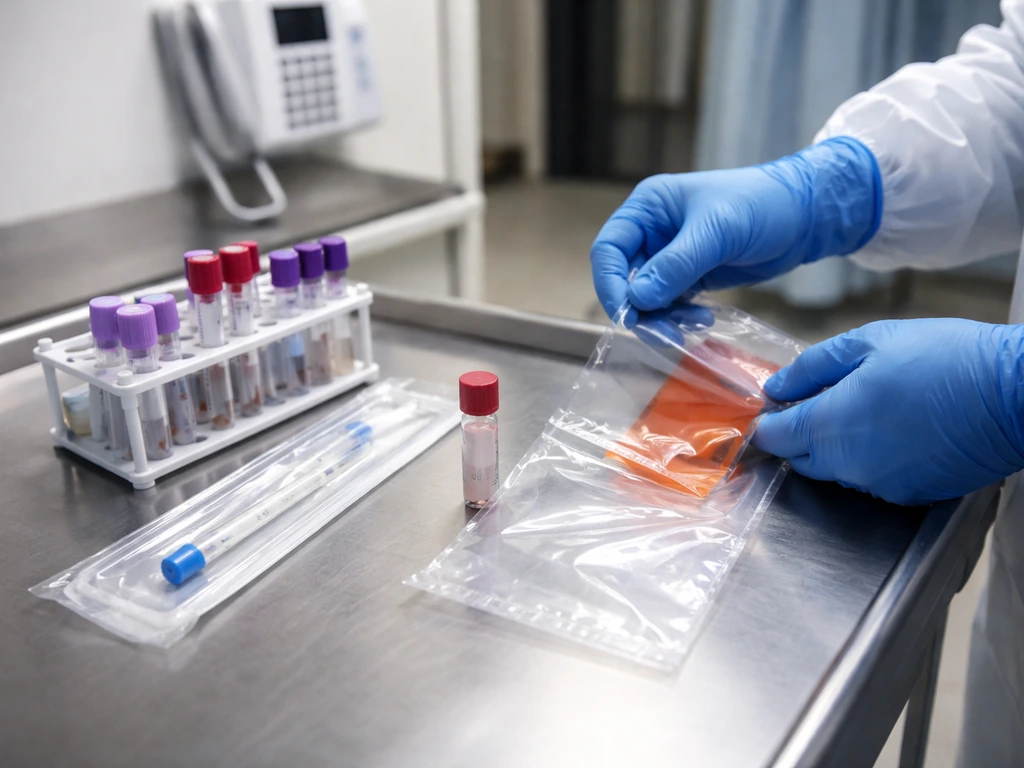
Diagnosis is not something you can do at home. Suspected human bird flu requires laboratory testing, typically a respiratory specimen (nasal or throat swab, or lower respiratory sample in severe cases) analyzed using reverse transcription polymerase chain reaction (RT-PCR). This test detects the specific genetic material of the influenza A subtype and can distinguish H5N1 or other avian strains from ordinary seasonal flu. Rapid influenza tests used in clinics can suggest influenza A, but they cannot confirm the specific bird flu subtype, so a positive rapid test plus an exposure history should still trigger a call to public health authorities and further confirmatory testing.
The reason this matters practically: confirmatory testing for avian influenza subtypes is generally done at public health laboratories, not standard hospital labs. Your doctor will need to coordinate with your state or local health department to get the right specimens collected and submitted. This is one reason contacting public health early is so important. It is not just bureaucracy, it is how the right test gets ordered and how you get access to the right treatment pathway quickly.
When should you seek care urgently? If you have had direct contact with infected birds, sick animals (including cattle, given the ongoing H5N1 situation in dairy herds), or a known or suspected infected person, and you develop fever, cough, sore throat, eye redness, or any respiratory symptoms within 10 days of that exposure, do not wait for symptoms to worsen. Call ahead before going to a clinic or emergency room so staff can take appropriate precautions when you arrive.
What to do right now if you think you've been exposed
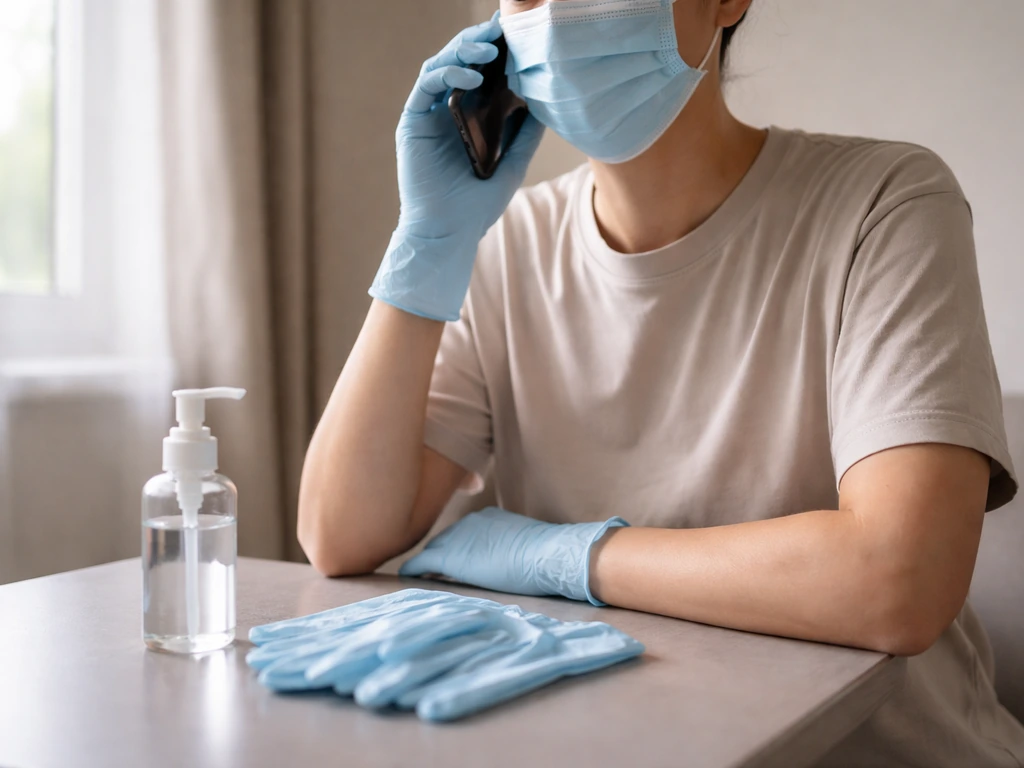
The very first step is to call, not show up unannounced. Contact your doctor or your local or state health department and describe your exposure: what you were near, when it happened, and what symptoms you have. Public health officials are set up to handle exactly this scenario and can guide the next steps, including whether you need to be seen, where to go, and how to protect others in the meantime. In the US, your state health department is the right starting point, and they will loop in the CDC if needed.
While you are waiting for guidance, take basic infection-control steps. Wear a well-fitting mask if you need to be around others. Avoid close contact with household members as much as possible, especially people who are elderly, immunocompromised, or have underlying health conditions. Wash your hands frequently and thoroughly. Do not share towels, utensils, or cups. These steps matter because human-to-human transmission of bird flu, while not common, has occurred in rare cases in close-contact settings, and reducing that risk while you are being evaluated protects your family.
When you call your healthcare provider or health department, have this information ready: the date and nature of your exposure (direct contact with birds, poultry, livestock, or a sick person), any symptoms and when they started, your current medications, and any underlying health conditions. The more specific you can be, the faster the response.
Medical treatment options for bird flu in humans
Antiviral therapy: the cornerstone of treatment
Oseltamivir (Tamiflu) is the primary antiviral recommended by the CDC for suspected or confirmed human avian influenza infection. The standard adult dosing is 75 mg twice daily for 5 days, though doctors may adjust this based on kidney function or use higher doses or longer courses in severe disease. The CDC explicitly states that treatment should begin as soon as possible, including when infection is only suspected and before lab confirmation comes back. You do not wait for a positive test result to start antivirals if the clinical picture and exposure history support treatment.
Other neuraminidase inhibitors such as zanamivir (inhaled) and peramivir (intravenous) are considered alternatives, particularly in severe cases or when oseltamivir cannot be used. Baloxavir, a cap-dependent endonuclease inhibitor with a different mechanism, may also be considered, though oseltamivir has the strongest body of clinical evidence in human avian influenza specifically. The antiviral baloxavir has shown activity against influenza A including some H5 strains in studies, but real-world human bird flu data is more limited than for oseltamivir.
Supportive care: managing the illness while the body recovers
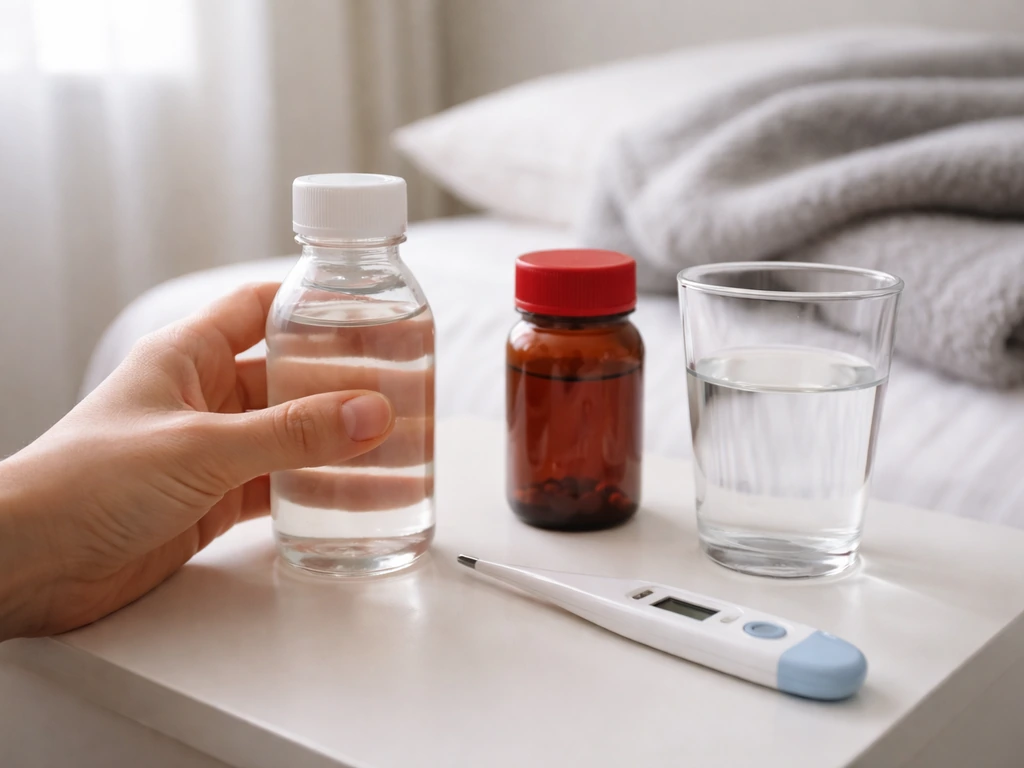
Antivirals target the virus directly, but supportive care keeps the rest of the body stable. For milder cases this means fever management with acetaminophen or ibuprofen, staying hydrated, resting, and monitoring symptoms. For more severe cases, supportive care can include supplemental oxygen, intravenous fluids, breathing support, and management of secondary complications like pneumonia or acute respiratory distress syndrome (ARDS). Antibiotics are not effective against influenza itself, but they may be used if a secondary bacterial infection develops, which is a recognized complication of severe respiratory illness.
Mild vs severe: how treatment differs
| Feature | Mild/Moderate Disease | Severe Disease |
|---|---|---|
| Setting | Outpatient or home isolation | Hospital, possibly ICU |
| Antiviral | Oral oseltamivir 75 mg twice daily x 5 days | Oseltamivir (higher dose or longer course may be considered), IV antivirals if needed |
| Supportive care | Fever management, fluids, rest | Oxygen, IV fluids, mechanical ventilation if needed, secondary infection management |
| Monitoring | Symptom diary, phone check-ins with provider | Continuous clinical monitoring, labs, imaging |
| Duration of isolation | Until fever-free for 24 hours without medication and symptoms improving | Determined by clinical team based on test results and condition |
Who needs to be in the hospital vs who can manage at home
Not every suspected bird flu case requires hospitalization. People with mild symptoms, no underlying conditions that put them at high risk, and a home environment where they can genuinely isolate may be managed as outpatients with close follow-up. That said, the clinical team makes this call based on real-time assessment, and bird flu has a documented tendency to progress faster than seasonal flu in some people. If your oxygen saturation is dropping, you have difficulty breathing, you cannot stay hydrated, or your symptoms are worsening rapidly rather than improving, you need in-person evaluation immediately.
Hospitalization becomes much more likely if you have significant respiratory distress, pneumonia on imaging, low blood oxygen levels, or you are in a high-risk group (older adults, people who are immunocompromised, pregnant women, or those with serious underlying health conditions). In severe cases, patients may be placed in airborne infection isolation rooms, given the theoretical risk of aerosol transmission in clinical settings, and treated by staff using full personal protective equipment. This level of caution is appropriate and does not mean every person exposed will need this level of care.
Recovery, monitoring, and complications to watch for
Recovery timelines vary. Mild cases treated early with antivirals can resolve within one to two weeks, similar to a bad seasonal flu. Severe cases involving pneumonia or respiratory failure can require weeks of hospitalization and extended recovery. During and after illness, there are specific warning signs that should prompt immediate medical contact.
- Shortness of breath or difficulty breathing that is new or worsening
- Chest pain or pressure
- Confusion, difficulty staying awake, or altered mental status
- Bluish tinge to lips or fingertips (cyanosis)
- Persistent vomiting preventing hydration
- Fever returning after it had resolved
- Coughing up blood
After discharge from hospital or completion of home treatment, follow-up with your provider is important. Some people experience lingering fatigue and respiratory symptoms for weeks after severe influenza. Secondary bacterial pneumonia is one of the most serious post-flu complications and can appear as a new onset of fever and worsening cough after an initial period of improvement. Your doctor may schedule a follow-up chest X-ray or repeat blood work depending on how severe your illness was.
Public health follow-up is also part of the picture. If your infection is confirmed as avian influenza, local health authorities will likely be in contact to document close contacts, assess exposure sources, and monitor for any potential spread. This is routine epidemiological practice and is part of how outbreaks are contained, not a reflection of personal blame.
Preventing spread during and after treatment

Infection control while you are ill is just as important as treating the illness itself. Human-to-human transmission of bird flu has been documented in rare cases, and the goal during treatment is to protect everyone around you. The basic measures are the same ones used for severe seasonal flu, but applied more strictly given the public health stakes.
- Stay isolated at home or in a designated hospital room until your medical team clears you. For outpatients, this generally means until you have been fever-free for at least 24 hours without fever-reducing medication and your symptoms are clearly improving.
- Wear a well-fitted surgical mask or respirator when you must be near others, including household members or healthcare workers in outpatient settings.
- Cover coughs and sneezes with a tissue or your elbow, dispose of tissues immediately, and wash your hands.
- Avoid sharing personal items: utensils, cups, towels, phones, and bedding.
- Ventilate your isolation space as well as possible. Open windows if weather allows.
- Notify close contacts so they can monitor themselves for symptoms and report to a healthcare provider if any develop.
- Do not return to work, school, or public spaces until your provider confirms it is safe.
On the exposure-prevention side, once you are recovered, avoid returning to environments with potentially infected birds or animals until the source of your exposure has been investigated and addressed. This is particularly relevant if the exposure involved backyard poultry, a farm setting, or wildlife. Guidance on protecting yourself in those environments falls under a broader prevention conversation, but the short version is: minimize direct contact with birds that appear sick or dead, use gloves and respiratory protection if contact is unavoidable, and report sick or dead birds to your state wildlife or agriculture agency.
It is worth noting that bird flu affects animals differently than humans, and the guidance here is specifically about human health management. If you have concerns about pets, livestock, or other animals that may have been exposed, that is a separate track involving veterinarians and animal health authorities. For guidance that is specific to cattle and farms, see how to treat cows with bird flu.
If you’re dealing with bird flu risk around pets, focus on how to protect dogs from bird flu by minimizing contact with potentially infected birds or waste and following guidance from a veterinarian and local animal health officials pets, livestock, or other animals. If you are worried about how to treat bird flu in dogs after a potential exposure, contact a veterinarian and animal health authorities right away.
The questions around dogs, cattle, and poultry all involve different transmission risks, clinical pictures, and management approaches than human disease. If you are dealing with bird flu concerns involving dogs, treatment and next steps are different from the human guidance and should be discussed with a veterinarian and public health authorities how to treat bird flu in dogs.
Your next steps if you have a concern right now
If you are reading this because you have real symptoms or a real exposure today, here is the short version of what to do. Call your doctor or local health department before going anywhere. Describe your exposure clearly and when symptoms started. If you are struggling to breathe, your lips are turning blue, or you cannot stay conscious, call emergency services immediately.
If your symptoms are milder, isolate yourself from others while you wait for guidance and do not delay that call. For budgies, the key prevention steps include keeping them away from wild birds, quarantining any new birds, maintaining strict hygiene, and contacting an avian veterinarian immediately if you suspect illness how to prevent bird flu in budgies. The antiviral window is narrow, and acting today rather than tomorrow is exactly the kind of decision that changes outcomes.
FAQ
If I already started feeling better after a day or two, should I still call about possible bird flu exposure?
Yes. Early symptom change does not rule out avian influenza, and antivirals are time sensitive. Call as soon as possible after symptoms begin or after you learn about a high-risk exposure, even if symptoms are mild or improving.
Can I wait for lab results before taking antiviral medication?
In most suspected high-risk situations, no. Clinicians may start oseltamivir before confirmation when symptoms plus exposure history fit the clinical pattern, because delaying can push treatment beyond the most effective window.
What if I cannot reach my doctor quickly, who do I contact first?
Start with your local or state health department and call ahead if you plan to seek urgent care. Tell them the exposure details and symptom start date so they can coordinate testing and advise where to go, even if your primary clinician is unavailable.
Are children treated differently for how to treat bird flu in humans?
They can be treated with the same antiviral class, but dosing and eligibility depend on age, weight, kidney function, and severity. Because dosing is weight based for many influenza drugs, a clinician or public health team should calculate it rather than using adult dosing.
If I test positive for influenza A on a rapid test, does that confirm bird flu?
No. A rapid influenza test can suggest influenza A but typically cannot identify an avian subtype. A positive result still requires calling public health if your exposure history suggests bird flu or if symptoms are unusually severe or rapidly progressive.
Can I take antibiotics “just in case” while waiting to see if it is bird flu?
Antibiotics do not treat influenza itself. They are usually reserved for suspected or confirmed secondary bacterial infections. If you are evaluated, clinicians will decide based on exam findings, imaging, and whether bacterial pneumonia signs develop.
What infection-control steps matter most at home while I wait for guidance?
Prioritize masking for the caregiver and patient, limiting close contact with vulnerable household members, and using separate towels and utensils. Also keep the room ventilated if possible. These steps matter because rare close-contact spread has been documented.
Should I isolate for a specific number of days if I am suspected but not confirmed?
Follow the isolation instructions given by your clinician or health department. In general, decisions are based on symptom severity and local protocols for influenza-like illness, not just exposure. Do not stop precautions early if you still have fever, worsening cough, or trouble breathing.
What are the main reasons people are admitted instead of treated at home?
Clinicians usually admit when there is significant respiratory compromise (low oxygen, increasing shortness of breath), dehydration or inability to keep fluids down, evidence of pneumonia or ARDS, or higher-risk status such as serious underlying disease, immunocompromise, older age, or pregnancy.
If I have kidney disease, can I still take oseltamivir?
Often yes, but dosing typically needs adjustment. Kidney function affects drug clearance, so you should share your creatinine or known kidney diagnosis when you call, and let the prescriber tailor the regimen.
Are there warning signs after discharge that mean I should seek care again urgently?
Yes. New or worsening fever, a return of symptoms after initial improvement, worsening cough, or breathing difficulty can signal secondary bacterial pneumonia or lung complications. If you notice rapid worsening or low oxygen symptoms, seek immediate evaluation.
Does having had the flu vaccine protect me from bird flu?
It may help against seasonal influenza strains, but it does not guarantee protection against avian H5 infections. If you have bird flu symptoms after a known exposure, vaccination status should not delay calling your health department or clinician.
What should I tell public health about exposure details to speed up decision-making?
Include the exact type of exposure (sick or dead birds, poultry handling, farm visit, cattle contact, or close contact with a suspected person), the dates and duration, what protective measures you used, and your symptom onset time. This helps them decide the testing pathway and whether treatment should start immediately.
Next Article
How to Treat Bird Flu in Dogs: Symptoms, Steps, and Biosecurity
How to treat bird flu in dogs: spot symptoms, act fast, isolate, get vet tests, and use biosecurity to protect people