
Yes, bird flu can kill you. Avian influenza A(H5N1) has killed roughly half of the humans ever confirmed to have it, making it one of the most lethal respiratory infections ever documented. That said, the total number of confirmed human cases since 1997 is still in the hundreds globally, so the risk of any individual person catching it remains very low. The danger is real, but it is also narrow and specific: it falls mainly on people who have had close, direct contact with infected birds or animals. If you have had that kind of contact and are now feeling sick, take it seriously and act quickly.
Can Bird Flu Kill You? Symptoms and What to Do Now

Maya Chen
2 May 2026
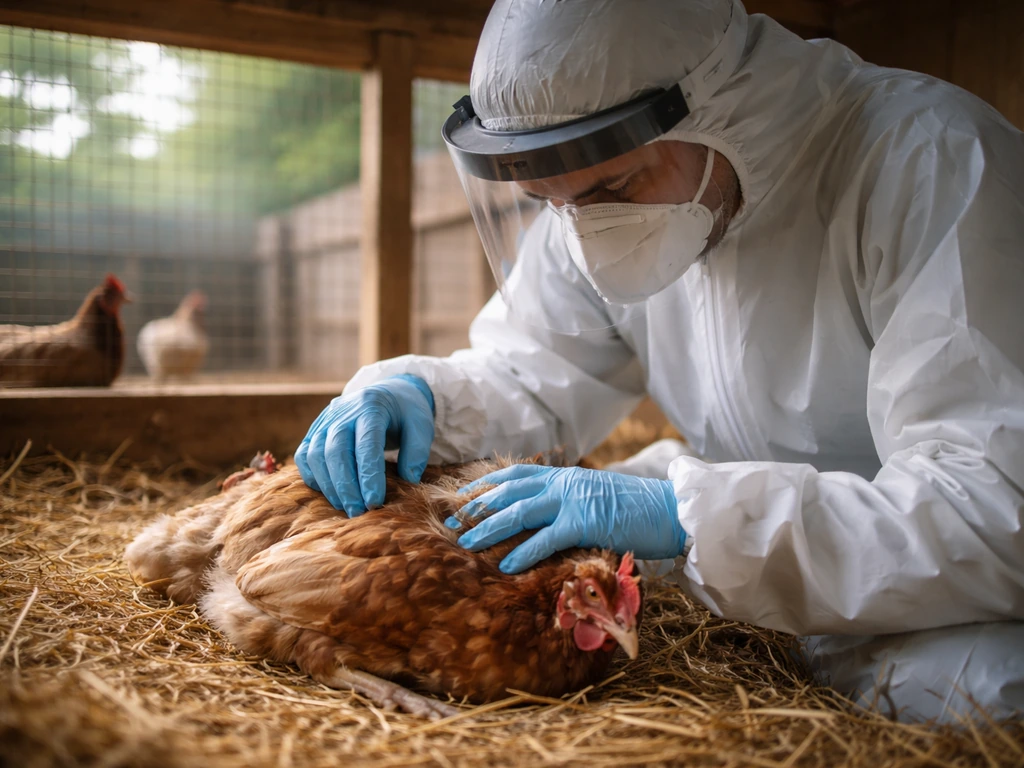
Just how deadly is bird flu in humans?
The numbers are striking. The CDC puts the case fatality proportion for HPAI A(H5N1) at approximately 50 percent of all confirmed human cases reported since 1997. A WHO dataset covering confirmed H5N1 cases from January 2003 through July 2025 counted 985 confirmed infections and 316 deaths, a case fatality rate of about 67 percent. Those figures shift depending on the time period and country being analyzed. In 2004, the fatality rate reached 73 percent. Even at its lower end, we are talking about a virus that kills a majority of the people it infects.
Put that in context though. Seasonal influenza kills a much smaller fraction of infected people, but it infects hundreds of millions every year. Bird flu has infected fewer than 1,000 confirmed humans in more than two decades of global surveillance. The rarity is the reassuring part. The lethality is why, if you think you have been exposed, you should not wait and see.
How bird flu actually kills you
H5N1 does not kill you the way a bad cold does, by making you miserable for a week and then fading. It attacks the lungs directly and aggressively. The most common fatal pathway is fulminant viral pneumonia, meaning a fast-moving, overwhelming lung infection that progresses within days to acute respiratory distress syndrome (ARDS). In ARDS, the lungs fill with fluid and inflammatory debris and can no longer transfer oxygen into the blood efficiently. At that point, even a ventilator can struggle to keep up.
A large part of the damage is not just the virus itself but the body's immune overreaction to it. H5N1 triggers what researchers call a cytokine storm, a flood of inflammatory signaling proteins that causes widespread tissue damage far beyond the lungs. A study of 26 confirmed H5N1 cases in China found that all 17 fatal cases developed multi-organ failure. Respiratory failure occurred in 94 percent of those who died, and cardiac failure in 71 percent. The heart, kidneys, and liver can all fail as the inflammatory cascade spreads. This is why the window for treatment matters so much: once the disease reaches multi-organ failure, outcomes are very poor.
Who is most likely to die from bird flu
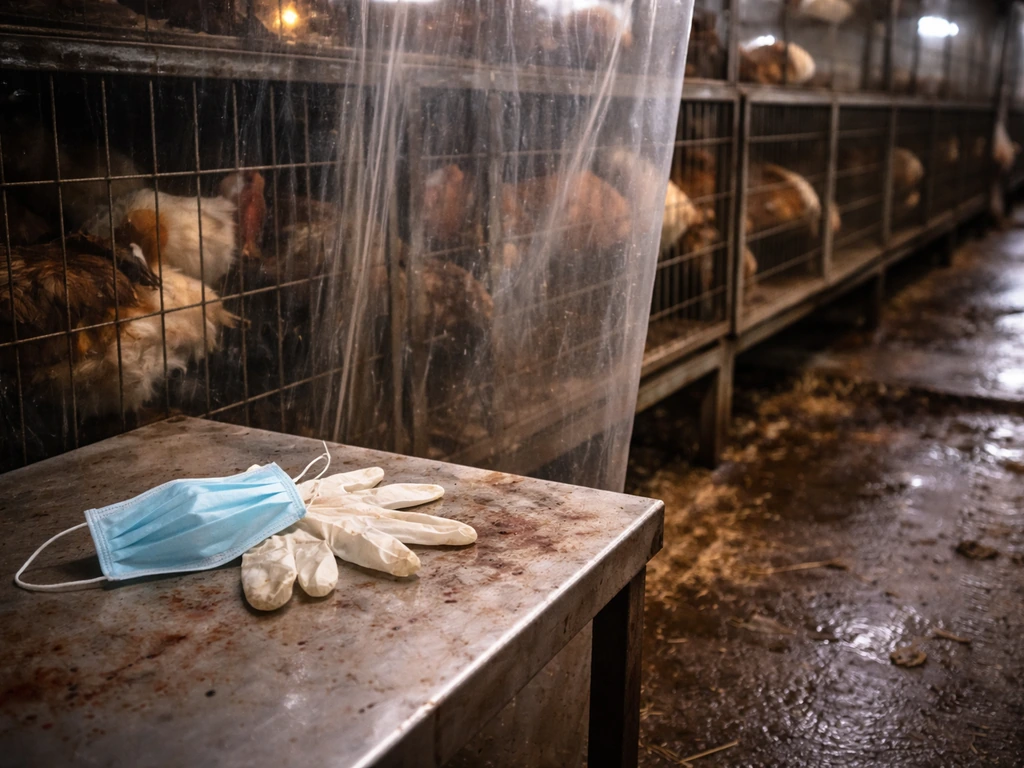
Exposure type is the biggest determinant of risk. The overwhelming majority of confirmed human H5N1 infections are linked to close, direct contact with infected live poultry, sick birds, or contaminated environments like live bird markets. People who work with poultry, keep backyard flocks, or handle sick or dead birds without protection are the ones most likely to get infected in the first place. If you have had no meaningful animal contact, your personal risk right now is extremely low regardless of what outbreak news you may be reading.
Among people who do get infected, research suggests that severity is not equally distributed. Systematic reviews of H5N1 cases point to certain demographics and health profiles being more likely to experience severe or complicated outcomes, though the dataset is still small enough that precise risk stratification is difficult. What is consistent across data is that delayed treatment dramatically worsens prognosis. People who received antiviral therapy early after symptom onset fared better than those who were treated late. Age, underlying health conditions, and how quickly someone got medical attention all feed into the final outcome.
Symptoms that mean things are getting serious
Bird flu often starts looking like regular flu: fever, cough, sore throat, muscle aches, fatigue. Bird flu symptoms often start mild but can worsen quickly, so seek medical advice promptly if you were exposed to sick or dead birds fever. If you suspect you might have bird flu, it can feel like a severe respiratory illness that may worsen quickly, so watch for breathing trouble.
The incubation period is about 3 days from exposure, with a range of roughly 2 to 7 days. What you are watching for is a rapid turn toward the lungs. Shortness of breath, difficulty breathing, and chest tightness are the clearest signals that the disease is progressing toward pneumonia or ARDS. If that happens, you need urgent medical care, not a wait-and-see approach.
There are some emergency warning signs that should send you to the ER immediately, regardless of whether you know you were exposed to birds. These overlap with general severe flu red flags, and if any of them appear, do not hesitate.
- Trouble breathing or shortness of breath that comes on quickly or worsens rapidly
- Persistent chest pain or pressure
- Confusion, disorientation, or inability to stay awake
- No urination for 8 or more hours (a sign of dangerous dehydration or kidney involvement)
- Severe or persistent vomiting that prevents you from keeping fluids down
- Bluish tint to lips or fingernails (a sign of oxygen deprivation)
If you have had a recent exposure to sick or dead birds and you develop any respiratory illness at all, do not just monitor symptoms at home. Call your state or local health department right away, before going to a clinic or ER, so they can arrange proper testing and protect healthcare workers from potential exposure.
How bird flu spreads to humans, and what actually lowers your risk

The core reassurance here is that bird flu does not spread easily between people. The WHO has stated clearly that sustained human-to-human transmission of avian influenza viruses has not been documented. There have been a handful of cases of probable limited spread between people in close, prolonged, unprotected household or hospital contact, but these have not led to chains of transmission the way a typical respiratory virus would. Most human infections trace back to an infected animal, not another person.
The practical takeaway: your risk goes up sharply when you are physically close to infected birds, particularly when touching them, handling their droppings, slaughtering, or being in a contaminated environment without protection. Your risk stays very low in ordinary daily life, even during active outbreaks in poultry.
If your job or circumstances put you in contact with birds, here is what actually reduces your risk:
- Wear proper personal protective equipment (PPE) including gloves, eye protection, and a well-fitted respirator (N95 or better) when handling sick or dead birds
- Avoid touching your face while working around birds or in contaminated areas
- Wash hands thoroughly with soap and water after any bird contact
- Do not handle sick or dead wild birds with bare hands
- Report sick or dead poultry to your local agriculture or animal health authority
- If you develop any illness within 10 days of a bird exposure, call your health department immediately rather than waiting to see if it gets better
If you do get infected or are confirmed exposed, the antiviral oseltamivir (Tamiflu) is the recommended treatment. The CDC advises that anyone with symptoms after a relevant exposure should be evaluated and treated with oseltamivir as soon as possible. Early treatment is the single most actionable thing that improves survival odds. If a clinician suspects H5N1, they will also contact the state public health department to coordinate testing, which involves swabbing the nose, throat, and potentially the eyes.
Is it safe to eat chicken and eggs right now?
Yes, properly cooked poultry and eggs are safe to eat. The European Food Safety Authority has stated explicitly that the most likely route of human H5N1 infection is close contact with infected live birds, not consumption of poultry or egg products. Cooking destroys the virus. Both the CDC and USDA confirm that cooking poultry to an internal temperature of 165°F (74°C) eliminates avian influenza virus as well as other pathogens. The WHO adds that you should avoid consuming raw or undercooked poultry, eggs, or unpasteurized milk, particularly in areas with active outbreaks in animals.
A few straightforward habits cover you from a food safety standpoint:
- Cook all poultry, including ground poultry, to a minimum internal temperature of 165°F (use a meat thermometer, not visual cues)
- Cook eggs until both the yolk and white are firm
- Avoid raw or undercooked poultry dishes
- Do not consume unpasteurized milk or dairy products
- Wash hands, cutting boards, and surfaces that have touched raw poultry before handling other foods
- Do not allow raw poultry to contaminate ready-to-eat foods
The food supply itself, at the commercial level, is monitored and regulated. Infected birds do not legally enter the food chain in countries with active HPAI surveillance programs. Your main food-related risk would come from handling birds you have raised yourself or obtained outside normal supply channels, in which case the handling precautions above matter most.
What to do right now if you think you were exposed
If you had close contact with sick or dead birds in the last 10 days and you are now feeling unwell, here is the sequence to follow. Do not just head to an urgent care clinic without calling ahead, because walk-in arrival without warning can expose healthcare workers who are not prepared for a possible H5N1 case.
- Call your state or local health department first. They will guide your next steps, arrange appropriate testing, and notify the right clinicians.
- Isolate yourself from other household members as much as possible while waiting for guidance.
- Tell your doctor or the health department exactly when and how you were exposed to birds or animal environments.
- If you develop any of the emergency warning signs listed above (breathing difficulty, confusion, chest pain), call 911 or go to the ER immediately and tell them about your possible bird flu exposure so they can take precautions.
- Do not take antiviral medication on your own without medical guidance, but do ask your clinician specifically about oseltamivir if you have had a confirmed or likely exposure and are developing symptoms. Early treatment is critical.
Bird flu is genuinely dangerous if you get it, and the fatality statistics deserve to be taken seriously rather than dismissed. If you are asking, can you die from the bird flu, the answer is yes, but the chance depends heavily on exposure and how quickly you get treatment. But the population of people actually at risk of catching it is small and defined by specific kinds of animal contact.
If you fall into that group and you are feeling sick, move fast and use the medical system the right way. If you have had no bird exposure, the evidence says your risk right now is very low, and there is no need to panic about what you have read.
FAQ
If I had contact with sick or dead birds, how soon should I call a doctor, and do I need to start antivirals right away?
Call your local or state health department promptly as soon as you develop any respiratory symptoms after exposure, ideally the same day symptoms begin. Treatment with oseltamivir works best when started early, clinicians typically do not wait for lab confirmation if the exposure history and symptoms fit.
What symptoms mean it is likely getting worse toward pneumonia or ARDS, not just “regular flu”?
Watch for fast progression in breathing status, shortness of breath, chest tightness, or difficulty breathing. A key practical point is not just the presence of cough or fever, but a noticeable change in how much air you can get, especially over hours to a day.
I’m exposed but my symptoms are mild. Should I still get tested or treated?
Yes, even mild flu-like symptoms after a meaningful bird exposure should be evaluated quickly. Testing may include nasal or throat swabs (and sometimes eye sampling), and clinicians may recommend antivirals based on exposure risk and timing rather than waiting for severe symptoms.
How do I decide whether to go to the ER versus urgent care or waiting at home?
Go to the ER immediately if you have emergency warning signs such as worsening breathing, bluish lips or face, confusion, severe weakness, or signs of low oxygen. If symptoms are present but not severe, call ahead for guidance before going to any clinic, so staff can prepare for possible isolation and testing.
If household contact occurred, does that raise my risk of bird flu transmission to others?
Human-to-human spread is not considered sustained, but close, prolonged, unprotected contact with an infected person is a concern in rare cases. If someone in your household becomes ill after you, follow public health guidance and make sure they are evaluated promptly, especially if they had direct contact with your respiratory secretions.
What if I was exposed to poultry droppings or a live bird market, but I never handled birds directly?
Your risk can still be elevated if you were in contaminated environments, touched surfaces contaminated with droppings, or had close unprotected contact. If you develop respiratory symptoms within the typical incubation window, treat it as exposure-relevant and seek medical advice without waiting.
Is it safe to visit farms, slaughterhouses, or live bird markets during an outbreak if I avoid touching birds?
Avoiding direct handling helps, but risk can still come from aerosols and contaminated surfaces. Use protective precautions such as appropriate respiratory protection and hand hygiene if you must be near birds, and leave immediately if you are exposed to sick birds or heavy contamination.
Does eating properly cooked poultry or eggs eliminate the risk completely?
Cooking greatly reduces risk because the virus is destroyed by heat, but the main realistic risk is still handling infected birds, raw materials, or contaminated environments. Also avoid cross-contamination in kitchens (for example, using the same cutting boards or utensils for raw poultry and ready-to-eat foods).
If I started feeling sick after exposure, should I wear a mask around family and avoid contact before I’m seen?
Yes, it is reasonable to reduce close respiratory contact while you arrange evaluation, especially with anyone who is high-risk. Wear a well-fitting mask, keep distance as much as possible, and tell the healthcare provider in advance about the bird exposure.
What information should I bring or tell the clinician to speed up appropriate care?
Provide the date of exposure, what kind of contact occurred (live birds, sick or dead birds, droppings, live market), and when symptoms began. Mention any eye symptoms too, because clinicians may decide on eye sampling if relevant and may escalate urgency based on timing.