
Bird flu virus in bird droppings can remain infectious anywhere from a few hours to several weeks, and in frozen material it can survive indefinitely. The honest answer is that there is no single number because survival depends heavily on temperature, sunlight exposure, moisture, and how much organic material surrounds the virus. At room temperature around 22 to 28°C, infectious virus typically dies off within 24 to 48 hours in fresh droppings exposed to air and light. At 4°C (refrigerator temperature or a cold winter environment), that window stretches to weeks or longer. In frozen conditions, the virus can remain viable essentially until it thaws. Those ranges matter a lot depending on whether you are dealing with a warm backyard in summer or a cold barn in February.
How Long Does Bird Flu Live in Bird Poop?

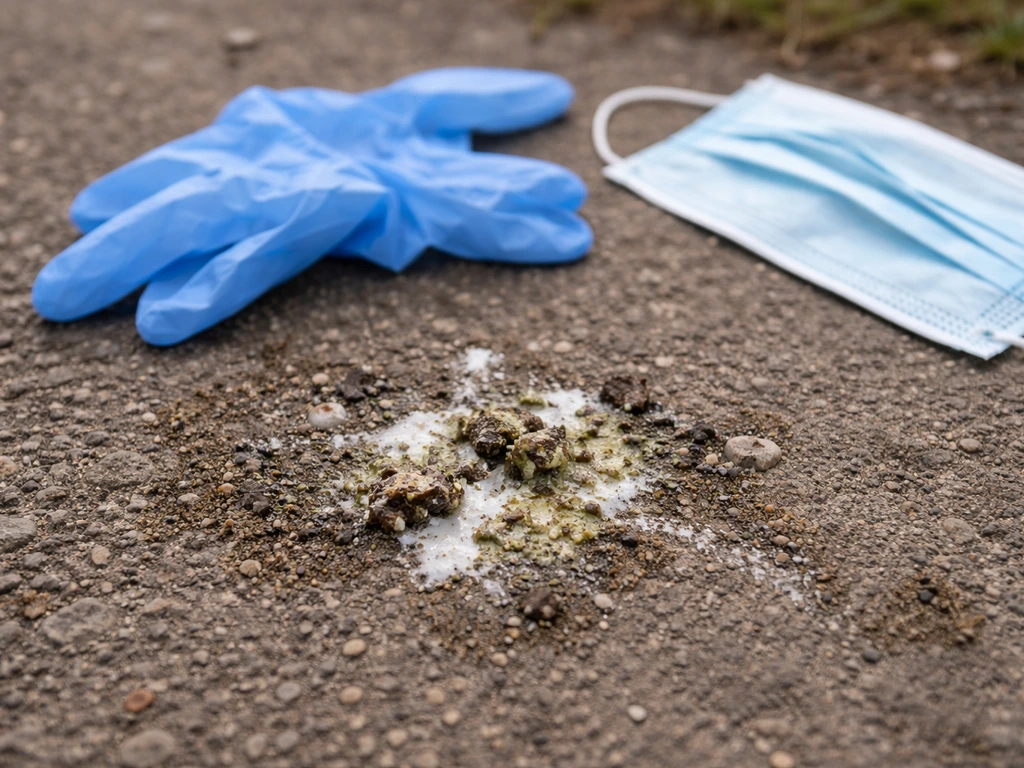
Why bird flu survival in droppings varies so much
Avian influenza is not a single fixed thing. The virus exists in many strains, and the highly pathogenic H5N1 strain that dominates current outbreak concerns behaves somewhat differently from low pathogenicity strains. But beyond strain differences, the environment around the droppings does most of the work in determining how long infectious virus lingers. Droppings are essentially a protective matrix of organic material, water, and biological compounds. That matrix can shield the virus from the things that destroy it most efficiently: heat, ultraviolet light, and drying. When conditions allow that matrix to stay moist, cool, and shaded, the virus has a much longer window to remain dangerous.
APHIS is direct about this: avian influenza viruses remain viable in the environment for long periods, particularly at lower temperatures, and can survive indefinitely in frozen material. That is not a warning intended to cause panic. It is a practical reminder that cold weather does not sanitize a contaminated area the way warm sunny weather can.
How long bird flu can remain infectious in bird poop: typical ranges
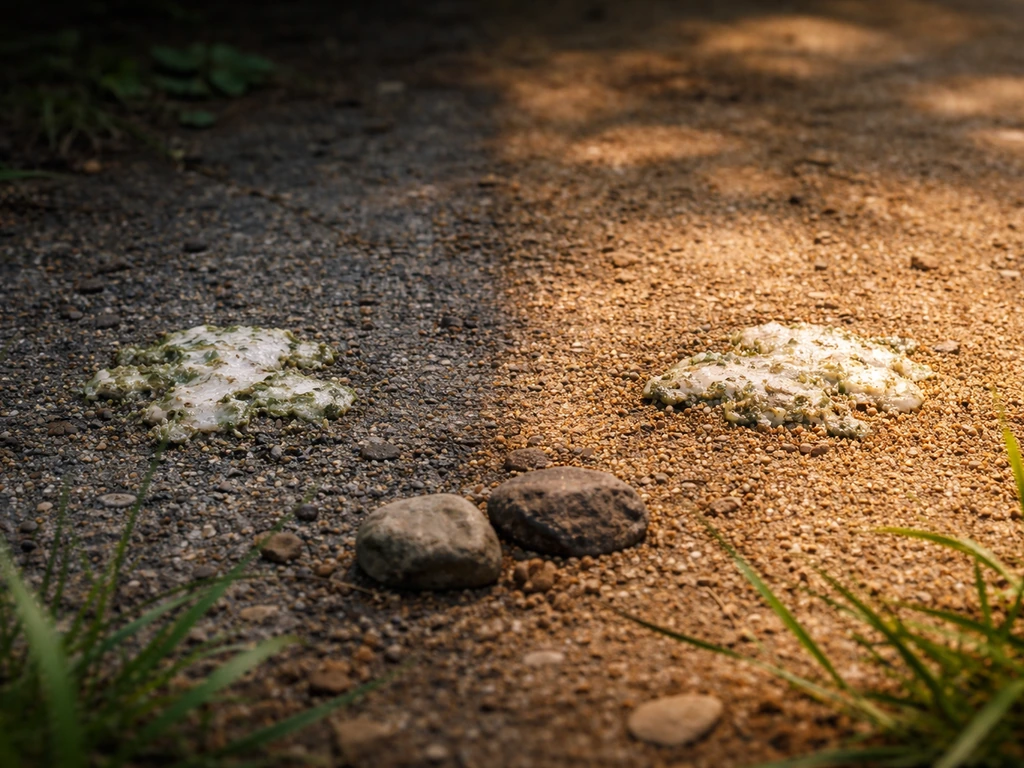
Here is a realistic breakdown based on the available science. These are general ranges, not guarantees, and real-world conditions layer on top of one another in complex ways.
| Temperature / Condition | Approximate Survival Range |
|---|---|
| ~28°C (82°F), room temp, exposed | Less than 24 hours |
| ~22°C (72°F), indoors or shaded | Up to several days |
| ~4°C (39°F), cold environment | Weeks or longer |
| Frozen (below 0°C) | Indefinitely (until thawed) |
| Direct summer sunlight / high UV | Hours (accelerated inactivation) |
| Dried dust particles on surfaces | Days to several weeks at moderate temps |
One controlled lab study looking at H5N1 survival in poultry feces found clear evidence that temperature is the dominant factor, with virus remaining viable far longer at 4°C than at 37 or 42°C. A separate study found that H5N1 infectivity was lost within 24 hours at 28°C under certain conditions, while blank" rel="noopener noreferrer">WHO evidence reviews note that influenza A viruses can survive several weeks on dust and on materials like cotton and glass at 22°C. The takeaway is that warm plus sunny plus dry equals faster kill-off, and cold plus shaded plus moist equals extended survival.
What changes survival: temperature, sunlight, humidity, and fresh vs. dried droppings
Temperature
Temperature is the biggest single variable. Cold slows viral inactivation dramatically. This is why HPAI outbreaks often spike during fall and winter migration seasons when temperatures drop and wild waterfowl are moving through. A contaminated pond or muddy area that a flock of geese visited in November poses a much longer-lasting hazard than the same spot visited in July.
Sunlight and UV exposure
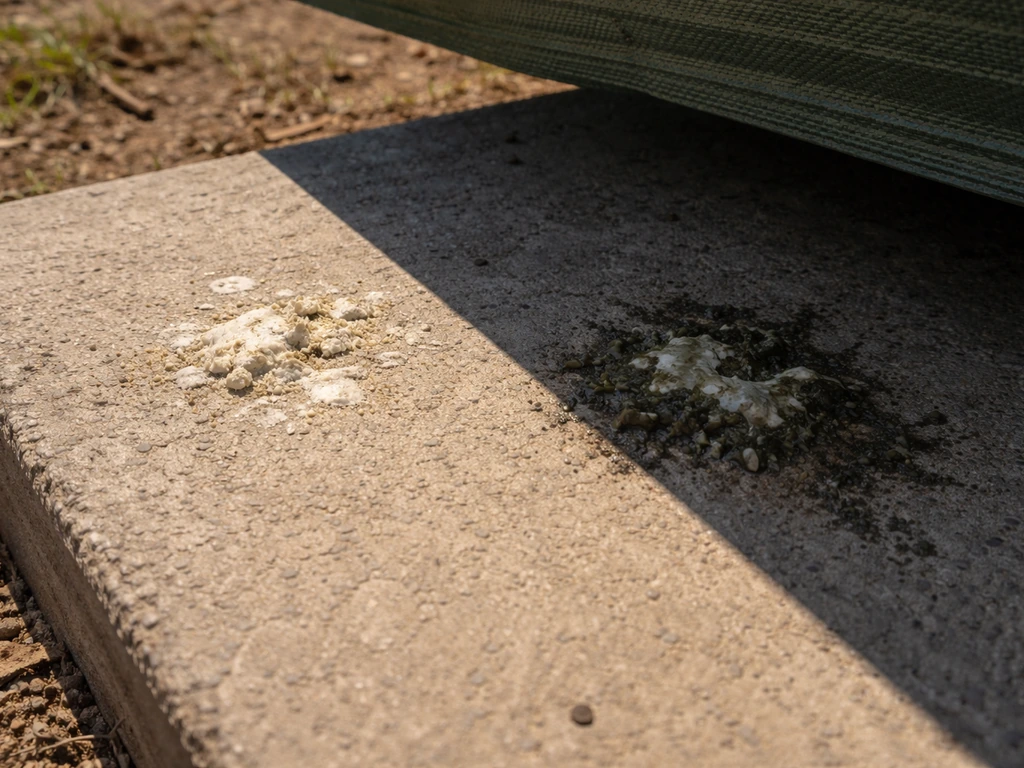
Ultraviolet radiation from sunlight is a natural disinfectant, and it does real work against avian influenza. Droppings left on an exposed concrete slab in direct summer sun lose infectivity much faster than droppings in a shaded corner of a barn or under a tree canopy. This does not mean you can simply wait for a sunny day and assume the area is safe, because UV penetration into thick or layered droppings is limited. The surface may be inactivated while material underneath remains infectious.
Humidity and moisture
Moisture is a double-edged factor. Fresh, wet droppings in a cool, humid environment can preserve the virus for extended periods because the liquid medium protects viral particles. This is particularly relevant for standing water sources contaminated by wild waterfowl, which APHIS specifically calls out as a transmission risk during migration. Conversely, droppings that dry out quickly in warm, low-humidity conditions tend to lose infectivity faster, though dried virus particles on dust can still be aerosolized and inhaled, which creates a different kind of hazard.
Fresh vs. dried droppings
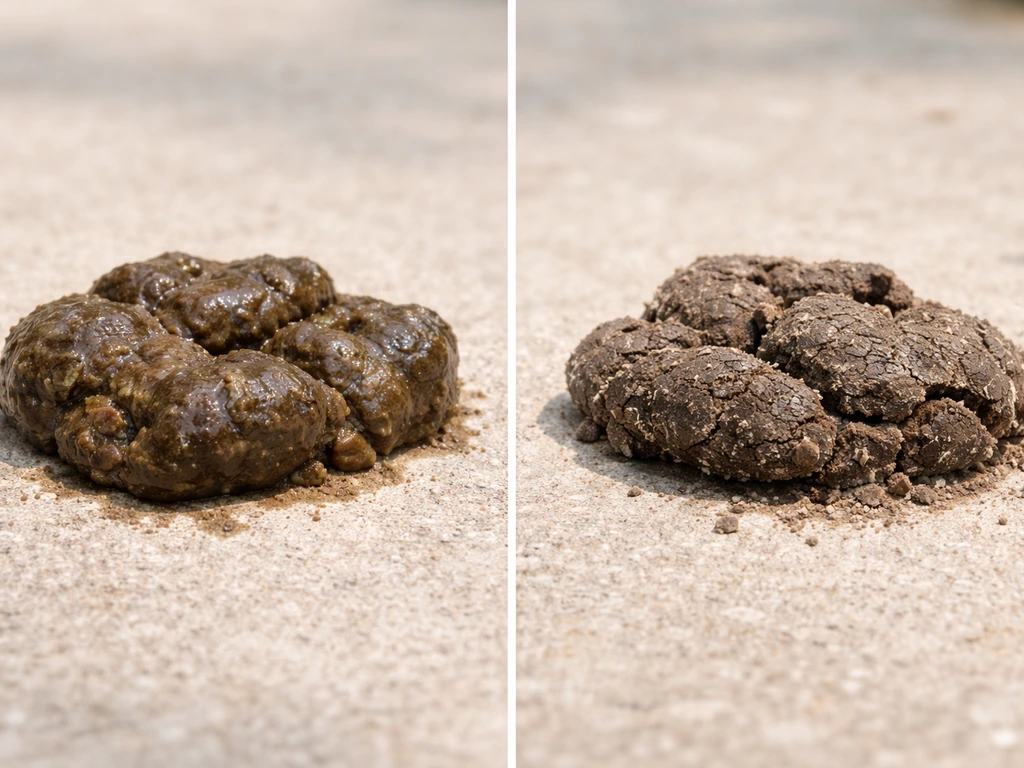
Fresh droppings and dried droppings present different risk profiles. Fresh material contains more infectious virus but stays localized. Dried droppings have often lost more infectivity over time, but dried material can become dust that floats in the air when disturbed. That aerosolized dust is what makes cleanup of old, dried contamination tricky. WHO notes that influenza A viruses can survive several weeks on dust particles at moderate temperatures, which means you should not assume dried-out old droppings are automatically safe to stir up.
How infection spreads from droppings to birds and humans
Bird flu spreads from droppings through several overlapping routes. The CDC confirms that H5 bird flu virus is found in birds' saliva, mucus, and feces, and that human infections have been linked to close exposure to infected animals and their secretions, including droppings. For birds, the biggest route is fecal-oral: a healthy bird comes into contact with contaminated water, soil, or feed that has been fouled by infected droppings, then ingests the virus. Because virus can linger in contaminated droppings and spread through shared water or feed, a key question is how far bird flu can travel beyond the original contamination point how far can bird flu travel. Because bird flu virus can be carried in droppings onto the ground, you may also be wondering how long it can persist in soil, where temperature, moisture, and shading strongly affect survival how long does bird flu stay in soil. This is exactly why APHIS identifies wild bird contamination of water sources as a primary transmission pathway for domestic flocks.
For humans, three main exposure routes matter. Direct contact is the most common, meaning touching droppings or contaminated surfaces and then touching your face, eyes, nose, or mouth. Inhalation of aerosolized particles is the second route, particularly when dry droppings are disturbed during cleaning, which is why the CDC specifically warns against stirring up dust, bird waste, and feathers during cleanup. The third route is indirect contact through contaminated equipment, shoes, or clothing carried out of a contaminated area. Because the third exposure route is through contaminated equipment like shoes, learning how to disinfect shoes from bird flu helps reduce risk during and after cleanup. This connects closely to the risk that contaminated footwear poses, which is worth thinking about whenever you move between barn areas or between properties. This is also why contaminated shoes can carry bird flu from one area to another how long does bird flu live on shoes.
Who should worry most and risk factors for exposure during cleanup
The people at highest realistic risk are those with regular, direct contact with potentially infected birds or their environments. That includes commercial poultry workers, backyard flock owners, wildlife rehabilitators, hunters who handle wild waterfowl, and anyone doing cleanup of contaminated barns or outdoor areas. ECDC lists contact with infected poultry bodily fluids during food preparation and touching or caring for infected poultry as the most common risk factors for zoonotic transmission.
The general public going about daily life near wild birds faces a much lower risk. Seeing Canada geese at a park or pigeons on a sidewalk is not the same as working in a poultry barn during an active outbreak. That said, anyone doing hands-on cleanup of a concentrated area of wild bird droppings, especially if there has been a confirmed HPAI detection nearby, should treat that task with real precaution rather than assuming it is routine.
People who face elevated risk during cleanup specifically include anyone working in enclosed or poorly ventilated spaces where dried droppings accumulate, anyone using high-pressure hoses or blowers that can aerosolize material, and anyone who skips PPE because the task seems quick or minor. Duration of exposure matters, but so does concentration. A few minutes in a heavily contaminated, enclosed barn can represent more exposure than an hour of outdoor work.
Practical cleanup and exposure-reduction steps you can take today
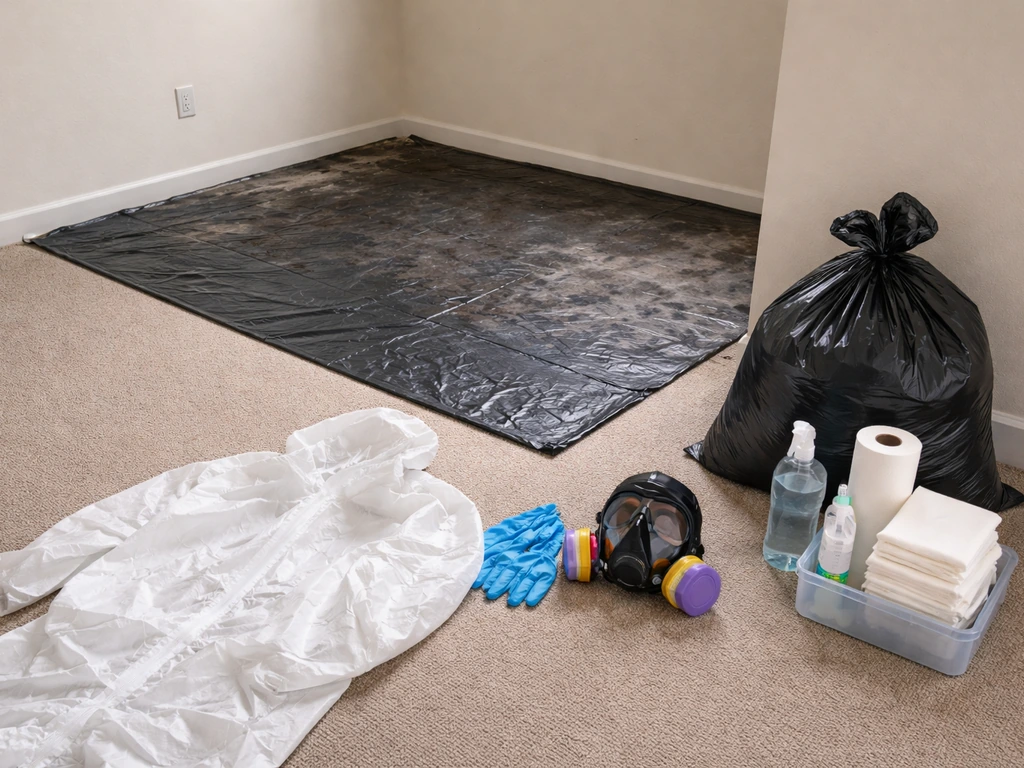
If you are dealing with a confirmed or suspected contaminated area, here is how to approach it safely. The goal is to remove the material without aerosolizing it, then disinfect what remains. CDC advises people to avoid contact with surfaces that appear contaminated with animal feces, raw milk, litter, or materials contaminated by birds or other animals with suspected or confirmed bird flu virus infection.
- Put on PPE before entering the area. The CDC recommends an N95 respirator if available, or a well-fitting surgical mask as a minimum. Add eye protection (goggles or a face shield), disposable gloves, and waterproof boots or boot covers. If you have a disposable Tyvek suit or coveralls, use them.
- Do not dry sweep, shovel, or blow dry droppings. This is the most important single rule. Dry disturbance is what turns droppings into inhalable aerosols. APHIS and CDC are both explicit about this.
- Moisten the area before removal. Lightly spray contaminated surfaces with water to wet down the material before you disturb it. This dramatically reduces aerosolization. Avoid high-pressure spraying, which can spread contaminated droplets widely.
- Remove the wetted material carefully. Use a shovel or scoop into heavy-duty garbage bags. Seal the bags before moving them. Bag your disposable PPE in a separate bag after you finish.
- Apply an appropriate disinfectant to cleaned surfaces. Common disinfectants effective against avian influenza include diluted bleach solutions, quaternary ammonium compounds, and other EPA-registered products. Follow label contact times.
- Wash your hands thoroughly with soap and water immediately after removing PPE, before touching your face, phone, or food.
- Shower and change clothes before entering your home or vehicle if you have been in a heavily contaminated area.
- Monitor yourself for symptoms (fever, cough, sore throat, eye redness, muscle aches) for 10 days after a significant exposure. Contact your healthcare provider if symptoms develop and mention the potential bird flu exposure.
If you manage a backyard flock and birds in your flock are ill or dying, APHIS guidance is to continue wearing PPE in the contaminated area until there are no longer infected birds, eggs, feces, or contaminated litter on the property. That standard applies even after sick birds are removed, because the environment itself remains a hazard. The virus does not disappear the moment the birds do.
When is it safe to return to normal? There is no universal timer you can set. For outdoor areas with modest wild bird contamination, warm temperatures and several days of direct sun exposure significantly reduce but do not eliminate risk. For enclosed spaces like barns or coops with heavy contamination, professional or thorough amateur cleaning and disinfection followed by a waiting period (and ideally environmental testing if available through your state veterinarian or APHIS) is the right standard. If APHIS or your local agriculture authority is involved because of a confirmed outbreak on your property, follow their specific depopulation and cleaning timeline rather than improvising.
Food safety and handling eggs or meat after contamination
If you have a backyard flock and birds are sick or have been exposed to wild birds during an active HPAI period, do not eat eggs or meat from those birds without following safe handling practices. Proper cooking kills avian influenza virus. Eggs should be cooked until both yolk and white are fully set, and poultry meat should reach an internal temperature of 165°F (74°C). The CDC and USDA consistently affirm that properly cooked poultry and eggs are safe.
The risk comes from handling raw contaminated eggs or meat, not from eating properly cooked food. Cracked or soiled eggs from a potentially infected flock should be discarded rather than washed and used. Use gloves when collecting eggs during a suspected outbreak, and wash hands thoroughly afterward. The same principle applies to anyone processing or preparing birds from a hunting harvest during a period of active HPAI detections in wild waterfowl in your region.
Commercially produced eggs and poultry from USDA-inspected sources go through biosecurity and inspection processes that make contamination from HPAI extremely unlikely to reach the retail level. The practical food safety concern is really a backyard flock and wild harvest concern, not a grocery store concern.
FAQ
If droppings are dry, does that mean bird flu is no longer infectious?
Not necessarily. Dry material often contains less live virus than fresh droppings, but the dried particles can become dust when disturbed. That dust can still be inhaled and carry virus to the nose or mouth, so you should treat dried droppings as potentially infectious, especially in enclosed areas.
How long should I wait before letting my animals or family back into an area with old bird poop?
There is no universal waiting period. Warm weather and direct sun help reduce risk, but closed or shaded spots with layered droppings can remain hazardous longer. The practical approach is to physically remove droppings with minimal disturbance, then disinfect surfaces, and consider professional guidance if contamination was heavy or linked to a confirmed outbreak nearby.
Does disinfectant work right away, or does it need time to sit on the surface?
Disinfection typically requires both correct product choice and adequate wet contact time. If a surface is cleaned first but disinfectant is wiped off immediately, it may not achieve the intended kill. Follow the label instructions for how long the surface must stay visibly wet.
Can I use a pressure washer or blower to clean up bird droppings safely?
Usually no. High-pressure water and blowers can aerosolize virus-containing particles, increasing inhalation risk. Safer cleanup uses controlled removal (for example, wetting to reduce dust), bagging, and then disinfecting after the material is removed.
Are concrete, soil, and grass handled the same way for cleanup and risk?
No. Smooth, nonporous surfaces like concrete are generally easier to disinfect thoroughly. Soil, grass, and porous surfaces are harder to decontaminate because droppings can work into micro-gaps and organic material, so risk reduction relies more on removing visible contamination and limiting contact rather than expecting complete decontamination.
What is the biggest mistake people make when dealing with bird poop during an HPAI scare?
Stirring it up. Common mistakes include sweeping dry droppings, using leaf blowers, or dragging contaminated litter across clean areas. Even if the risk seems low because the droppings look old, disturbing them can create airborne particles.
Should I disinfect shoes and clothing after working near contaminated droppings, even if I wore boots?
Yes. Boots reduce exposure to hands and skin, but contaminated material can still transfer to the soles and get tracked indoors. Removing and properly cleaning footwear before entering living areas, and laundering or isolating outer clothing used outdoors, reduces indirect spread.
Is washing bird poop off with water enough to make a surface safe?
Washing alone may remove visible droppings but may not reliably inactivate virus embedded in residue, cracks, or organic material. A better sequence is controlled removal (minimizing aerosolization), then disinfection of cleaned surfaces with appropriate wet contact time.
If I see wild birds near my property, do I need to assume the area is contaminated for weeks?
Not automatically. Risk is highest where birds concentrated or where droppings are fresh, wet, and shaded, especially near water sources used by wild waterfowl. If you only saw light, intermittent activity, a targeted cleanup of visible droppings and basic hygiene is usually more appropriate than assuming whole-property contamination.
Does cooking food fully solve concerns about bird flu from contaminated droppings?
Cooking is a major risk reducer because proper temperatures inactivate influenza viruses. The key caveat is avoiding cross-contamination, for example using the same cutting surfaces for raw and cooked items, and handling cracked or soiled eggs by discarding them rather than washing and using.
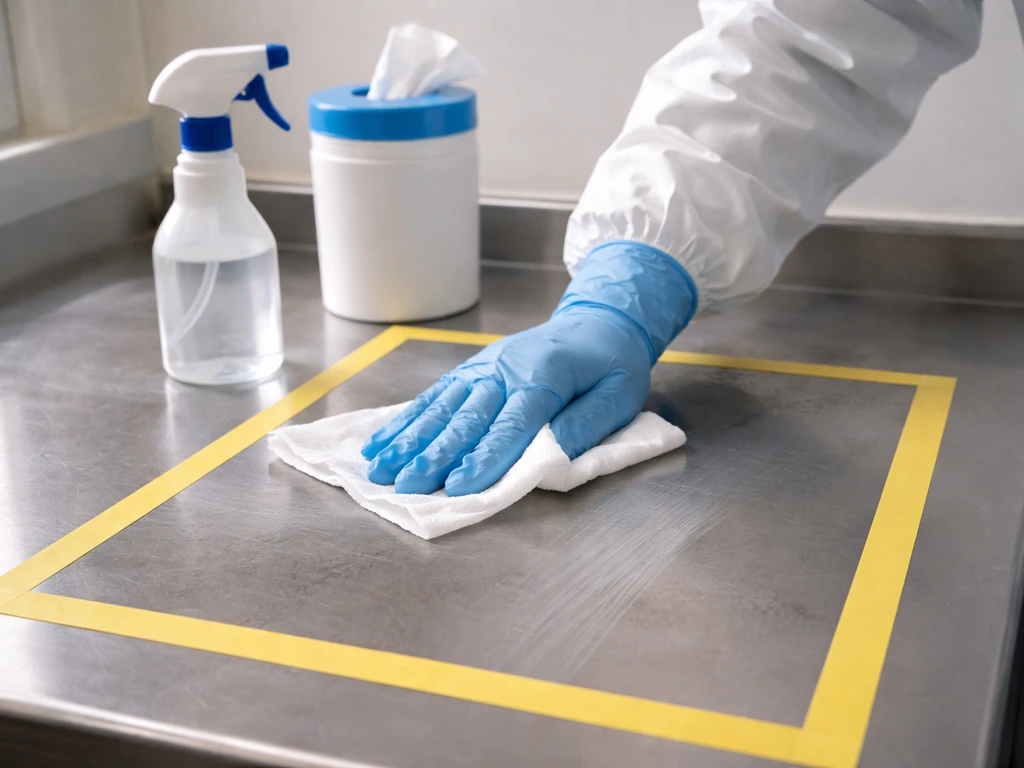
Learn how long bird flu can remain viable on surfaces, factors that change it, and step-by-step cleanup to reduce risk.
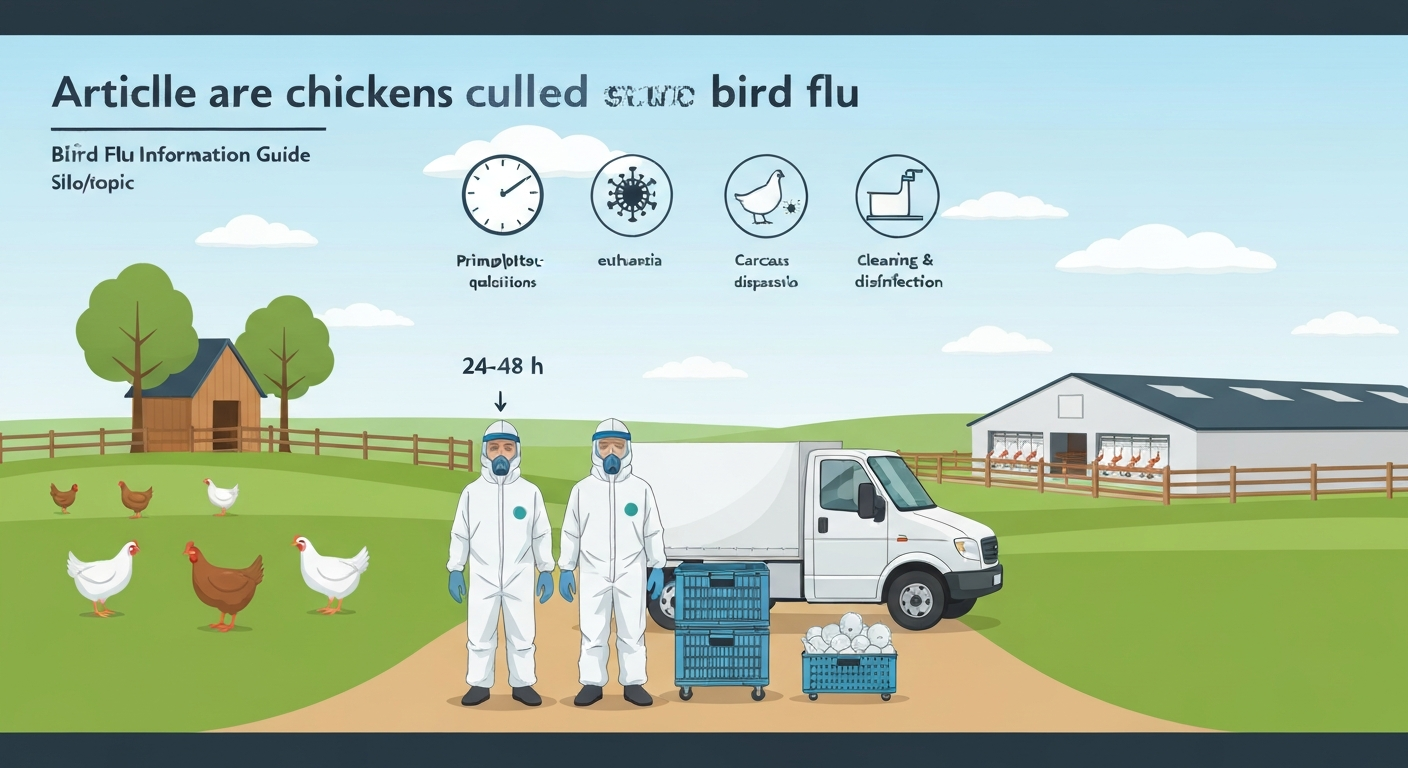
How are chickens culled during bird flu: why it’s done, humane methods, disposal, biosecurity, and next steps
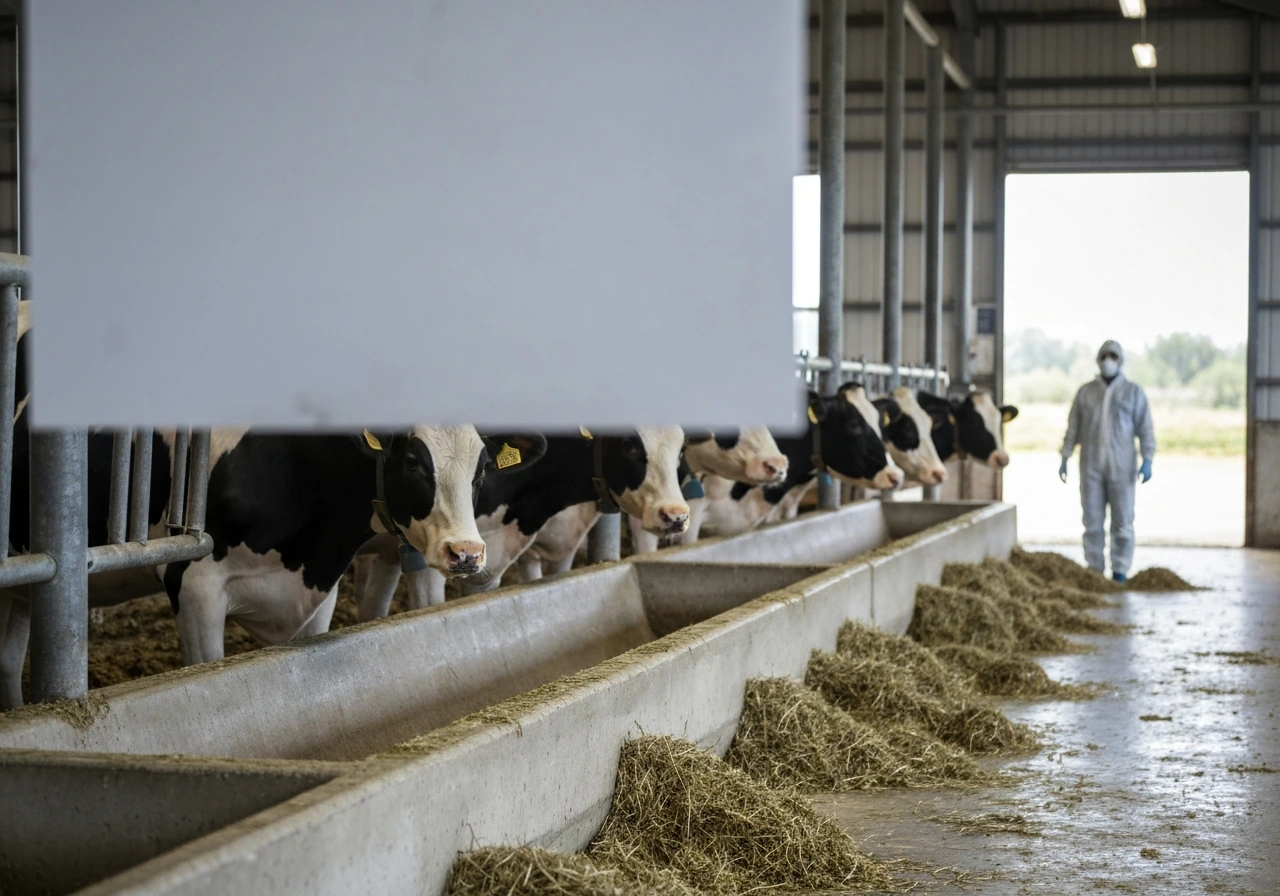
Explains whether cows with bird flu must be killed, and what happens for confirmed vs suspected cases, isolation and nex