Heat does kill bird flu, and the number you need to remember is 165°F (74°C) for poultry and 160°F (71°C) for eggs. Reach that internal temperature, and avian influenza virus is inactivated. That said, the full picture is a bit more nuanced: how long you hold that temperature, whether heat is penetrating to the center of the food, and where the virus is sitting in the first place all matter. This guide walks through everything you need to know to actually use that information safely.
What Temperature Kills Bird Flu and Safe Cooking Steps

Maya Chen
7 May 2026
The exact temperatures that kill bird flu
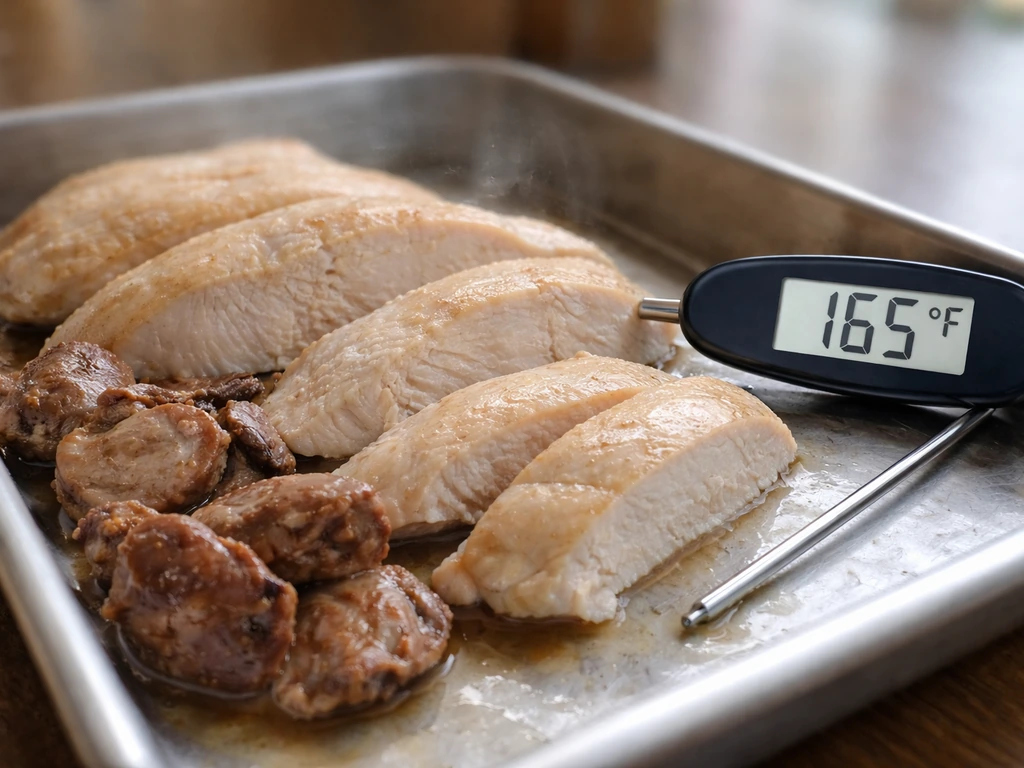
Avian influenza virus is not especially heat-resistant. Research and public health guidelines point to a few key thresholds you should know about.
| Scenario | Temperature | Time / Notes |
|---|---|---|
| Cooked poultry (all cuts, ground, giblets) | 165°F (74°C) | Confirmed safe by CDC and USDA FSIS; rest time per USDA chart |
| Cooked eggs | 160°F (71°C) | USDA FSIS safe minimum internal temp |
| Liquid egg white (commercial processing) | 56.7°C (134°F) | 232 seconds; achieves ~7-log10 virus reduction (WOAH/TAHC) |
| Moist heat treatment (general inactivation) | 56°C (133°F) | 30 minutes; standard used in international animal health protocols (WOAH/TAHC) |
The 56°C for 30 minutes figure comes from international animal health standards and is mostly relevant to industrial processing and biosecurity contexts, not your kitchen. For home cooks, the practical targets are 165°F for all poultry and 160°F for eggs, full stop. Those numbers have a built-in margin of safety and are easy to verify with a meat thermometer.
Why time and heat penetration matter as much as the number
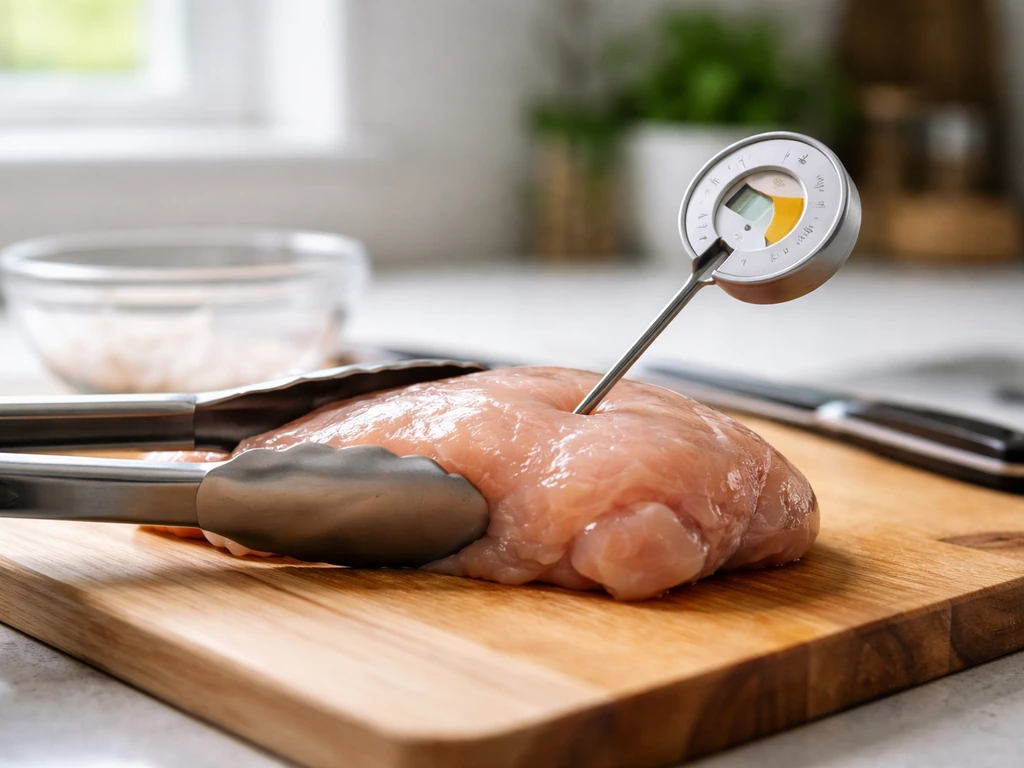
Temperature alone does not tell the whole story. A thick chicken breast can read 165°F at the surface while the center is still at 140°F. USDA FSIS recommends using a food thermometer to verify that food reaches a safe minimum internal temperature A thick chicken breast can read 165°F at the surface while the center is still at 140°F.. That cold center is where the risk lives. The WOAH data on egg products makes this clear: achieving viral inactivation requires the target temperature to be sustained for a defined period throughout the product, not just on the outside. That is why the USDA specifies internal temperature, not surface temperature, and why a calibrated meat thermometer inserted into the thickest part of the meat is the only reliable tool for the job.
The same logic applies to large whole birds. Stuffing cooked inside a turkey or chicken is notoriously slow to heat through, which is why the USDA explicitly includes stuffing on its safe temperature chart at 165°F. If you are roasting a whole bird, check the temperature in the thickest part of the thigh without touching the bone, and check the stuffing separately.
Where bird flu actually lives and what temperatures apply
Bird flu is not only a food-safety concern. If you are dealing with a suspected or confirmed outbreak in backyard flocks, working in poultry processing, or handling sick or dead birds, you need to think about the virus on surfaces, feathers, and carcasses as well. Bird flu can affect wild birds and poultry and may cause illness or death in infected birds bird flu kill birds.
Surfaces and contaminated environments
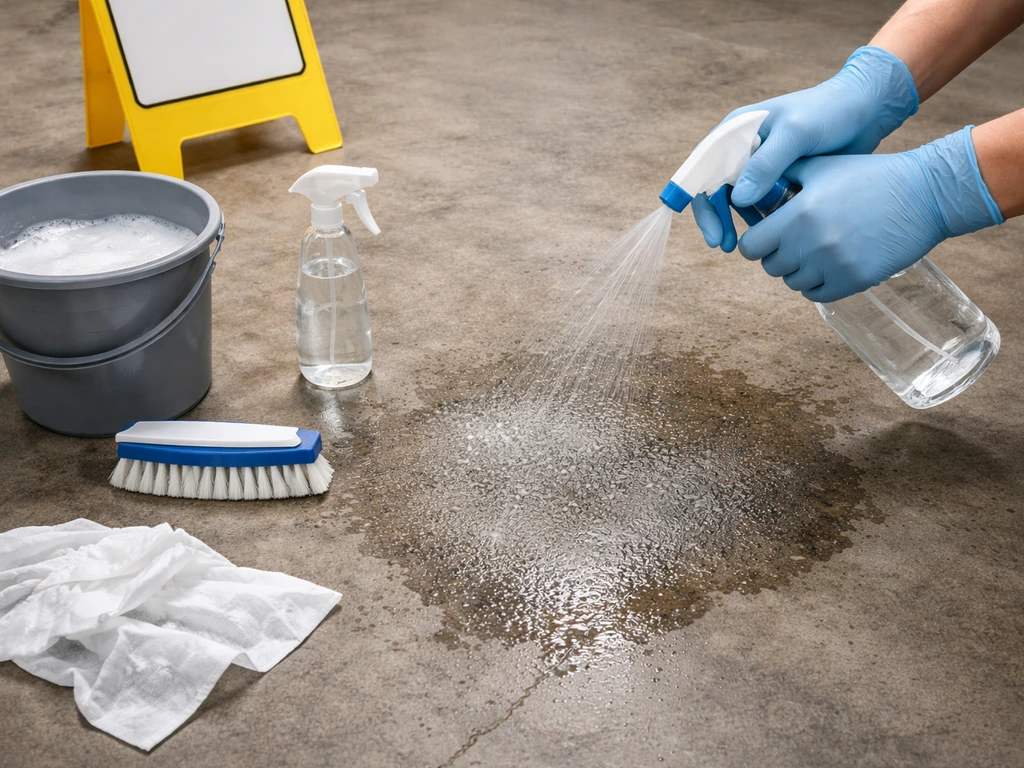
Avian influenza virus can survive on hard surfaces, in feces, and in organic material for varying periods depending on temperature and humidity. Cold, damp conditions are particularly favorable for survival. Heat is effective for decontamination, but reaching and sustaining sufficient temperatures across a large surface or an outdoor environment is not realistic. For bird flu on surfaces, focus on proper chemical disinfectants and follow the product label for the right contact time and coverage. This is why chemical disinfectants are the primary tool for surface decontamination in poultry farms and processing facilities, rather than heat alone. If you want a deeper look at what actually works on surfaces, the topic of what kills bird flu on surfaces covers that in detail.
Feathers and carcasses
Do not handle dead wild birds or sick poultry without protection. The virus can be present in feathers, secretions, and tissues. If you find a dead bird and need to dispose of it, use gloves and a plastic bag, avoid touching your face, and wash your hands thoroughly afterward. Do not attempt to heat-treat a carcass as a decontamination method at home. Report dead wild birds (especially waterfowl or raptors) to your state wildlife agency if you see an unusual cluster of deaths.
Poultry processing areas
Commercial and backyard slaughter settings carry higher exposure risk due to aerosolized particles and direct contact with blood, feathers, and feces. Workers in these environments should use appropriate personal protective equipment regardless of whether heat is being applied at any stage. Heat during cooking addresses the food-safety end of the chain, not the handling end.
Practical food-safety steps for poultry and eggs
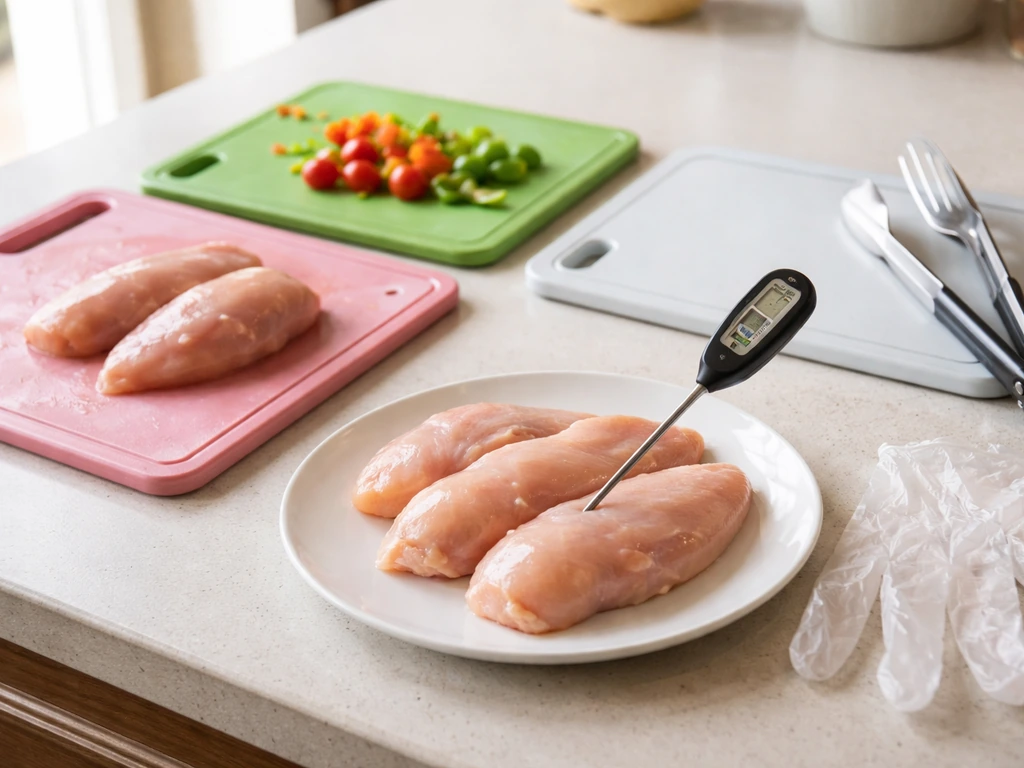
Here is what to actually do in your kitchen to make sure heat is doing its job properly.
- Use a calibrated instant-read meat thermometer. Insert it into the thickest part of the meat, away from bone or the pan surface, before declaring anything done.
- Cook all poultry (chicken, turkey, duck, game birds) to an internal temperature of 165°F (74°C). This applies to breasts, thighs, legs, wings, ground poultry, and giblets.
- Cook eggs until both the yolk and white are firm. If you are using a thermometer, the USDA sets the safe minimum for eggs at 160°F (71°C).
- Avoid runny eggs and raw or undercooked poultry dishes if you are in a high-risk group (pregnant, immunocompromised, elderly, or young children), especially during an active outbreak.
- Prevent cross-contamination: use separate cutting boards for raw poultry and other foods, wash hands with soap and water for at least 20 seconds after handling raw poultry, and sanitize surfaces and utensils that contacted raw meat.
- Do not wash raw poultry in the sink. It spreads pathogens onto surrounding surfaces without reducing your actual risk.
- Thaw frozen poultry in the refrigerator, cold water, or the microwave, not on the counter. Room temperature thawing allows surface layers to warm while the center stays frozen, creating uneven cooking conditions.
It is worth noting that properly inspected, commercially processed poultry and eggs in the United States are not a known source of human bird flu infection. So if you are wondering whether rescue or rescue-style handling can kill bird flu, the key is proper cooking for food, plus strict hygiene and decontamination for anything contaminated does rescue kill bird flu. Current H5N1 cases in people have been linked to direct contact with infected animals, not to eating properly cooked food. Following these steps brings your food-safety risk to effectively zero.
Where temperature alone will not protect you
The '165°F kills the virus' message is accurate and important, but it has real limits that are worth understanding so you do not end up with a false sense of security.
Cold storage prolongs survival
Avian influenza virus is remarkably stable in cold environments. It can survive for weeks in water at low temperatures and persists in frozen tissue for extended periods. Refrigerating or freezing poultry does not inactivate the virus. That is fine for food safety as long as you cook it properly afterward, but it matters if you are thinking about contaminated surfaces or materials in cold, wet outdoor environments, particularly in wetlands where wild waterfowl congregate.
Raw and undercooked products
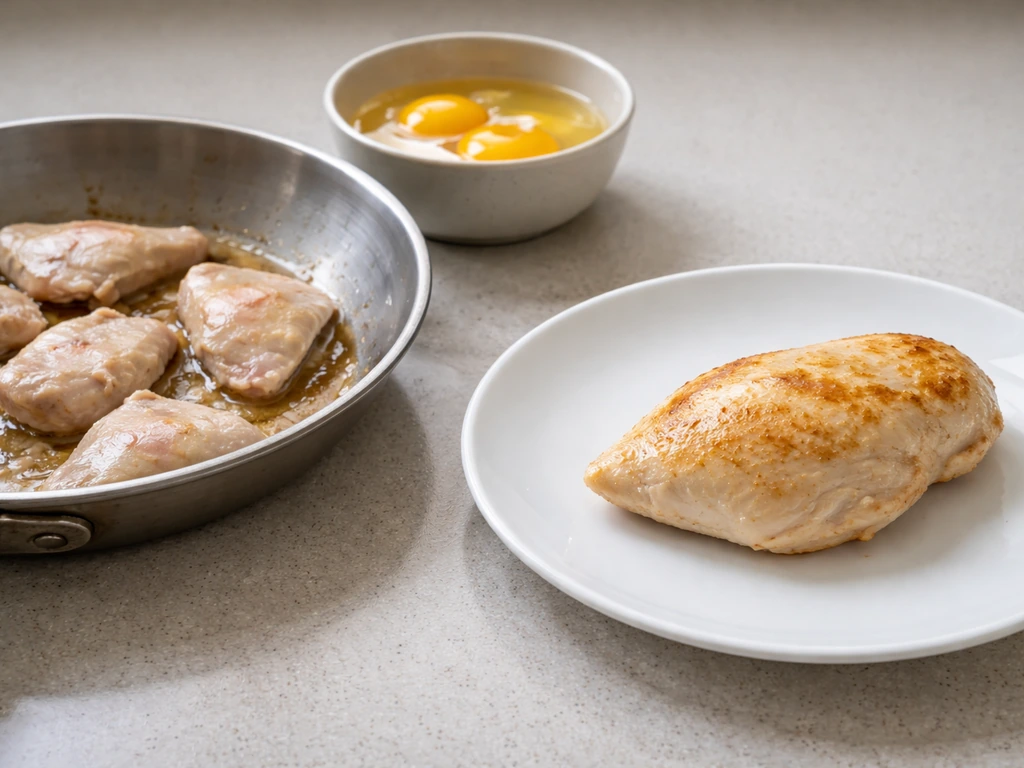
Raw poultry products, runny eggs, and dishes that use raw egg (like certain homemade mayonnaises or aioli) have not reached the temperatures needed to inactivate the virus. This is a manageable risk for healthy adults in low-exposure settings, but it is not zero. During active outbreaks, it is reasonable to be more conservative.
Smoke and low-heat cooking methods
Smoking, dehydrating, or slow-cooking at low temperatures can make food look and smell done without the internal temperature reaching the threshold needed to kill the virus. A smoked chicken thigh that stays at 130°F throughout the cook is not safe from a viral inactivation standpoint, even if it has great color and texture. The internal temperature rule applies regardless of the cooking method.
Environmental surfaces are a different problem
You cannot practically heat an entire barn, yard, or processing area to virus-killing temperatures. For surface decontamination, chemical disinfectants are far more practical and effective. Heat-based decontamination strategies in agricultural settings require specialized equipment and controlled conditions. If you are managing a flock and suspect infection, contact your state veterinarian or the USDA Animal and Plant Health Inspection Service (APHIS) for guidance on proper biosecurity protocols.
If you think you have been exposed

Most people reading this are concerned about food safety and face very low personal risk. But if you have had direct contact with sick or dead birds (wild or domestic) or been in an environment with a confirmed bird flu outbreak, here is what to do. If you are managing your own risk after direct contact, it also helps to understand what kills bird flu, so you can focus on the right protective steps alongside proper cooking.
Symptoms to watch for
Human bird flu infections have ranged from mild to severe. Symptoms can include fever (often high), cough, sore throat, runny nose, muscle aches, headache, fatigue, and in some cases shortness of breath or difficulty breathing. Eye redness (conjunctivitis) has also been reported. Symptoms typically appear within 2 to 5 days of exposure but can take up to 10 days.
When to seek help
- Call your doctor or local health department if you develop flu-like symptoms within 10 days of direct contact with sick or dead birds or their droppings.
- Tell them about the potential exposure before you arrive at a clinic or hospital so they can take appropriate precautions.
- Do not wait to see if symptoms improve on their own if you had a high-risk exposure. Antiviral medications like oseltamivir (Tamiflu) are most effective when started early.
- If you work with poultry commercially and your flock has tested positive or is under investigation, your employer and state health department should be coordinating monitoring for exposed workers. Follow those protocols.
- For food-related concerns with no direct animal contact, the risk is extremely low and does not generally warrant medical evaluation unless you develop symptoms.
The bottom line: heat is a genuinely effective tool against avian influenza, and the 165°F rule for poultry gives you a reliable, achievable target. The key is applying it correctly, verifying it with a thermometer, and understanding that the cooking step is just one part of safe handling. Stay aware of your actual exposure level, and if something feels off after a real contact event with birds, reach out to a healthcare provider sooner rather than later.
FAQ
Do I need to hit 165°F at the surface, or does it have to reach the center too?
It has to reach the internal center. In thick pieces, the outside can reach 165°F while the middle remains much cooler, so use a thermometer and place the probe in the thickest part (and for whole poultry, check the thigh area).
How long do I need to hold poultry at 165°F to kill bird flu?
For home cooking, use the internal-temperature target as your primary rule, but do not pull the food early. A consistent reading near the target in the thickest part for long enough to confirm doneness is the practical approach. If you see the temperature drop after resting or keep rising slowly, wait until it clearly stabilizes at the target internally.
Can I rely on color, juices, or “no longer pink” instead of a thermometer?
No. Visual cues are unreliable for viral inactivation because undercooked centers can look acceptable. A calibrated meat thermometer is the only reliable tool, especially for breasts, whole birds, and thick cuts.
What if my thermometer reads 165°F in one spot, but another area is cooler?
Check the thickest and slowest-heating areas. For example, in a whole bird, confirm the thigh (not the stuffing) reaches 165°F, then check stuffing separately if present. Recheck after a brief rest if the temperature is borderline.
Does freezing or refrigerating poultry kill bird flu before I cook it?
No. The virus can persist in frozen or refrigerated conditions, so treat frozen poultry as potentially contaminated and cook it afterward to the correct internal temperature.
Are eggs safe if the white and yolk look firm, but the center was warmer than 160°F only briefly?
Do not guess based on appearance. For egg products, the internal target is 160°F, and methods like runny yolks, soft-set custards, or lightly cooked toppings may not reach that threshold throughout.
Does microwaving work to reach the needed temperatures?
Microwaving can create uneven heating, so it is easy to miss a cold center. If you microwave, stir or rotate as directed, then verify with a thermometer in the thickest area before serving.
If I use a slow cooker or sous vide, what’s the safest approach?
Slow or low-temperature cooking can leave parts below the target even if the outside looks done. Verify with a thermometer at the thickest part, and avoid serving until the internal temperature meets the required threshold. For sous vide, ensure the time and final temperature actually bring the center to the target.
Is 165°F different for chicken, turkey, or other poultry?
The same practical target applies to poultry for home cooking, 165°F (74°C) in the internal thickest part. The main complication is uneven heat penetration, which is why thermometer placement matters more than the species.
Do I need to cook stuffing inside a turkey to 165°F, or can I just cook the bird to 165°F?
If stuffing is cooked inside the bird, check it separately to ensure it reaches 165°F. The stuffing warms slowly, so the bird can be safe while the stuffing is not.
If I handled raw poultry during an outbreak, do I need to heat-treat leftovers or just cook them?
Reheating food does not automatically make it safe if it was stored improperly. Ensure leftovers are reheated to steaming-hot temperatures and, when in doubt for thick or dense portions, verify with a thermometer that the center reaches the appropriate threshold before eating.
I cooked to temperature, but the cutting board and utensils were contaminated with raw poultry. Does cooking still protect me?
Cooking only addresses the food. Surfaces, hands, and utensils can transfer contamination, so wash with soap and water and disinfect using a product appropriate for poultry contamination and the label’s contact time.
What should I do if I accidentally served food that might have been below the temperature rule?
If you suspect undercooking, do not “partially fix it” by serving anyway. Either reheat thoroughly, and if the food is thick, reheat and verify with a thermometer. If someone is in a high-risk group, contact a healthcare provider for personalized advice.
Can I kill bird flu by smoking, dehydrating, or cooking at a low temperature for a long time?
Not reliably. These methods can produce good texture while the internal center stays below the required threshold. The safe approach is to verify the internal temperature in the thickest part meets 165°F for poultry or 160°F for eggs.
After I cook properly, do I still need to worry about bird flu symptoms?
The risk from properly cooked food is effectively very low. Symptoms after a real contact event with sick or dead birds can still warrant medical advice, especially if you had direct exposure, but food alone is not the typical source when cooking targets are met.
Next Article
What Kills Bird Flu on Surfaces: Disinfection Steps
Learn what kills bird flu on surfaces, including safe disinfectants, contact times, and step-by-step decontamination.