
You cannot definitively diagnose bird flu by looking at a bird. What you can do is recognize a pattern of signs that raises enough suspicion to trigger the right response: isolate, protect yourself, document what you're seeing, and call in the people who can run the actual tests. Diagnosis in the official sense requires laboratory confirmation, either through antigen detection or PCR testing at a state or federal veterinary lab. For dogs, bird flu testing should only be done through veterinary diagnostic labs, typically using PCR or other laboratory confirmation rather than at-home tests. Your job is to recognize the warning signs, stay safe, and get the right officials involved quickly.
How to Diagnose Bird Flu: Signs, Suspicion, and Testing

Maya Chen
8 Jun 2026
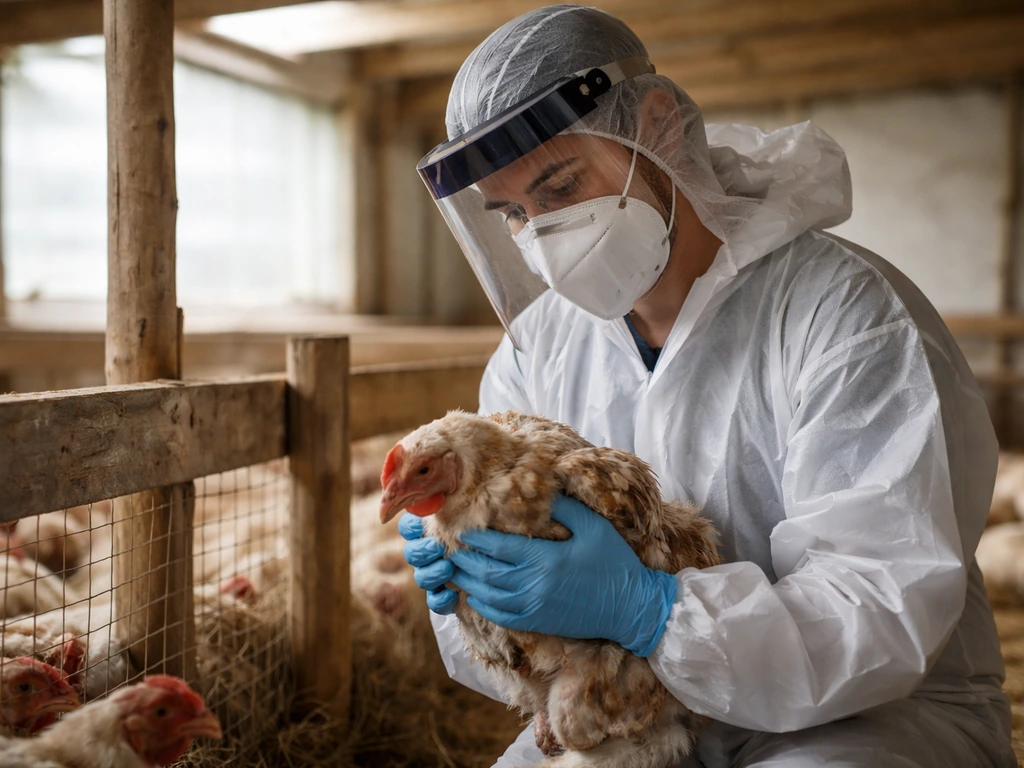
What bird flu actually looks like in birds
The tricky part is that avian influenza symptoms overlap heavily with other common poultry diseases like Newcastle disease, infectious bronchitis, and even Marek's disease. No single sign confirms bird flu. If you’re trying to figure out whether you’re seeing signs a bird has avian flu, focus on how symptoms cluster and escalate rather than any single symptom in isolation. What you're really looking for is a combination of findings, especially if they appear suddenly across multiple birds at once.
Signs in poultry (chickens, turkeys, ducks)
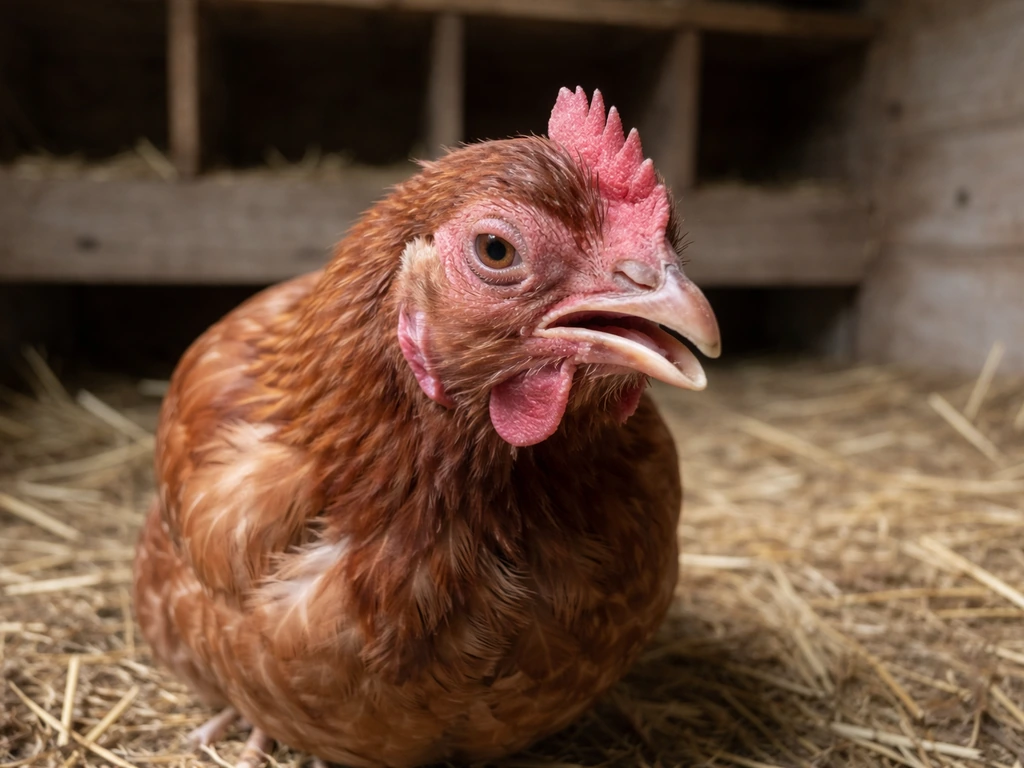
Highly pathogenic avian influenza (HPAI) tends to hit fast and hard. With low pathogenic avian influenza (LPAI), the picture is often much subtler, and some flocks show almost nothing at all. Here's what USDA APHIS lists as the main warning signs across both forms:
- Sudden death with no prior signs, sometimes affecting multiple birds in a short window
- Respiratory distress: labored breathing, coughing, nasal discharge, rattling sounds
- Lack of energy and obvious drop in appetite
- Decreased egg production, or eggs with soft or misshapen shells
- Diarrhea and watery droppings
- Swelling or discoloration (purple/blue tinge) of the comb, wattles, and around the eyes
- Neurological signs in severe cases: twisted neck, loss of coordination, tremors
LPAI-infected poultry often show no signs at all, or only mild respiratory symptoms that could easily be mistaken for a cold. HPAI, on the other hand, can wipe out a significant portion of a flock within 48 hours. If you're seeing sudden unexplained deaths alongside any of the above in multiple birds, that combination should immediately raise your suspicion level.
Signs in wild birds
Wild birds, particularly waterfowl and raptors, are common carriers and can present differently than poultry. According to Maine's Department of Inland Fisheries and Wildlife, HPAI in wildlife often shows up as neurological dysfunction: abnormal head or neck positioning, circling, ataxia (stumbling, inability to walk straight), and sudden death. A wild bird sitting still in an open area, unable to fly, or showing obvious disorientation is a significant red flag. The virus is shed in respiratory secretions and feces, so a sick bird on the ground is a potential contamination source for anyone nearby.
It's worth noting that species respond very differently. Some waterfowl can carry and shed HPAI without showing obvious illness, while the same strain can be rapidly fatal in raptors or domestic poultry. This is one more reason visual signs alone can't confirm a diagnosis.
Suspicion vs. confirmed diagnosis: what those words actually mean
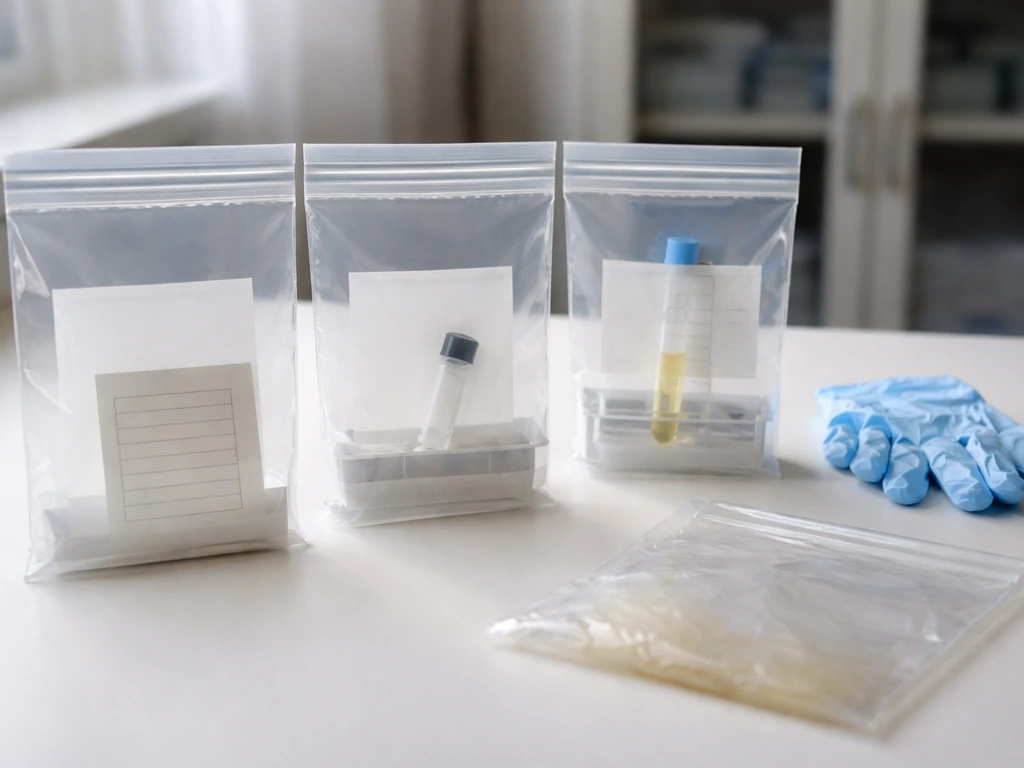
USDA APHIS uses a formal case definition with three distinct levels, and understanding them helps you know where you stand and what happens next.
| Case Status | What It Means | How It's Established |
|---|---|---|
| Suspect Case | Clinical illness compatible with HPAI or H5/H7 LPAI, based on observations | Your report to a vet or animal health official; triggers investigation |
| Presumptive Positive | Lab detection of influenza A antigen or H5/H7 by PCR at an accredited lab | Testing at a National Animal Health Laboratory Network (NAHLN) lab |
| Confirmed Positive | Full characterization including pathotyping at USDA's National Veterinary Services Laboratories (NVSL) | NVSL testing with complete pathogen identification |
In practice, a presumptive positive result from a state lab is enough to trigger a full official response, including quarantine and depopulation decisions. Confirmed positive status from NVSL finalizes the record and shapes the broader outbreak response. You are never expected to move past the 'suspect' stage on your own. Your role ends at documenting what you see and making the call.
How the actual testing works
If you report a flock and a state veterinarian or USDA area veterinarian initiates an investigation, here is what the diagnostic process typically looks like from the lab side. For field investigations, USDA APHIS sample collection guidance includes practical rRT-PCR and NAHLN priority testing expectations, specimen handling and shipping timelines (including faster priority turnaround), and notes that virus isolation or characterization may be needed when appropriate.
Sample types
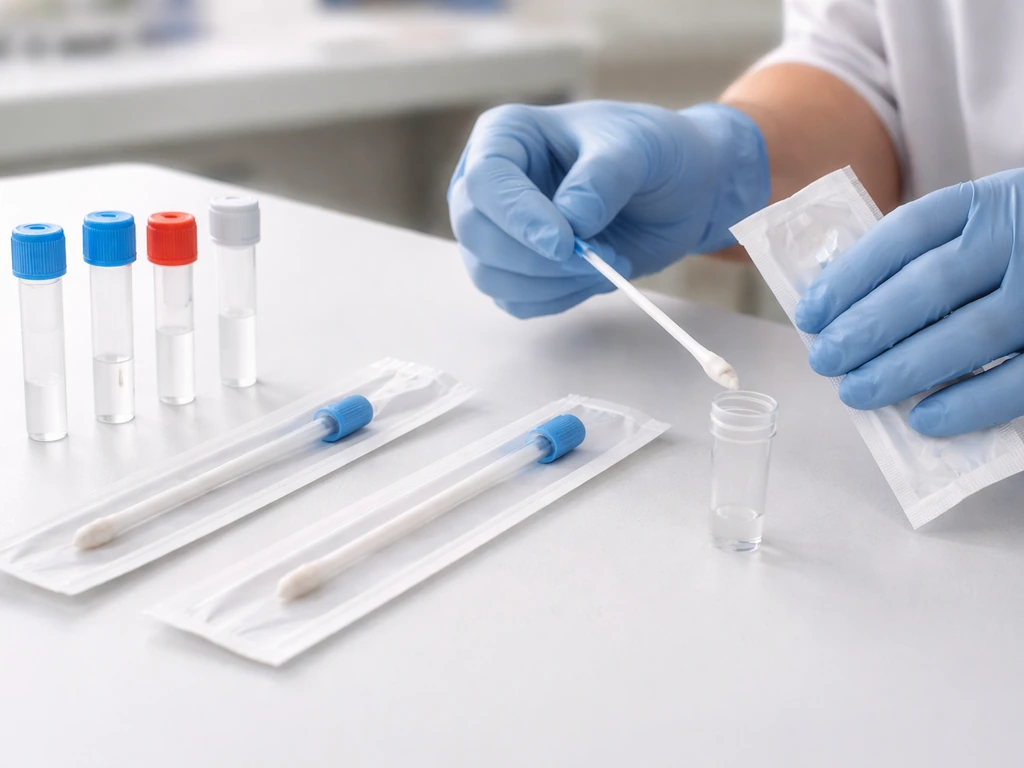
For live birds, the preferred samples are cloacal swabs and tracheal (oropharyngeal) swabs, since the virus is shed through both respiratory and fecal routes. According to WOAH's diagnostic manual, tracheal swabs tend to have better sensitivity in early infection, while cloacal swabs catch shedding later in the disease course. For dead birds, fresh tissue samples from the trachea, lungs, intestine, and brain are typically collected. Swabs are placed in viral transport media, labeled with strict specimen ID requirements, and shipped under regulated biological substance protocols to a NAHLN-accredited lab.
Lab tests used
- Real-time reverse transcription PCR (rRT-PCR): the primary rapid detection tool, identifies influenza A and can subtype H5 or H7 specifically; priority turnaround at NAHLN labs
- Influenza A antigen capture (rapid antigen test): can be used as an initial screen in field or lab settings, but must meet USDA-licensed kit standards to count toward presumptive positive criteria
- Virus isolation: growing the virus in embryonated eggs or cell culture, used for full characterization at NVSL
- Pathogen characterization: full sequencing and pathotyping to determine if the virus is highly or low pathogenic, completed at NVSL for confirmed positive status
One important clarification: there is no legitimate at-home test for bird flu in birds or in people. Standard over-the-counter flu tests for humans cannot subtype influenza A or identify H5 strains. If you're wondering whether a home test kit could work, the short answer is no. Official testing through a state veterinary diagnostic lab or NAHLN-accredited facility is the only path to a meaningful result. You can also ask your state or local public health or veterinary authorities where to get tested for bird flu in your area.
What to do right now if you suspect bird flu
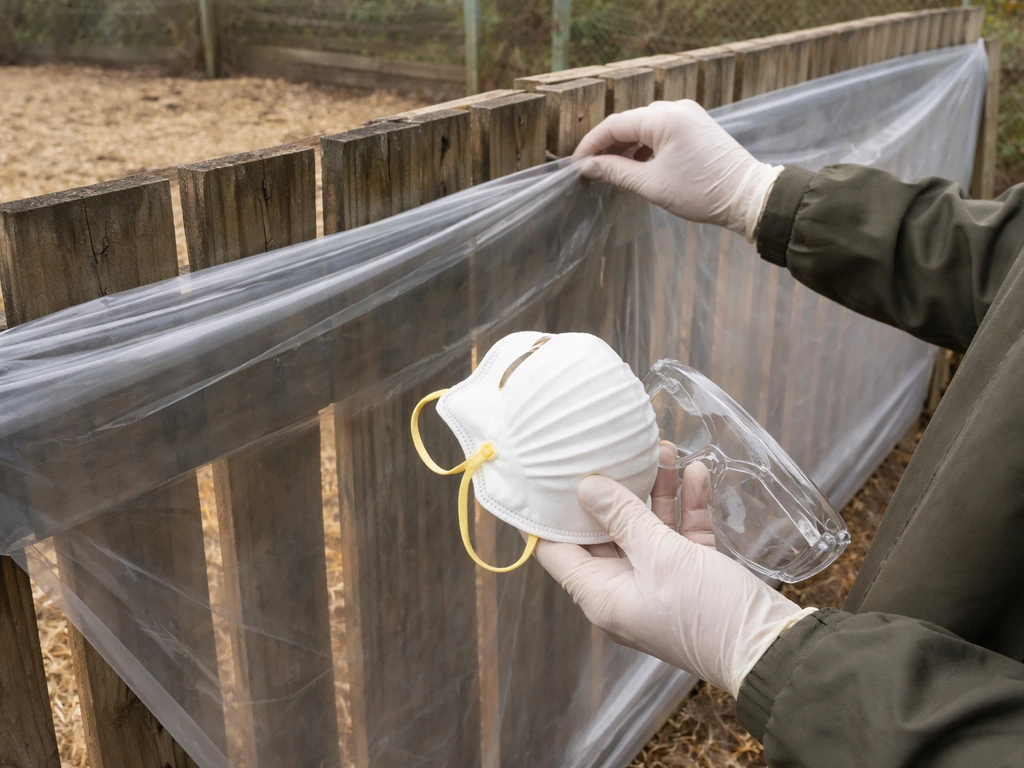
Speed and safety matter here. If you're looking at sick or dead birds and bird flu is on your radar, follow this sequence.
- Stop and protect yourself first. Before touching anything, put on gloves, a properly fitted N95 or equivalent respirator, eye protection (goggles or face shield), and boots or shoe covers you can disinfect. CDC is explicit that 'unprotected contact' means no gloves or other PPE, and that threshold matters for your risk assessment afterward.
- Do not touch sick or dead birds, their feces, litter, or any contaminated water source with bare hands.
- Isolate affected birds immediately. Separate sick birds from the rest of your flock to slow any potential spread while you wait for official guidance.
- Document what you're seeing. Take photos or video of the signs, note how many birds are affected, when signs started, and whether deaths have occurred. This information helps investigators enormously.
- Call it in. For poultry and backyard flocks, contact your veterinarian and report to USDA APHIS via the Healthy Birds hotline at 866-536-7593. You can also contact your state veterinarian's office or state animal health official directly. For a sick or dead wild bird, contact your state wildlife agency.
- Do not dispose of dead birds before officials advise you to. Carcasses may be needed for diagnostic sampling.
- Disinfect your boots and any equipment before leaving the area. USDA APHIS recommends EPA-registered disinfectants applied per label instructions for avian influenza biosecurity.
The USDA Defend the Flock program frames this well: reporting quickly is not just about your flock, it's about containing a potential outbreak before it spreads to neighboring farms or wildlife. Early detection is the most effective containment tool available.
Human risk and symptoms: when to call a doctor or public health
In the U.S., the vast majority of human bird flu cases have been mild, and most involved direct, known exposure to infected or sick animals. That context matters. If you had no direct contact with sick birds, contaminated litter, or a known infected environment, your risk is very low. But if you did have unprotected exposure, here's what to watch for and what to do.
Human symptoms associated with bird flu
Human H5 infection can look like uncomplicated seasonal flu at first: fever, cough, fatigue, and body aches. Among recent U.S. cases, eye redness and conjunctivitis have actually been among the most prominent symptoms reported. In severe cases seen internationally, illness can progress to lower respiratory disease, pneumonia, multi-organ failure, or encephalitis, though this pattern has been less common in the current U.S. situation. The challenge is that early symptoms won't tell you it's bird flu versus regular influenza without a specific test.
When to seek evaluation
CDC recommends that anyone with known unprotected exposure to infected birds or contaminated environments monitor themselves for symptoms for 10 days after that exposure. If you develop fever, respiratory symptoms, or eye irritation during that monitoring window, contact your local or state health department before going to a clinic or emergency room. Tell them about your exposure. This matters because standard flu tests cannot identify H5 viruses, and clinicians need to order specific influenza A subtyping or H5 PCR testing through public health channels. CDC has been expanding availability of this testing, but it still requires a public health referral in most situations rather than a walk-in rapid flu swab.
If you were exposed and are uncertain about your risk level, your state or local health department is the right first call. They can assess your exposure, arrange testing if indicated, and guide you on monitoring or any need for antiviral prophylaxis.
Prevention, containment, and food safety
Preventing spread at the source
Biosecurity is the single most effective tool for flock owners. Limit traffic onto your property, keep wild birds away from feed and water sources, and change clothes and footwear before and after entering your bird area. The virus spreads primarily through direct contact with infected birds or their secretions and feces, but also via contaminated equipment, clothing, and shared water. Reducing those contact points reduces risk substantially.
PPE as a non-negotiable habit
If you work with poultry commercially or keep a backyard flock during an active outbreak period, PPE should be a routine part of flock management, not just an emergency measure. A NIOSH-approved particulate respirator (N95 or better), eye protection, gloves, and coveralls or dedicated clothing create a meaningful barrier against both respiratory and contact exposure. CDC's workplace guidance for avian influenza specifies these as the core components of protection.
Food safety during outbreaks
Properly handled and cooked poultry and eggs remain safe to eat. FDA and USDA's joint assessment concludes that cooking poultry to an internal temperature of 165°F (74°C), measured with a food thermometer, eliminates any influenza virus risk. The key additional step is preventing cross-contamination during handling: keep raw poultry away from other foods, wash hands and surfaces after contact with raw meat, and don't rinse raw poultry in the sink. These are standard safe food-handling practices that apply with extra importance when an outbreak is active in your region.
Staying current on outbreak status
USDA APHIS maintains an updated tracking page for confirmed HPAI detections in commercial and backyard flocks, updated as new cases are confirmed by state animal health officials. Checking this regularly during active outbreak periods tells you whether your county or state has current detections, which changes how aggressively you should be applying biosecurity and how closely you should monitor your birds. The current outbreak involving H5N1 has been the largest in U.S. history across both commercial poultry and wild birds, making ongoing vigilance more relevant than it would be in a quiet period.
The bottom line is that diagnosing bird flu is a team effort. You bring the observations, the documentation, and the first call. Veterinarians, state animal health officials, and public health departments bring the tests, the official response, and the containment tools. Recognizing warning signs early and acting quickly on them is genuinely the most important thing you can do, both for your flock and for the people around you.
FAQ
If I cannot confirm bird flu by looking, when should I report a case anyway?
Bird flu testing can be triggered without waiting for you to be “sure.” If you see sick or dead birds that match the article’s patterns, isolate the birds and immediately contact your state veterinarian or USDA/area veterinarian for guidance on specimen collection and next steps. They will decide whether laboratory testing is warranted.
What does a presumptive versus confirmed positive result mean for what happens next?
State lab results are handled in stages. A presumptive positive is taken seriously enough to start official containment actions right away, while final confirmation (for example, by NVSL) finalizes the record. Practically, this means you should assume the situation is treatable as real until officials tell you otherwise.
Which types of samples work best, and does timing matter?
If birds are alive, sample choice and timing matter. Tracheal swabs tend to do better earlier in infection, while cloacal swabs often pick up shedding later. That is one reason official sampling guidance should be followed rather than grabbing a single swab yourself.
Can I collect samples myself to get accurate results?
Yes, but not for “testing” in your home or clinic. After you report, officials may direct you to collect swabs or tissues for lab submission (under regulated handling), or they may collect directly. The key point is that proper specimen labeling, transport media, and shipping requirements affect whether PCR or antigen testing is valid.
How should I document signs so officials can differentiate bird flu from other poultry diseases?
Many poultry diseases look similar, so you should document clusters and progression rather than rely on one symptom. Record the number of birds affected, whether onset was sudden, whether deaths occurred quickly, and any neurologic signs (especially in wild birds). This information helps labs and officials decide which tests to run.
If someone feels sick after exposure, how do they know it is not just regular flu?
Cold-season “flu-like” symptoms in people cannot reliably be distinguished by symptoms alone. If you have had unprotected exposure to infected birds or contaminated environments, monitor yourself for 10 days, and if you develop fever, respiratory symptoms, or eye irritation, contact your local or state health department and mention the bird exposure.
What if a clinic already did a standard flu test and I never mentioned bird exposure?
If you already visited a clinician without disclosure of bird exposure, tell the health department as soon as possible and ask whether specific influenza A subtyping or H5 testing is indicated. Standard rapid flu tests typically cannot identify H5 viruses, so the exposure detail affects what clinicians and public health order.
Where should I request testing for bird flu exposure if I cannot get walk-in results?
For human testing, public health referral is usually needed because clinicians must order the correct subtype or H5 PCR testing through the appropriate channels. A practical next step is to contact your state or local health department first if you are within the monitoring window and can describe your exposure clearly.
What biosecurity steps should I take immediately before any lab results come back?
Biosecurity decisions should be based on risk and timing, not on waiting for lab confirmation. Isolate birds, restrict traffic, prevent contact with wild birds, and protect your own clothing and footwear before and after entering the area. If officials confirm or even identify a presumptive positive, they may expand actions like quarantine and depopulation.
Can I use an at-home flu test to rule out bird flu?
No. Standard over-the-counter flu tests cannot subtype influenza A or identify H5 viruses, so a “negative” result from a home test does not rule out bird flu. If bird flu is on your radar, the only meaningful next step is official testing through state veterinary diagnostic labs or NAHLN-accredited facilities.
Does bird flu change how I should handle or cook poultry at home?
Cooking guidelines apply, and the article notes 165°F (74°C) for poultry, measured with a food thermometer, eliminates influenza virus risk. The extra caveat is preventing cross-contamination during raw handling, since contamination of hands, sinks, and other foods can spread virus that way even when cooking is done correctly.
What should I do if I find a sick or dead wild bird that could be bird flu?
If you find a sick or dead wild bird, treat it as potentially infectious. Avoid handling with bare hands, keep children and pets away, and report to the appropriate local wildlife or animal health authority for instructions. The neurologic signs described in wildlife can be especially concerning when combined with sudden death or inability to fly.